Storia
Origins under the Baiocchi family
Fattoria del Cerro’s history began in 1922 on land owned by the Baiocchi family at Acquaviva. Agricultural fields alternated with woods of cerro, or Turkey oak, and cultivation was still organized under Tuscany’s sharecropping system. The estate’s name refers to this locally widespread oak, Quercus cerris. In Tuscan vernacular, a wood dominated by these trees is called a cerraia or cerreta.
Under sharecropping, the farm operated as a substantially closed agricultural system. Until the late 1970s, production was divided approximately 52% to the sharecropper and 48% to the aristocratic landowning family. The sharecropper’s wine was generally consumed promptly, while the landowner’s portion remained in barrel for extended maturation. This historical distinction between an immediately consumed farm wine and a longer-aged wine associated with noble households is presented as the background to the name Vino Nobile.
Acquisition and the revival of Vino Nobile
In 1978, Fattoria del Cerro was acquired and incorporated into the Tenute del Cerro group. During the 1980s, the estate took a new direction and participated in the qualitative revival of Vino Nobile di Montepulciano. This coincided with the Consorzio securing DOCG recognition, among the earliest such recognitions in Italy, and with Montepulciano consolidating its position among the country’s principal wine denominations.
The estate subsequently developed into a property of more than 600 ha, encompassing 181 ha of vineyards. Its 93 ha entered in the Vino Nobile register made it the denomination’s largest private producer. The vineyards came to form a dispersed mosaic across Acquaviva, Cervognano, Montenero and Tre Berte. Their fragmentation and range of exposures became central to the agronomic project, providing multiple sources from which grapes can be selected according to the conditions of each vintage.
Prugnolo Gentile selection
Fattoria del Cerro undertook a clonal-selection project focused on Prugnolo Gentile, the local Sangiovese biotype around which its production is organized. Researchers identified promising plants in the oldest vineyards, collected their propagation material and evaluated the resulting mother plants for yield, oenological performance and phytosanitary condition.
The work produced three certified clones: Grifo, Bravìo and Brescello, whose names draw on the history of Montepulciano. The estate also maintained Colorino, Mammolo, Canaiolo, Ciliegiolo, Pugnitello and Fogliatonda. These lower-yielding native varieties had progressively fallen out of use but were retained for the complexity they can contribute to blends.
Zoning and the Pieve project
Systematic studies of the Vino Nobile territory began in the 1990s, when the Consorzio was among the first Italian bodies to pursue a formal zoning project. The process specifically leading to the new Pieve designation began in 2020, combining geological and soil research with historical investigation based in part on the nineteenth-century Leopoldine Cadastre. The work identified twelve subzones corresponding to ancient parish territories whose origins extend to the late Roman period.
From 2025, the Vino Nobile di Montepulciano regulations recognized these twelve Additional Geographical Units as Pievi. Fattoria del Cerro’s southeastern vineyards lie within the Pieve di Sant’Ilario. The new category introduced precise grape-origin traceability, rules favoring native varieties, lower maximum yields, minimum vineyard age and a double tasting assessment.
In 2026, Fattoria del Cerro presented its first wine with the new geographical designation, Pieve Sant’Ilario, from the 2021 vintage and made in limited quantities. It became the estate’s first expression based on the formal zoning of the Sant’Ilario UGA.
Winery modernization and artificial intelligence
The winery was enlarged and redesigned as a contemporary production and hospitality environment. Pigmented stainless-steel tanks, concrete, travertine and natural light were incorporated into the vinification hall, while a suspended walkway was added above the production space. The barrel cellar and barrique room were designed both for maturation and for guided visits; their ceiling evokes the contours of the Sienese hills, while concrete helps maintain suitable cellar conditions.
An automatic optical grape sorter incorporating artificial intelligence was installed for the 2024 harvest. The system supplemented the estate’s established manual selection stages and was designed to cope with grape receipts that can reach 500–600 quintals per day during harvest.
The 2025 harvest marked the system’s fuller integration into the winery. Its self-learning software allowed the technical team to set a separate selection program for each variety and harvesting method. The sorter reached a stated selection accuracy of approximately 90%, and the estate set the objective of eventually passing all incoming grapes through it.
Certified management and sustainability
The Fattoria del Cerro production site obtained ISO 14001:2015 certification from 28 December 2022, covering vinification and forming part of a wider environmental management system. Its wine and olive-oil development and production activities were certified to ISO 9001:2015, with the current documented period running from 8 April 2024 to 8 April 2027.
By 2025, Fattoria del Cerro had also obtained Equalitas certification, assessing environmental, economic and social sustainability across the supply chain. The program incorporated carbon- and water-footprint calculations, annual improvement targets and third-party verification. In 2026, the group’s integrated policy continued to identify Fattoria del Cerro as an Equalitas-certified production site and set objectives for water efficiency, lower greenhouse-gas emissions, renewable energy, reduced fossil-fuel use and sustainable agricultural management.
Terroir
Location and landscape
Fattoria del Cerro is situated at Acquaviva, a few kilometres from Montepulciano in the province of Siena. Its vineyards extend through the small localities of Acquaviva, Cervognano, Montenero and Tre Berte, creating a fragmented mosaic of plots that follows the natural contours of the Tuscan hills. The landscape forms an amphitheatre descending toward the Valdichiana, with Montepulciano and Chianciano visible on the horizon.
The vineyard mosaic and its varied exposures are fundamental to the estate’s approach. Rather than relying on one uniform site, the team can draw from differently situated plots and adjust grape selection to the conditions of each vintage.
Geological origin
The hills are built from Pliocene sediments deposited when the area was seabed. Stratigraphy can change over short distances, and marine fossils remain evidence of this geological past.
Four principal soil expressions are identified across the estate:
- Clay soils, containing as much as 45% clay. These are cold and compact, crack during summer and require targeted cultivation to conserve moisture.
- Sandy-loam soils, which are lighter and reach maturity earlier.
- Calcareous marine sediments, containing fossilized skeletons and shells and associated with the mineral character of Prugnolo Gentile.
- Iron-rich brown soils, distinguished by an intense earthy smell.
Pieve di Sant’Ilario
The Sant’Ilario UGA occupies the southeastern part of the Vino Nobile denomination. Its vineyards lie between 250 and 400 m above sea level. The principal formations are silty deposits over compact sand, with clay-loam and silty clay-loam textures and abundant limestone. Lower ground toward the Valdichiana includes fluvio-lacustrine terraces of sand and small siliceous pebbles.
These soils also derive from Pliocene marine sediments. The combination of clay and silt is associated with structure, firm tannins and pronounced minerality. The estate’s Fontelellera vineyards are included within this Pieve.
Vinificazione
Fattoria del Cerro’s vineyards are managed as a dispersed mosaic rather than a uniform block. The range of exposures allows the team to choose the most suitable grapes from different sites in response to each season.
Precision agriculture is used to reduce phytosanitary treatments. The current environmental program also includes optimized water consumption, collection and use of rainwater, sustainable management of winemaking by-products and annual measurement of carbon and water footprints.
The estate participates in the environmental-sustainability program of the Consorzio del Vino Nobile di Montepulciano. The program provides for the removal of selected products, the integration of agronomic techniques for soil care and analysis, and more targeted vineyard management intended to limit pathogen pressure. Its wider objectives include lower water consumption, reduced packaging and reduced waste.
Prugnolo Gentile has been the focus of a detailed selection program. Superior plants were identified in the oldest vineyards, propagated and evaluated for productivity, oenological suitability and phytosanitary health. The work yielded the certified clones Grifo, Bravìo and Brescello. Colorino, Mammolo, Canaiolo, Ciliegiolo, Pugnitello and Fogliatonda are maintained as a reservoir of lower-yielding native varieties.
Grape selection traditionally begins in the vineyard, where unsuitable bunches are rejected. Selection continues at the winery before destemming and again at berry level after destemming. Manual sorting tables process up to approximately 20 quintals per hour, or around 160 quintals during an eight-hour day. Because harvest deliveries may reach 500–600 quintals per day, optical sorting now supplements these manual stages.
Equalitas certification assesses the entire chain in environmental, social and economic terms. Its scope extends beyond vineyard and cellar operations to propagation material, suppliers, employee travel, packaging, distribution and delivery. The associated program calculates greenhouse-gas and water impacts and establishes annual targets such as reducing cellar-washing water, lowering electricity consumption, expanding photovoltaic capacity and using lighter bottles.
Grape reception and sorting
Selection begins manually in the vineyard with the removal of unsuitable bunches. At the winery, specialized operators make a second selection before destemming. A third pass can take place after destemming, when individual berries move slowly across sorting tables.
Fattoria del Cerro installed an automatic optical sorter incorporating artificial intelligence for the 2024 harvest. Grapes are distributed in a single layer on a fast-moving conveyor so that the system can inspect each berry. Acceptable berries continue through the air into the hopper leading to the cellar; rejected berries are diverted by an air jet into a separate container.
The system learns from examples selected by the operator and calibrates its sensors according to technical parameters. Each variety and harvesting method receives a separate program: hand-harvested Sangiovese, for example, requires settings different from those for mechanically harvested fruit. Parameters can account for colour, shape, berry size and chlorophyll level. Selection accuracy is stated at about 90%.
The optical sorter does not eliminate manual selection. It supplements it and makes the process more consistent at the estate’s scale, where daily harvest receipts may reach 500–600 quintals. The long-term objective is to pass all incoming fruit through the machine.
Winery and maturation spaces
The enlarged and redesigned winery combines production requirements with a visitor route. The vinification hall contains pigmented stainless-steel tanks arranged within a palette of concrete, travertine and natural light. A suspended walkway gives an overhead view of vinification and fermentation operations.
Separate barrel and barrique rooms provide spaces for maturation in large casks and barriques. Their concrete construction helps create suitable cellar conditions, while the ceiling’s form recalls the Sienese hills. The production sequence presented to visitors continues from vinification into these maturation areas.
Within the documented certified organization, the Fattoria del Cerro site’s environmental-certification scope covers vinification. The related Le Cerraie production and logistics centre handles bottling and packaging and was designed for energy efficiency and appropriate bottle storage.
Management controls
Fattoria del Cerro’s wine-development and production activities are covered by an ISO 9001:2015 management system. Vinification is included in the ISO 14001:2015 environmental management scope. Equalitas adds environmental, economic and social assessment across the chain. Environmental controls include water optimization, rainwater use, sustainable treatment of winemaking by-products and measurement of carbon and water footprints.
Filosofia
Fattoria del Cerro’s production philosophy combines a broad vineyard base with selective use of technology. Its fragmented holdings and varied exposures are treated as an agronomic resource: grape sources can be adjusted to vintage conditions rather than forced into a uniform model.
Prugnolo Gentile remains the centre of the estate’s identity. The clonal-selection program sought to preserve and improve locally adapted vine material, while the maintenance of less productive native grapes protects varieties valued for the complexity they contribute.
Emanuele Nardi defines technology as an extension of human judgement. The AI sorter can process data and apply a technical selection program more consistently than manual labour alone at the estate’s scale, but the parameters remain the responsibility of the winemaker. Sensory interpretation and the emotional dimension of wine remain human responsibilities.
The current winery design follows the same balance between continuity and innovation. Contemporary equipment and architecture support production while the barrel rooms retain the slower rhythms of maturation. Production spaces are also used to make the winemaking process visible to visitors.
Sustainability is framed as measurable management rather than an unsupported claim. Equalitas was chosen because it assesses environmental, economic and social performance across the full wine supply chain. Carbon and water footprints are calculated, targets are revised annually, and third-party verification provides accountability. Stated priorities include protecting the agricultural landscape, using resources efficiently, preventing pollution, reducing greenhouse-gas emissions, expanding renewable energy, supporting worker welfare and maintaining long-term economic viability.
Vini
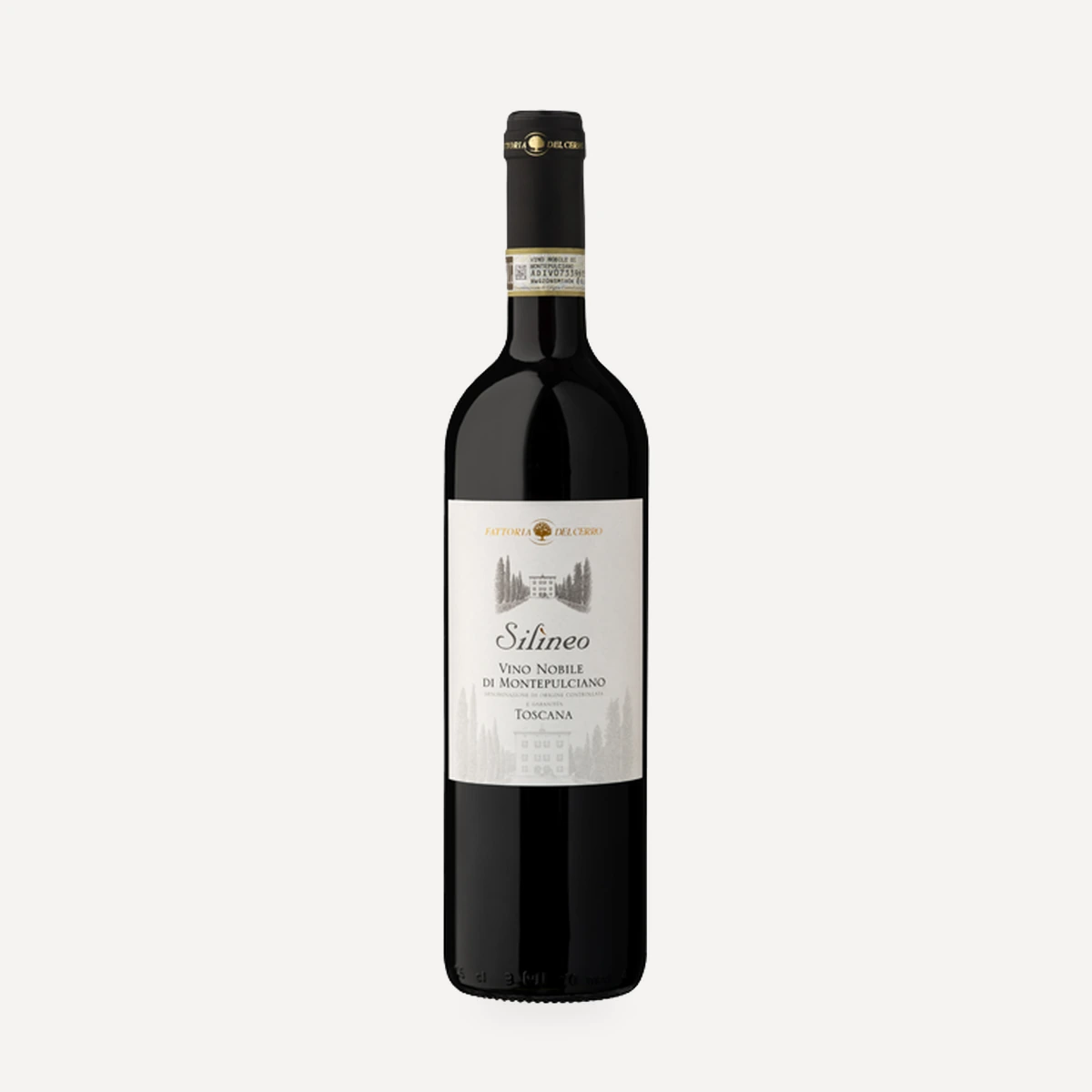
Silìneo Vino Nobile di Montepulciano DOCG
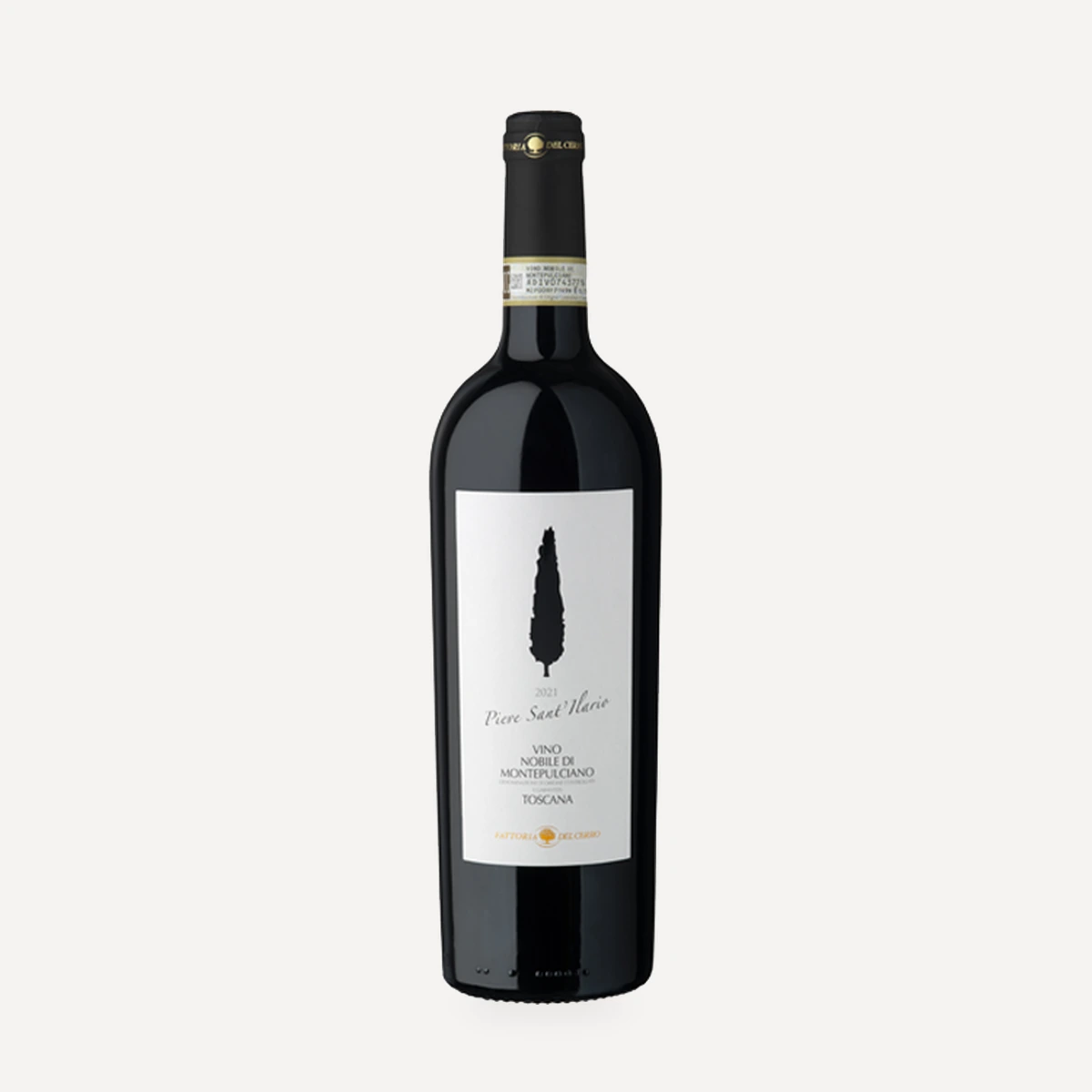
Pieve Sant’Ilario Vino Nobile di Montepulciano DOCG

Manero Bianco di Toscana IGT
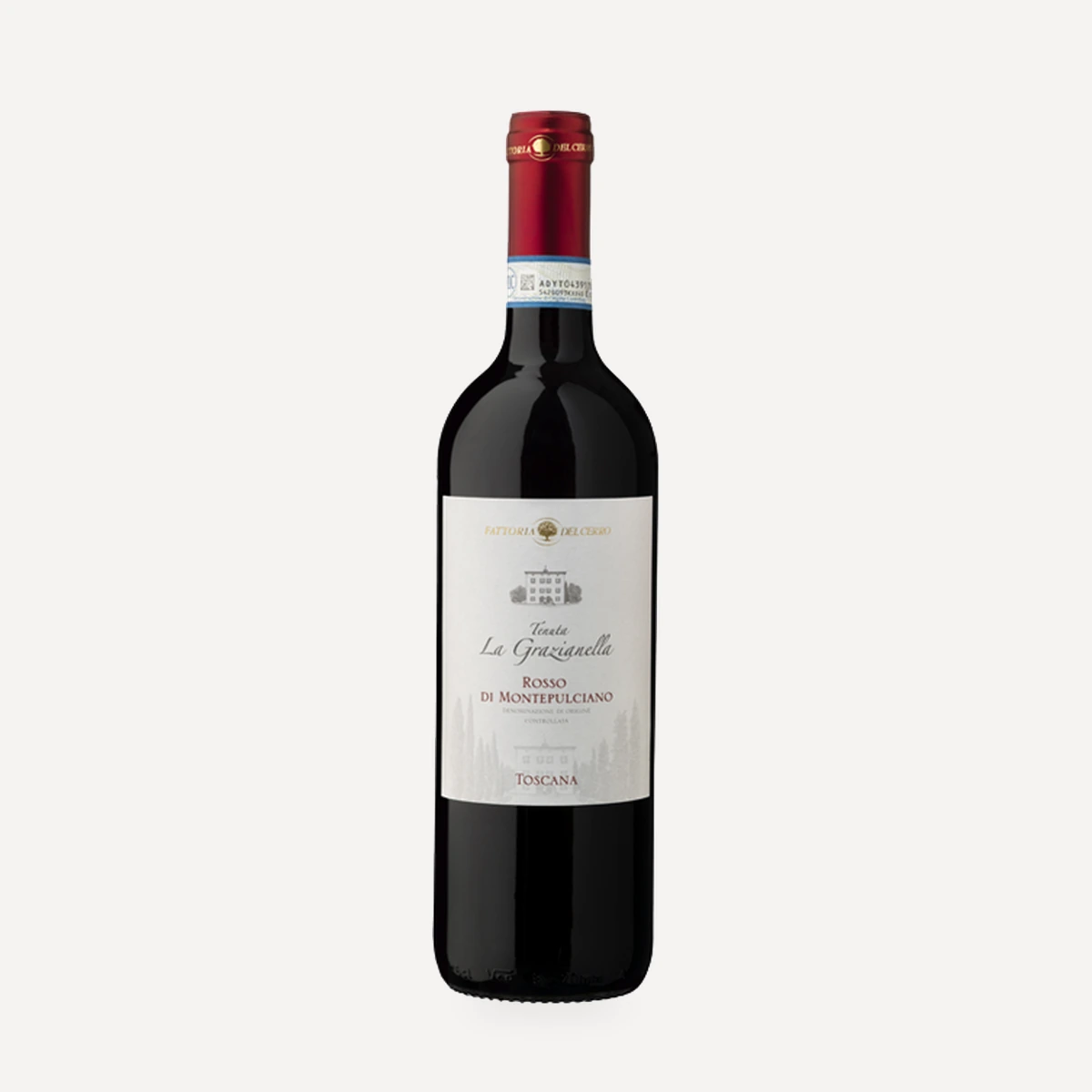
Tenuta La Grazianella Rosso di Montepulciano DOC

Antica Chiusina Vino Nobile di Montepulciano DOCG

Manero Rosso di Toscana IGT

Le Poggiole Vino Nobile di Montepulciano Riserva DOCG
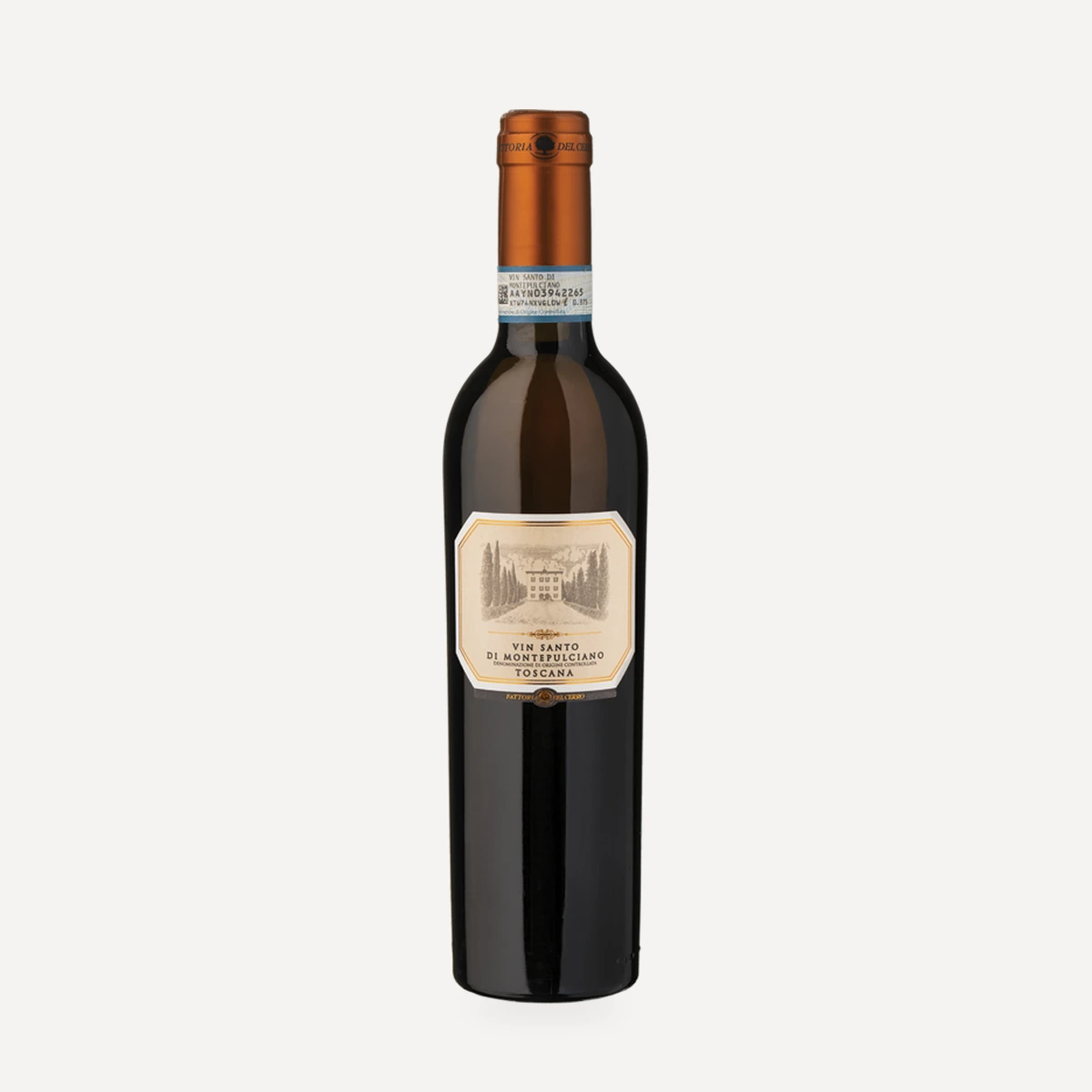
Vinsanto di Montepulciano DOC

Chianti Colli Senesi DOCG
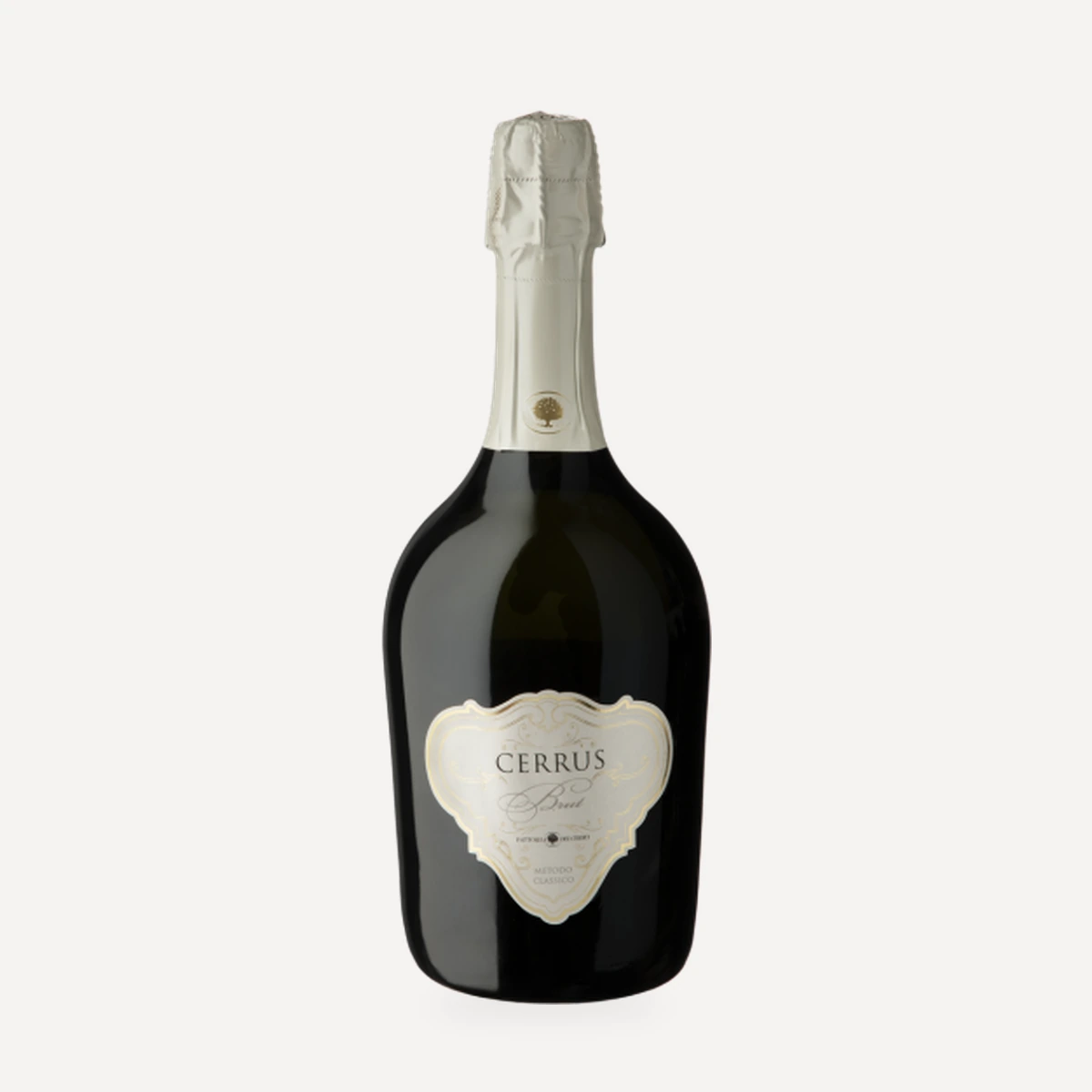
Cerrus Metodo Classico Brut
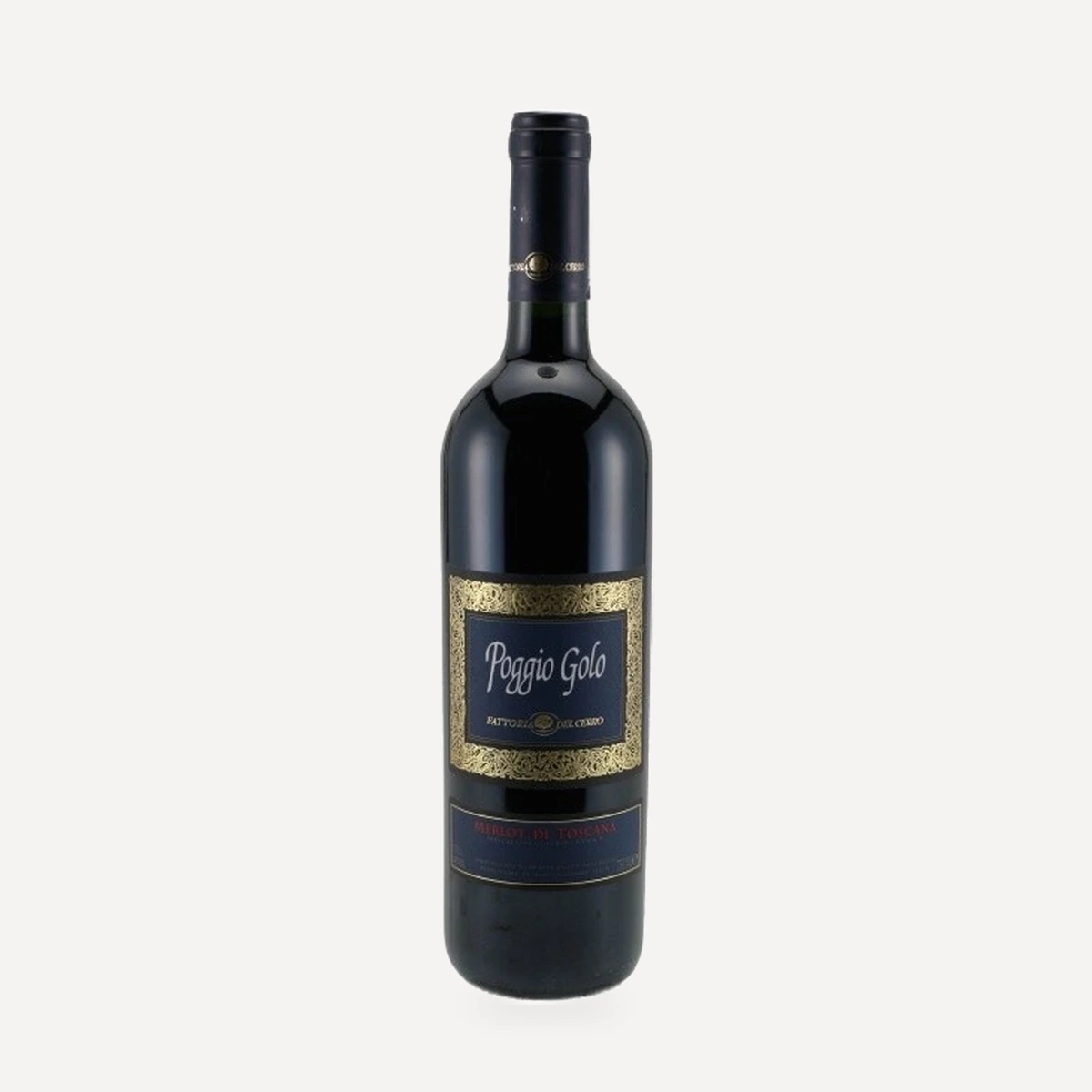
Poggio Golo Merlot di Toscana IGT