Storia
Early 1960s — From sharecropping to ownership
The estate's family history begins with Giuseppe Colletta, grandfather of the present owners. In the early 1960s, he redeemed the land he had previously cultivated as a sharecropper and became its owner. This acquisition established the agricultural property that remains at the center of the family enterprise.
1970s — A distinctive Montepulciano planting
During the 1970s, the family planted a particular clone of Montepulciano. The planting survives as an important part of the estate's viticultural patrimony and is valued for both its quality and rarity.
1992 — Establishment of Azienda Agricola Clara Marcelli
In 1992, the parents of the current owners formally inaugurated Azienda Agricola Clara Marcelli. The farm was certified organic from its inception and directed its work toward the enhancement of Piceno's native grape varieties.
The refusal to use synthetic chemicals in the soil remained a continuous principle across the family's generations, intended to preserve and encourage biodiversity.
2005 — Construction of the new winery
A new winery was completed in 2005. Conceived to minimize environmental impact, it incorporated a large, modern vinification room. Sixty percent of the building's surface is underground, helping maintain stable internal temperature and humidity. A photovoltaic installation supplies the energy required for the estate's production process.
Recent years — Expansion of woodland
The family subsequently planted 6 hectares of new woodland, doubling the estate's wooded area. The project was intended to reduce soil runoff associated with agricultural work and to offset the carbon dioxide consumption attributed to the use of mechanical equipment.
The estate today
Clara Marcelli now covers 40 hectares. Vineyards occupy 10 hectares, while the remaining land is divided among arable crops, olive groves, and woodland. Management has passed to the brothers Emanuele and Daniele Colletta, who draw on the experience of the preceding generations while continuing the family's organic, artisanal approach.
Terroir
Clara Marcelli is based in Contrada Pescolla at Castorano, in the Piceno area of southern Marche. The wider regional setting occupies a predominantly hilly corridor in central Italy between the Apennines and the Adriatic Sea, extending over a comparatively short distance from the mountains to the coast.
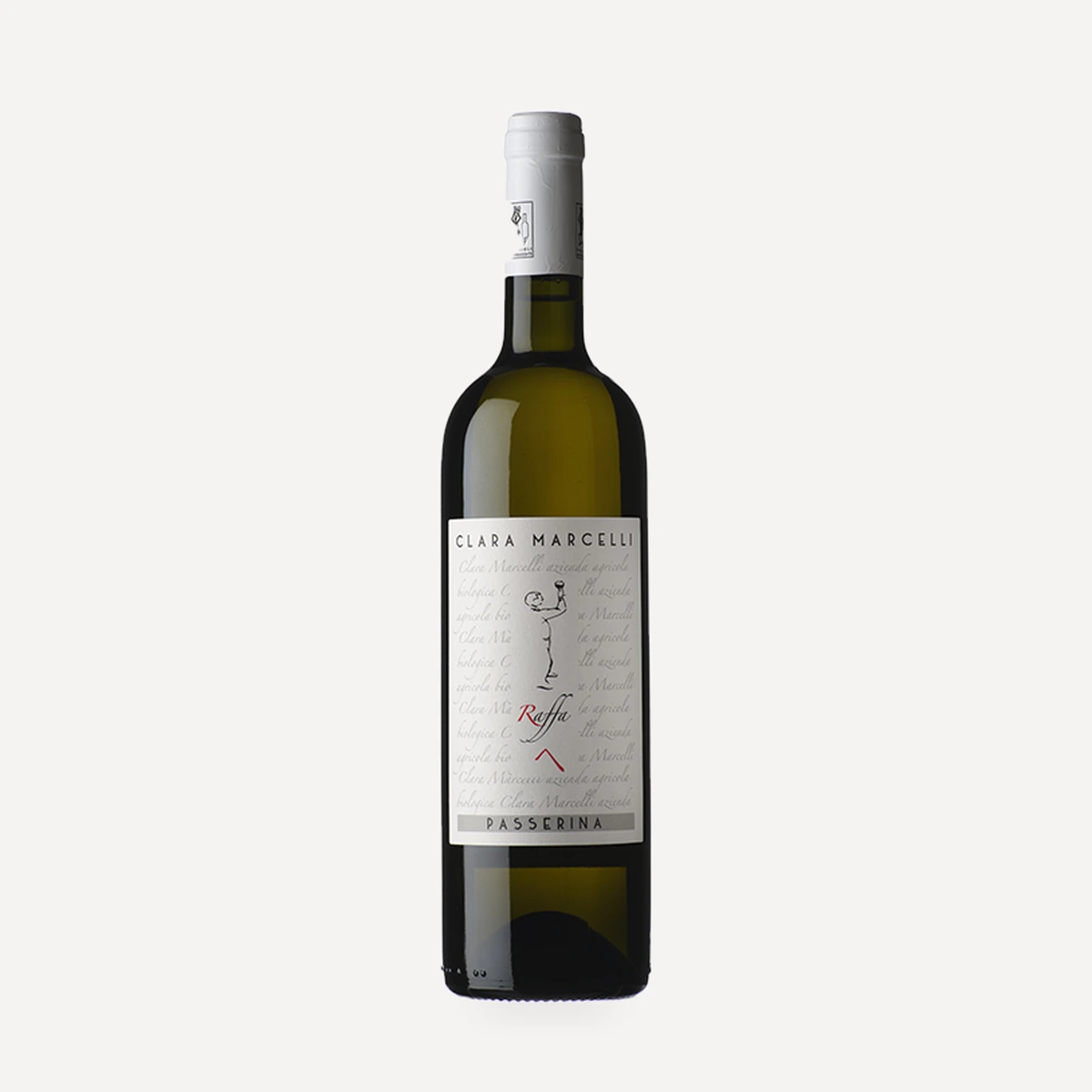
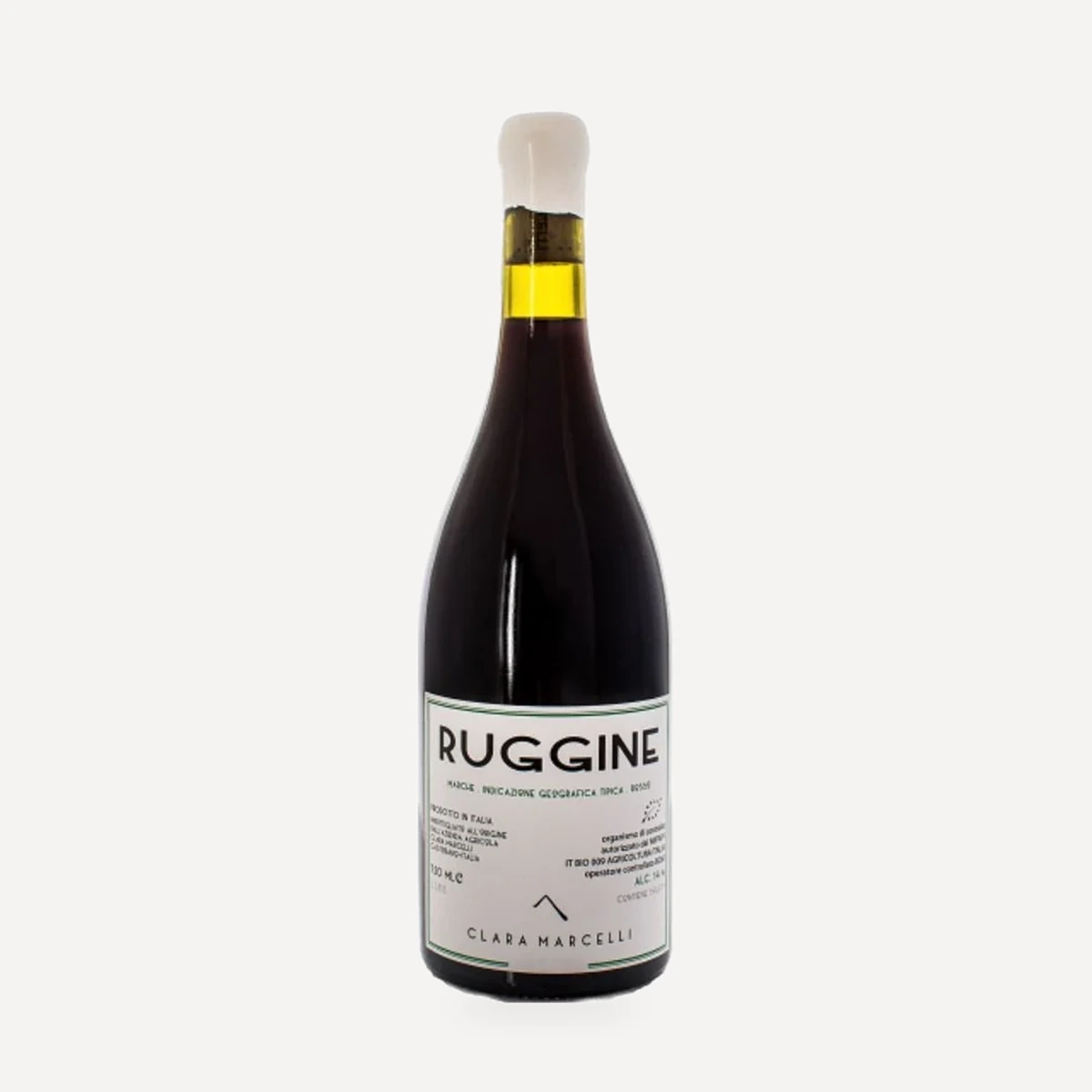
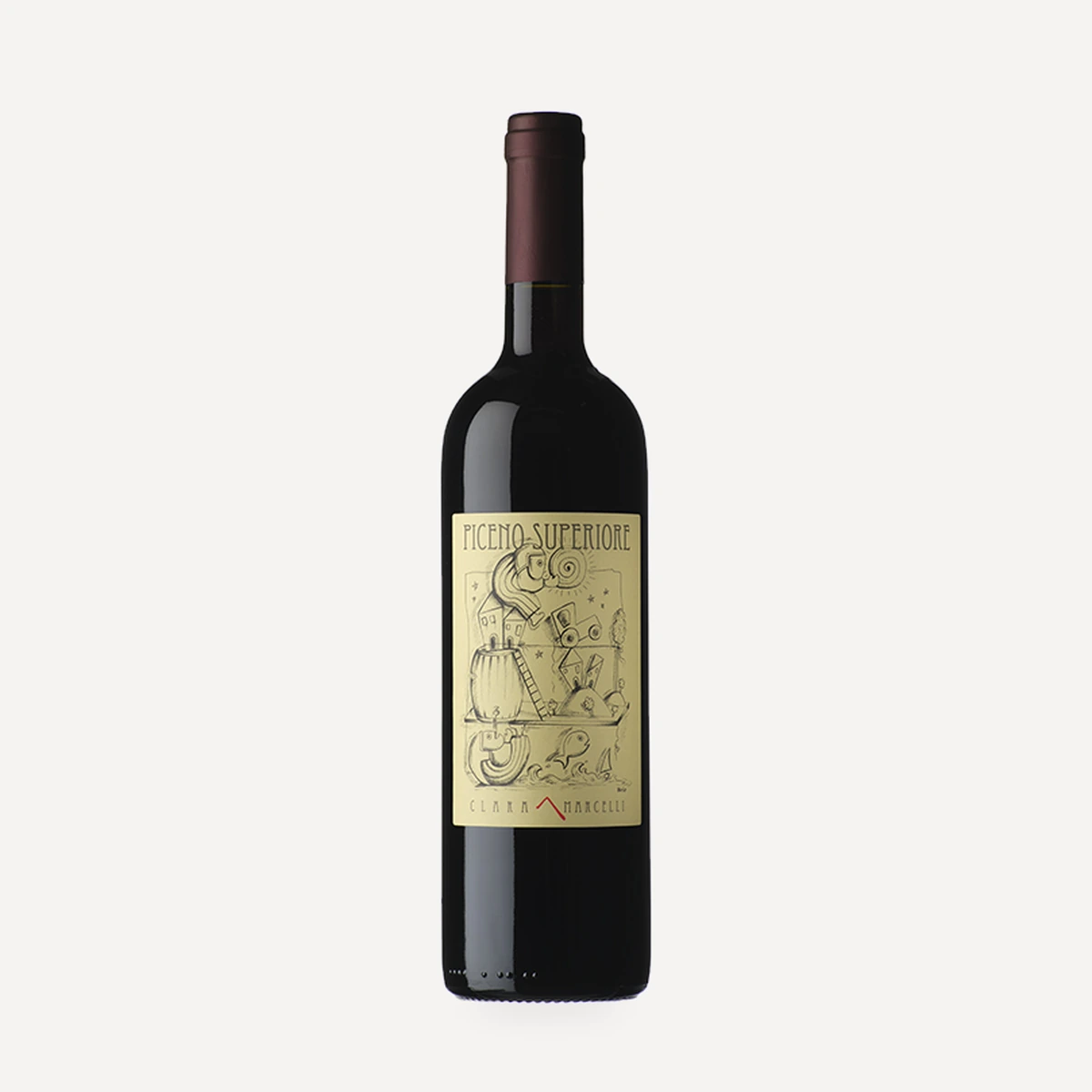
The vineyards form part of the green hills around Castorano. Individual wine descriptions place vineyard sources at elevations of 200–250 metres: the Passerina used for Raffa grows at 250 metres, while the Rosso Piceno Superiore vineyards lie above 200 metres. The Grenache associated with Ruggine is grown on clay soils.
Vinificazione
Organic agriculture has defined Clara Marcelli since the farm's formal establishment in 1992. Synthetic chemicals are rejected, vineyard intervention is kept to a minimum, and treatments are limited to copper and sulfur. This approach is connected to the family's aim of preserving and fostering biodiversity.
Harvesting is conducted strictly by hand. The team selects the best bunches and brings in only grapes judged to have reached optimal maturity. Each parcel is harvested separately rather than being combined in the field.
The vineyard forms one part of a diversified 40-hectare property that also includes arable fields, olive groves, and woodland. In recent years, 6 hectares of forest were planted, doubling the wooded area. The planting was designed to reduce soil runoff caused by agricultural operations and to rebalance the carbon impact of mechanical equipment.
Winery and energy
The current winery was built in 2005 with a large, modern vinification room. Sixty percent of the building's surface lies underground, a design intended to support naturally stable temperature and humidity. Photovoltaic panels generate the energy required by the production process.
Fermentation and cellar inputs
Vinification relies on indigenous yeasts. Synthetic cellar products are rejected, extending the estate's low-intervention principles from the vineyard into the winery.
Maturation vessels
The cellar employs several materials and vessel types according to the needs of the individual wines: stainless steel, wooden truncated-cone vats, large wooden casks, second- and third-use barriques, and concrete eggs. This range reflects both technical experience and an expressed interest in experimentation.
Bottle evolution
After bottling, the wines remain in the cellar for extended periods. The duration varies by reference and is treated as an important phase for stabilization and the development of more complex aromas.
Filosofia
Clara Marcelli frames its production philosophy around craftsmanship, respect for biodiversity, and the rejection of pesticides and synthetic products in both vineyard and cellar. The family regards this refusal of synthetic chemistry as a thread connecting successive generations and as a means of preserving the land's biological diversity.
Intervention in the vineyard is deliberately minimized, while manual harvesting and selection are intended to ensure that only healthy, optimally mature grapes reach the cellar. Indigenous yeasts and the avoidance of synthetic cellar products extend the same principle into vinification.
The cellar approach combines accumulated family experience with experimentation. Different materials and vessels are selected for maturation, while long bottle rest is used to stabilize the wines and develop aromatic complexity. The present generation seeks wines with a clear territorial identity, produced on an artisanal scale and with respect for nature.
Vini
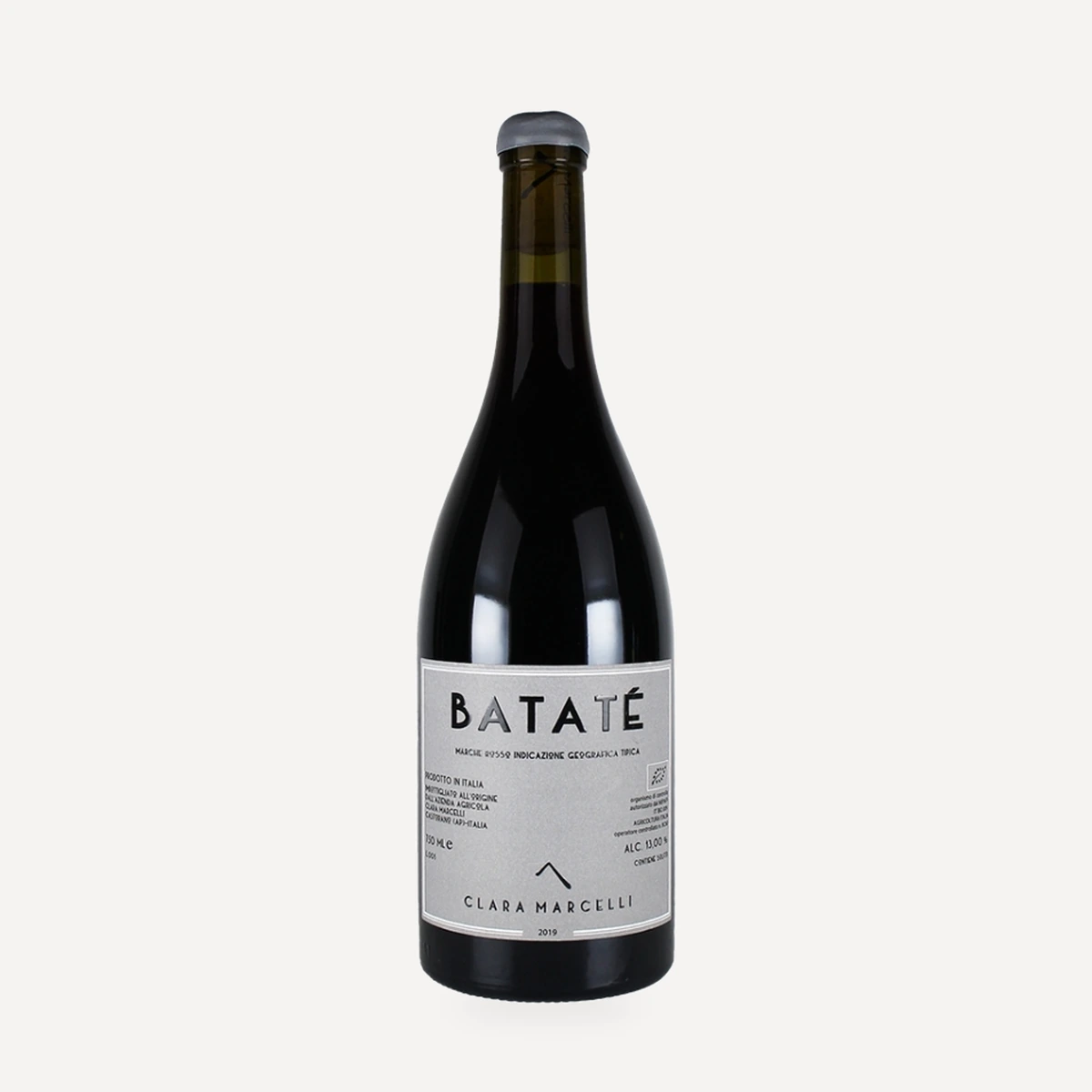
Bataté
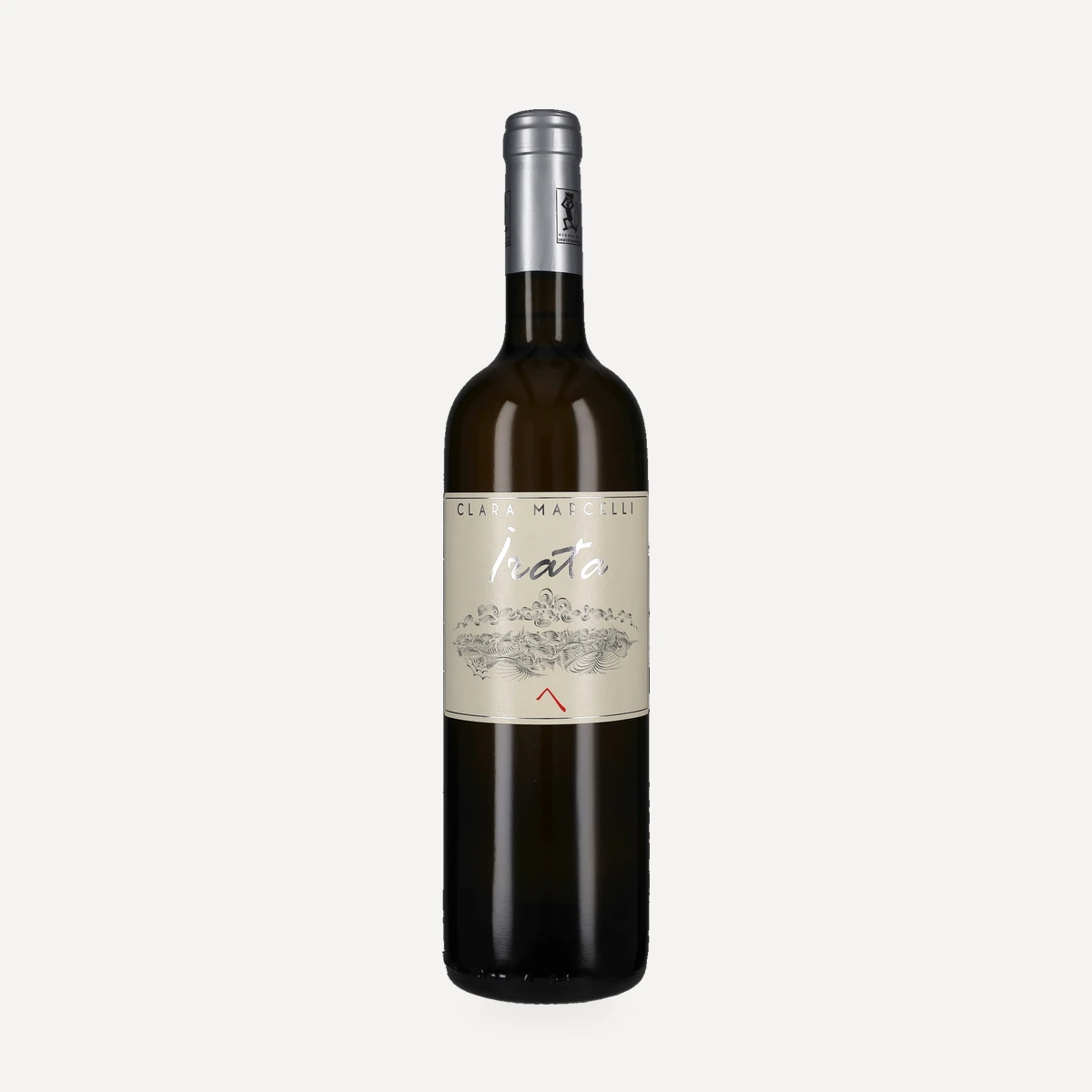
Irata
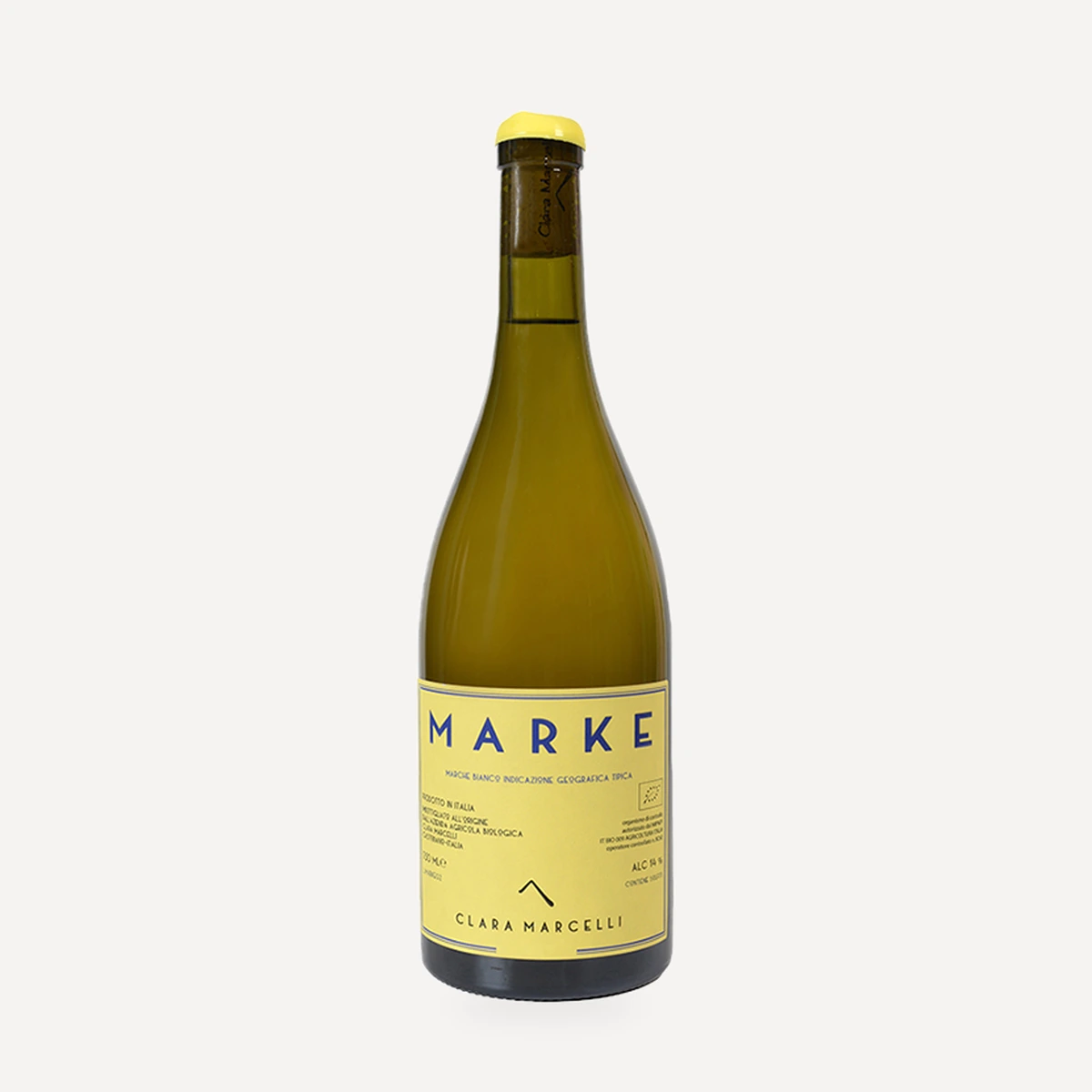
Marke
Raffa
Ruggine
K'un
Piceno Superiore