Storia
2012 — organic practice
Col di Corte began following organic standards in both the vineyard and cellar in 2012. The change was presented as more than compliance with a production protocol: organic farming became part of a broader agroecological approach encompassing the protection of land and territory, respect for natural systems and awareness of agriculture as an ethical mediation between human intervention and the earth.
2016 — introduction of biodynamic preparations
At the beginning of the 2016 growing season, Col di Corte introduced biodynamic preparations after attending a course led by Nicolà Joly and Stefano Bellotti. The preparations supplemented the organic regime already in place.
The estate’s subsequent identity has centred on craftsmanship, responsiveness to each growing season, spontaneous fermentations and restrained sulphite use. Seasonal conditions are treated as a source of vintage variation rather than something to be eliminated through agronomic or oenological technology.
Terroir
Col di Corte is based in Contrada San Pietro, Montecarotto, in the Marche, on the northern side of the Esino. Its vineyards extend into Ostra, at Località Belvedere Ostrense. The documented sites range from approximately 120 to 250 metres above sea level.
The estate’s soils are consistently described as clay-rich and calcareous, although the balance varies by parcel. Vigneto di Tobia contains more clay than the generally more calcareous soils of the other vineyards. An older description of vineyards near Ostra also identifies cool clay soils naturally rich in potassium.
Exposures include north-east, south-east and, in older vineyard material, north-west. The south-east-facing Anno Uno site is the warmest vineyard and reaches suitable sugar and phenolic maturity early in the harvest. By contrast, the lowest Montepulciano site occupies a plateau at about 160 metres, enclosed by low hills. Heat accumulates there, while sufficient ventilation limits humidity and allows ripening to continue into late September or the first half of October.
The estate regards seasonal weather from flowering through véraison and ripening as a primary influence on grape character. These differences affect vineyard and cellar decisions and ultimately such characteristics as colour, alcohol, aromatic and flavour intensity, finesse and persistence.
Vinificazione
Col di Corte has followed organic standards in both vineyard and cellar since 2012 and has supplemented that regime with biodynamic preparations since the beginning of the 2016 season. Its preferred term for the broader approach is agroecology: cultivation is understood as an ethical relationship between human intervention, the land, natural systems and the surrounding social and economic community.
Vine training is adapted to individual parcels. Single Guyot is used in several Verdicchio, Montepulciano and Lacrima sites, with short pruning to six or eight buds in the lowest Montepulciano vineyard. The oldest Verdicchio vineyard also contains a parcel trained to traditional double-arched Guyot. Its more upright cane development improves air circulation around the bunches and makes later harvesting possible when humidity conditions permit.
Harvest dates follow each site’s exposure and ripening pattern, from the first half of September in the warm south-east-facing Verdicchio vineyard to mid-to-late October for some red grapes. Harvesting by hand, collection in crates and vineyard selection are explicitly practiced in the documented Verdicchio sites. The estate adjusts its work to the progression of each season rather than seeking identical fruit characteristics every year.
Spontaneous indigenous-yeast fermentation is common to all seven labels. Sulphites are used sparingly, and three wines receive no added sulphites.
The cellar works primarily with stainless steel, alongside Slavonian oak and previously used wooden vessels where the fruit or intended style calls for them. Documented white-wine handling includes destemming, gentle pressing, fermentation and maturation in steel. One old-vine Verdicchio parcel receives a brief skin maceration; the resulting wine completes malolactic fermentation, is not filtered and receives no added sulphites.
For red production, some lots are fermented separately in Slavonian-oak vats with manual punchdowns. This encourages tannin extraction while allowing a relatively short maceration, after which the components may mature separately before blending. Another red is normally fermented and matured in steel, though a small portion may be vinified and aged in wood in years when grape extraction and body make that appropriate. This vintage-dependent choice is consistent with the estate’s preference for responding to the fruit rather than imposing a fixed recipe.
The cellar also employs two forms of natural bottle refermentation. In one, part of the must is separated and frozen after harvest. The remainder ferments and matures in steel; in spring, the preserved must is gradually reintroduced before bottling, allowing its own sugars and yeasts to generate the sparkle without added sugar or cultured yeast. In the other, a rosé portion is drawn off after several hours of skin contact, held at low temperature to slow fermentation and prolong settling, then bottled with a small amount of residual sugar so fermentation can finish in bottle and naturally produce carbon dioxide.
Filosofia
Col di Corte presents itself as a winery rather than a company, and wine as food rather than an industrial product or status symbol. Its stated objective is to make wine that is wholesome, pleasurable and easy to drink, relying on craftsmanship, experience, knowledge, tradition and culture.
The estate favours direct engagement with nature over dependence on agronomic and oenological technology, accepting that this approach entails effort and the possibility of mistakes. It seeks recognisable wines whose identity remains grounded in the Marche and the northern side of the Esino.
Organic farming is understood not merely as a protocol or label but as agroecology: defence of the land and territory, respect for nature, and ethical mediation between human cultivation and the earth. The concept also encompasses social relationships within the local territory and an economic context in which work is a means rather than the sole end.
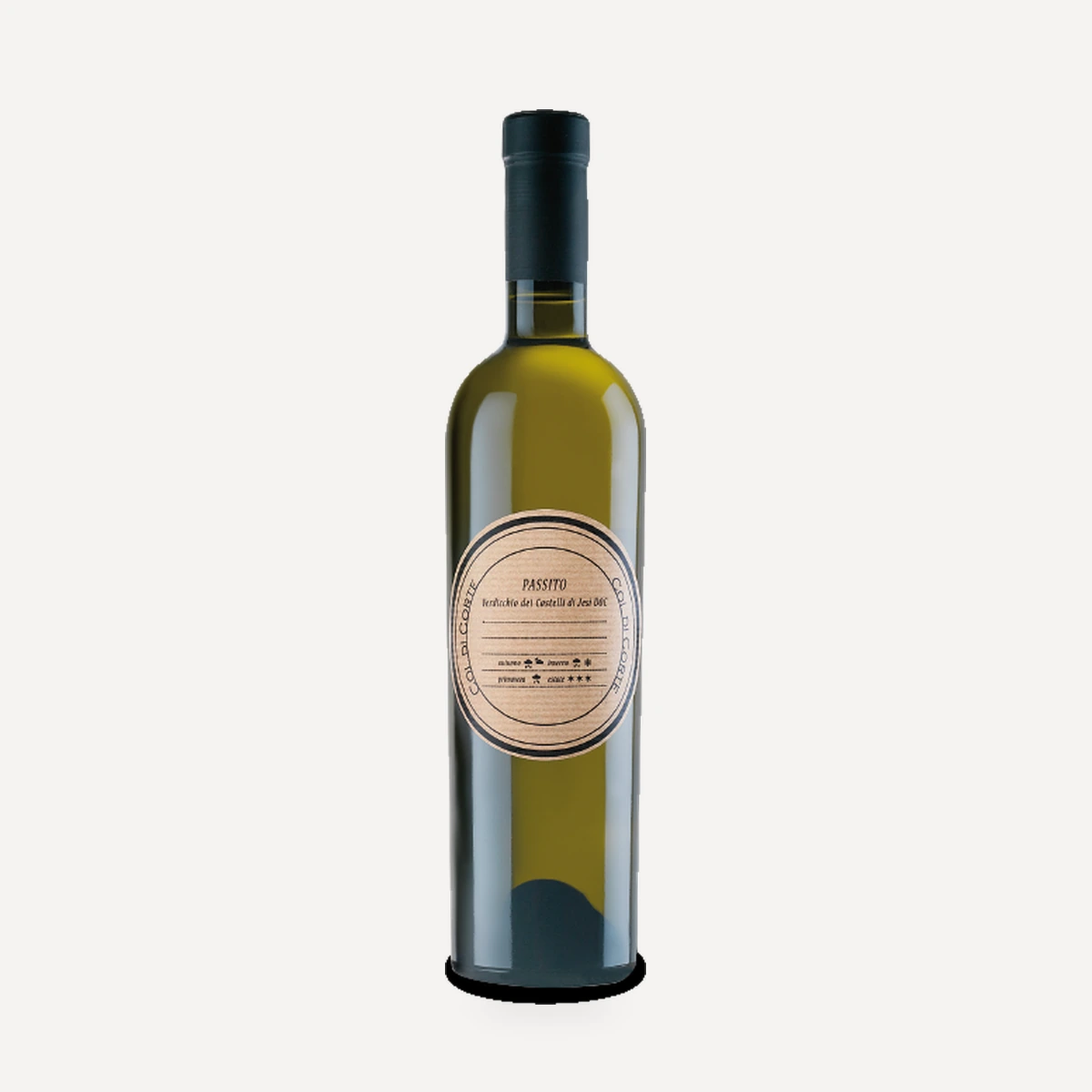
Vintage variation is deliberately retained. Weather from flowering through véraison and ripening shapes both work and wine, so the estate seeks to express the unrepeatable characteristics of each season. Graphic seasonal symbols on every label record the course of the seasons preceding that harvest.
Vini
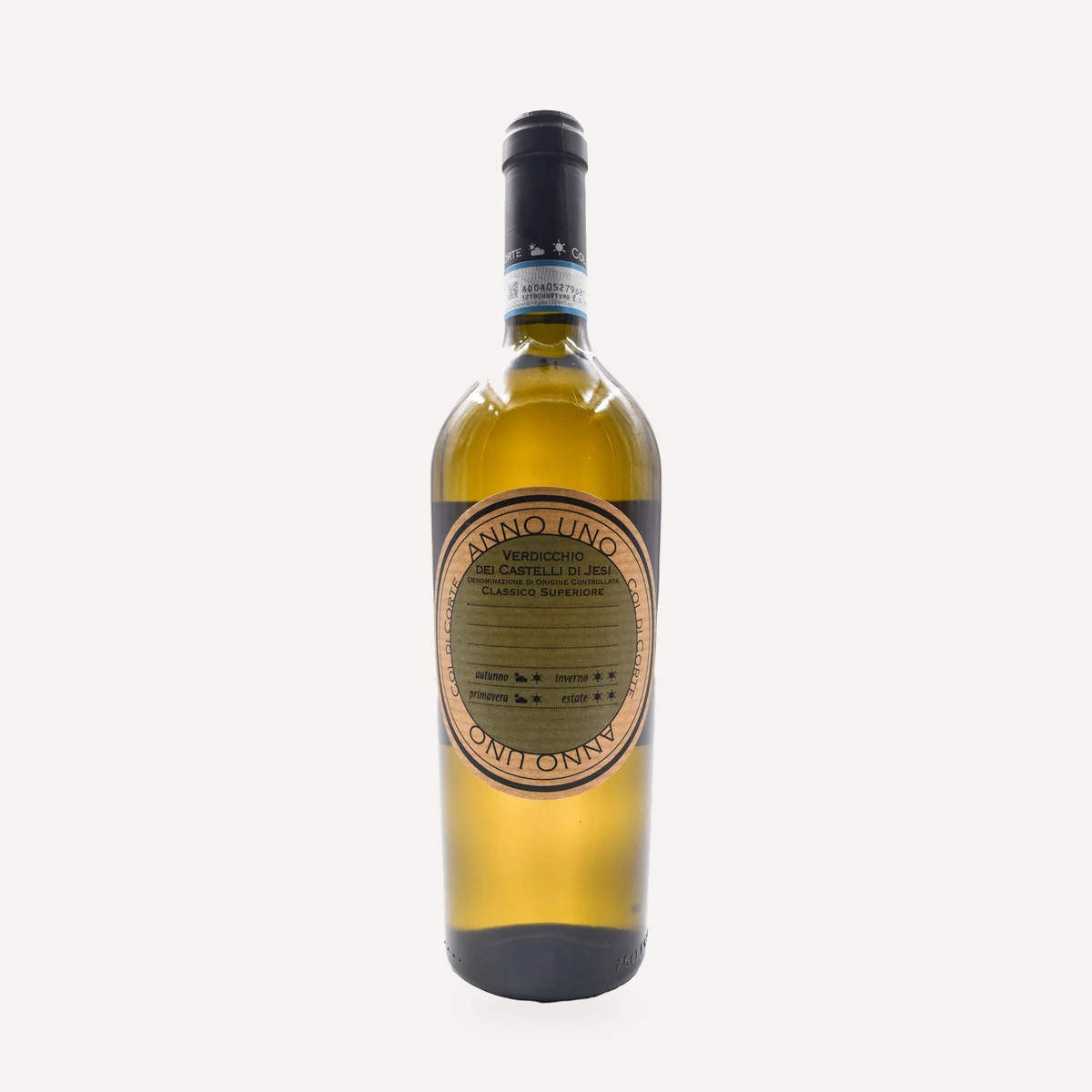
Anno Uno Verdicchio dei Castelli di Jesi DOC Classico Superiore
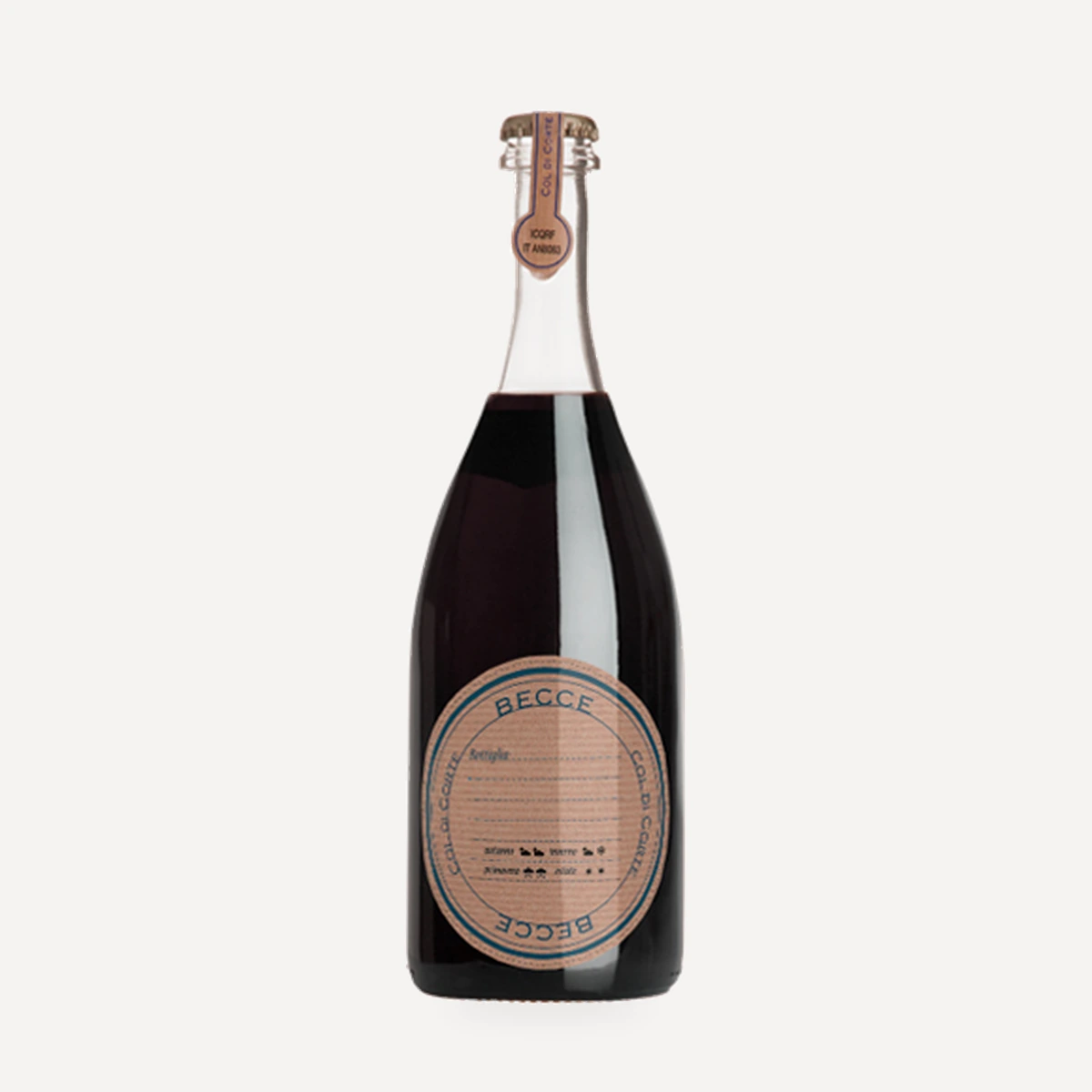
BECCE Vino Rosso Frizzante
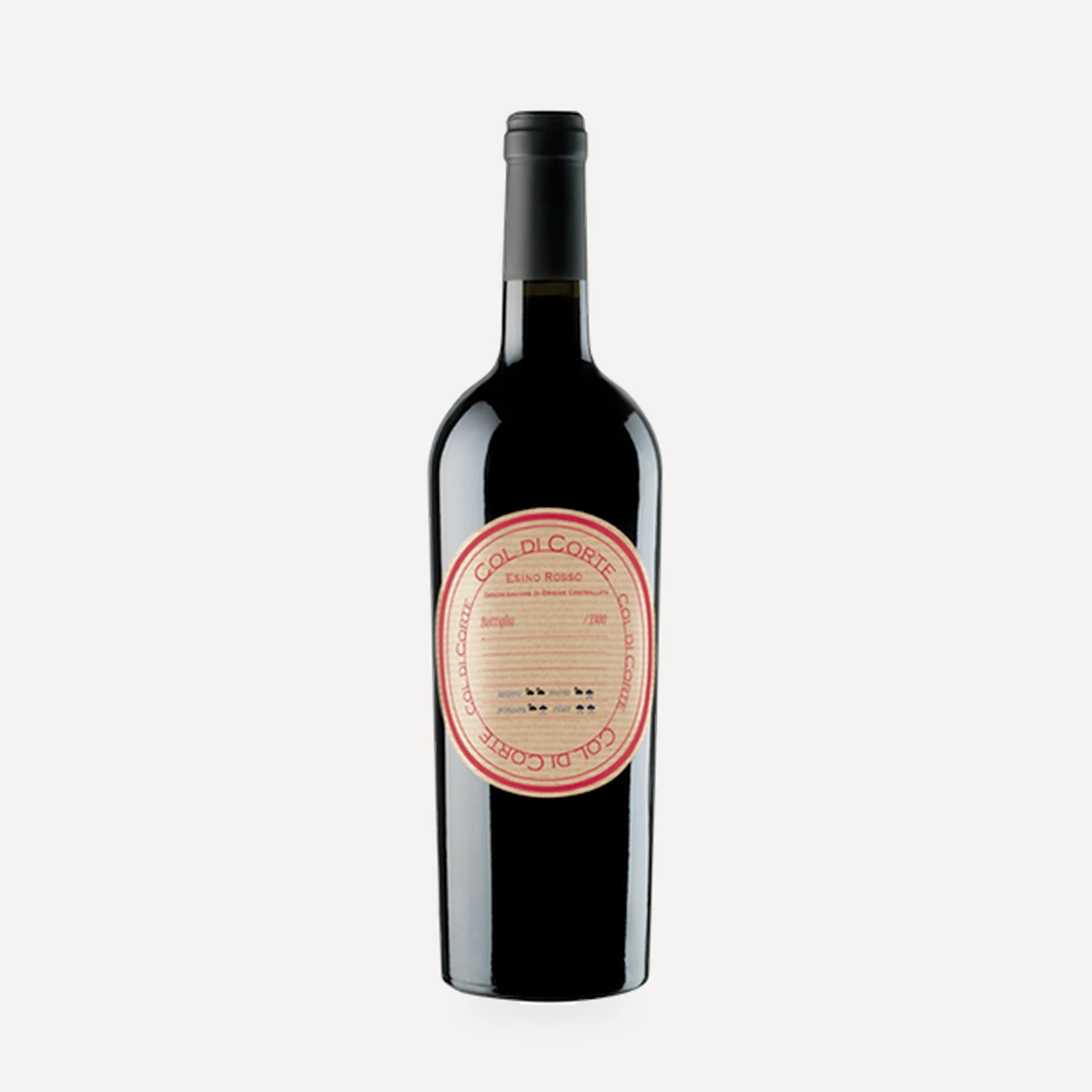
Esino Rosso DOC
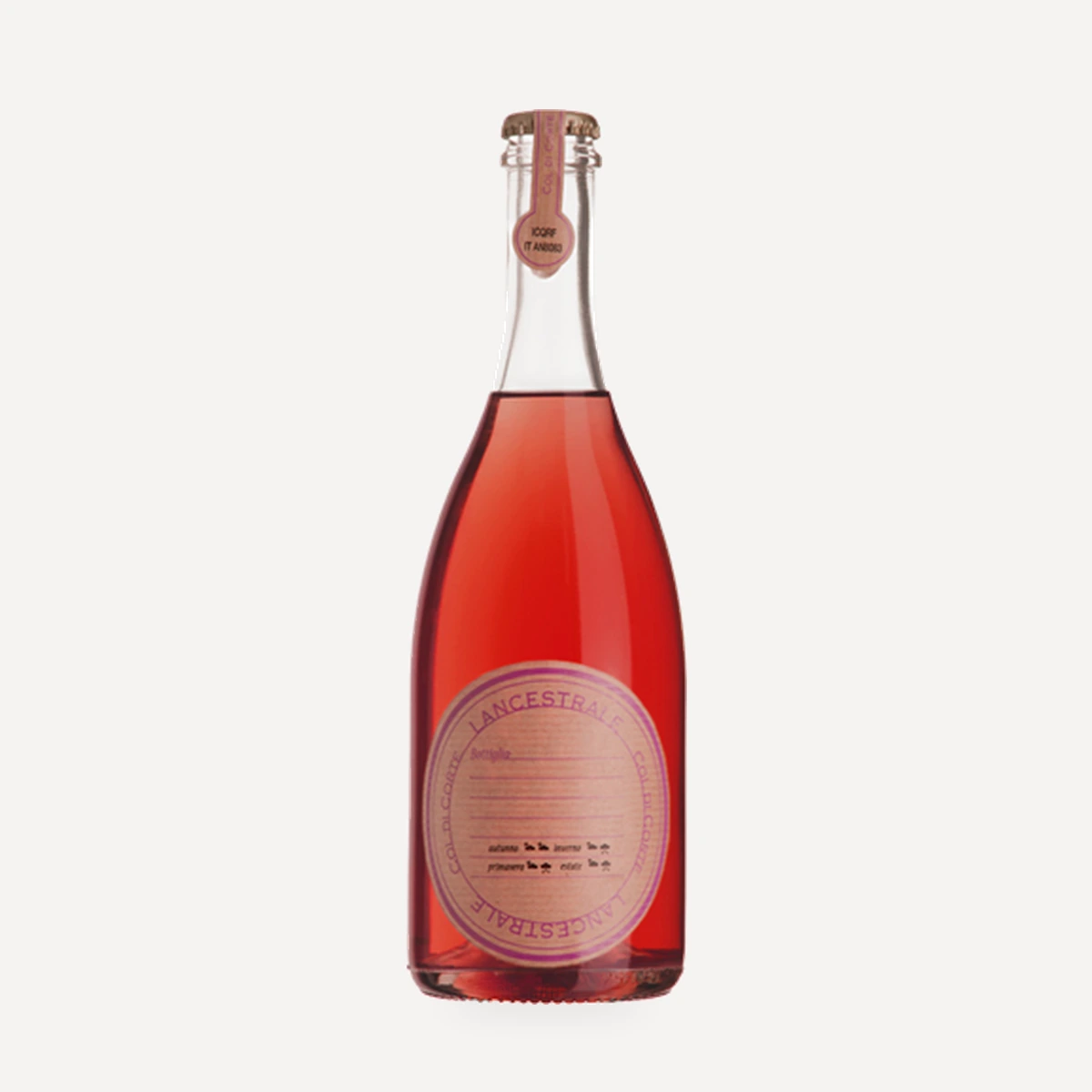
LANCESTRALE Vino Rosato Frizzante
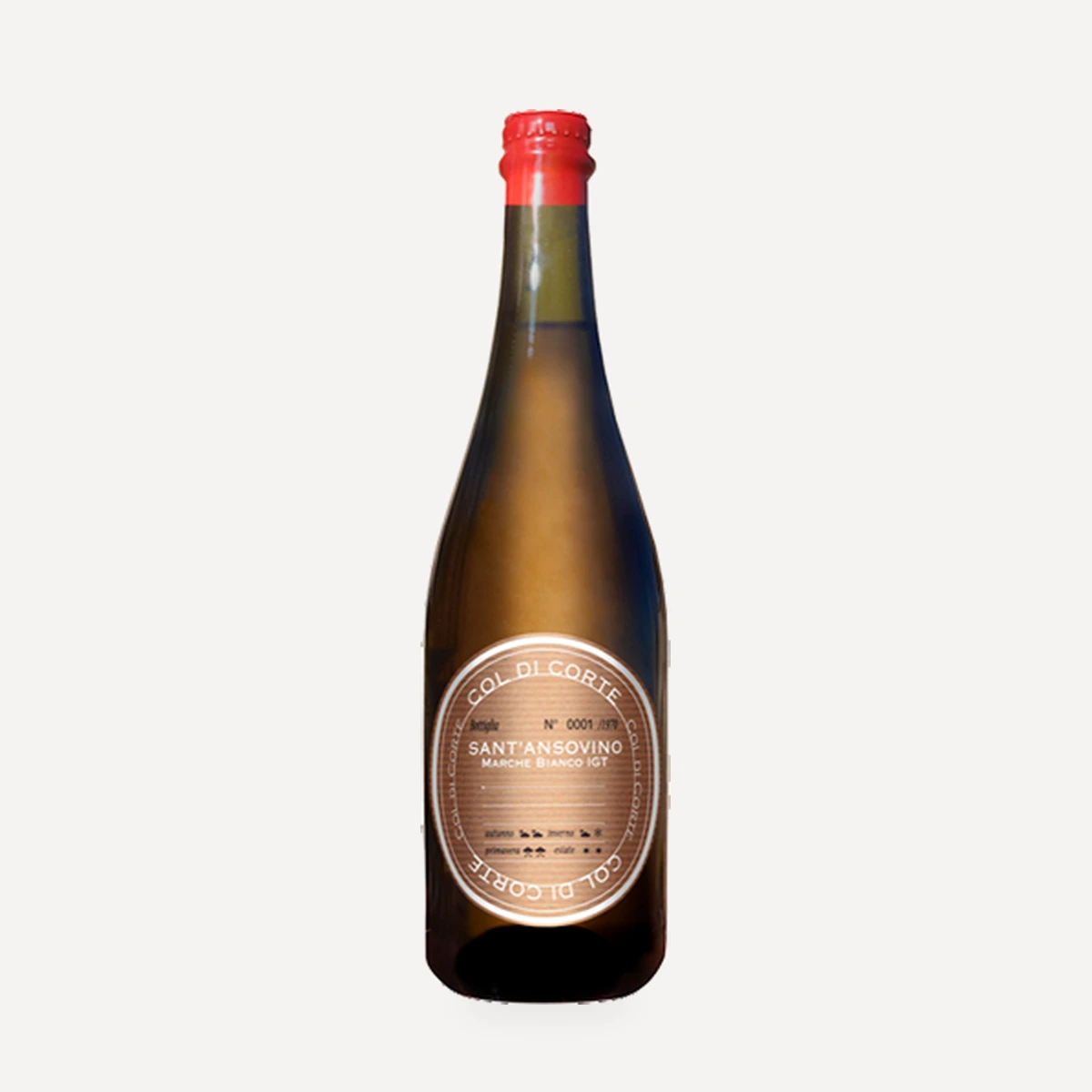
Sant’Ansovino Marche Bianco IGT
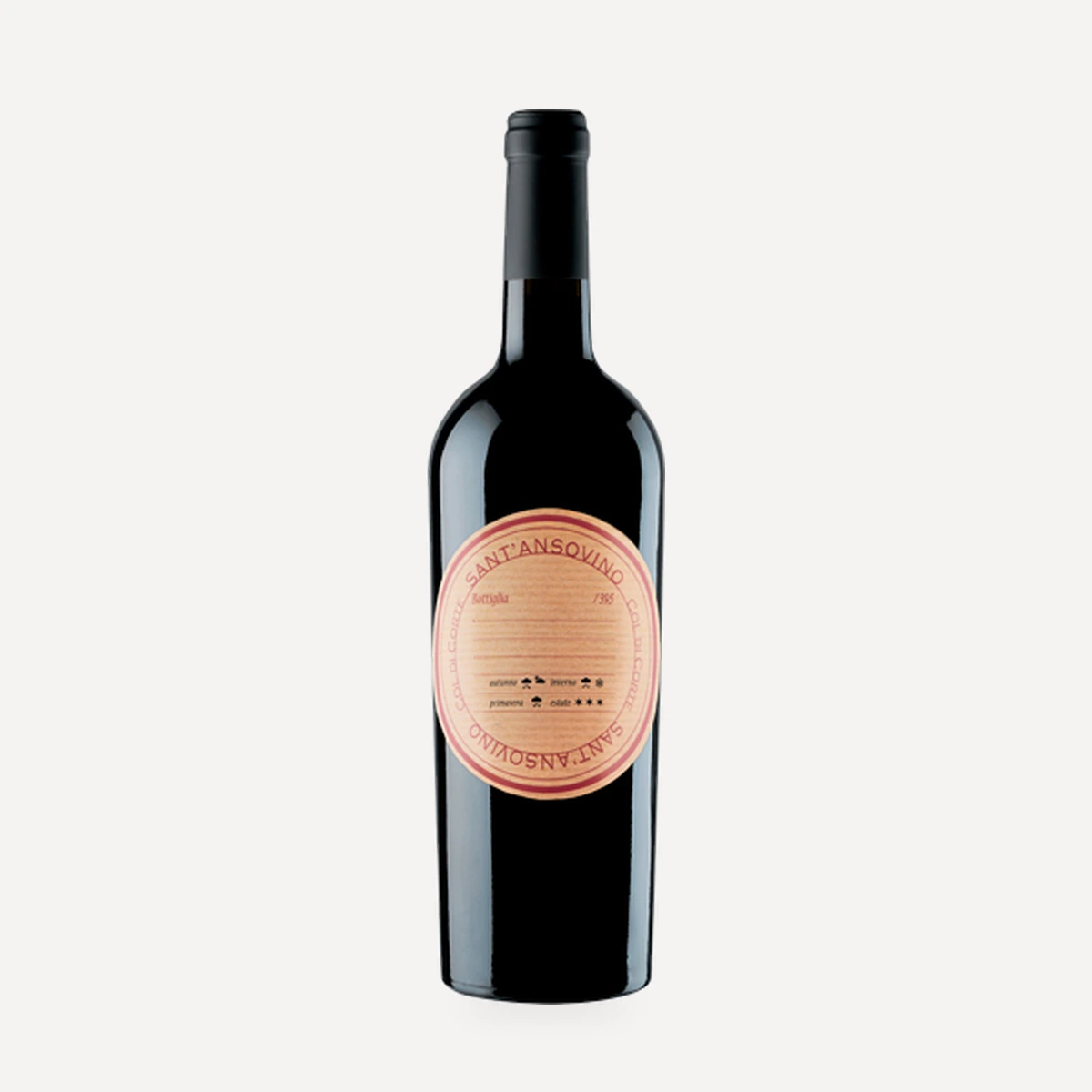
Sant’Ansovino Marche Rosso IGT
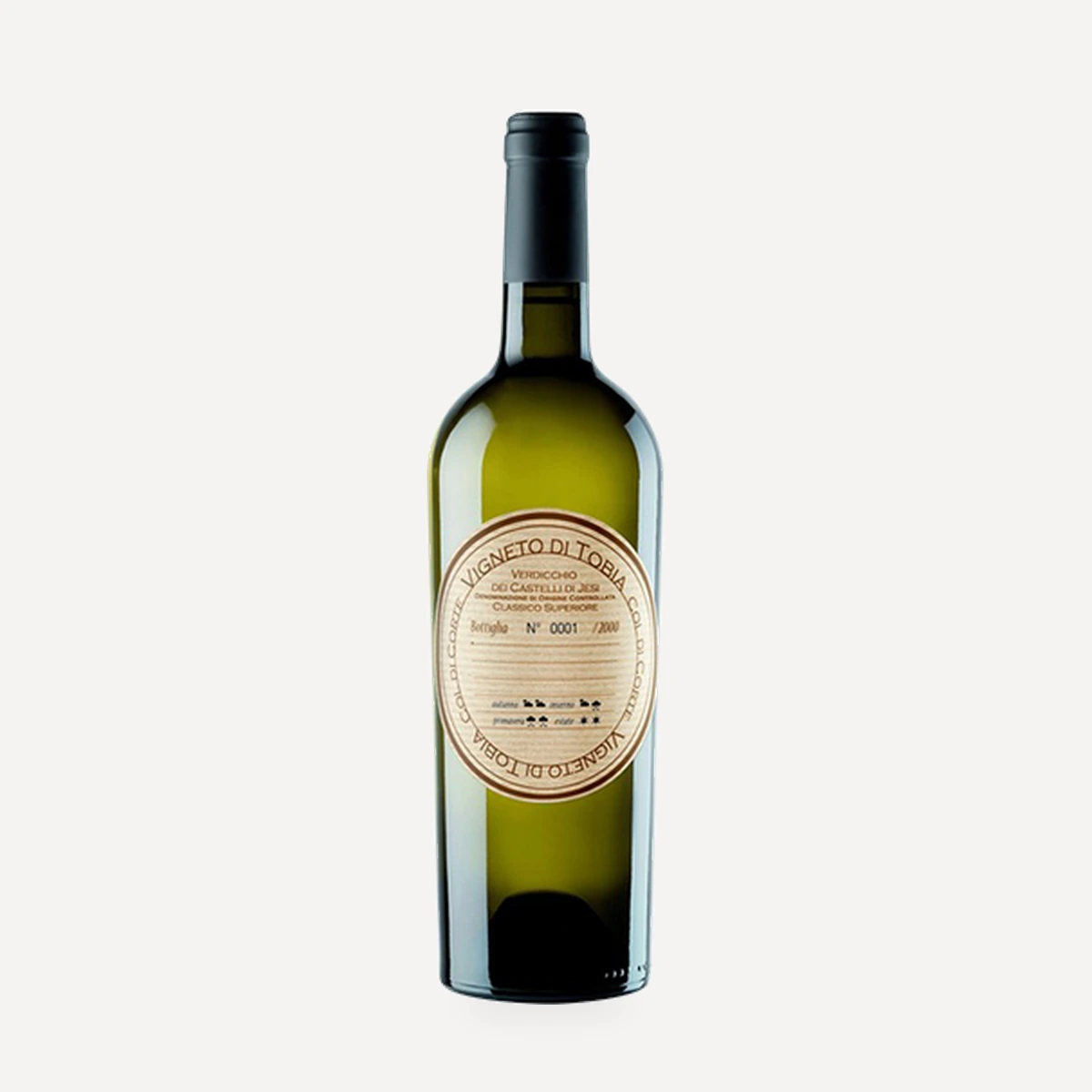
Vigneto di Tobia Verdicchio dei Castelli di Jesi DOC Classico Superiore