Storia
Regional roots
Viticulture around Conegliano and Valdobbiadene is traced back to the Roman period, when vines grew on the sunny slopes. Cultivation associated with Prosecco developed in these hills from the 17th century. In 1876, the foundation of Italy’s first school of oenology at Conegliano established an important regional centre for viticultural research and education.
Wildbacher arrived in Susegana from western Styria during the 19th century. Susegana became its only Italian home. Although the variety was not initially regarded as prestigious, its natural hardiness persuaded local growers to plant it in places where other vines struggled. As the Marca Trevigiana increasingly specialised in Prosecco, white wines and a limited number of fine reds, Wildbacher was progressively marginalised and survived as a local niche variety.
Establishment in the 1960s
Col Sandago was established during the 1960s. From the beginning, its identity was tied to its setting: the name reproduces the toponym of the hill on which its vineyards stand. The winery was built in Susegana, among the slopes of Col Sandago and within the Conegliano Valdobbiadene territory.
Martino Zanetti and the recovery of Wildbacher
In the 1990s, artist and entrepreneur Martino Zanetti recognised the estate’s potential and acquired it. Rare Wildbacher rows discovered by chance on the property became the basis of a long-term recovery project. Working with specialist agronomists and oenologists, Zanetti sought vineyard and cellar conditions suited to this difficult, low-yielding variety. Wildbacher subsequently became Col Sandago’s emblematic grape and is now expressed in four different styles.
In 2001, Luigi Veronelli wrote to Zanetti about the exceptional affinity between Wildbacher and Col Sandago. Zanetti later described their encounter as the origin of a promise—subsequently fulfilled—to expand Wildbacher production. The project combined carefully designed rows, strict hand harvesting and long maturation for the estate’s principal still expression.
Denomination and modern winery
In 2009, Conegliano Valdobbiadene obtained DOCG status. Col Sandago’s vineyards lie within this denomination, including holdings associated with Rive di Collalto. Prosecco is the estate’s largest production category.
The contemporary winery uses innovative equipment and separates the different stages of grape processing into spacious, well-lit work areas. Its production cycle is managed electronically to maintain consistent standards over time. The cellar was positioned close to the vineyards to shorten grape transport, while its architecture was conceived to sit within the balance between the cultivated landscape and its natural setting.
Art Collection and recent repositioning
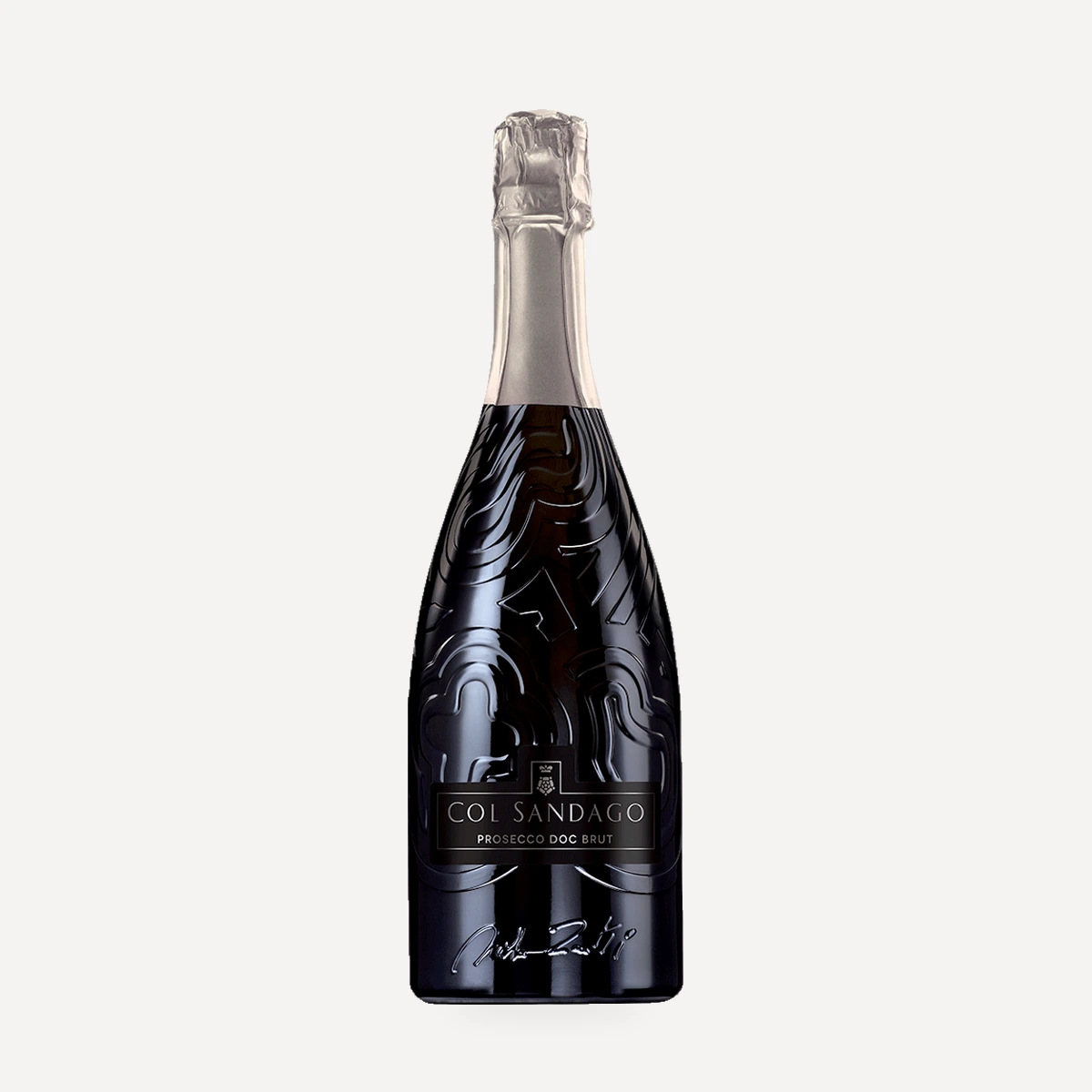
In 2024, Col Sandago introduced the Martino Zanetti Art Collection at Vinitaly. Its first limited edition, Easy Art, translated Zanetti’s painting into bottle design and connected the estate’s winemaking with his visual art. A second seasonal limited edition was envisaged for autumn and winter. A new Easy Art edition followed in 2025, based on a 2025 acrylic work on plexiglass.
In June 2026, the historic Bianco and Rosso still-wine range was comprehensively repositioned as White Incrocio Manzoni and Red Merlot Marzemino. The change encompassed a new visual identity and more exacting agronomic and oenological work. White changed from an Incrocio Manzoni–Chardonnay blend to pure Incrocio Manzoni 6.0.13, while Red brought Merlot and Marzemino together. The project was intended to connect the estate’s history and Treviso origins with a more contemporary presentation.
Terroir
Col Sandago lies in Susegana, in the heart of the Marca Trevigiana and within the hilly Conegliano Valdobbiadene Prosecco Superiore DOCG territory. The denomination’s landscape extends across hills and slopes at the foot of the Prealpi Trevigiane.
The estate vineyards occupy the top and slopes of the hill from which Col Sandago takes its name. They combine gentler inclines with steep ground, strong exposure to sunlight and a protected position beneath the Prealps. Elevation, exposure and shelter create a favourable microclimate, particularly for Wildbacher. The milder conditions temper that naturally frost-tolerant variety and give it a softer, more balanced expression.
The soil is described as calcareous and clay-rich, with iron and other minerals. Temperatures, rainfall and winds all contribute to the site’s microclimate. The estate treats soil, microclimate, ecosystem and inherited cultivation practices as interdependent parts of its terroir, with biodiversity regarded as an essential feature to protect.
Some Glera grows on the steep Rive di Collalto slopes. In the wider denomination, “Rive” identifies wines from especially steep, highly suited vineyards within a single commune or hamlet; Rive di Collalto is one of 43 recognised rive.
Vinificazione
Col Sandago follows the Sistema di Qualità Nazionale di Produzione Integrata (SQNPI), covering sustainable agricultural and processing practices throughout the chain. The programme applies national and regional requirements concerning environmental protection, food safety and social responsibility. Every stage from vineyard to bottle is monitored through detailed plans and records, and independent control bodies verify compliance annually. Only products that pass the required controls may carry the SQNPI mark.
Vineyard work includes pruning, shoot or crop thinning and bunch selection, timed to the vines’ natural cycles. Biodiversity is treated as fundamental to the estate ecosystem. The proximity of winery and vineyards limits the distance required to transport harvested grapes.
Glera, the basis of the estate’s largest production category, is planted at approximately 3,500 vines per hectare and averages 130 quintals of grapes per hectare. It is trained to Sylvoz: a vertical trunk carries a horizontal cordon, from which long-pruned fruiting canes bend downward.
Wildbacher occupies 3.5 ha and is limited to 65 quintals per hectare, with a maximum wine yield of 45 hl/ha. It is trained using Doppio Capovolto and Cordone Speronato. The rows are planned carefully, and the small, compact, relatively low-flesh bunches are harvested strictly by hand. Harvest for the principal still Wildbacher takes place well into autumn.
The Susegana winery is equipped with modern processing technology. Spacious, well-lit zones keep the successive stages of grape handling separate, while an electronically managed production cycle is designed to maintain consistent characteristics for each wine type over time. Locating the cellar beside the vineyards also facilitates the rapid transfer of harvested fruit.
Prosecco constitutes the largest part of production. The estate works across Conegliano Valdobbiadene Prosecco Superiore DOCG—including Rive di Collalto—along with Prosecco DOC, still wines, cuvées, sweet wines and grape distillates. Its distillates are made in a discontinuous bain-marie still.
Wildbacher receives a deliberately patient treatment. The estate’s principal Wildbacher IGT dei Colli Trevigiani matures for at least three years in oak vessels designed to preserve aromatic harmony, followed by a further 12 months in bottle. Other interpretations include traditional-method and Charmat-method sparkling wines, demonstrating the variety in four distinct forms.
The 2026 still-wine repositioning introduced a short cryomaceration followed by stainless-steel processing for pure Incrocio Manzoni 6.0.13. Red Merlot Marzemino undergoes 10–12 days of skin maceration and is also handled in stainless steel.
Filosofia
Col Sandago’s approach centres on respect for raw materials, enhancement of its territory and attention to detail—the shared principles connecting wine, coffee and beer within Gruppo Hausbrandt. Tradition and modern technology are treated as complementary: inherited knowledge of the hills guides cultivation and winemaking, while modern equipment and electronic controls support precision and continuity.
The estate presents wine as a form of storytelling. Its labels and ranges draw on local symbols, legends, landscape and culture, allowing the boundary between history and imagination to become part of their identity. This narrative dimension also underpins the connection between wine and Martino Zanetti’s visual art.
In the vineyards, quality is associated with careful pruning, thinning, bunch selection and respect for natural cycles. The ecosystem is considered delicate and worthy of protection, with biodiversity forming an essential part of terroir. Wildbacher embodies the estate’s preference for character over volume: it is complex and naturally unproductive, yet capable of repaying patient work with quality. The objective is to interpret the relationship between grape and place rather than suppress it, while exacting agronomic and oenological care provides a bridge between local history and contemporary expression.
Vini
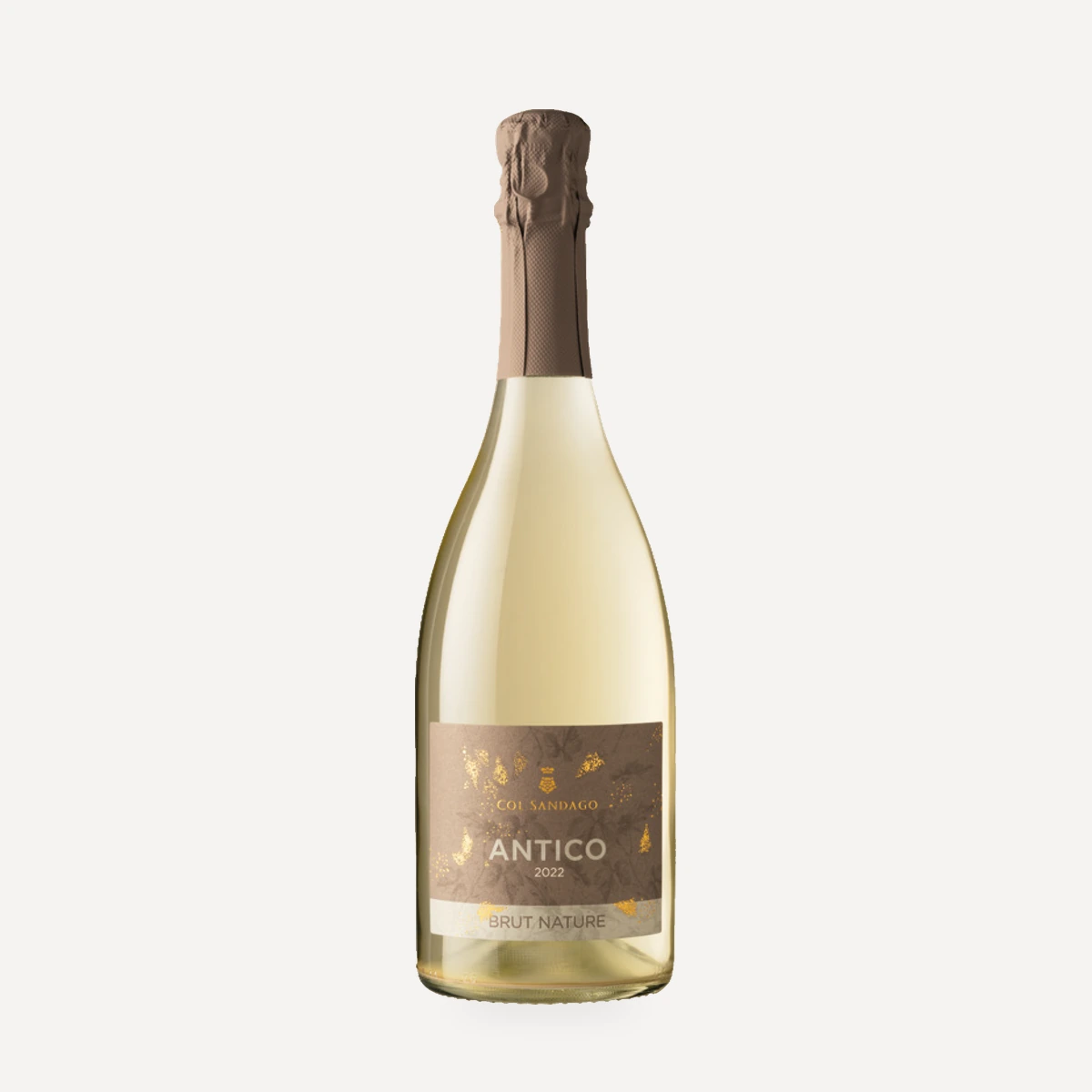
"Antico" Prosecco Superiore Brut Nature
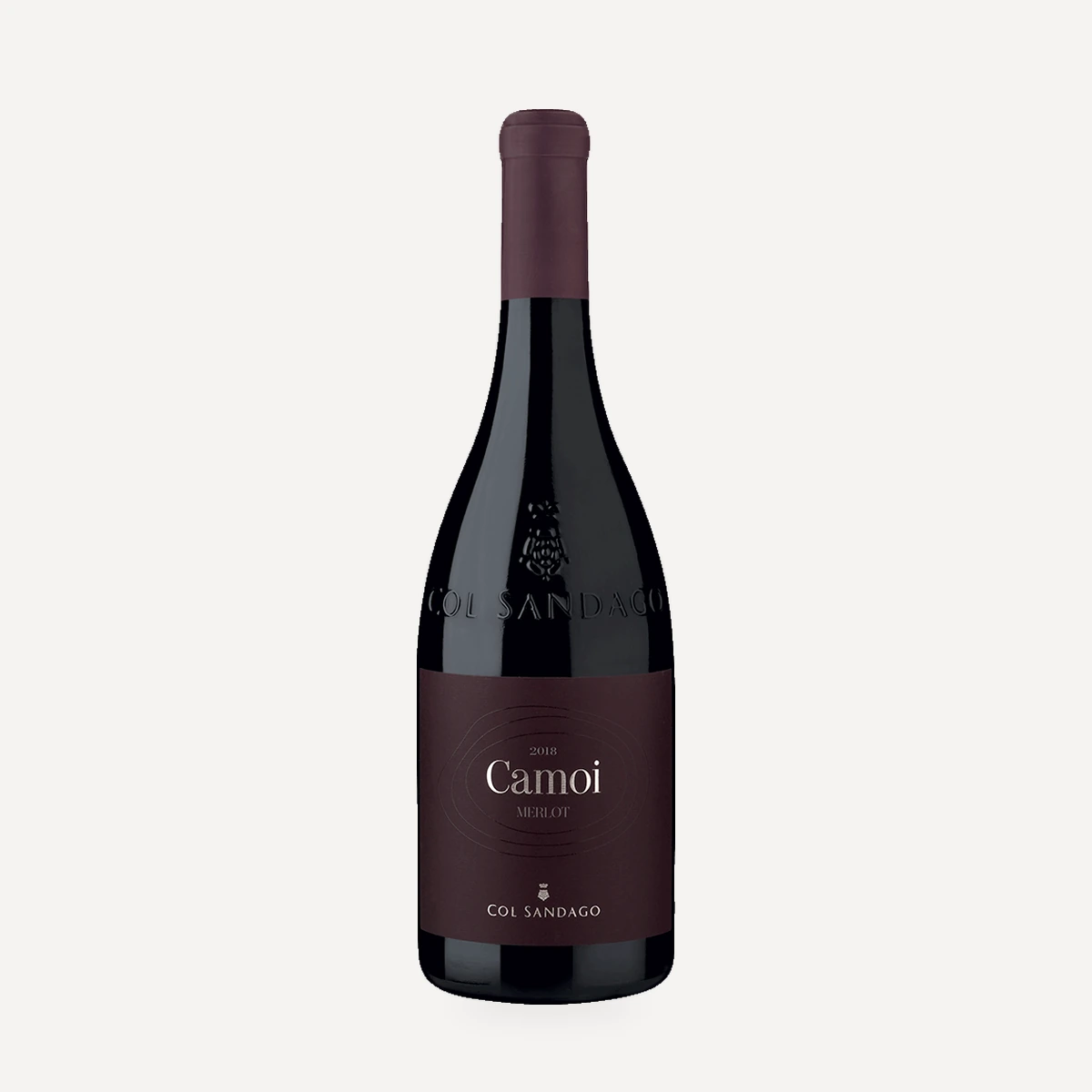
"Camoi" Col Sandago
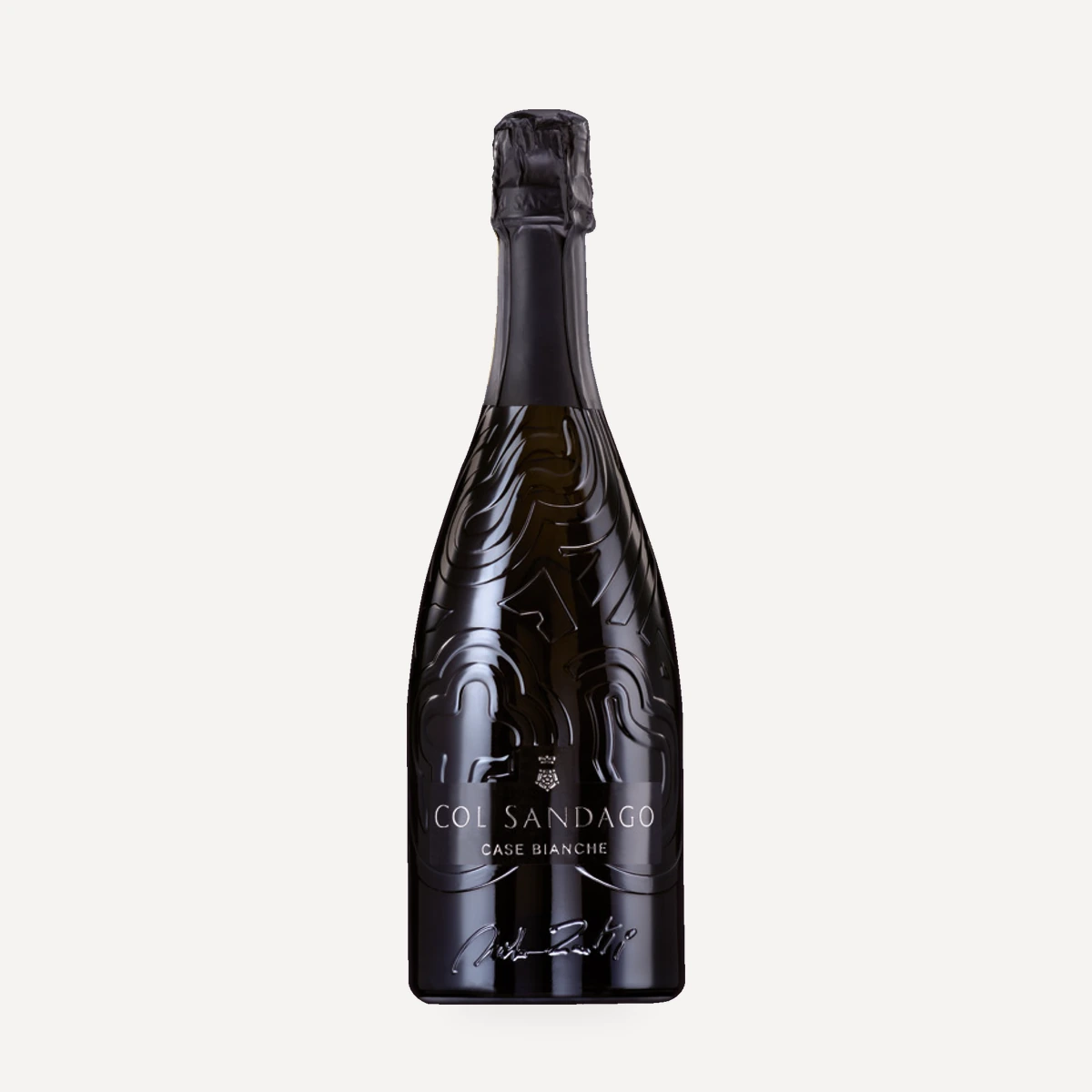
"Case Bianche" Prosecco Superiore Extra Dry
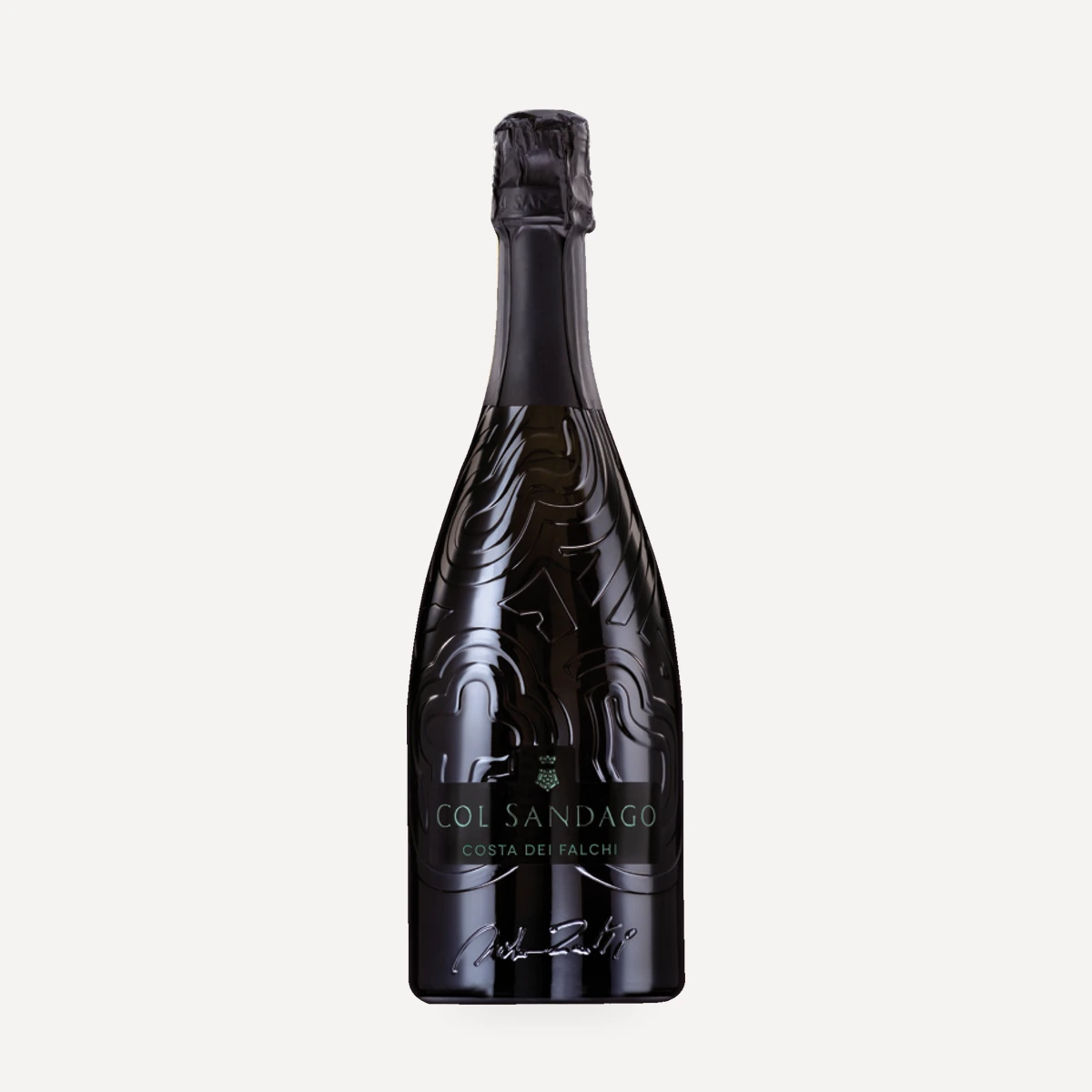
"Costa dei Falchi" Prosecco Superiore Extra Brut
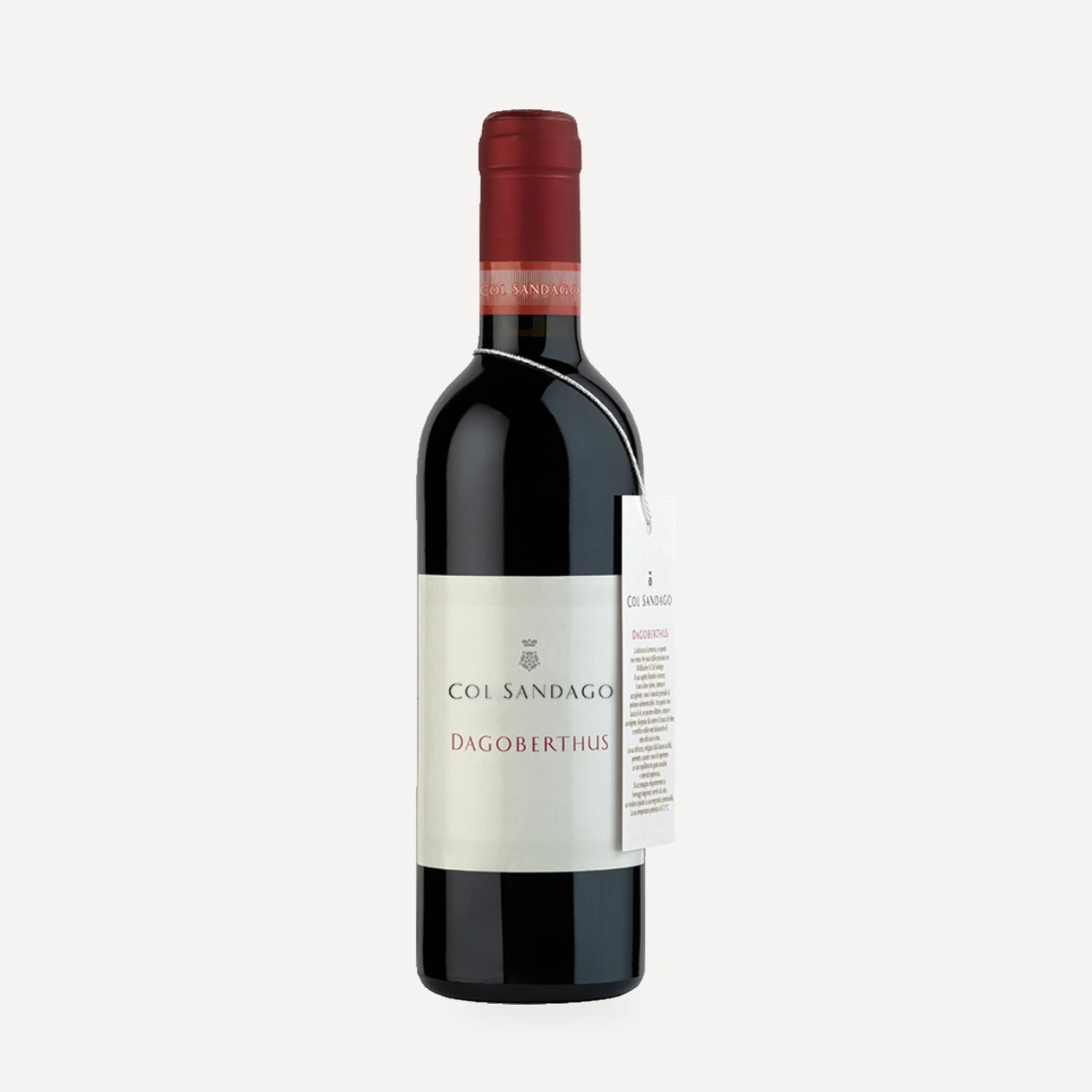
"Dagoberthus" Passito di Wildbacher
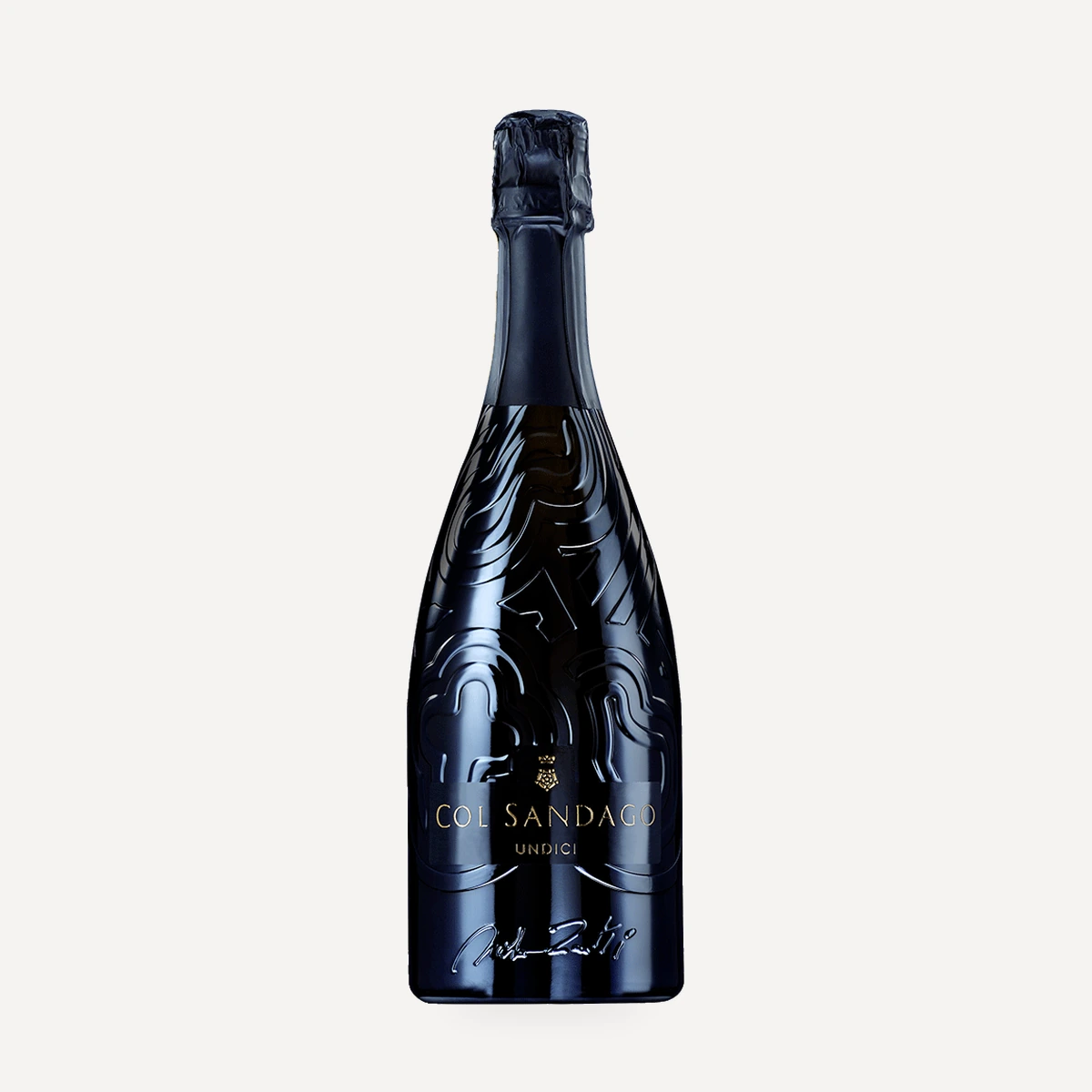
"Undici" Prosecco Superiore Dry
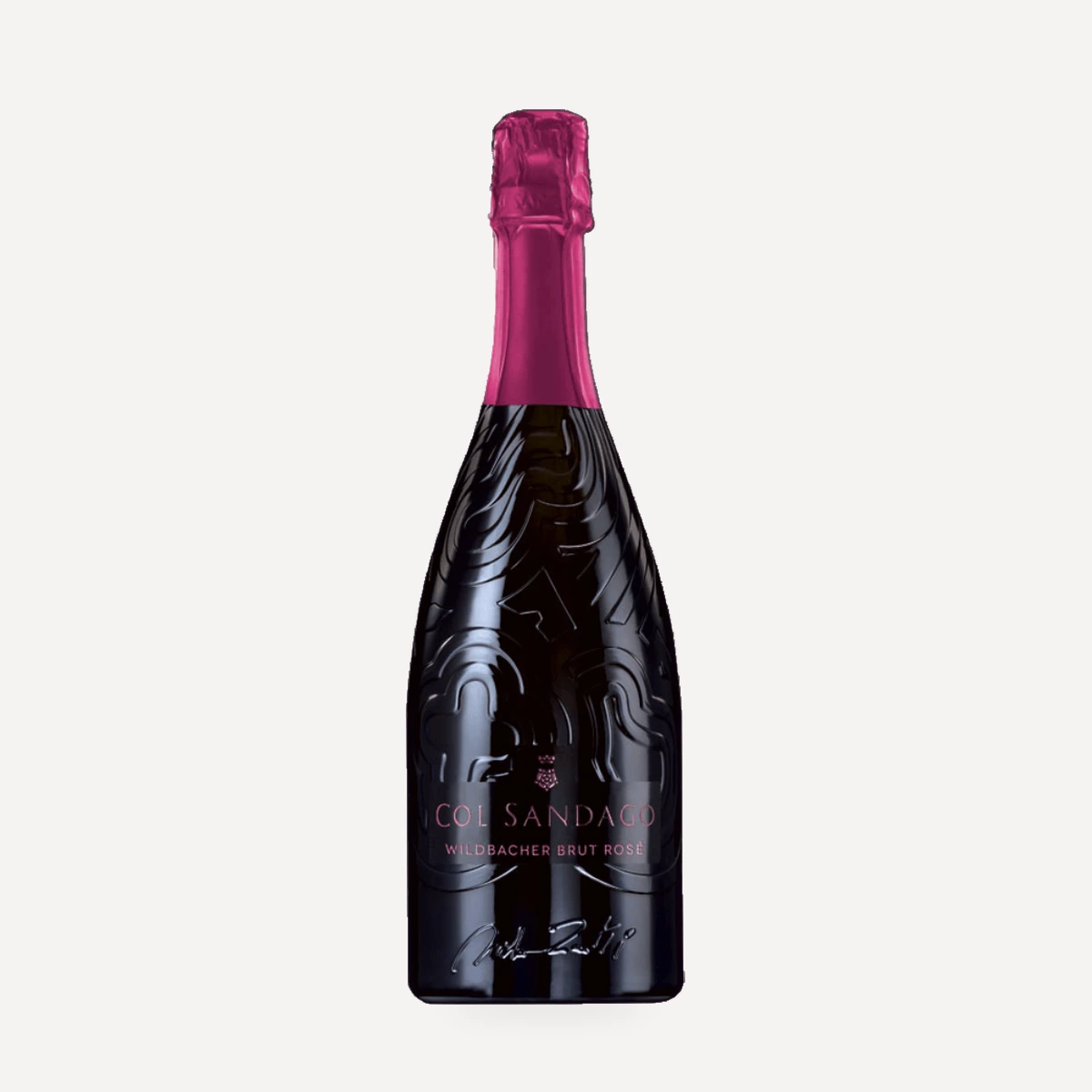
"Wildbacher Brut Rosé" Col Sandago
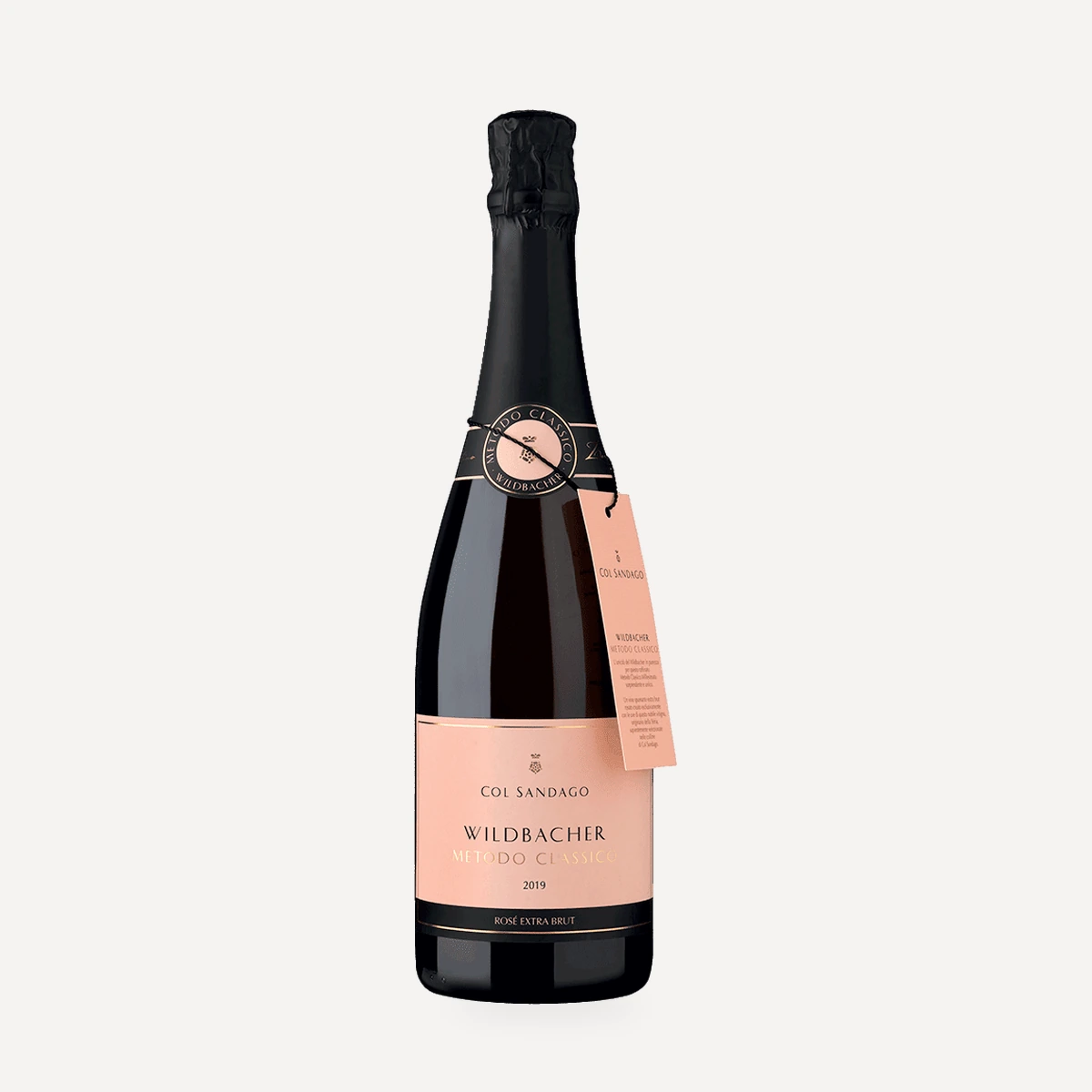
"Wildbacher Metodo Classico" Extra Brut
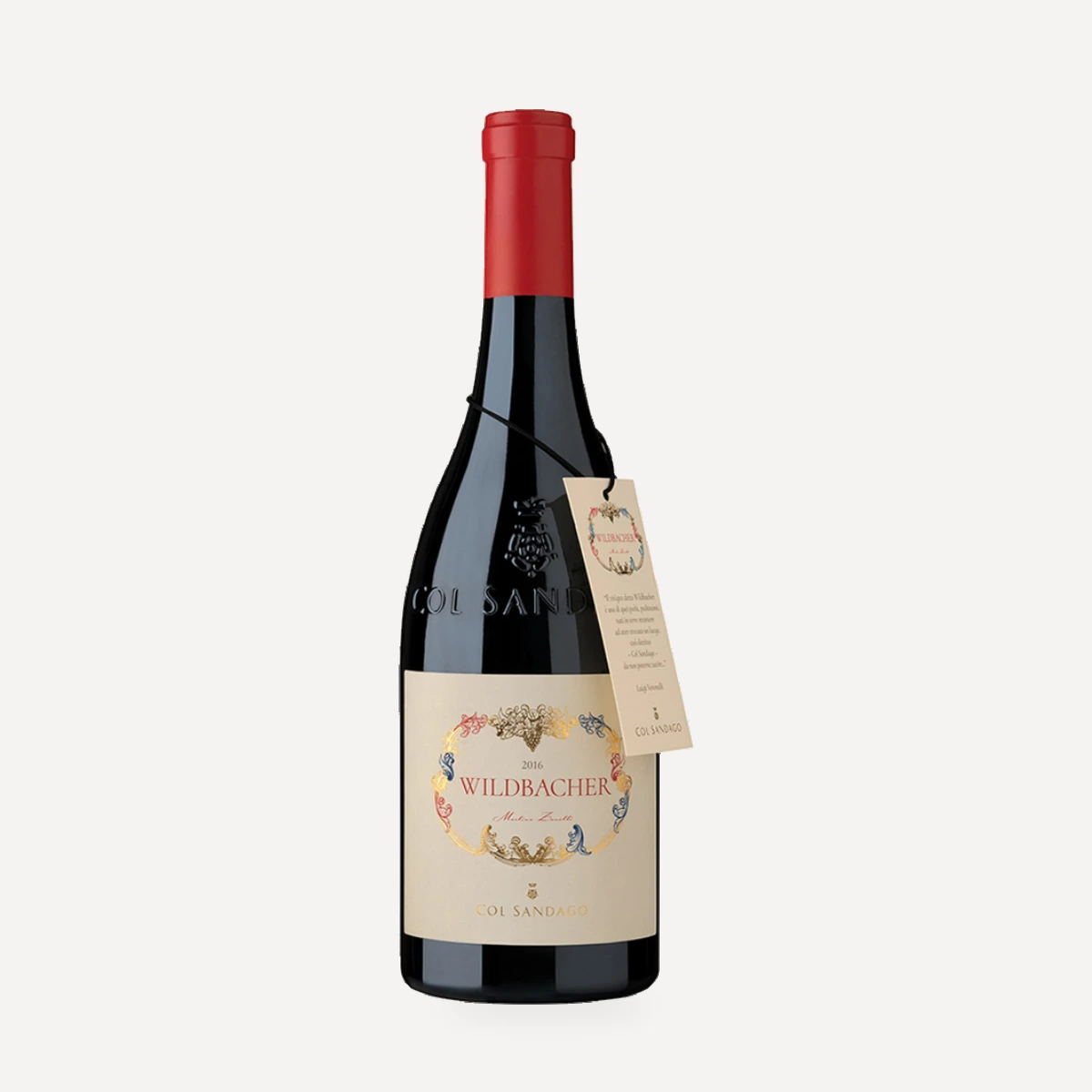
"Wildbacher" Col Sandago
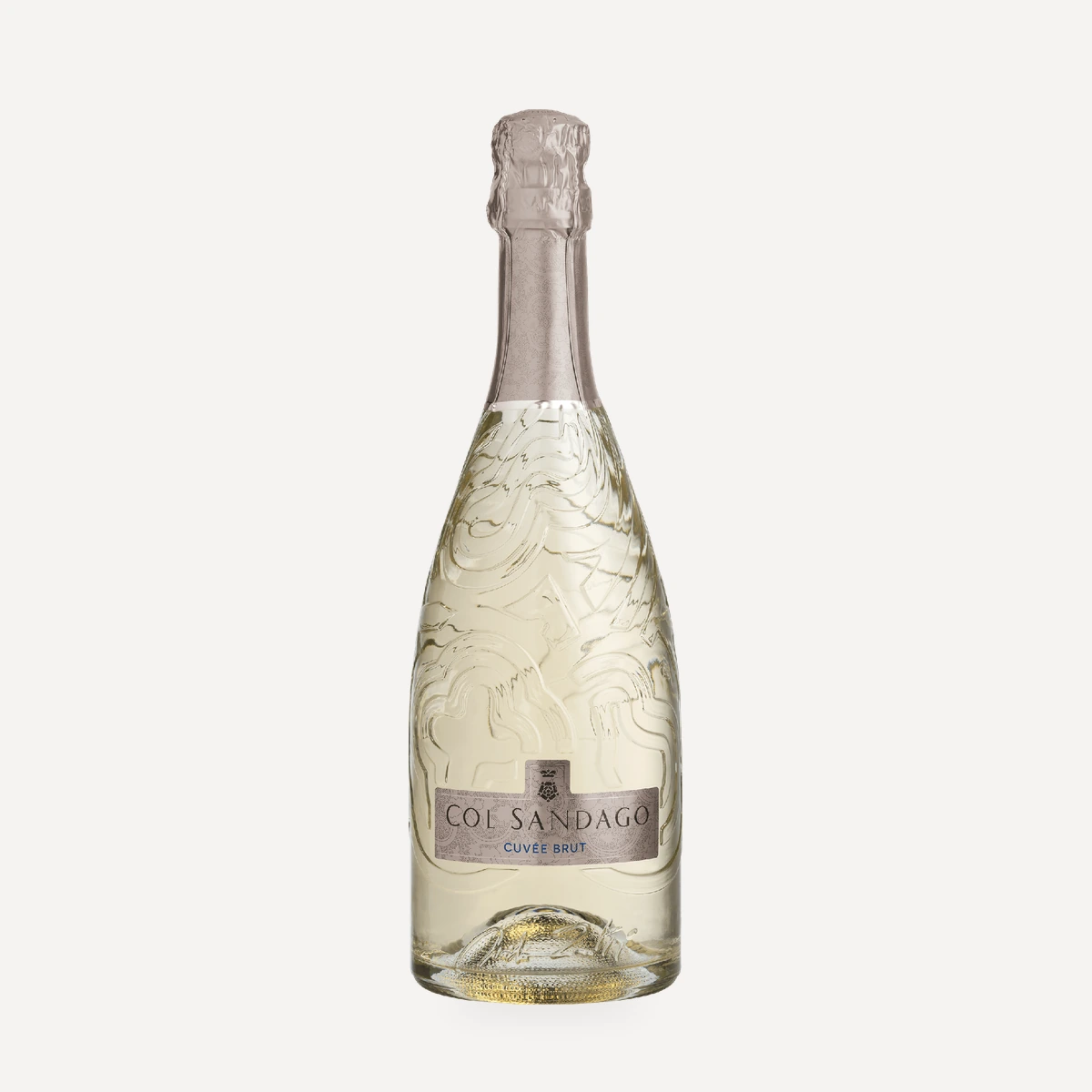
Cuvée Brut
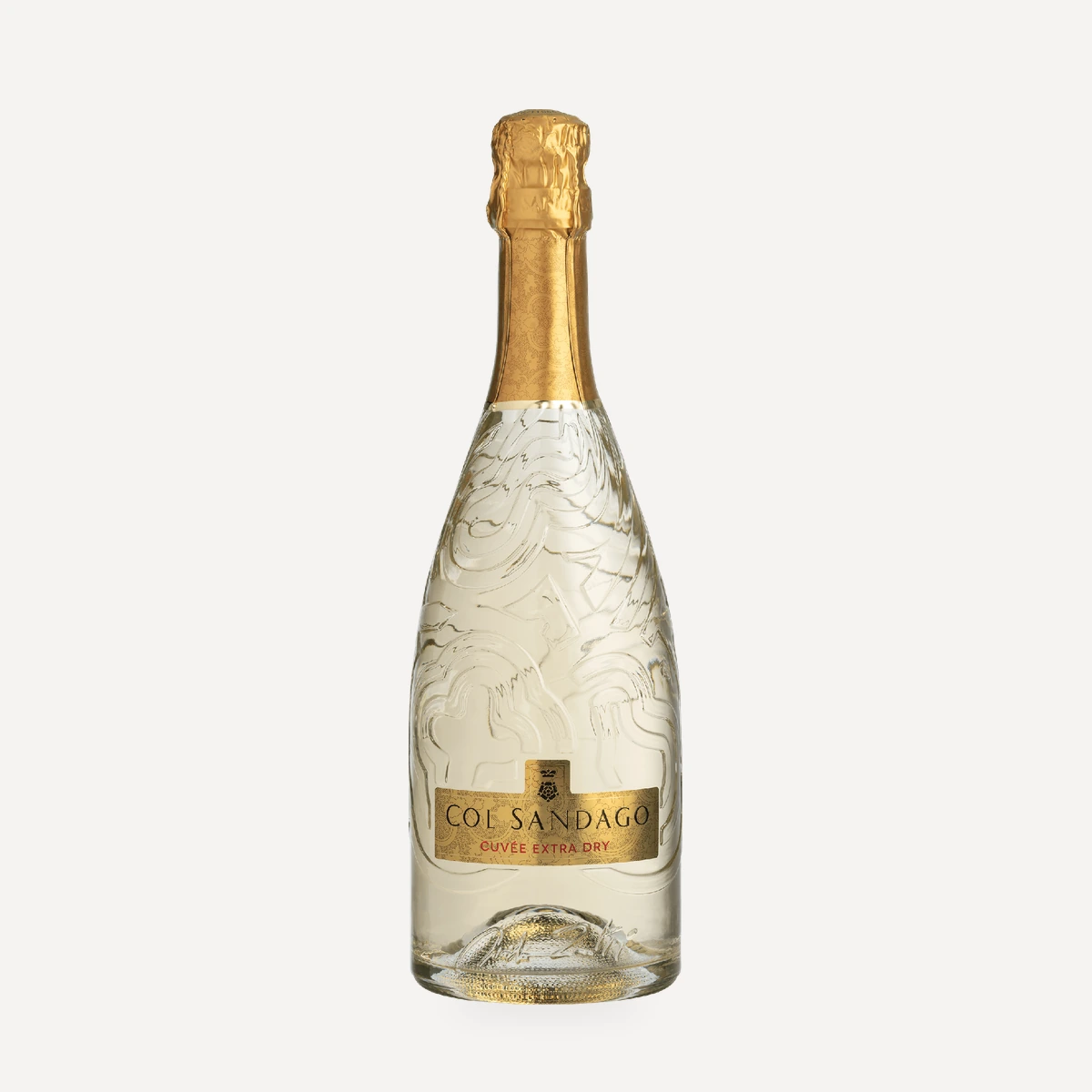
Cuvée Extra Dry
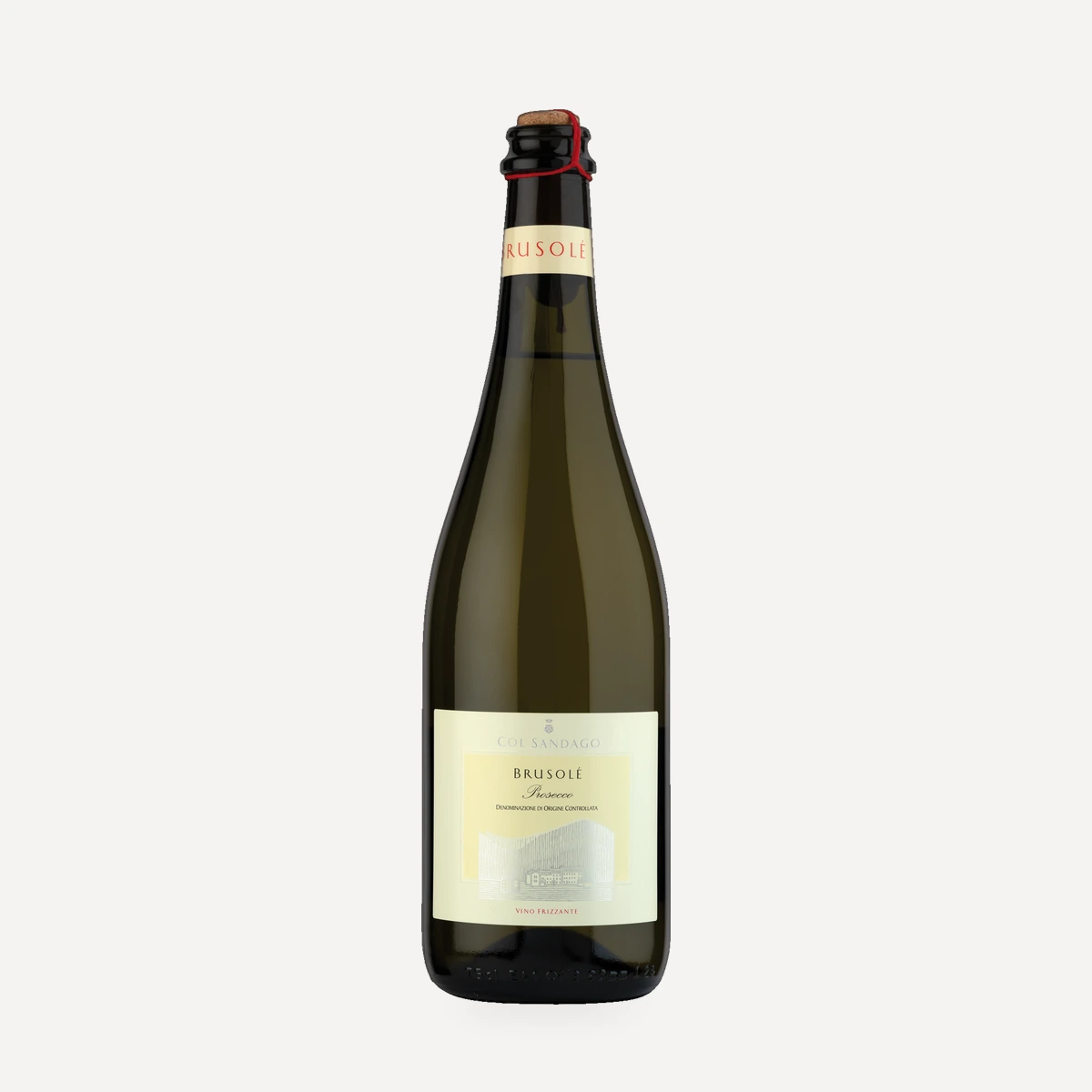
Prosecco Frizzante "Brusolé" Col Sandago
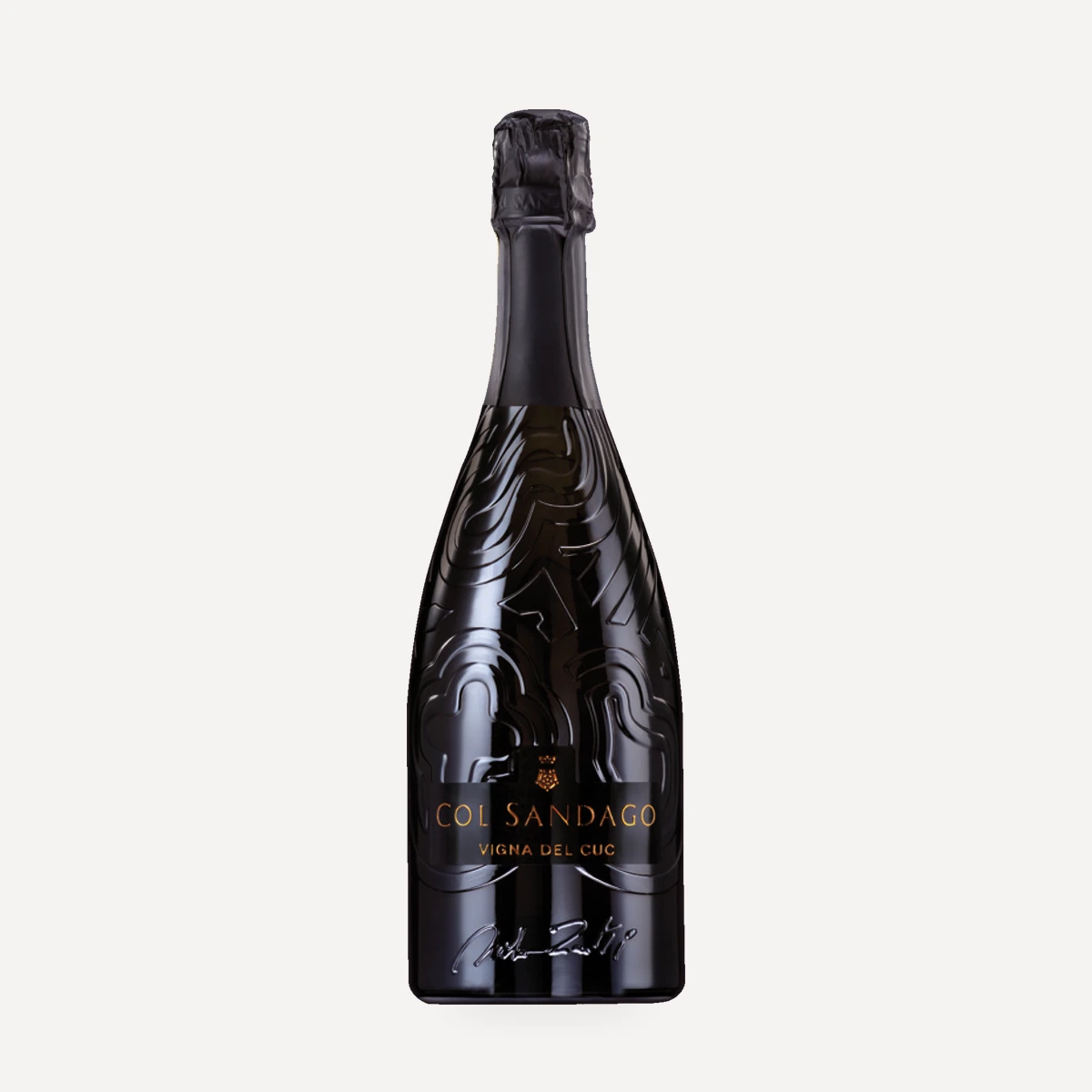
Prosecco Superiore Brut "Vigna del Cuc"
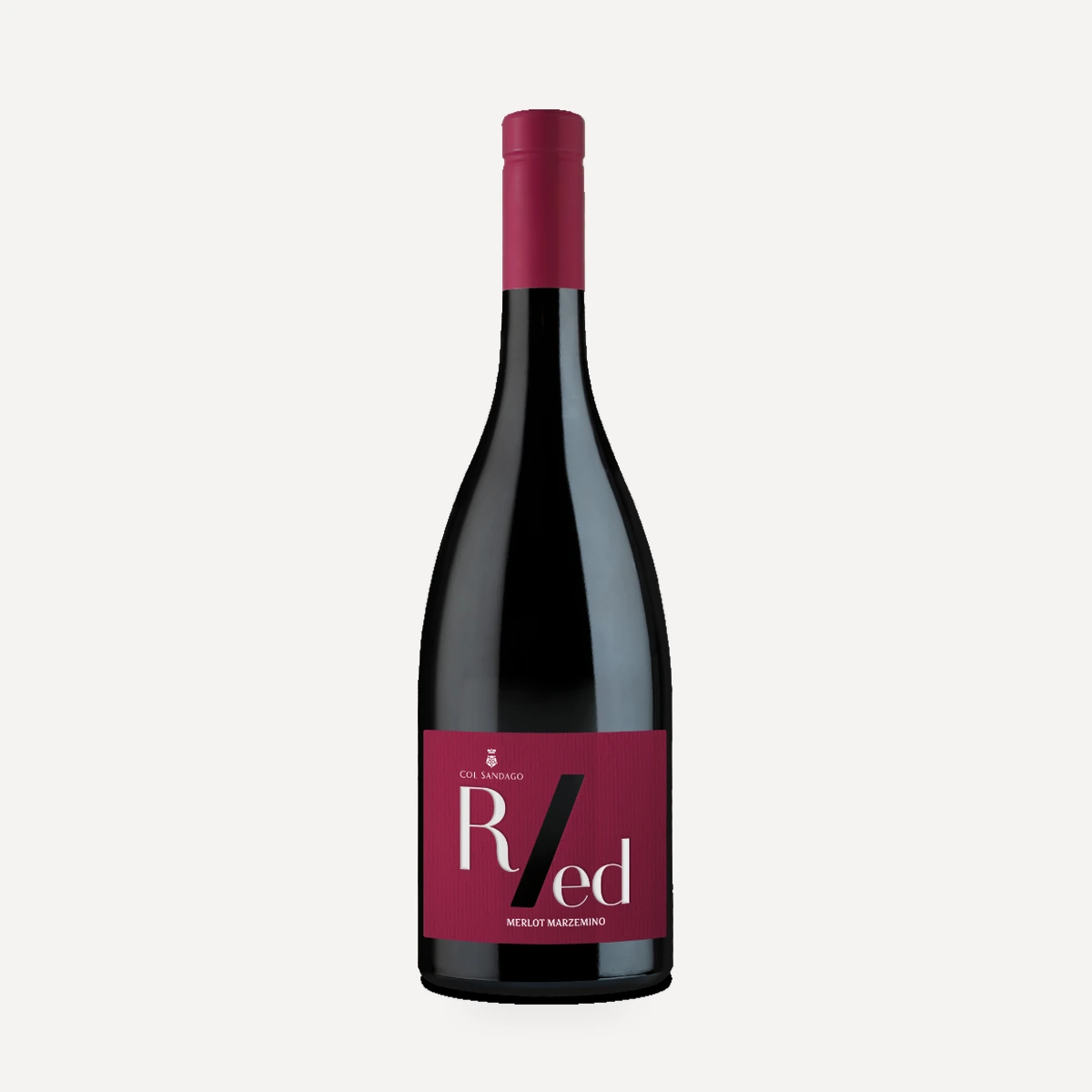
Red Merlot Marzemino
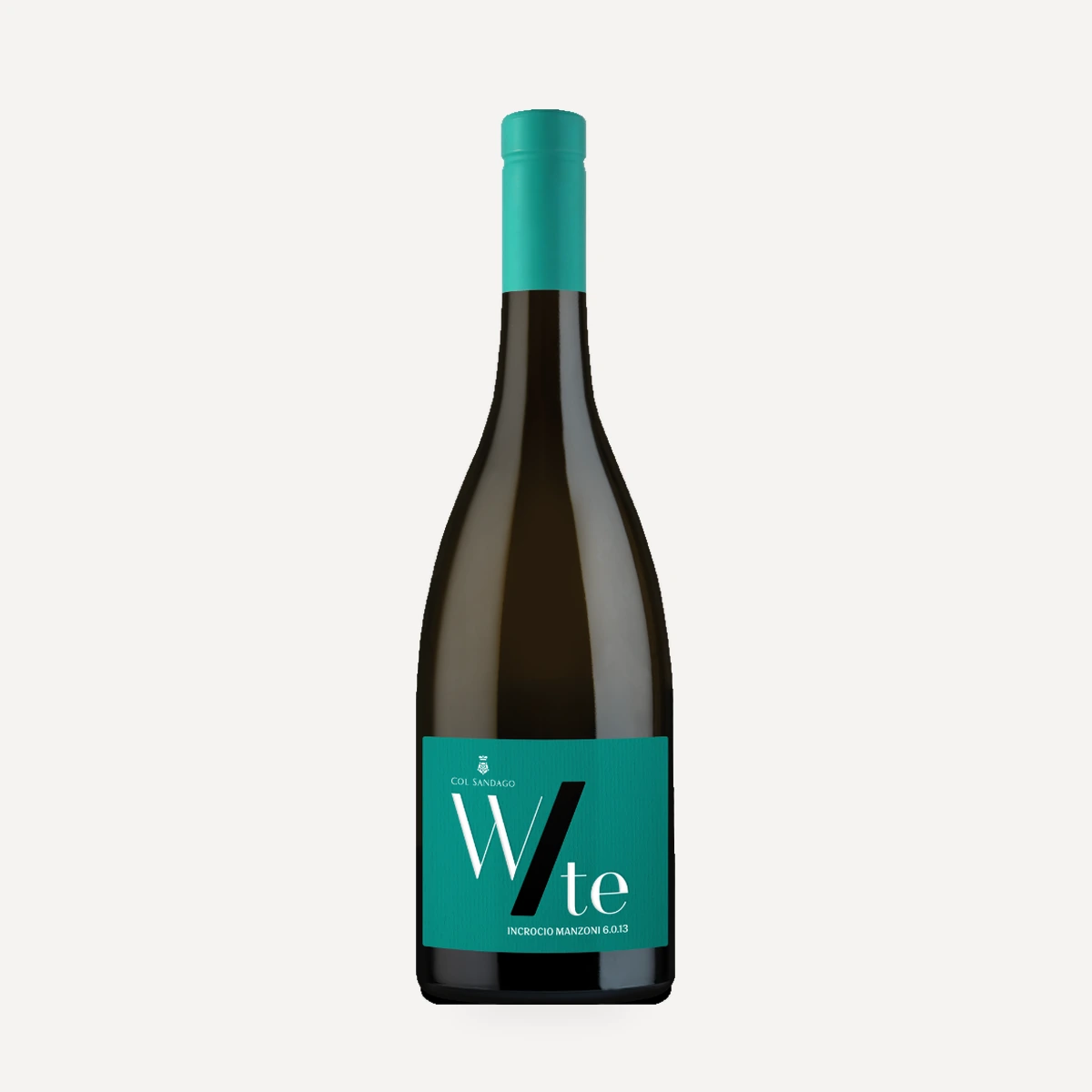
White Incrocio Manzoni 6.0.13
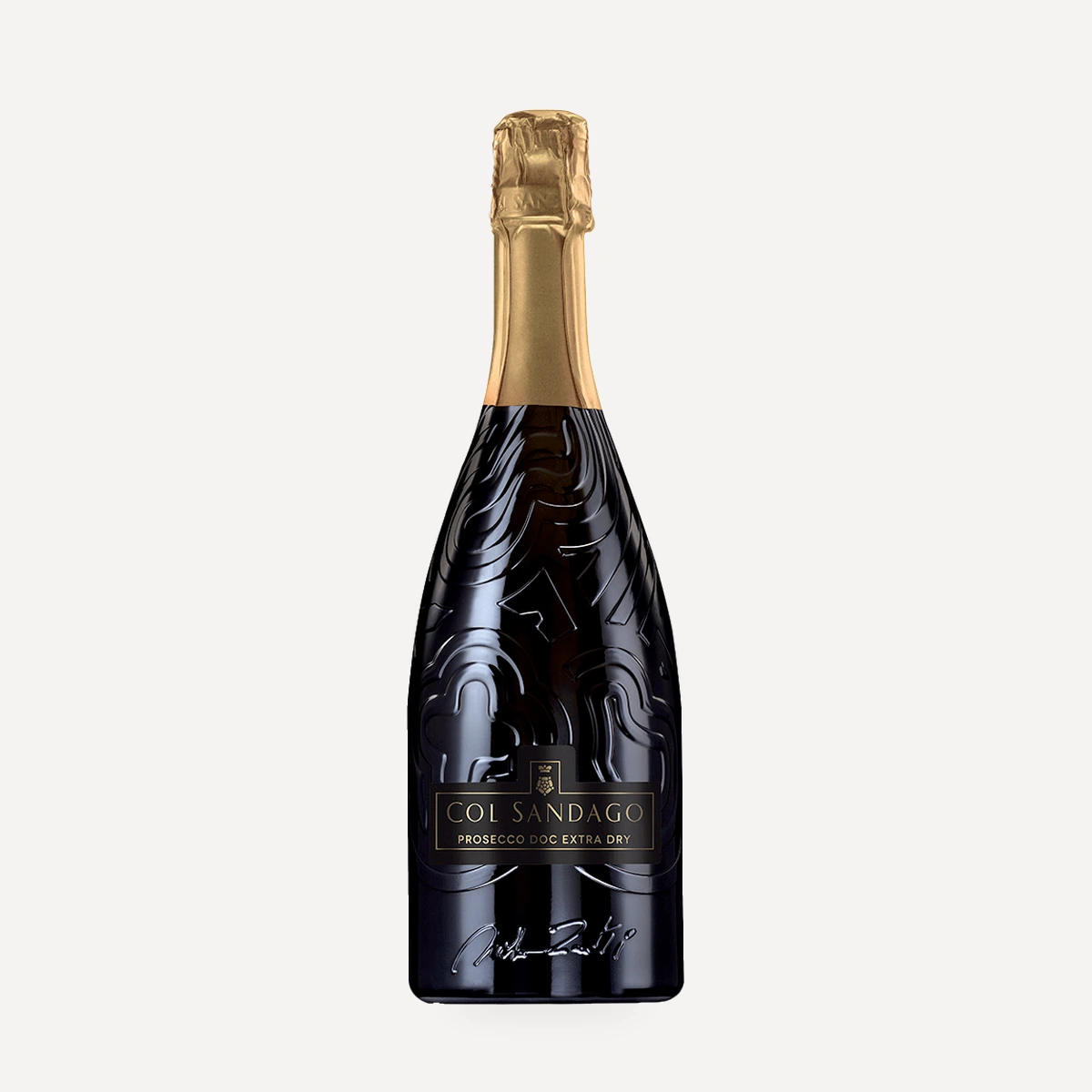
Prosecco Spumante Extra Dry