Storia
A historic Lake Garda property
Cà Sabbionare belongs among the historic wine properties of the Lake Garda area. The estate occupies a gentle slope above the Gulf of Garda, with vineyards and century-old olive trees forming part of the agricultural landscape.
Transition to organic cultivation
Respect for the land led the estate toward organic cultivation. The change was gradual and extended beyond the vines to their surroundings. Flowers reappeared between the rows and attracted bees, butterflies, ladybirds, praying mantises, crickets and other insects, creating a more diverse vineyard environment.
Cellar hospitality
The opening of the Colombo winery shop created a dedicated place for visitors to taste the wines and experience the estate landscape. Hospitality subsequently developed into guided vineyard and cellar visits, experiential tastings, cultural evenings devoted to wine and music, and facilities for corporate meetings and workshops.
Terroir
Position and exposure
Cà Sabbionare rests on a gentle slope overlooking the Gulf of Garda. Its vineyards have an east-to-west exposure and receive sunlight from early morning until dusk. Pinot Grigio is specifically associated with the hills overlooking Lake Garda on the Veronese shore.
Lake and mountain air
The Lake Garda microclimate is central to the estate’s growing conditions. During hot summer days, a light breeze rises from the lake, moderating soil humidity and helping to prevent root rot. In the evening, cooler air descends from Monte Baldo behind the estate and refreshes the nights.
Estate landscape
Century-old olive trees surround the property. The vineyards, olive trees, lake influence and mountain air together define an agricultural setting in which vine-growing is presented as an interaction among the land, its microclimate and human work.
Vinificazione
The estate is organically managed. The decision arose from a stated commitment to respecting the land, and the transition progressively affected both the vineyards and their immediate surroundings.
Flowers have appeared between the vine rows, attracting bees, butterflies, ladybirds, praying mantises, crickets and other insects. This renewed biodiversity is treated as a mutually supporting vineyard ecosystem. The estate’s continuing objective is to maintain and improve these conditions.
Lake and mountain air also play practical roles in the vineyard: the light summer breeze from Lake Garda helps regulate soil humidity and prevent root rot, while cooler evening air descending from Monte Baldo refreshes the vineyards at night.
The cellar forms part of the estate’s guided visitor experience, where the stages through which grapes are transformed into wine are explained before tasting. The portfolio encompasses still white, rosé and red wines, classic-method sparkling wines and rosé vermouth. No single estate-wide vinification protocol is defined.
Filosofia
Colombo presents respect for the land as the foundation of its work. Organic cultivation is treated not simply as a technique applied to the vines, but as a gradual transformation of the surrounding agricultural environment.
The estate links wine to the combined work of people, nature and the culture of the Lake Garda territory. Its vineyards are framed as a meeting point between terroir and human activity, while its wines seek to reconcile modernity with tradition.
Maintaining and improving the environmental conditions already achieved is an explicit continuing commitment. Hospitality follows the same outlook, connecting wine with the vineyard landscape, local products, opera, music and cultural experiences.
Vini
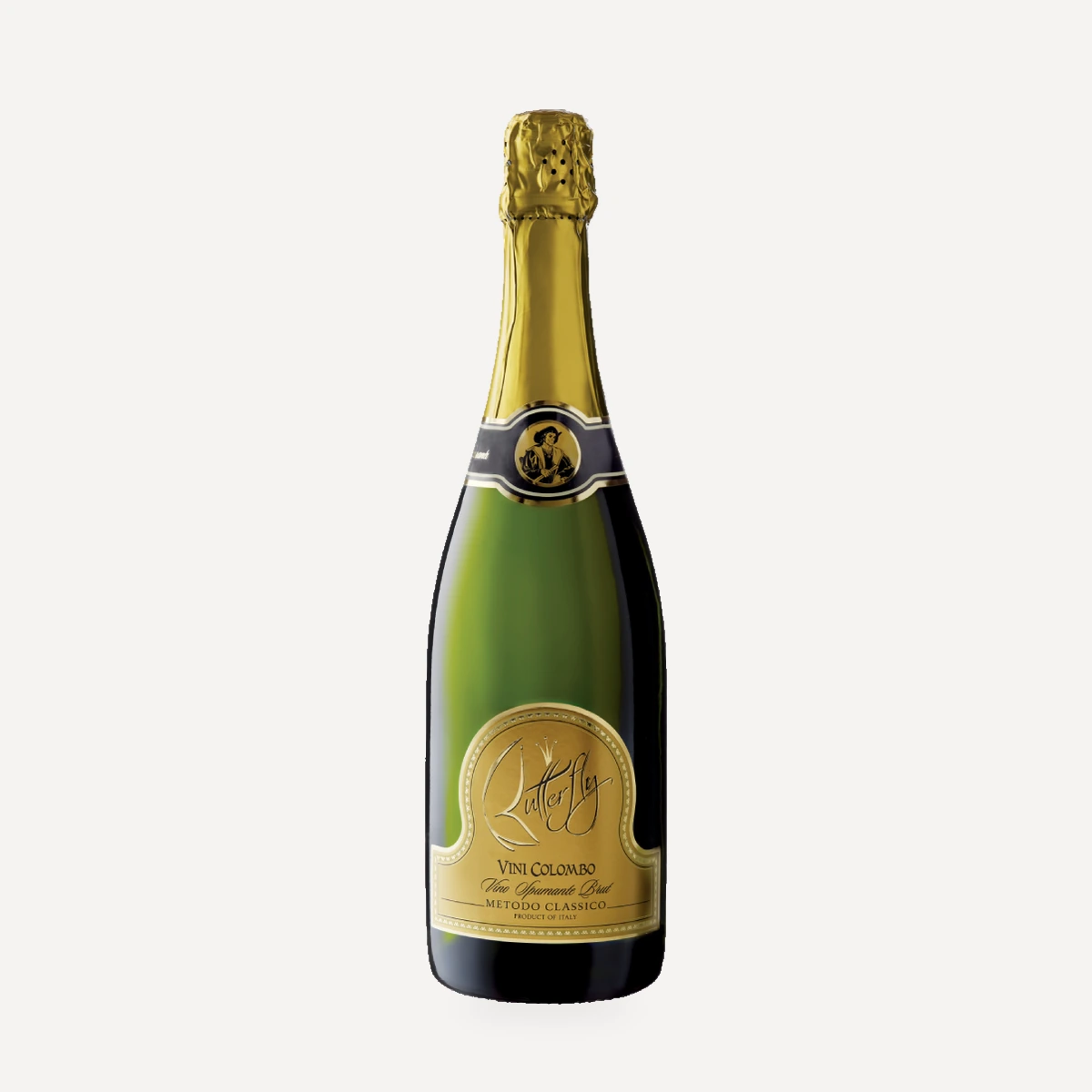
Butterfly
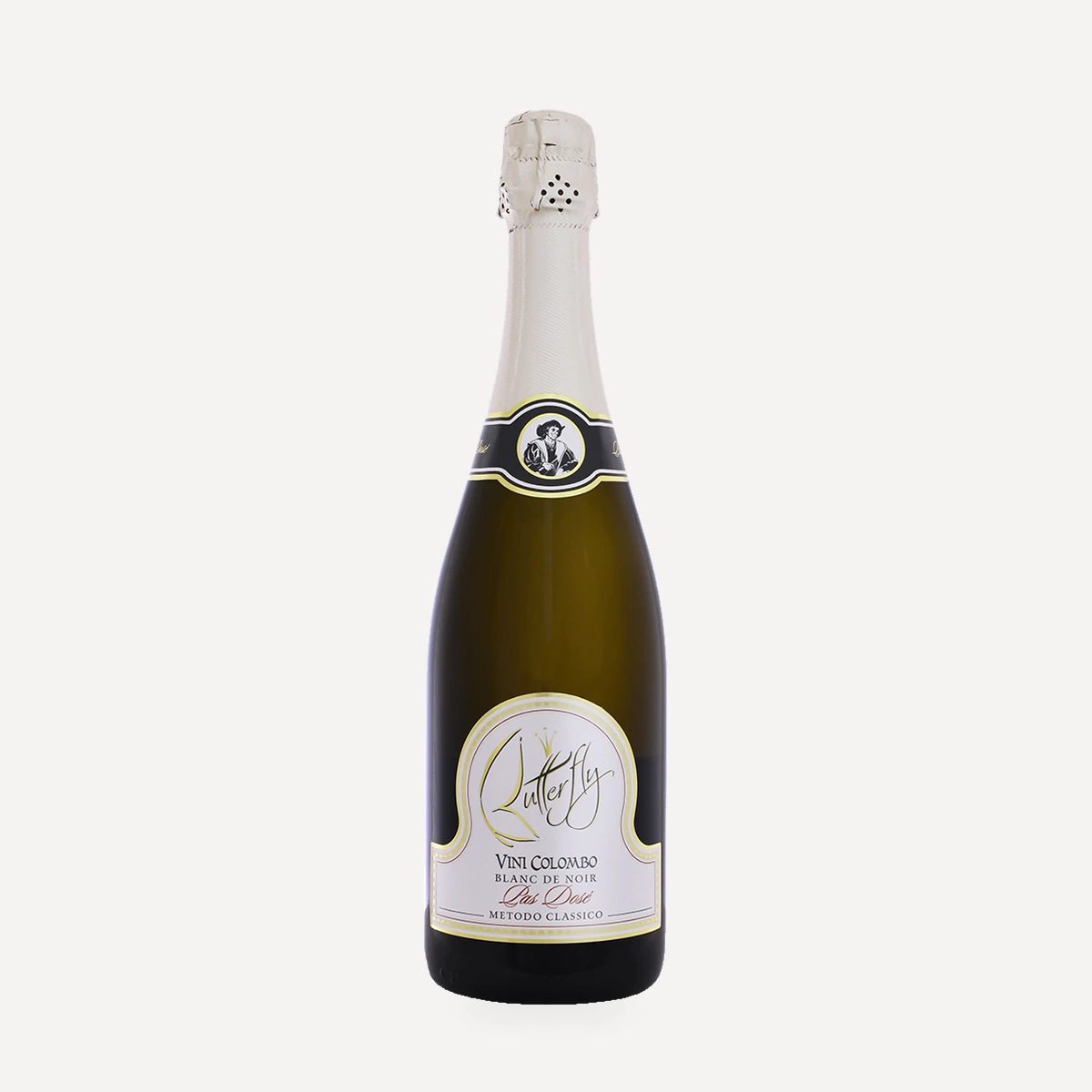
Butterfly Pas Dosé
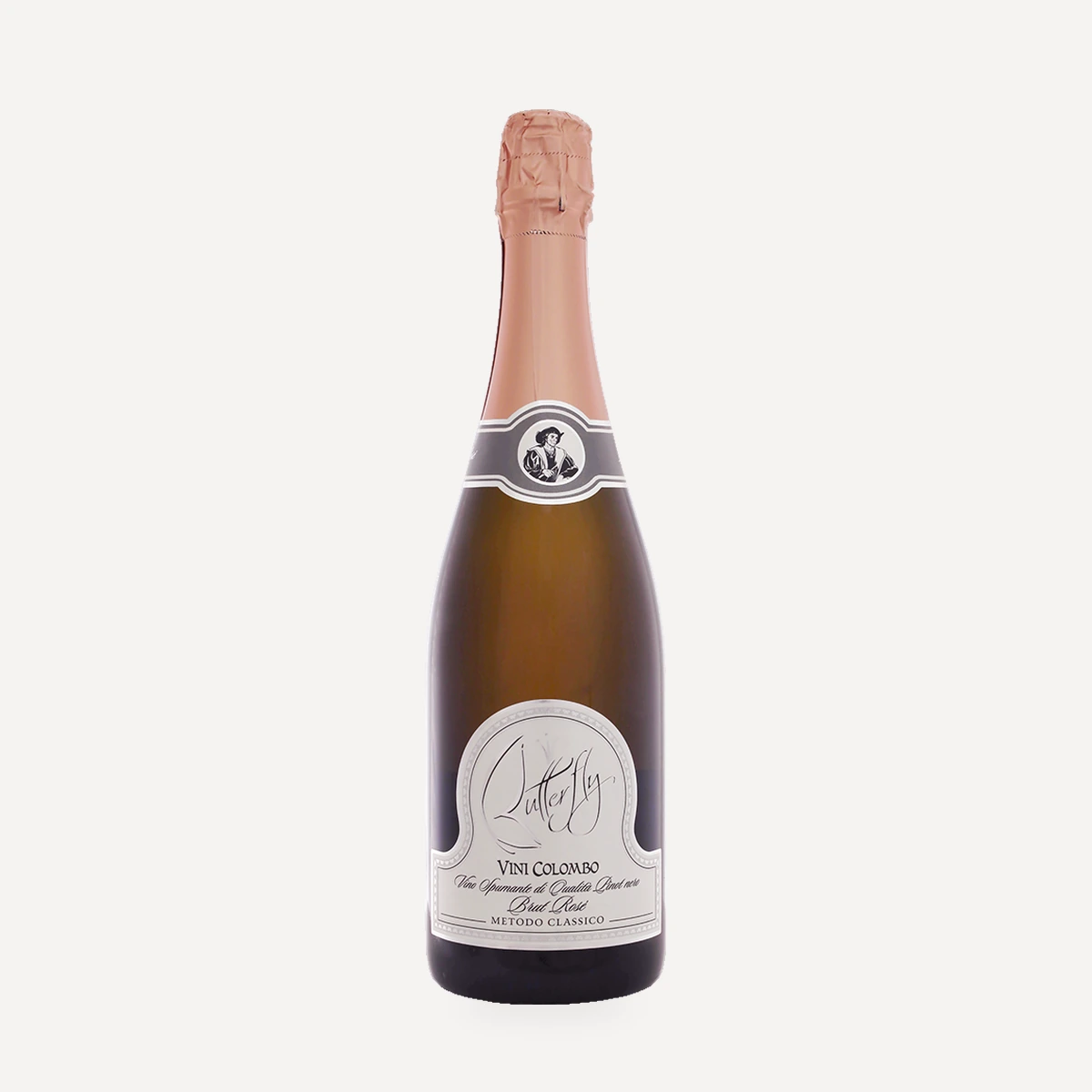
Butterfly Rosè
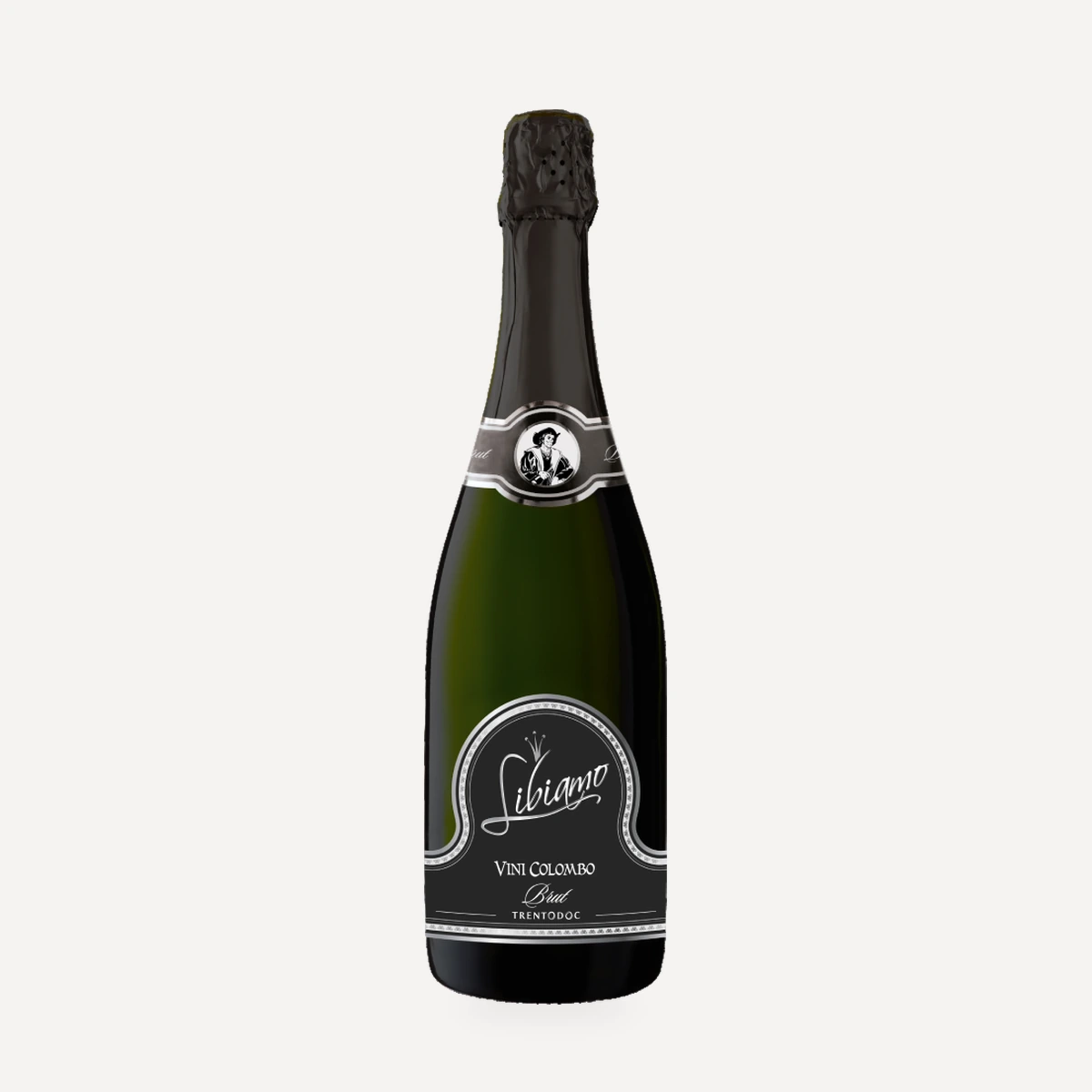
Libiamo
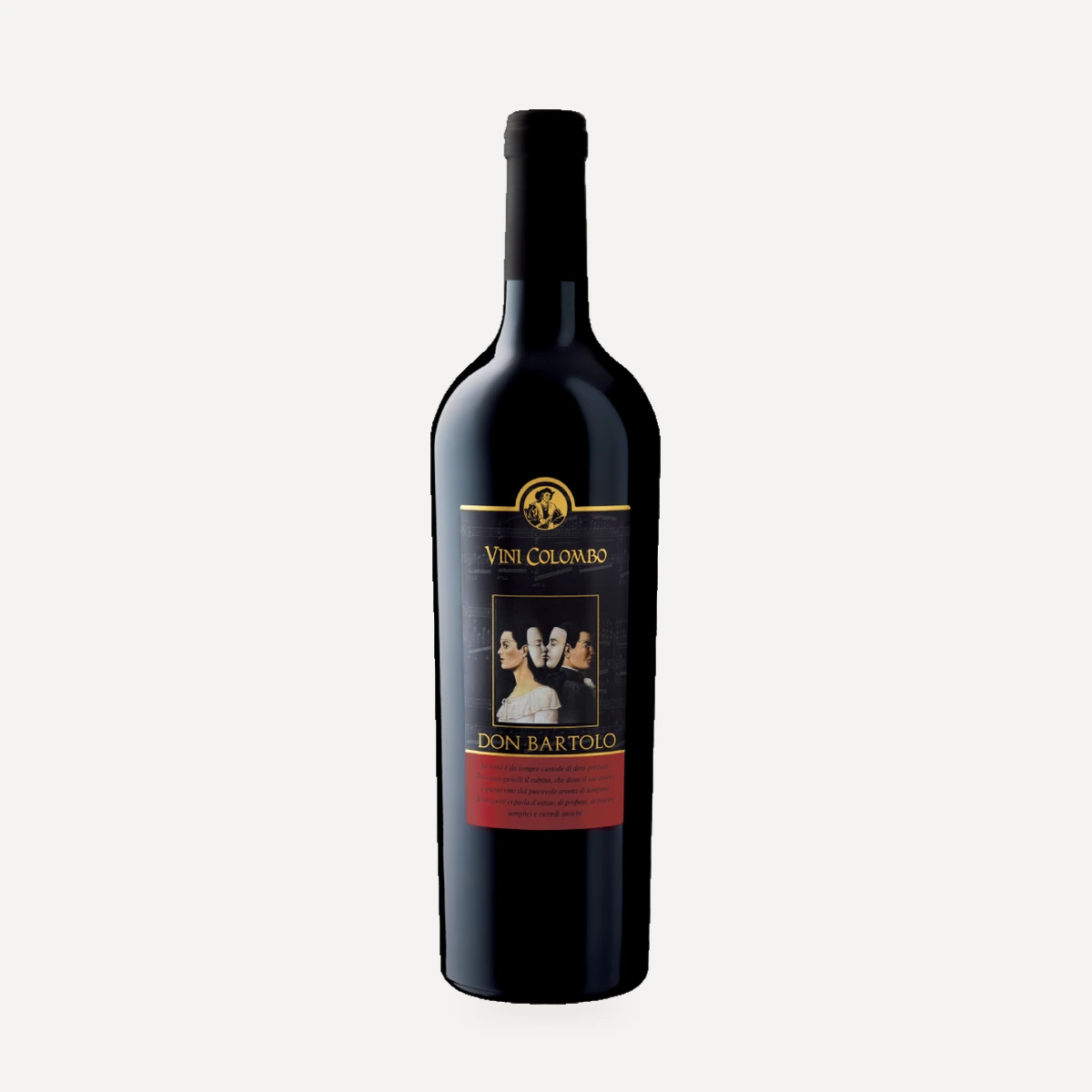
Don Bartolo
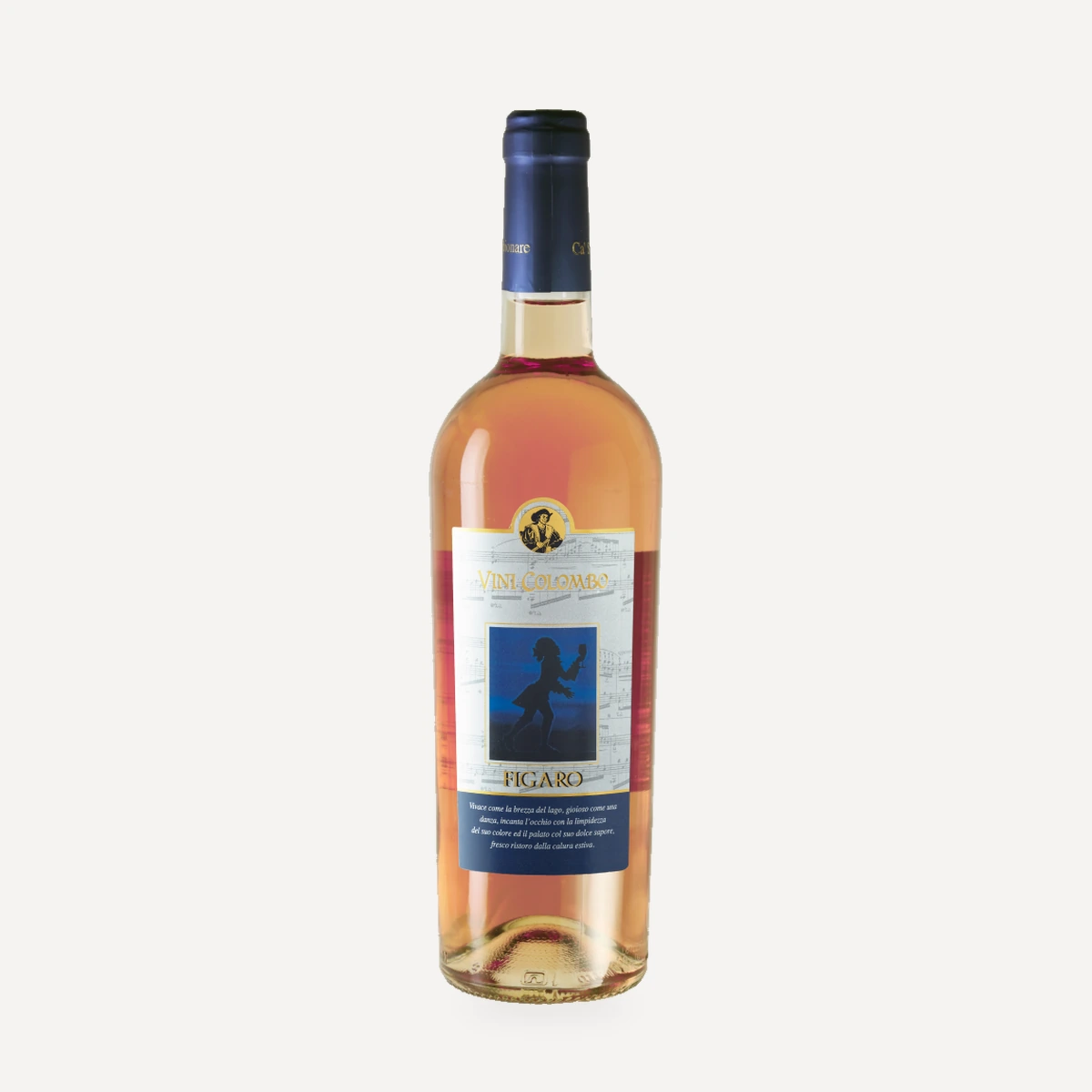
Figaro
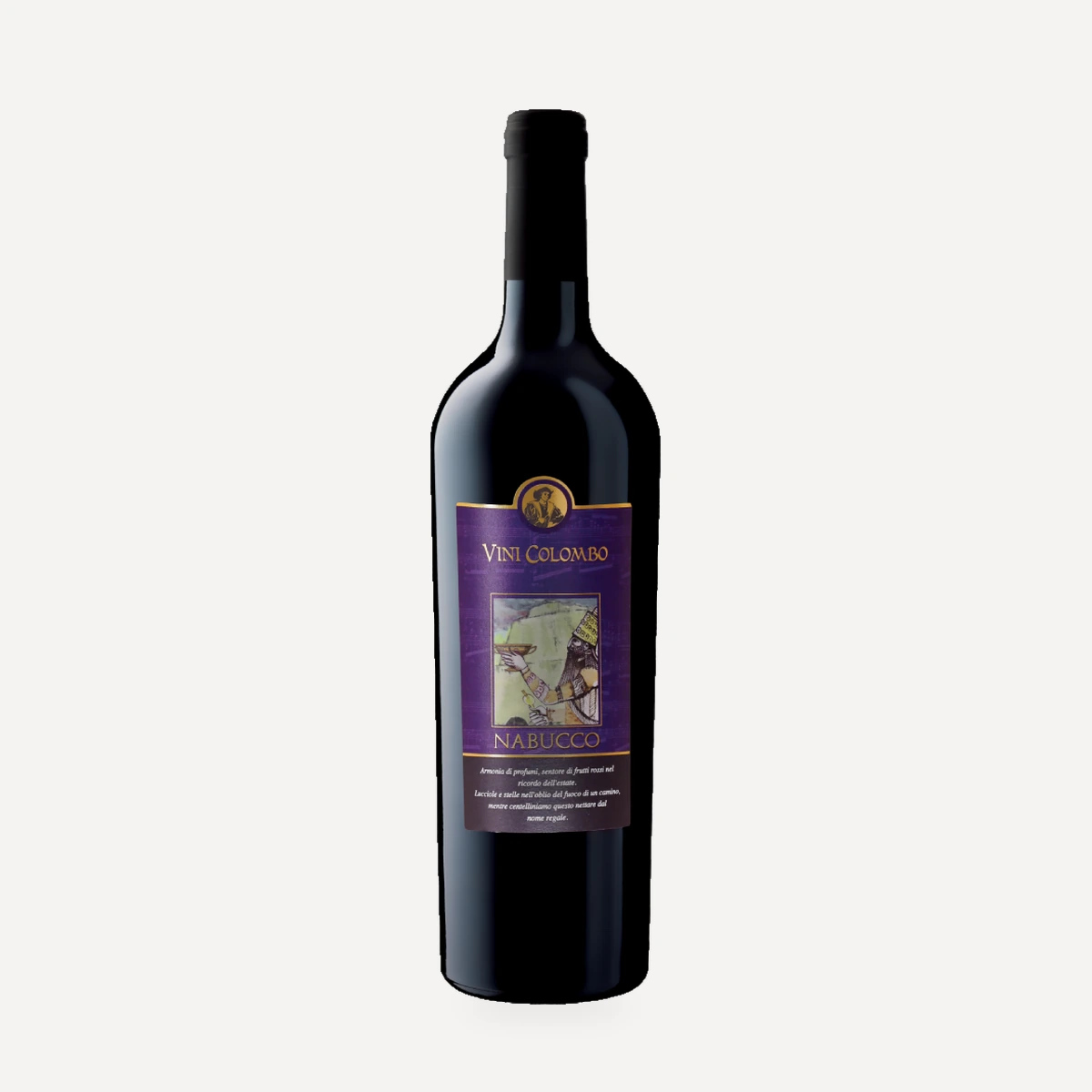
Nabucco