Storia
Vineyards before the Corte Alta project
The vineyards between Cavalo and Mazzurega were already productive in 2003, five years before the Corte Alta project formally began. The estate subsequently made the recovery of traditional values and little-known historical grape varieties a central part of its identity.
2008: creation of Corte Alta
The Accordini family founded Corte Alta as a project in Valpolicella Classica in 2008. Its creation grew from the innovative ideas of Giacomo, Paolo and Marco, with Daniele and Tiziano Accordini supervising the project. The estate was established on the hills of Fumane, in the hamlet of Cavalo, at an elevation of 500 metres.
The project joined two objectives: preserving local traditions and giving the wines a more distinct identity and character. This included cultivating rediscovered, precious and little-known historical varieties and combining established Valpolicella techniques with a contemporary stylistic interpretation.
Development of a modern appassimento expression
Experience with grape drying for Recioto and Amarone was subsequently applied in a different stylistic context to create Feritas, whose name means “True Strength.” It is based on lightly dried Corvina, supplemented by small quantities of Merlot and Cabernet Sauvignon.
2010: construction of the new winery
A new cellar was built in 2010. It brought the production chain under one roof and enabled Corte Alta to oversee grape drying, maturation in barrels and barriques, and final bottling. This integrated structure was intended to maintain consistent control over wine quality throughout production.
Terroir
Location and elevation
Corte Alta lies within Valpolicella Classica on the hills of Fumane, in the hamlet of Cavalo, at 500 metres above sea level. Its vineyards are situated between Cavalo and Mazzurega. The winery itself is surrounded by vines, with the Lessini Mountains forming the backdrop and an open outlook towards Verona to the south.
Soils and geological setting
The vineyard setting encompasses alluvial, clay-rich, volcanic and marble-derived soils. Cavalo is specifically associated with volcanic terrain.
The surrounding Valpolicella landscape is geologically varied: the Fumane valley has gypsum-bearing soils; Cavalo is volcanic; the Negrar valley is rocky and calcareous; and the area around Sant’Ambrogio di Valpolicella is marked by red marble. This geological diversity is presented as a source of distinct characteristics in the wines produced across the territory.
Vinificazione
Corte Alta’s vineyard program is centered on traditional local grapes and the recovery of historical varieties that had become little known. Corvina Veronese, Corvinone, Rondinella and Molinara are identified as the principal indigenous varieties across the estate’s 10 hectares. The vineyards between Cavalo and Mazzurega have been productive since 2003. This work is intended to preserve the traditional values of the area while giving the wines a more clearly defined identity and character.
An integrated cellar
The cellar completed in 2010 was designed to keep the entire production chain under Corte Alta’s control. Its functions extend from the appassimento phase through maturation in barrels and barriques to bottling. Bringing these stages together allows production to be followed continuously and is intended to promote consistency in the finished wines.
Appassimento and maturation
Grape drying is a defining area of technical experience. Corte Alta applies appassimento in the production of Recioto and Amarone and has also adapted the method to a more contemporary interpretation. Feritas exemplifies that approach: Corvina undergoes a light drying period and is joined by small quantities of Merlot and Cabernet Sauvignon.
The cellar is equipped to mature wines in both larger barrels and barriques. Stainless steel, wooden barrels, oak barrels, barriques and subsequent bottle ageing are used across the portfolio, while the Ripasso method involves passing wine over Amarone pomace in contact with the grape skins. One documented production sequence also includes crushing and destemming, temperature-controlled fermentation and maturation in wood.
Filosofia
Corte Alta defines its approach as a union of technique and tradition. Its central aim is to recover the traditional values of the area while giving the wines greater identity and character. In the vineyards, this is expressed through traditional indigenous grapes and the cultivation of rediscovered, precious and little-known historical varieties.
In the cellar, inherited expertise is not treated as static. Experience with the appassimento methods used for Recioto and Amarone is combined with contemporary stylistic interpretation, most explicitly in the development of Feritas from lightly dried grapes.
The estate presents passion, experience, culture, nature and respect as its guiding values. Its emphasis is on small-scale, carefully considered production and on connecting Valpolicella’s landscape, wine culture and local traditions.
Vini
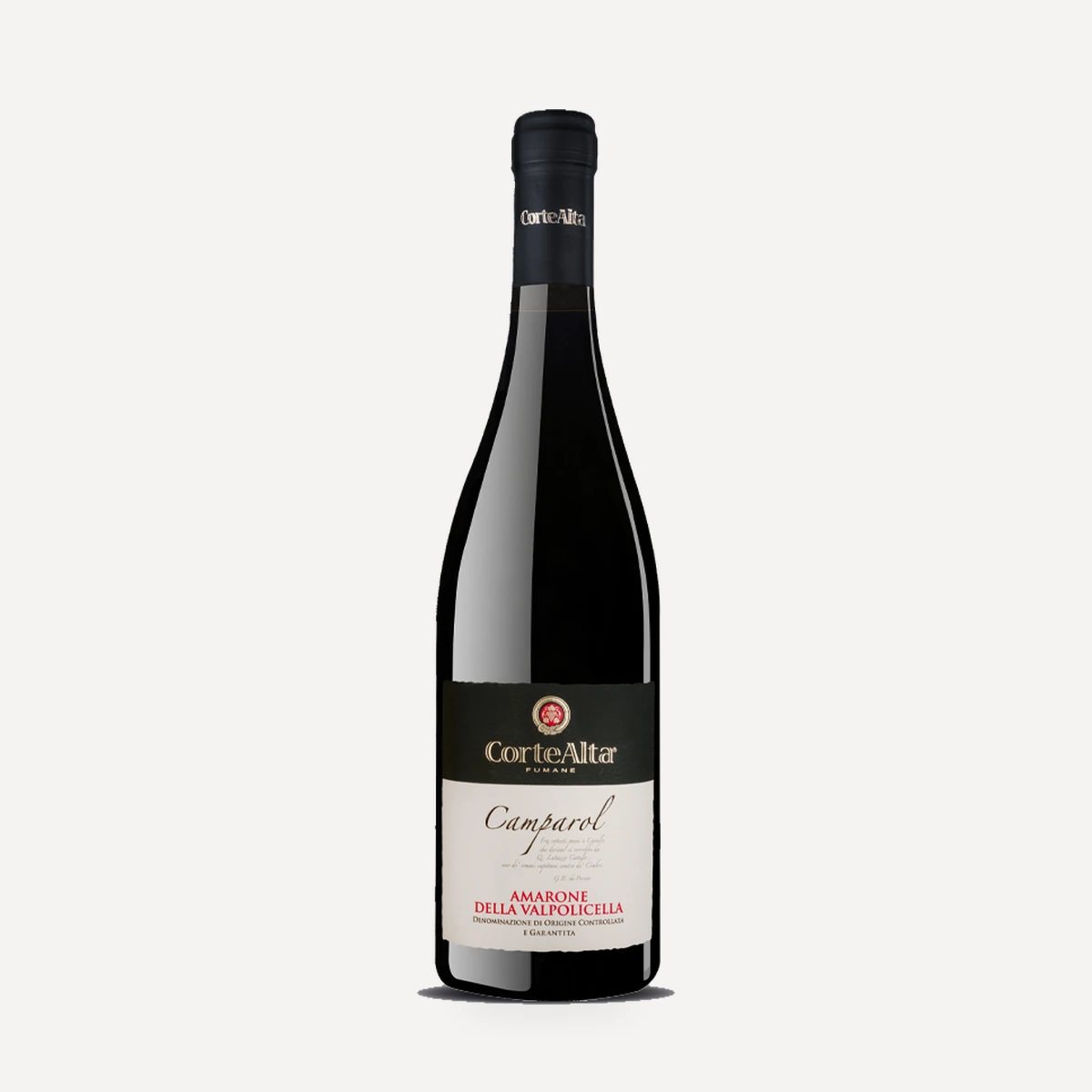
CAMPAROL Amarone della Valpolicella DOCG
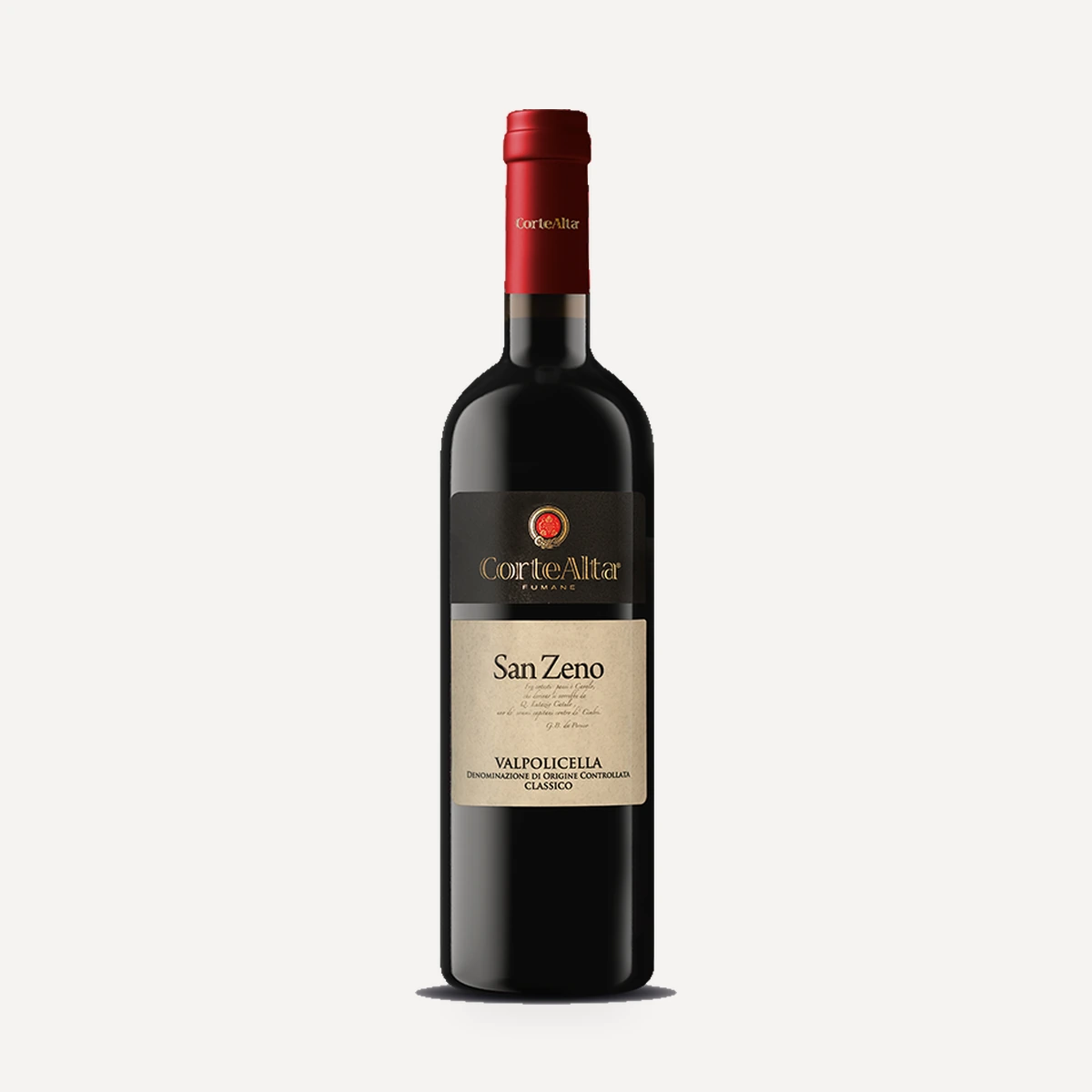
SAN ZENO Valpolicella DOC Classico
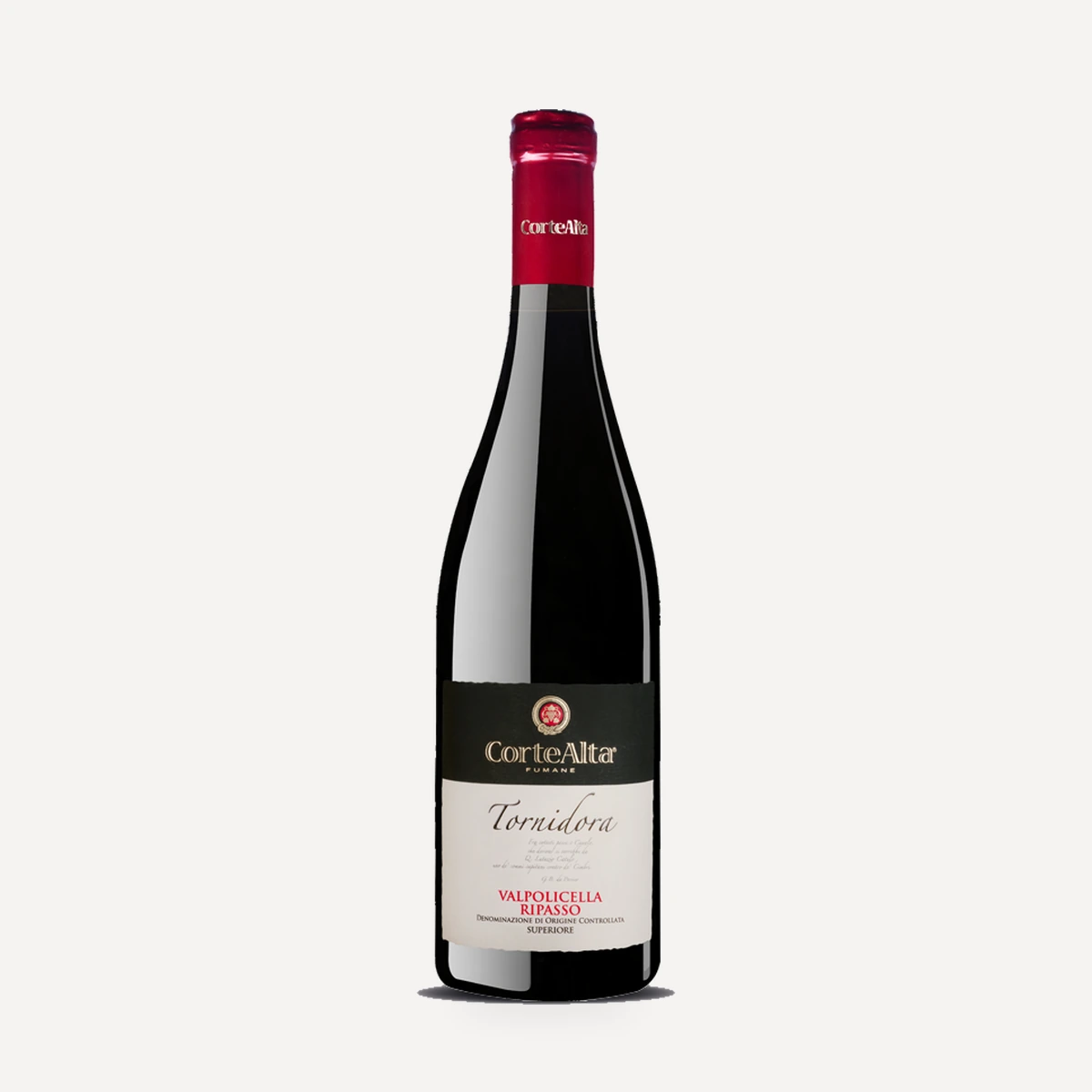
TORNIDORA Valpolicella Ripasso DOC Superiore
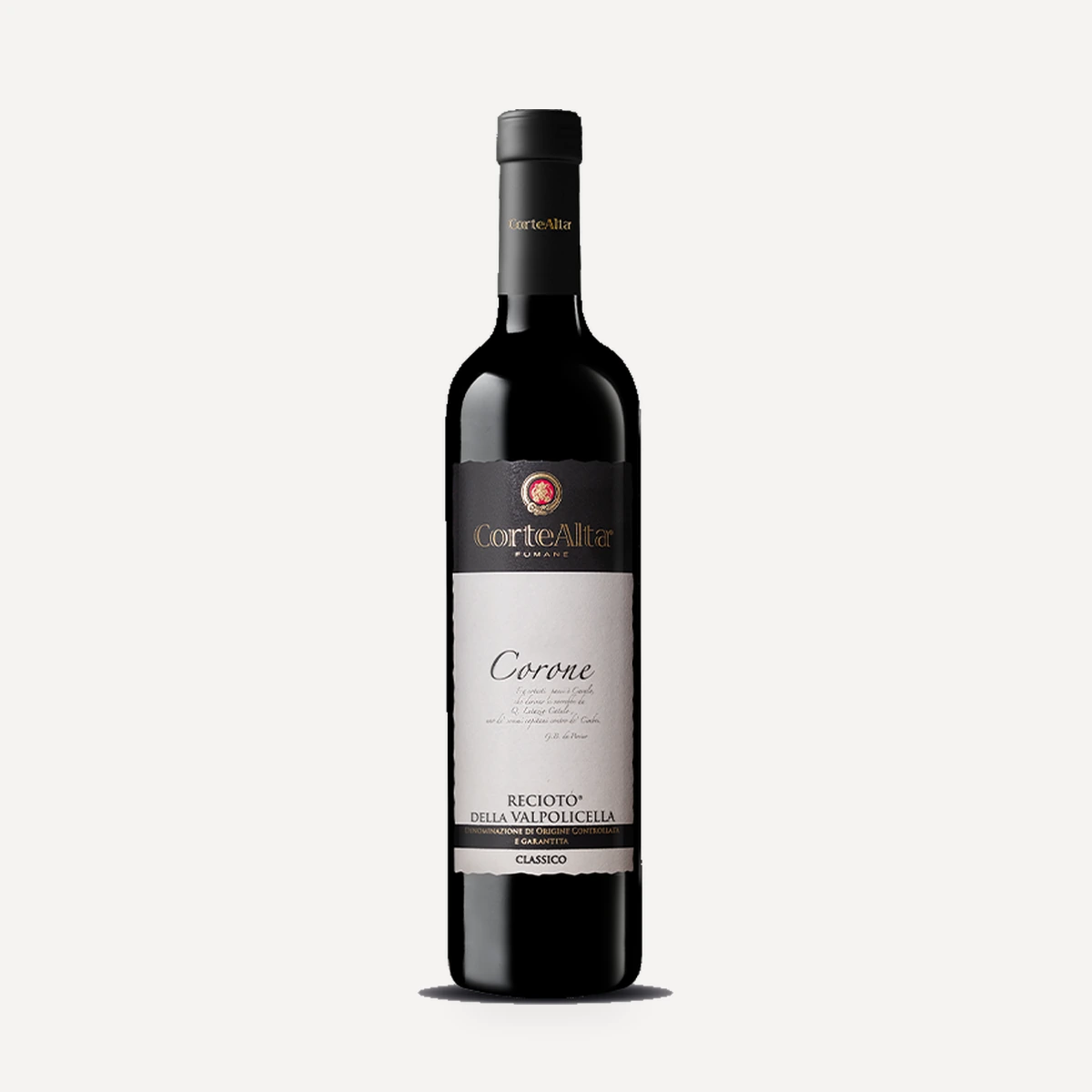
CORONE Recioto della Valpolicella DOCG Classico
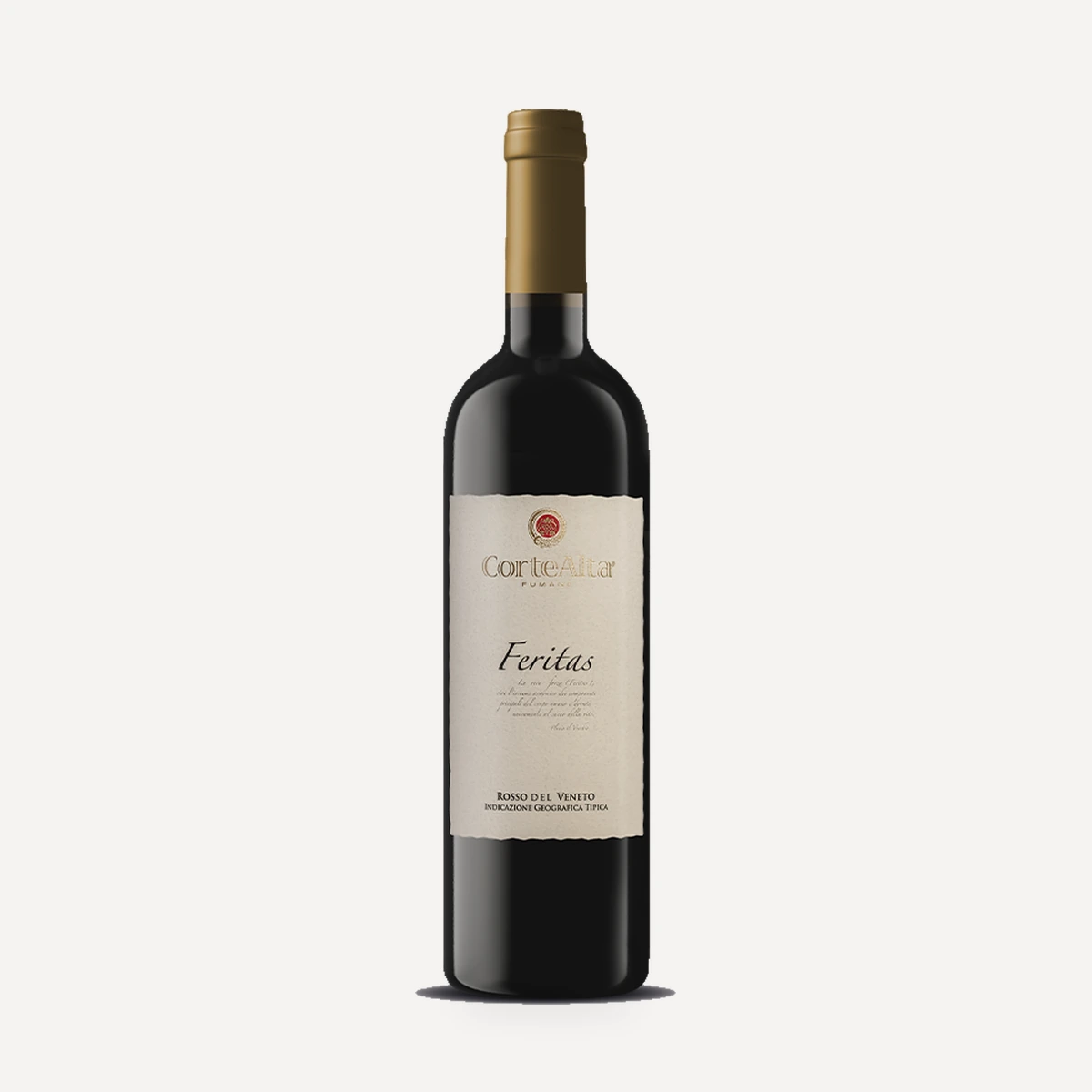
FERITAS Appassimento IGT Rosso del Veneto
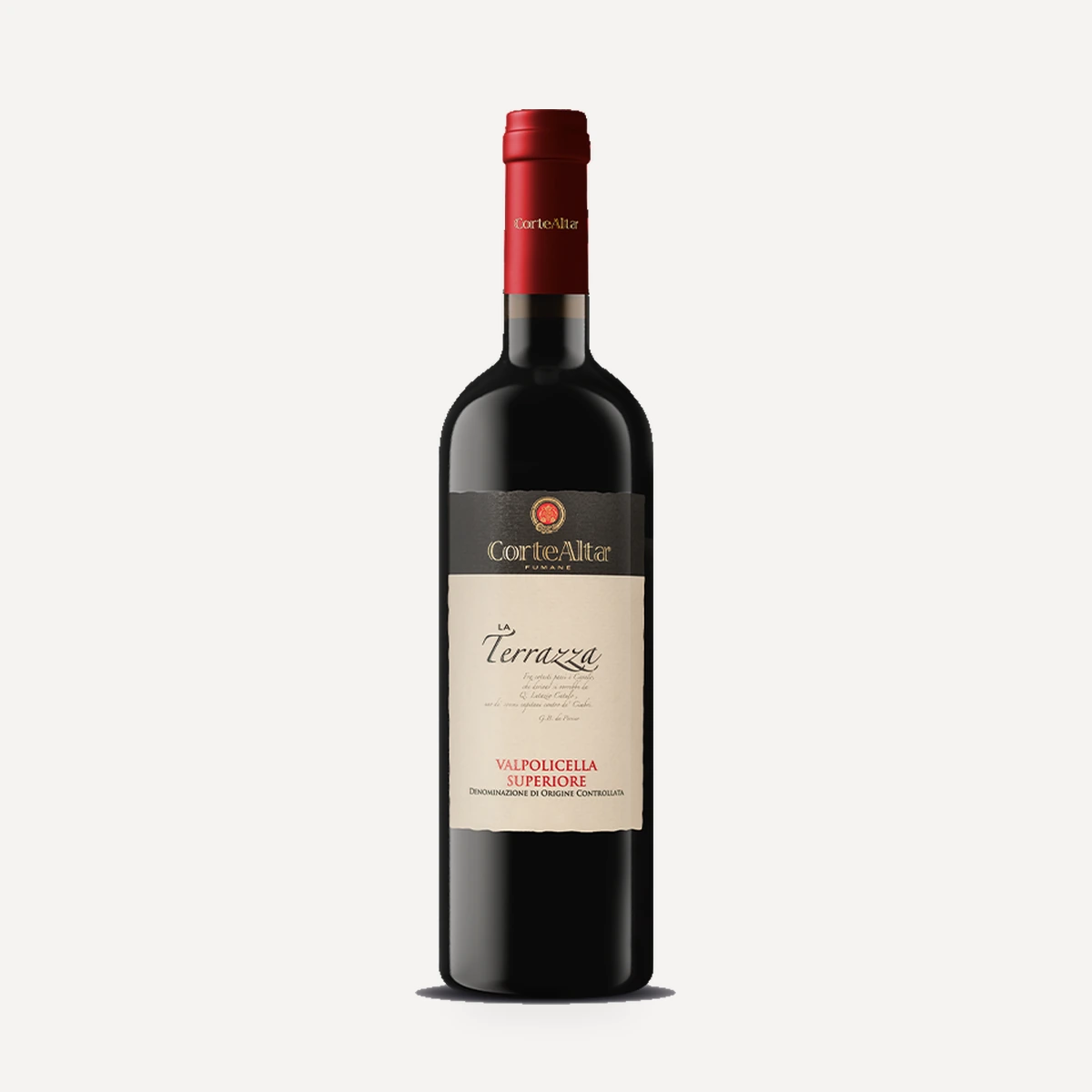
LA TERRAZZA Valpolicella DOC Superiore
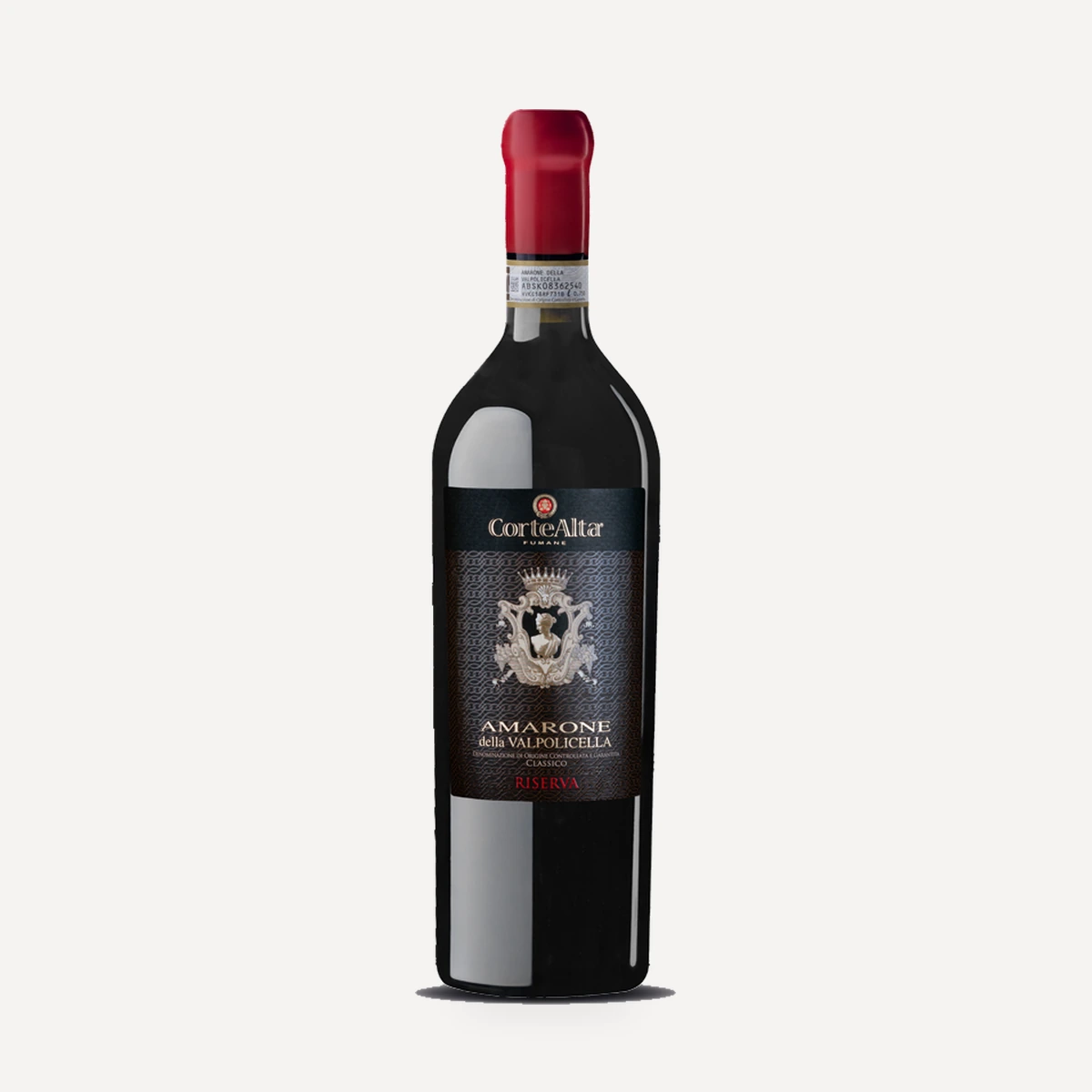
RISERVA Amarone della Valpolicella DOCG Classico
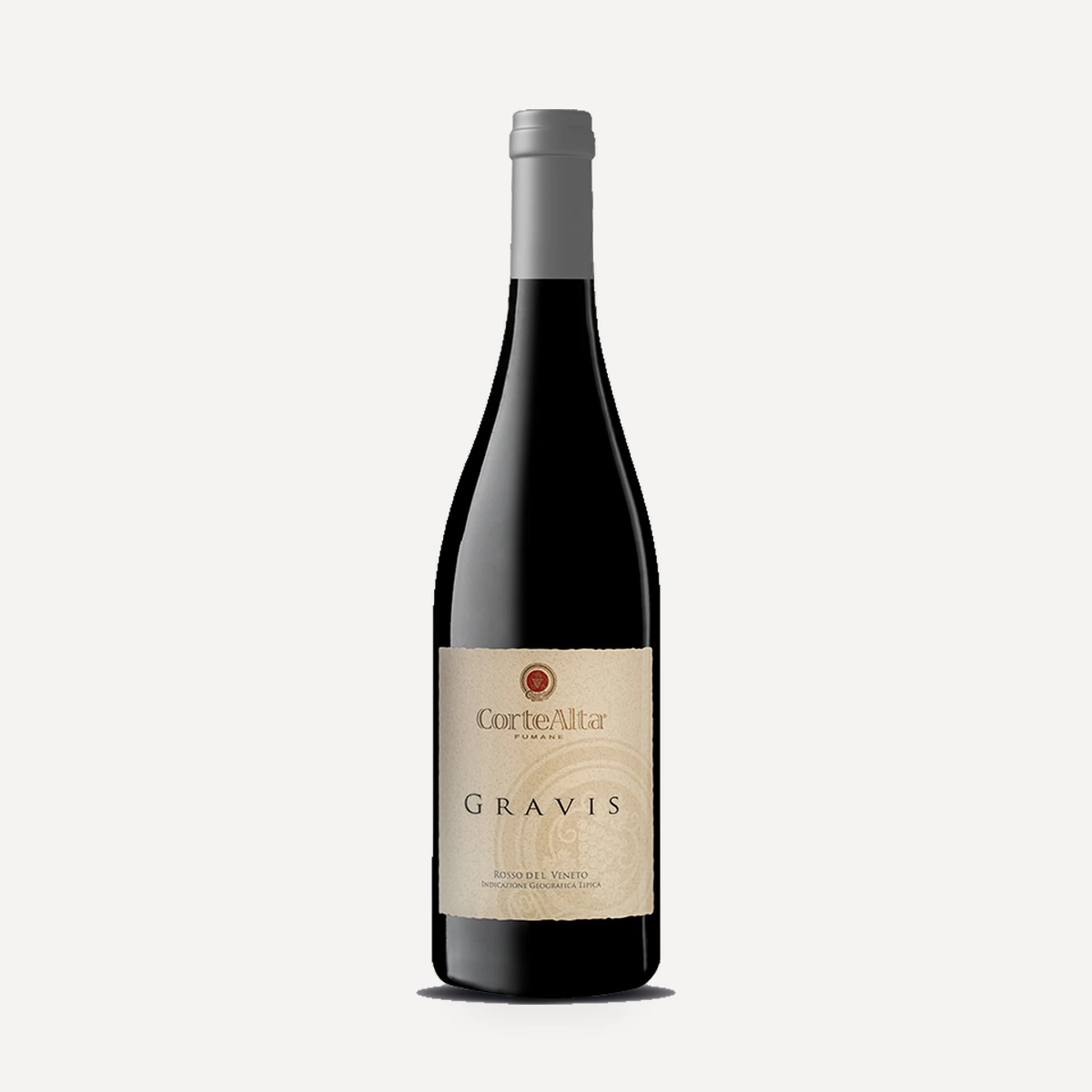
GRAVIS Rosso del Veneto IGT
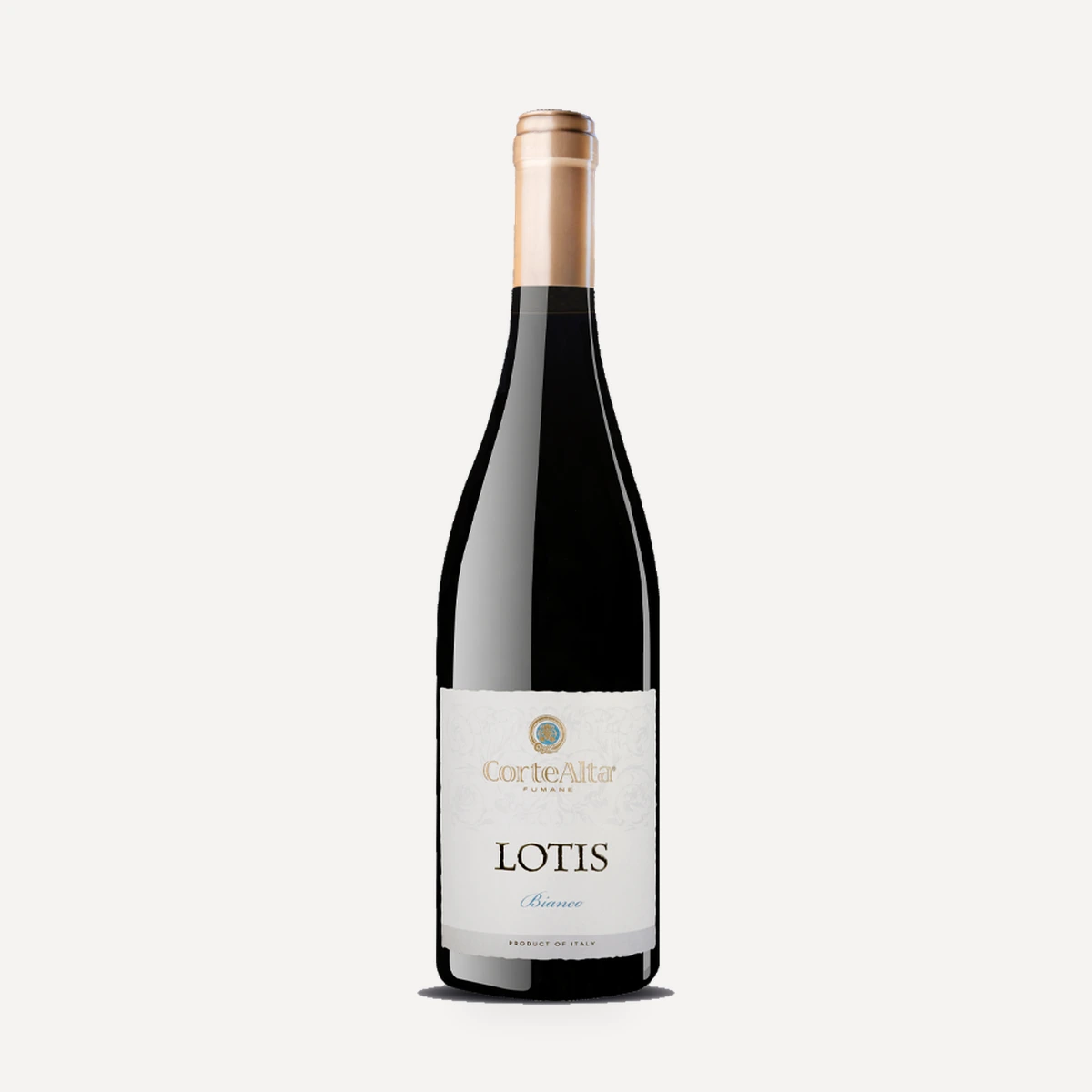
Lotis Bianco Vino Bianco IGT