Chi è
Corte Figaretto is a winery in Veneto, Italy.
History, winemaking, wines and news for this producer are being prepared. Meanwhile, visit the official website.
Terroir
Valpantena
Corte Figaretto lies in Valpantena, north of Verona, within the Valpolicella area. The estate describes Valpantena as a particularly fertile valley rich in resurgences and springs, which contribute to its characteristically bright-green landscape. Its vineyards extend through the hamlets and localities of Poiano, Quinto, Santa Maria in Stelle and Sezano, including the Figaretto area.
Climate
The climate is essentially Mediterranean and receives relatively little rainfall. Evening breezes descend from the Monti Lessini, especially in summer, moderating daytime heat and producing a wide difference between day and night temperatures. These conditions allow the grapes to retain medium-to-high acidity as they ripen.
Soils and exposures
The wider area includes soils of volcanic origin and formations locally described as biancone. Individual estate vineyards are more specifically characterized by clay-rich, strongly calcareous soils or, in some places, strongly calcareous soils without a stated clay component. Most documented blocks occupy hills or foothills with southern exposure; certain vineyards face south-east or south-west.
Maso Maroni stands at 300 metres above sea level with a south-western exposure. It receives sunlight from dawn until dusk but remains ventilated and does not become excessively hot. Other vineyards at approximately 300 metres are planted on dry-stone terraces known locally as marogne.
Vinificazione
Sustainability is organized around participation in the Valpolicella RRR project—Riduci, Risparmia, Rispetta (Reduce, Save, Respect). Herbicides have not been used for many years, while vineyard management emphasizes care for the soil and responsible use of water resources. Mauro Bustaggi oversees the sustainable and responsible management of the plots and employs agronomic methods wherever possible.
The vineyards occupy hills, foothills and dry-stone terraces. Guyot is the principal training system, with documented densities ranging from approximately 3,300 to 6,200 vines per hectare. Some blocks also retain Pergola or Pergola Veronese training at approximately 3,000 vines per hectare.
Harvesting is carried out by hand in small crates. Depending on the vineyard and intended style, picking extends from the first days of September through the third ten days of October. Five-kilogram crates are used for some selections. Certain lots are destined for natural drying in the estate’s fruttai, while other grapes may remain on the vine for additional ripening. The Musa selection uses only the lateral wings—the locally named “ears”—of selected bunches.
Gravity handling and fermentation
The cellar is organized around gravity-flow winemaking. Pumps are avoided during the critical transfer of grapes into the fermenters. For red wines, the estate’s general method is to destem without crushing, leaving the berries intact as they descend by gravity into fermentation vessels. The berries then open through the natural movement of fermentation. Fermentations are conducted with indigenous yeasts.
Small stainless-steel vats of approximately 50 hectolitres are used across the red-wine range. Daily pumpovers and délestage are employed during fermentation. Documented controlled fermentation temperatures range from 18–20°C for dried-grape wines to 27–28°C for other reds. One Cabernet Sauvignon method divides the crop: half is dried naturally for about 20 days while the remainder over-ripens on the vine for the same period; the two portions then ferment together for approximately 20 days at no more than 22°C.
Drying and secondary fermentation
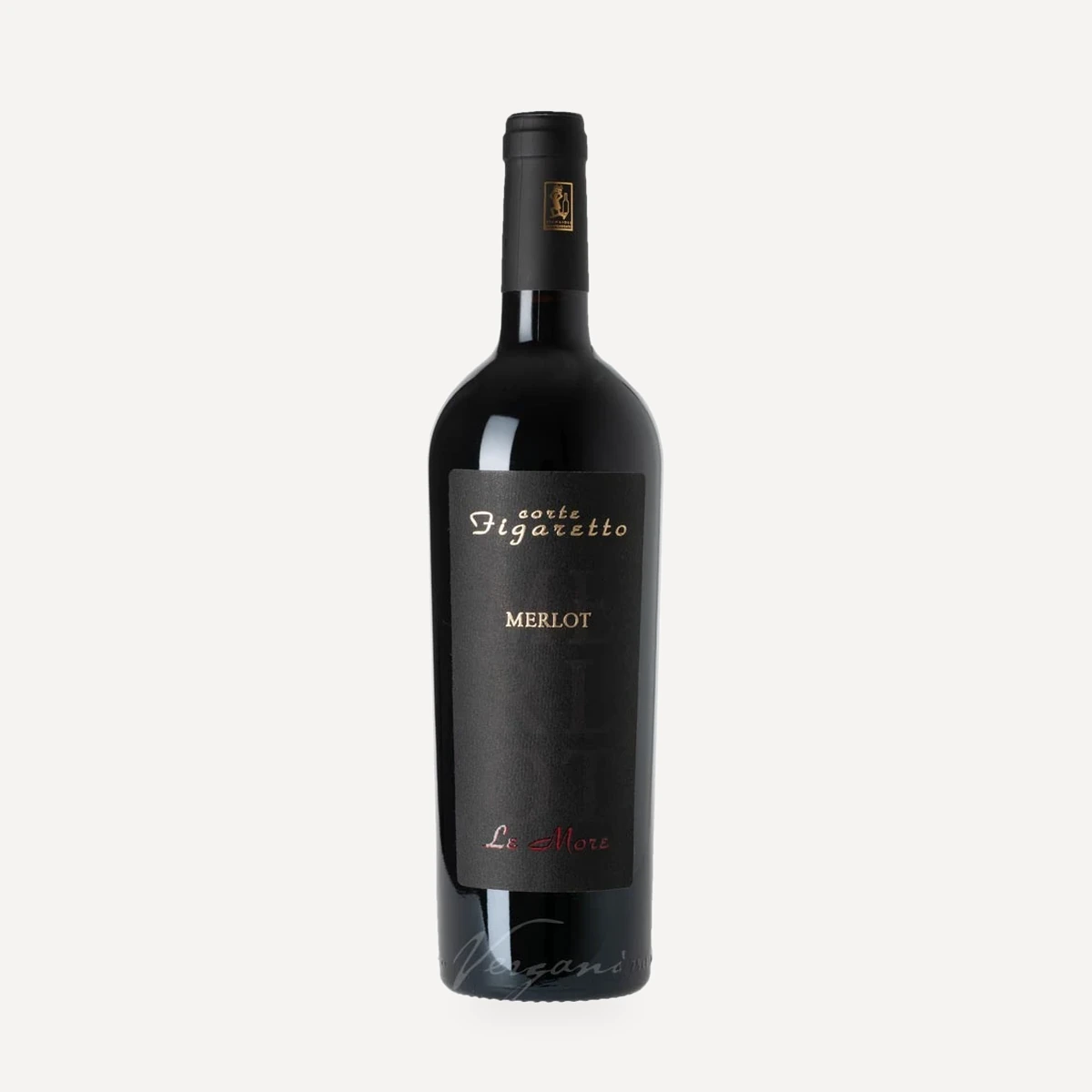
The estate has dedicated grape-drying rooms, or fruttai. Documented drying periods range from approximately 20 days for Merlot and part of the Cabernet Sauvignon crop to 120 days for Amarone selections. Current technical descriptions give a 30% weight reduction for Le More Merlot and 55% for the Amarone selections.
Valpolicella Ripasso undergoes a second fermentation on Amarone pomace in February following the harvest. This process is used to build body, structure, alcohol and aromatic intensity before maturation in selected oak and subsequent bottle refinement.
Maturation vessels
The cellar uses stainless steel, selected wood, French oak, barriques and 10-hectolitre barrels. Documented maturation regimes include three months in selected wood followed by three months in bottle; 12–24 months in French oak followed by three to six months in bottle; 14 months in barriques; and 30 months in selected extra-fine-grained oak, including 10-hectolitre barrels and barriques, followed by six months in bottle.
White-wine handling
Garganega is softly pressed, with the skins remaining in contact with the must for two days. After fermentation, the wine matures for seven months in stainless steel.
Filosofia
Corte Figaretto’s goal is to produce high-quality wines without compromising environmental responsibility. Its wines are intended to be clearly recognizable expressions of Valpolicella, carrying the imprint of the local climate, soils and grape varieties.
The desired style combines elegance, finesse and drinkability with distinct character. In the cellar, this translates into gentle grape handling, gravity transfer, intact berries and indigenous-yeast fermentation. In the vineyards, the same approach is expressed through long-term avoidance of herbicides, attention to soil and water resources and participation in the Valpolicella RRR sustainability program.
The estate follows each wine through maturation while seeking to preserve and emphasize the original qualities of the individual varieties.
Vini
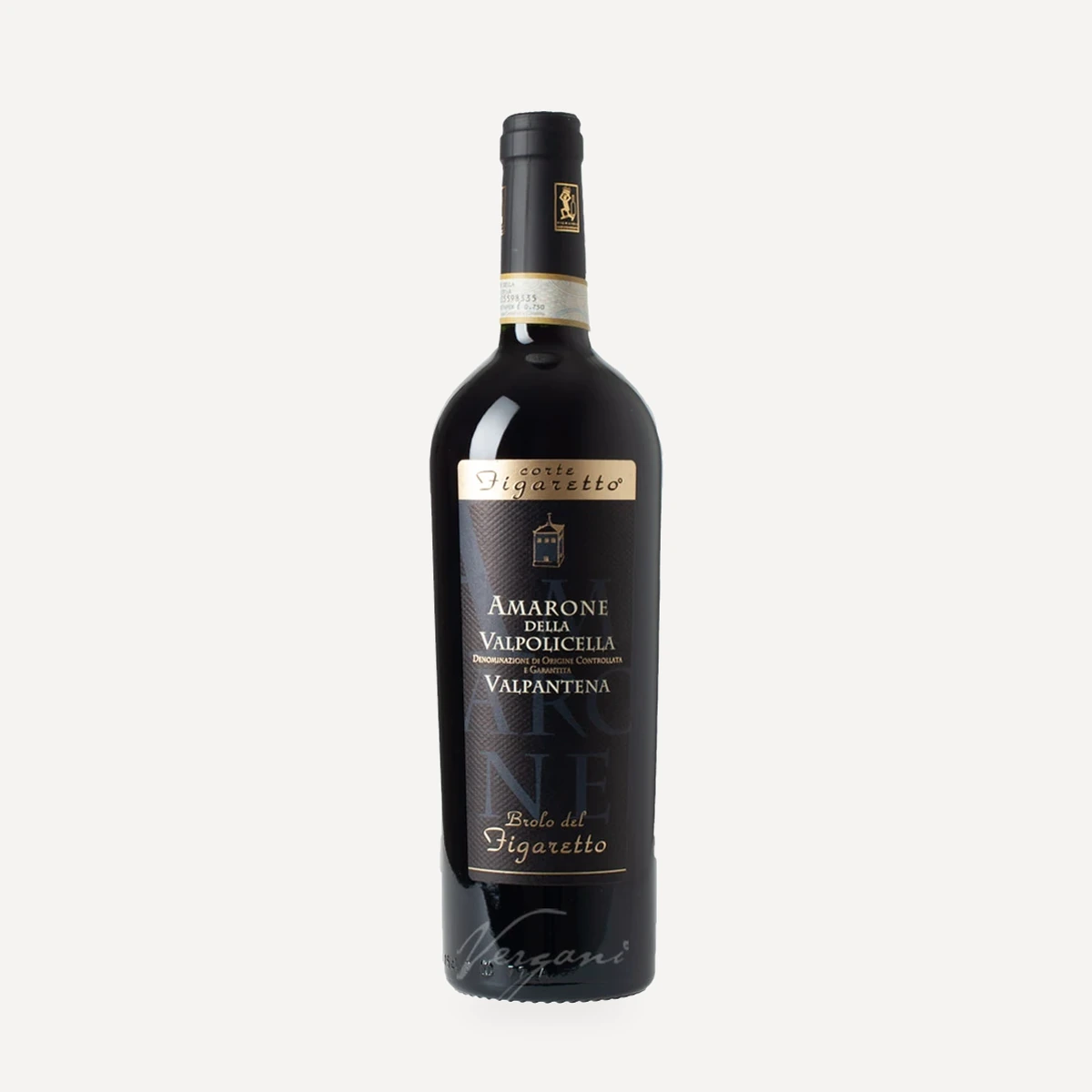
Amarone della Valpolicella DOCG – Brolo del Figaretto
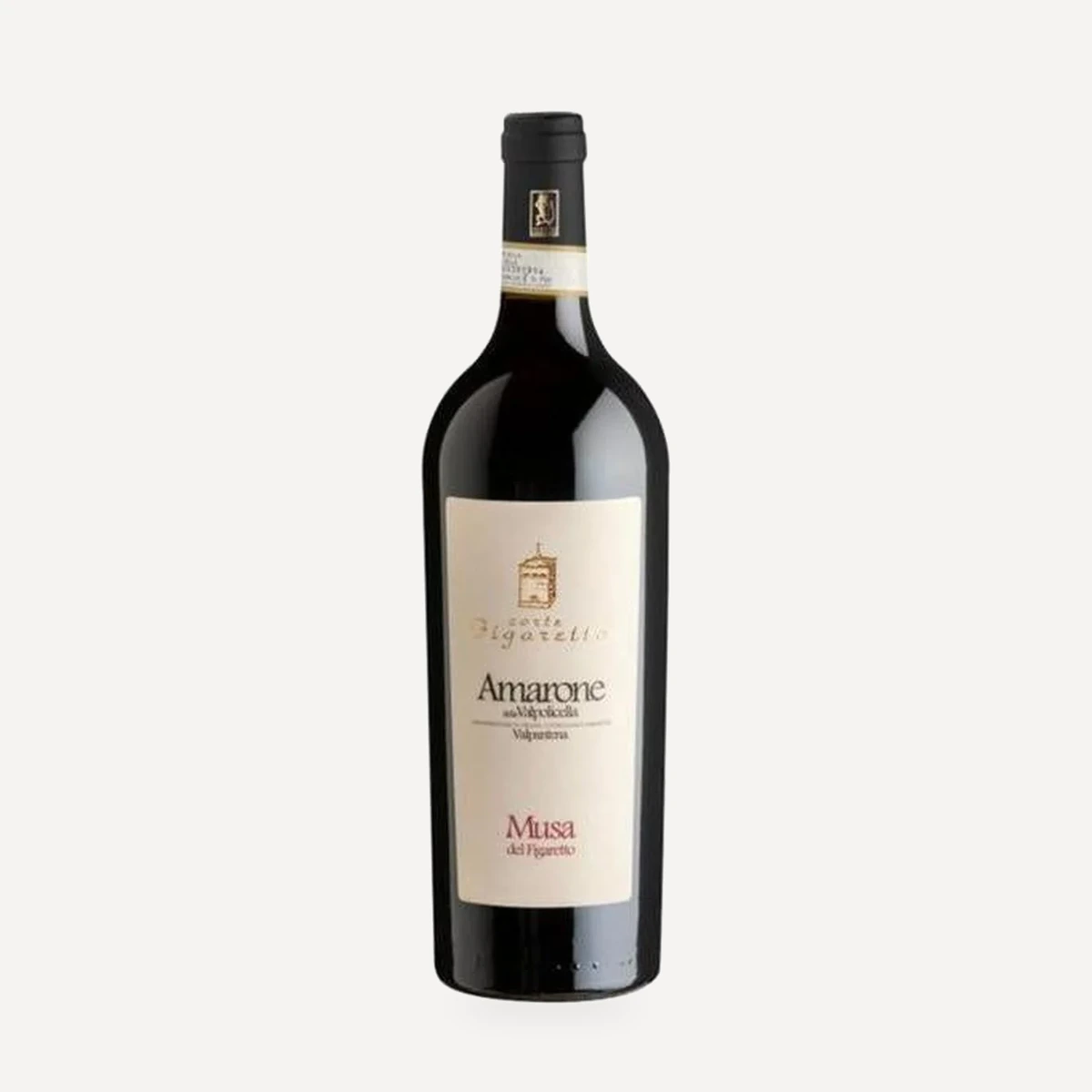
Amarone della Valpolicella DOCG – Musa del Figaretto
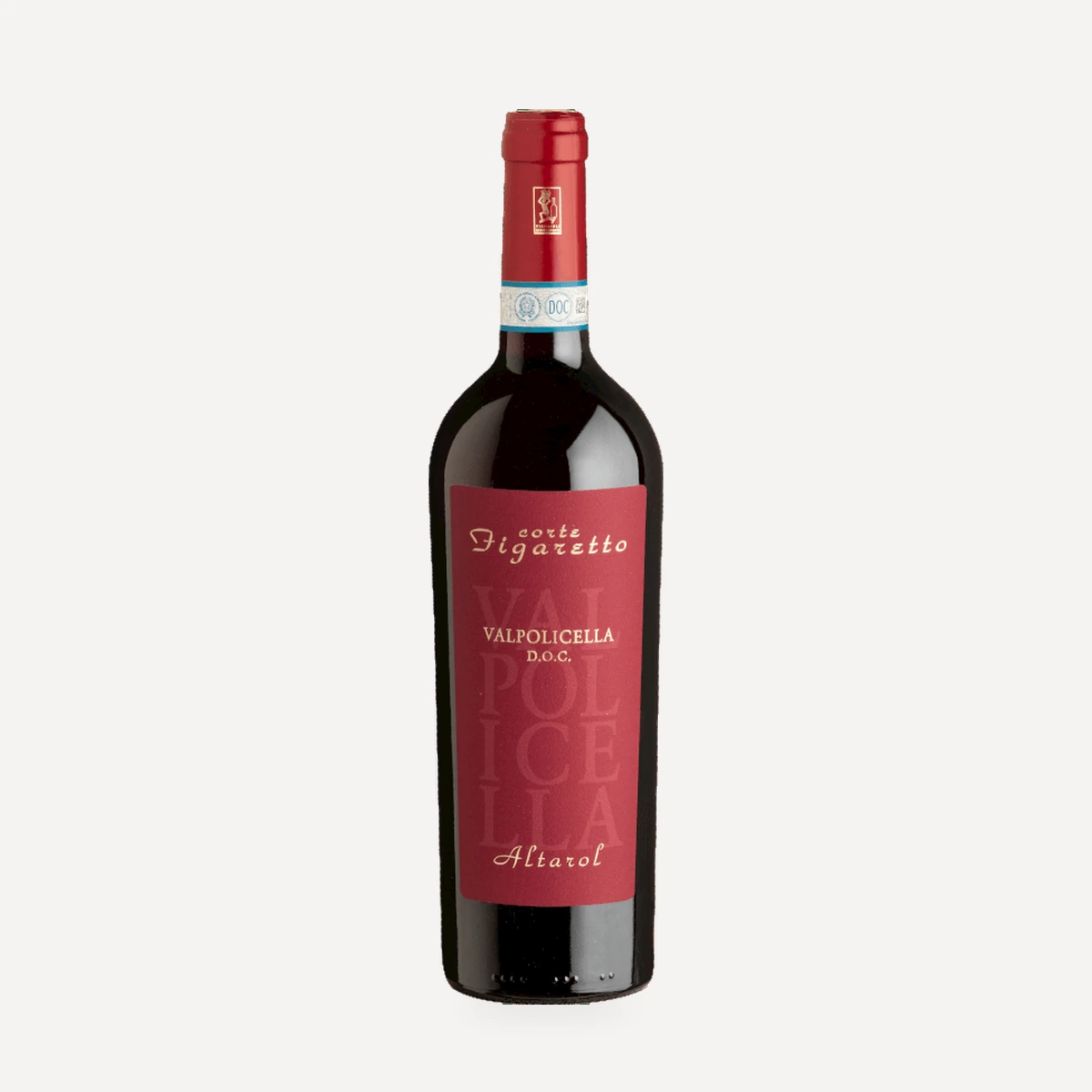
Valpolicella DOC – Altarol
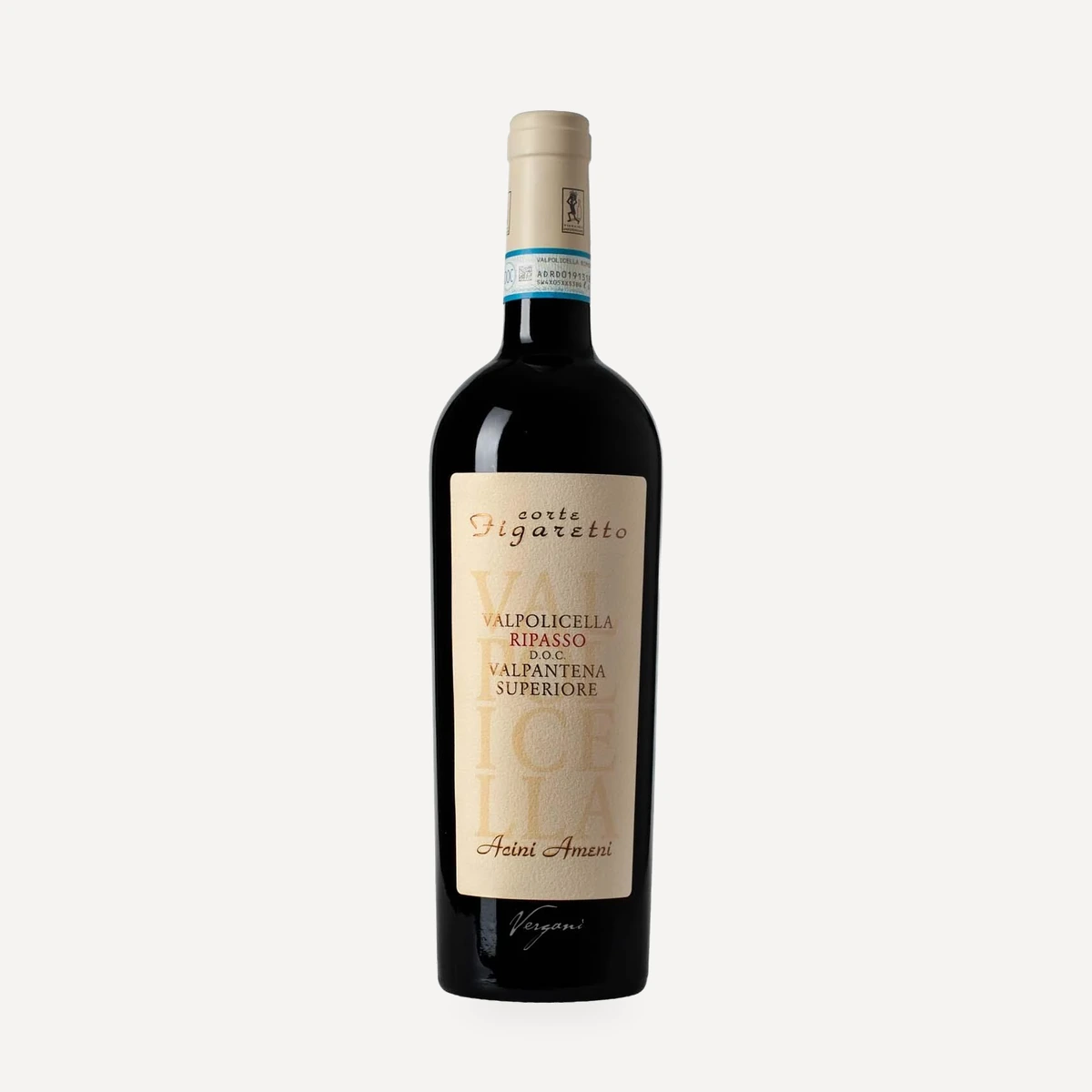
Valpolicella Ripasso DOC – Acini Ameni
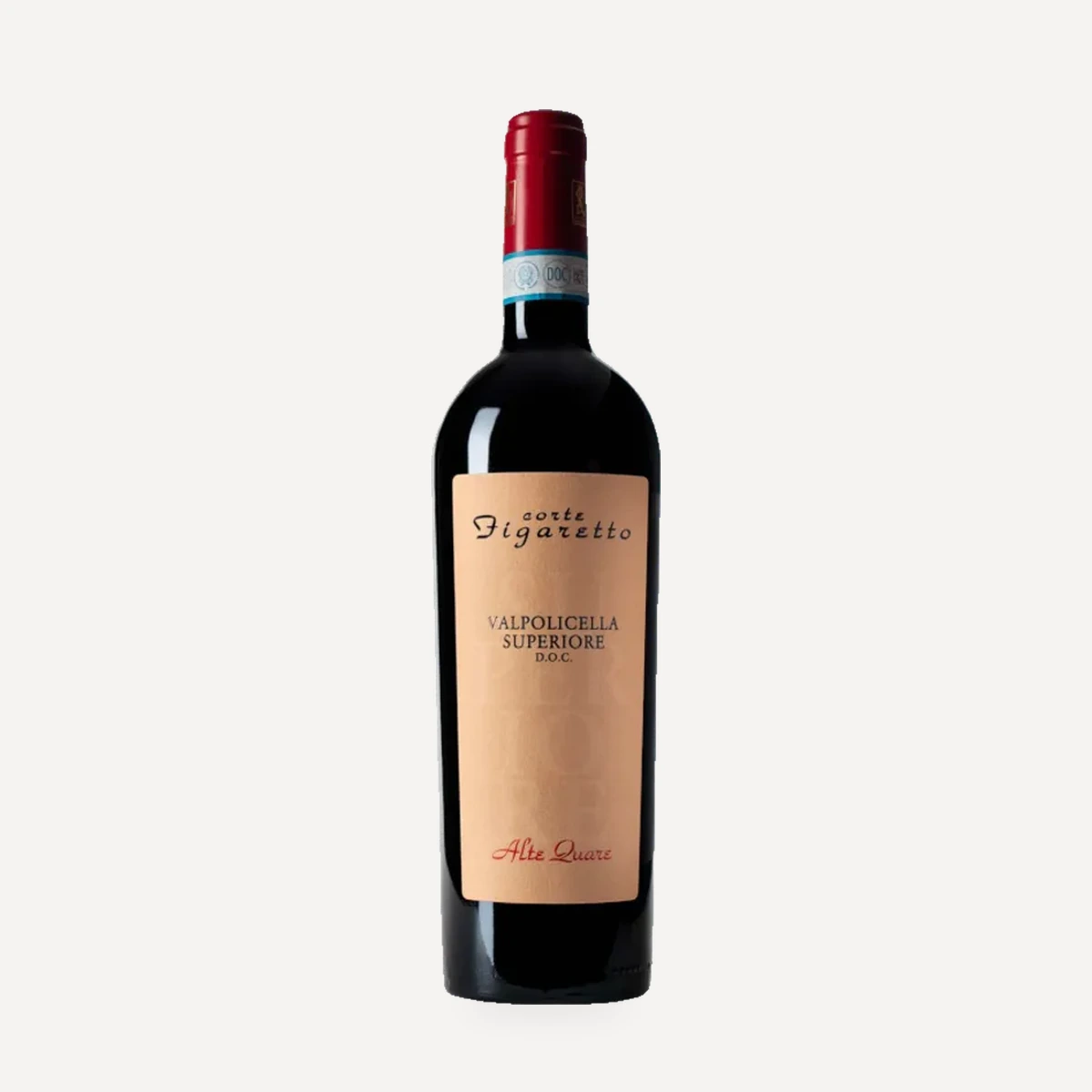
Valpolicella Superiore DOC – Alte Quare
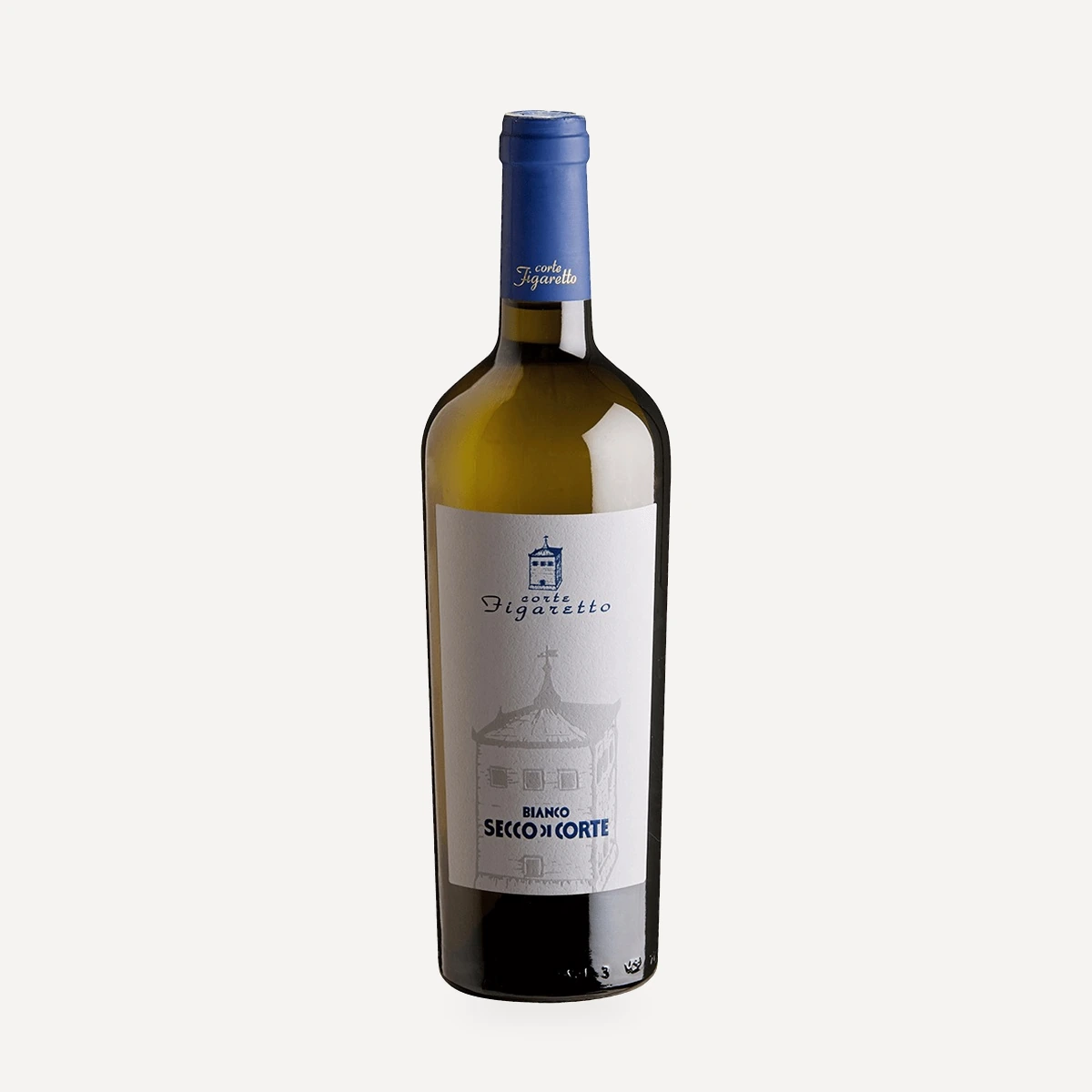
Bianco – Secco di Corte
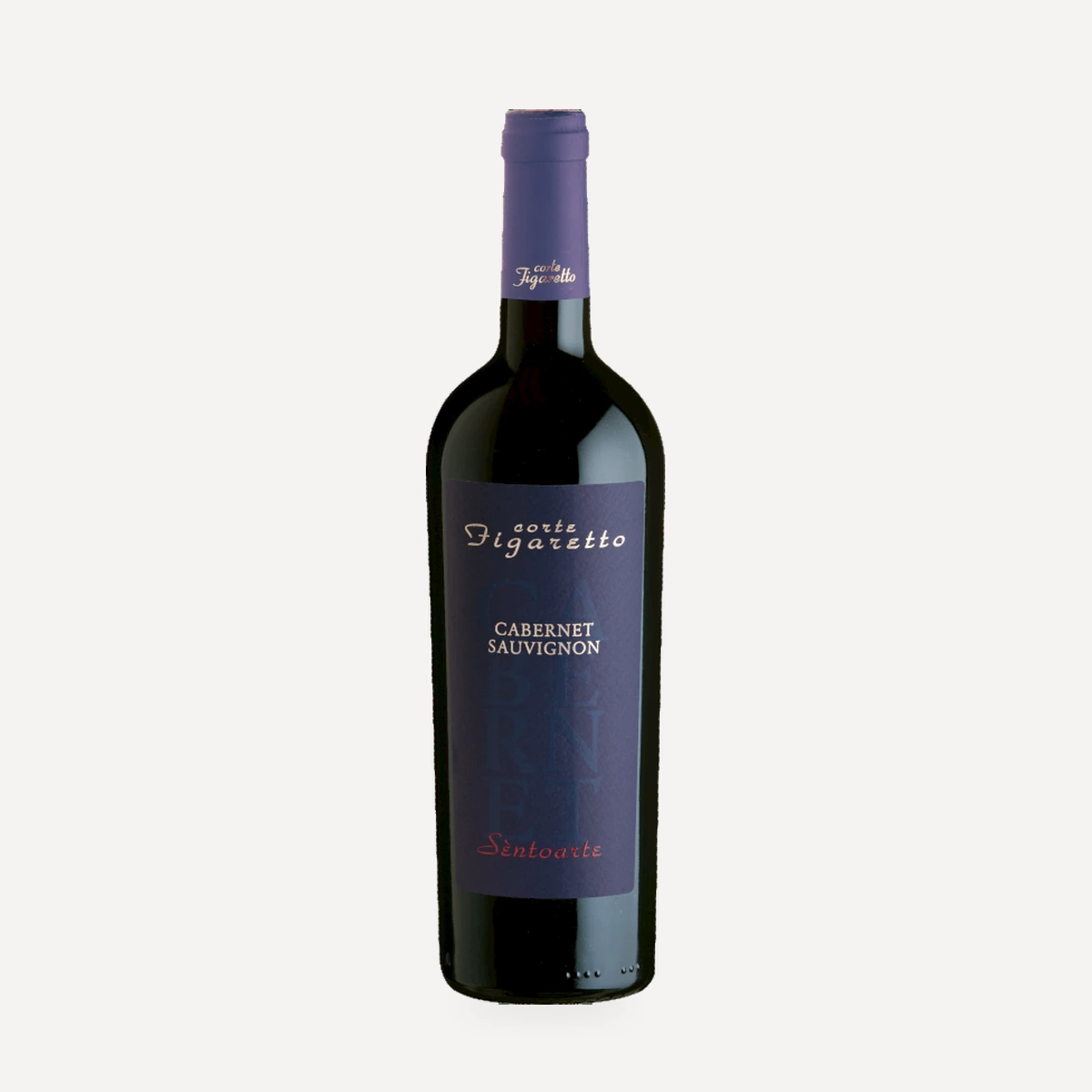
Cabernet Sauvignon – Sentoarte