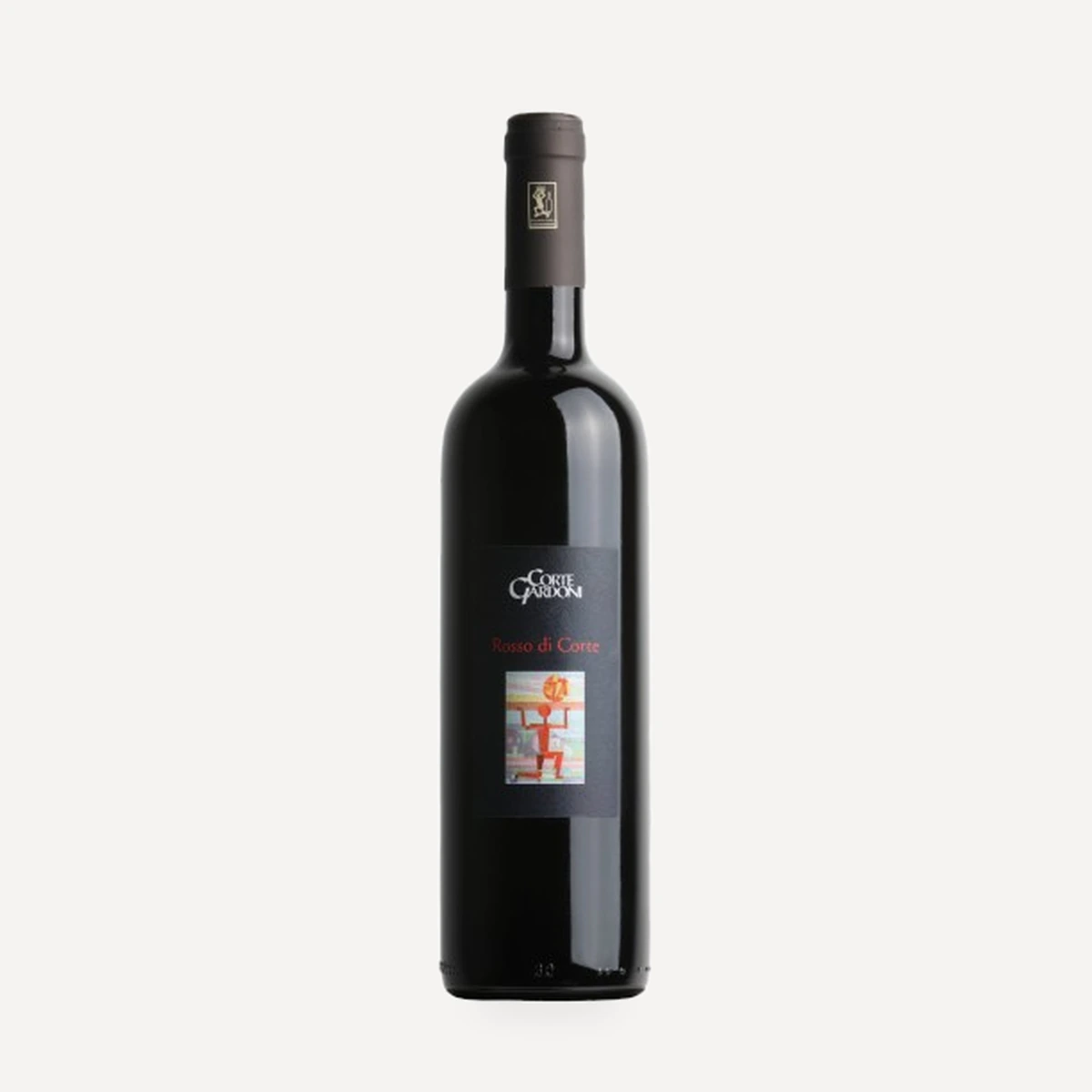
Storia
Four centuries of family viticulture
The Piccoli family's connection with viticulture is documented from 1600, when ancestors of the present family cultivated vineyards at Cellore in Val d’Illasi. The branch from which Gianni Piccoli descends left Cellore in the early 20th century. Three generations before Gianni, phylloxera devastated the family vineyards, leaving the small property unable to support everyone. Clemente Piccoli, one of five sons, consequently moved to Ronco all’Adige.
From fruit growing back to the hills
Ronco all’Adige was poorly suited to vines, so Clemente’s son Aldo Piccoli developed the family farm primarily through fruit growing. Aldo nevertheless retained a strong attachment to hillside vineyards and especially to Corvina. He encouraged his son Gianni to return the family to viticulture when an opportunity arose at Valeggio sul Mincio.
In 1971 Gianni acquired a farm at Valeggio from relatives belonging to another branch of the family. The property combined buildings erected in 1800, a peach orchard and a hillside vineyard. The purchase represented a return to the family’s viticultural origins, and Gianni named the estate Corte Gardoni.
The existing vineyards preserved a locally adapted collection of Corvina, Garganega, Trebbiano, Cortese and Trebbianello, together with a small plot of Chardonnay. The oldest surviving vineyards were planted in the early 1970s and trained to Cazenave at 3,000 vines per hectare.
Estate bottling and the new cellar
At first, 90% of the grapes were sold to established local wineries and only 10% were vinified at the estate. The quality demonstrated by this small experimental share led to the decision to process the entire crop internally and market the wines under the Corte Gardoni name.
A dedicated winery was built in 1980 and had to be ready for the following harvest. Gianni carried out his first complete vinification that year. On 4 November 1980, while the new wines were being made, snow fell over Valeggio. Corte Gardoni debuted with Bardolino and Bianco di Custoza.
In 1981 Aldo left the plains permanently and moved to the Valeggio farm, completing the family’s return to the hills.
Vineyard renewal and family continuity
From the estate’s early years, vineyard renewal focused on preserving its existing plant material. Corvina, Rondinella and Trebbianello were replanted with cuttings selected from established vines through massal selection. The same approach was subsequently applied to Trebbiano Toscano and to selected examples of Garganega spargola.
Beginning in the early 1990s, the vineyards were gradually converted from more expansive training systems to Guyot Poussard and Cordon de Royat at higher planting densities. The winery built in 1980 has also been continuously updated with new equipment.
Gianni Piccoli continues to oversee the estate, while daily management has passed to his sons Mattia, Stefano and Andrea. Their arrival strengthened its technical and scientific capabilities: Mattia is responsible for cellar operations from vinification through bottling, Stefano directs the agronomic work, and Andrea concentrates on business management.
Terroir
Location and elevation
The estate lies at Valeggio sul Mincio on the southeastern morainic hills of Lake Garda. Its land ranges from 90 to 180 metres above sea level and occupies two distinct geological settings.
Hill soils
The hillside land belongs to morainic amphitheatres associated with the Adige glacial system. These are predominantly overconsolidated glacial deposits capable of producing considerable soil variation. The substrate nevertheless has a consistently sandy-loam texture with abundant coarse fragments. White grape varieties and olive trees predominate on these sandy-loam hills.
Lower terraces
The land at the foot of the hills forms part of an alluvial plain dating to the Würm pleniglacial–late-glacial period. A thin clayey sandy-loam covering lies above gravelly-sandy material. The soils are well differentiated and reddened. Red grape varieties and apple cultivars predominate in this lower, clay-bearing zone.
Climate and Lake Garda
The wider climate is shaped by the Po–Alpine region: a large basin bounded by the Alps and Apennines and opening mainly eastward toward the Adriatic Sea. Its structure encourages stable air masses and the accumulation of heat and humidity, while the nearby Alps can introduce instability when cold upper-level air arrives from the north.
Lake Garda exerts a strong influence on the estate’s microclimate. The lake moderates temperature extremes, producing higher average winter temperatures and lower average summer temperatures than in the rest of the Po Valley. Evening temperatures at the estate remain appreciably lower than beside the water, so the lake’s moderating effect does not eliminate the day–night temperature range. This thermal variation encourages the development of aroma precursors in the grapes.
Lake breezes keep the hills constantly ventilated, contributing to healthy bunches even in seasons when rot might otherwise become a concern and maintaining clearer atmospheric conditions. The same circulation can develop into violent storms with a risk of hail.
Average temperatures measured over a 20-year period were 18–19.5 °C for the maxima and 7.5–9.5 °C for the minima. Mean annual precipitation is 850 mm.
Vinificazione
Vineyard renewal has been based partly on the preservation of established estate material. Cuttings from selected existing vines were used to replant Corvina, Rondinella and Trebbianello through massal selection. The process was later extended to Trebbiano Toscano and then to selected Garganega spargola vines.
The oldest Cazenave-trained vineyards are retained for the quality of their grapes despite the training system no longer matching the estate’s preferred approach. Removal is reserved for vineyards with substantial vine losses. Since the early 1990s, gradual conversion has introduced less expansive systems and higher densities. Guyot Poussard is used for native varieties and Cordon de Royat for international varieties.
Rows are grassed in alternation with mixed-species green manure plantings to support soil fertility and biodiversity. Emergency irrigation is installed to protect vines from water stress during excessively dry summers.
Plant protection follows an integrated pest-management approach designed to limit environmental impact. Electronic equipment monitors meteorological variables, allowing treatments against downy mildew, powdery mildew and Botrytis to be timed only for periods when climatic conditions permit infection to develop.
Yield control is central to the quality strategy. Red grapes average approximately 8 t/ha, while white grapes are generally limited to 9–10 t/ha.
The dedicated winery was built in 1980 and has been continuously updated with new equipment. Stainless-steel vessels provide a combined capacity of 3,500 hl.
The cellar operates in conjunction with other facilities on the mixed farm. Refrigerated rooms ordinarily used to preserve fruit are also employed for grape cryomaceration.
The estate’s wooden-vessel inventory is scaled to its production. It includes four 30 hl Slavonian-oak casks used to mature Bardolino Superiore and 35 barriques of 225 litres made from Allier oak for the maturation of the estate’s more structured wines.
Mattia Piccoli directs the complete cellar process from vinification to bottling.
Filosofia
Corte Gardoni’s guiding theme is continuity: the Piccoli family’s return to hillside viticulture, the preservation of locally adapted plant material and the transfer of daily responsibility to Gianni’s three sons.
Quality in the vineyard is pursued through deliberately restricted yields, the retention of productive old vineyards, massal selection and the matching of grape type to soil. Native varieties are trained to Guyot Poussard, while international varieties use Cordon de Royat. The oldest Cazenave vineyards are retained despite differing from the present training philosophy because their age enables them to produce high-quality grapes.
Environmental impact is limited through integrated pest management, weather-guided disease control, alternating grass cover and green manure, and measures intended to sustain soil fertility and biodiversity. Emergency irrigation is treated as protection against severe summer water stress.
In the cellar, traditional oak vessels coexist with stainless steel, refrigeration and updated equipment. The approach combines inherited family practice with the technical and scientific expertise brought by Mattia, Stefano and Andrea.
Vini
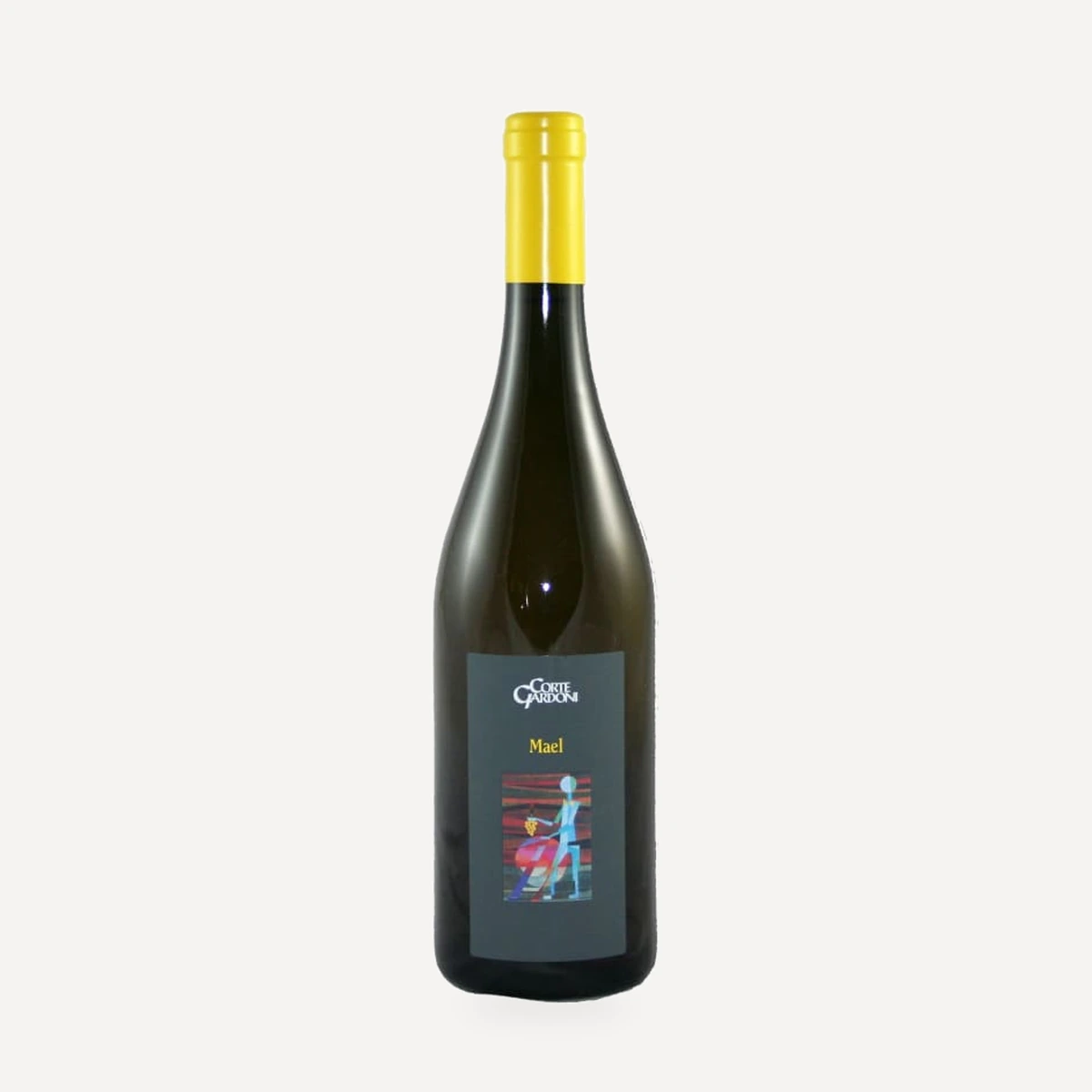
MAEL | Custoza D.O.C.
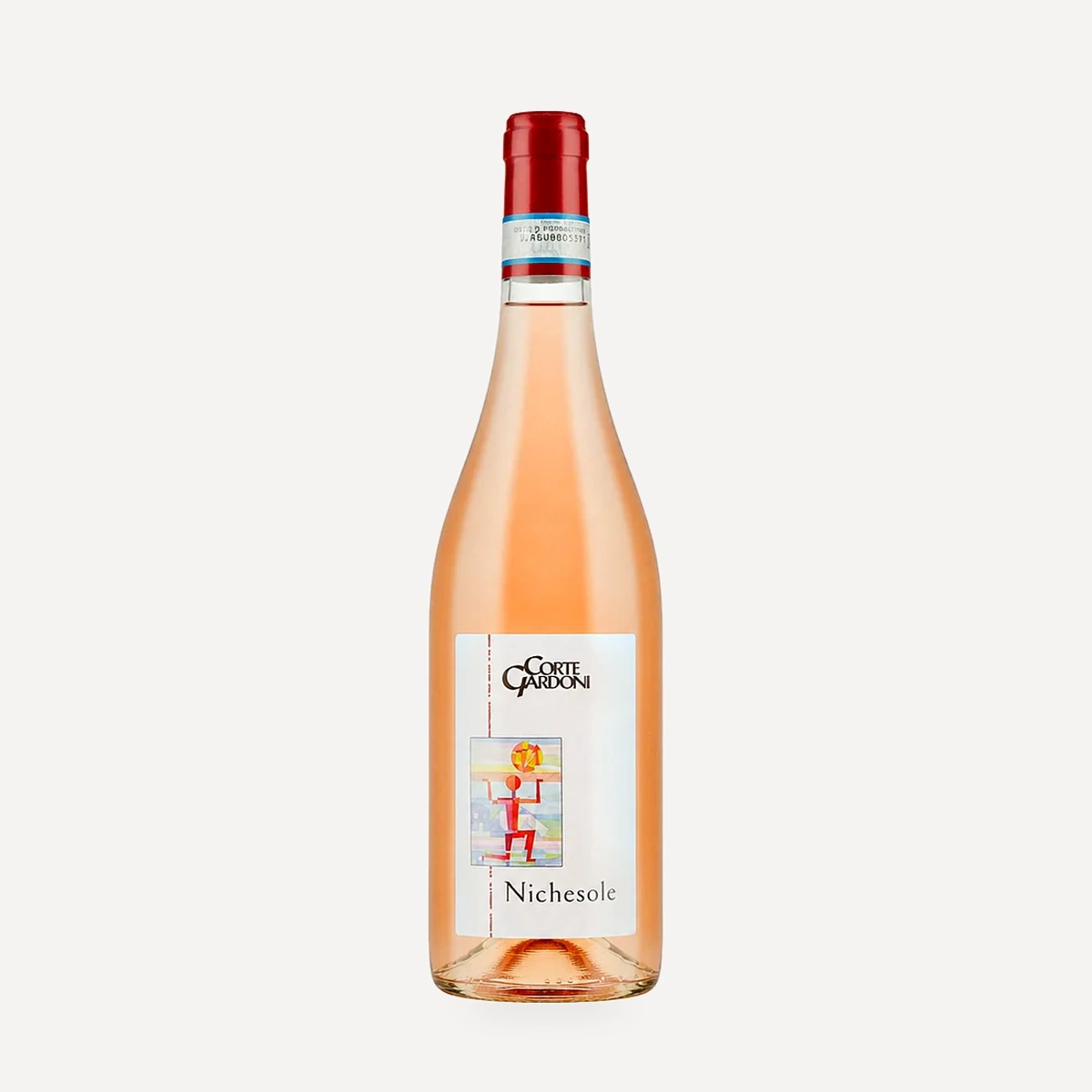
NICHESOLE | Chiaretto di Bardolino
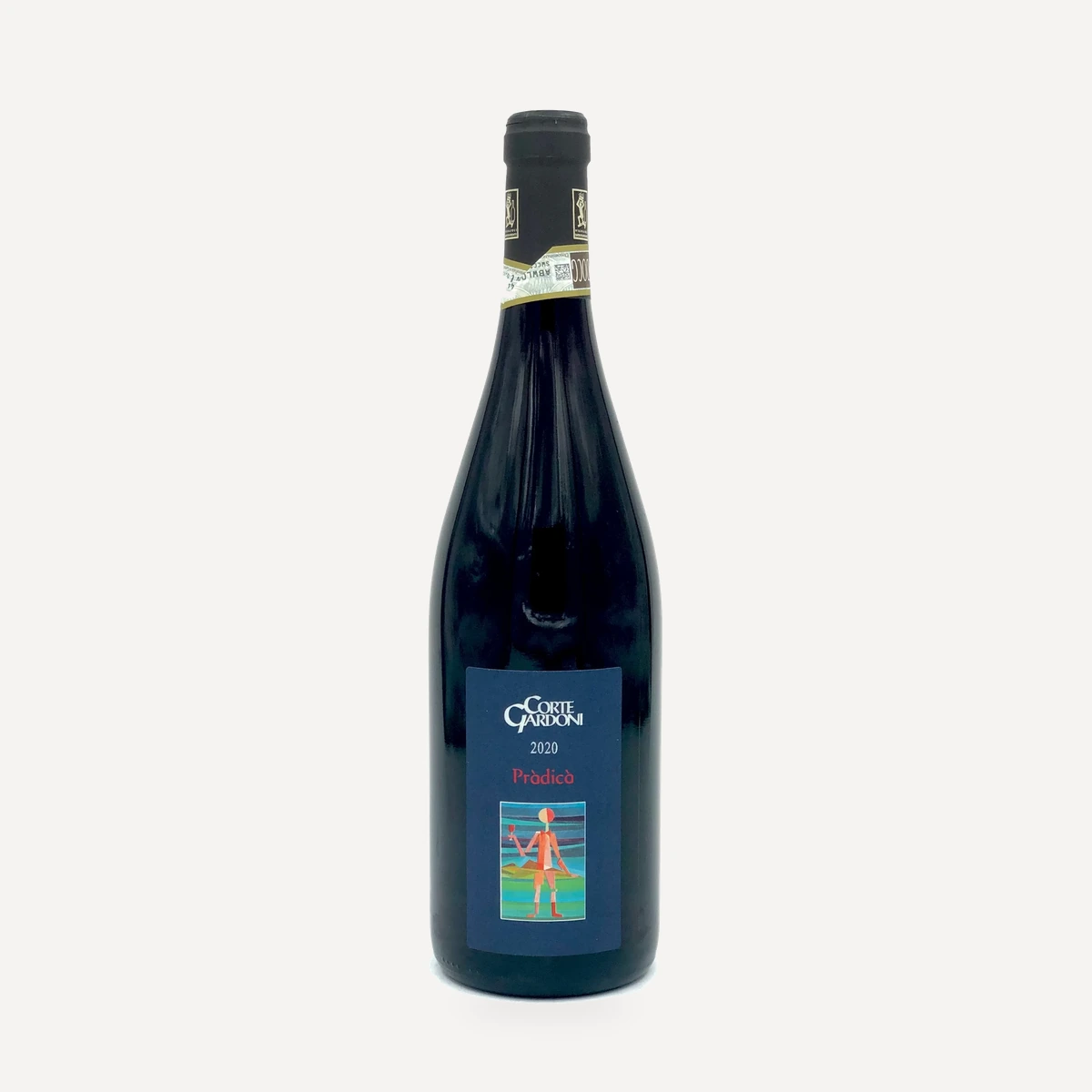
PRÀDICÀ | Bardolino Superiore D.O.C.G.