Storia
1939: Virgilio Mainente establishes the estate
Corte Mainente began in 1939, when Virgilio Mainente purchased the historic courtyard that remains the centre of the business, together with vineyards supplying grapes for Soave. During its early years, the property operated as a mixed farm. Alongside wine, it produced maize and wheat, while cattle, pigs and other farm animals were raised in the courtyard. Its wine was sold to private customers and local osterie.
The 1950s: specialisation in wine
During the 1950s, the farm progressively abandoned mixed agriculture and specialised exclusively in wine. This transition brought the first dedicated production investments, including the construction of concrete tanks. Those original tanks remain in use for vinification.
Direct relationships with customers became a consistent part of the family business. Cellar-door sales, including the estate’s longstanding provision for selling wine in bulk, helped sustain its focus on white-wine production.
The 1960s: Ugo Mainente and sparkling Soave
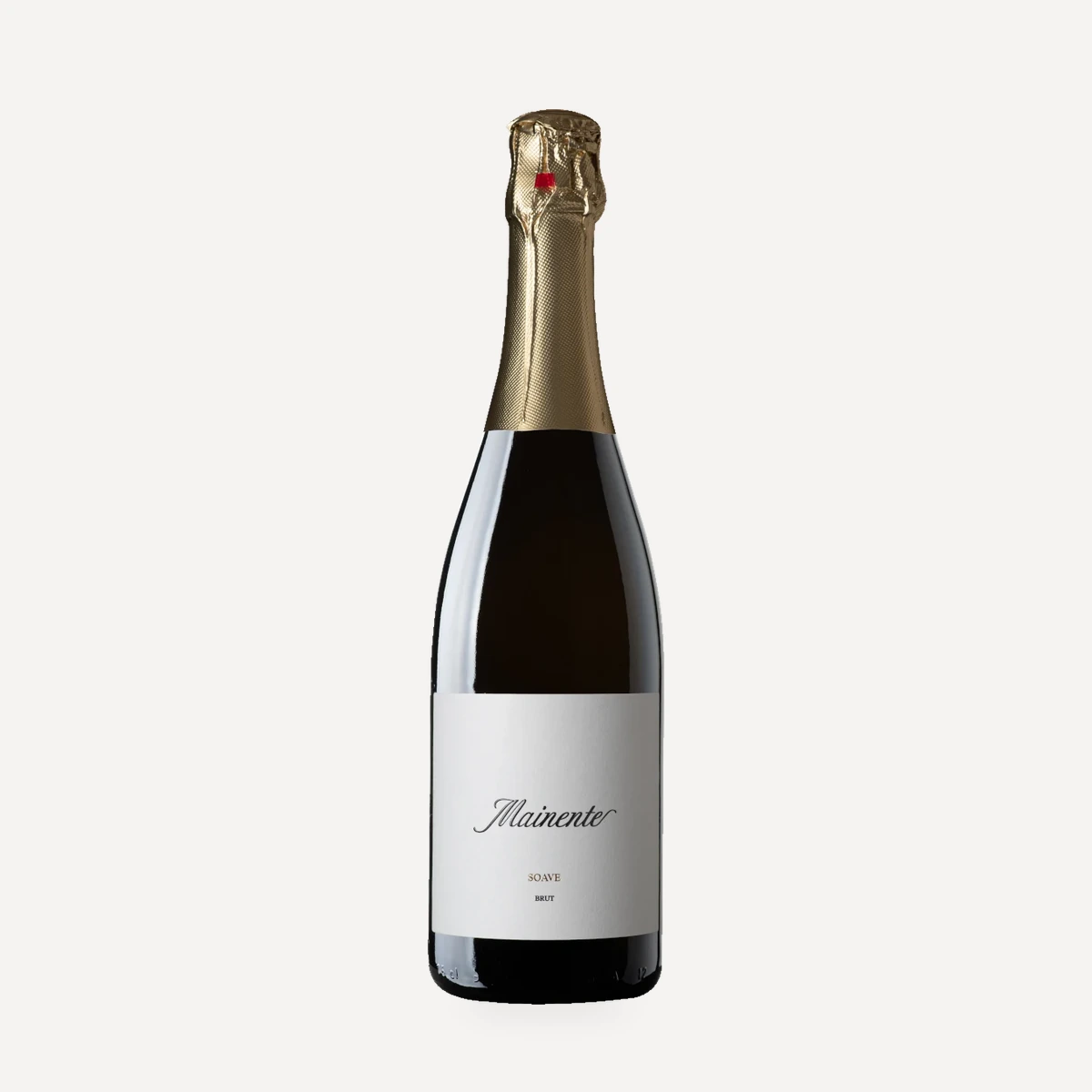
Virgilio’s son Ugo Mainente trained in oenology at the wine school in Conegliano and applied his technical education to the family estate. From the 1960s, he expanded production beyond the established Soave and Recioto di Soave by introducing a sparkling Soave.
The early 2000s: the third generation
At the beginning of the 2000s, Marco Mainente joined his father Ugo in managing the estate, marking the arrival of the family’s third generation. Marco assumed responsibility as the estate agronomist.
This period brought a new phase of technical investment. Corte Mainente first constructed a new grape-processing area designed specifically for white-wine production and subsequently renovated the vinification area.
2006 onward: Davide Mainente joins Marco
Davide Mainente graduated in oenology in Conegliano in 2006. After gaining experience at several wineries, he joined his brother Marco at Corte Mainente as winemaker. Marco and Davide now combine vineyard management and oenology while continuing the family’s artisanal production. They have also extended sales beyond Italy, exporting to several international markets and developing direct relationships with customers abroad.
Terroir
Corte Mainente lies in Soave, close to the Castello Scaligero, and directly works 12 ha divided among three principal parcels: Cengelle, Pigno and Tenda. Grapes from the hilltop parcels are selected for Soave Classico, while the three sites differ materially in position and soil.
Cengelle lies at the foot of Monte Tenda in the commune of Soave, immediately outside the Classico area. Its soil is clay-limestone.
Pigno occupies the historic hills of Soave Classico within the Pigno geographical unit. Its defining soil is volcanic.
Tenda is situated on Monte Tenda, the hill crowned by Soave’s castle. The parcel has limestone soil and a southern exposure.
Garganega is the principal variety across the estate and is trained in the traditional pergola veronese. Trebbiano di Soave accompanies Garganega at Cengelle, while Corvina appears in the estate’s red-wine range.
Vinificazione
Corte Mainente directly farms its 12 ha of vineyards and identifies itself first and foremost as a winegrowing estate. Its approach begins with the principle that good wine can be made only from the best grapes.
Garganega is the predominant variety. The estate retains the traditional pergola veronese, which it considers particularly suited to expressing Soave. Cengelle also contains Trebbiano di Soave, while Corvina is used for the red Moraro bottling.
Harvest timing varies with the intended wine and parcel. Grapes for sparkling Soave are picked at the beginning of September to preserve freshness and acidity. Grapes for Luna Nova are selectively hand-harvested around mid-September, with only sound bunches chosen for the long drying period. Cengelle is harvested at the beginning of October, while Pigno is picked in October—mid-October in its 2023 technical sheet—and Tenda is hand-harvested in October.
Fruit intended for sparkling wine undergoes gentle handling to preserve varietal aromas. For Recioto, selected Garganega bunches rest on traditional arele drying racks until the end of February, a period of approximately five to six months. Natural drying can encourage noble rot on part of the berries.
The family’s account of vineyard work stresses patience and acceptance of climatic variation. Winter pruning and summer canopy regulation are presented as recurring foundations of the winegrower’s work.
Recent releases of Cengelle, Pigno, Tenda, Netrroir and Luna Nova are sold as biologico.
Cellar and processing facilities
Concrete has been central to the cellar since the estate specialised in wine during the 1950s. Some tanks built during that decade remain in use. During the third generation, the family constructed a new grape-processing area specifically designed for white-wine production and later renovated the vinification area.
Soave vinification
Cengelle, Pigno and Tenda are fermented and matured in concrete tanks under temperature control. Cengelle and Pigno are bottled in spring. Tenda remains in concrete for one year on its fine lees.
Sparkling production
Fruit for sparkling Soave is picked at the beginning of September and handled gently to retain varietal aromas. The base wine is prepared at approximately 10.5% alcohol. A second fermentation takes place in a pressurised tank, raising the finished alcohol to approximately 12% while retaining the carbon dioxide generated by fermentation.
Partial appassimento and mixed-vessel ageing
Netrroir is based on selected Garganega, with part of the bunches dried for several weeks in the estate’s drying room. Fermentation and maturation take place in used barriques and concrete tanks. Fermentation lasts about one month between November and December, followed by approximately one year of ageing.
Recioto production
For Luna Nova, selected Garganega is hand-harvested around mid-September and laid on traditional arele until the end of February. The natural drying period lasts about five to six months, and noble rot can develop on some berries. Fermentation proceeds slowly through the cold winter and toward spring. Fermentation and one year of maturation are divided equally between barriques and concrete tanks, and the Recioto is bottled one year after pressing.
Filosofia
Corte Mainente defines itself principally through winegrowing: the family’s starting point is that good wine can come only from the best grapes. A year’s work culminates in harvest and cellar work, where the aim is to translate the meeting between grape variety and place into the finished wine.
The estate treats the traditional pergola veronese as an active viticultural choice rather than a historical ornament, considering it the most suitable system for bringing out the character of Soave. Its continued use of decades-old concrete tanks similarly places inherited cellar practices alongside later investments in specialised white-wine equipment and renovated production spaces.
Davide Mainente’s reflections distinguish oenology’s desire to imagine and perfect a wine before it exists from viticulture’s slower discipline. Vineyard work requires patience, manual commitment and acceptance of weather that cannot always be controlled. The winegrower prunes every winter and regulates growth each summer even when the season fails to follow expectations.
Direct relationships remain part of the family model. Wine has long been sold at the cellar—including in bulk—and Marco and Davide have extended the same emphasis on personal trust to customers in international markets.
Vini
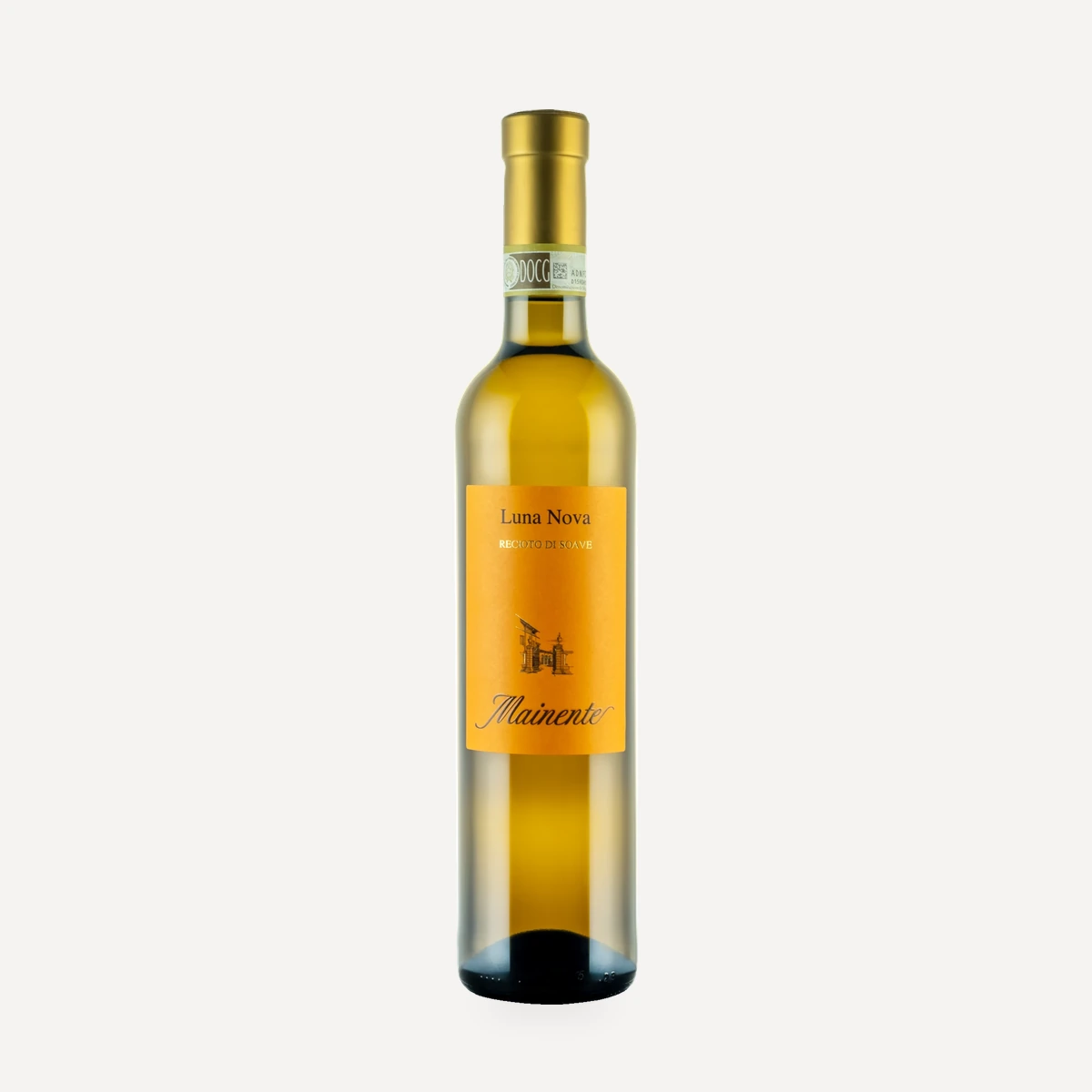
Luna Nova - Recioto di Soave DOCG
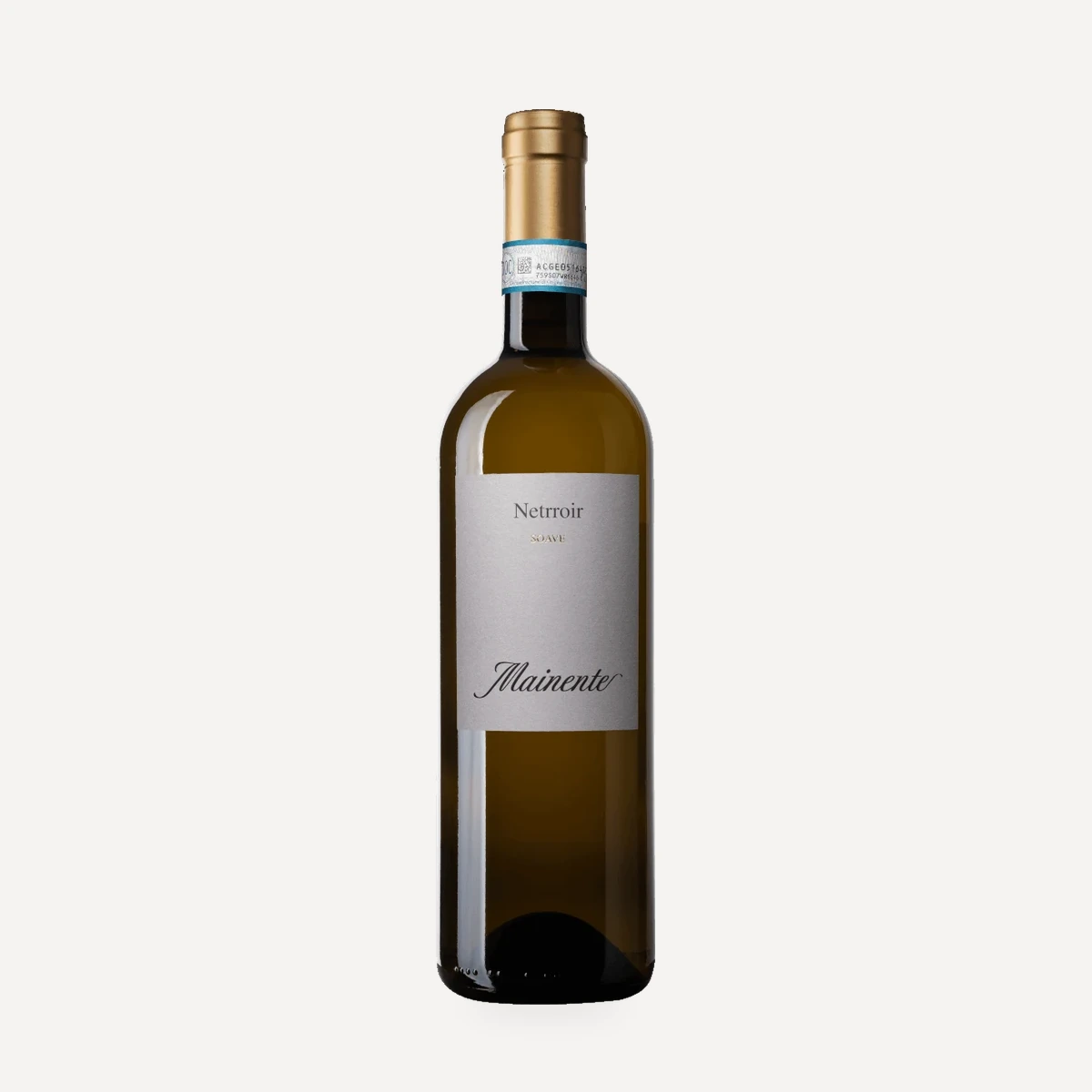
Netrroir - Soave DOC
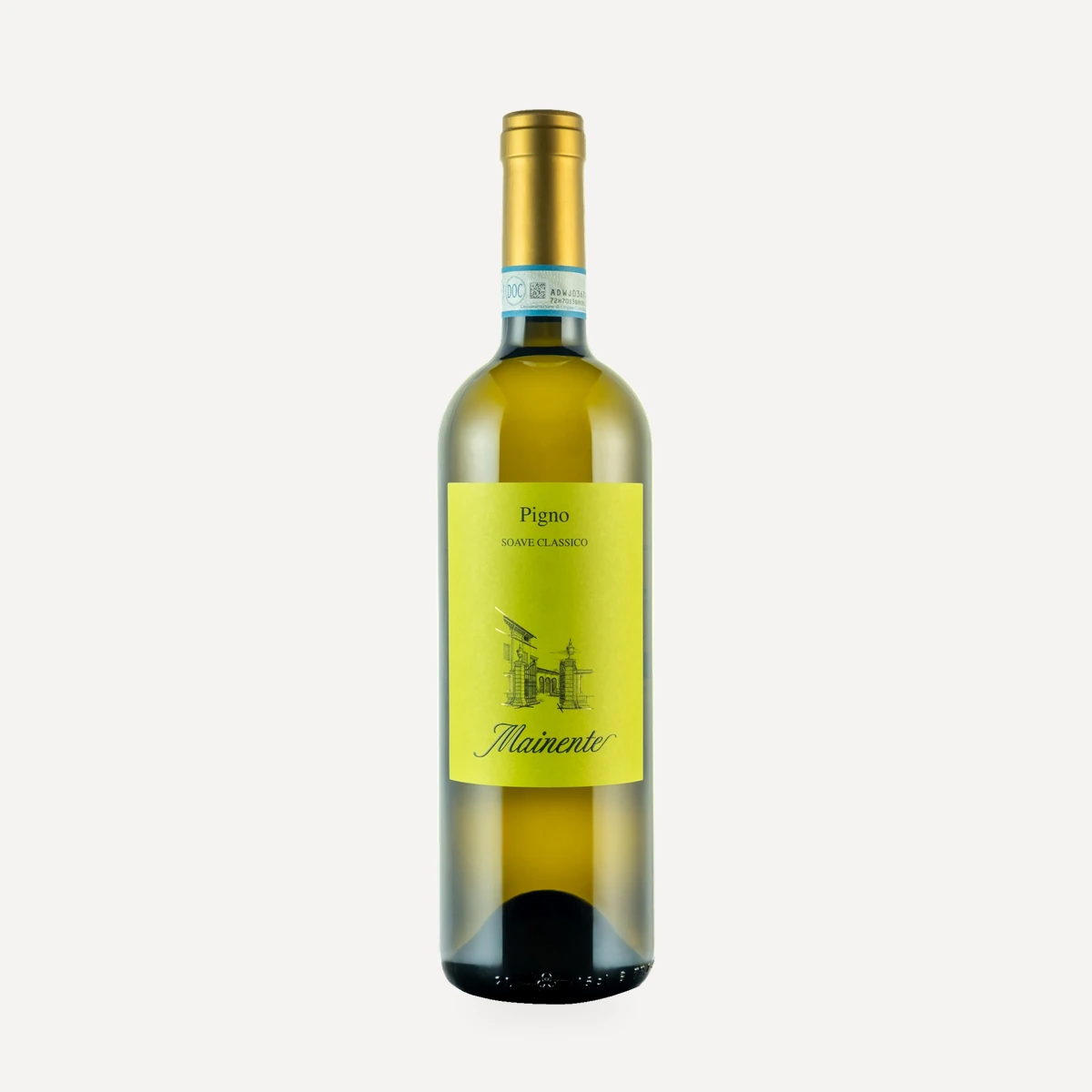
Pigno - Soave Classico DOC
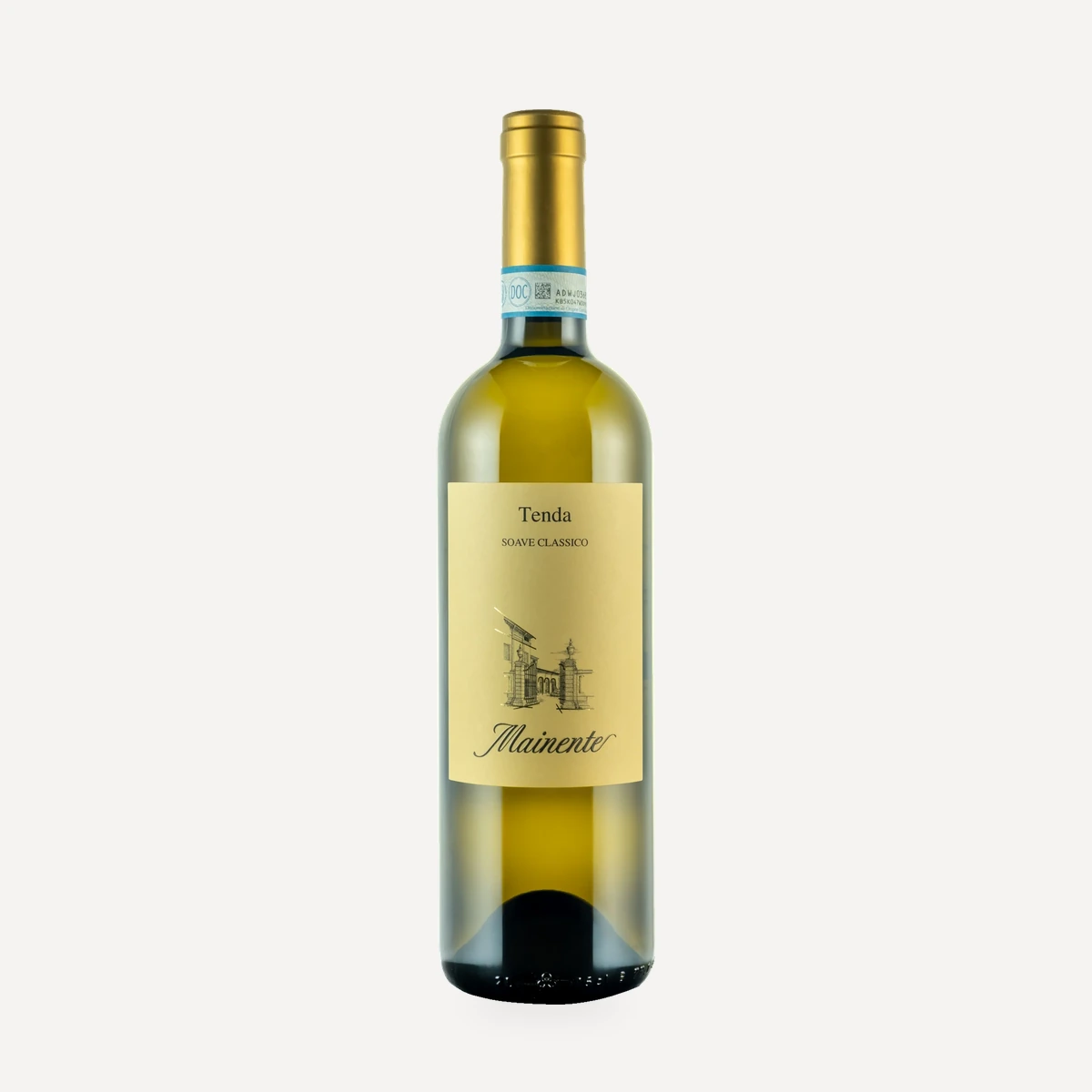
Tenda - Soave Classico DOC
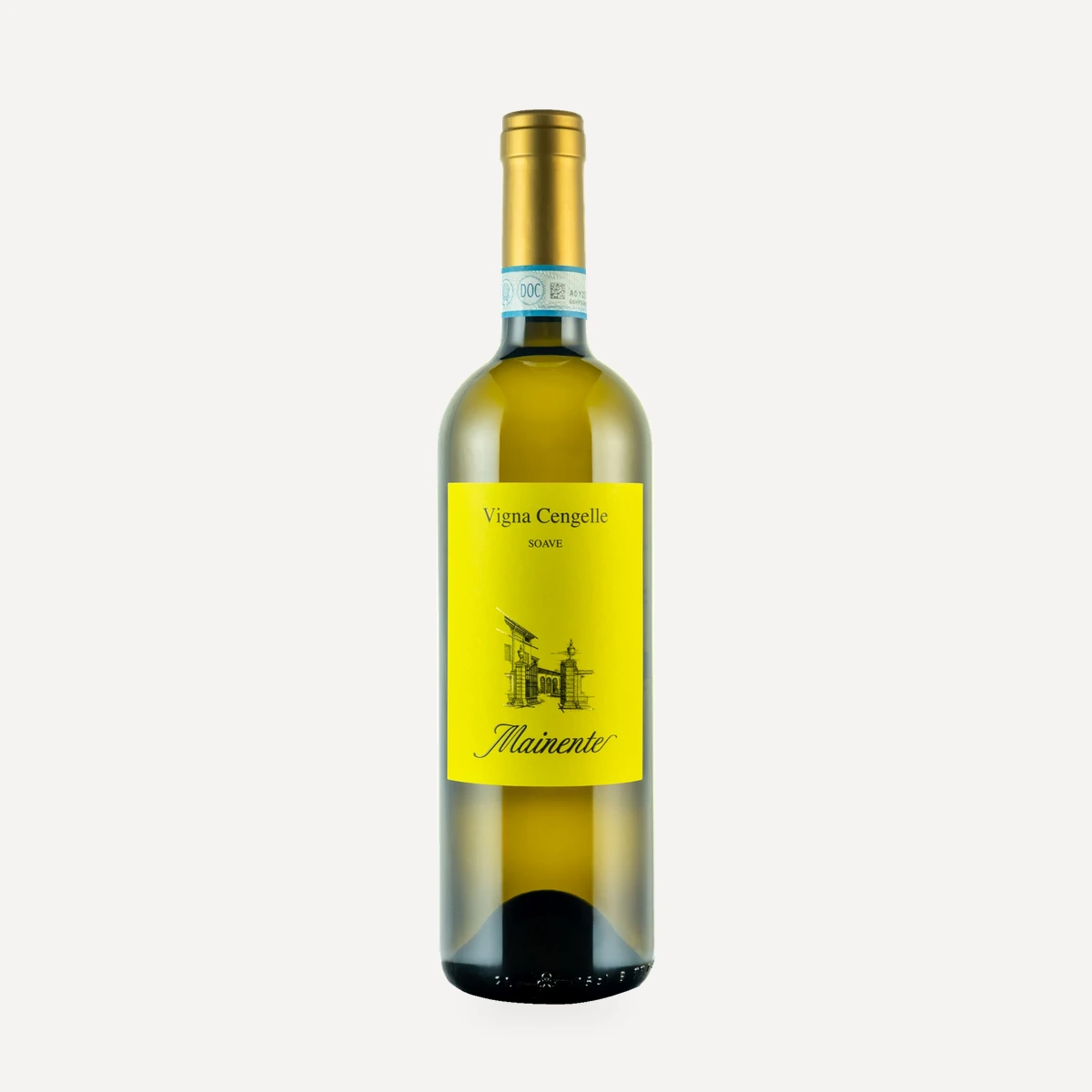
Vigna Cengelle - Soave DOC
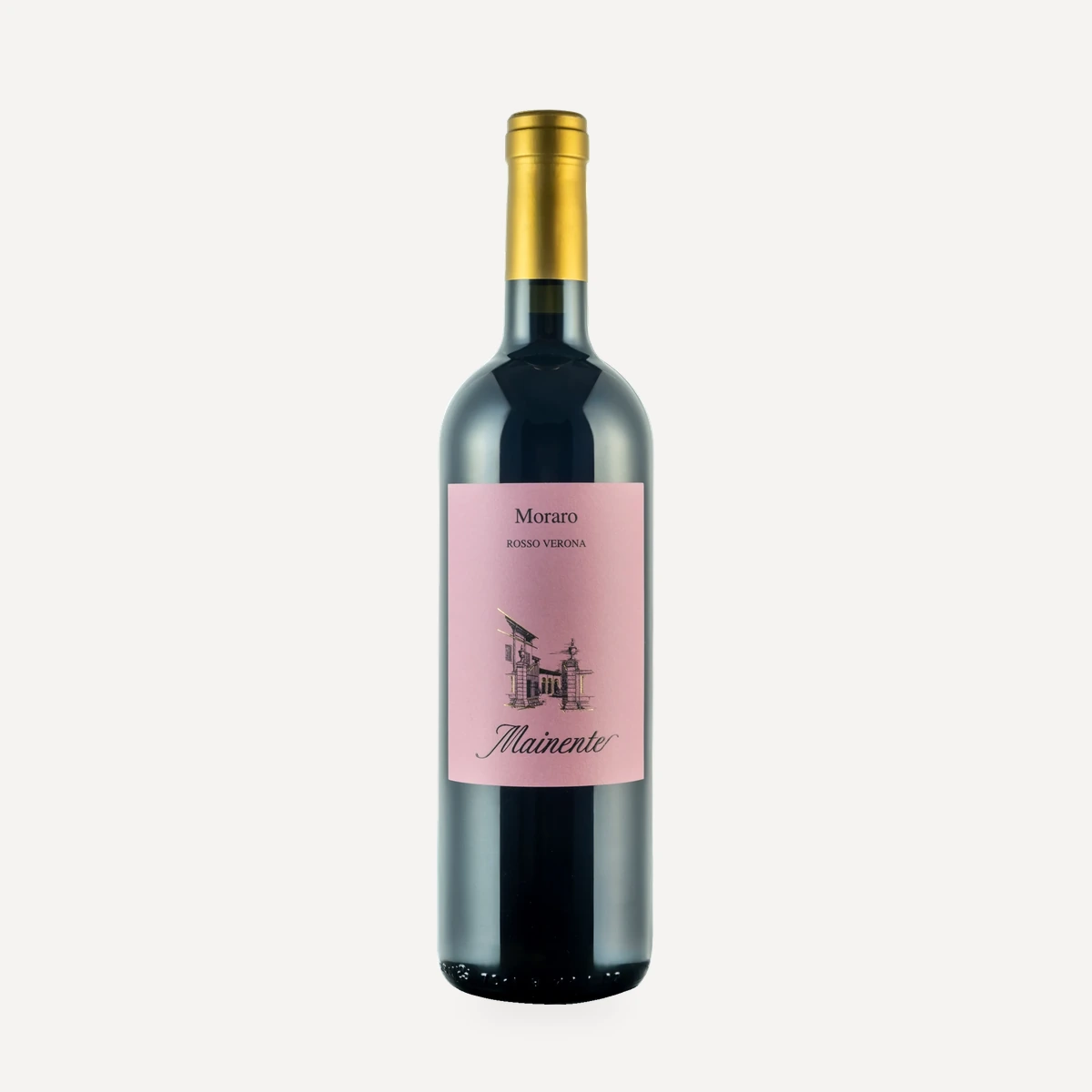
Rosso Veronese "Moraro"