Recioto di Soave
10 cantine e 10 vini. The sweet wine of the Soave hills was the first DOCG of the Veneto, in 1998. It comes from the same volcanic ground east of Verona — dark, mineral-rich clay loams on decomposed basalt and basaltic tuff, on the western edge of the Lessini where they meet the plain — which researchers have singled out since the early twentieth century as what distinguishes Soave from Valpolicella and Bardolino. Continua a leggere ↓
Cantine che producono Recioto di Soave
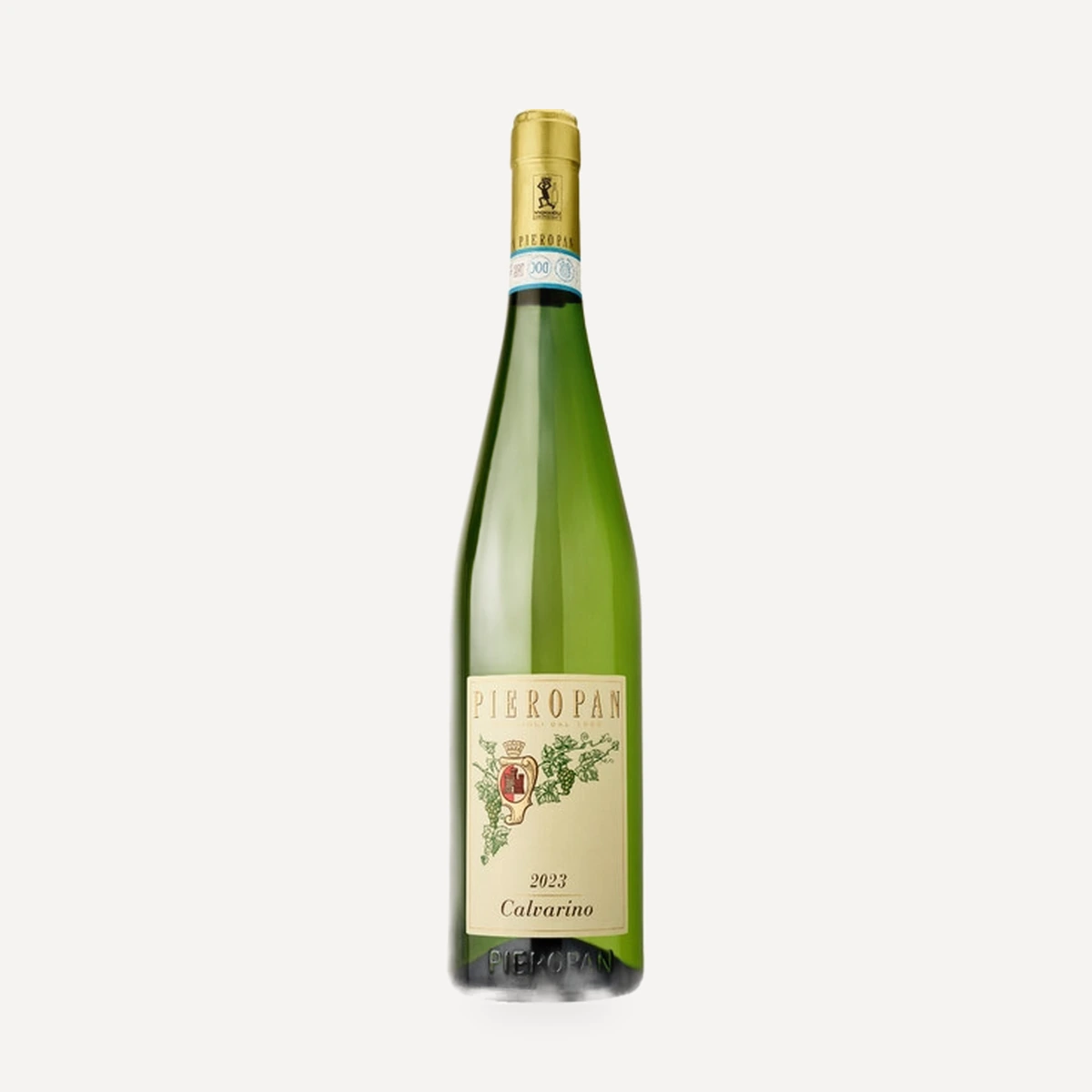 Pieropan Soave · 15 vini5 premi DWWA, l’ultimo nel 2026 · Soave Classico, Calvarino, Pieropan, Veneto, Italy
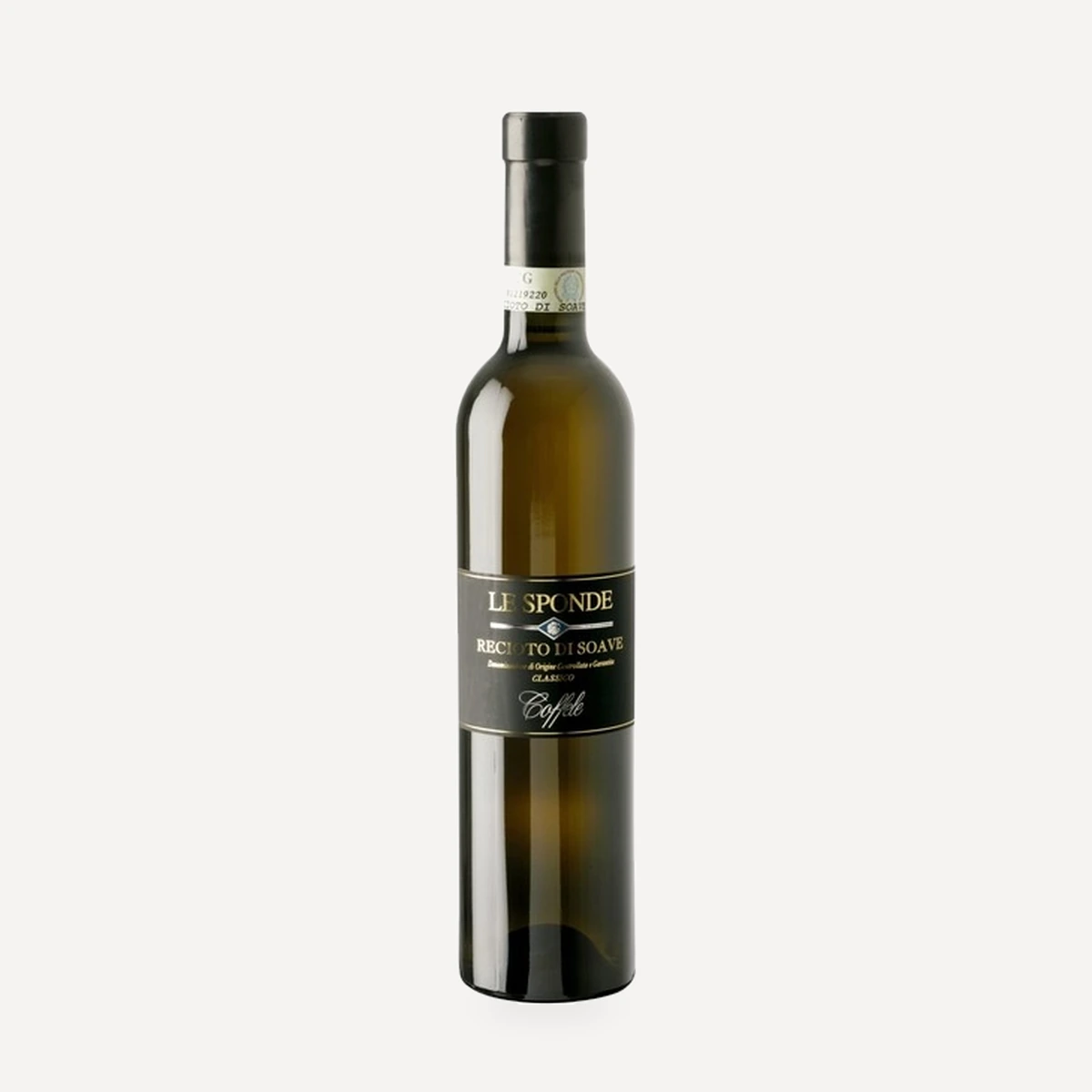 Coffele Soave · 9 vini2 Tre Bicchieri, l’ultimo nel 2016 · Le Sponde Recioto di Soave Classico DOCG
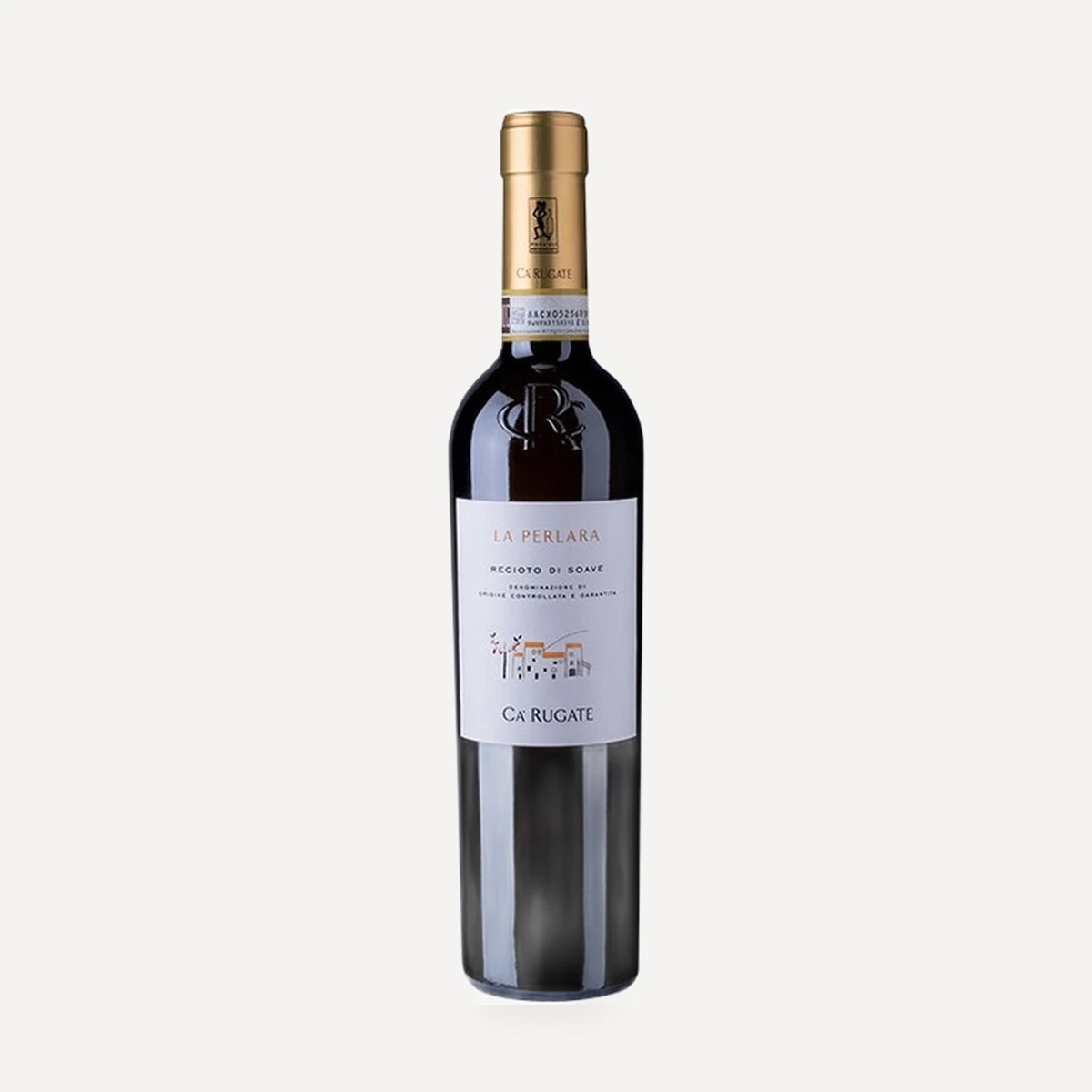
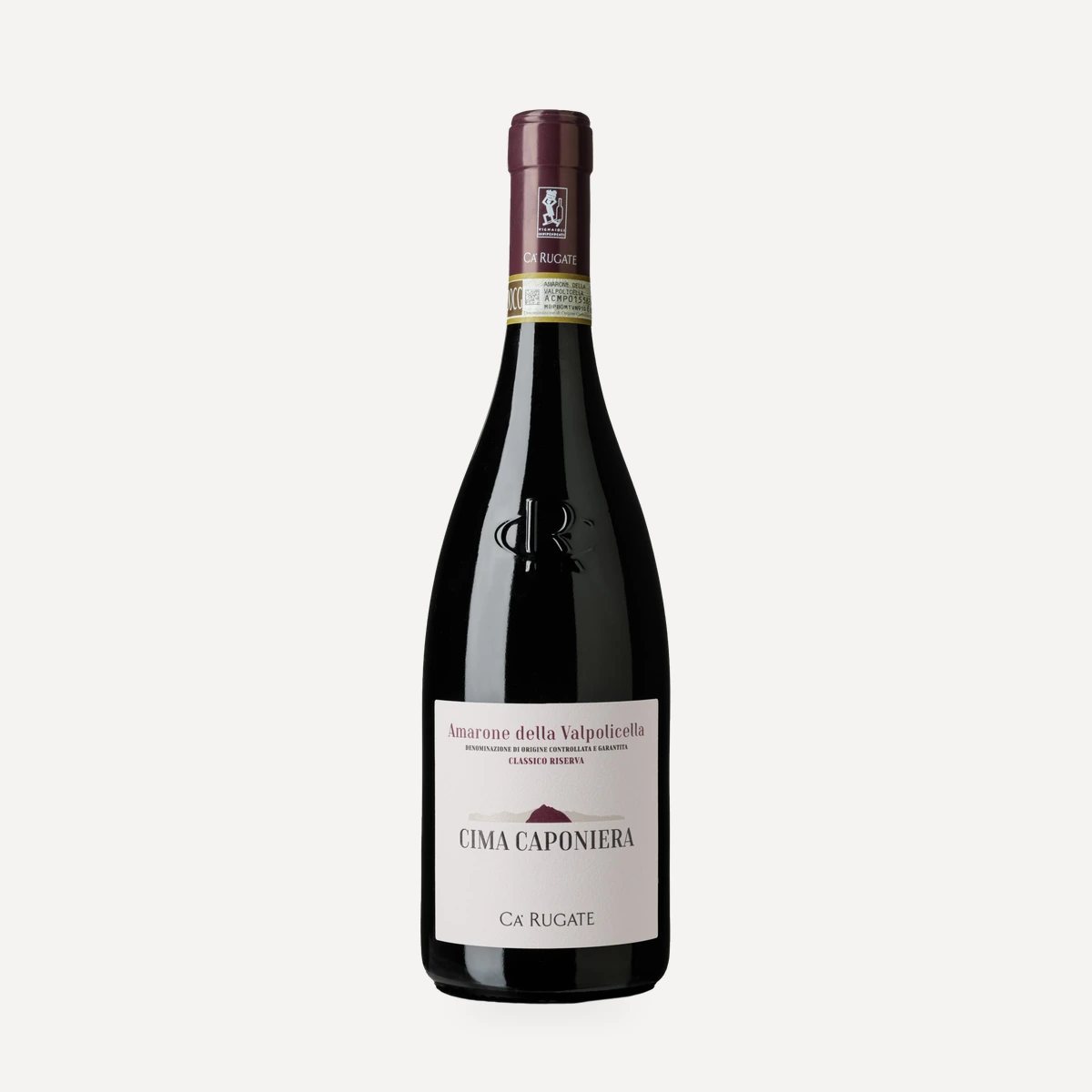 Ca RugateAmarone della Valpolicella · 21 vini13 Tre Bicchieri, l’ultimo nel 2025 · Cima Caponiera Amarone Classico Riserva
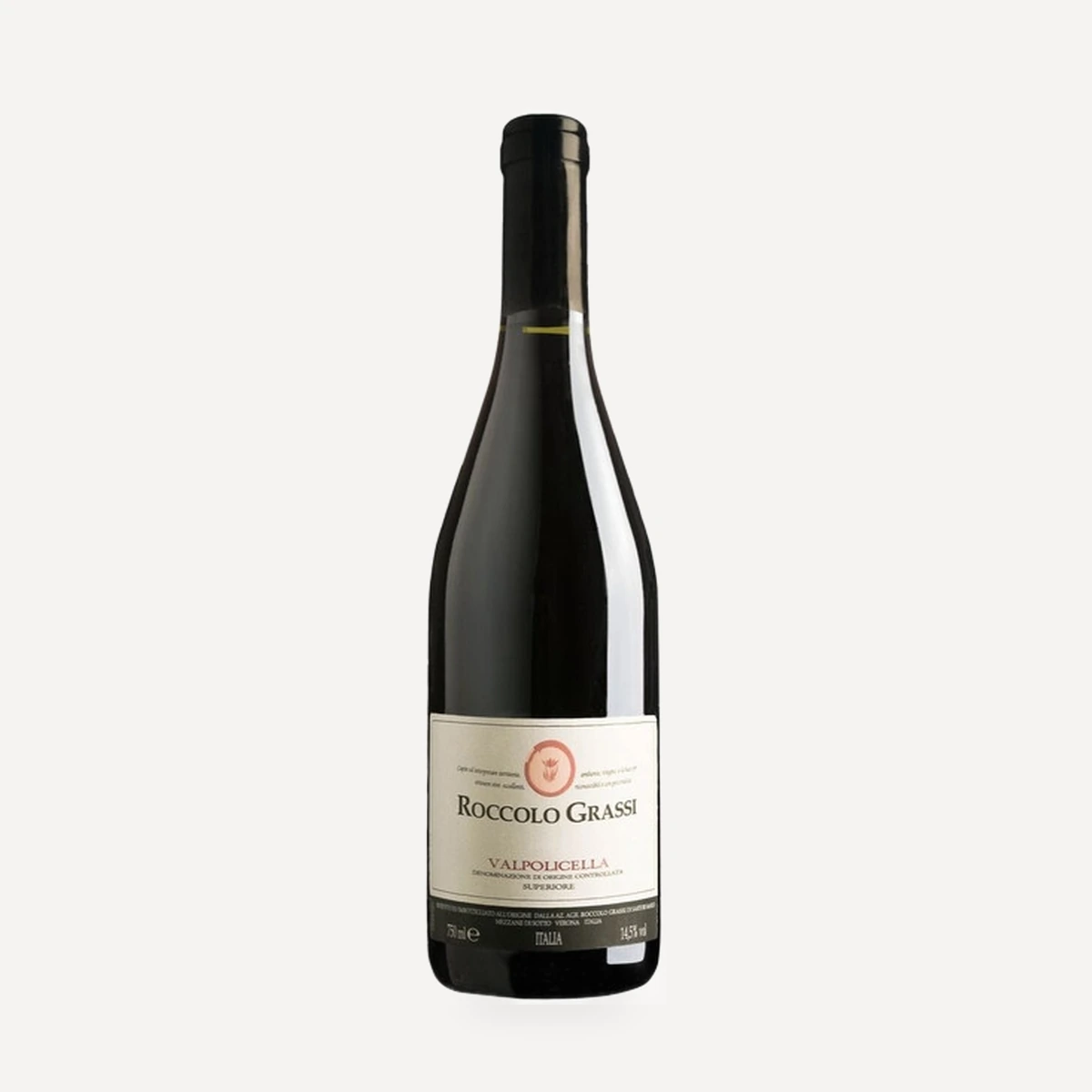 Roccolo GrassiValpolicella · 6 vini6 Tre Bicchieri, l’ultimo nel 2023 · Valpolicella Superiore Roccolo Grassi
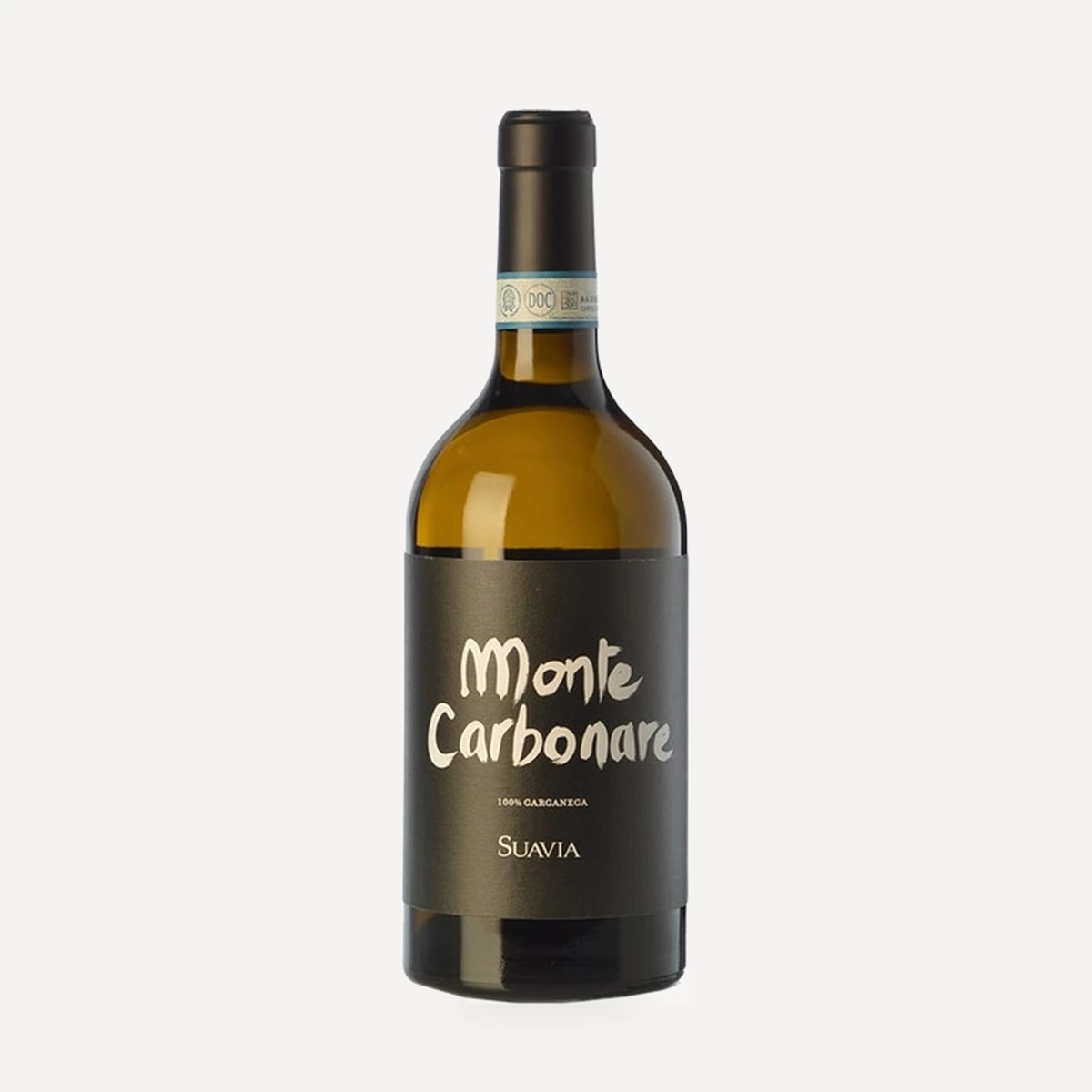 SuaviaSoave · 9 vini13 Tre Bicchieri, l’ultimo nel 2026 · Monte Carbonare
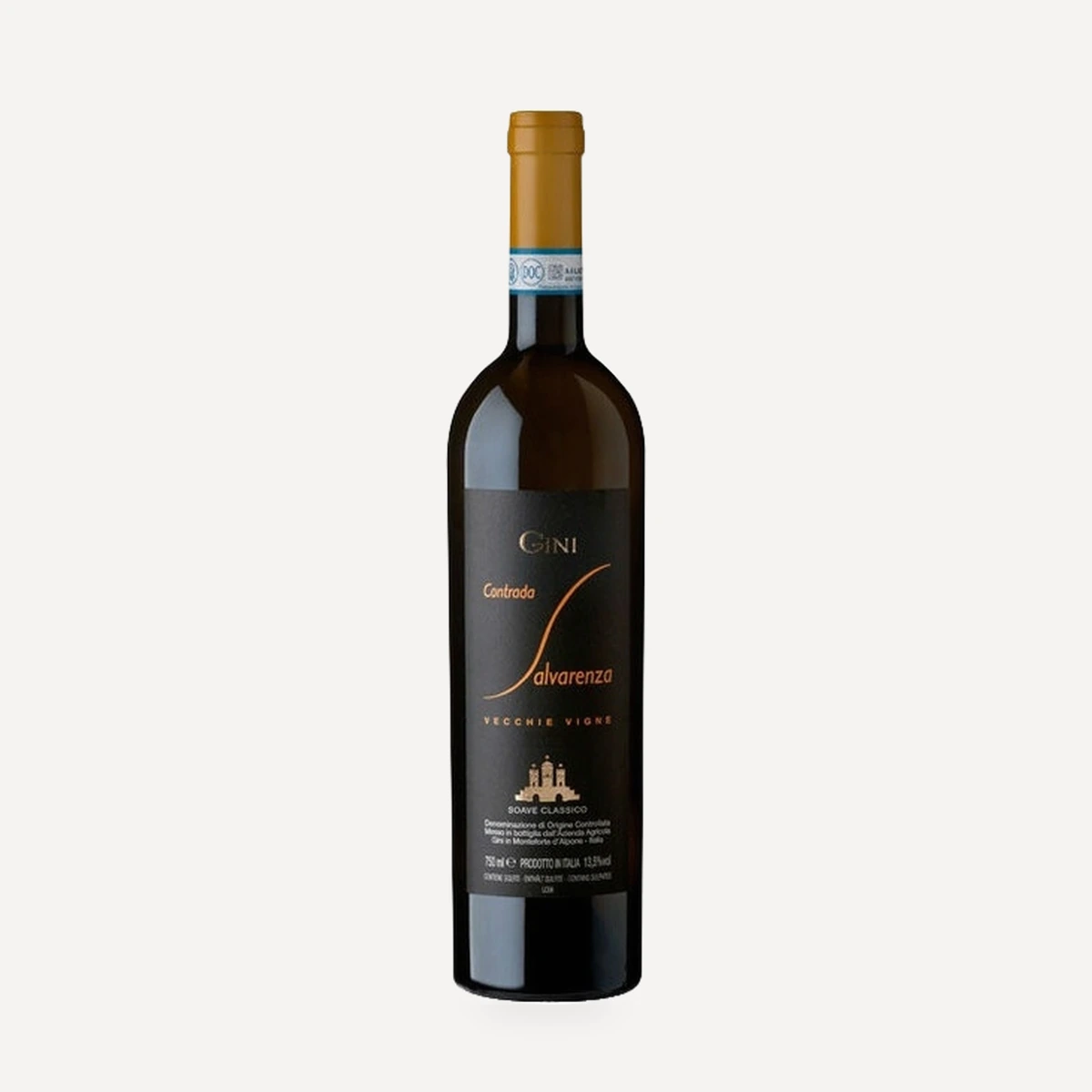 GiniSoave · 13 vini4 Tre Bicchieri, l’ultimo nel 2018 · Contrada Salvarenza Vecchie VigneFattoriSoave · 20 vini2 premi DWWA, l’ultimo nel 2026 · Col de la Bastia - Valpolicella SuperioreCappuccina12 vini4 premi DWWA, l’ultimo nel 2026 · San BrizioTenuta di Soave4 viniFERRA, Soave Classico DOCLeonildo Pieropan
Vini di Recioto di Soave
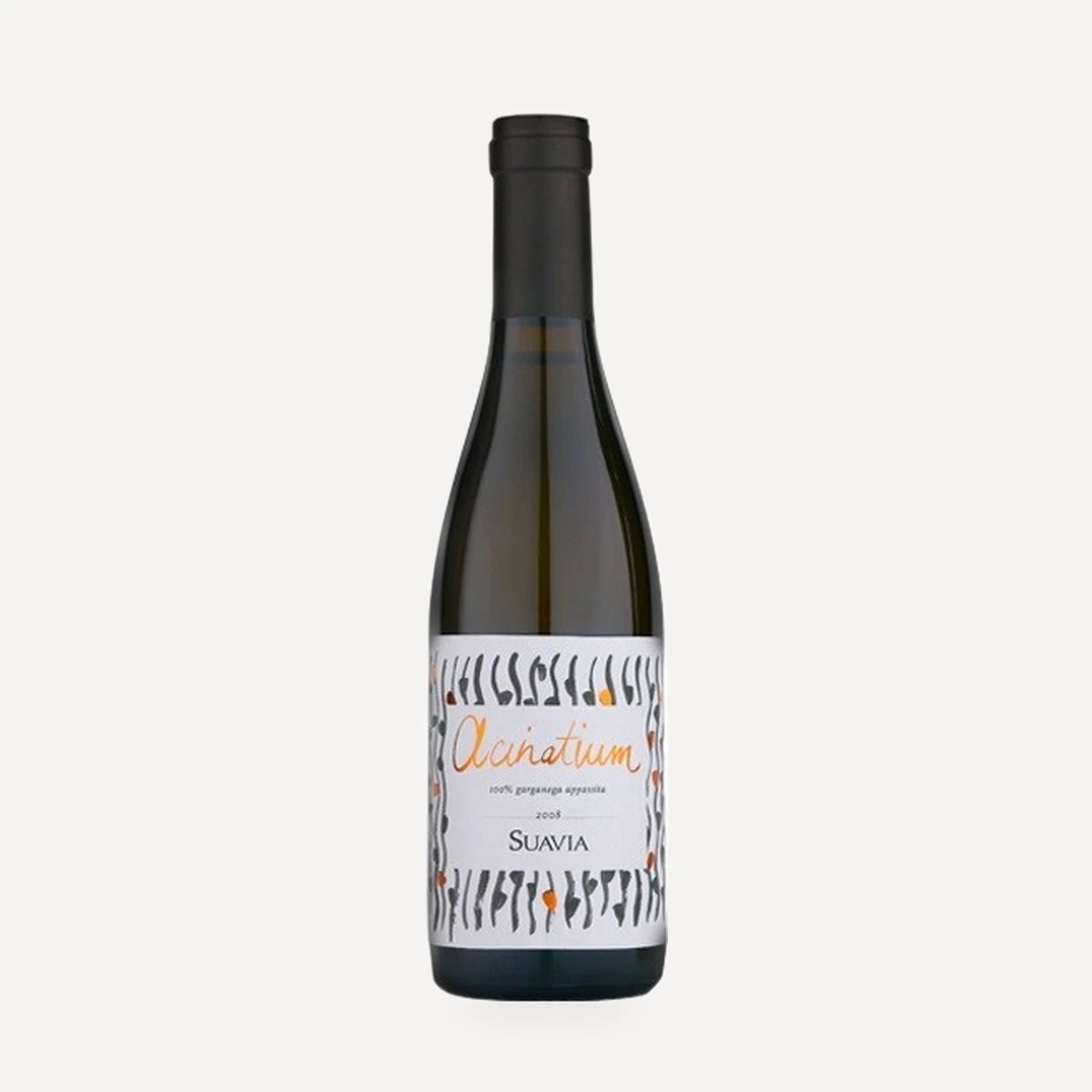
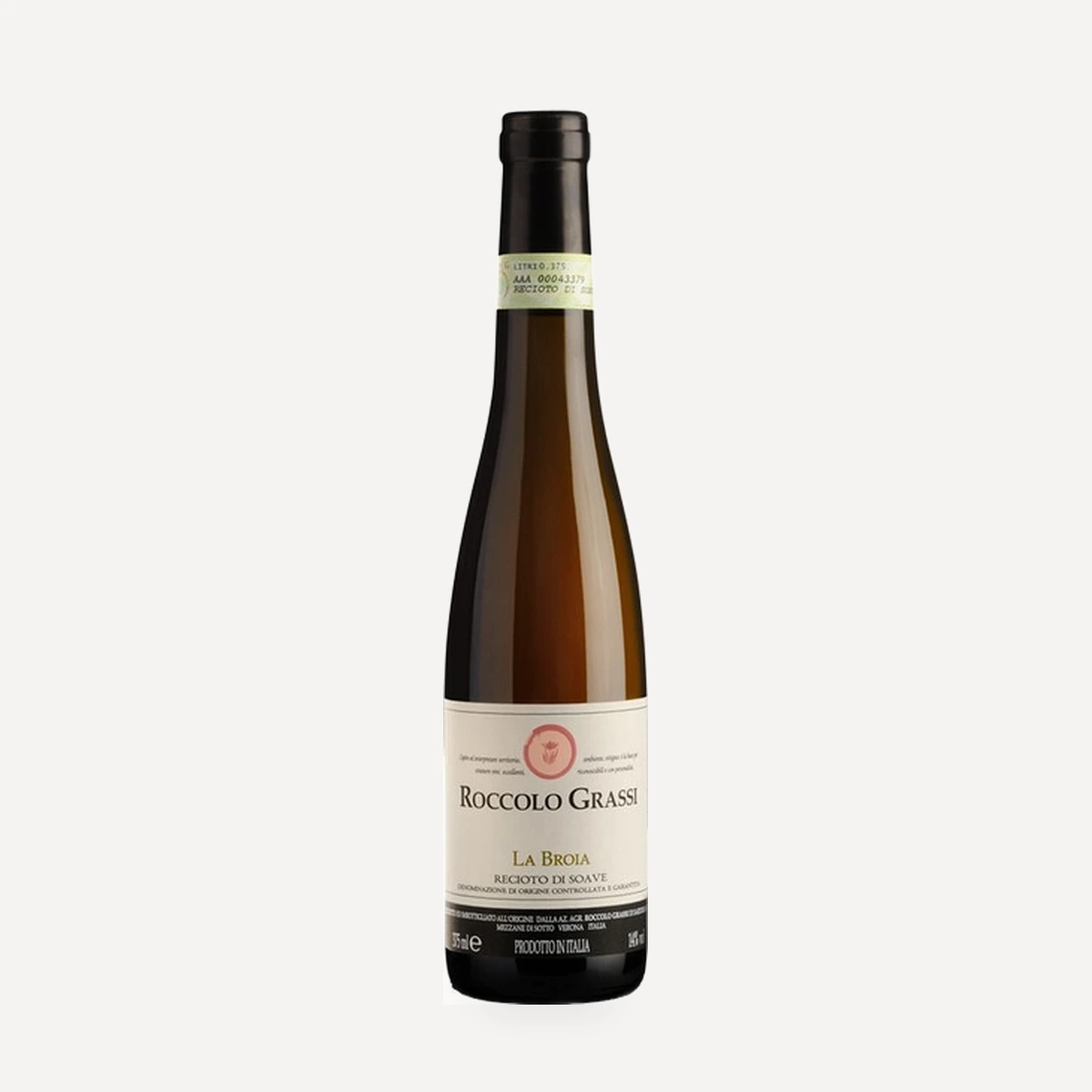
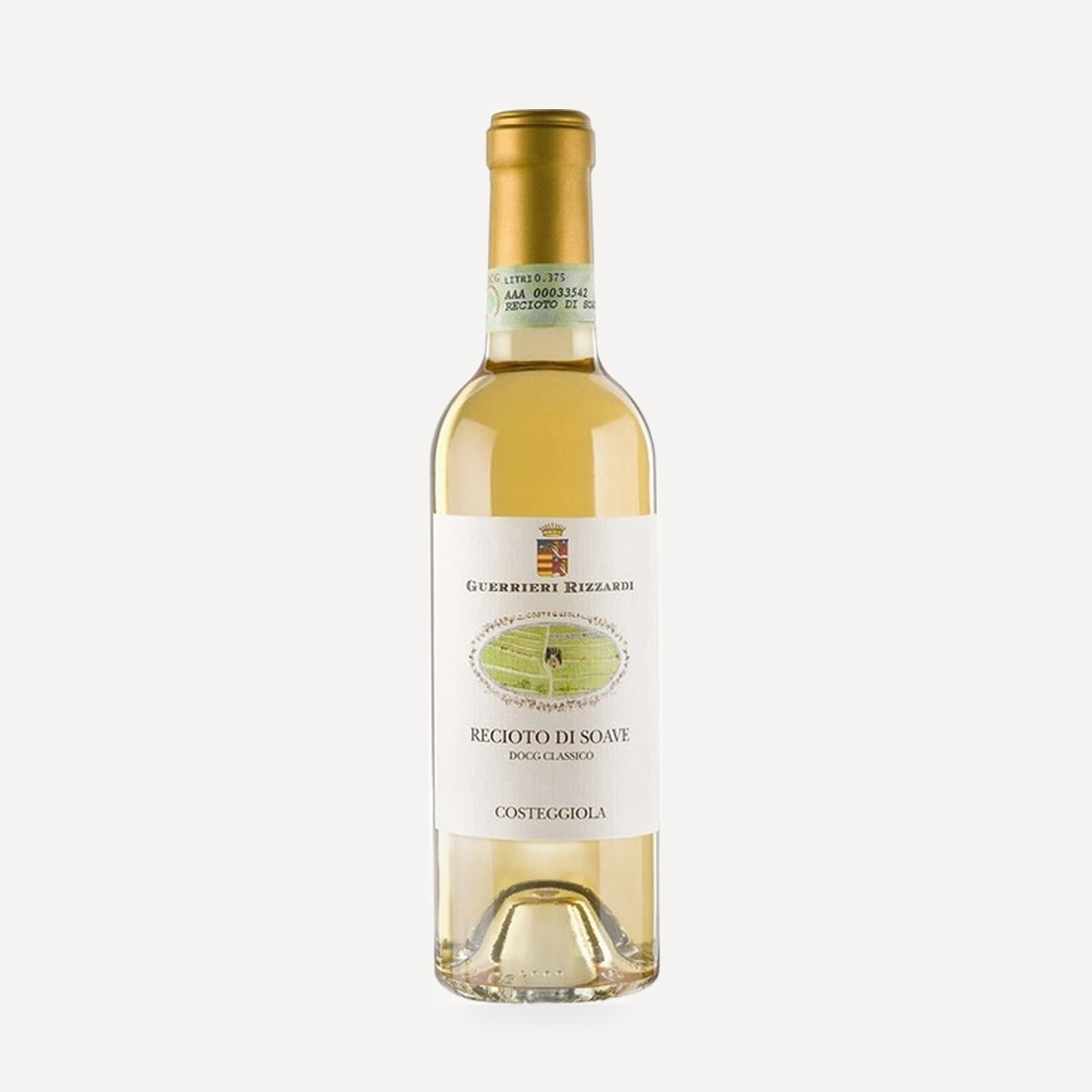
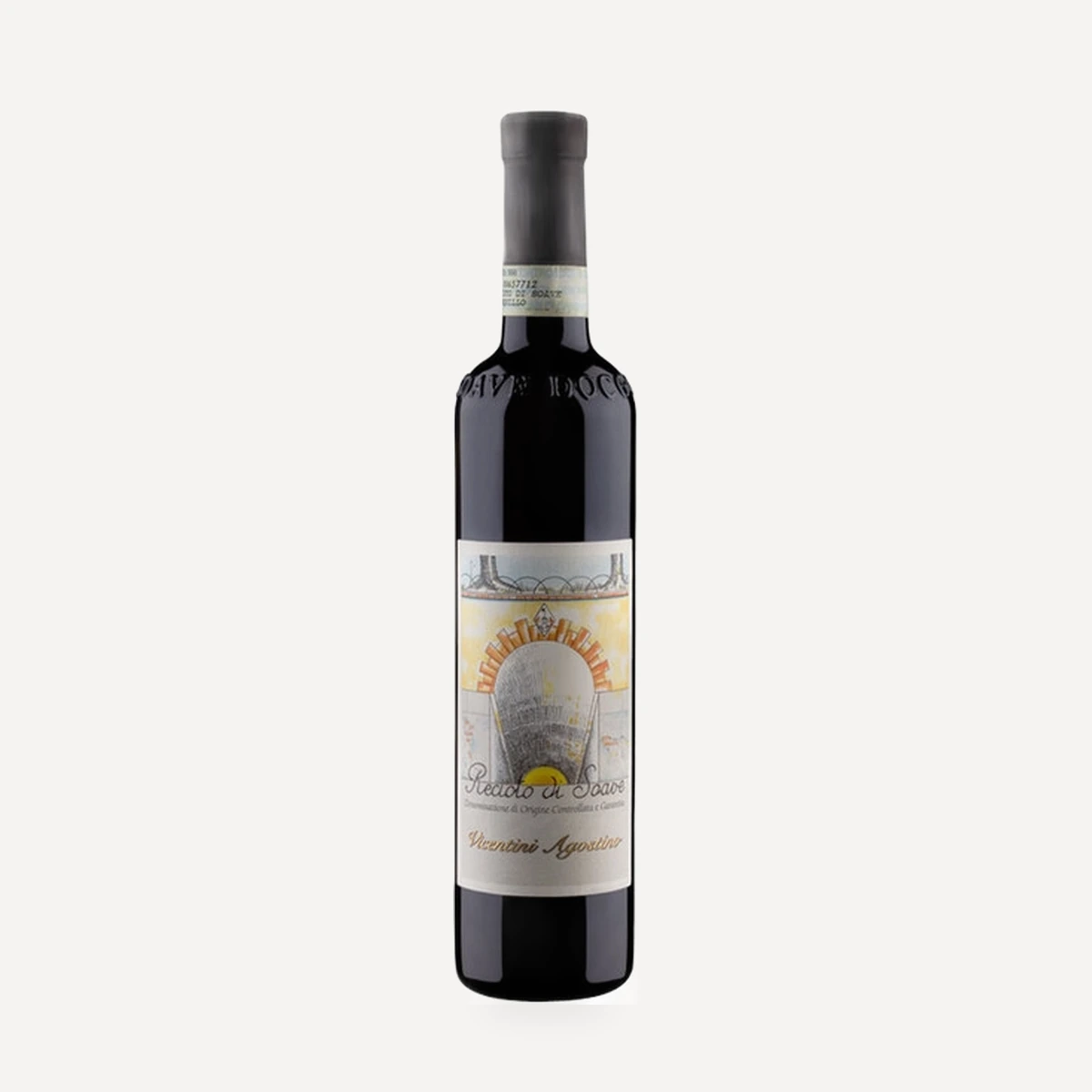
Vigneti con nome
Recioto di Soave in breve
It is at least 70 per cent Garganega, the rest Trebbiano di Soave. Only the loosest bunches are picked, by hand, and kept for months in dry, airy lofts called fruttai, checked regularly for rot, until they reach at least 14 per cent potential alcohol. The name comes from recia, the wing of the Garganega bunch by which the grapes were traditionally hung to dry. The wine may not be sold before the first of September of the year after the harvest; a sparkling version and a Classico are also made.
Cassiodorus, minister to the Ostrogothic king Theodoric, wrote to the nobles of Verona asking for a white wine of dried grapes "chosen from the domestic pergolas" for the royal court, praising it as shining like milk and of unbelievable sweetness.