Storia
From Lessinia to Camporal
Toward the end of the nineteenth century, the Lavarini family sold its property in the Lessinia mountains and moved to Camporal, a small locality in the hills of Marano di Valpolicella. The family began by cultivating the few vines already growing there. The limited quantity of wine was initially intended for family and local consumption.
Expansion after the Second World War
Demand for wine increased after the Second World War. Angelo Lavarini, assisted by his sons, began equipping the agricultural holding with the facilities required to serve a wider market. The family identifies 1956 as the beginning of the activity later continued by Corte San Benedetto.
Angelo enlarged the existing plantings with vines originating from various parts of Valpolicella, gradually transforming the property into a carefully cultivated estate. His agricultural interests also extended to cherries. An experimental cherry-growing field was created at Camporal to study cherry-tree diseases, and for several years the locality functioned as a meeting place for researchers and scholars. Their meetings traditionally ended in Camporal’s small stone-vaulted cellar over Recioto or Amarone.
New vineyards and a new company
In 2005–2006 the family established its newest vineyard near Castello di Montorio in Verona. The project adopted a high-density Guyot-trained espalier system designed to permit a useful degree of mechanization when adverse weather complicates harvesting. The Cengia vineyard retained the traditional pergola veronese system.
Corte San Benedetto was formally created in 2006 by brothers Angelo and Loris Lavarini, with the assistance of their father Mariano. The new family company continued the activity begun by their grandfather Angelo in 1956. Loris, a graduate in oenology, assumed responsibility for cellar work and vinification; Angelo took charge of customer relations; and Mariano applied his long experience to vineyard cultivation.
The company established its headquarters at an old rural courtyard in Arbizzano di Negrar, from which Corte San Benedetto takes its name. The early-nineteenth-century building was subsequently renovated and is also used to welcome visitors and host tastings.
Terroir
Corte San Benedetto’s 18 ha of owned vineyards are distributed across several parts of Valpolicella and Verona; 4 ha lie within the Valpolicella Classica zone. The named sites are Marano, San Dionigi on the Parona hills, Arbizzano, San Felice in Valpantena, Cengia and Castello di Montorio.
The red-wine vineyards described in Negrar and Marano range from approximately 100 to 400 m above sea level. Marano’s hillside vineyards are placed at 250–400 m, while selections from Negrar are associated with elevations of 100–300 m. The soils in these areas are described as clay and limestone. An additional hillside vineyard in the municipality of Verona lies at 120 m and has calcareous soil.
The oldest vineyard group—Marano, San Dionigi, Arbizzano and San Felice—has an average vine age of about 40 years. Their different locations are united by plantings of the traditional red varieties Corvina, Corvinone, Rondinella and Molinara. No site-specific exposure, rainfall, temperature range or climatic influence is defined.
Vinificazione
The estate owns and cultivates all 18 ha of its vineyards, including 4 ha in Valpolicella Classica. In the older vineyards of Marano, San Dionigi, Arbizzano and San Felice, the planting pattern ranges from 3 × 1 m to 5 × 1 m and density ranges from 2,000 to 3,300 vines/ha. San Dionigi is espalier-trained, while the other older sites use pergola veronese. Cengia also retains pergola veronese.
Castello di Montorio represents the newer, higher-density model: Guyot-trained espalier at 4,600 vines/ha, selected in part to permit mechanization during unfavorable harvest conditions. Technical descriptions of other production blocks give densities of 3,000–4,000 vines/ha and vine ages of 15–30 years, alongside the approximately 40-year average reported for the four oldest named vineyards.
Harvesting is carried out by hand for the documented production selections. Grapes intended for drying are selected and placed in small cases or trays before being transferred to dry, well-ventilated rooms. Fresh-wine lots are also manually selected at harvest. Harvest timing varies by intended use: drying selections can begin in mid-September, standard Valpolicella fruit is gathered from early to mid-October, and the white passito fruit is selected around the second week of October.
Cellar responsibilities
Loris Lavarini, an oenology graduate, manages the cellar and vinification. Production encompasses fresh-grape Valpolicella, wines made through appassimento, Ripasso and a wine produced by combining fresh and dried-grape fermentations.
Appassimento and dried-grape vinification
Selected bunches are hand-harvested from mid-September and placed in cases in dry, well-ventilated rooms. For one documented Amarone/Recioto process, drying reduces grape weight by approximately 40–45%. The fruit is softly crushed toward late January, followed by slow fermentation in stainless-steel vinifiers. Maceration lasts 30–35 days at 10–20°C with daily pump-overs.
Another Amarone selection is softly crushed at the end of December after drying and undergoes a slow fermentation. It is matured for four years, partly in 30 hl Slavonian-oak casks and partly in 5 hl tonneaux. Other Amarone lots mature in medium-sized Slavonian-oak casks with a portion in tonneaux.
For sweet Recioto, fermentation is stopped once the wine reaches approximately 12% alcohol. Racking and filtration preserve residual sugar by preventing its complete conversion to alcohol.
Fresh-grape and Ripasso methods
For Valpolicella, hand-picked fruit is softly crushed. One documented method includes destemming, fermentation at 25–28°C and a 12-day maceration with three manual punch-downs per day, each lasting 20 minutes. The wine remains in stainless steel and completes malolactic fermentation. Another Valpolicella process ferments at approximately 20°C, completes malolactic fermentation and remains in stainless steel until bottling.
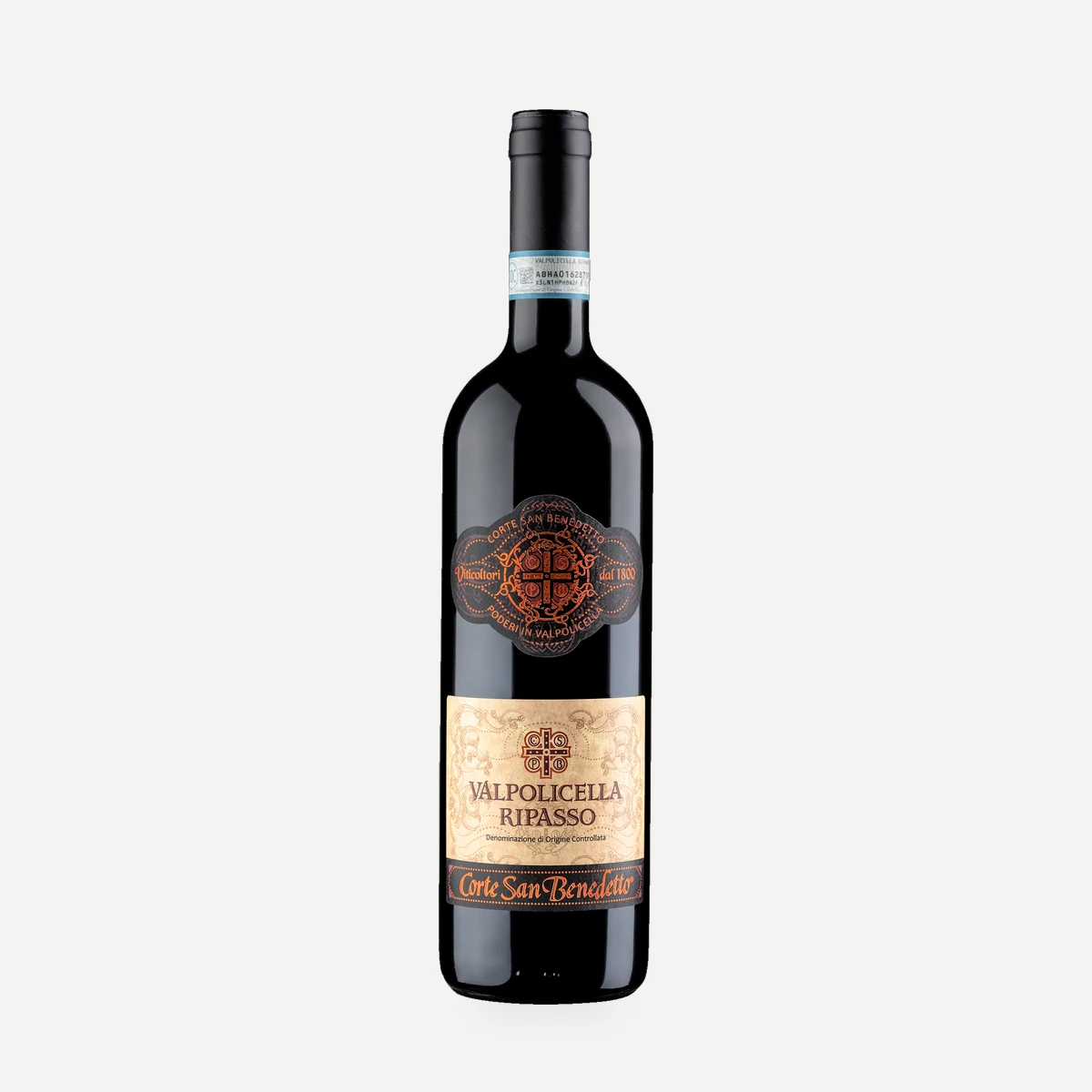
Ripasso is produced by refermenting Valpolicella on the pomace left from Recioto or Amarone. Depending on the production selection, this second fermentation takes place in January or February. One documented version then matures for three years in Slavonian-oak casks.
Combined fresh- and dried-grape fermentation
For Il Mio Corte, grapes are picked by hand from mid-September. Sixty percent is vinified immediately, while 40% remains in appassimento until the end of December. The dried grapes are then crushed and fermented together with the wine made in September. Maturation lasts 24 months in French oak.
White passito
Garganega and Trebbiano Toscano are selected in the second week of October, collected in trays and dried in ventilated rooms. The grapes are crushed in mid-to-late January and macerated on the skins for six to eight days. Once the intended residual-sugar level is reached, racking and filtration stop fermentation. The wine matures for six months in stainless steel and a further six months in bottle.
Filosofia
Corte San Benedetto defines its identity through the combination of passion, family tradition and attachment to the land, with the intention that these elements remain recognizable in every bottle. Continuity is central to that outlook: the company created by Angelo and Loris in 2006 carries forward the work begun by their grandfather in 1956, while their father Mariano contributes the experience accumulated in the vineyards.
The vineyard structure combines inherited and newer practices. Pergola veronese remains in use at the older sites and at Cengia, while the newer Castello di Montorio vineyard adopts high-density Guyot-trained rows to improve operational flexibility under difficult harvest conditions. The resulting approach is neither exclusively traditional nor exclusively technological; it retains established local training systems while introducing mechanization where the family considers it practically useful.
Hospitality is treated as part of the family identity. The renovated early-nineteenth-century rural courtyard serves not only as the winery’s headquarters but also as a setting where visitors can taste the complete range.
Vini
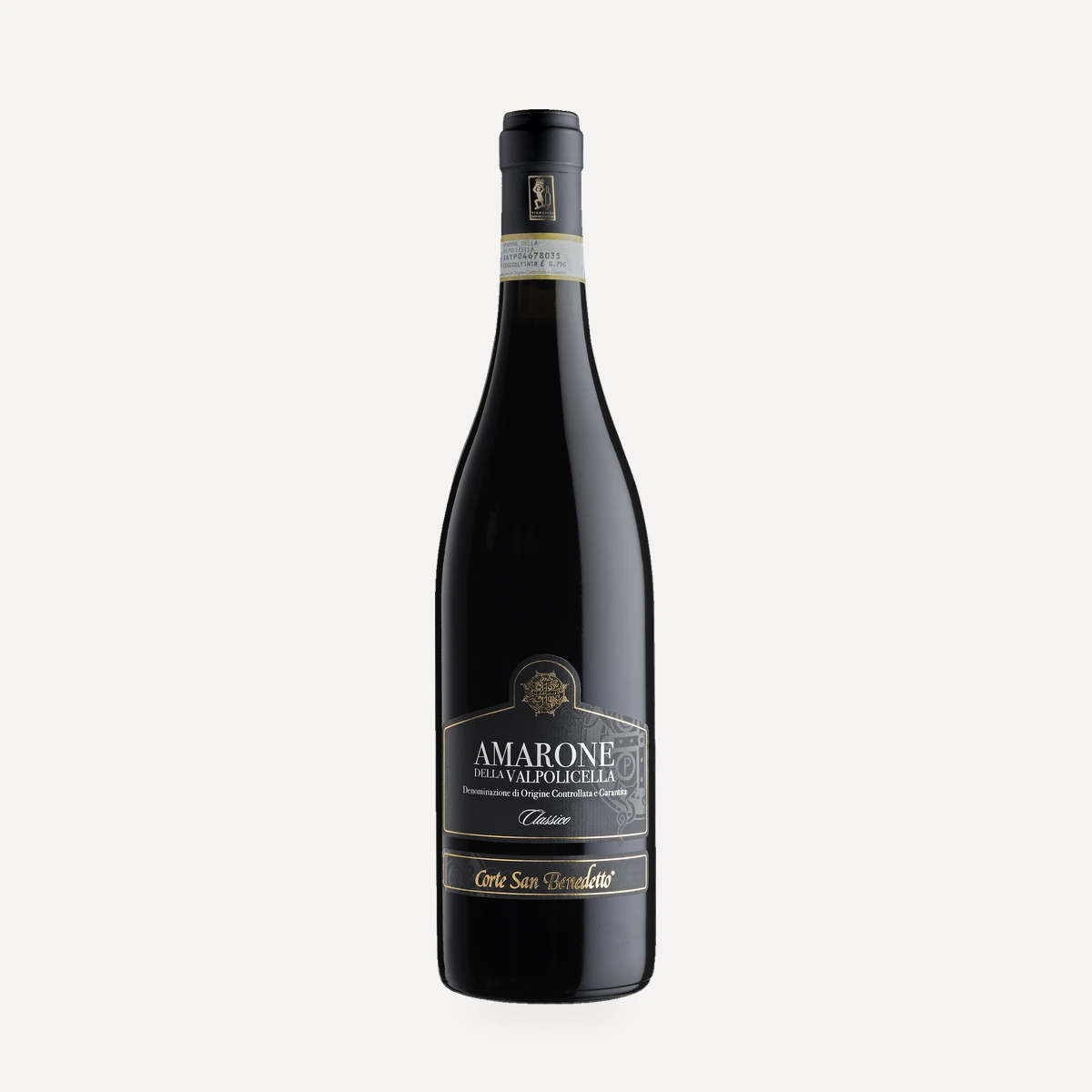
Amarone della Valpolicella Classico DOCG
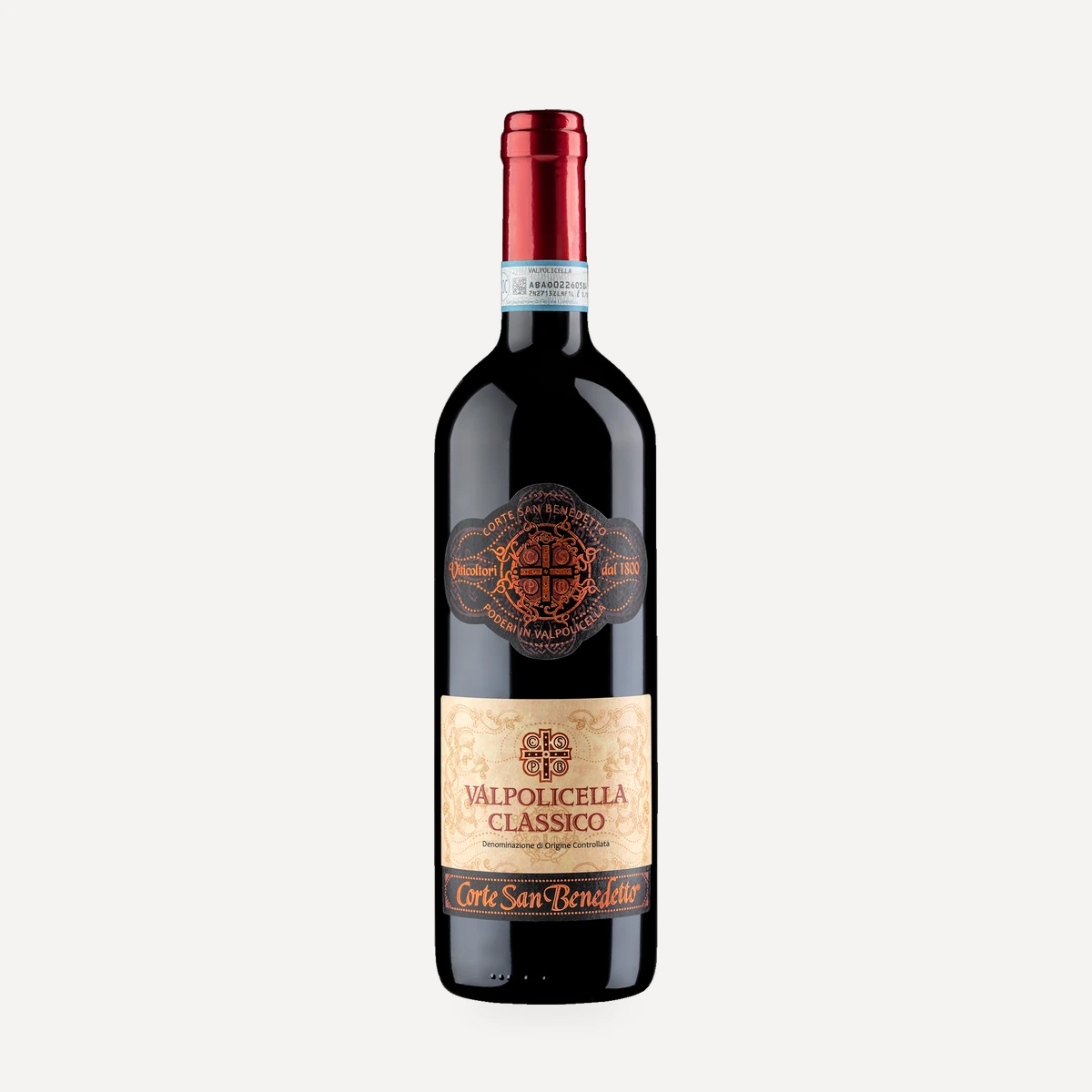
Linea Antica Valpolicella Classico
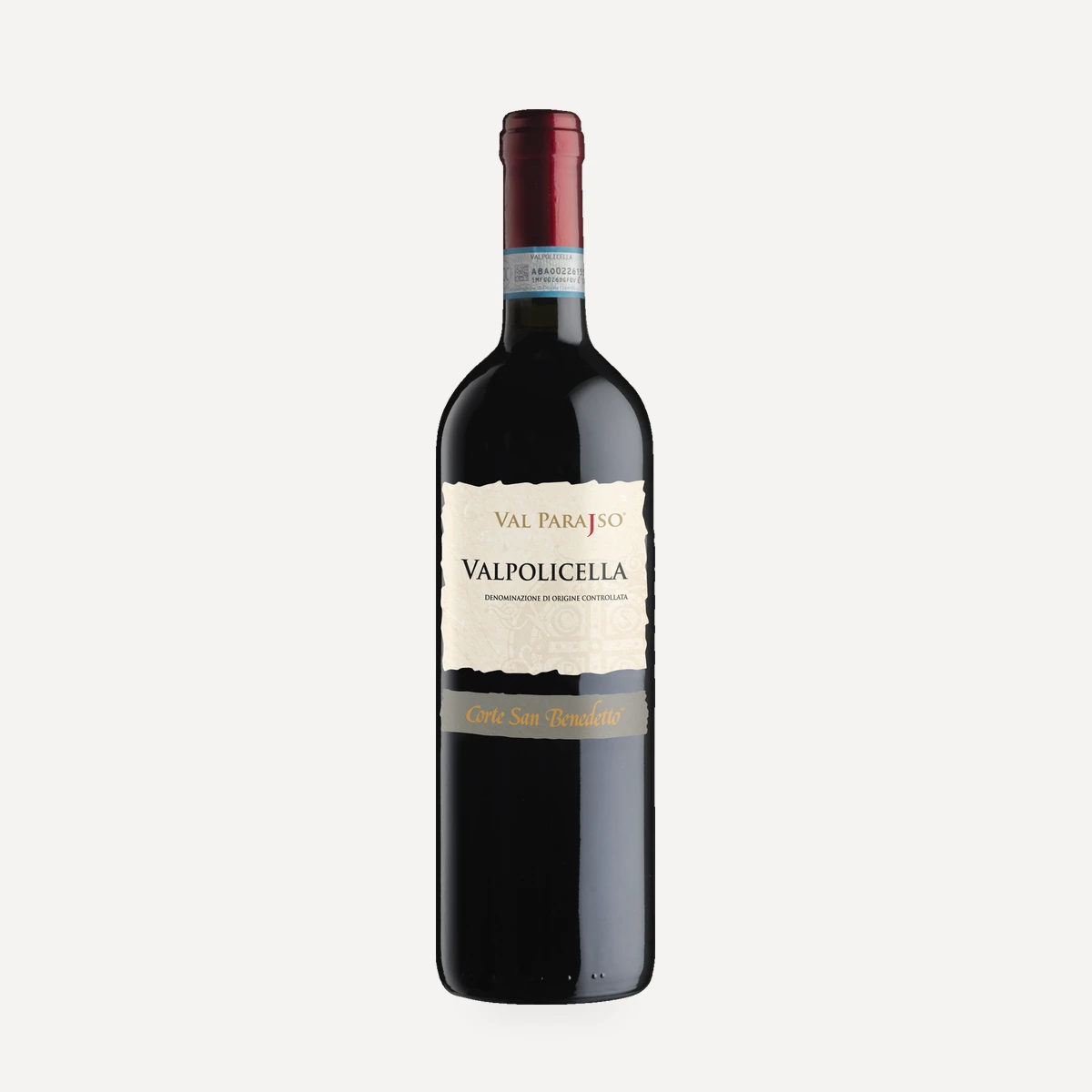
Val Parajso Valpolicella Classico
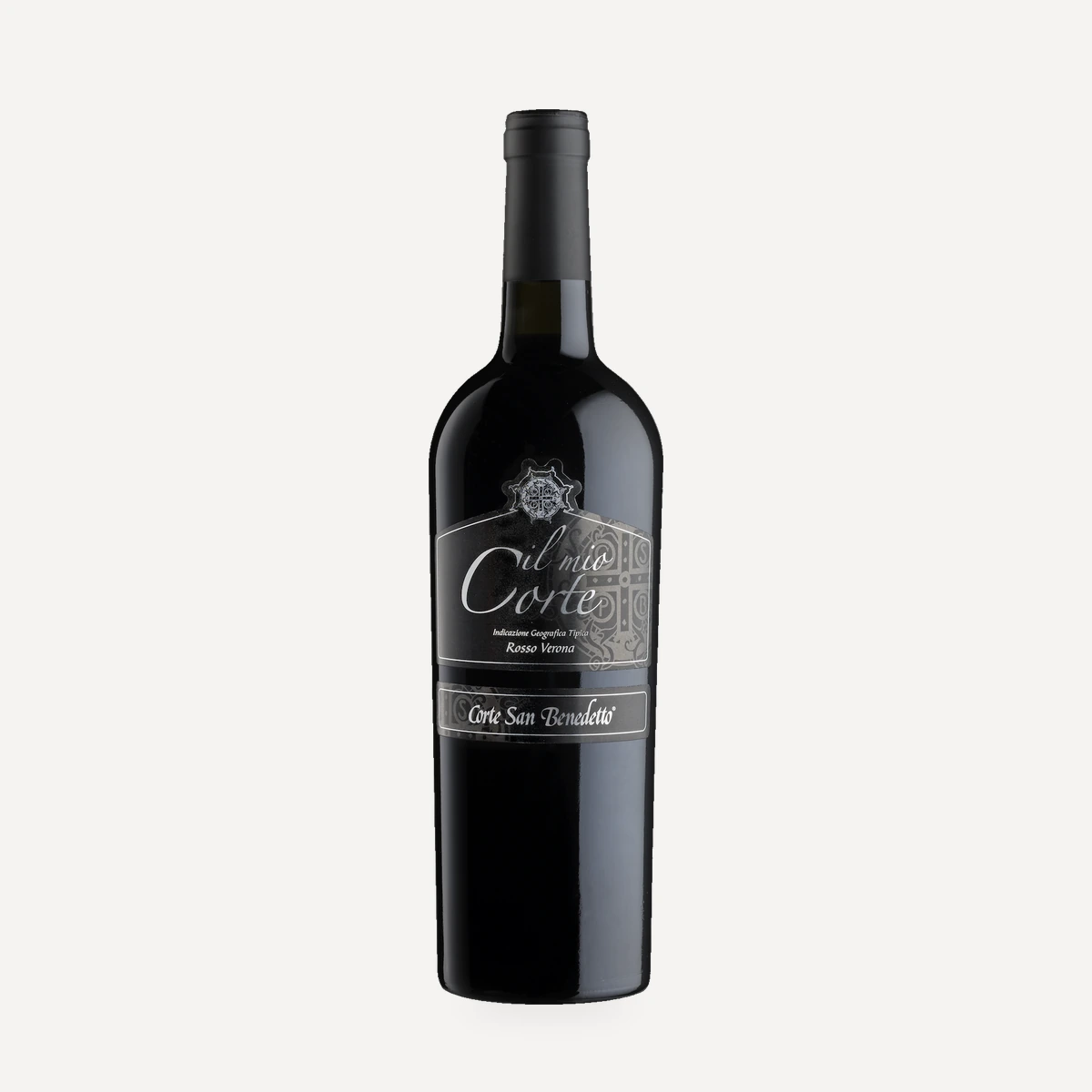
Il Mio Corte IGT Rosso Verona
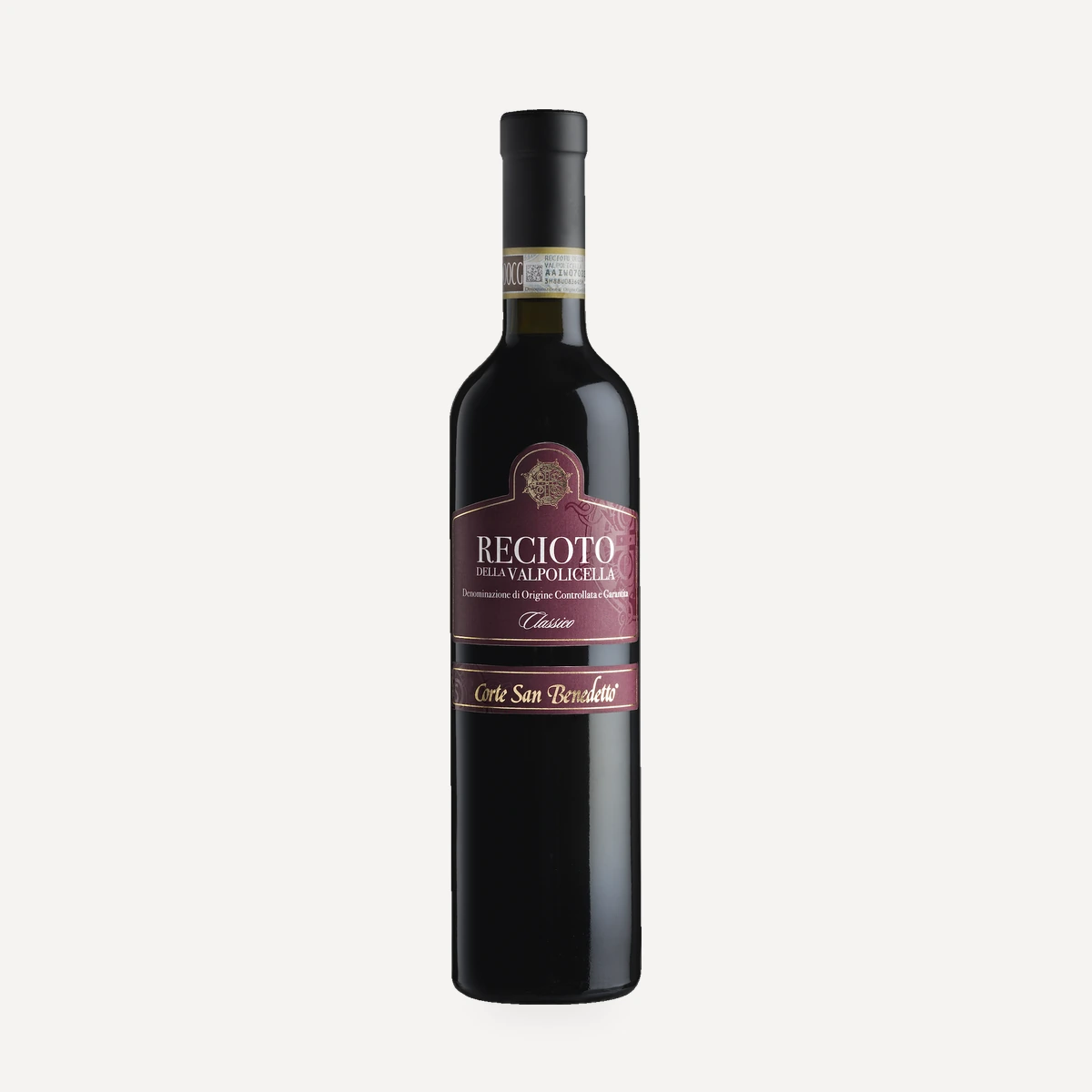
Recioto della Valpolicella Classico DOCG
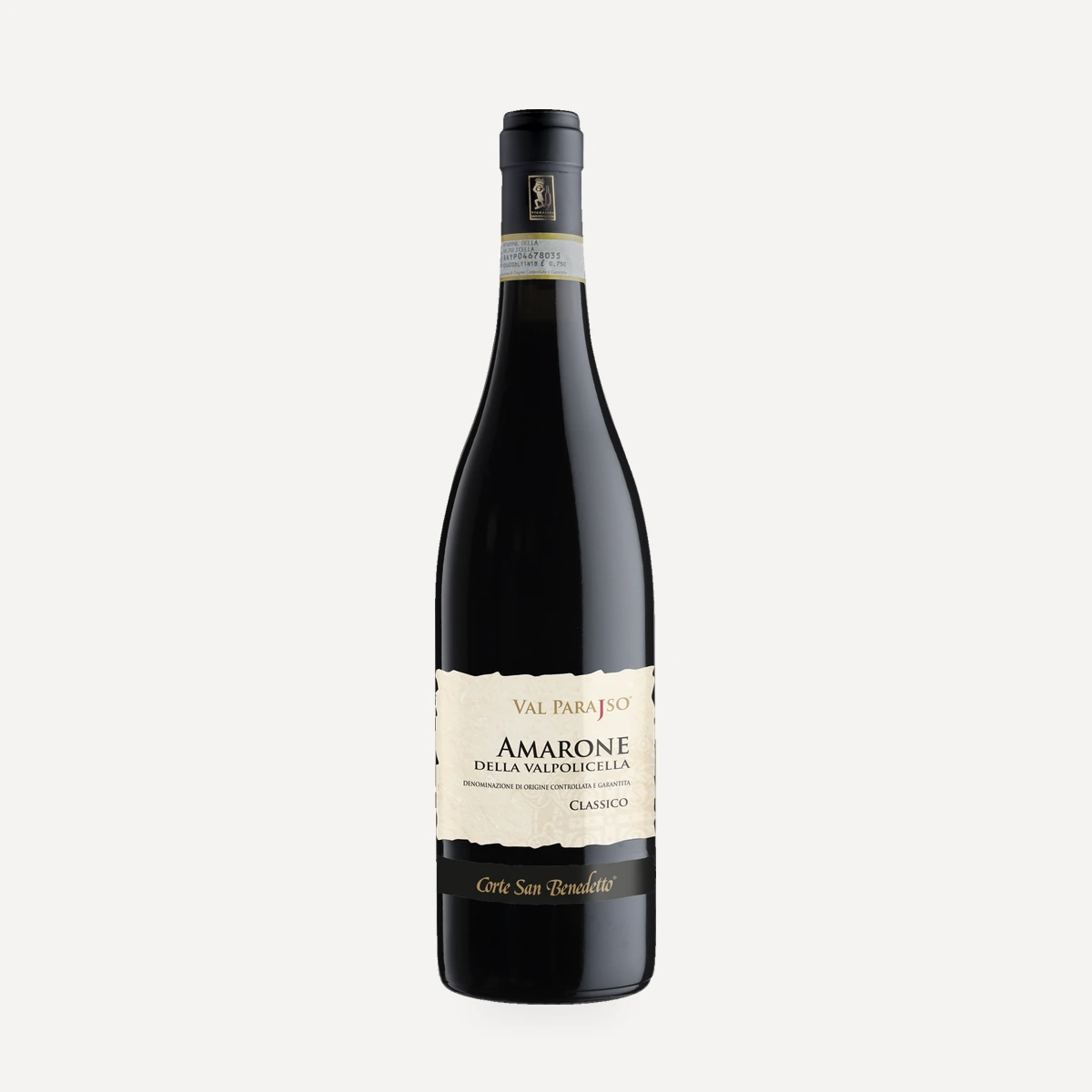
Val Parajso Amarone Classico della Valpolicella
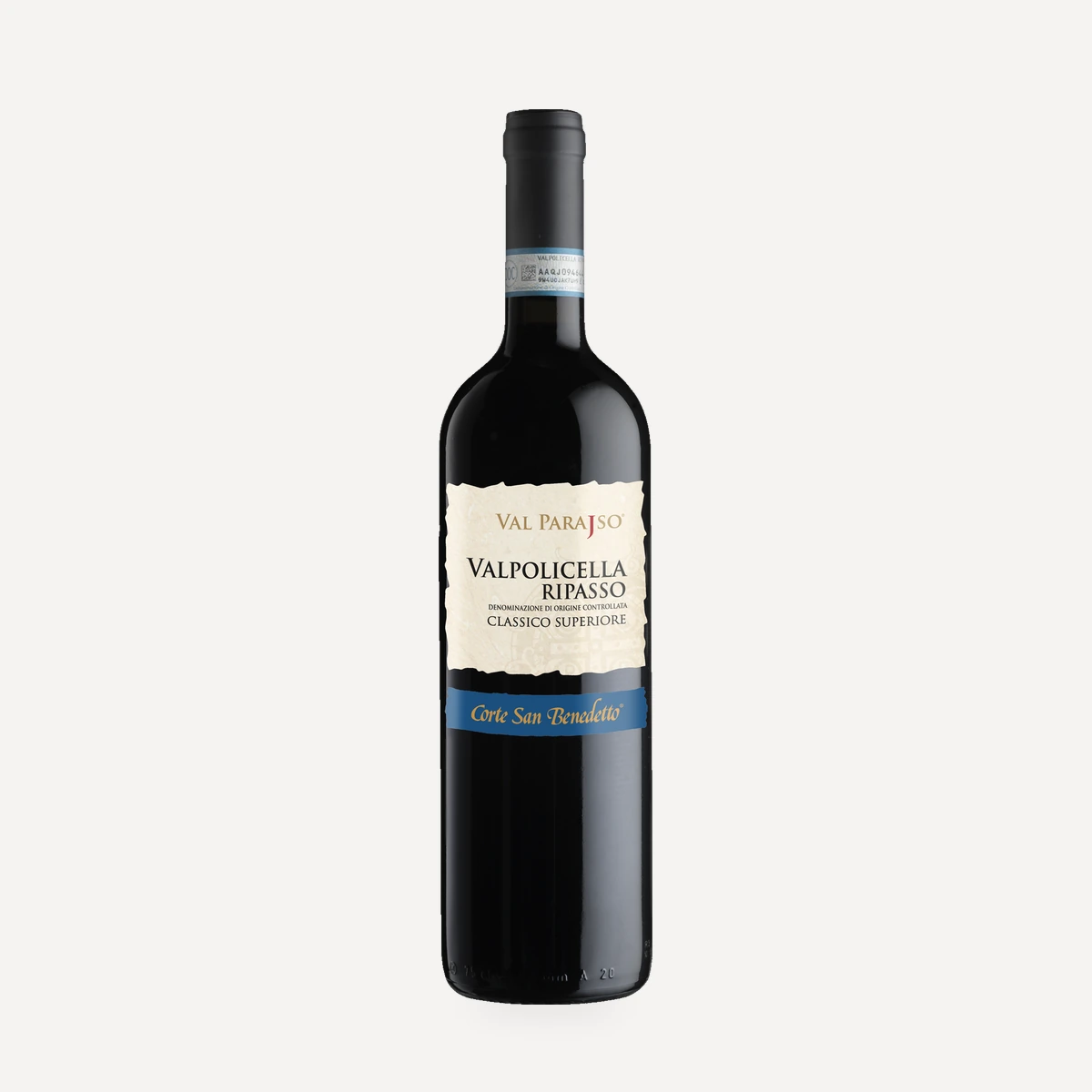
Val Parajso Valpolicella Classico Superiore Ripasso
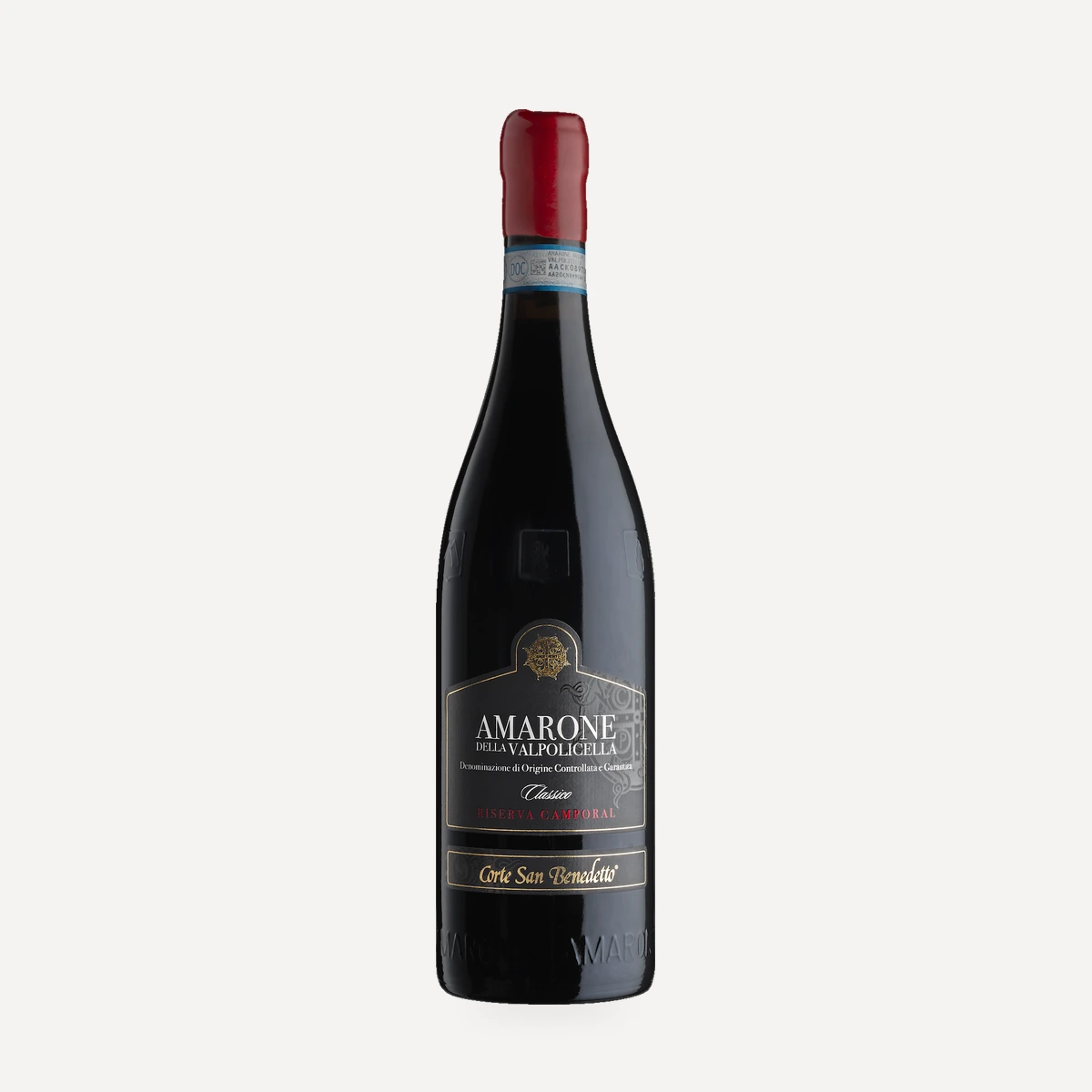
Amarone della Valpolicella Classico DOC Riserva Camporal
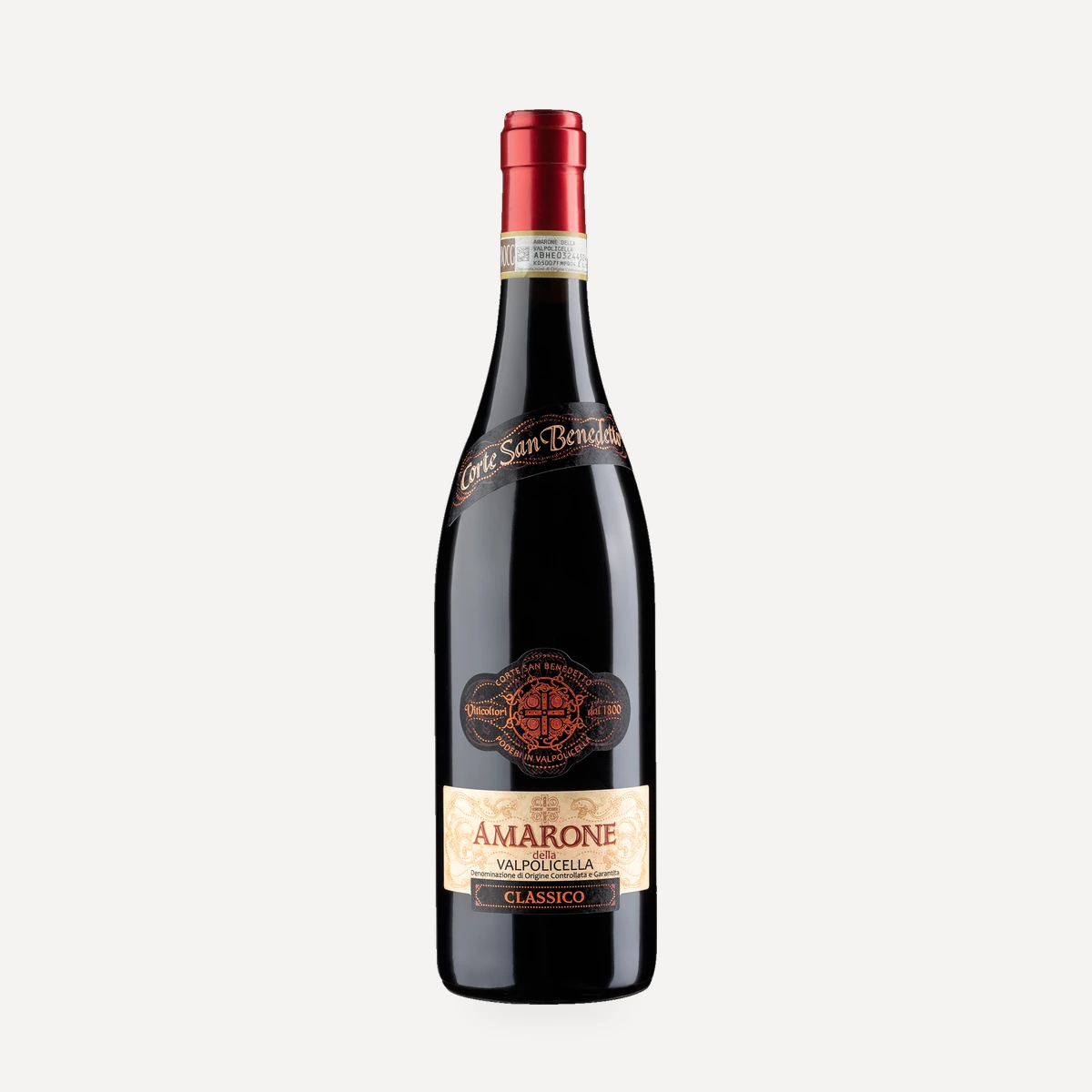
Linea Antica Amarone Classico della Valpolicella