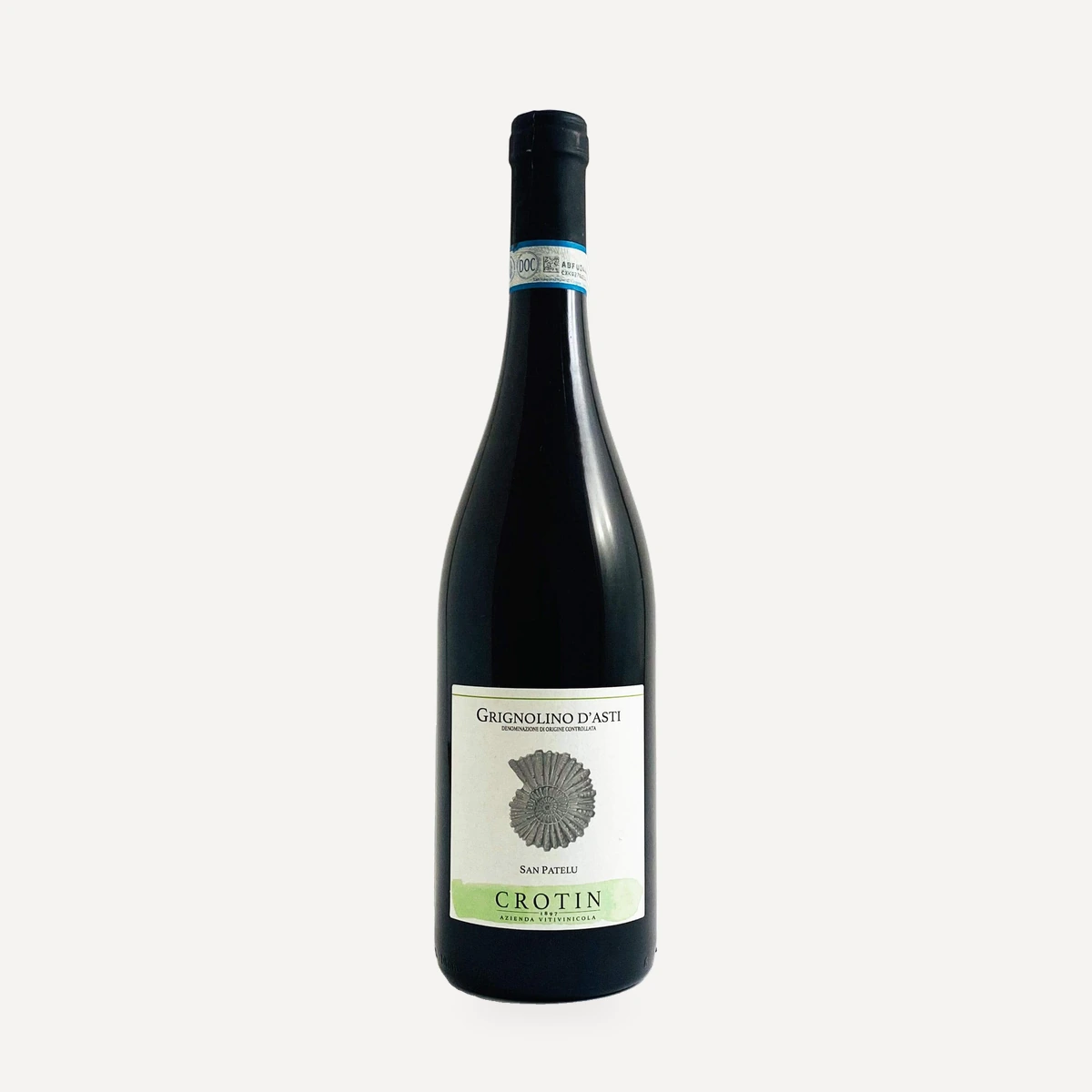
Chi è
Crotin is a winery in Piedmont, Italy.
History, winemaking, wines and news for this producer are being prepared. Meanwhile, visit the official website.
Terroir
Crotin is based at Maretto, a few kilometres from Asti, among the hills of Monferrato. Its vineyard soils are predominantly clay and ancient marine sand and contain fossils dating from the Upper Villafranchian stage of the Pliocene.
The individually described vineyard sources show considerable variation within this general profile. Elevations extend from 260 to 395 metres above sea level, with southern, western and north-eastern exposures. Soil compositions include clay-rich ground, ancient marine sands, silt and tuff, as well as the distinctive reddish-brown sands associated with the Grignolino vineyard.
Vinificazione
The vineyards are cultivated under organic-farming rules. Copper- and sulfur-based products are the only treatments employed; herbicides and chemical fertilizers are excluded. Soil fertility is maintained through green manure and manure from the estate’s sheep.
The vines are trained on vertical trellises and pruned according to the Guyot system. The individually documented vineyards have planting densities of 3,000–4,500 vines per hectare. Manual harvesting into crates is specifically documented for the Cisero and La Martina vineyards.
Freisa, Barbera, Grignolino and Bonarda form part of the established varietal base. These are joined by Albarossa and Bussanello, two seed-crossing varieties developed by Prof. Dalmasso in the 1930s, and by the aromatic Malvasia Moscata, described as a recently rediscovered native variety.
Production is organized around individual-vineyard selections made in limited quantities. Indigenous yeasts and low additions of sulfur dioxide underpin a deliberately low-intervention approach intended to preserve the character of the grapes and allow each wine to develop its own identity.
Filosofia
Crotin’s stated objective is to make territorial wines that express the character of their individual vineyards while reflecting the estate’s own conception of wine. This is pursued through single-vineyard selections, indigenous yeasts, restrained sulfur additions and minimal intervention.
Organic farming is defined as a form of respect founded on knowledge of the tools required to obtain the best possible products naturally. The same principle extends to the agritourism activity, which emphasizes estate and locally produced ingredients.
Vini
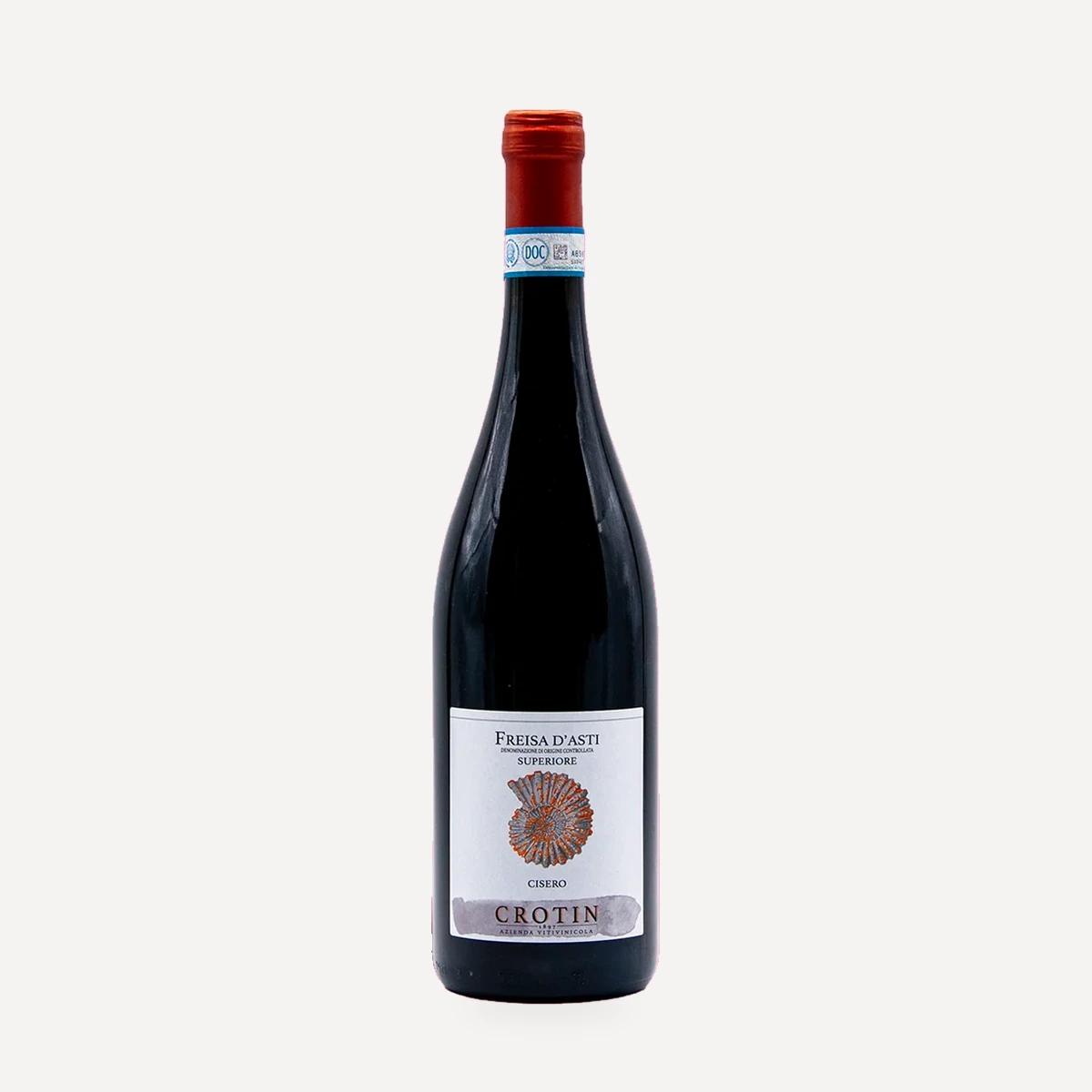
Cisero
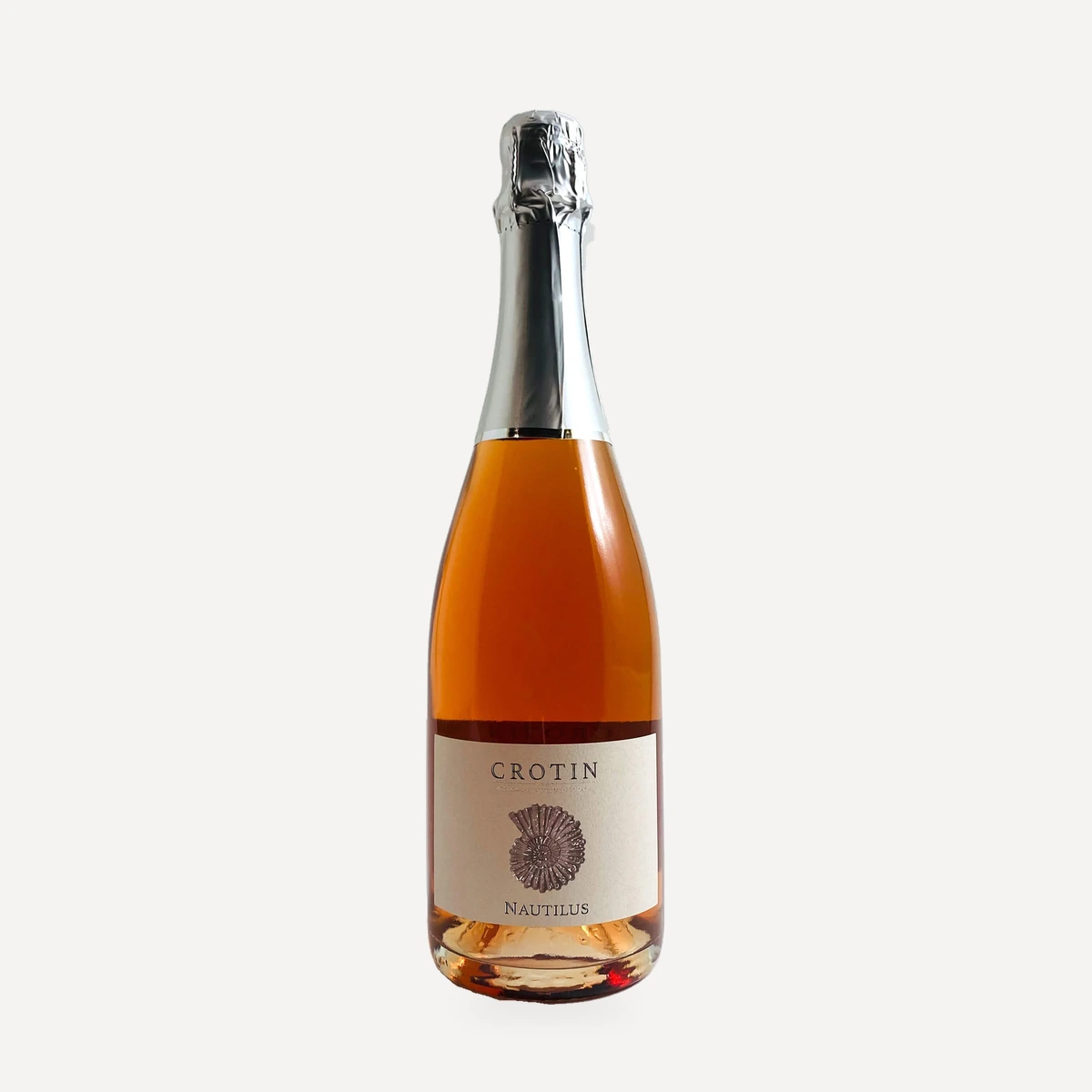
Nautilus
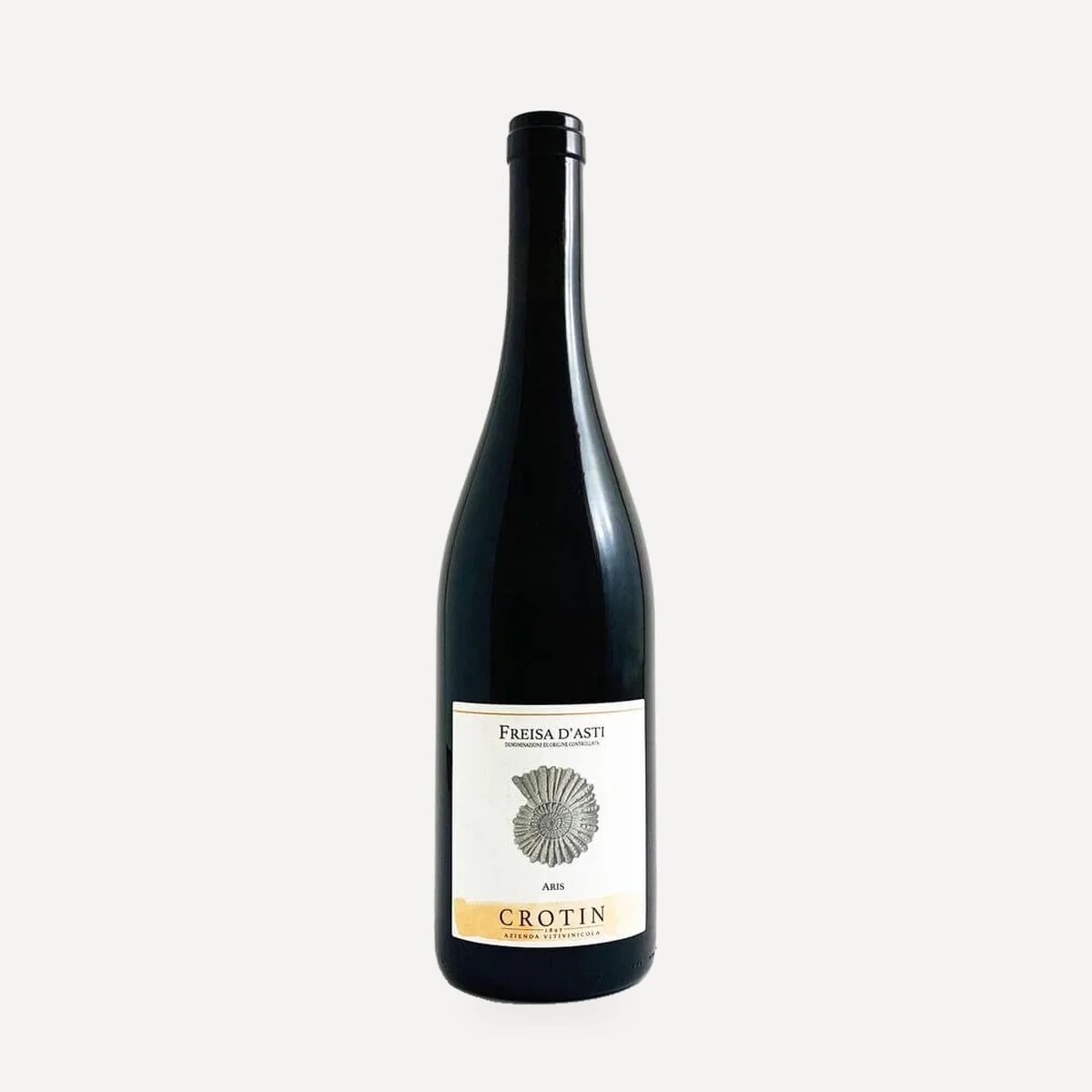
Aris
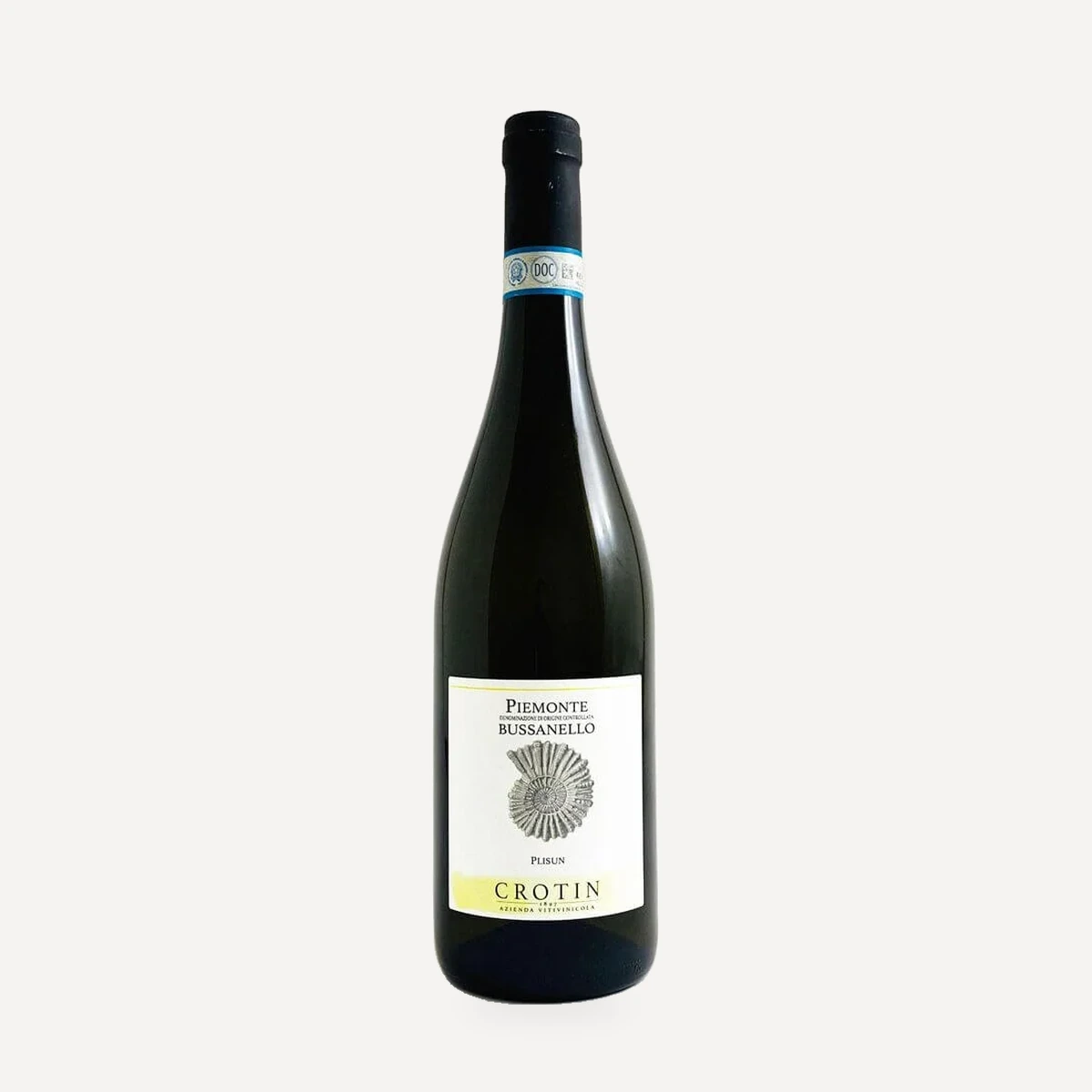
Plisun