Storia
Historical roots at San Carlo
Cusmano’s operational home is Tenuta San Carlo in Partinico. The complex incorporates a nineteenth-century baglio built over a site with a history extending back approximately a millennium. Its Torre San Carlo was created as a defensive and observation tower and gave its name to the surrounding area. The property has been renovated to preserve and emphasize the original body of the baglio and its walled garden while adding contemporary winemaking and office spaces.
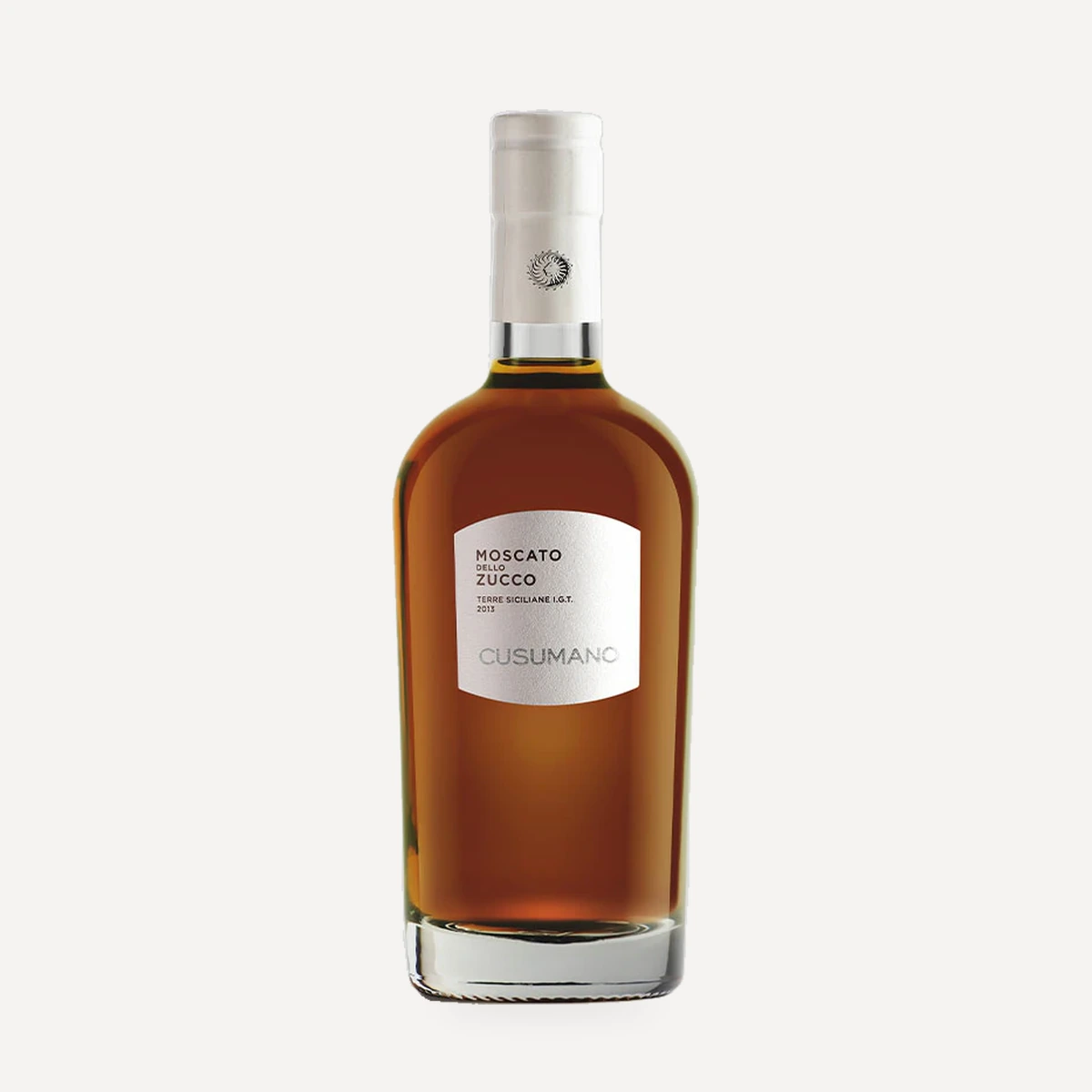
The vineyard beside the winery is associated with Moscato dello Zucco. The tradition of this sweet Moscato dates to the mid-nineteenth century, when Henri d’Orléans, Duke of Aumale, made it in the territory between Partinico and Terrasini. Cusmano later recovered the neglected variety and revived the wine in limited quantities.
The estate project
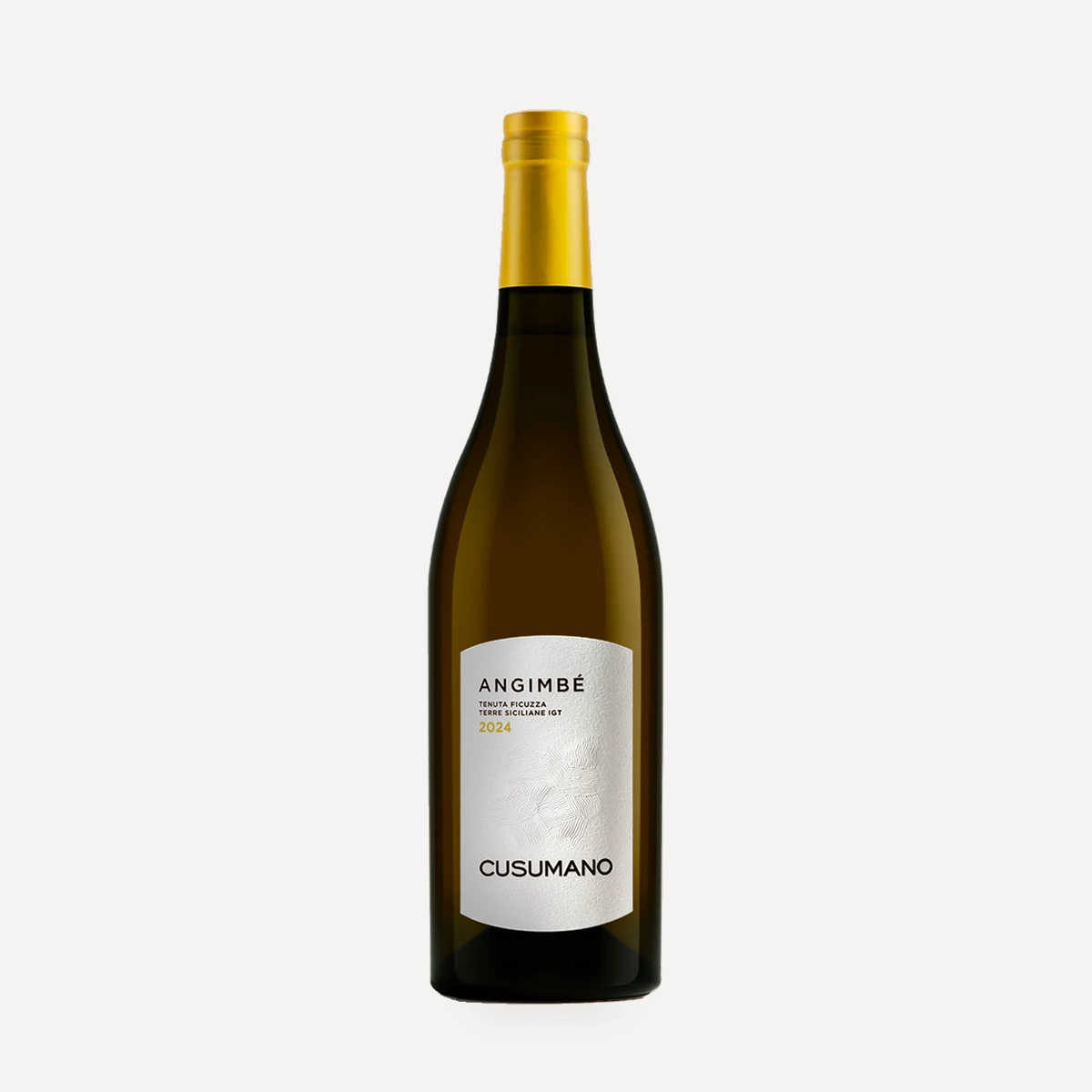
Tenuta Ficuzza, at Piana degli Albanesi, was the first estate in Cusmano’s newer territorial project. The property became the starting point for an approach based on selecting sharply differentiated Sicilian environments and matching varieties to each place. Parts of the Ficuzza property were deliberately retained as woodland and Mediterranean scrub, leaving the vineyards arranged as a mosaic within the surrounding vegetation.
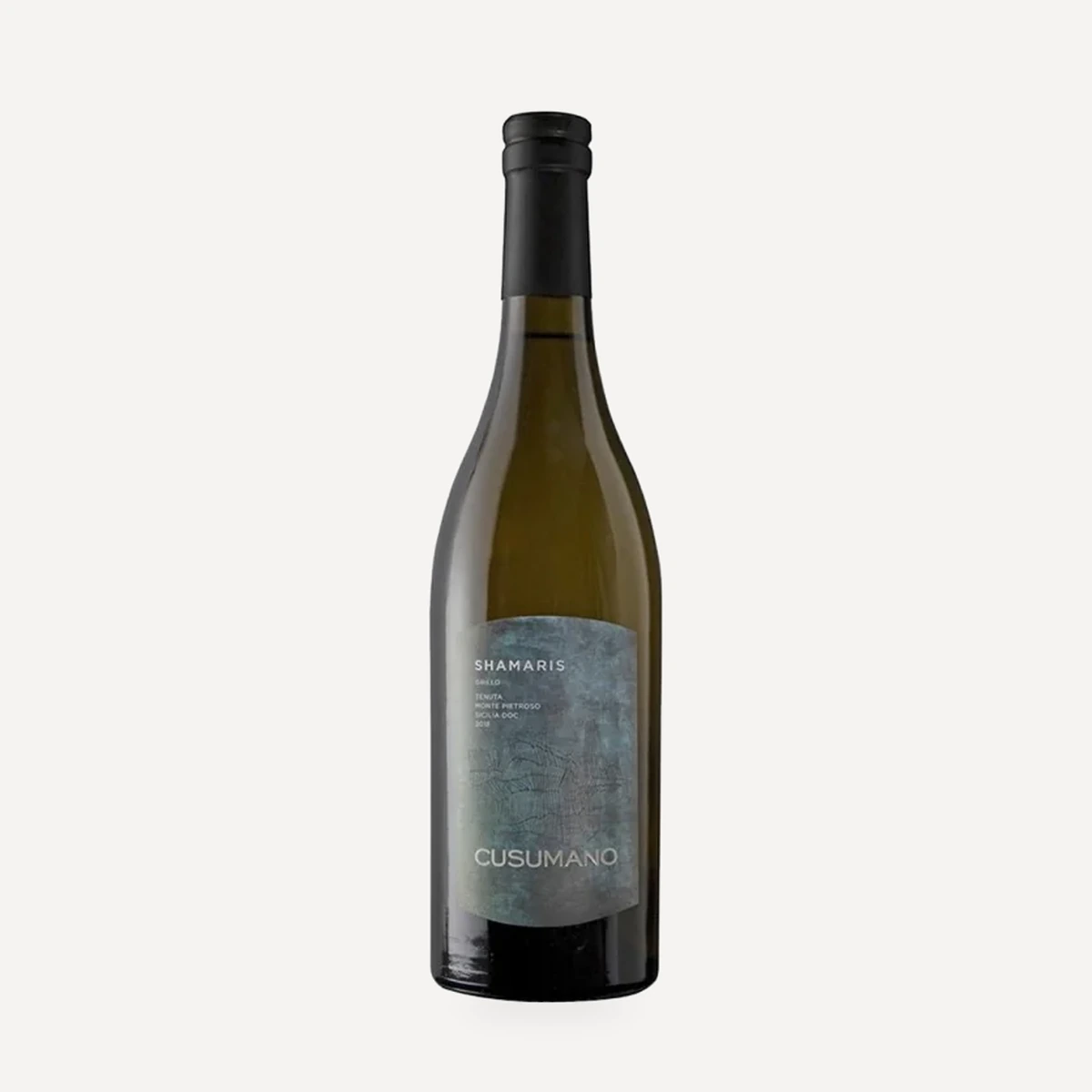
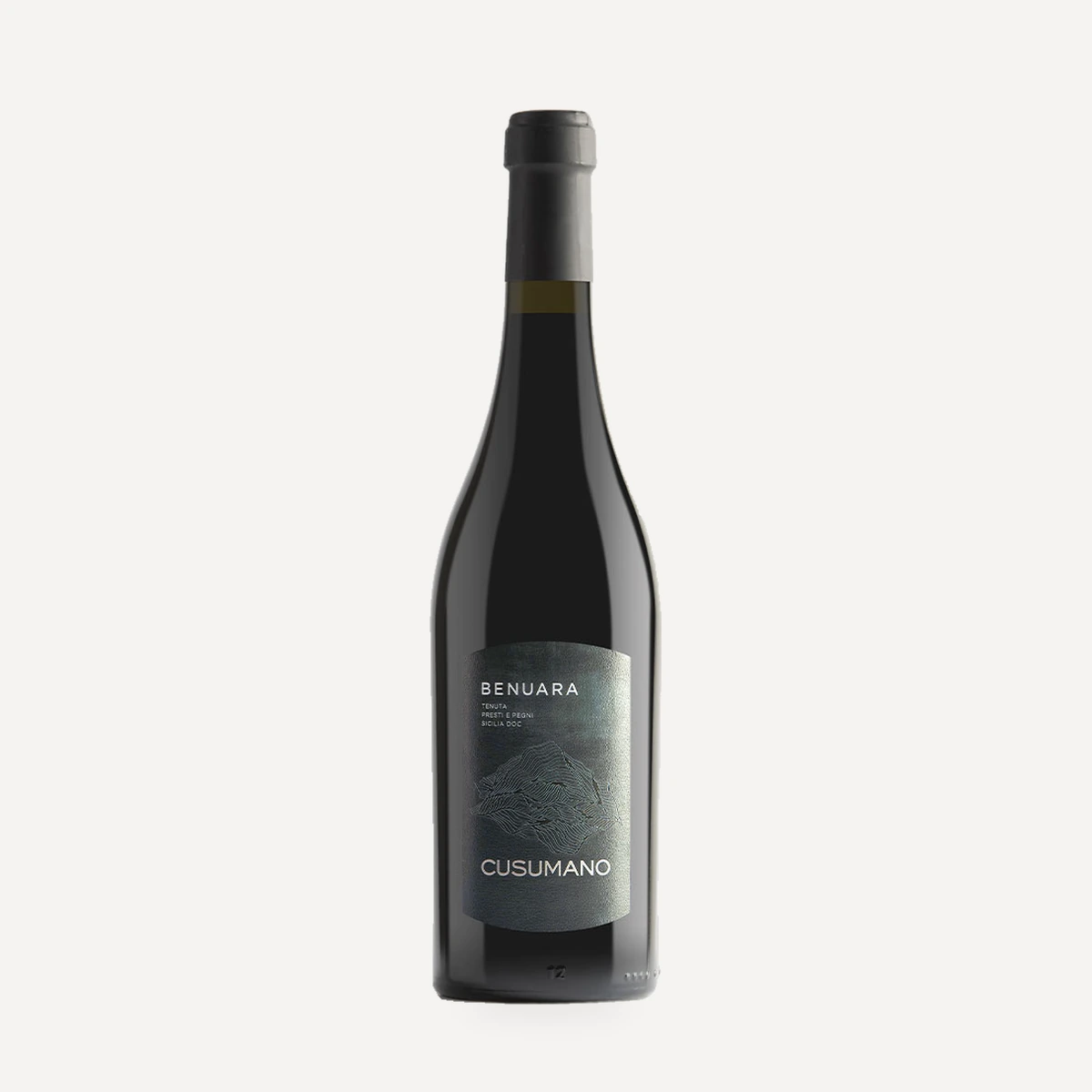
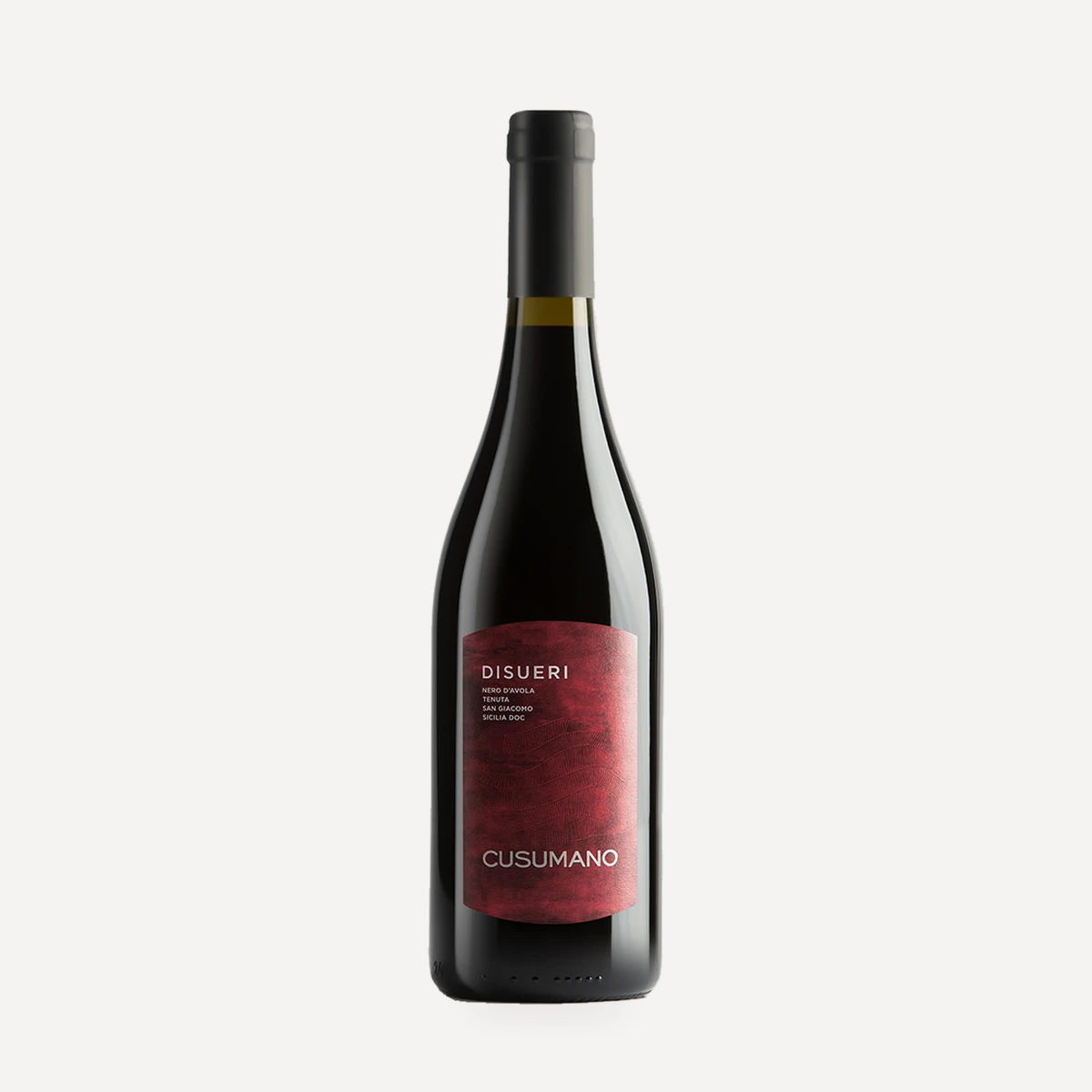
The project subsequently encompassed Tenuta San Giacomo at Butera, Tenuta Presti e Pegni and Tenuta Monte Pietroso at Monreale, and Tenuta San Carlo at Partinico. Each estate was assigned a distinct viticultural purpose: mountain white varieties and Pinot Nero at Ficuzza; Nero d’Avola on the pale calcareous soils of San Giacomo; Nero d’Avola and international red varieties at Presti e Pegni; and Grillo in the cool, north-wind-influenced hills of Monte Pietroso.
The search for the Monte Pietroso site was prolonged and deliberate. Cusmano sought a place where Grillo could be cultivated consistently with its emphasis on freshness, salinity, elegance and ageing potential. The selected vineyards lie in the Monte Pietroso and Marchesa areas of Monreale.
Research and new projects
The Salealto project drew inspiration from the Real Casina di Caccia of Ficuzza. In 1800, Ferdinand IV of Bourbon kept wine there that had been made from vineyards around Ficuzza. Cusmano pursued several years of experimentation to imagine a contemporary wine connected with that history. Salealto 2018 became the first result: Insolia, Grillo and Zibibbo were vinified separately and then matured together. It was also the first Cusmano white wine made with yeasts selected through the company’s own research.
By 2021, the territorial exploration led by Alberto and Diego Cusmano extended from the Mediterranean woodland of Ficuzza to the slopes of Mount Etna. In November that year, Cusmano received Corriere della Sera’s Best Italian Winemaker of the Year recognition, associated with its winemaking, communication and attention to sustainability.
In 2022, Cusmano developed Lightland – Sicily Land of Light with cinematographer Vittorio Storaro and a team of young directors. The project contrasted the black vineyards of Alta Mora with the white soils of Tenuta San Giacomo and explored the role of Sicilian light. It culminated in a Milan presentation and a Christie’s charity auction benefiting the Istituto di Ricerche Farmacologiche Mario Negri.
In February 2024, Cusmano presented a redesigned Monovarietals range intended to express individual Sicilian varieties through distinct colours and aromas. In June 2024, it served as Official Wine Partner of the Taobuk – Taormina Book Festival.
Terroir
Cusmano works through five Sicilian estates selected for markedly different elevations, soils, exposures and maritime influences.
Tenuta Ficuzza
Tenuta Ficuzza lies at Piana degli Albanesi, in the hills at and above 700 metres. Vineyards are interspersed with retained woodland and Mediterranean scrub, forming a mosaic within the property. The estate is protected by Rocca Busambra, which reaches 1,613 metres, and sits within an environment of forests, ponds, reservoirs, marshes and streams. The surrounding reserve supports peregrine falcons, red kites, Egyptian vultures, golden eagles, fallow deer, wild boar, foxes, wild rabbits and freshwater turtles.
Tenuta San Giacomo
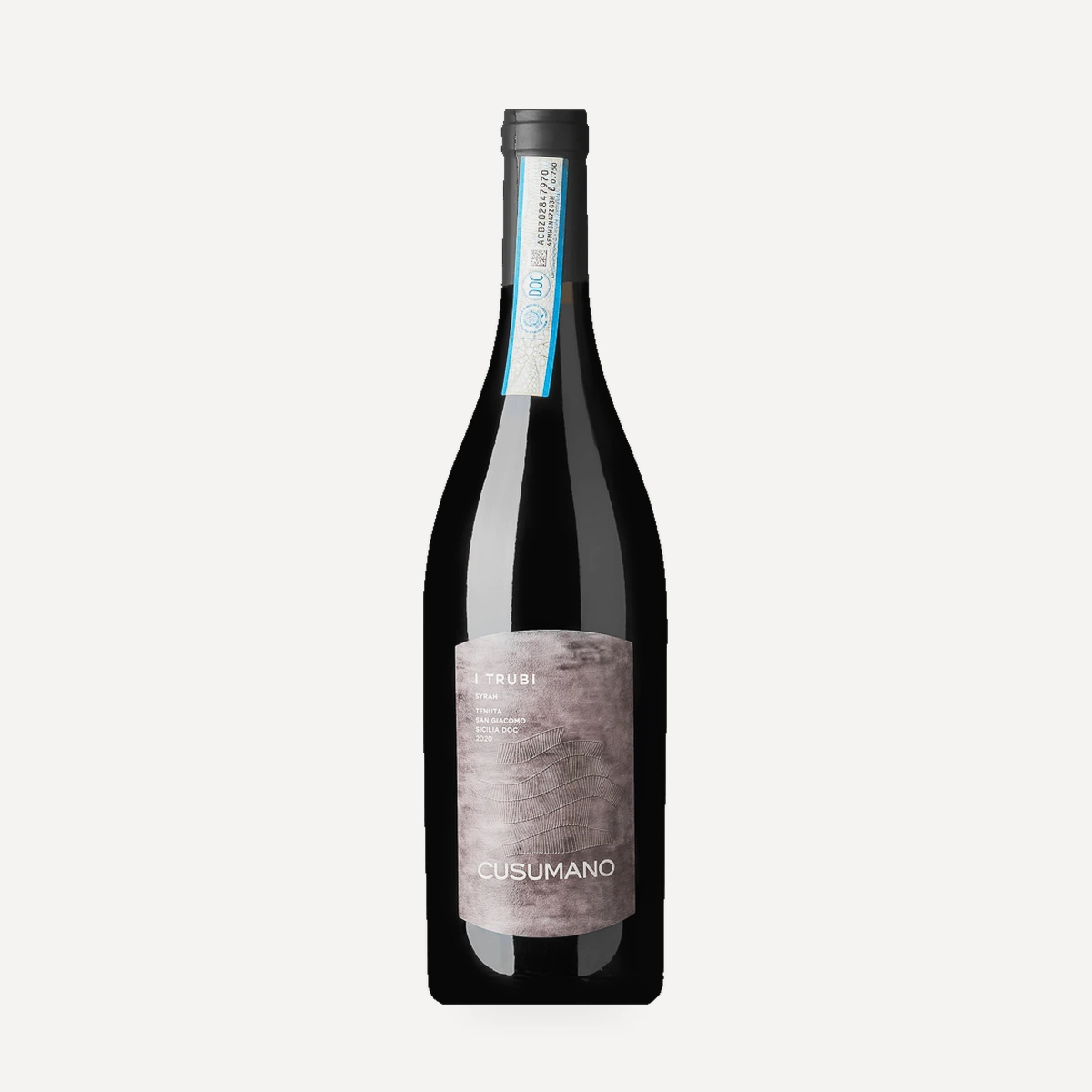
Tenuta San Giacomo lies at Butera at approximately 400 metres. Its highly reflective pale soil is calcareous and rich in white trubi, the area’s characteristic calcareous-clayey rock. Strong light is reflected upward from the soil as well as arriving from the sky. The hilly position creates a pronounced day–night temperature range that helps preserve grape acidity. The sea is approximately 10 kilometres away; although not visible, its influence is carried inland by the breeze. These conditions support balanced ripening, particularly for Nero d’Avola.
Tenuta Presti e Pegni
Tenuta Presti e Pegni occupies hills at Monreale at approximately 300 metres. Its vineyards receive sun from dawn until dusk, while sea breezes arriving from roughly 10 kilometres away disperse heat and freshen the site. The warm microclimate and soil composition support old Nero d’Avola vines as well as Merlot, Cabernet Sauvignon and especially Syrah.
Tenuta Monte Pietroso
Tenuta Monte Pietroso comprises vineyards in the Monte Pietroso and Marchesa areas of Monreale at approximately 400 metres. It is locally associated with the name Tramontana, reflecting the cool north wind that brings maritime air. Sandy soils and the nearby sea favor Grillo with freshness, salinity, elegance and ageing potential.
Tenuta San Carlo
Tenuta San Carlo is at Partinico and contains the principal winery, historic baglio, Torre San Carlo and a vineyard beside the production complex. That vineyard is used for the revived Moscato dello Zucco project.
Vinificazione
Cusmano works exclusively with grapes from its own vineyards and assigns varieties to estates according to elevation, soil, microclimate and maritime influence.
At Tenuta Ficuzza, woodland and native Mediterranean scrub were retained across part of the property instead of being cleared, integrating vines into a mosaic of cultivated and uncultivated land. At Tenuta San Giacomo, Nero d’Avola is espalier-trained and harvested manually into crates during September. Manual harvesting into crates is also used for estate wines whose technical information describes vineyard practice.
The company holds SOStain and VIVA sustainability certifications. Its published certification marks cover the Cusmano wines, while certification dates and the detailed vineyard protocols are not specified.
All grapes from the separate estates are transported during harvest to Tenuta San Carlo in Partinico, where Cusmano makes and ages its wines. No purchased grapes are used. The production complex combines the renovated nineteenth-century baglio and walled garden with modern winemaking and office areas.
Production is organized around the identity and requirements of individual vineyards. The available general examples include temperature-controlled fermentation of free-run must for white wines, preservation of acidity for wines intended for extended ageing, separate vinification before blending in the Salealto project, and bottle fermentation for the mountain sparkling wine from Ficuzza. Salealto also marked the first Cusmano white-wine project made with yeasts selected through the company’s own research.
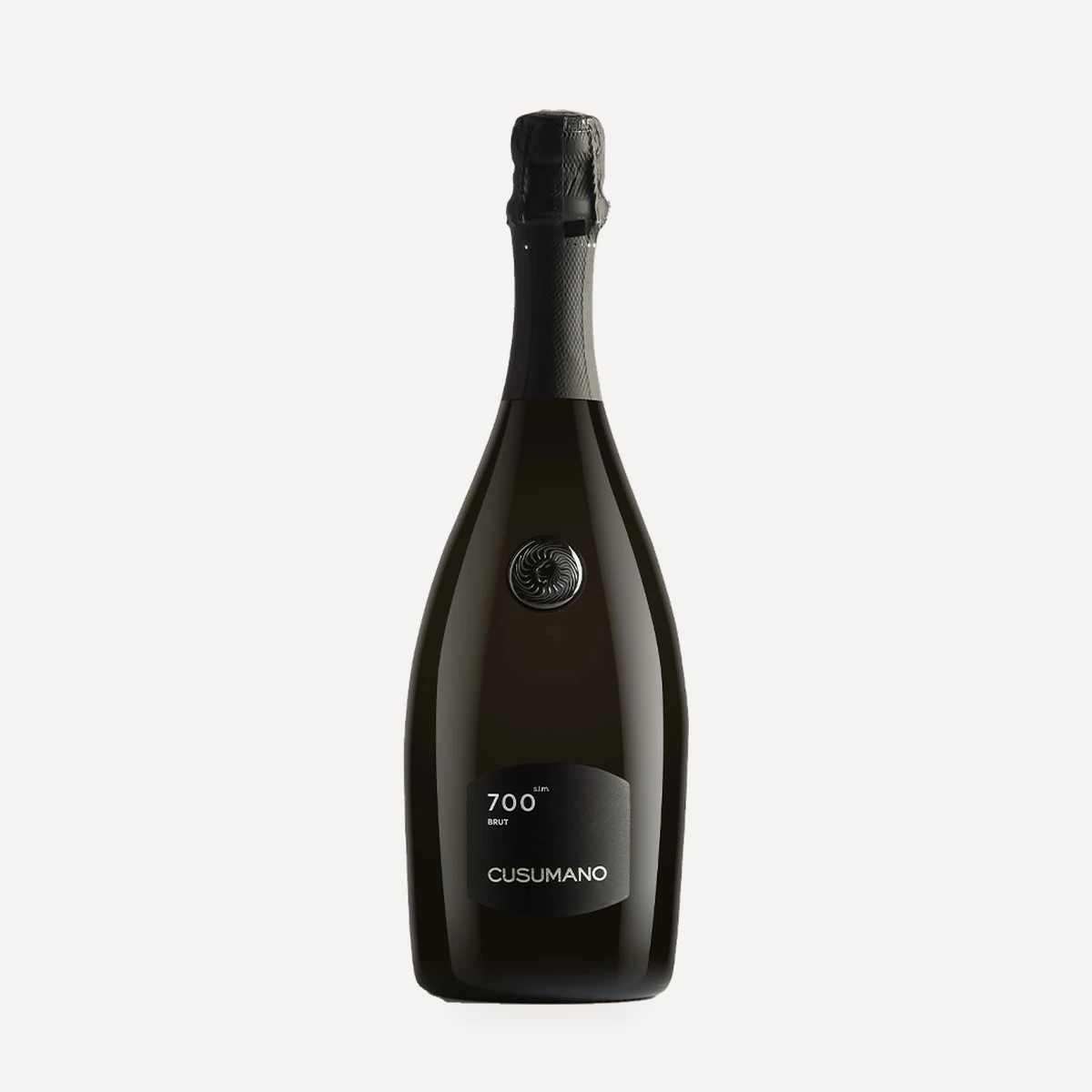
For the traditional-method sparkling wine from Ficuzza, Pinot Nero and Chardonnay are pressed and fermented with attention to retaining acidity. After approximately five months, secondary fermentation begins in bottle, followed by 36 months on the lees.
Maturation vessels, maceration regimes and ageing periods vary by individual wine rather than forming one universal cellar recipe. The central principle is to give each vineyard the time and treatment its fruit requires.
Filosofia
Cusmano’s approach is organized around diversity of place. Rather than treating Sicily as a single homogeneous environment, the company works with mountain vineyards, sun-exposed inland hills, calcareous white soils and sandy sites influenced by maritime winds. Varieties are matched to these conditions: Pinot Nero and mountain whites at Ficuzza, Nero d’Avola at San Giacomo, Syrah and other international red varieties at Presti e Pegni, and Grillo at Monte Pietroso.
The long search for Monte Pietroso exemplifies this method: the objective was not simply to plant Grillo, but to find a site capable of expressing the freshness, salinity, elegance and ageing potential sought for the variety. At Ficuzza, preserving woods and Mediterranean scrub reflects the same belief that viticulture should remain connected to the larger landscape.
The company presents its work as a continuing journey rather than a completed formula. Each vineyard receives the time it requires, while historical references—from the Bourbon-era wine of Ficuzza to Moscato dello Zucco—are revisited through contemporary research and production. Modern cellar spaces, controlled winemaking and yeast research therefore coexist with historic buildings, recovered varieties and site-specific traditions.
Environmental responsibility is expressed through SOStain and VIVA certification, retained natural vegetation at Ficuzza and an emphasis on estate-controlled fruit.
Vini
700slm Brut Metodo Classico
Fosnuri
I Trubi
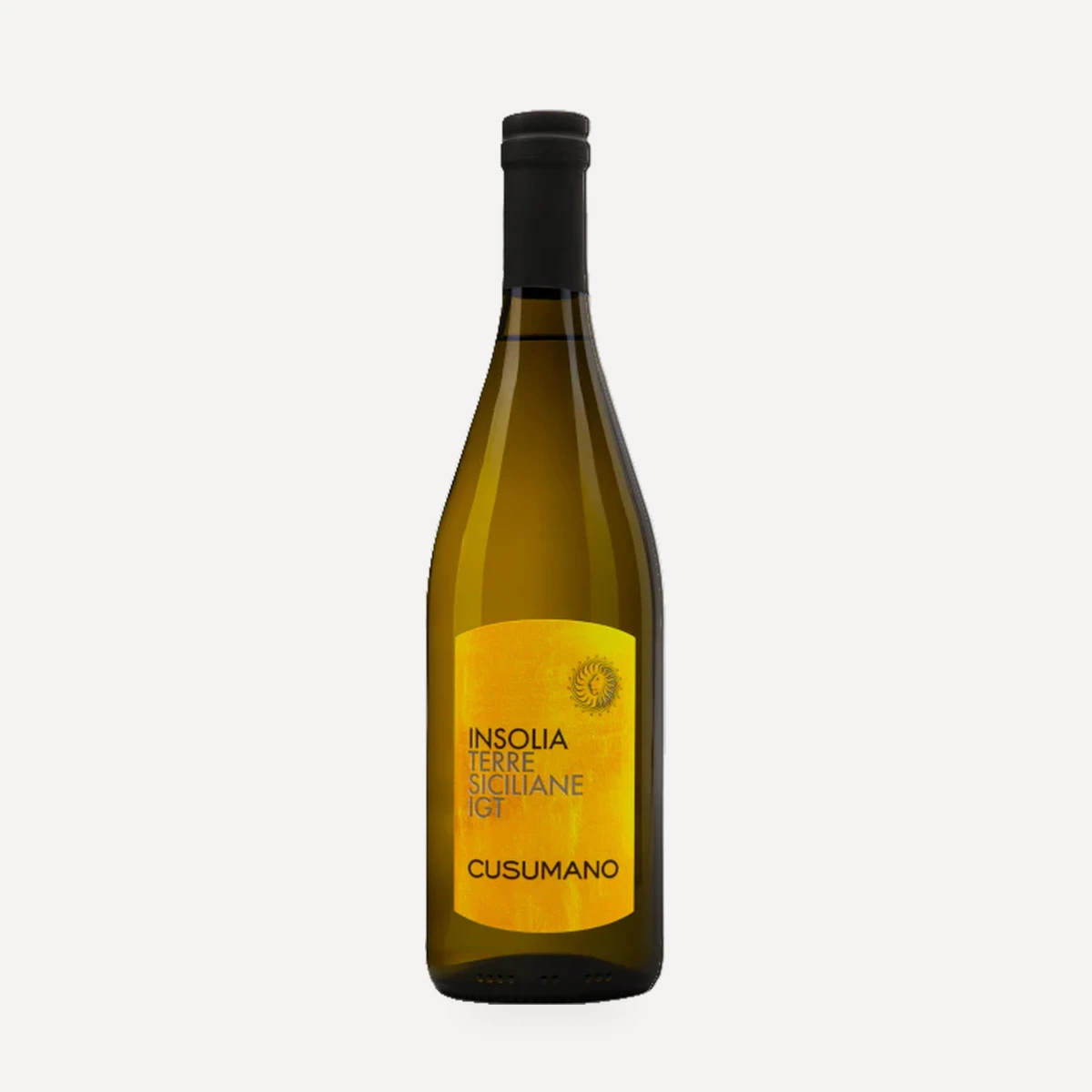
Insolia
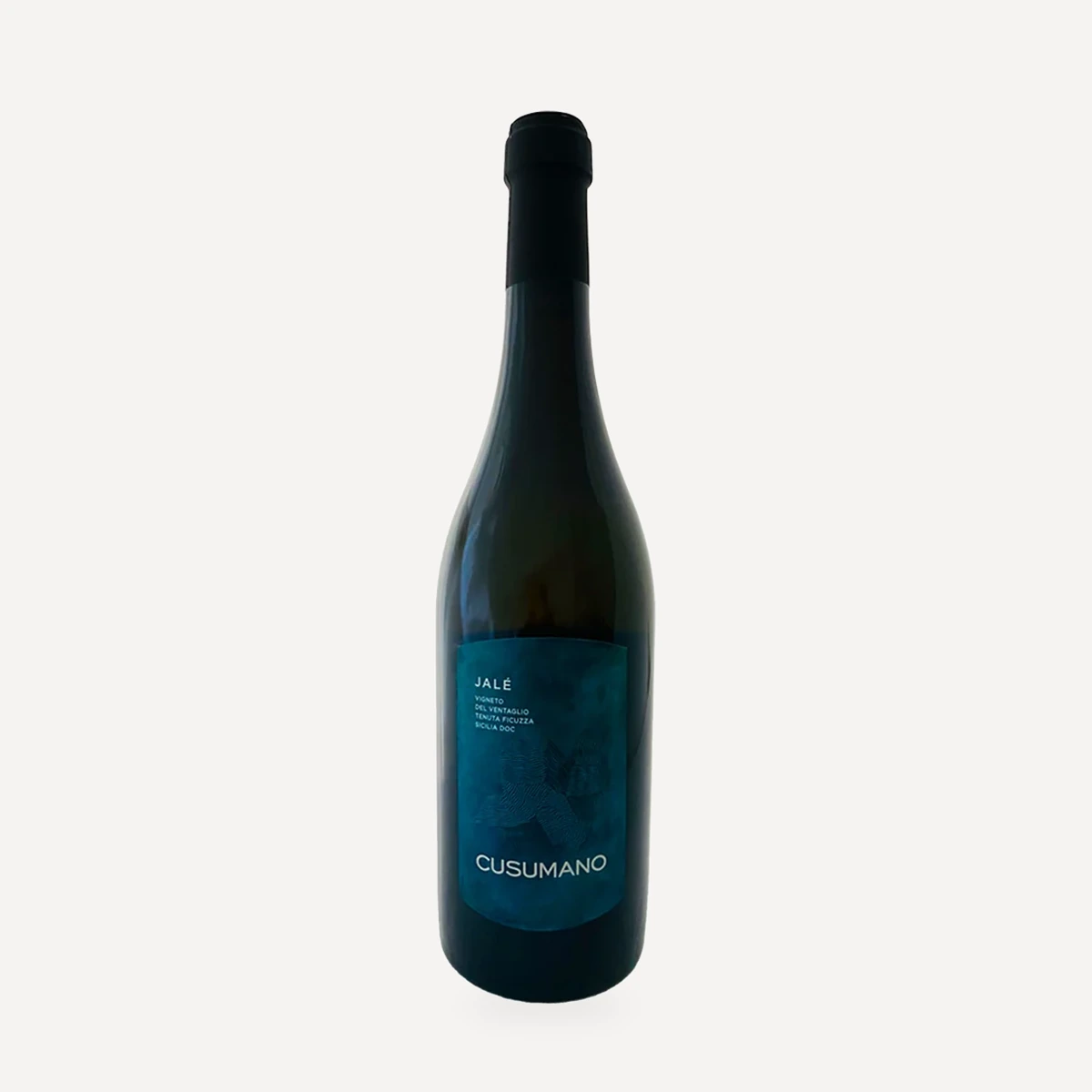
Jalé
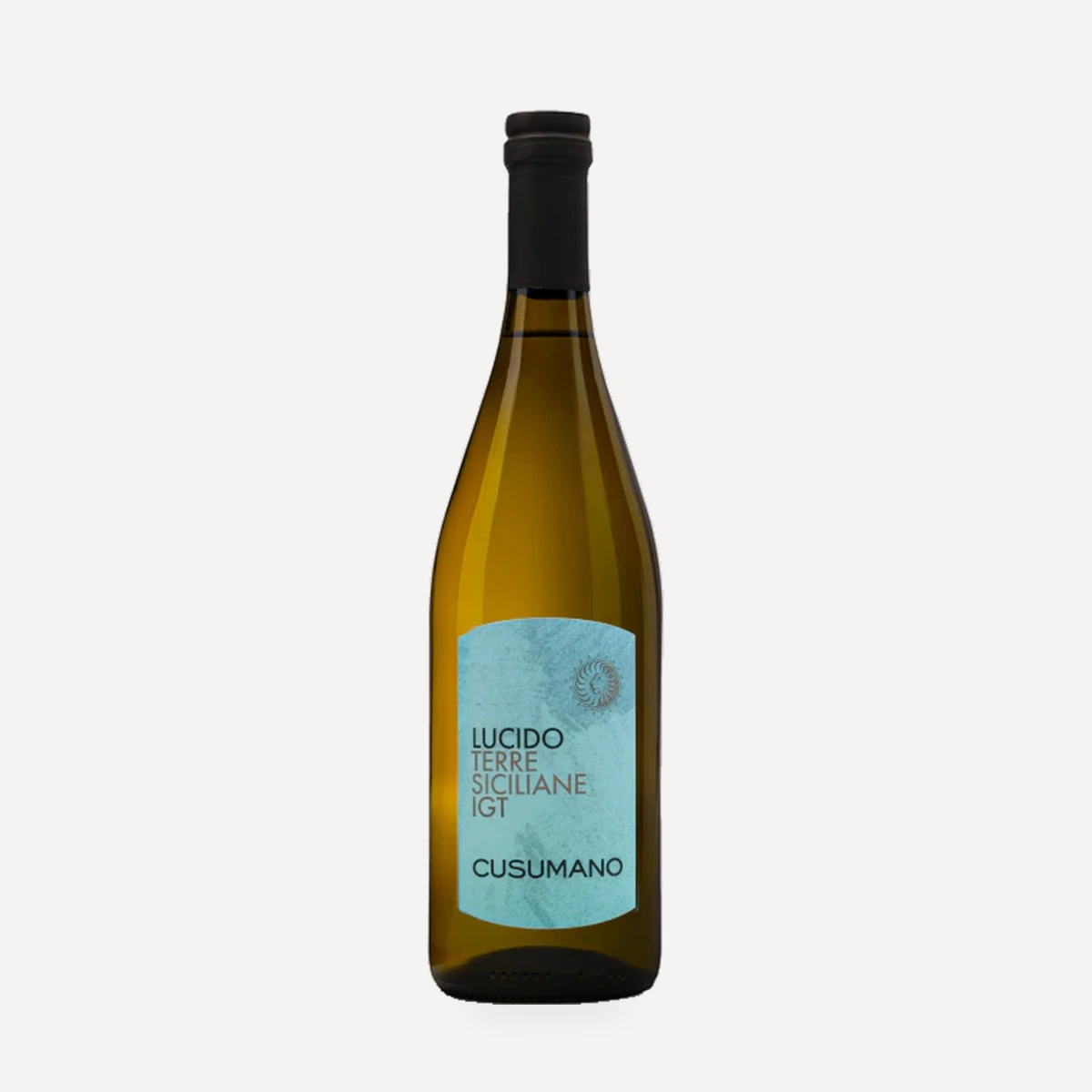
Lucido
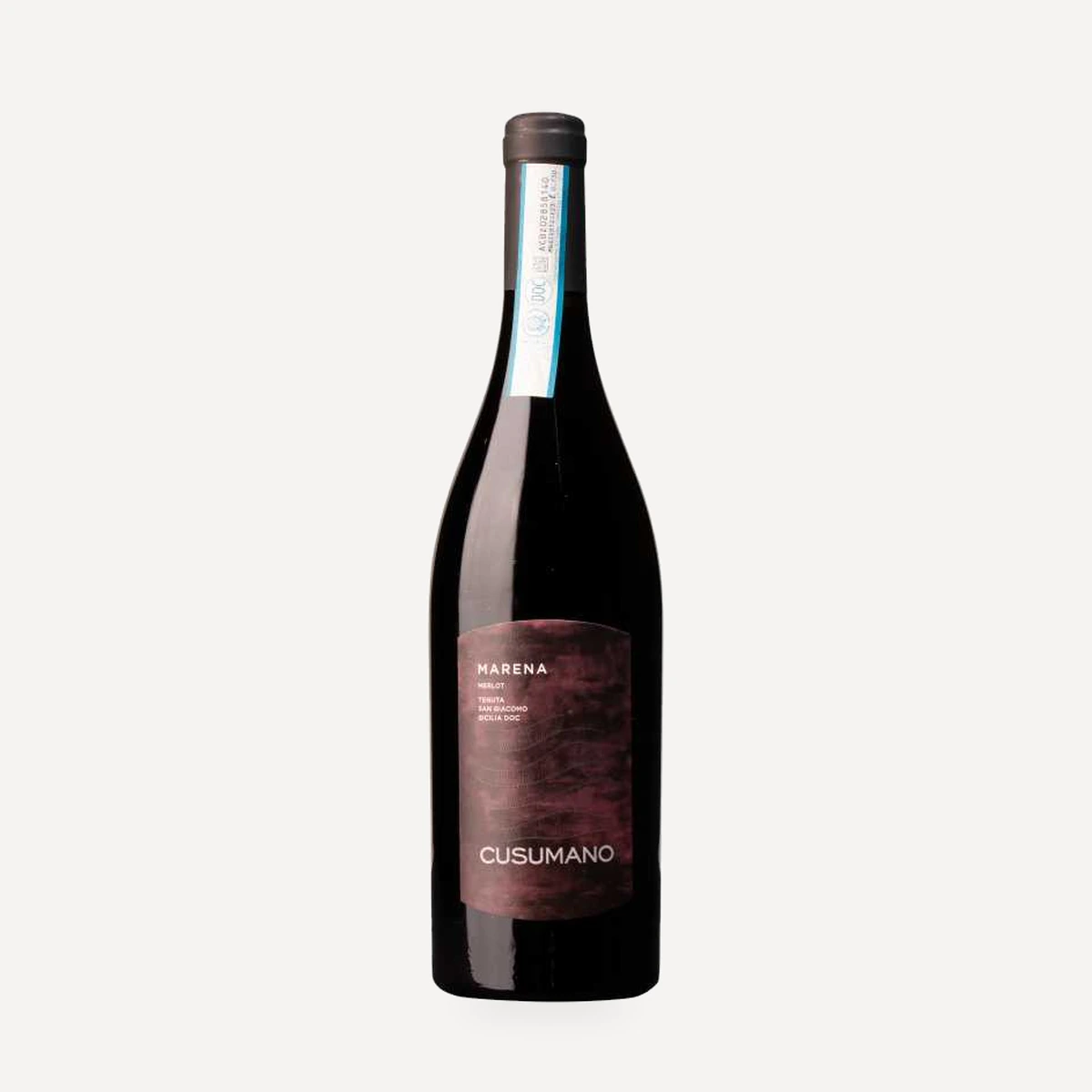
Marena
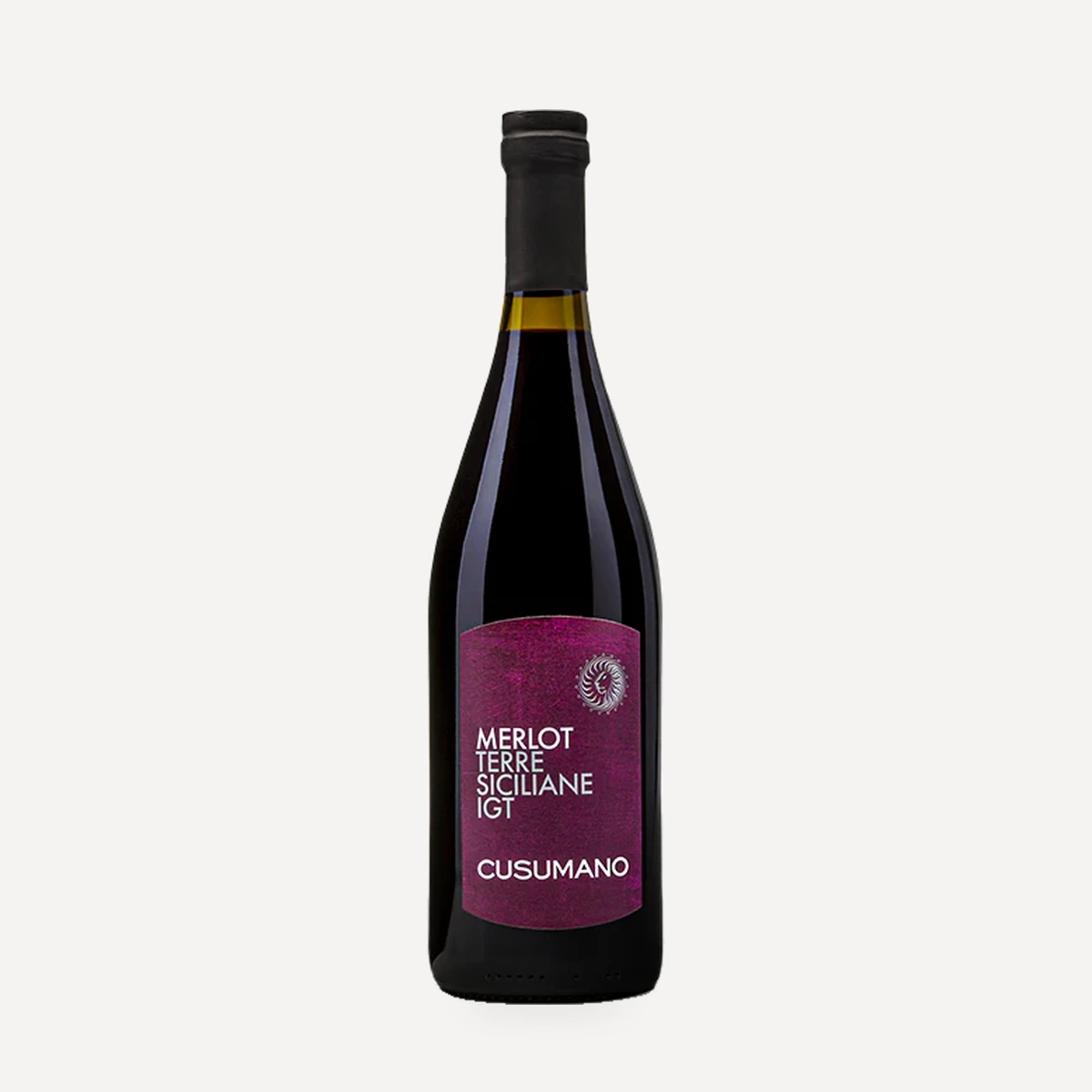
Merlot
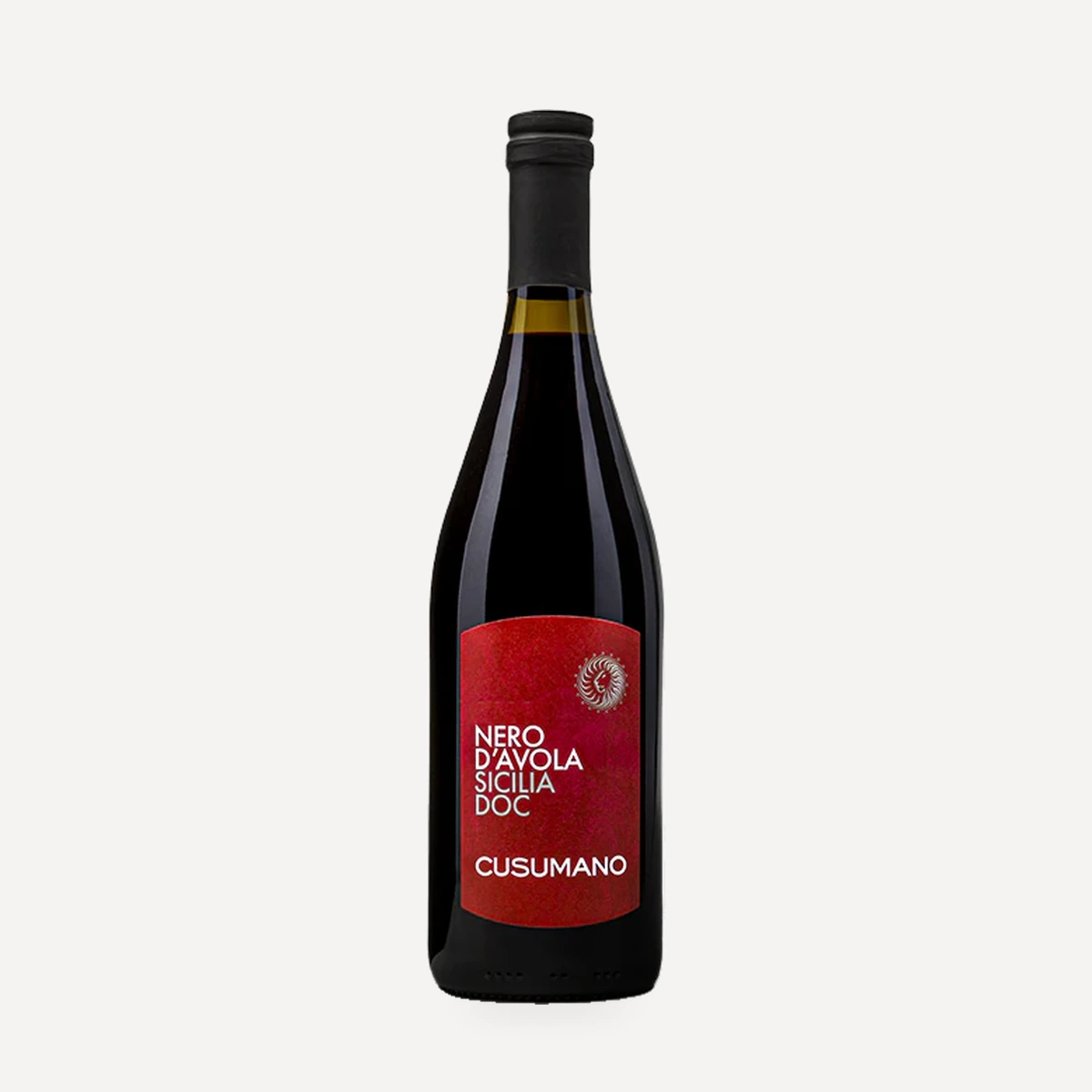
Nero d'Avola
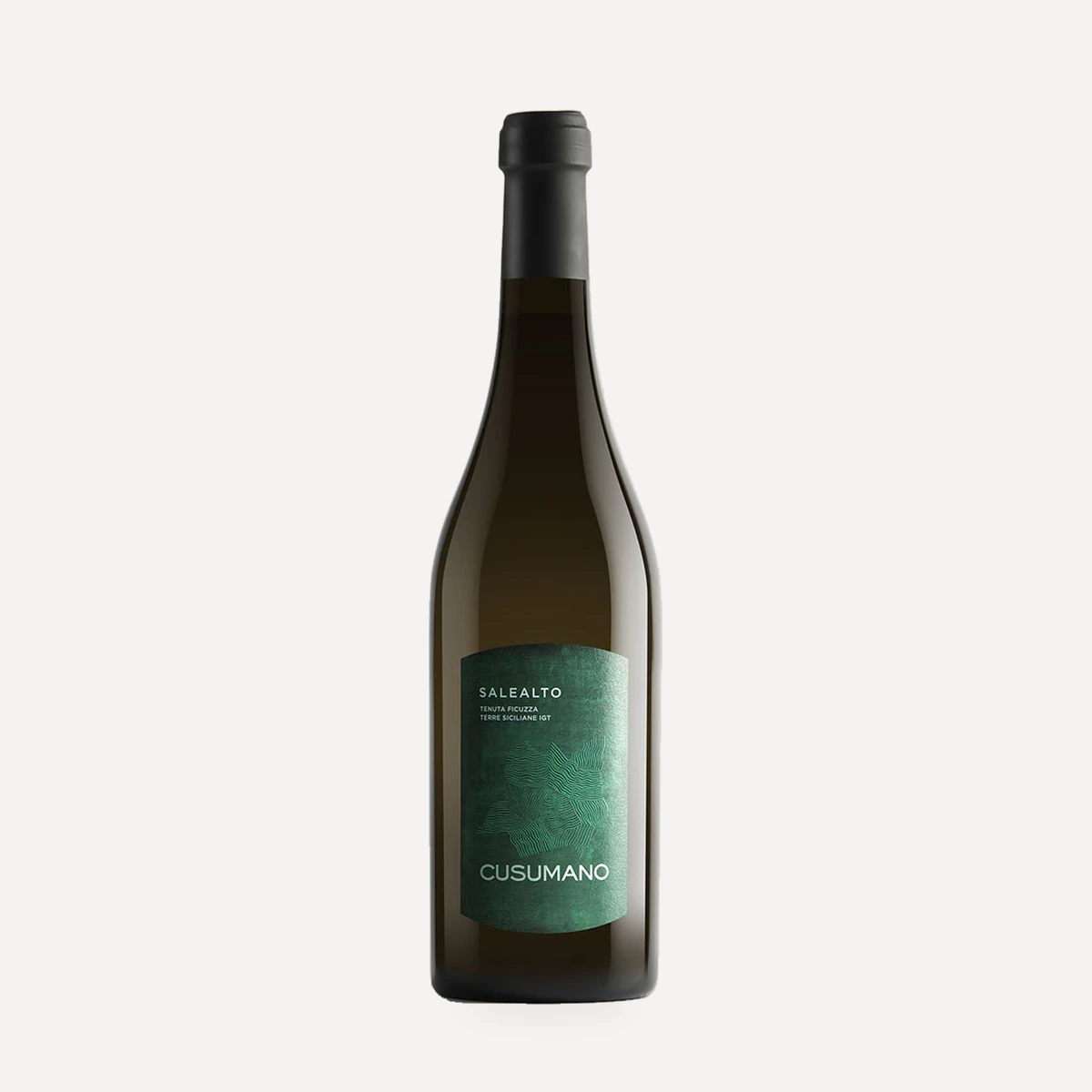
Salealto
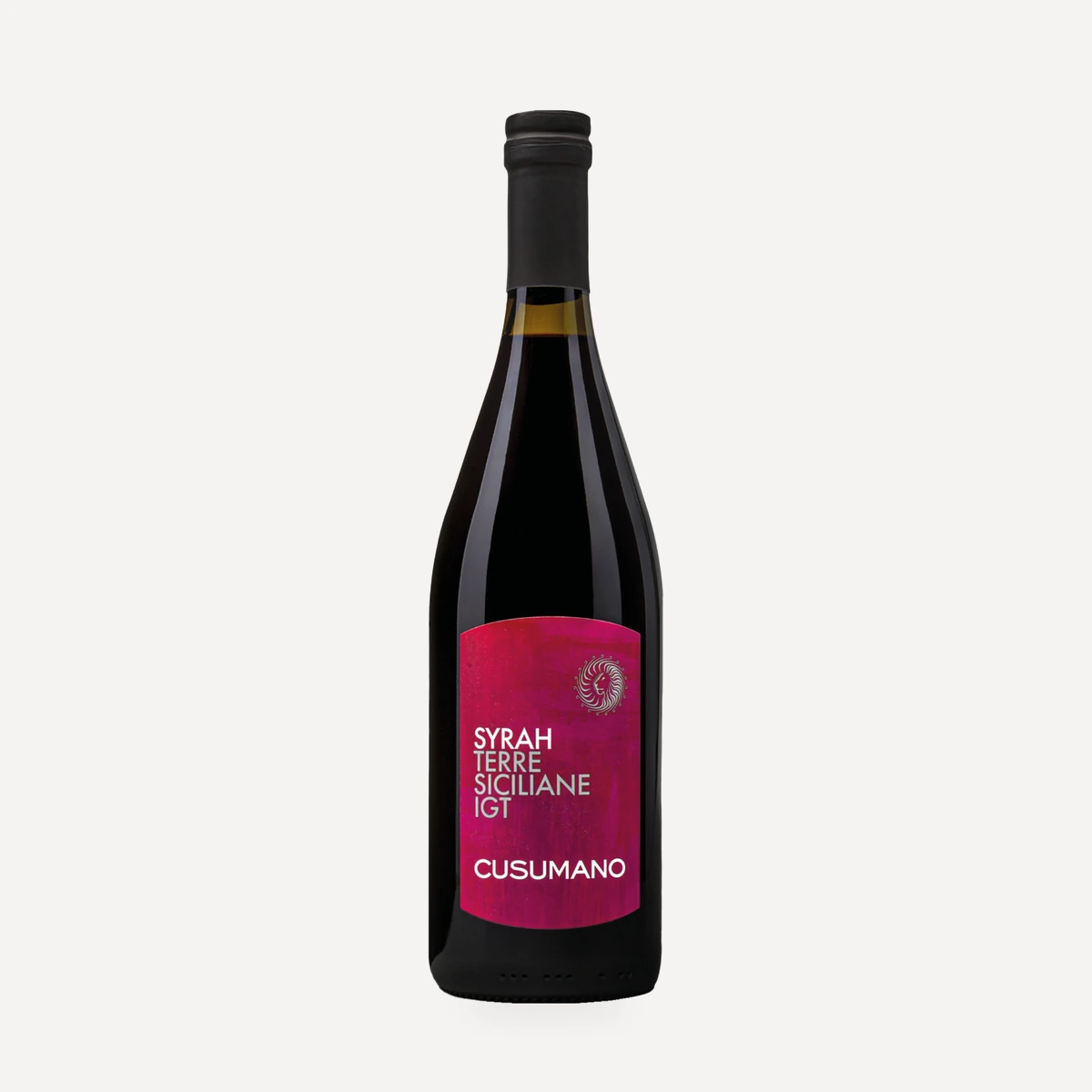
Syrah
Angimbé
Benuara
Disueri
Moscato dello Zucco
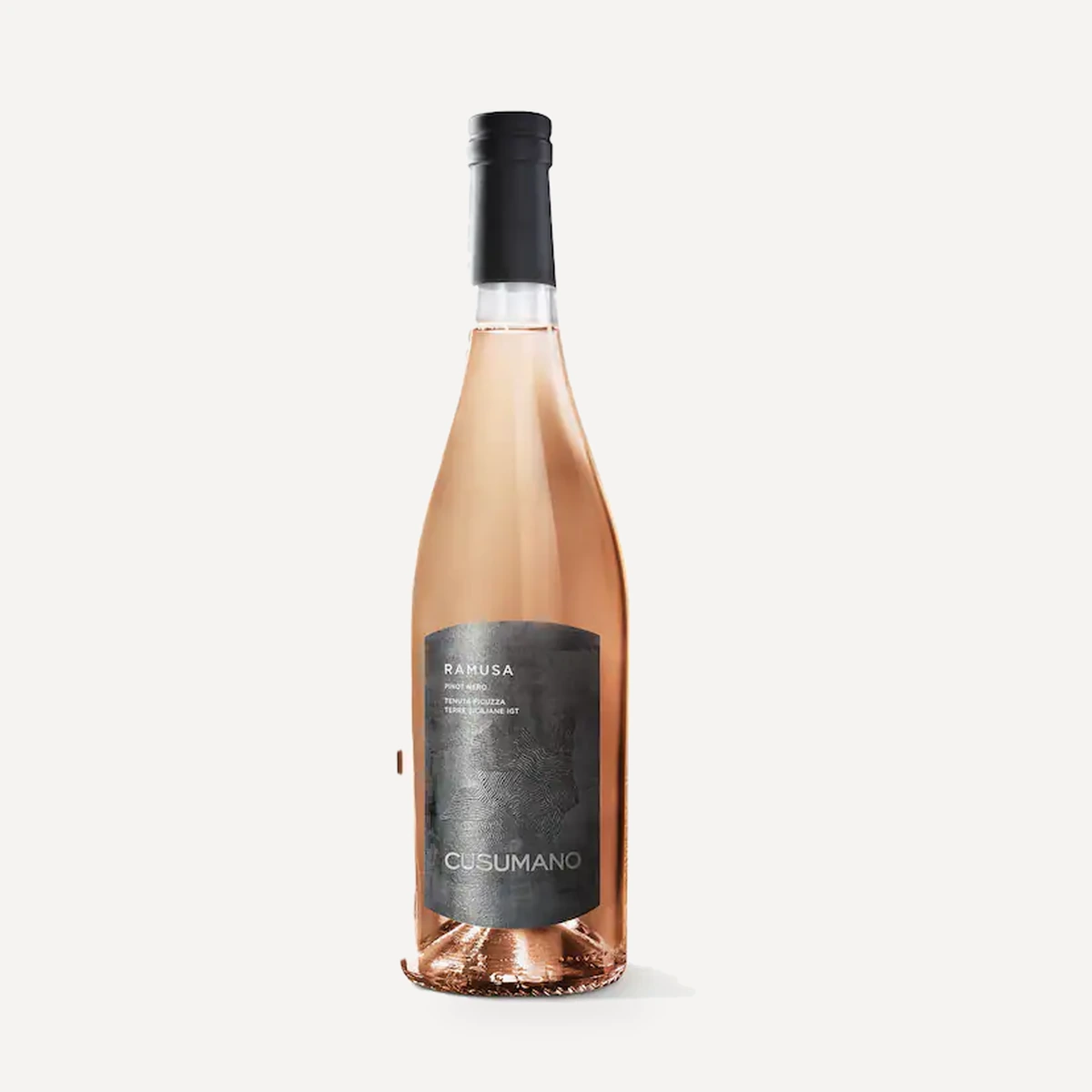
Ramusa