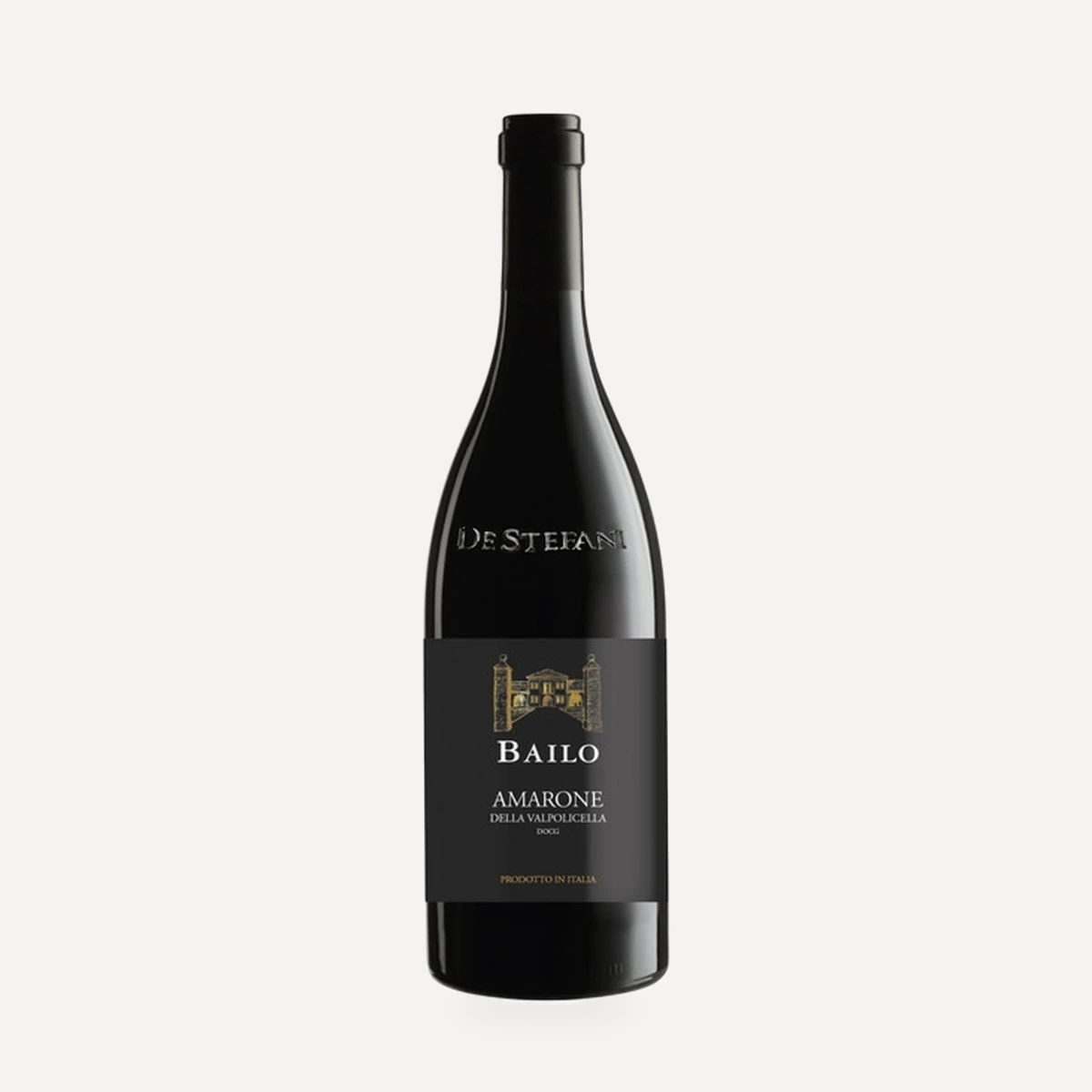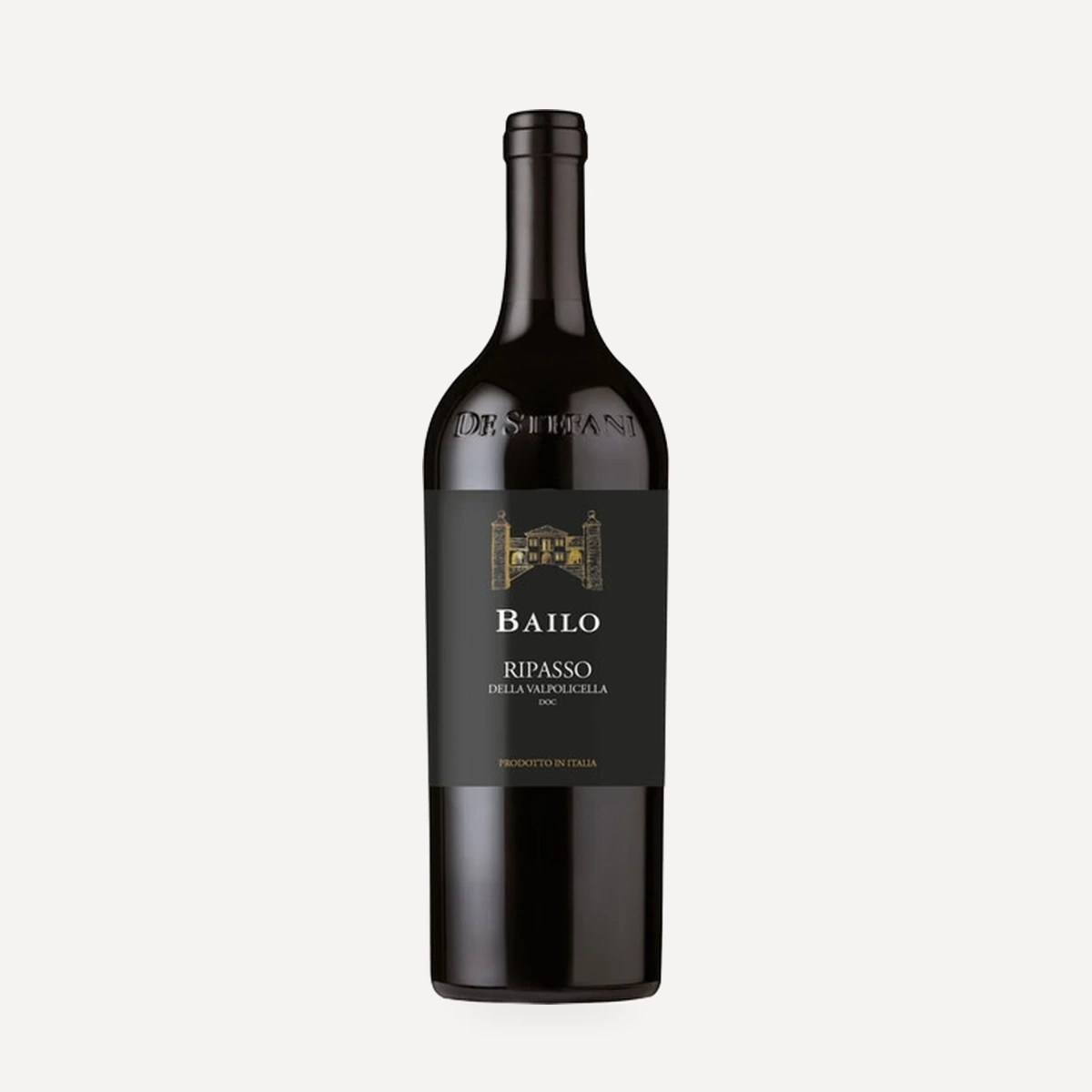
Questo vino
Vineyard and terroir
The hillside vineyard has an ideal exposure and limestone soil. Its old vines are planted at high density and farmed organically. They are pruned short, green harvested annually and grown without irrigation, resulting in low yields.
Vinification
The grapes are harvested by hand in late September or early October at optimum ripeness. After destemming, fermentation and maceration take place at controlled temperatures. The young wine remains in tanks until January, when the dried grapes for Amarone are crushed. It is then passed over the already fermented, spent Amarone skins, from which it gains additional flavour and aroma.
Ageing
The wine matures in barriques for 18 months, followed by an extended period in bottle.
Tasting profile
The aroma is rich and layered, with ripe fruit and a light violet note. The palate is smooth, with an expressive, complex character.
Serving and pairing
Pair with refined meat dishes or cheeses.
Label / history
“Ripasso” refers to the technique of keeping Valpolicella wine again on Amarone skins; the name is translated here as “to keep longer.” “Bailo” was the Venetian term for ambassadors who represented the Republic of Venice around the world. It is also the surname of Marisa, Alessandro De Stefani’s mother, in whose honour the wine was created.
The wine originated through Alessandro’s partnership with an old school friend from Valpolicella. They had studied together at the oenology school in Conegliano, Veneto. The De Stefani family has grown vines and made wine for four generations; over that time, its vineyard holdings expanded and its cultivation practices were updated.