Storia
Origins documented in 1624
The De Stefani family comes from Refrontolo, a village in Veneto. Documents dated 1624 record the family there and preserve Stèfen as its ancient surname.
1866–1957: Valeriano De Stefani and the Refrontolo estate
In 1866, first-generation founder Valeriano De Stefani began cultivating vines and making wine at Refrontolo, on the hills between Conegliano and Valdobbiadene. Specialized vineyards were planted on the most suitable sites, with particular attention to the native Marzemino and Prosecco varieties and to wines made from dried grapes.
Valeriano was subsequently joined by his son, also named Valeriano, who represented the second generation. The younger Valeriano and his wife Angelina established an enduring family principle of pursuing quality without compromise.
A surviving family image records the 1939 harvest at Refrontolo.
1958–1963: Tiziano and expansion into the Piave Valley
In 1958, third-generation Tiziano De Stefani graduated from the School of Oenology and Viticulture in Conegliano and assumed management of the family business. A 1959 photograph records the first three generations together.
After several years spent identifying soils capable of producing distinctive white and red wines, the family purchased its first land in the Piave area in 1963. Vinification at Fossalta di Piave began that year. The headquarters and principal cellars were subsequently established there, between the Adriatic Sea and the Dolomites and close to the Piave River.
1969–1987: technical development and denser vineyards
A temperature-control system for fermentation and maturation was installed in 1969. The first small ageing barrels were introduced in 1972.
In 1984, De Stefani planted its first vineyards at a density of 4,200 vines per hectare, an unusually high density locally at the time. The purpose was to reduce the quantity of grapes carried by each vine.
The first harvest of Tombola di Pin, a vintage traditional-method sparkling wine from a single Refrontolo vineyard, took place in 1985. The Marzemino vineyard that would later supply Stèfen 1624 was also planted at Refrontolo in 1985.
In 1987, grape drying was made more precise through the construction of a dedicated room with controlled temperature, humidity and ventilation.
1992–2003: fourth generation, new winery and renewed family traditions
In 1992, fourth-generation Alessandro De Stefani graduated in Oenology and Viticulture at Conegliano and joined his father Tiziano in managing the business. He continued his education in business studies at the universities of Venice and Warwick in England.
A new vinification cellar was built at Fossalta di Piave in 1993. In 1996, the family began creating an international distribution network; this initially took the wines to more than 40 countries. A photograph from that year shows Alessandro and Tiziano together.
In 2001, the agricultural building at Refrontolo was restored. A small winery and panoramic tasting room were created there.
The first vintage of Stèfen 1624 was produced in 2003 from the Marzemino vineyard planted in 1985. The wine revived a De Stefani family tradition dating to the late nineteenth century and took its name from the ancient family surname recorded in the documents of 1624.
2007–2015: Raboso, natural production and cellar expansion
A Raboso Piave vineyard intended for Malanotte was planted in 2007. That year also marked a more explicit natural-production program: chemical herbicides and fertilizers were eliminated from the vineyard, while the cellar program emphasized indigenous yeasts and vinification without added preservatives or sulphites.
In 2009, existing vineyards were made denser while preserving vines planted in 1985 and 1986. Density reached 8,400 vines per hectare, trained to Guyot.
The Fossalta di Piave winery was enlarged in 2014. The project added a barrique-ageing cellar, a controlled grape-drying facility and a modern tasting room. Photovoltaic panels were installed to provide the electricity used in the cellar. A 2015 family photograph records the De Stefani family after this phase of expansion.
The family today
Alessandro De Stefani works with his wife Chiara and their sons Marco and Paolo. The family describes its work as a five-generation continuity built around native varieties, old high-density vineyards, sustainable cultivation and wines intended to retain their character over long ageing. De Stefani wines are now distributed in more than 50 countries across five continents.
Terroir
Between the Adriatic and the Dolomites
The De Stefani vineyards lie in Veneto between the Adriatic Sea and the Dolomites. They occupy two principal landscapes: the Refrontolo hills between Conegliano and Valdobbiadene and the Piave Valley near Venice. The sea, mountains and Piave River generate local winds and marked day–night temperature shifts.
Refrontolo hills
Colvendrame stands at approximately 300 metres above sea level in Refrontolo. Its clay-rich soil is locally called creda. The clay releases water and nutrients gradually, helping the vines maintain a natural balance. The combination of this soil, the hill climate and broad diurnal temperature changes favors structured wines with concentrated character.
Piave Valley
At Fossalta di Piave and Monastier di Treviso, Le Ronche and Pra’ Longo lie approximately 40 kilometres from the mountains, 10 kilometres from the sea and only a few hundred metres from the Piave River. Over millennia, the river deposited the sediments that formed these vineyard soils. Clay is a major component, while the broader Piave terroir is also described through caranto, a mixture of white clay and minerals.
Carbonere, at Chiarano, occupies a slightly cooler position between the sea and mountains. Stronger mountain breezes produce a particularly dry microclimate with wide temperature differences between day and night.
Vinificazione
Vineyard structure and canopy work
Old vines, native varieties, high planting density and low yield per plant are central to De Stefani’s approach. The densest vineyards reach 8,400 Guyot-trained vines per hectare and retain vines planted in 1985 and 1986. Summer pruning and careful leaf thinning are used to support even ripening, while crop levels are kept low to concentrate body and aroma.
Soil management
Chemical weedkillers are not used. Weed control under the rows is mechanical. Permanent grass cover is retained between rows without routine cultivation; mowing and alternate-row green manuring are the principal interventions. Pruned shoots and stems are returned to the fields as natural fertilizer.
Water and plant protection
Emergency irrigation is used only when strictly necessary. Decisions draw on the estate weather station, local weather bulletins, soil characteristics and direct field observations. Underground drip systems have been installed in vineyards where emergency irrigation has previously been required.
Plant protection follows the Sistema di Qualità Nazionale Produzione Integrata — SQNPI protocol. Vineyards are monitored continually for disease and pests, and lower-impact crop-protection products are preferred in consideration of the environment, workers and the surrounding community. A recovery sprayer acquired as part of the sustainability investment program is intended to reduce crop-protection use further.
Biodiversity
De Stefani holds Biodiversity Friend certification. More than 10% of managed land consists of natural or non-agricultural areas, including woodland, hedges, headlands and vineyard borders where plant-protection products are not applied. Medium-to-tall grass cover is maintained to connect vineyards with natural areas and to support pollinating insects. Vegetated buffer strips of at least three metres protect waterways, woodland and semi-natural land; neither fertilizers nor crop-protection products are applied in these strips.
Harvest and traceability
Harvest timing is determined through berry tasting, checks on grape health and chemical maturity analyses. Grapes are delivered to the winery within six hours to limit unwanted fermentation. Each delivery is weighed and assigned a lot number so that traceability is maintained throughout production.
Cellars and technical development
Temperature control for fermentation and maturation has been in use since 1969, and small barrels were introduced in 1972. A purpose-built vinification cellar opened at Fossalta di Piave in 1993. Its 2014 expansion added a barrique cellar, bottle-ageing capacity, a modern controlled grape-drying facility and a tasting room.
The drying facility regulates temperature, humidity and ventilation, continuing the family’s long association with passito production. The winery contains dedicated vinification and ageing areas, oak casks, barriques and bottle-maturation space.
Fermentation and maturation practices
The production philosophy developed in 2007 emphasized indigenous yeasts and vinification without added preservatives or sulphites. Recurring cellar practices across the portfolio include destemming and crushing, gentle pressing, cool static clarification, controlled-temperature fermentation, maturation on fine lees and regular lees stirring. Stainless steel, concrete vats and oak barrels are used according to the intended wine. Traditional-method bottle fermentation and the Italian tank method are both represented in sparkling-wine production.
Quality management and traceability
A Sustainability Management System coordinates operating procedures, instructions, records and international food-safety requirements, including HACCP. Its hygiene self-control manual covers supplier management, vinification, maturation of still, semi-sparkling and sparkling wines, packaging in bottles and kegs, and commercialization. Documentation is checked through internal audits and at least one annual management review.
Analytical and sensory parameters are monitored throughout cellar work. Operations are recorded in a digital management system to maintain control and traceability across the production process.
Energy, water and by-products
Short-term materials are stored to minimize movement, and the warehouse is thermally insulated. Daytime cooling uses photovoltaic electricity, while nighttime cooling is natural. Photovoltaic panels installed during the cellar expansion supply the cellar’s electricity.
Lees and grape pomace are sent to a distillery for grappa production. Stems and pruned vine wood are used as natural field fertilizer, while winery wastewater is recovered for fertigation.
Filosofia
De Stefani presents quality as an inherited family discipline rather than a single technical choice. The second generation established the principle of pursuing quality without compromise, and the current family connects that principle to old vines, high planting densities, low yields and native Veneto varieties.
The stated objective is to make wines closely connected to their place of origin and capable of conveying that identity after decades of ageing. Single-vineyard wines and the preservation of old plants are treated as ways of expressing individual sites rather than standardizing them.
Alessandro and Chiara’s approach combines family tradition with controlled technology. Temperature management, specialized drying rooms, modern traceability and analytical monitoring coexist with indigenous yeasts, permanent vineyard grassing, reduced chemical inputs and careful work by parcel.
Sustainability is defined across environmental, social and economic dimensions. The Equalitas program is treated as a framework for continuous improvement rather than an endpoint. Its stated priorities include retaining certification, increasing self-generated renewable electricity, acquiring more energy-efficient equipment, reducing water and cleaning-material consumption and adopting more sustainable packaging.
Vini
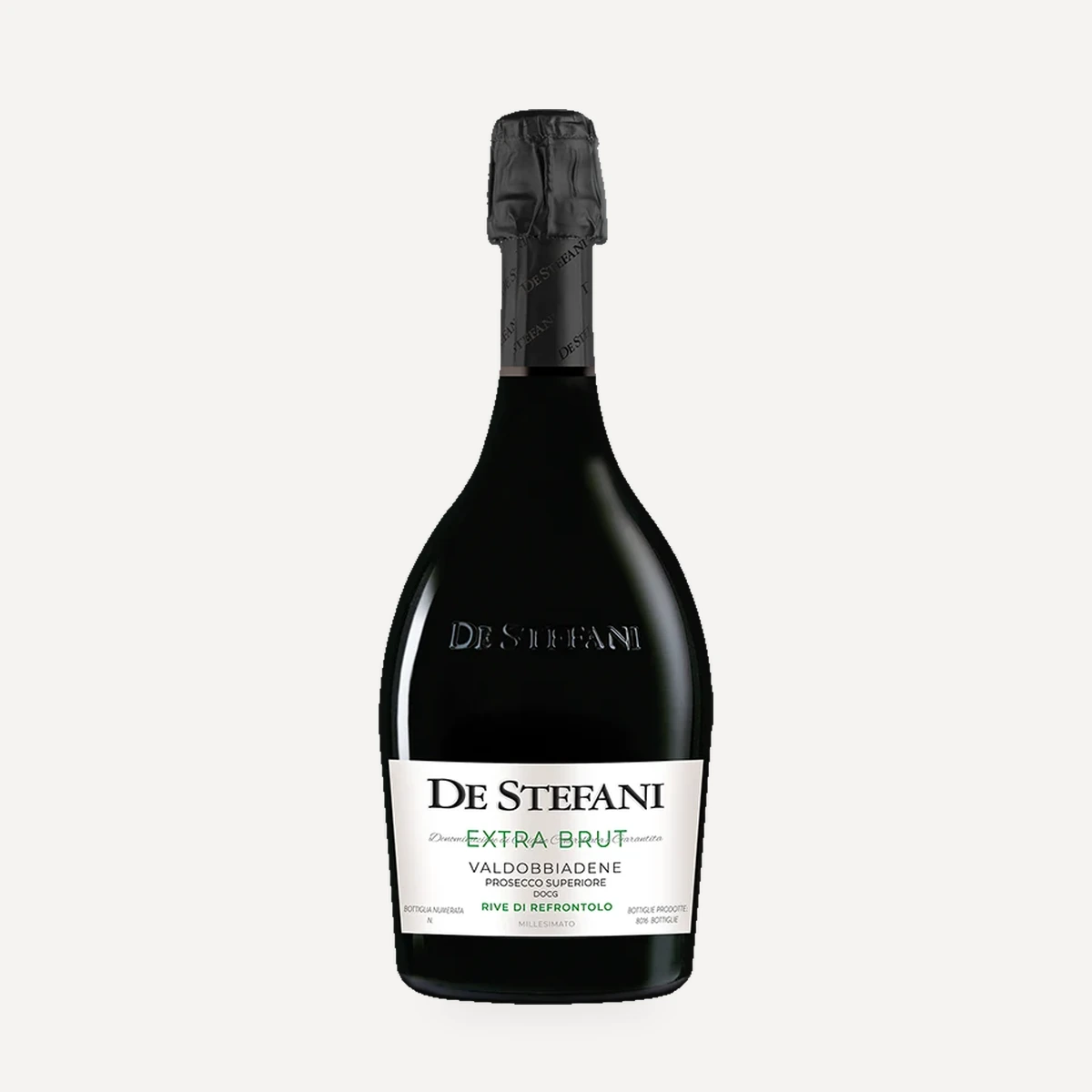
Rive di Refrontolo Valdobbiadene Prosecco Superiore Extra Brut DOCG
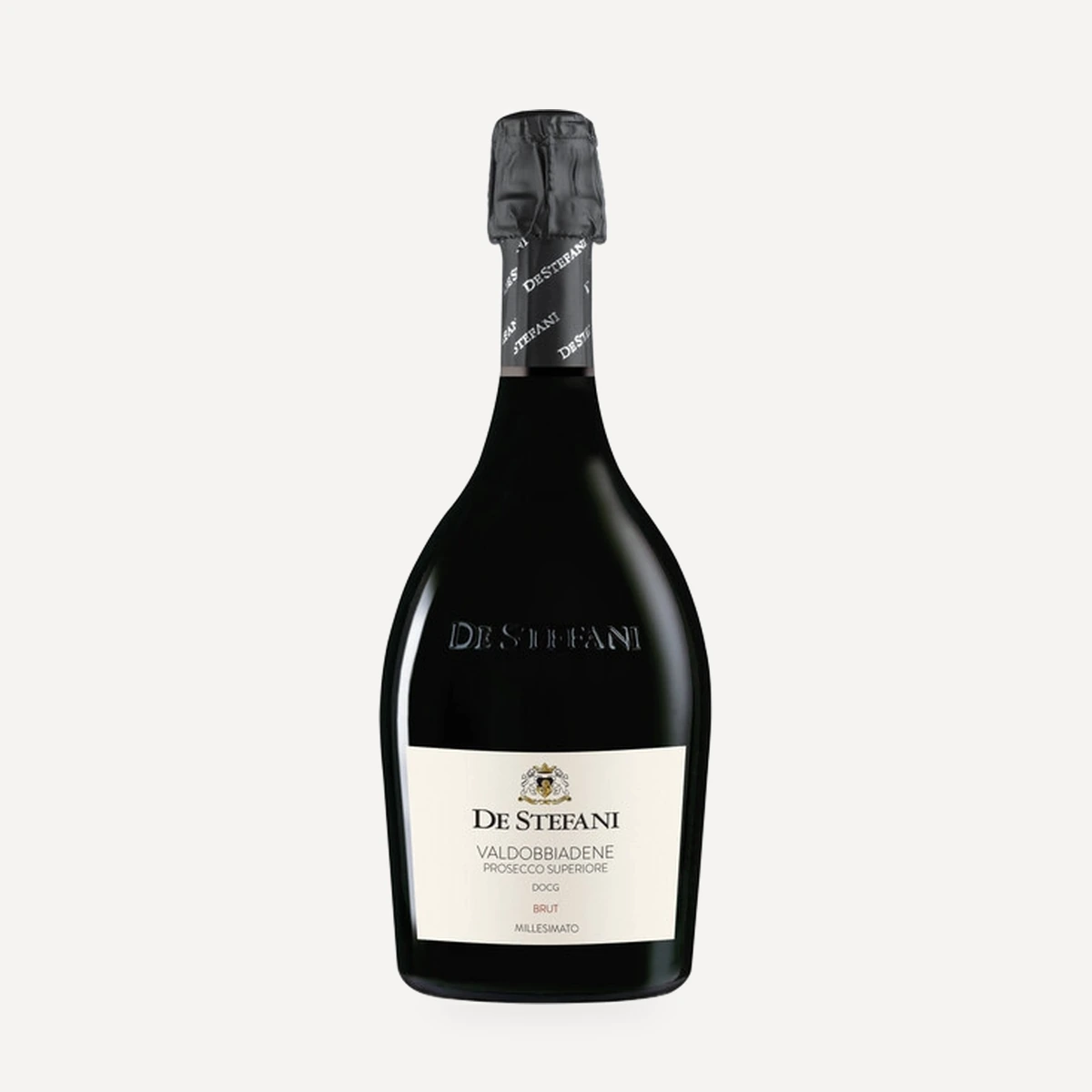
Valdobbiadene Prosecco Superiore Brut DOCG
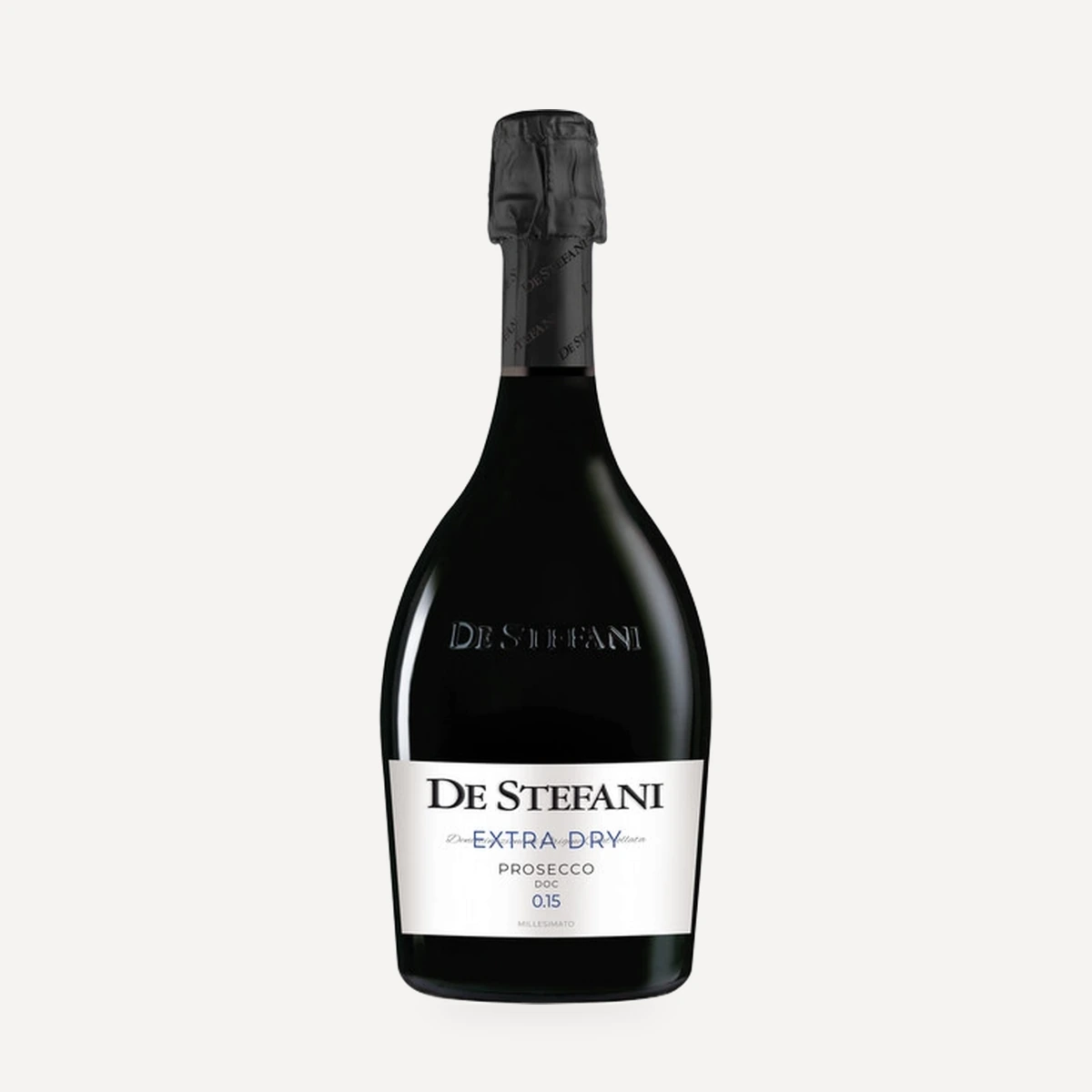
Prosecco 0.15 Millesimato
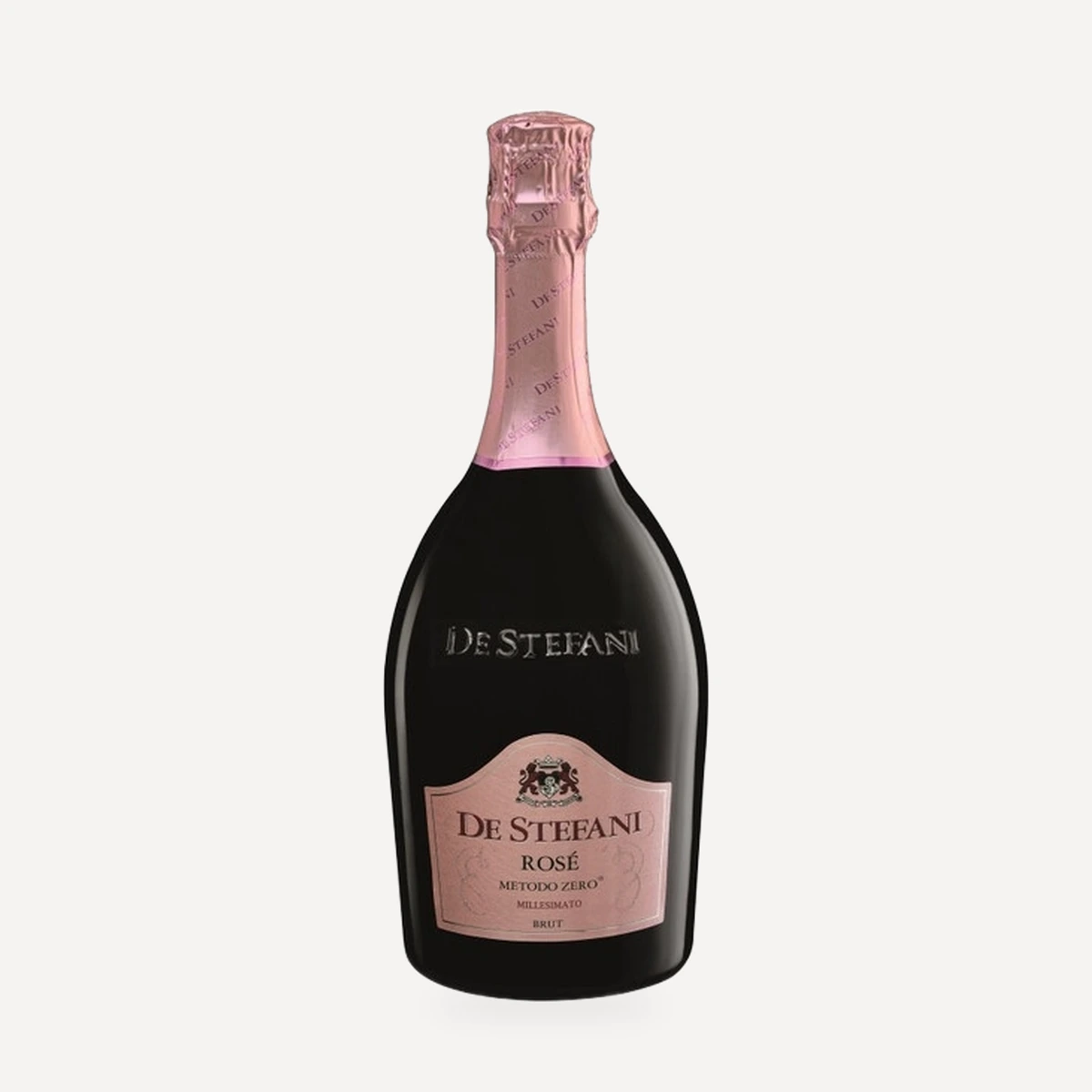
Rosé
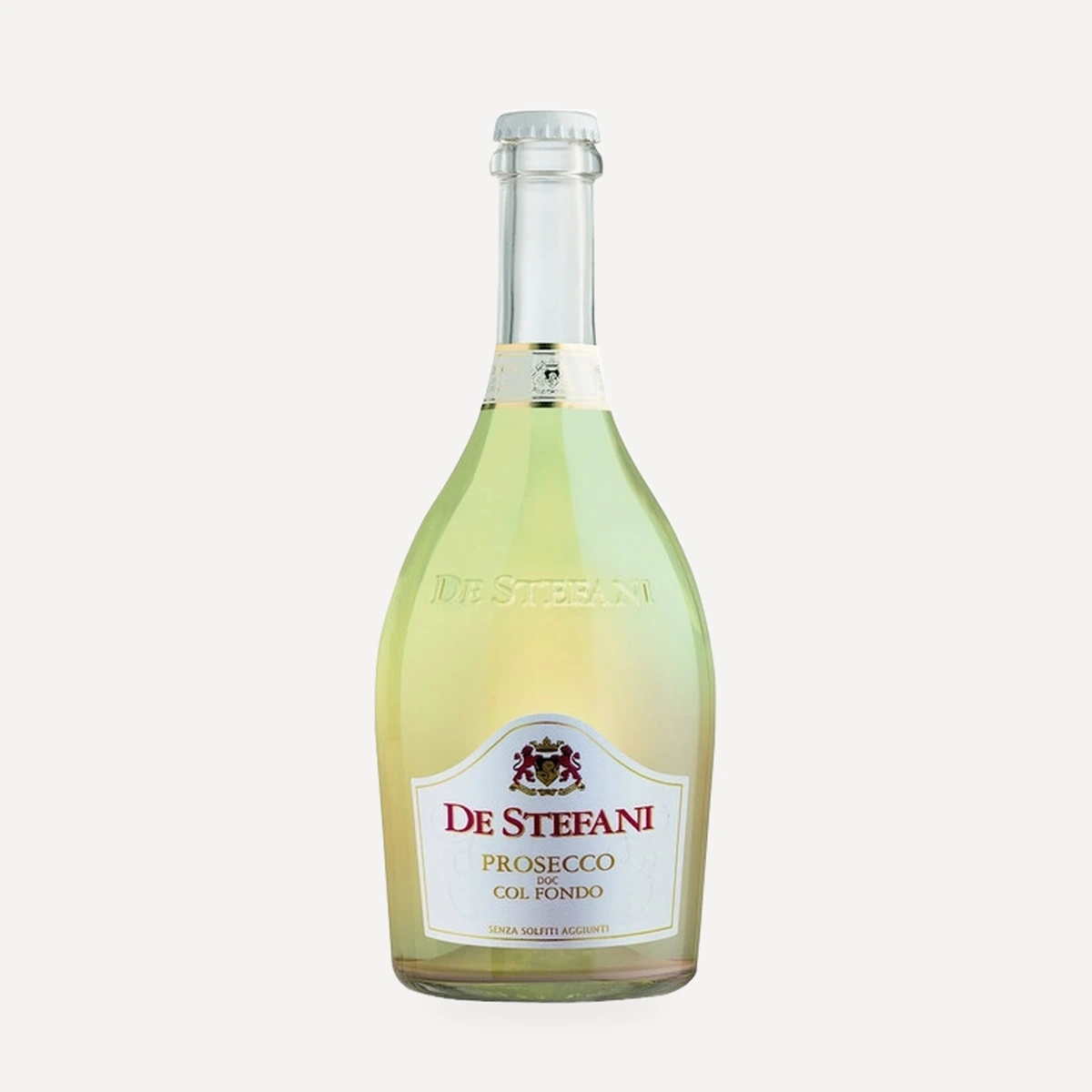
Naturalmente Prosecco col fondo
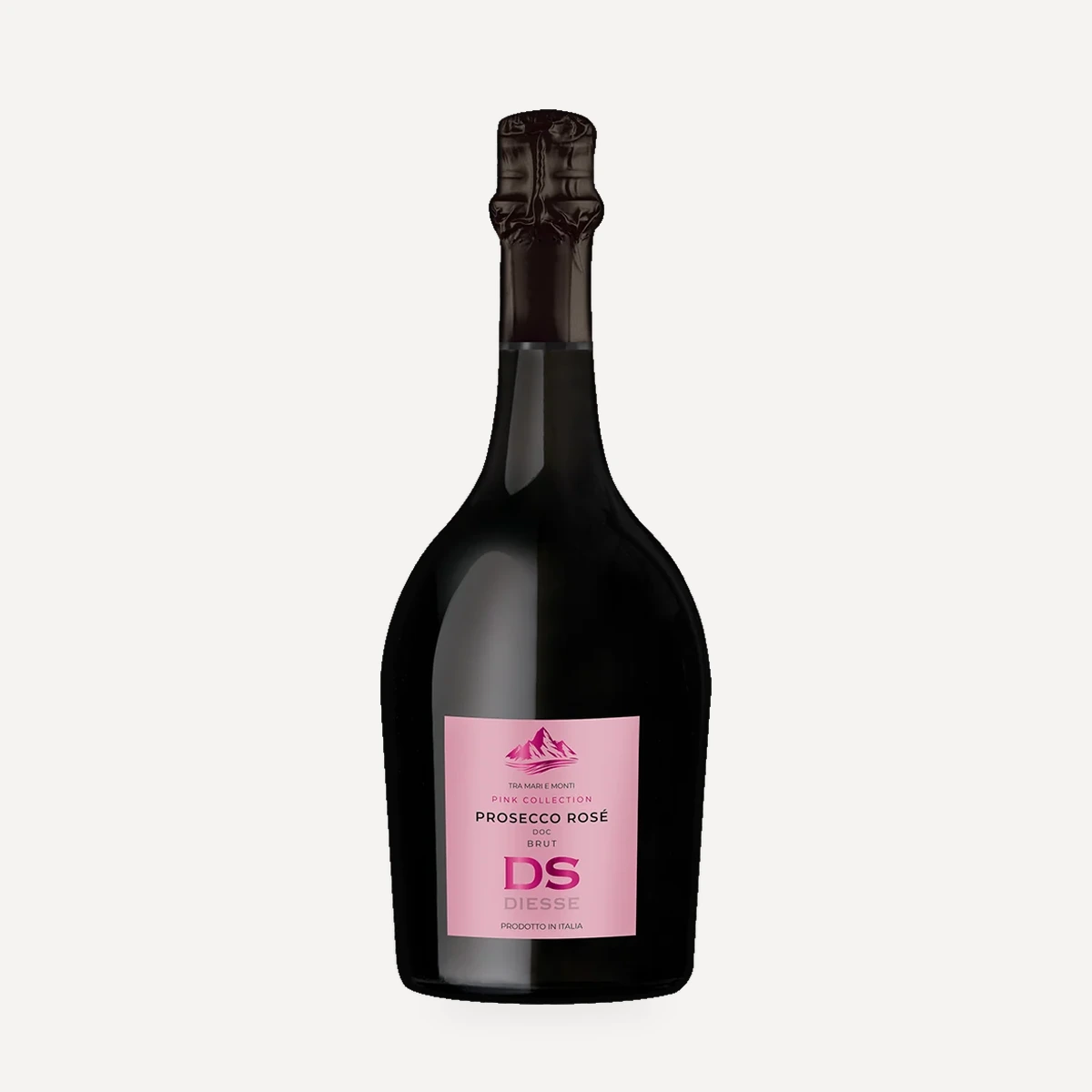
DS Prosecco Rosé Millesimato Brut
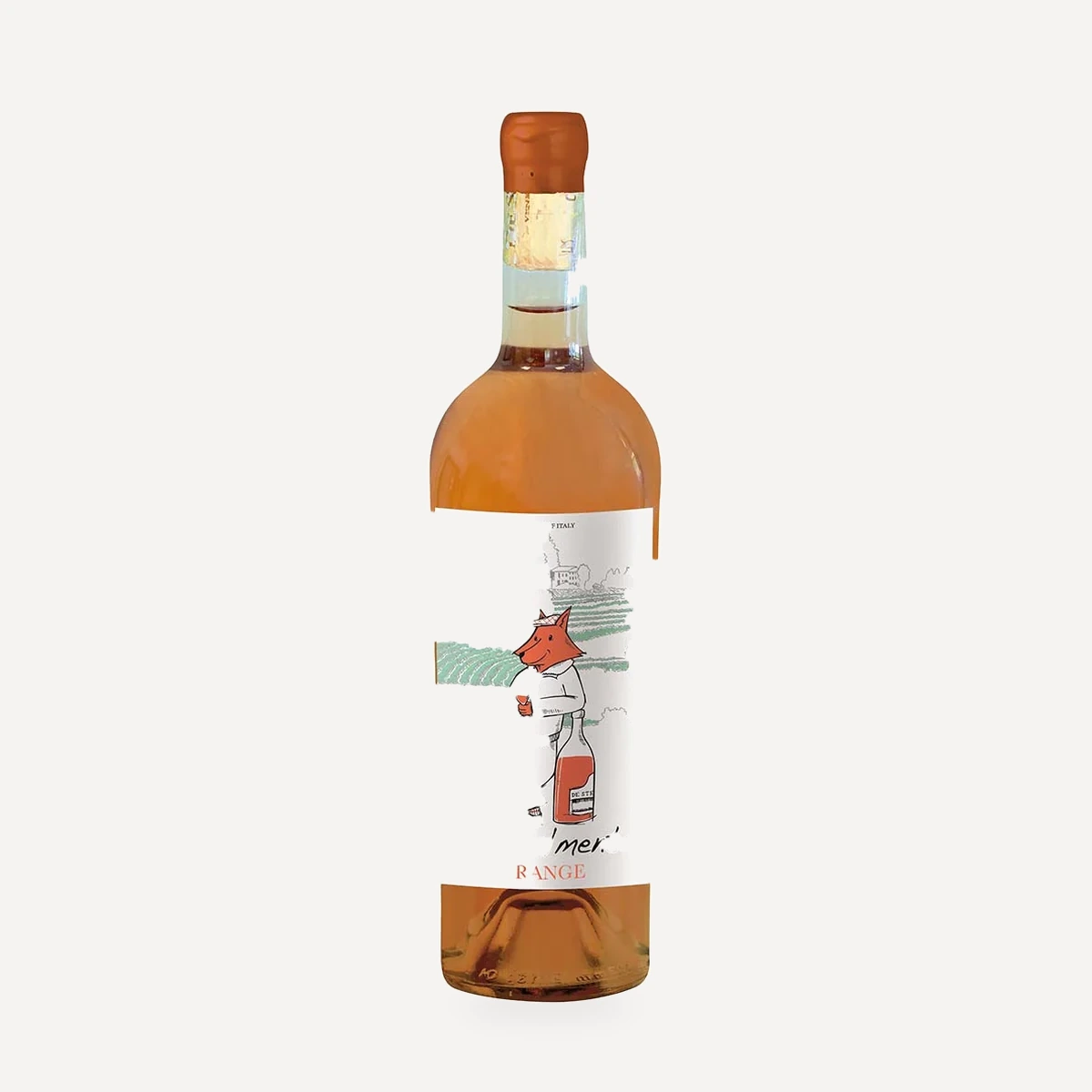
Naturalmente Orange
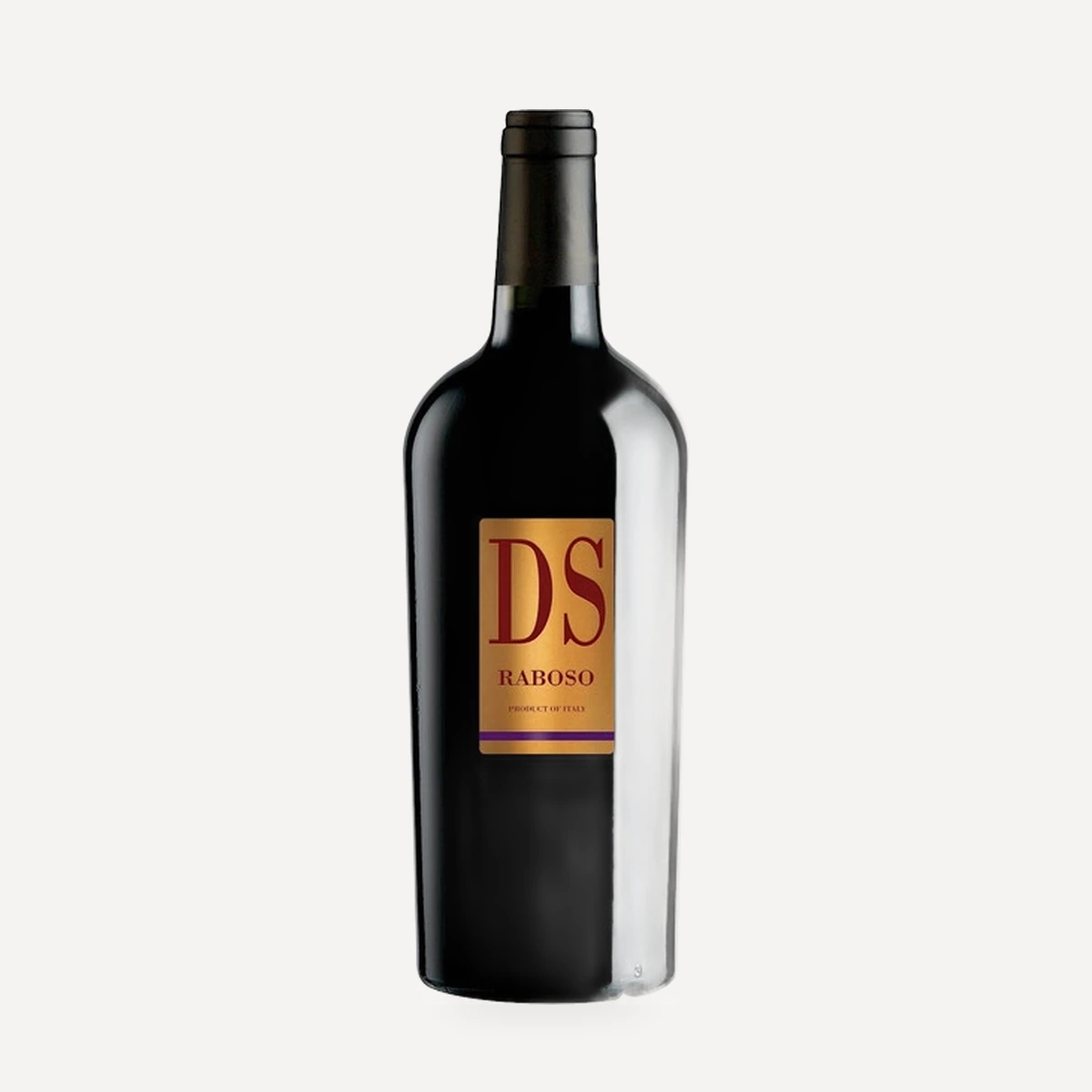
DS Raboso
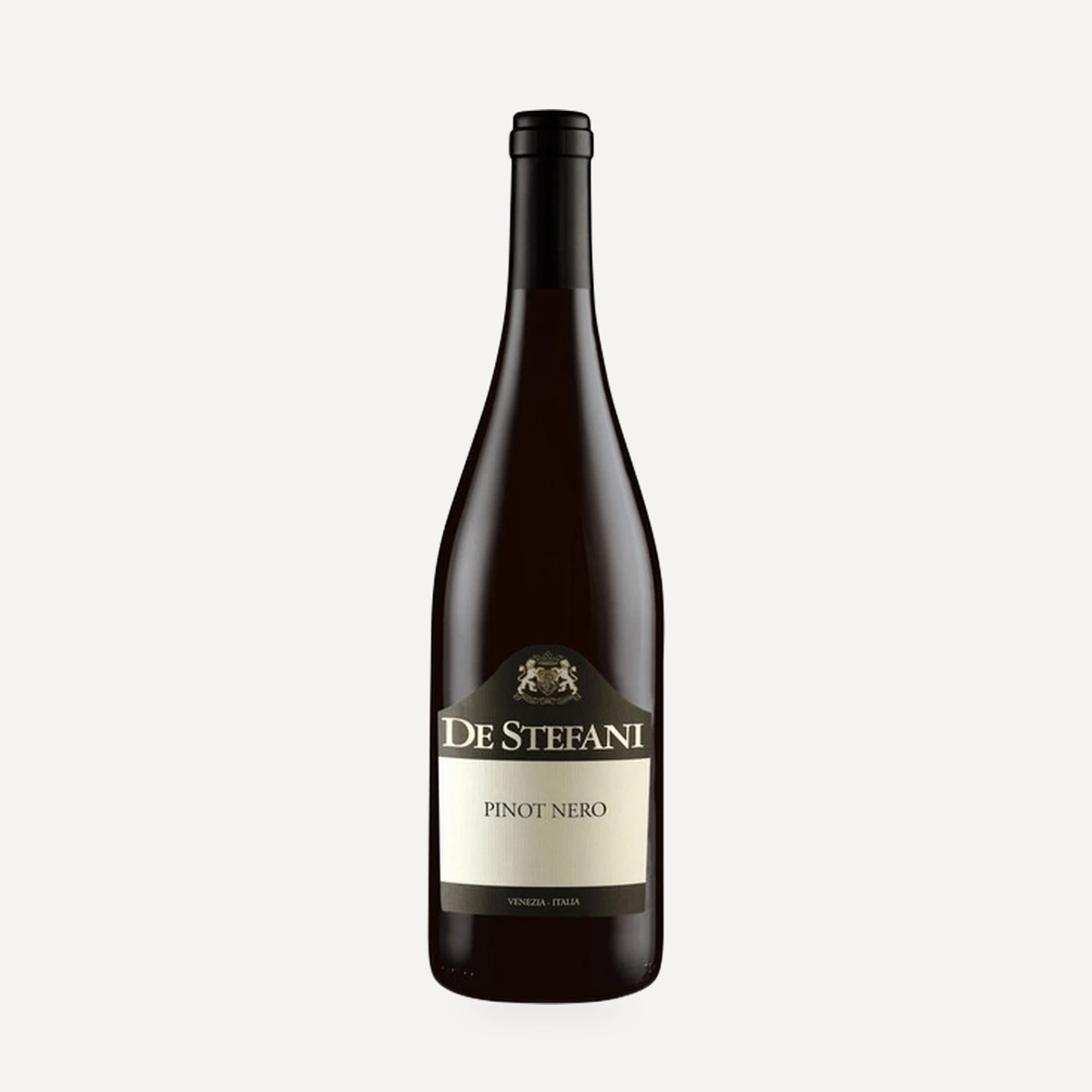
Pinot Nero
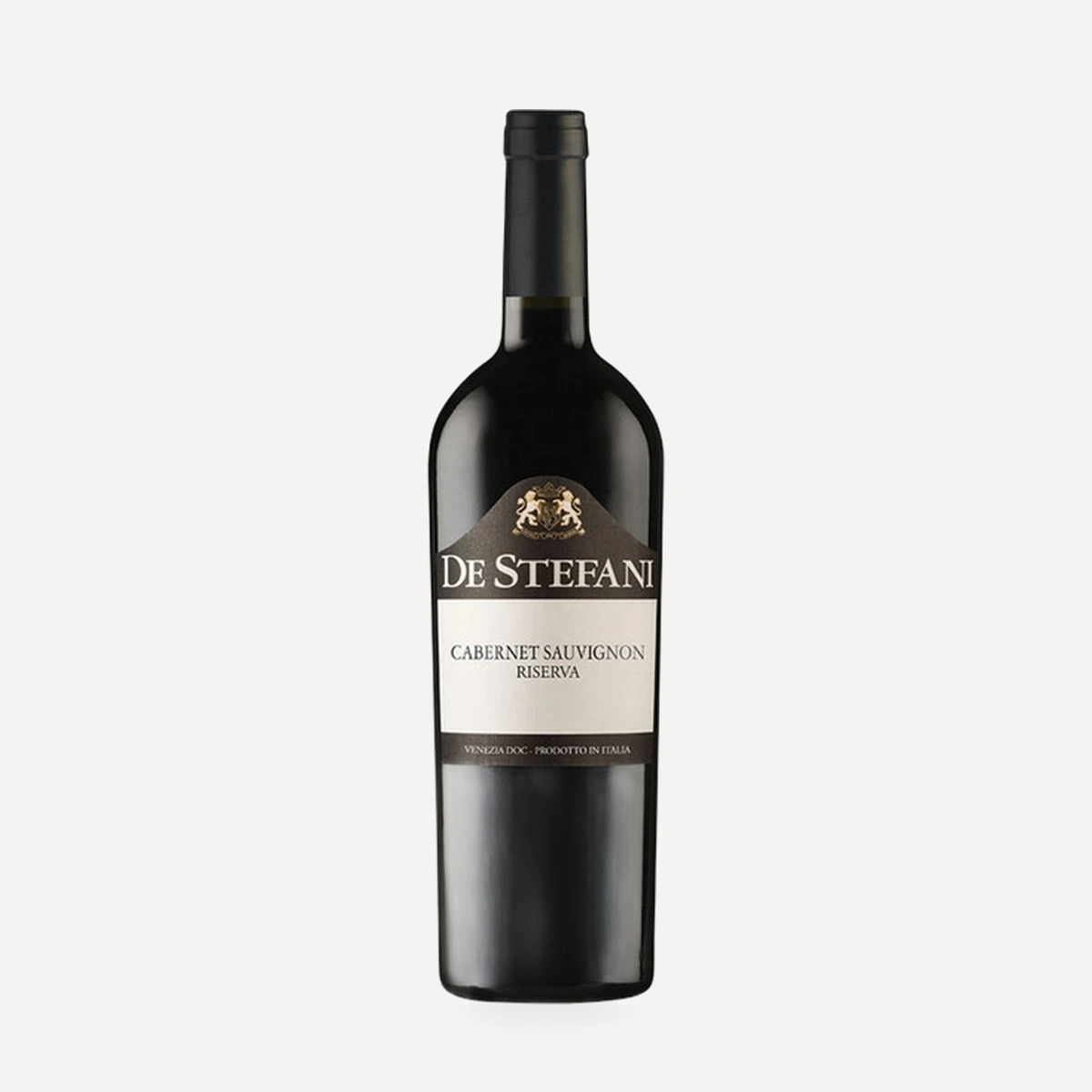
Cabernet Sauvignon Riserva
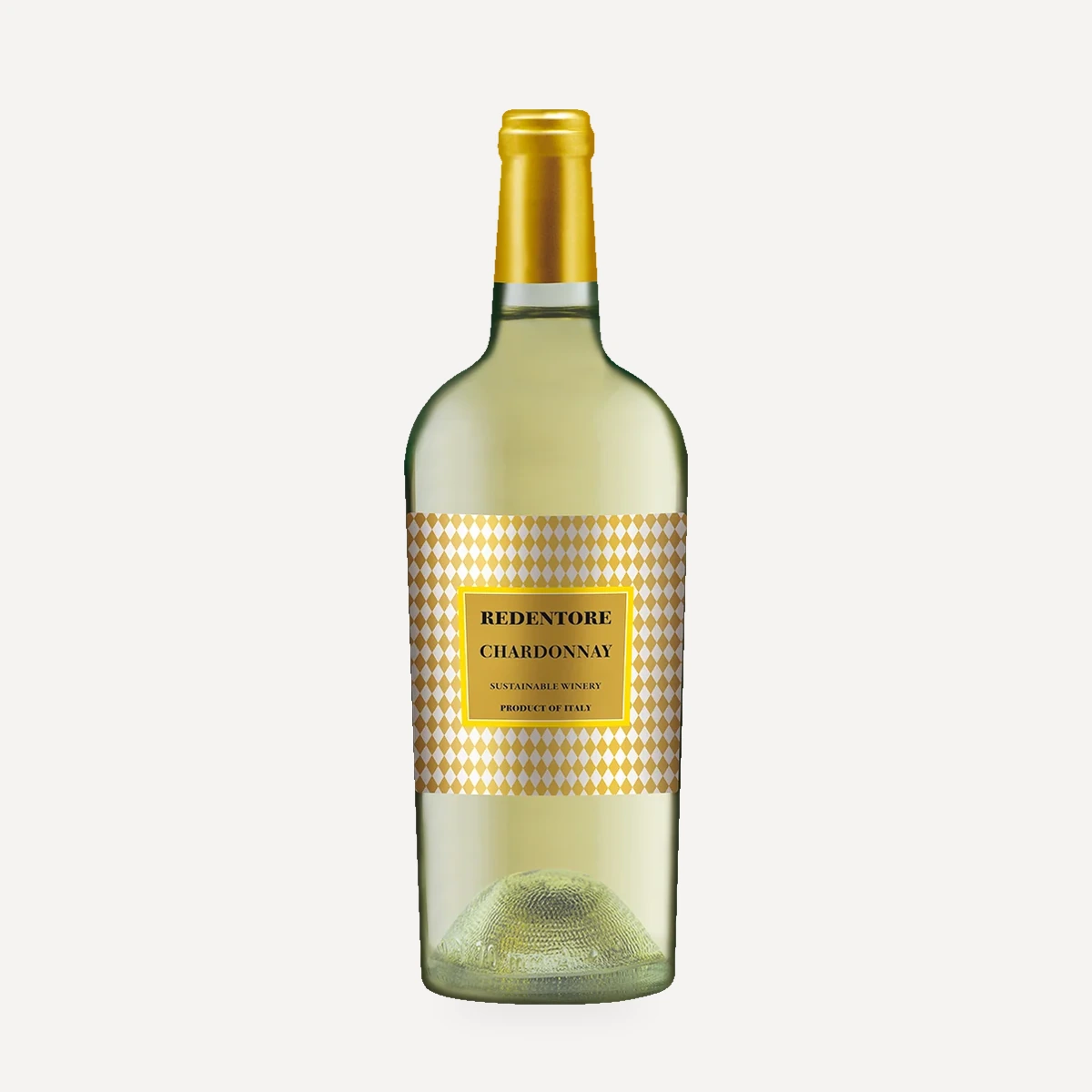
Redentore Chardonnay
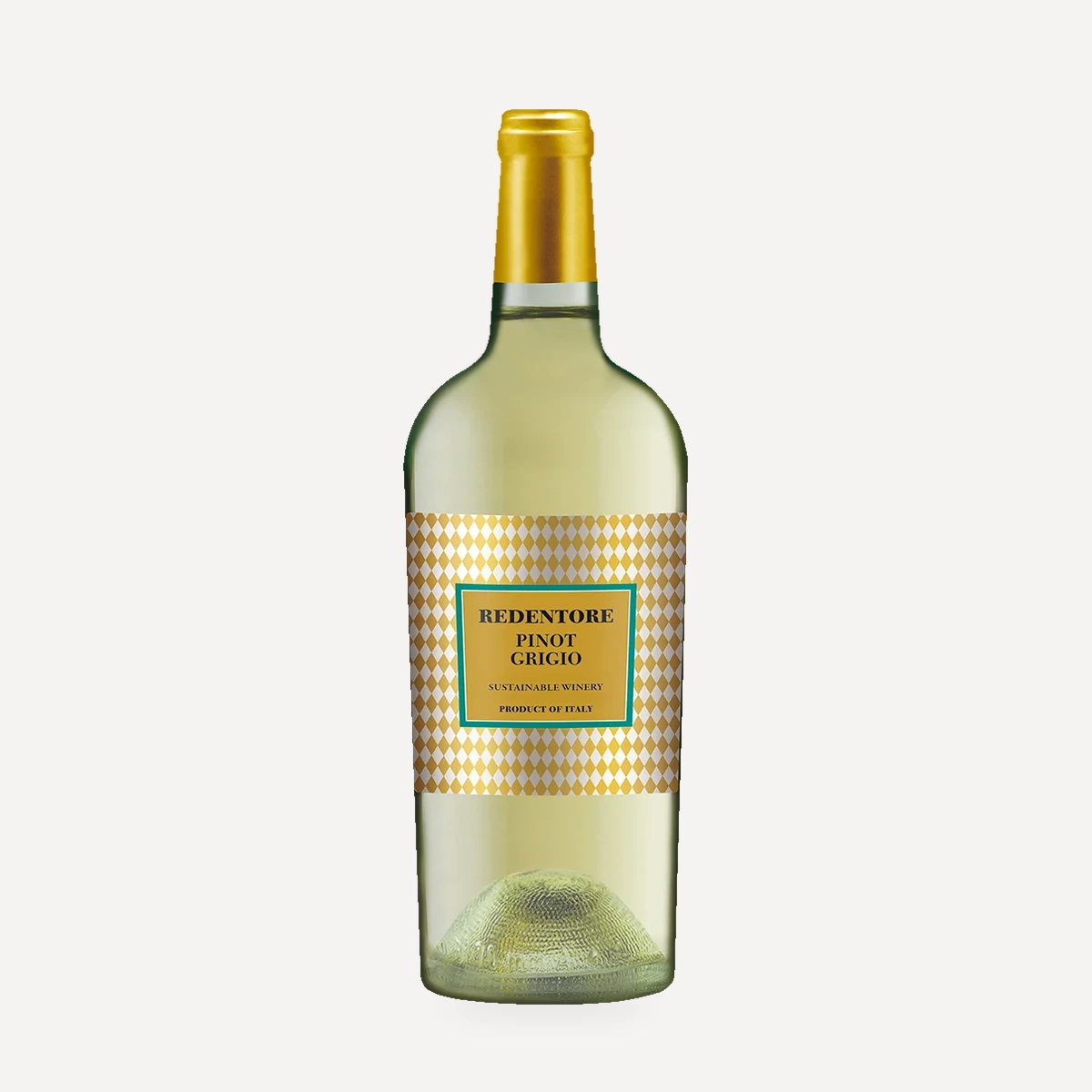
Redentore Pinot grigio
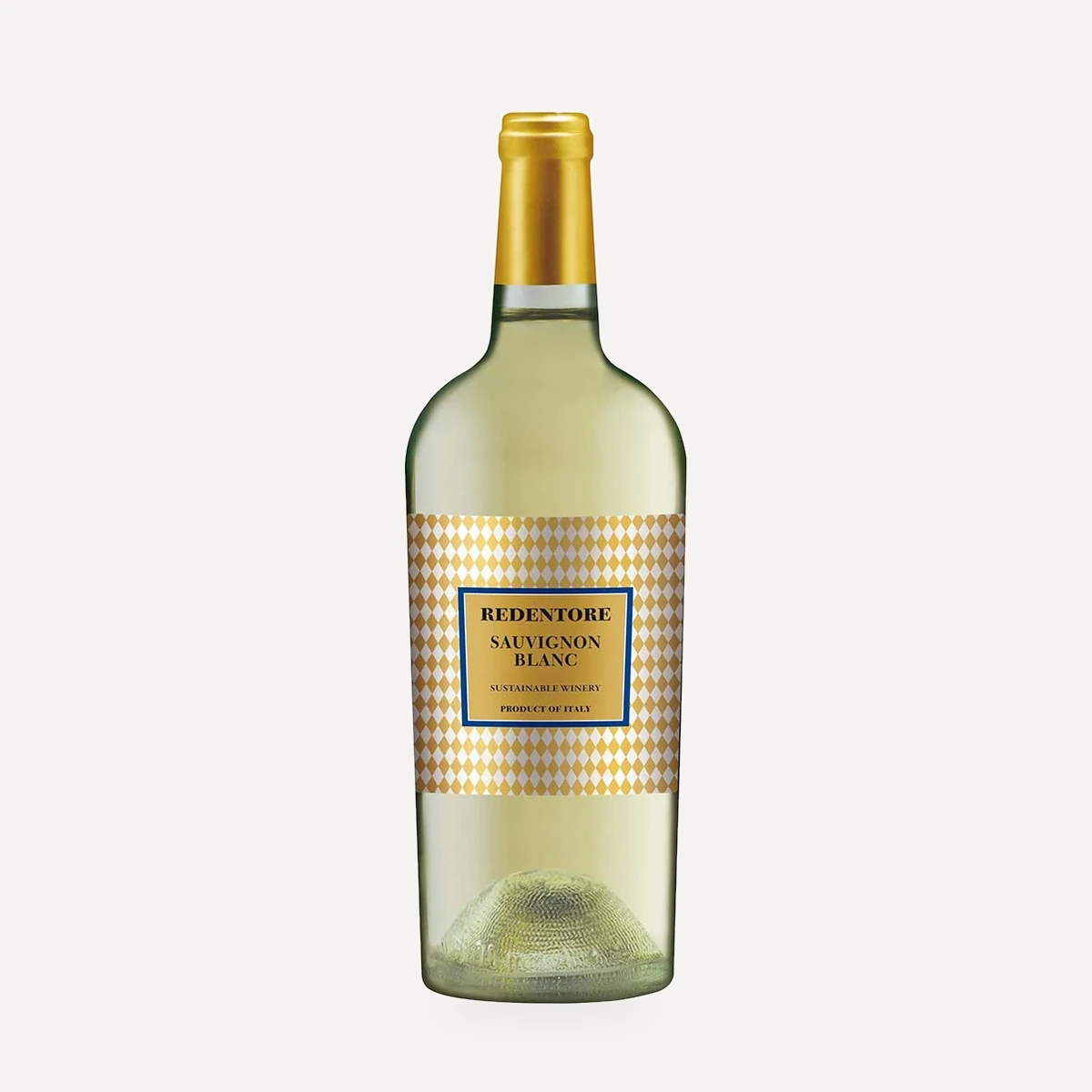
Redentore Sauvignon
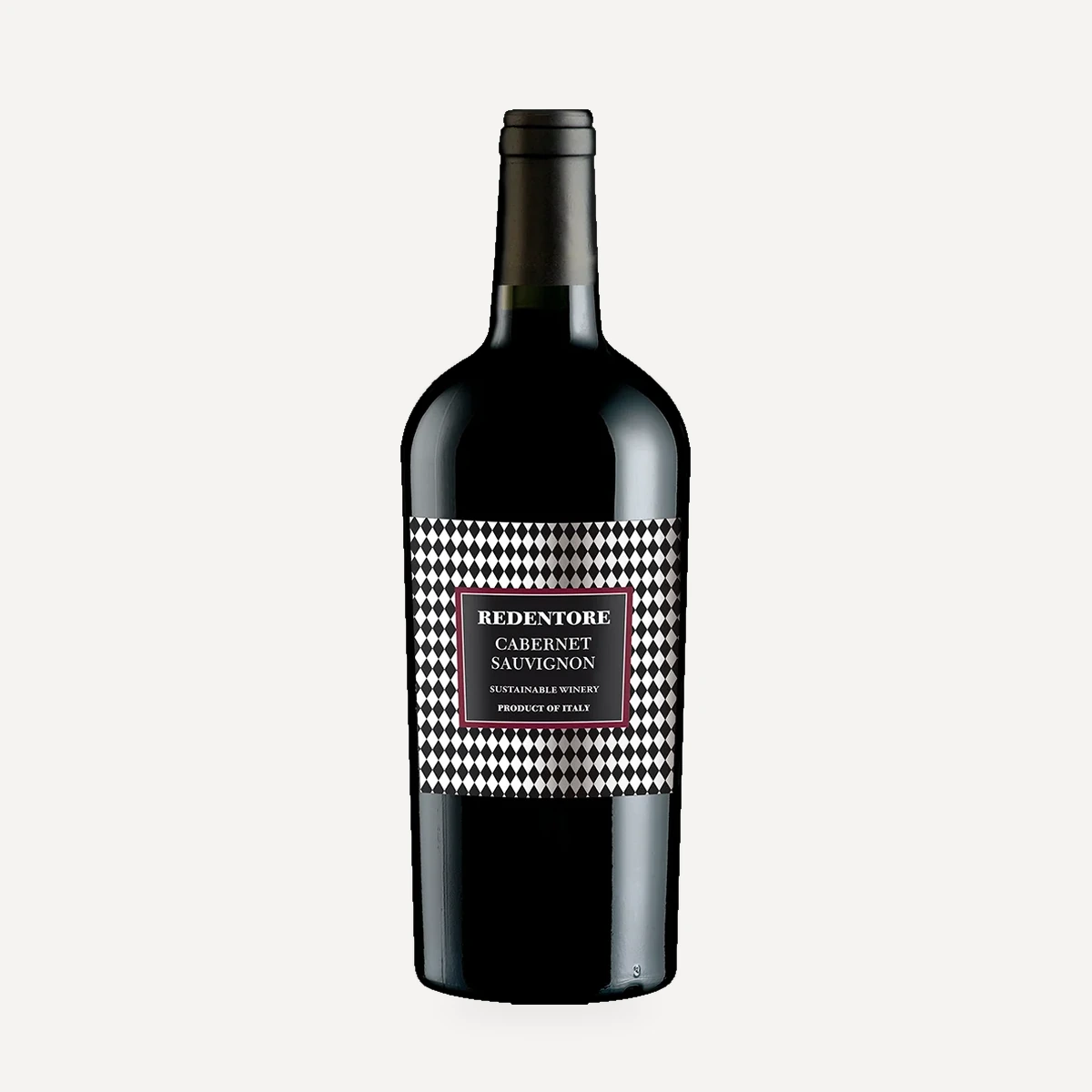
Redentore Cabernet Sauvignon
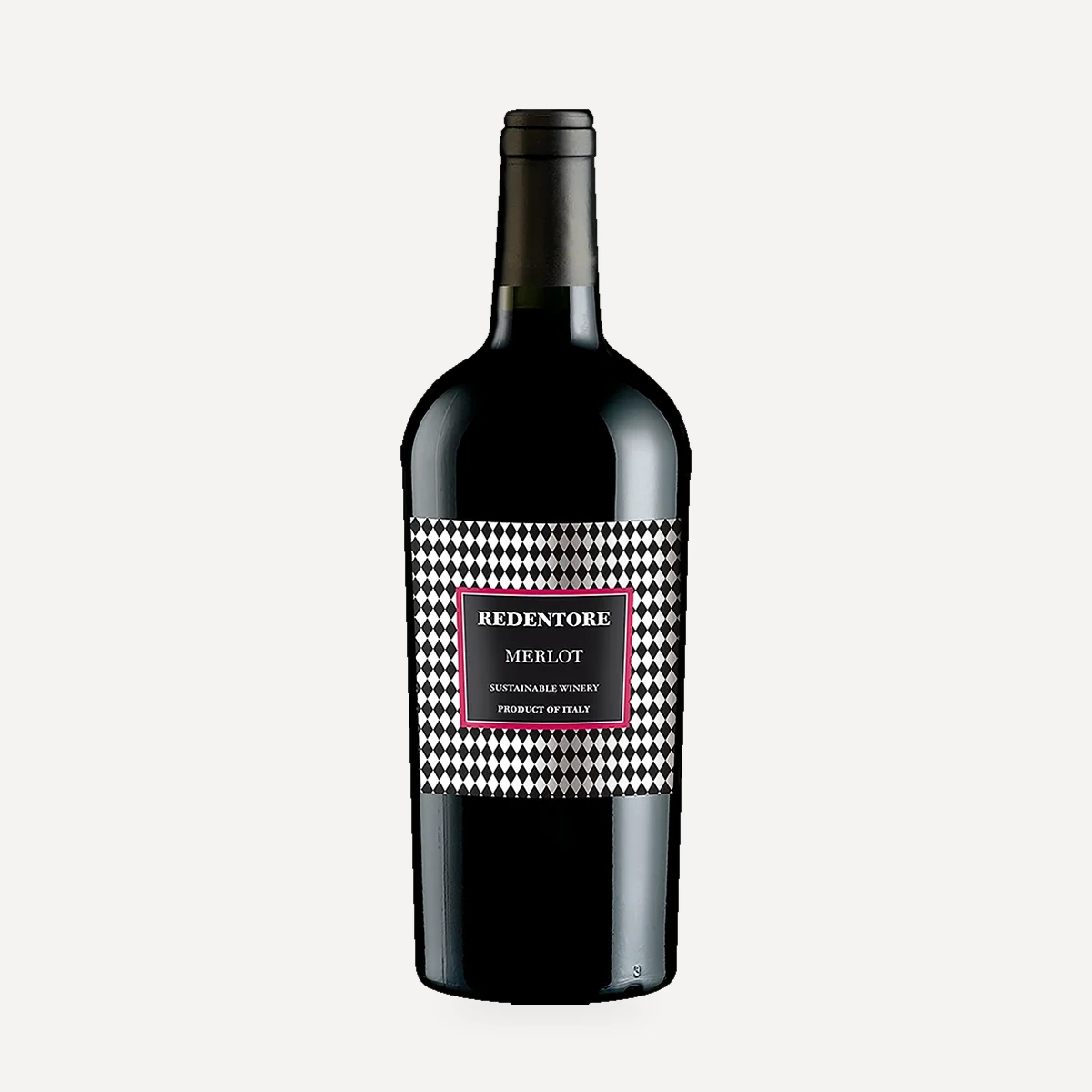
Redentore Merlot
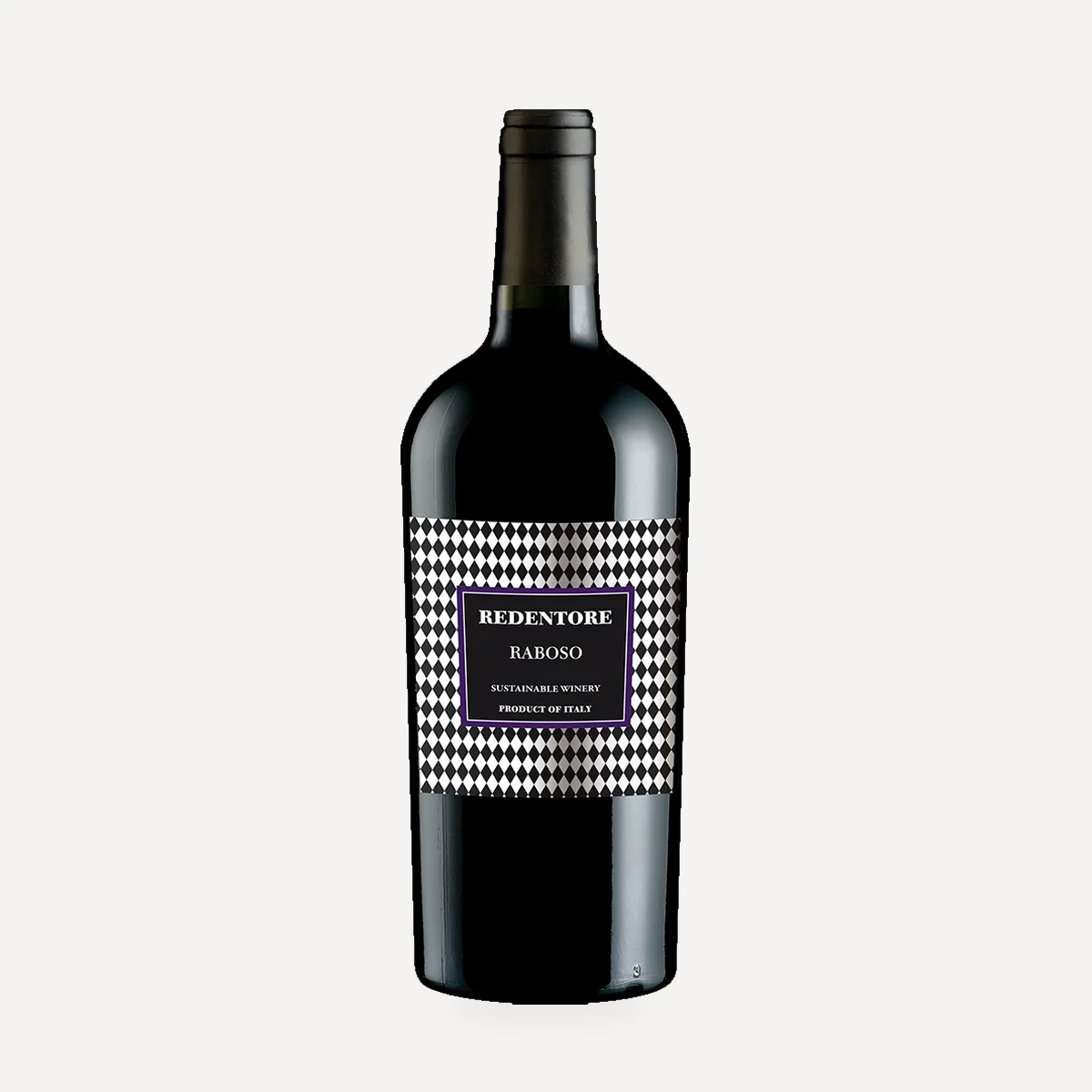
Redentore Raboso
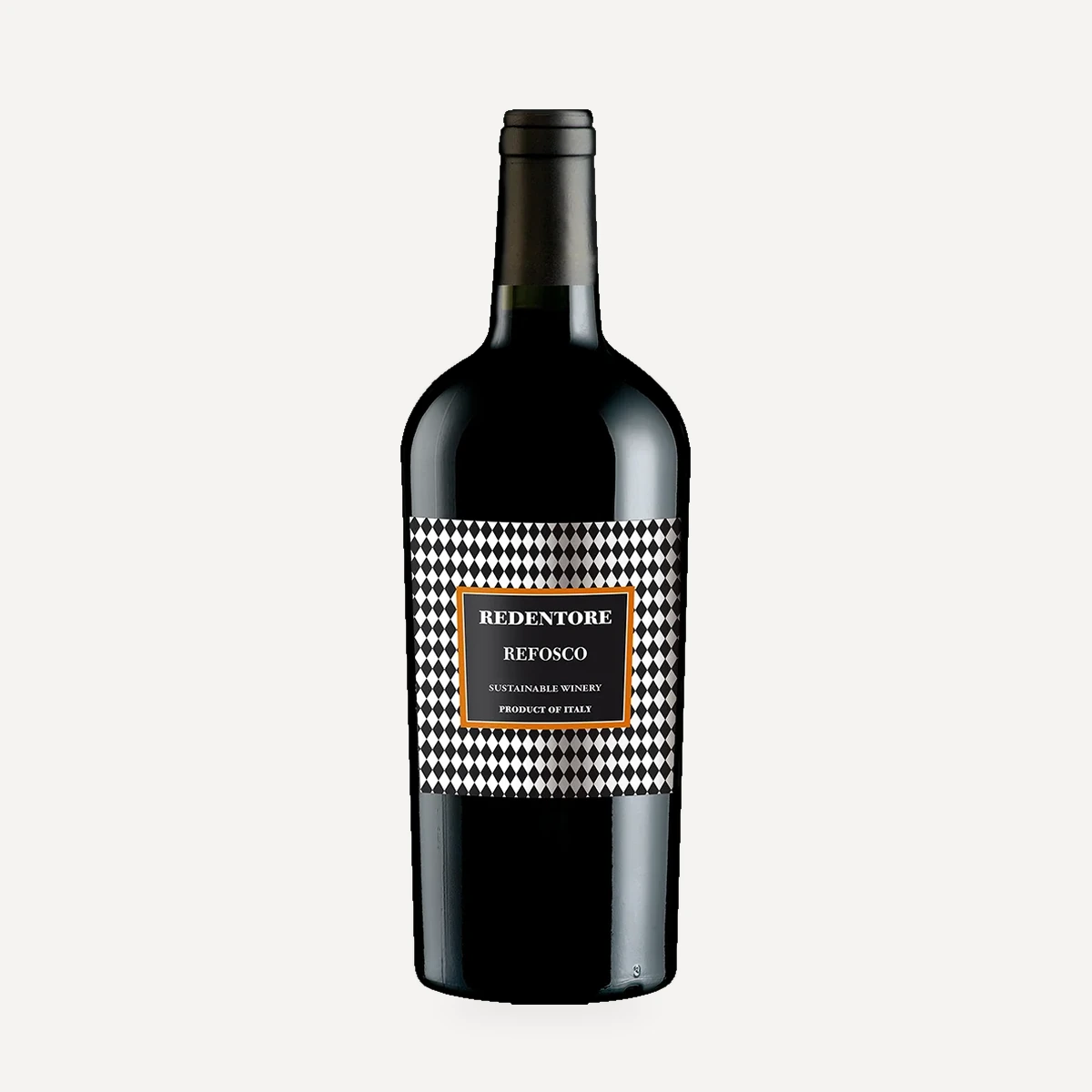
Redentore Refosco
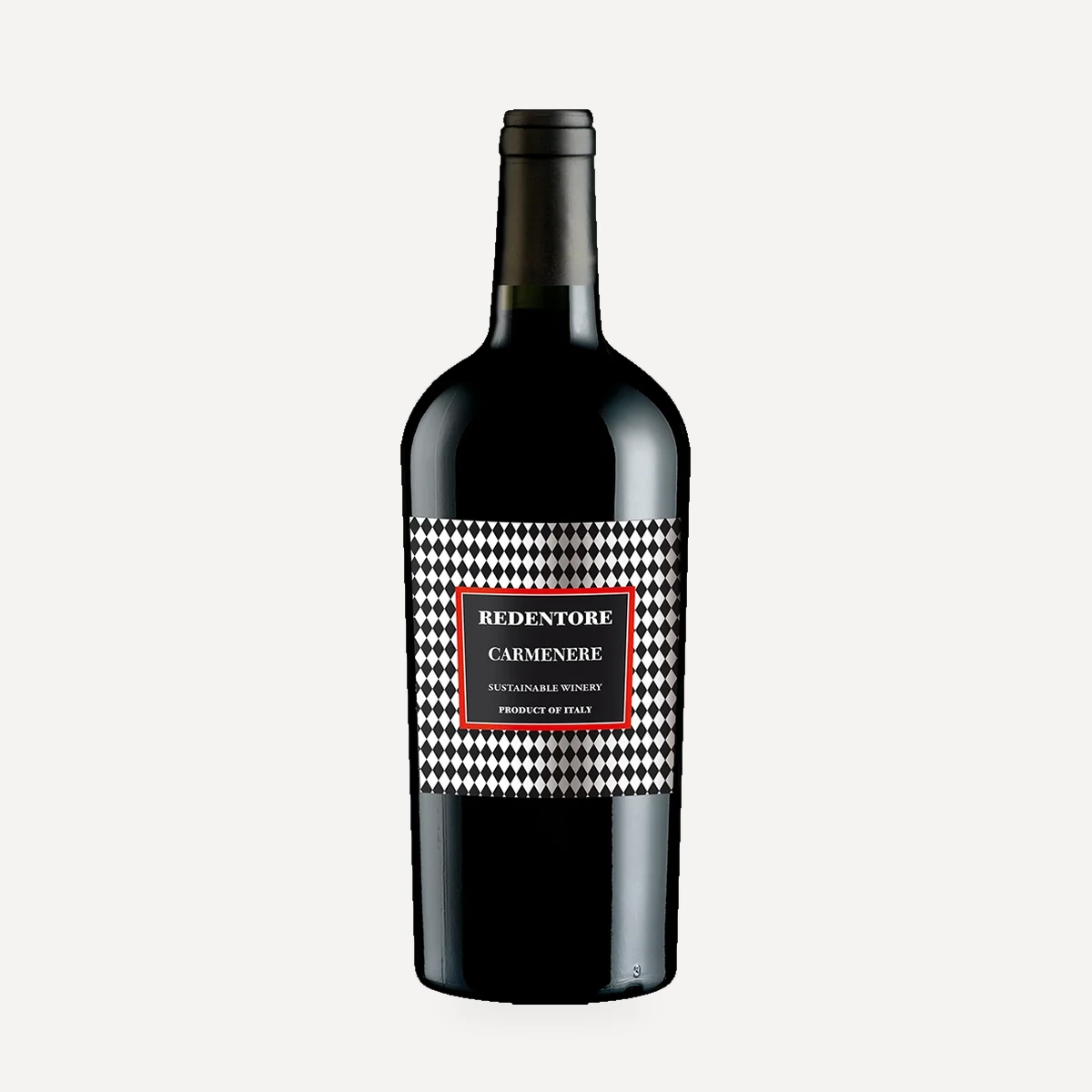
Redentore Carmenere
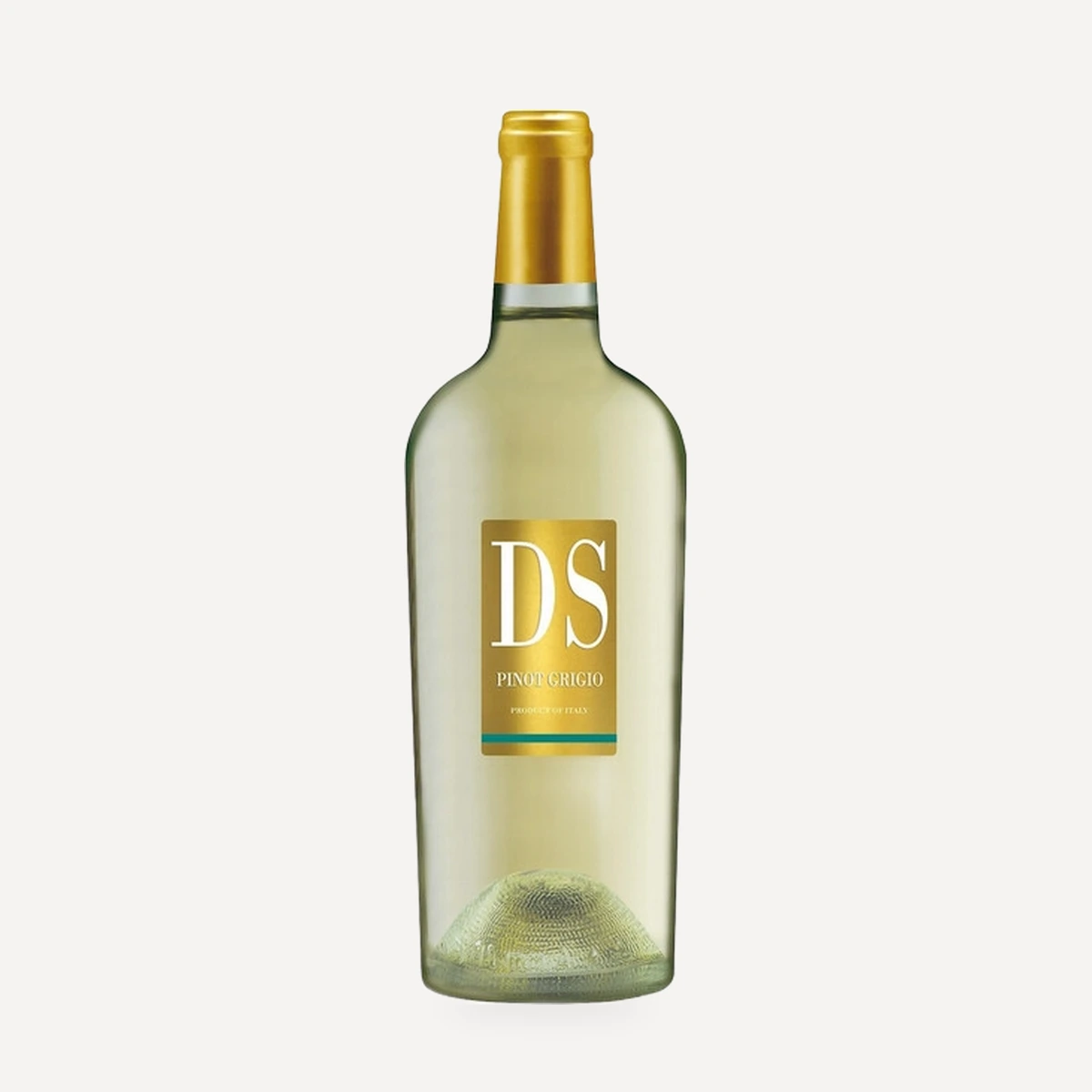
DS Pinot Grigio
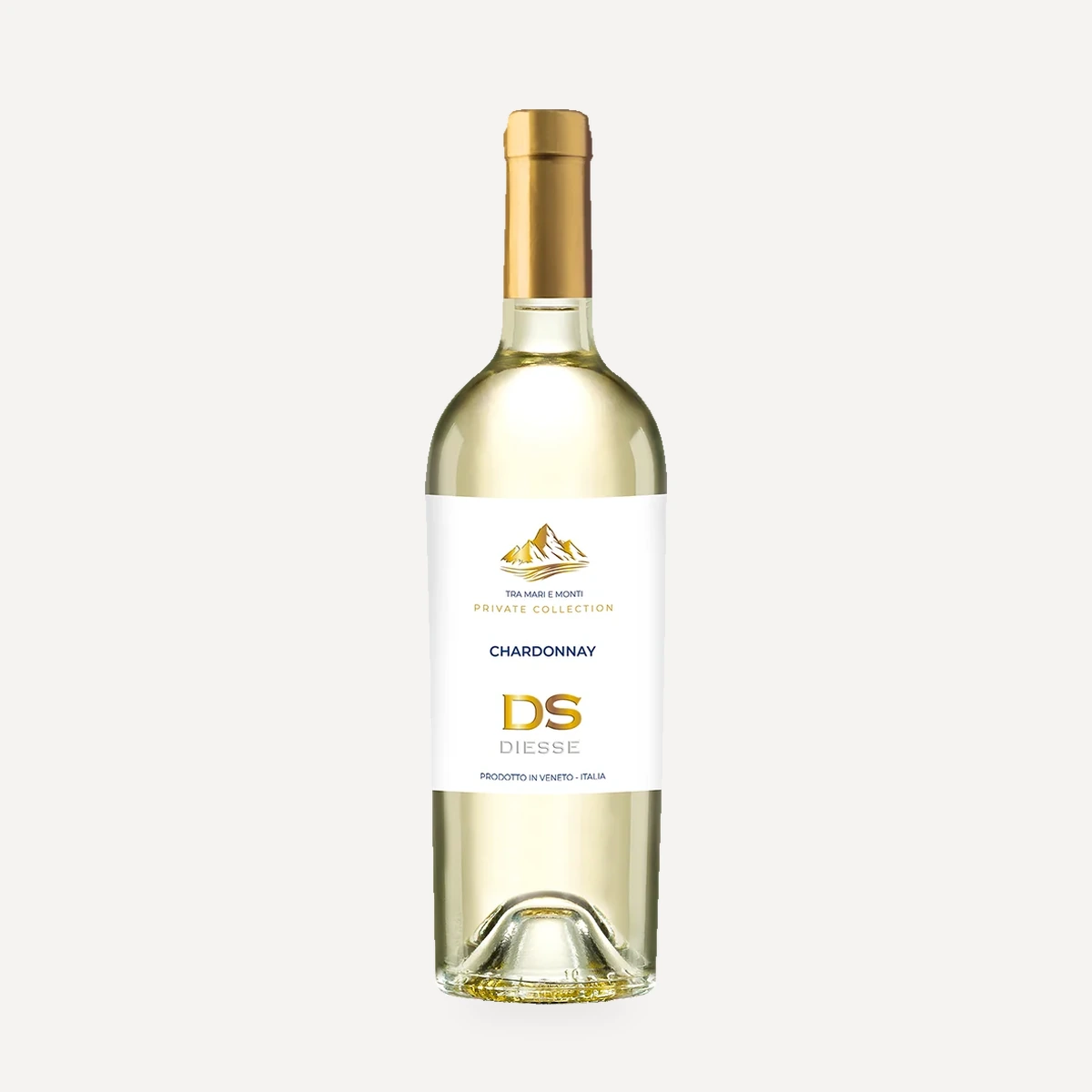
DS Chardonnay
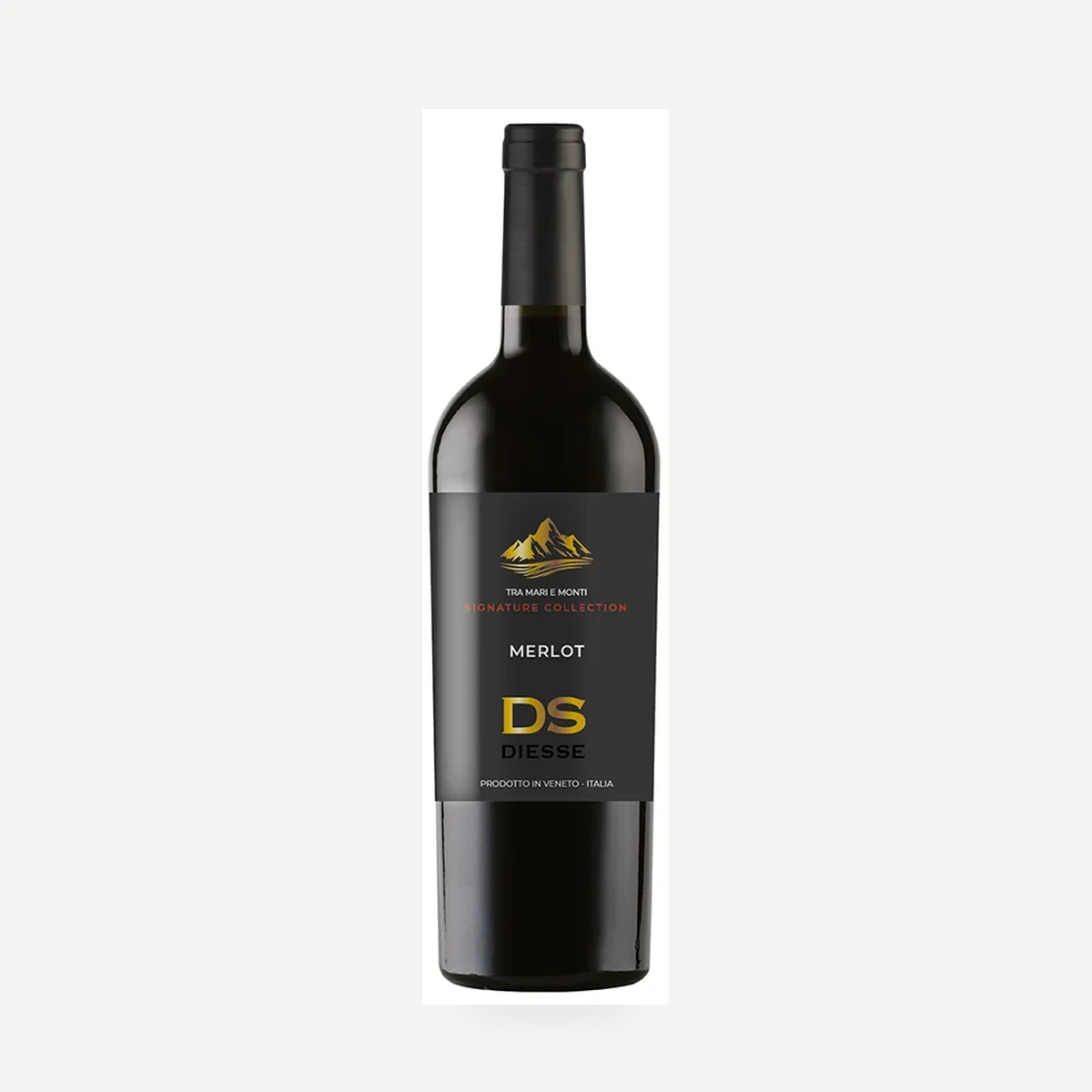
DS Merlot
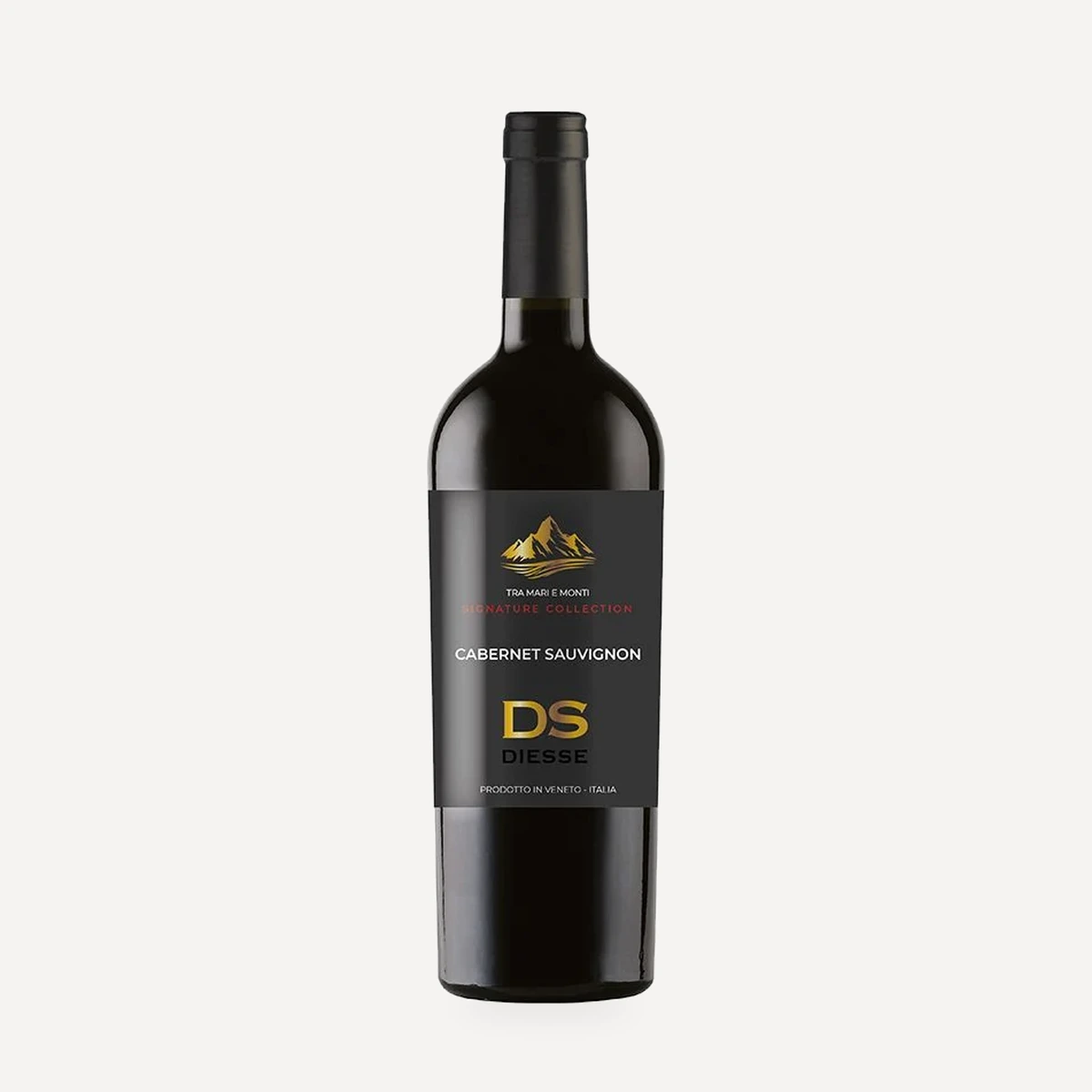
DS Cabernet Sauvignon
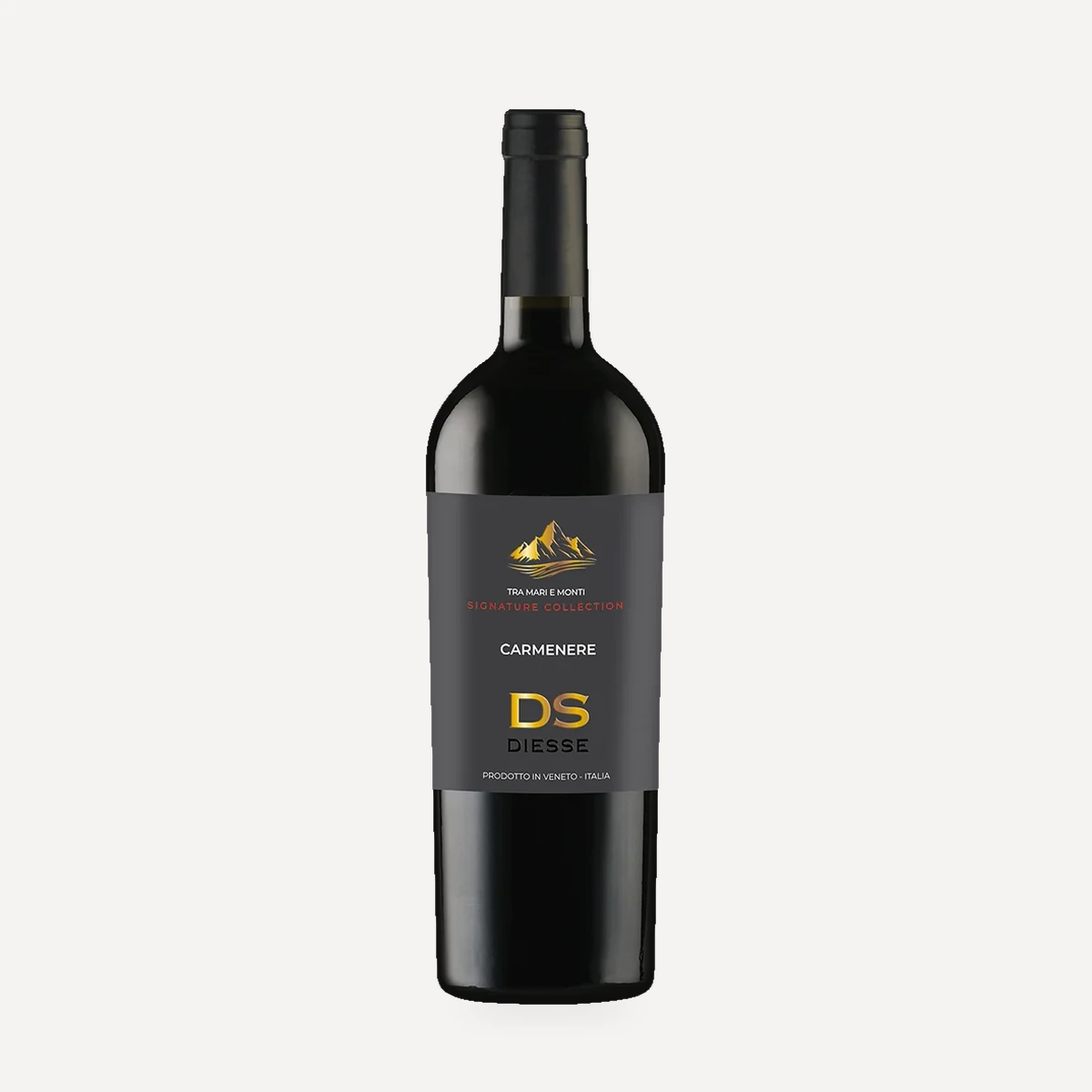
DS Carmenere
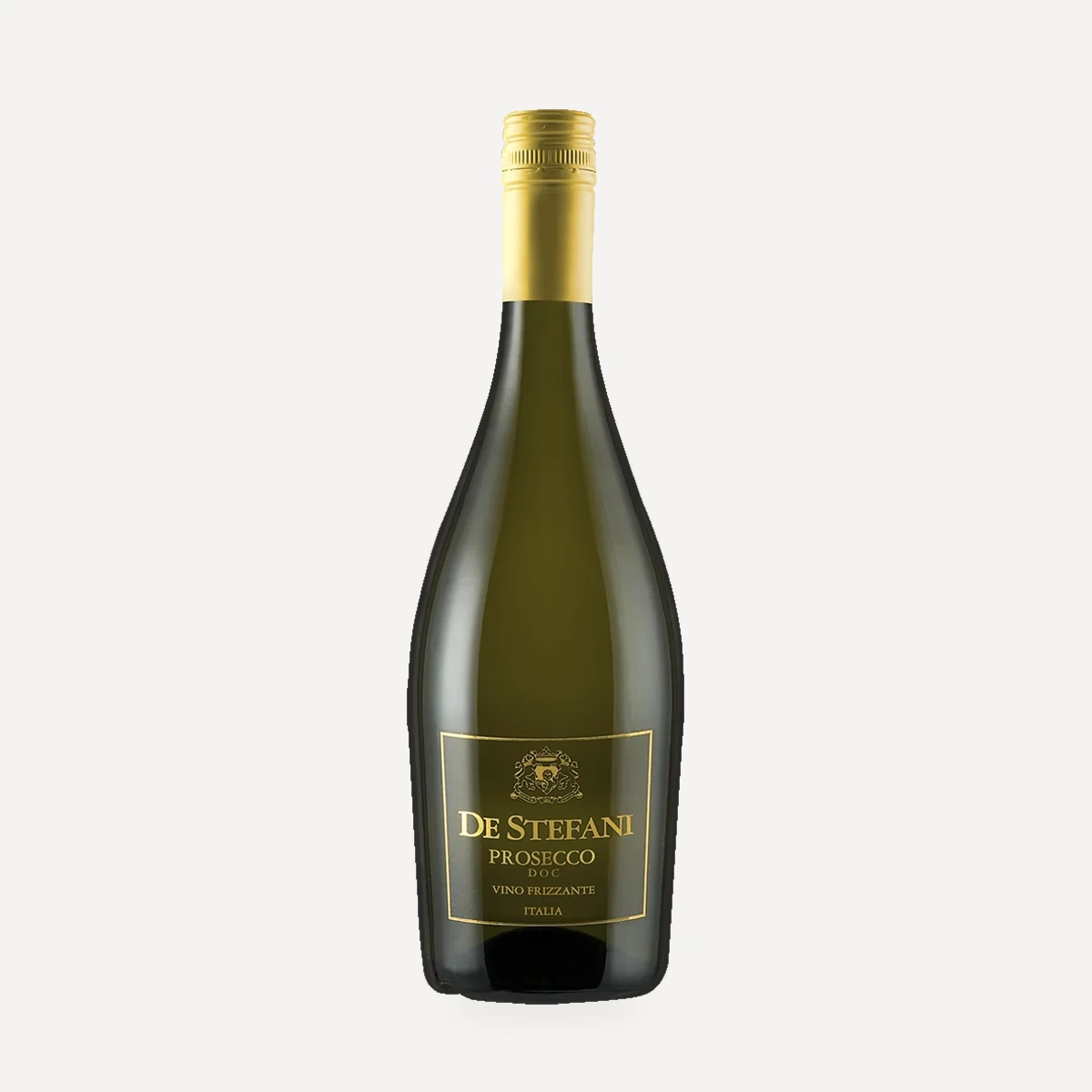
Prosecco frizzante
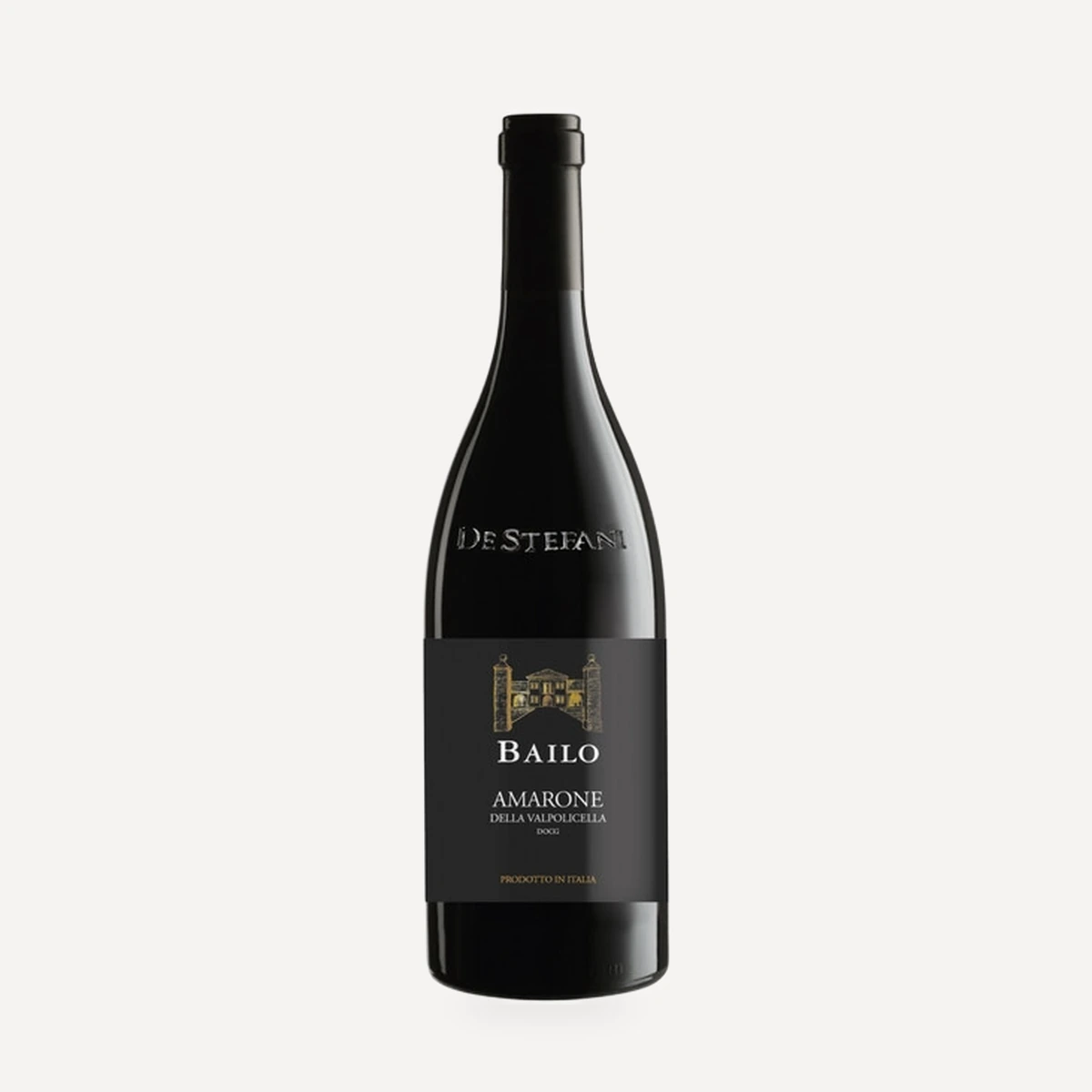
Bailo Amarone
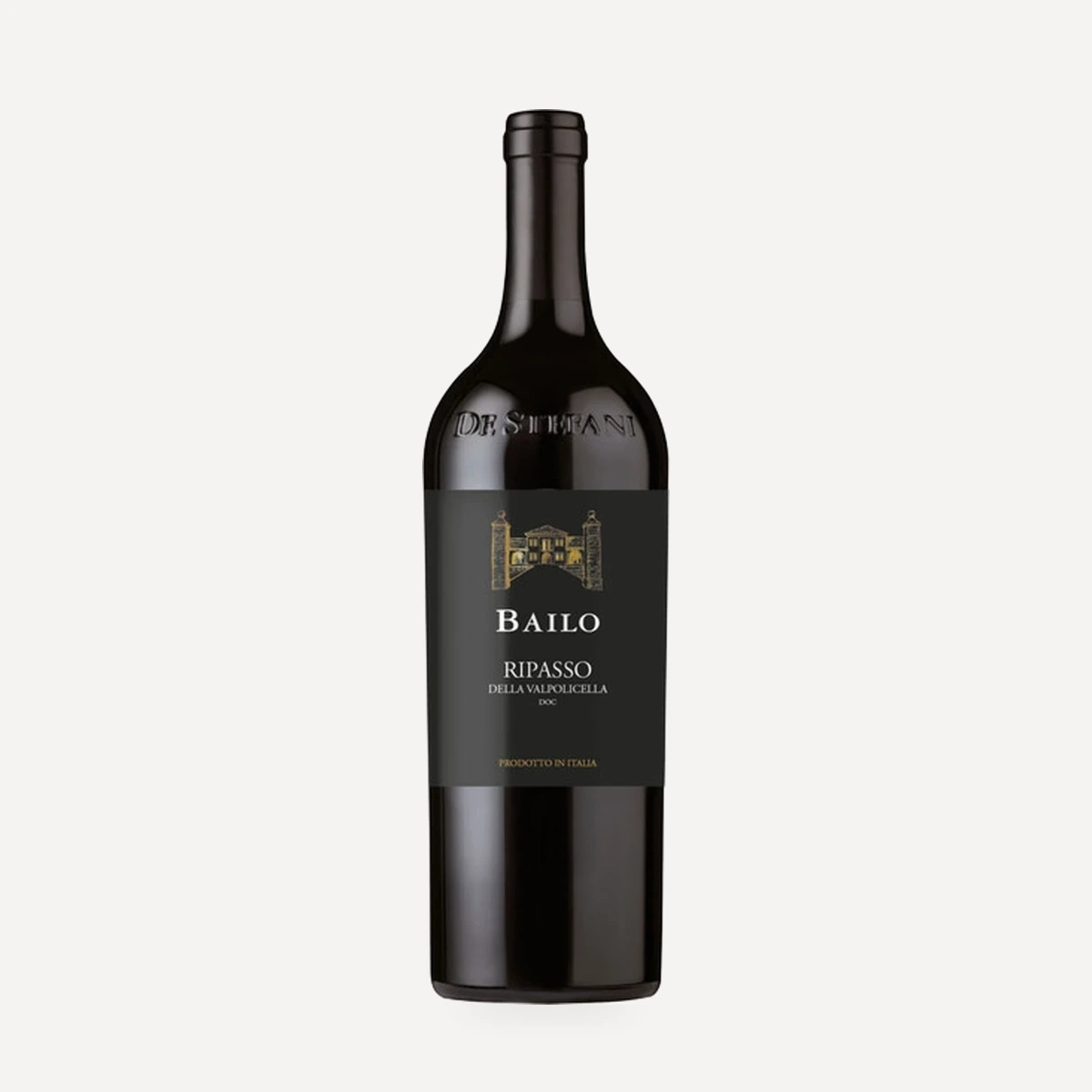
Bailo Ripasso
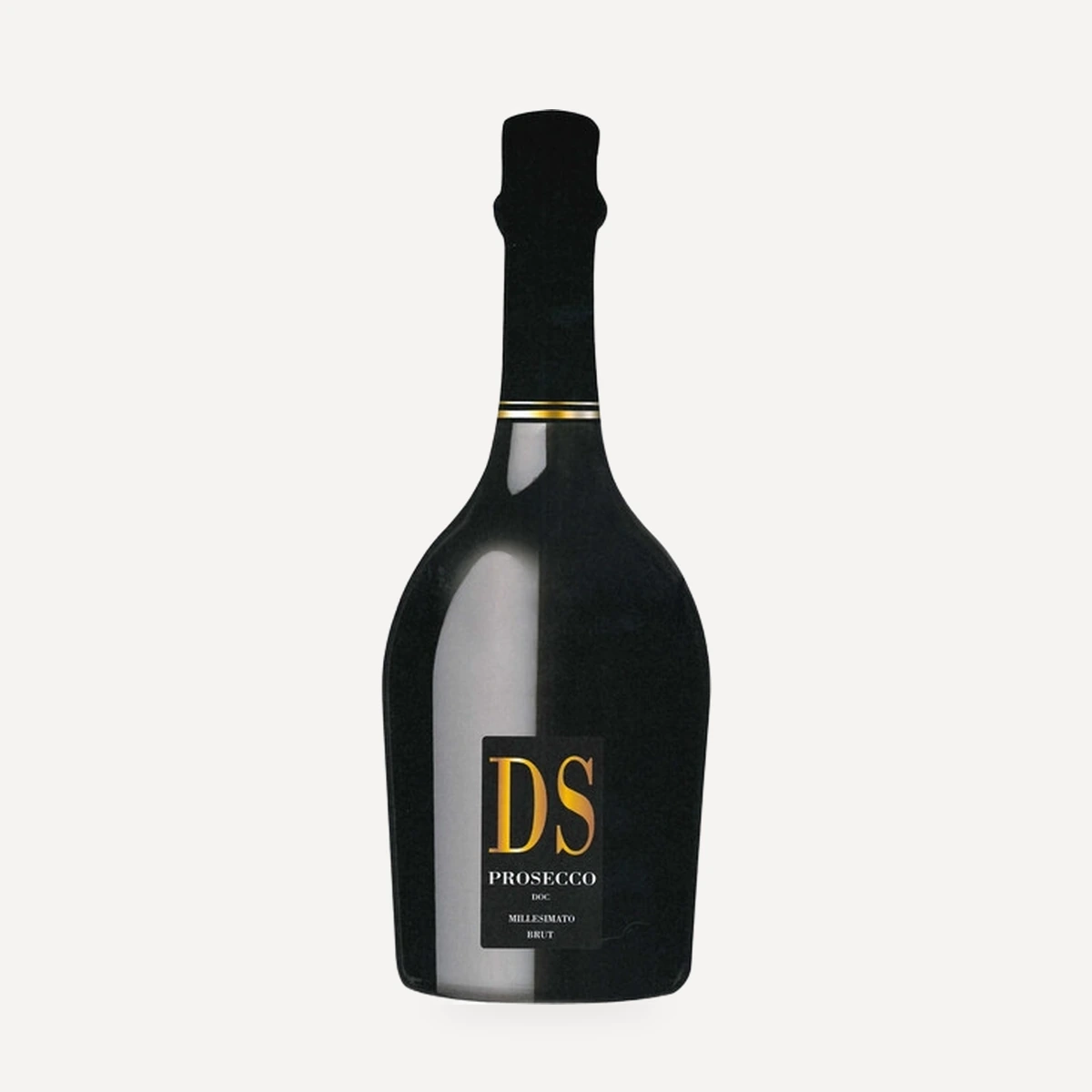
DS Prosecco Brut
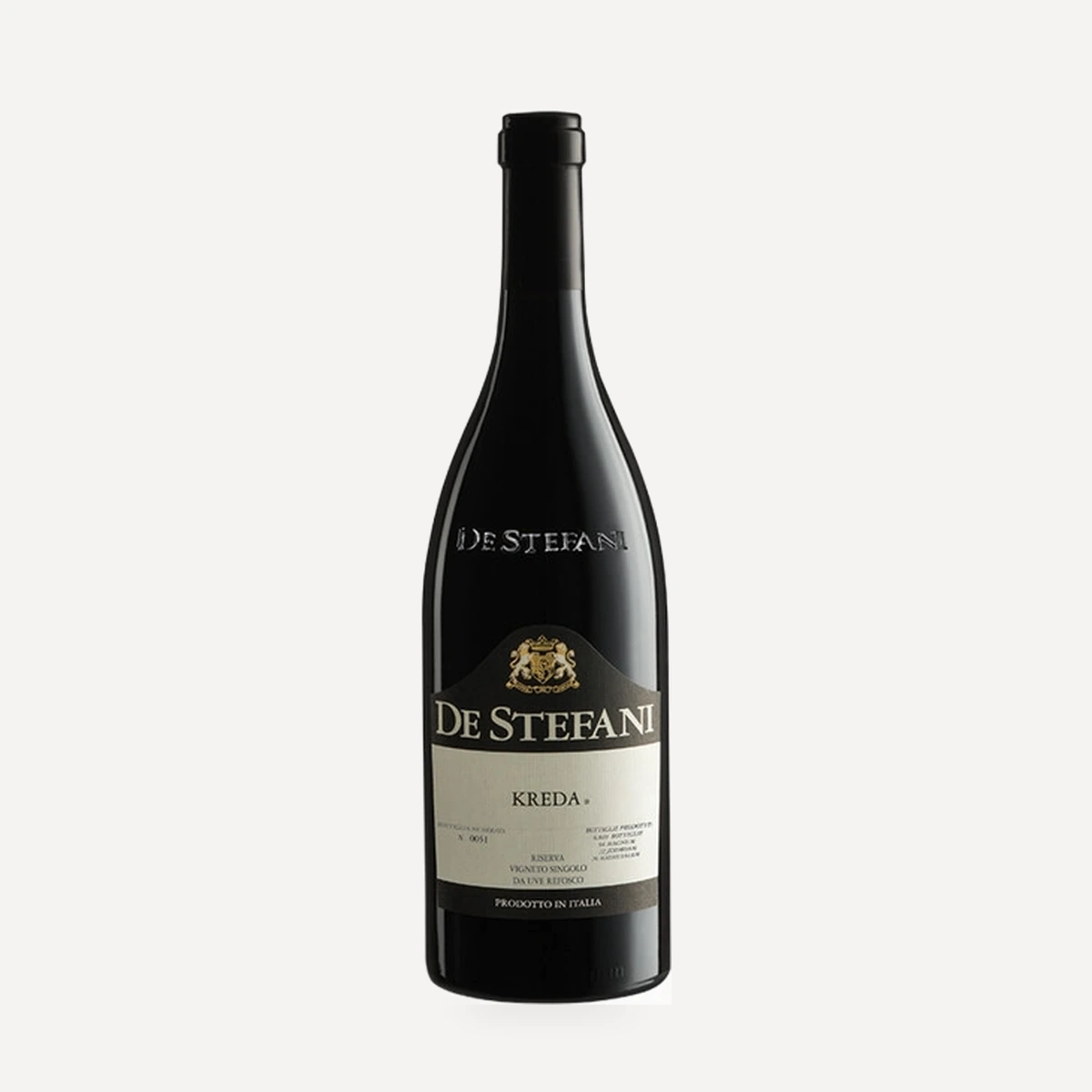
Kreda Venezia DOC
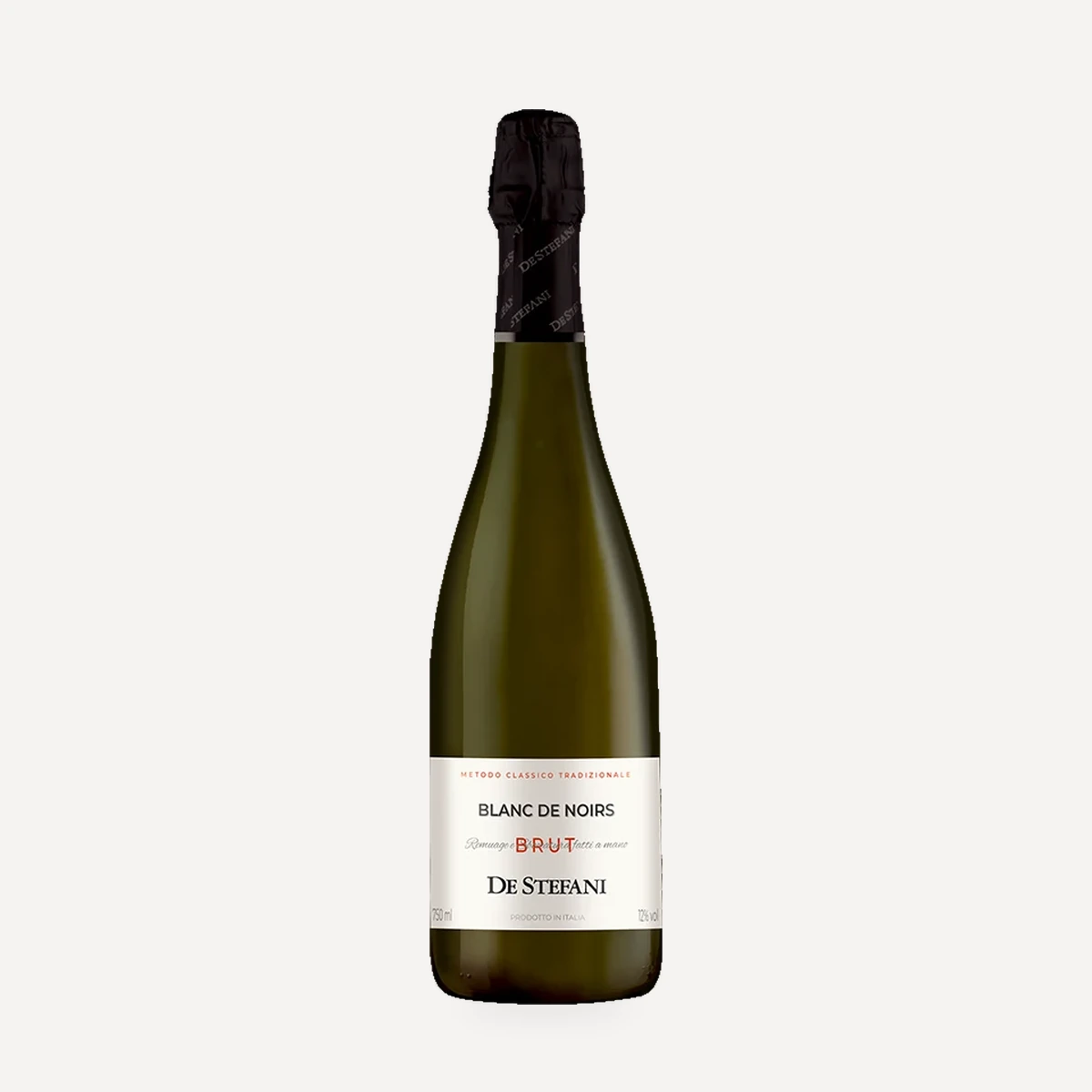
Blanc de Noirs
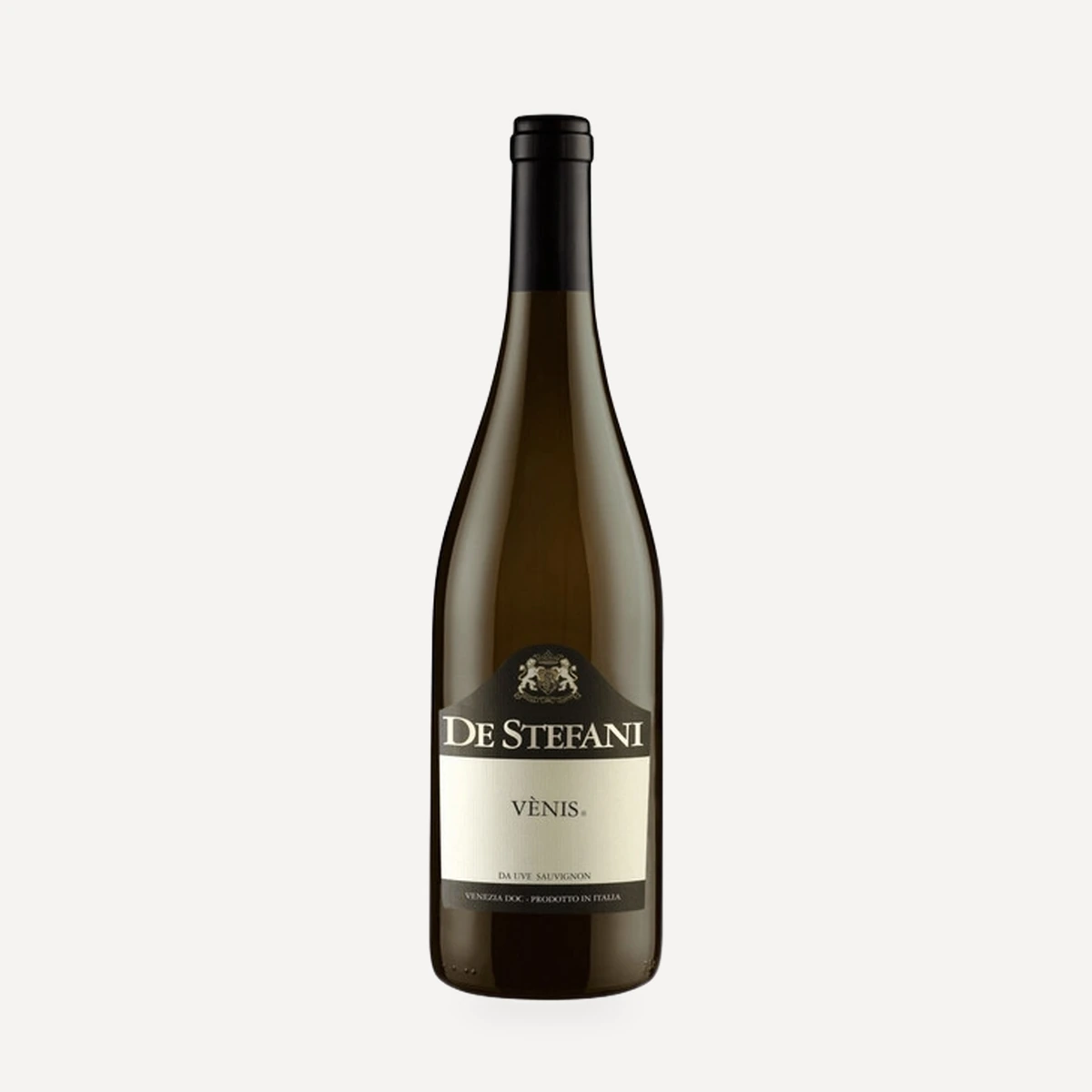
Vènis
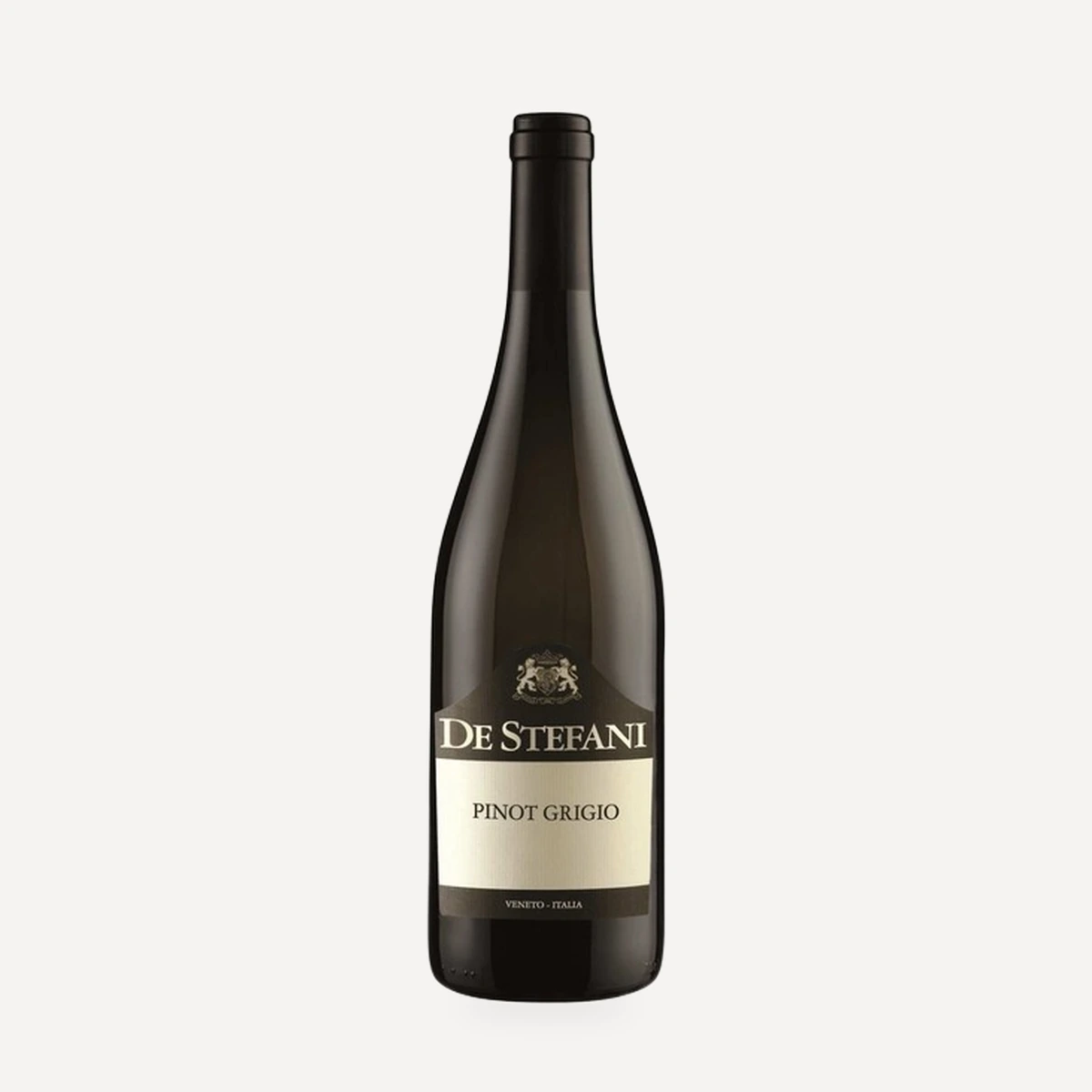
Pinot Grigio
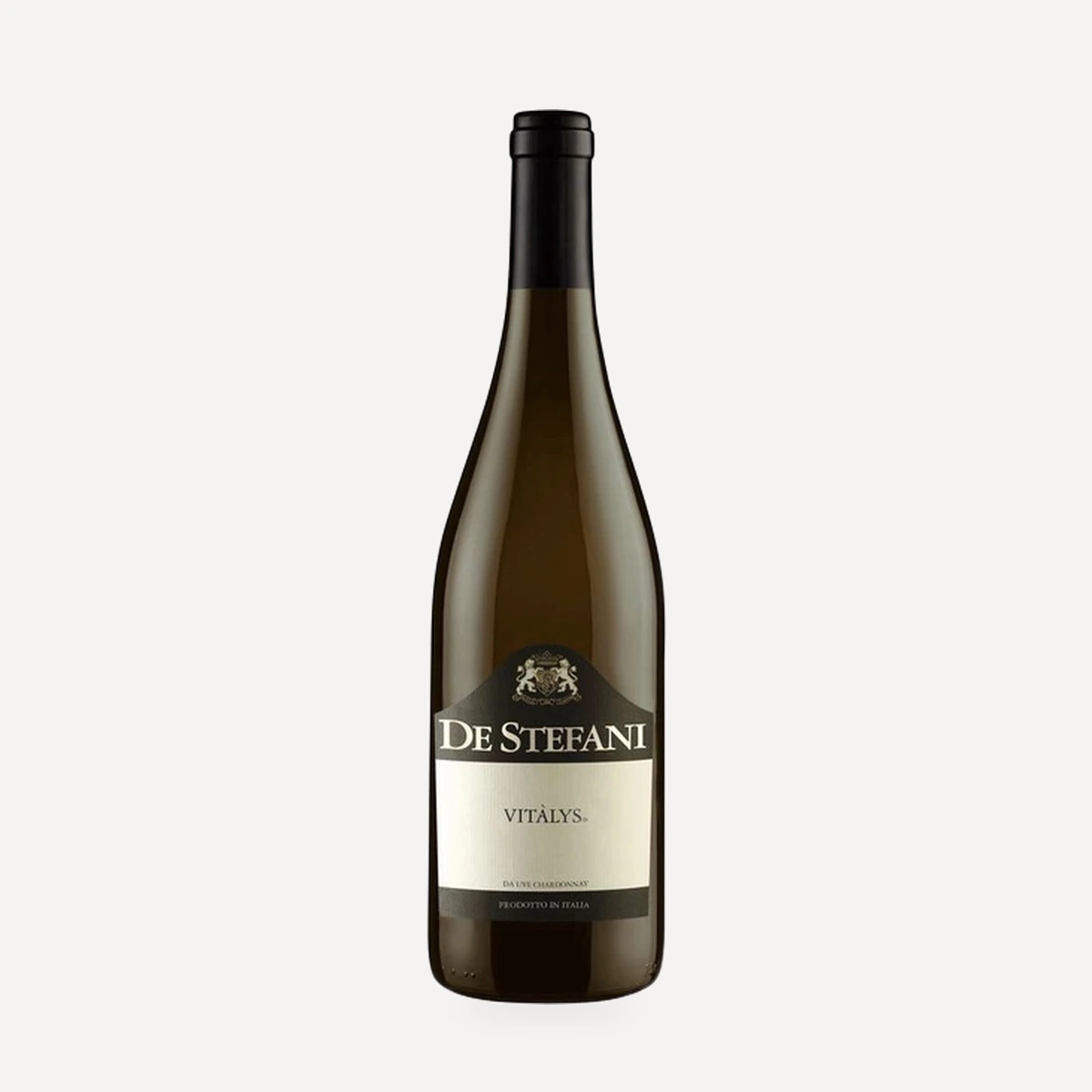
Vitàlys
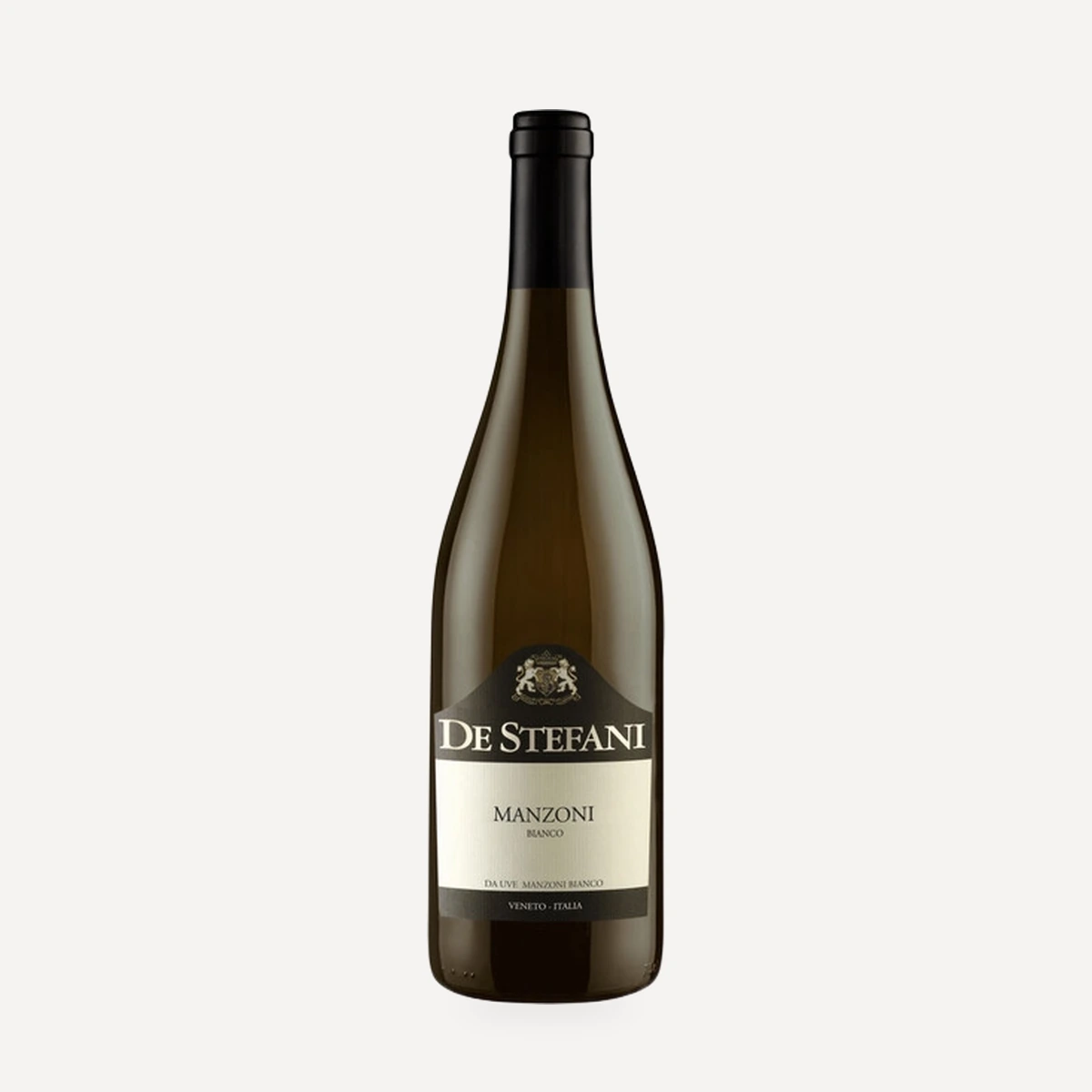
Manzoni Bianco
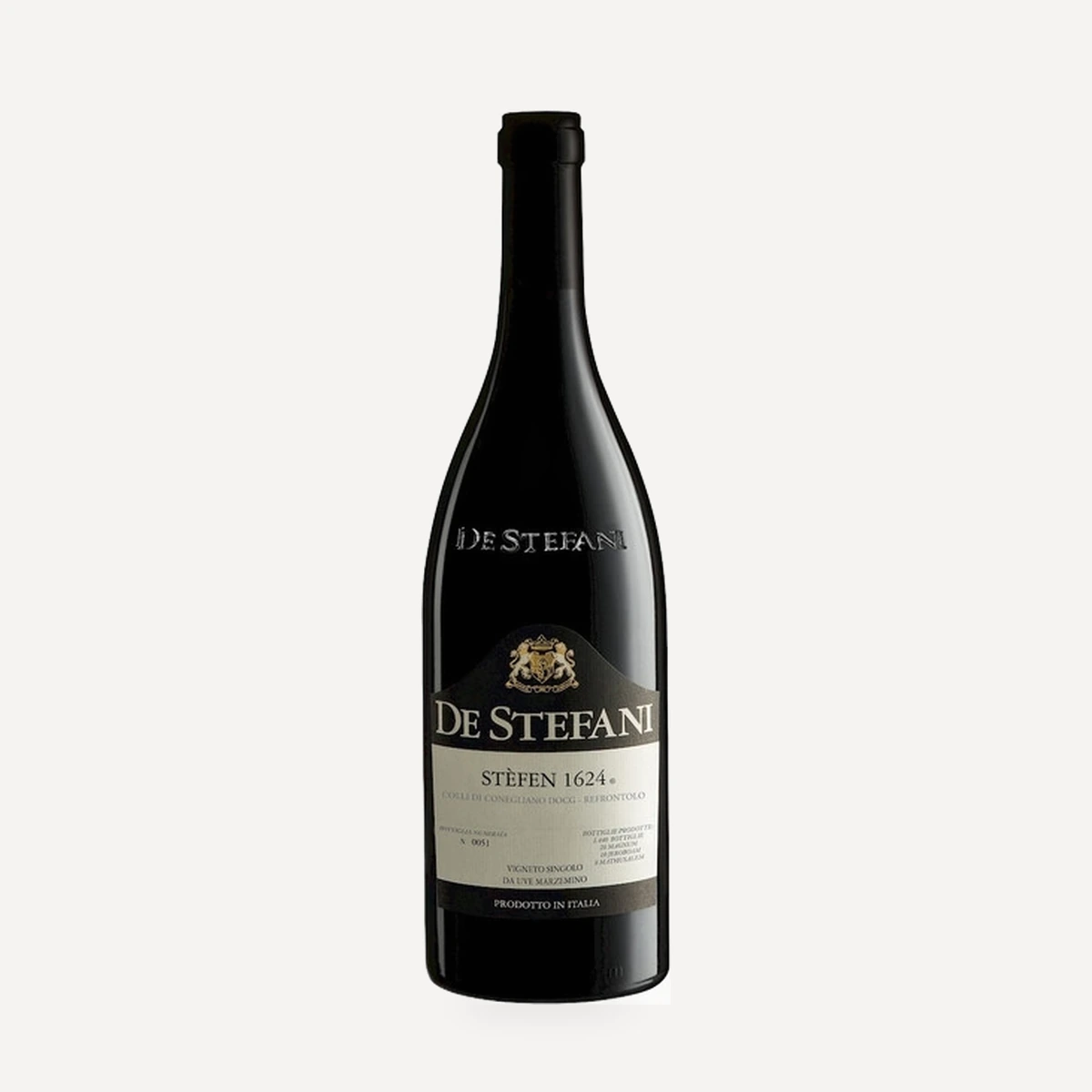
Stèfen 1624 – single vineyard
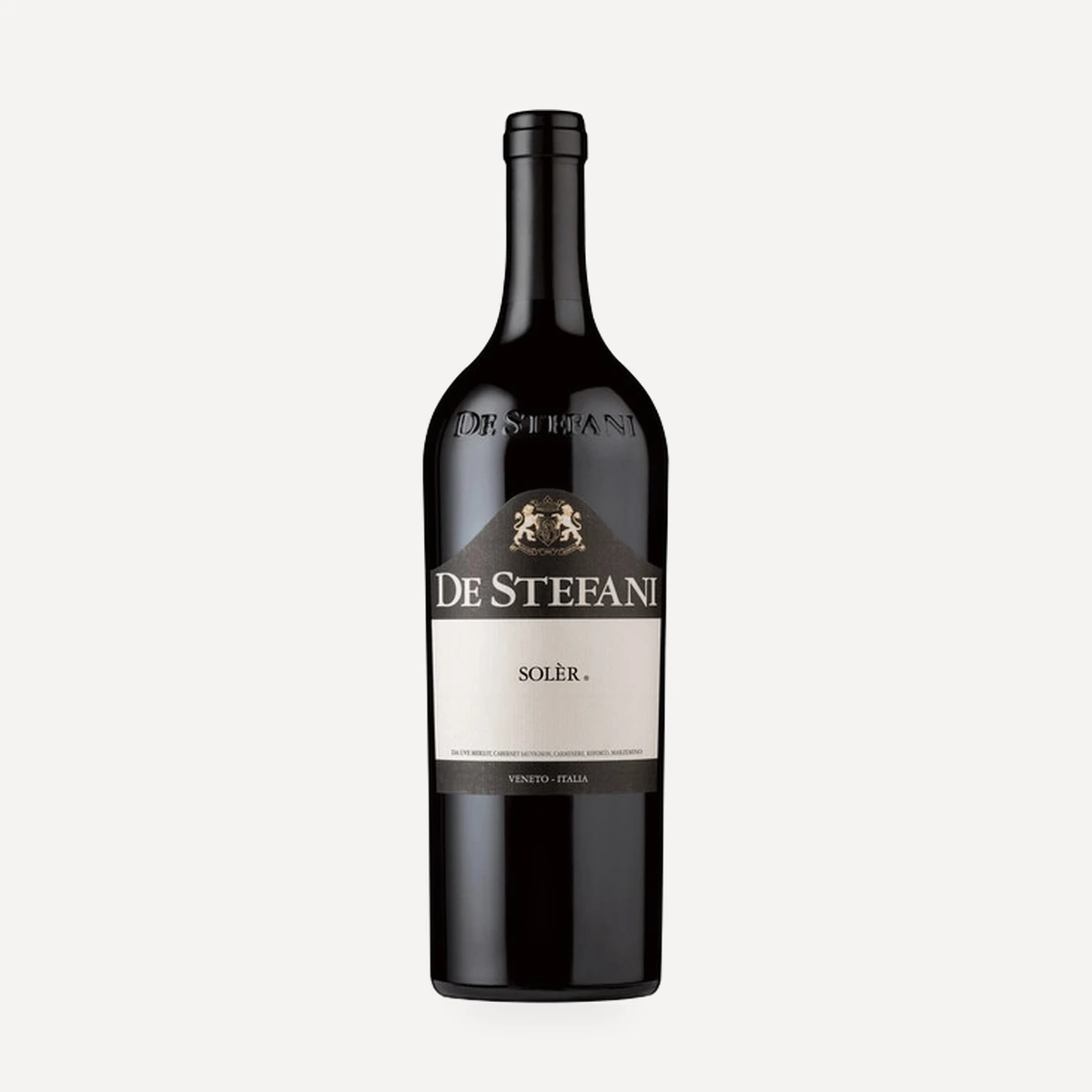
Solèr
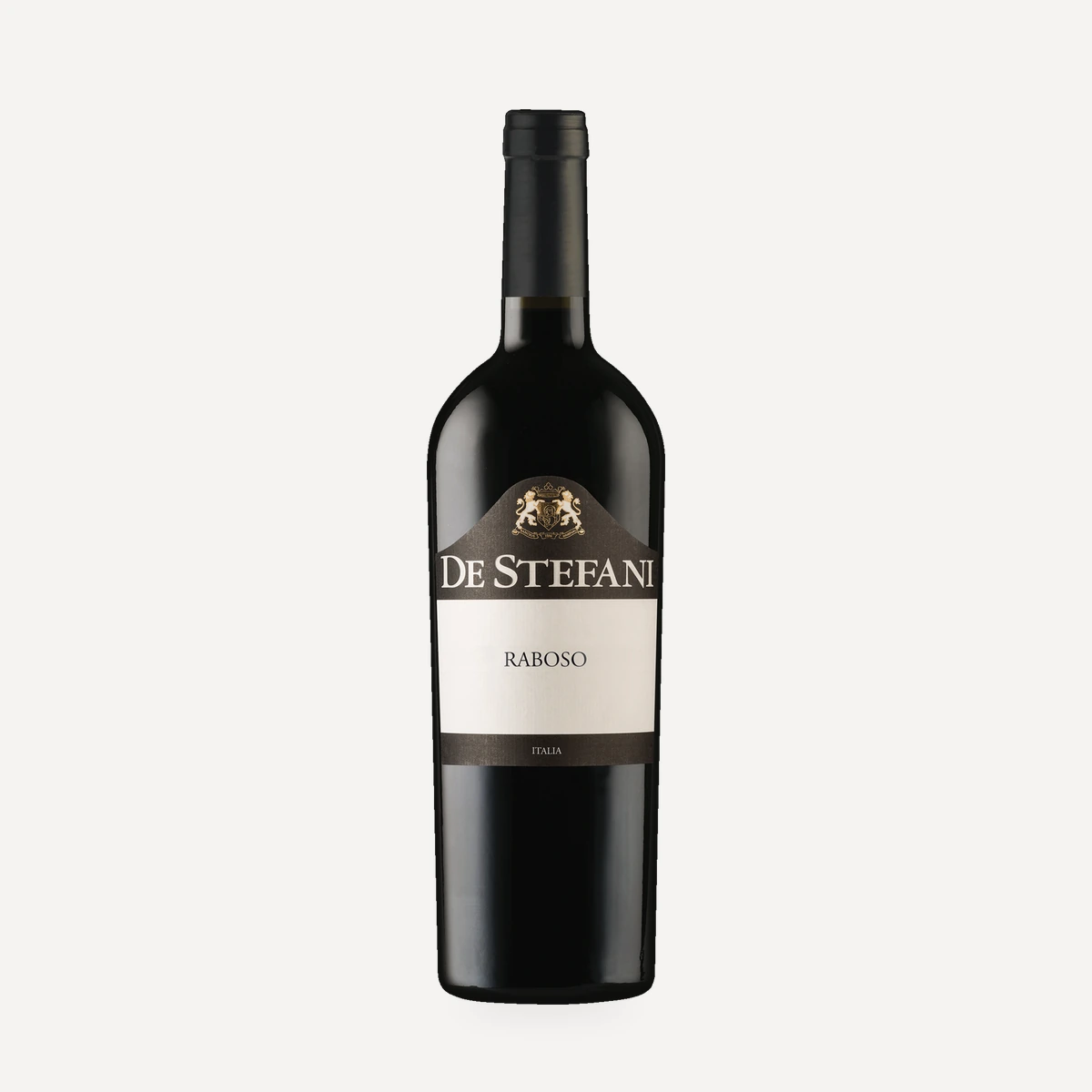
Raboso
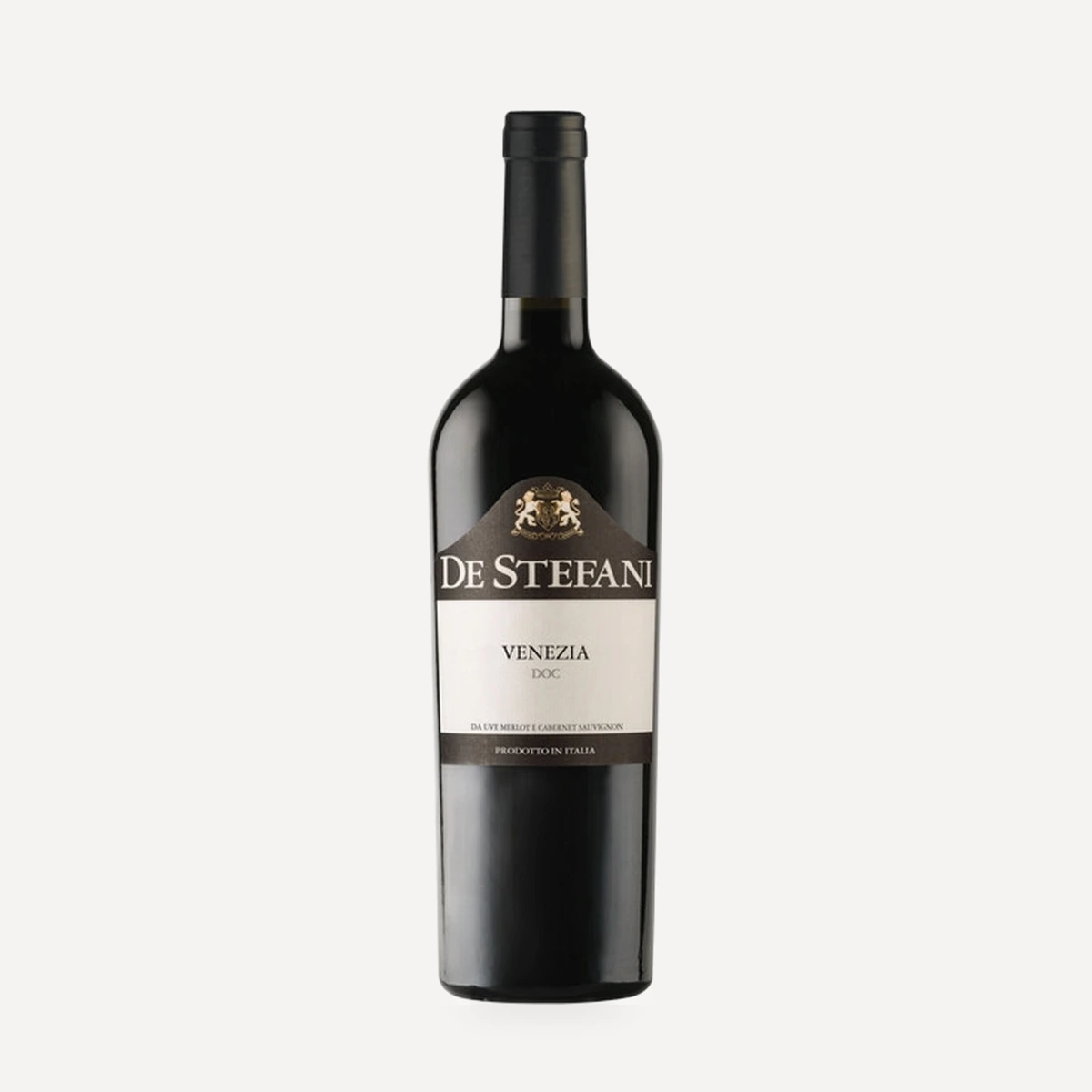
Venezia
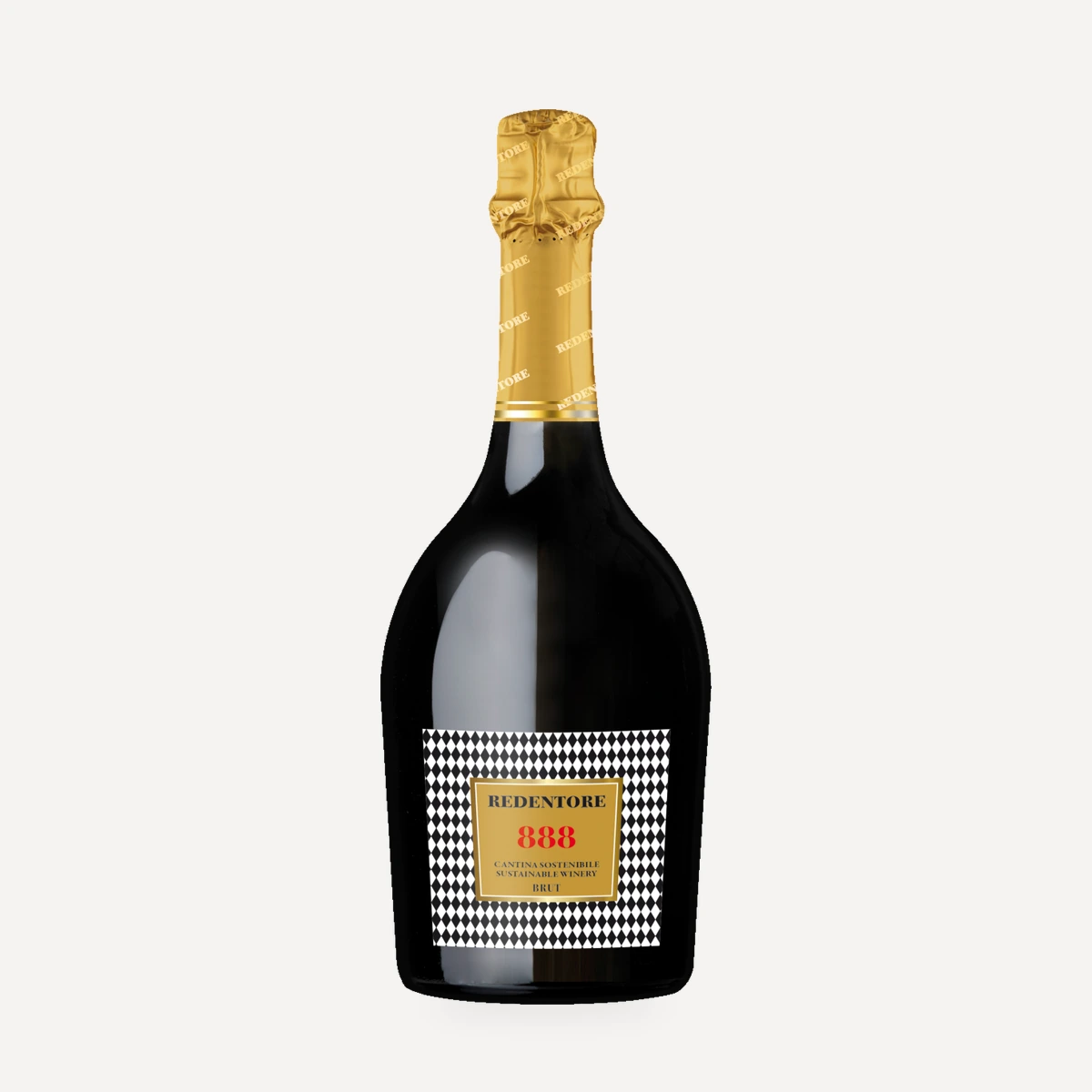
Redentore 888
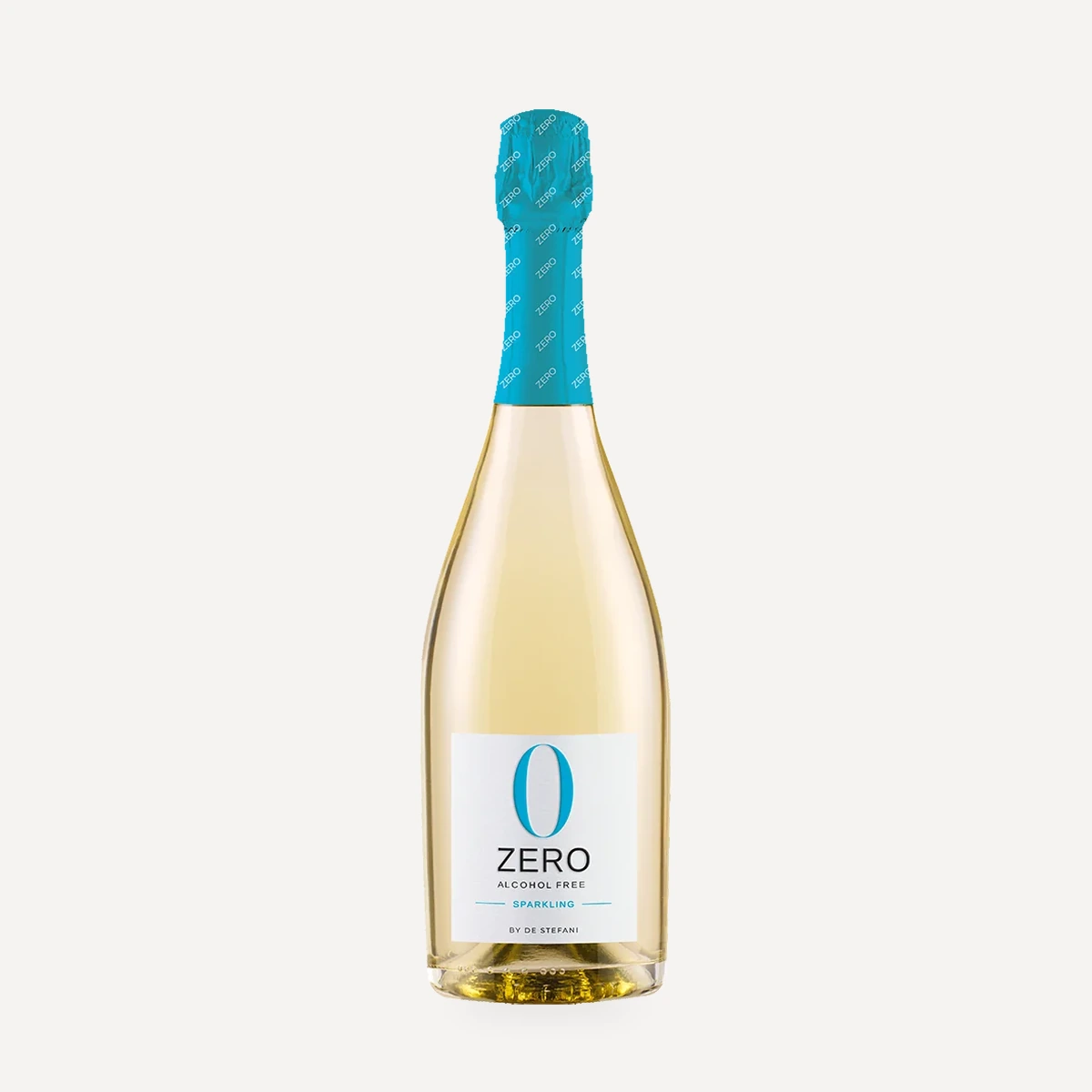
Zero Sparkling
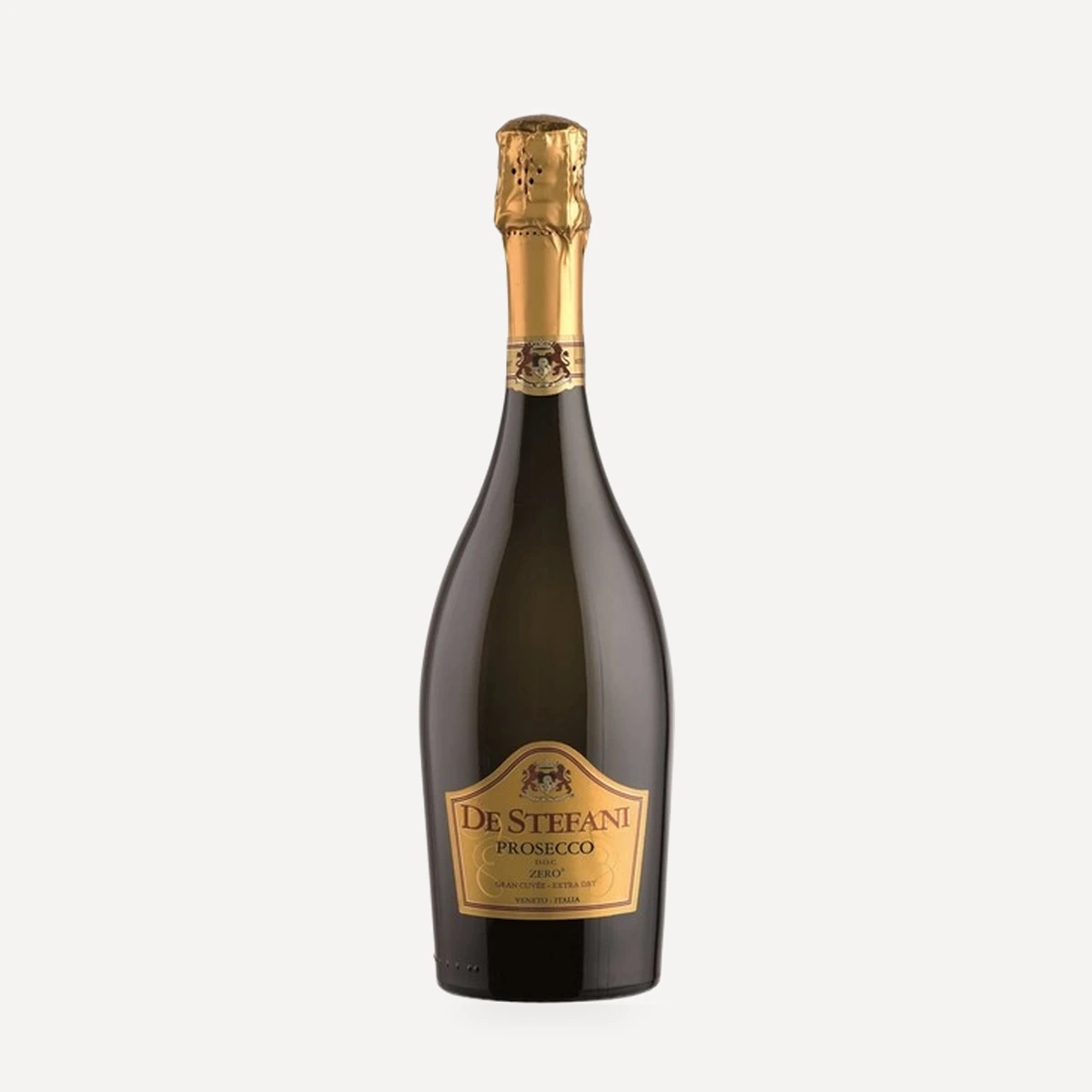
Prosecco Spumante Gran Cuvee Extra Dry DOC
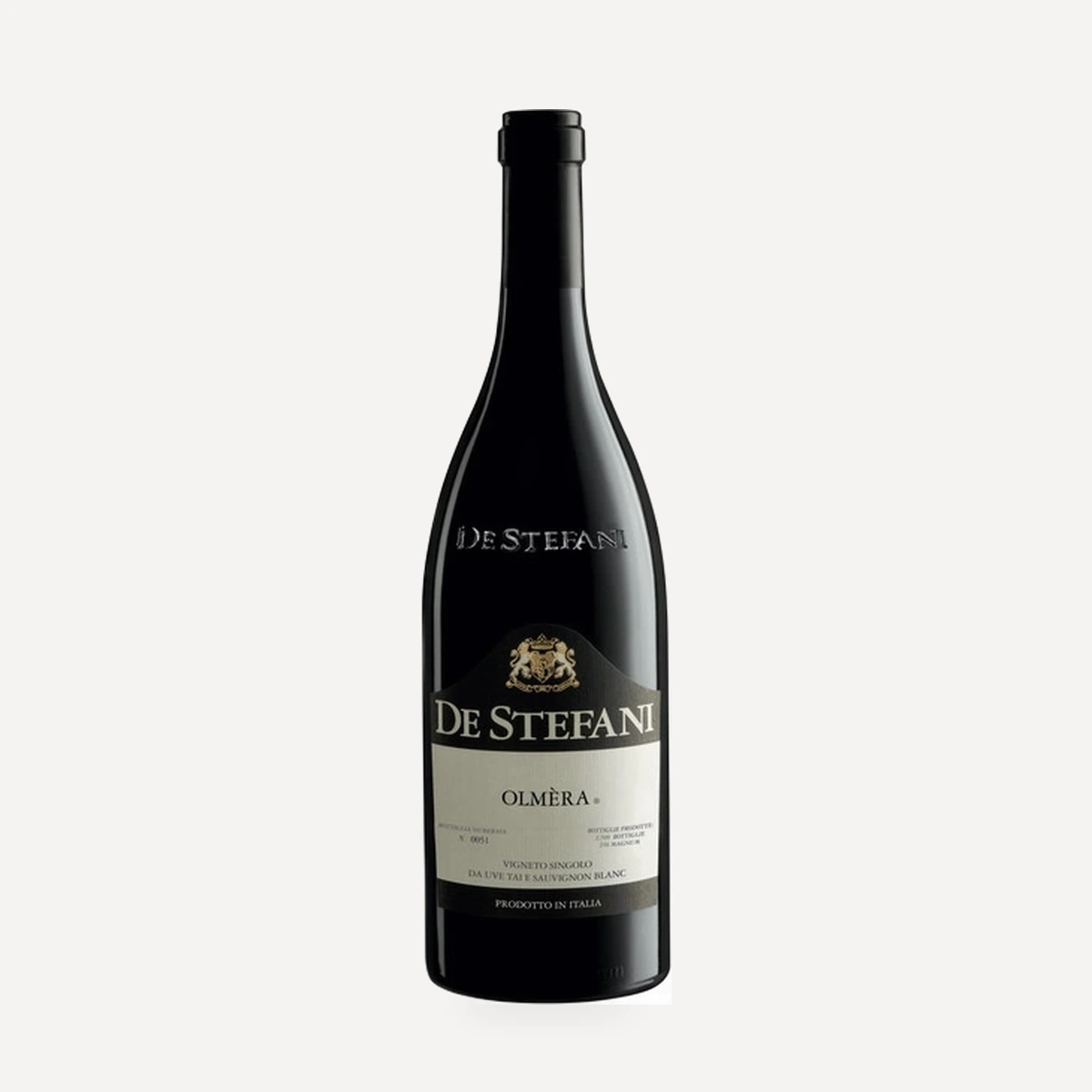
Olmèra - single vineyard
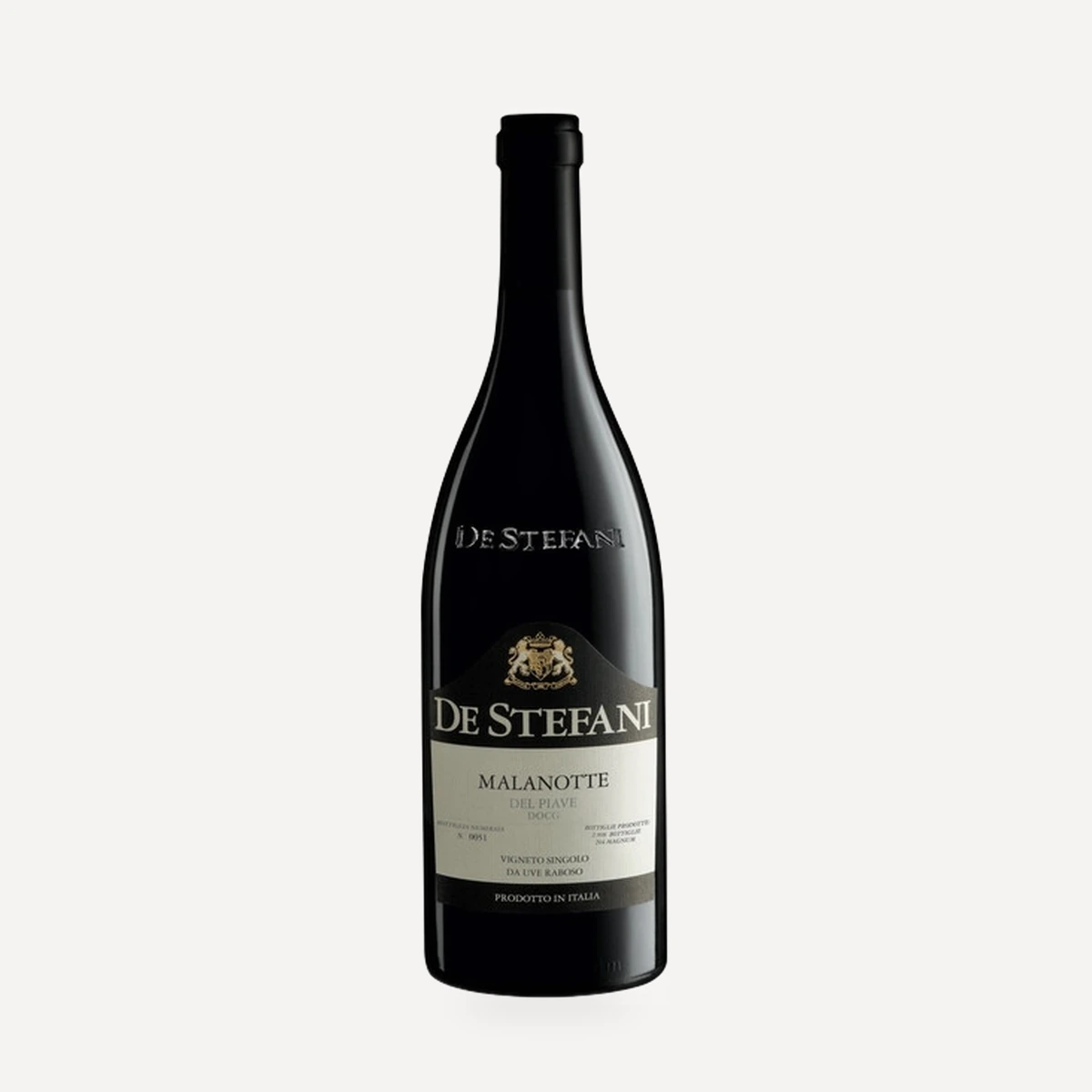
Malanotte - single vineyard
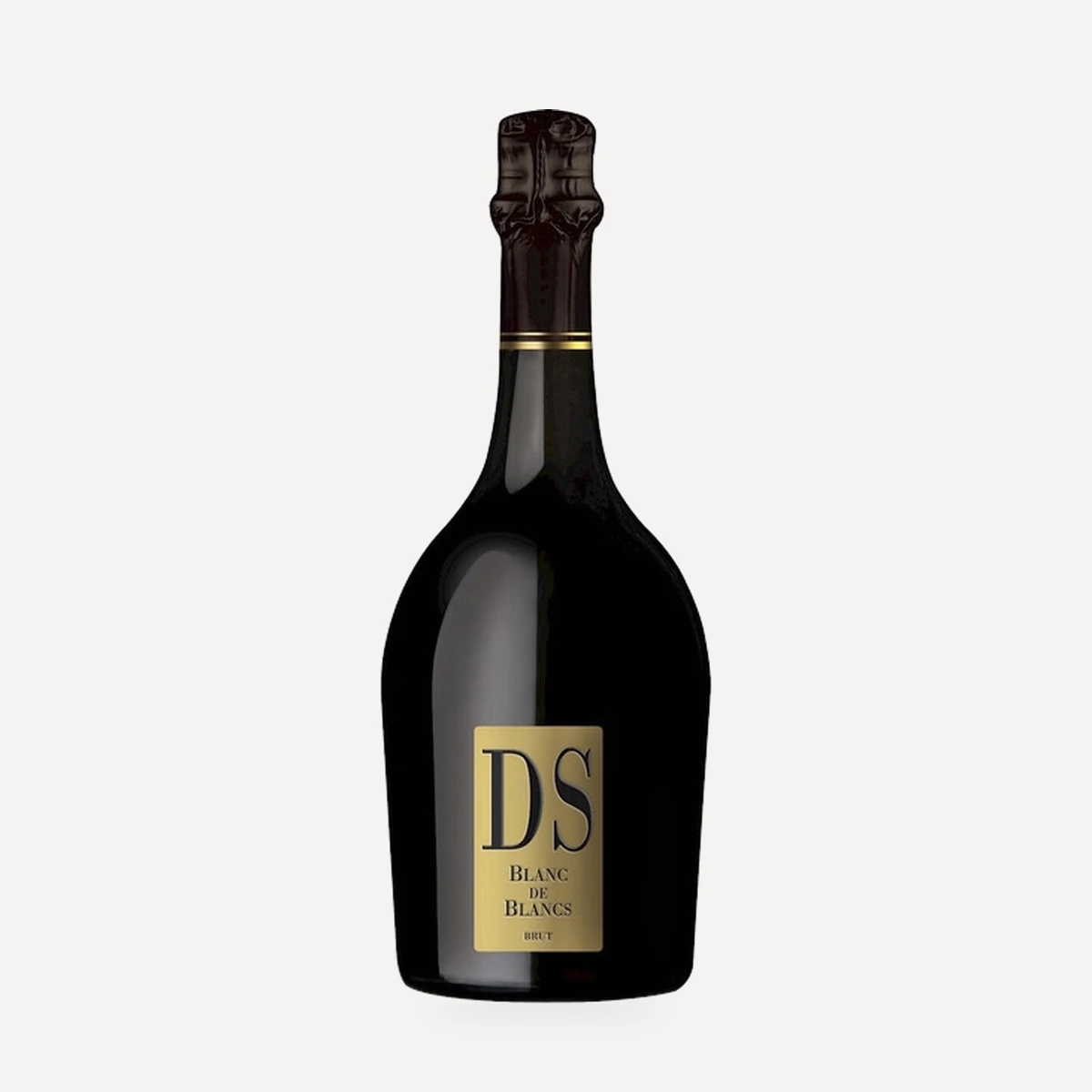
DS Blanc de Blancs
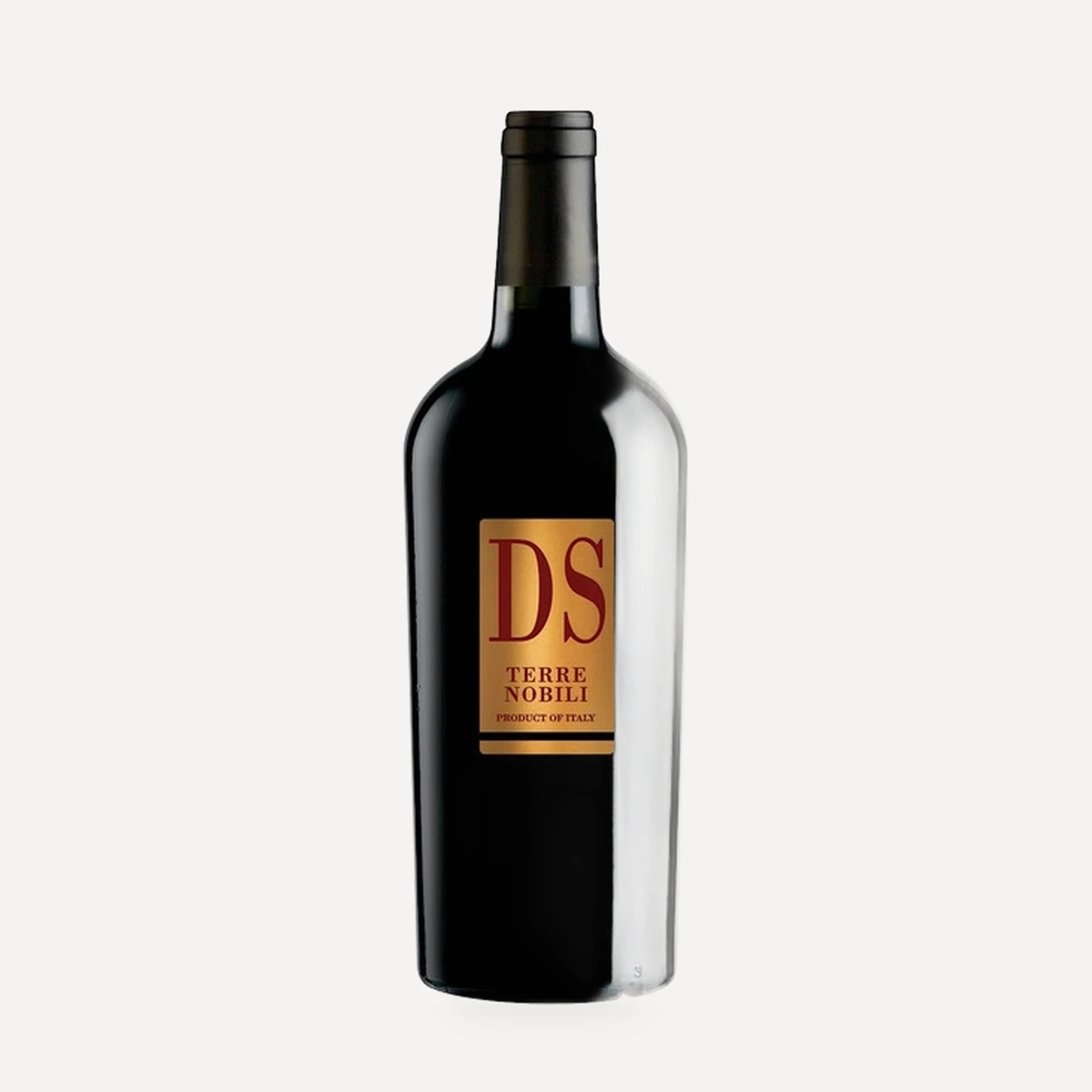
DS Terre Nobili
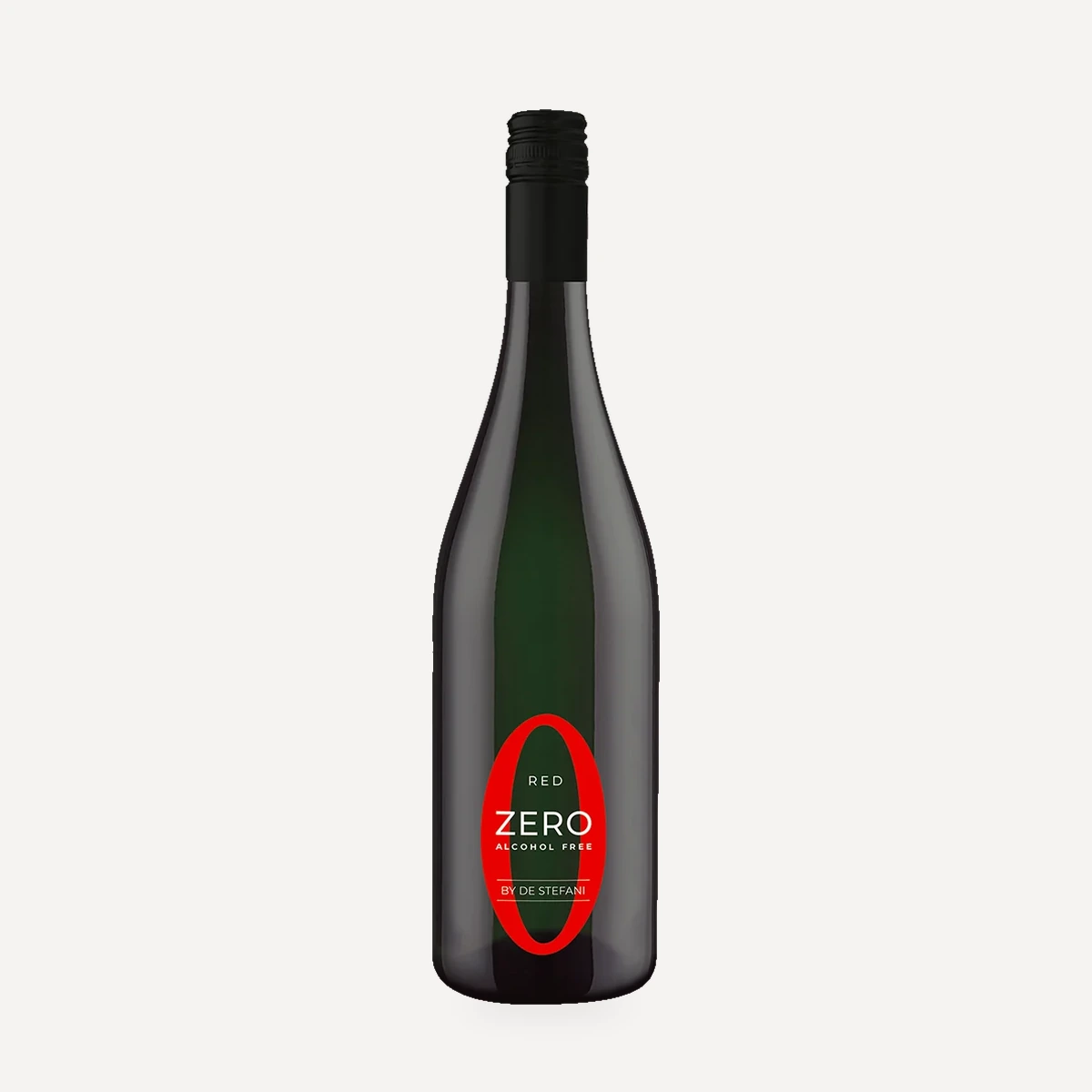
Zero Red
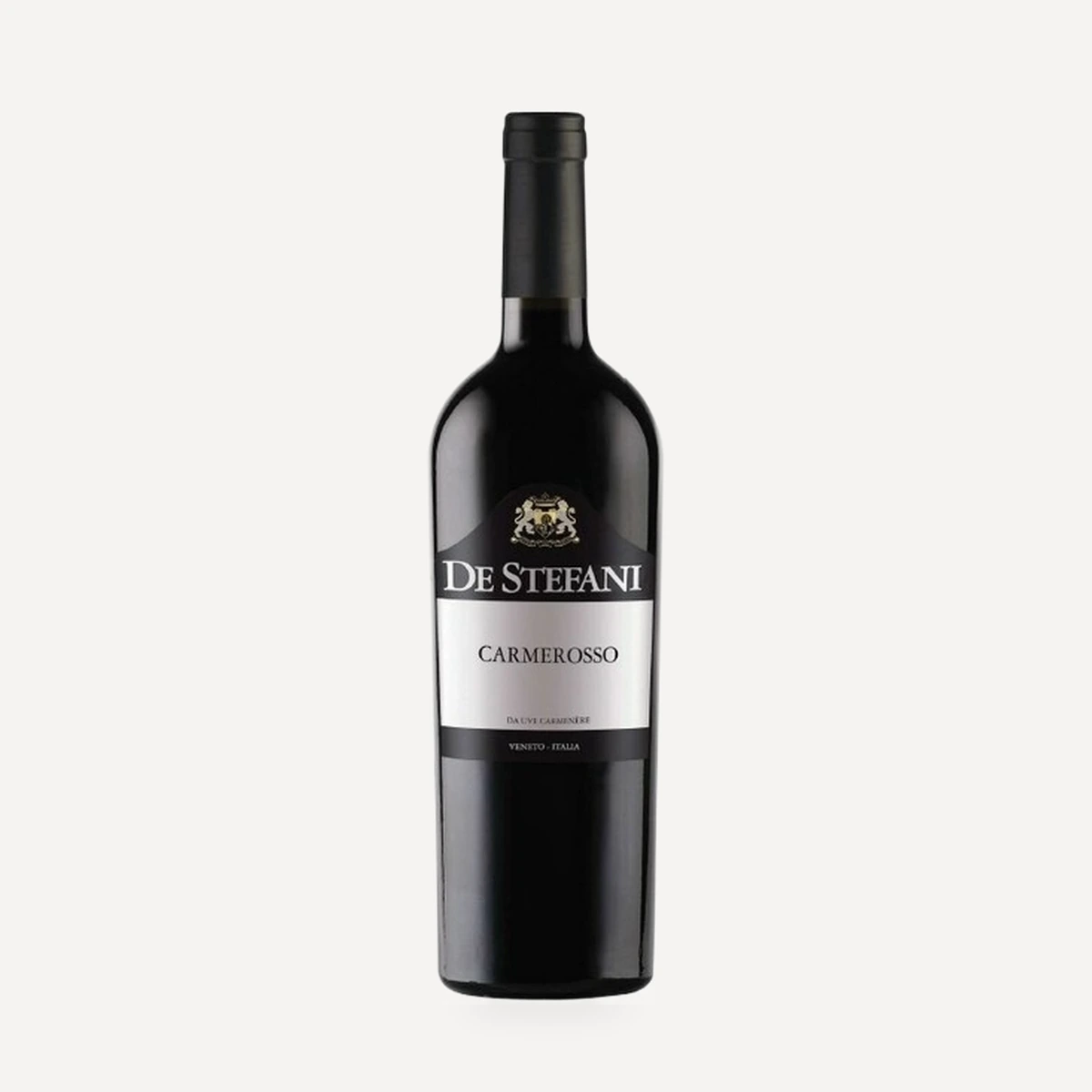
Carmerosso Veneto IGT
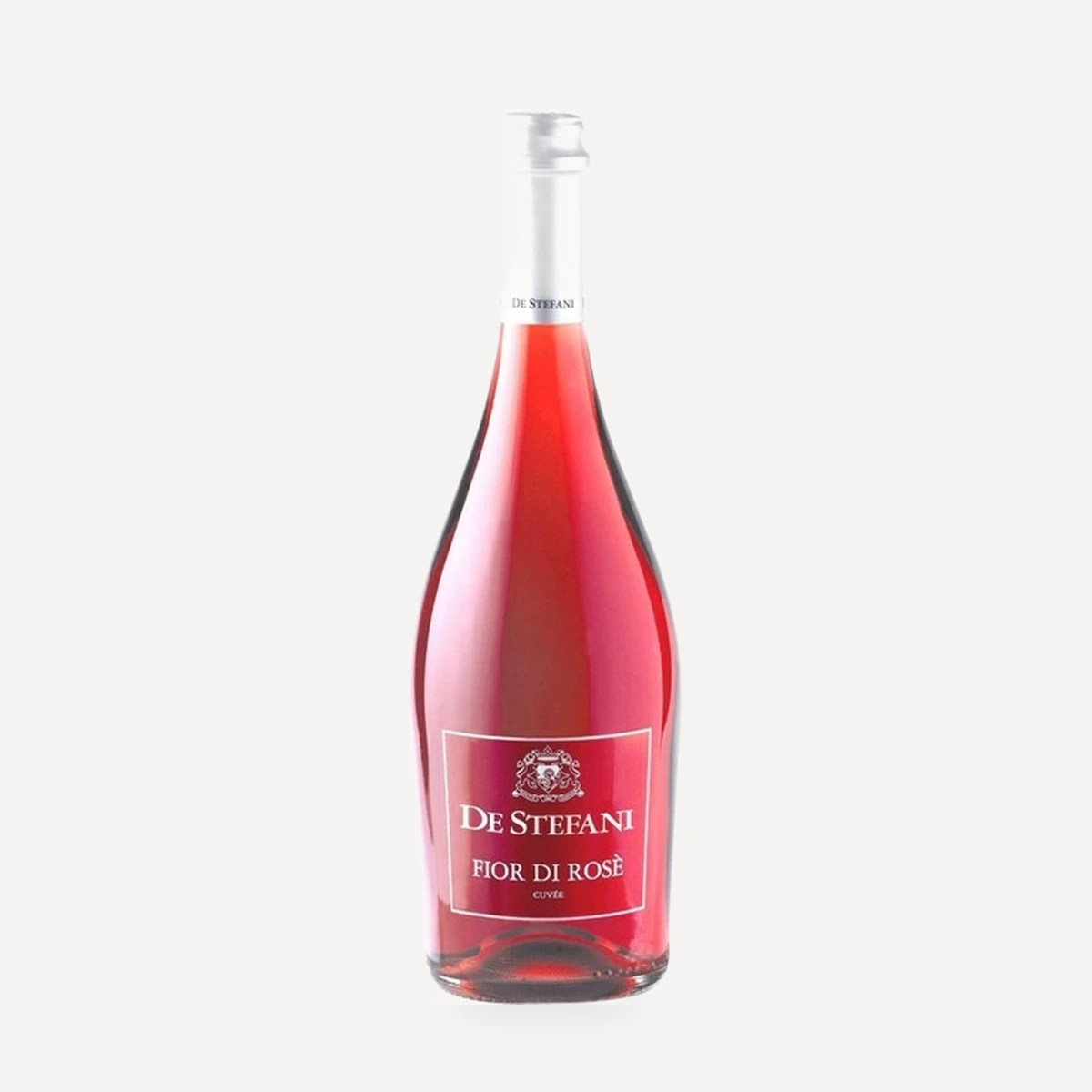
Fior di Rose Rosato Frizzante IGT
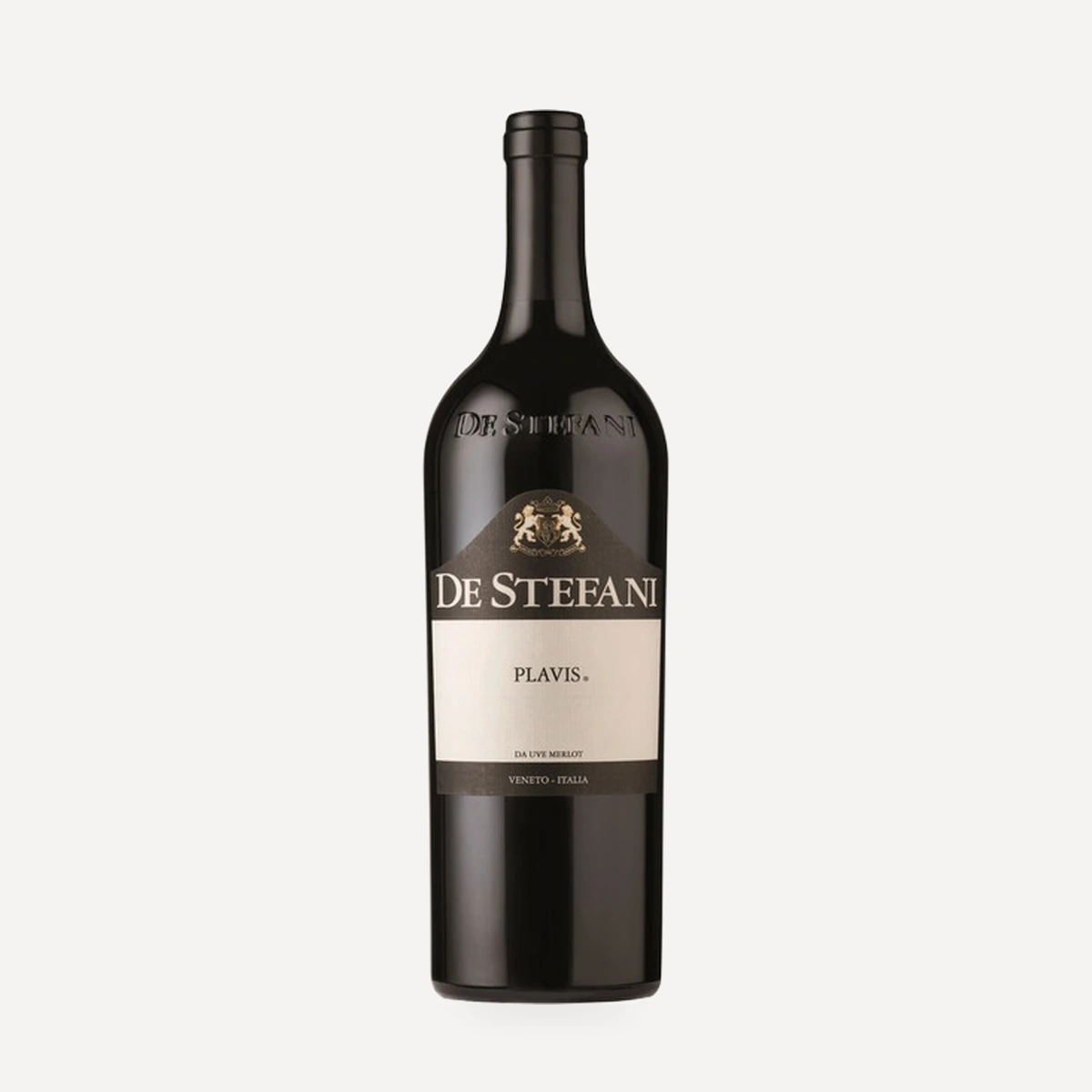
Plavis Veneto IGT
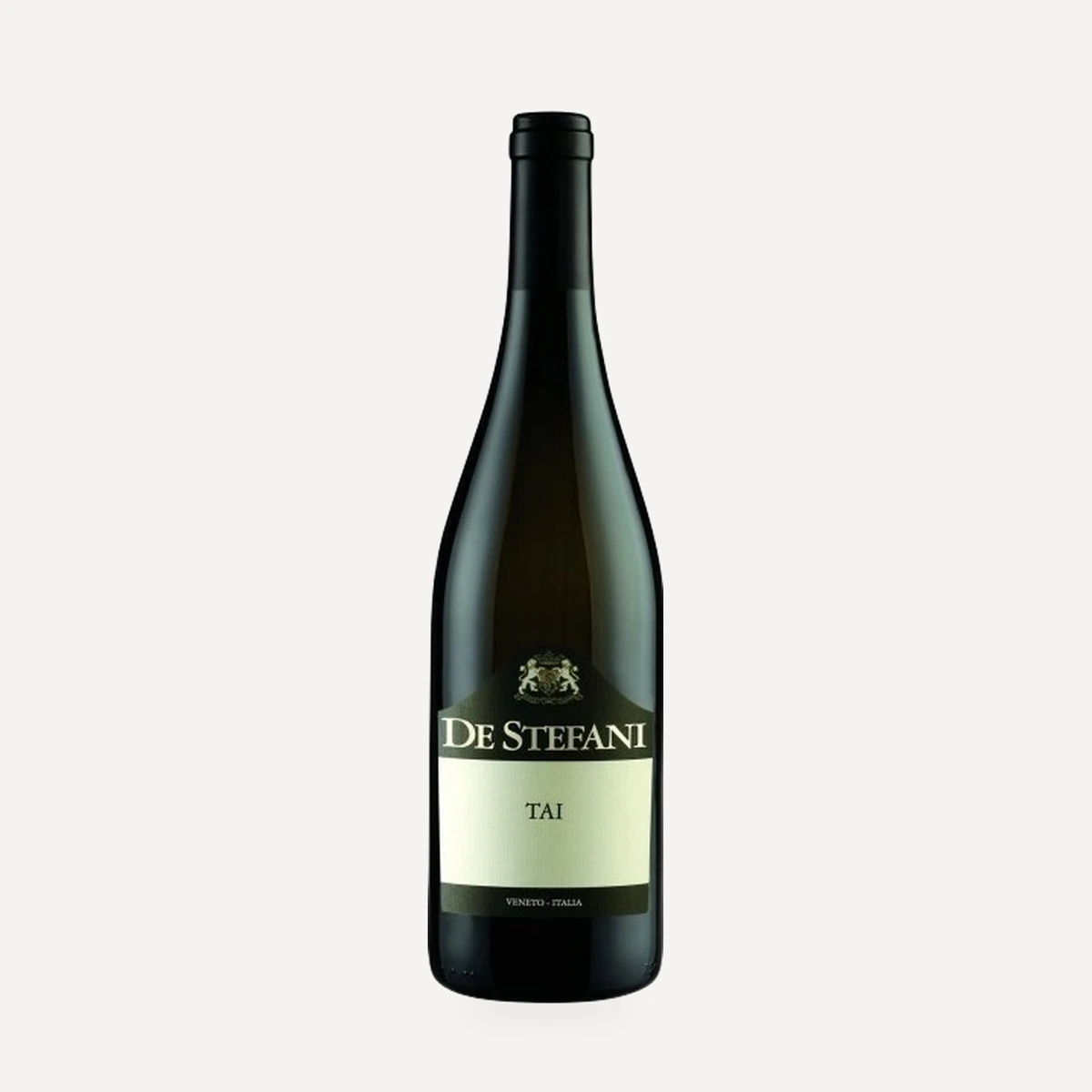
Tai
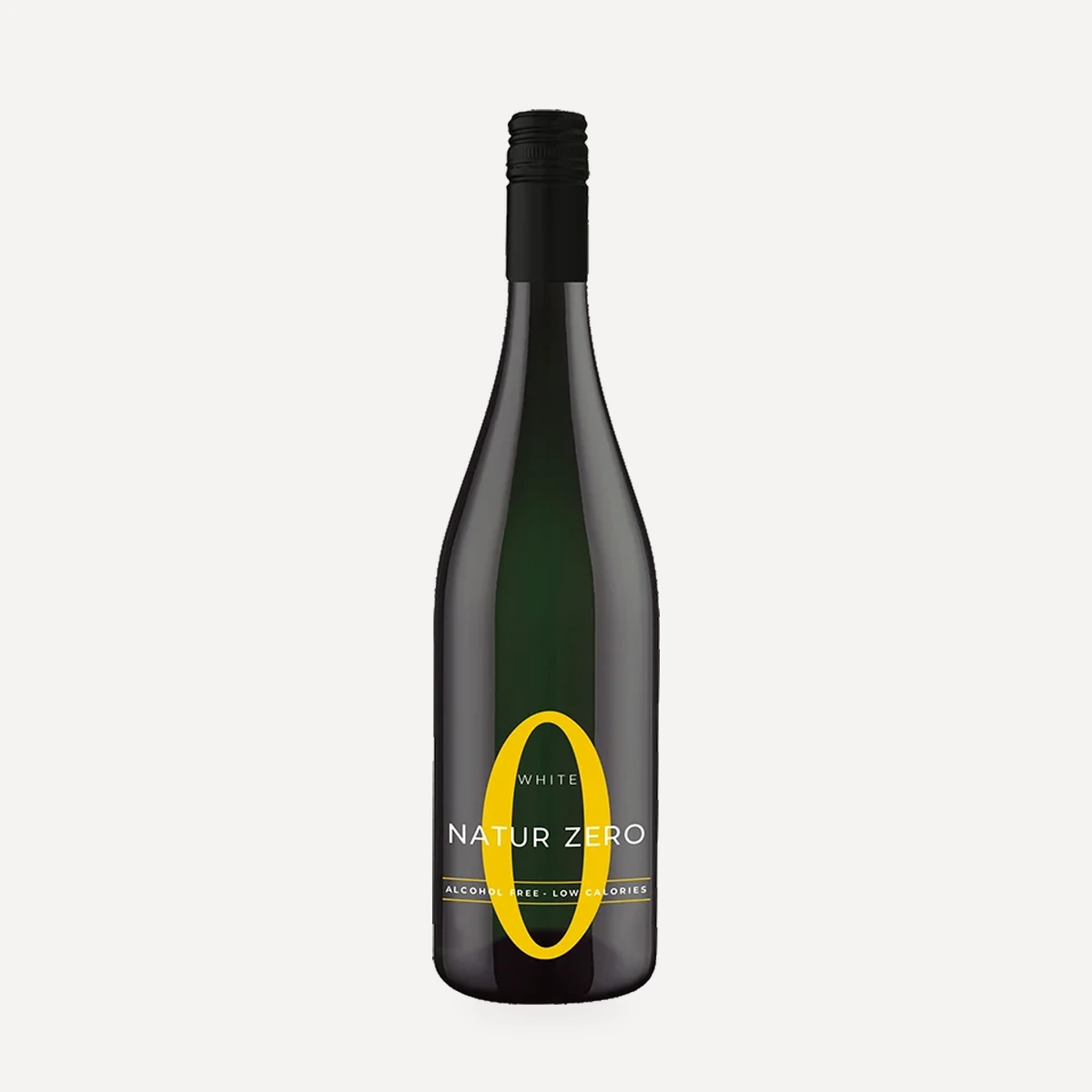
Natur Zero White