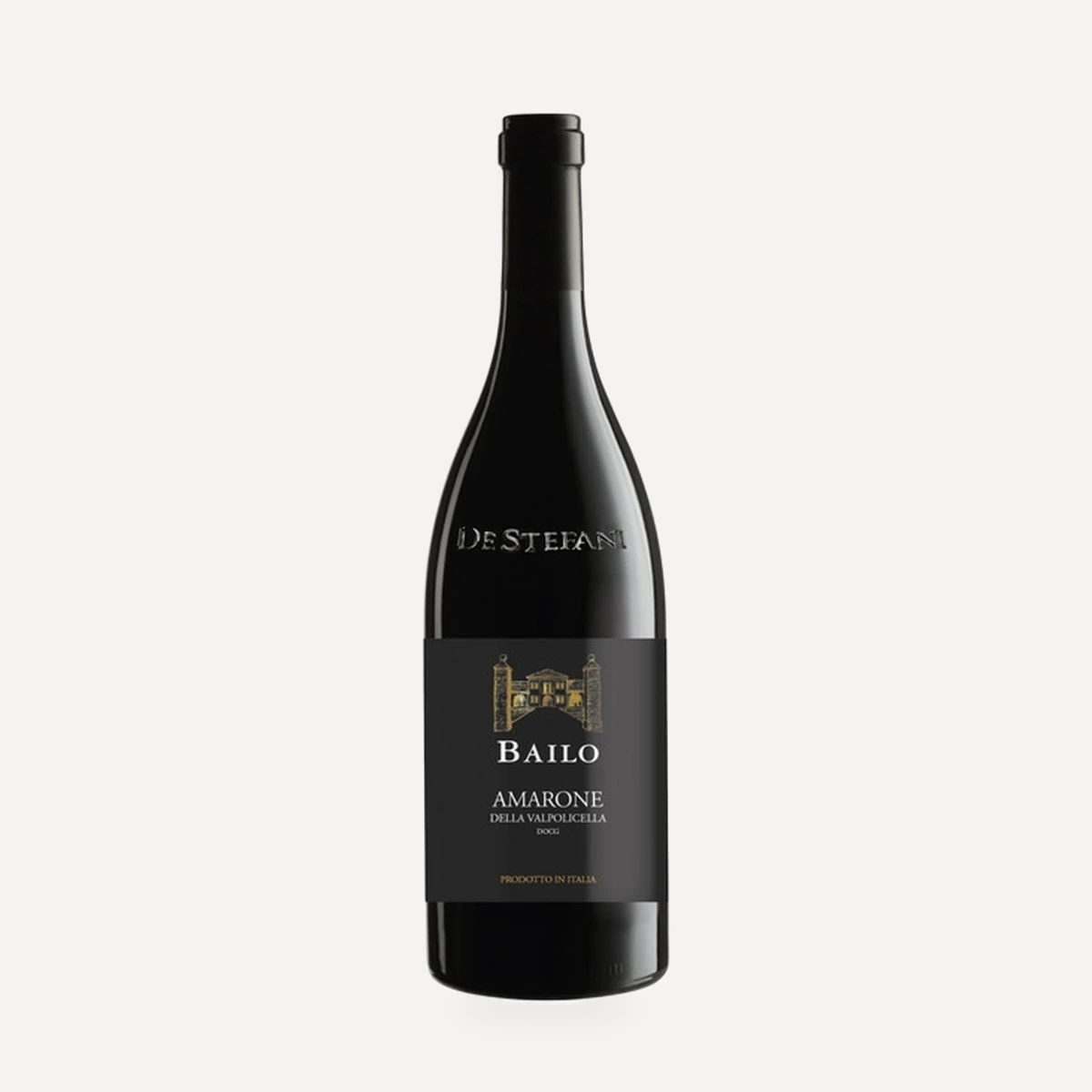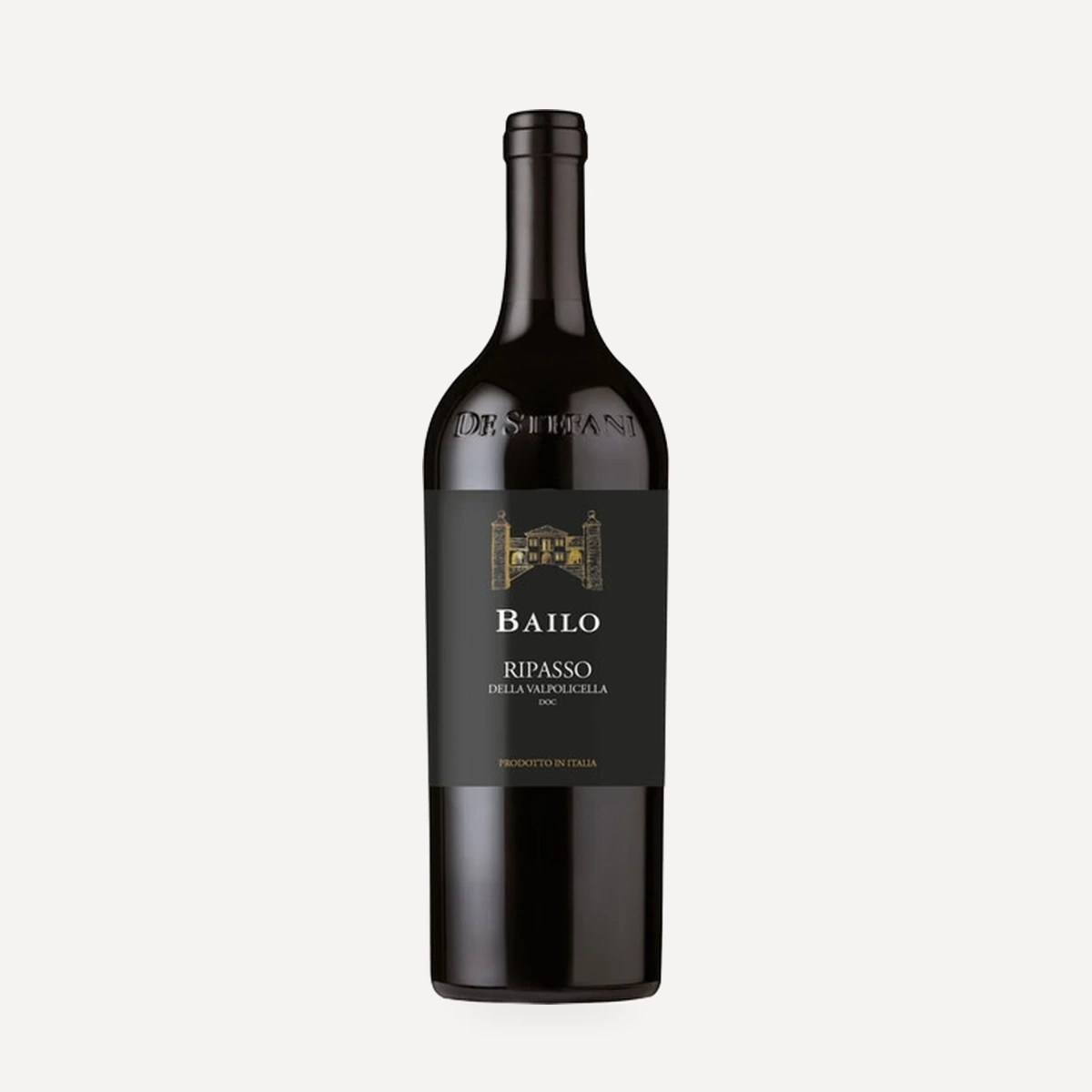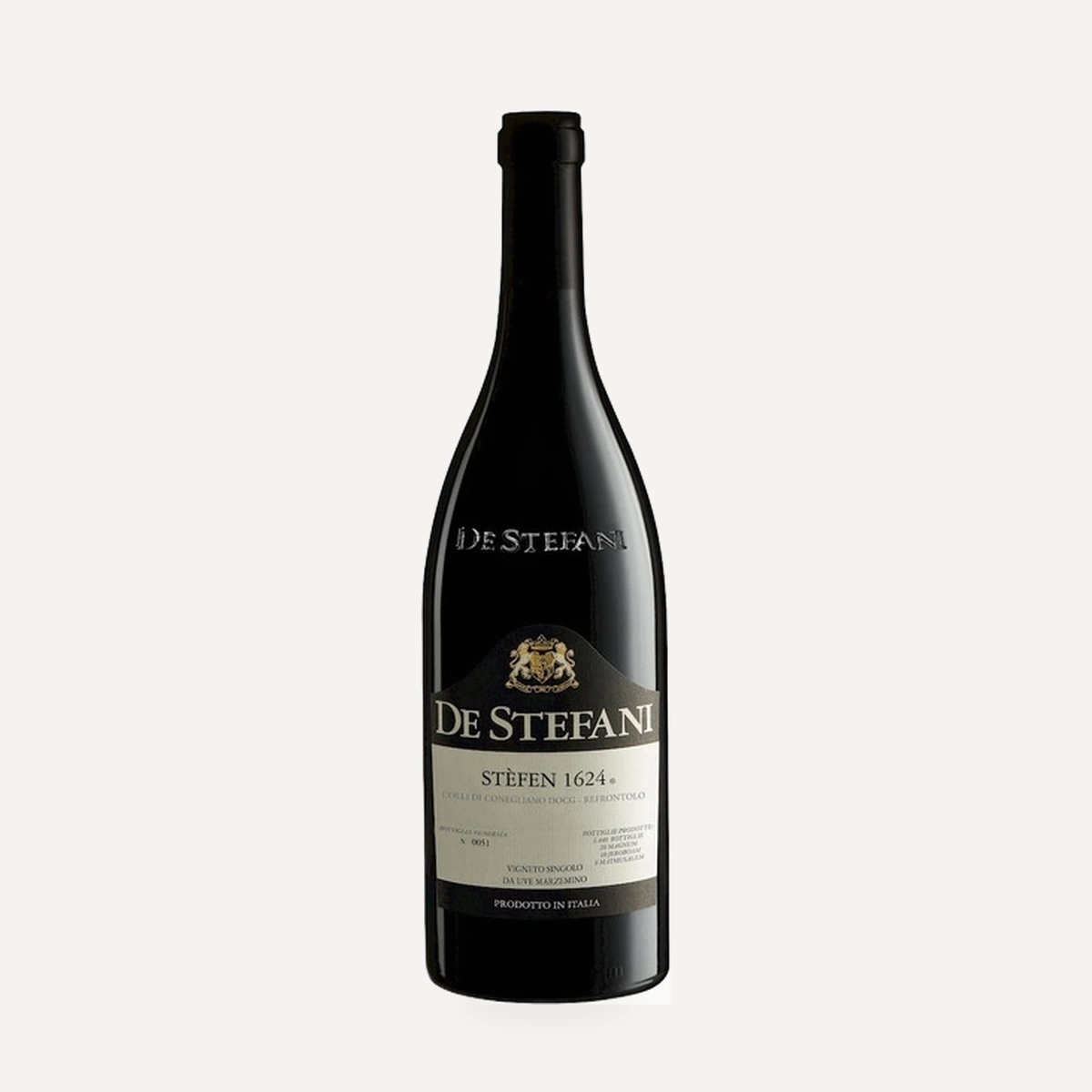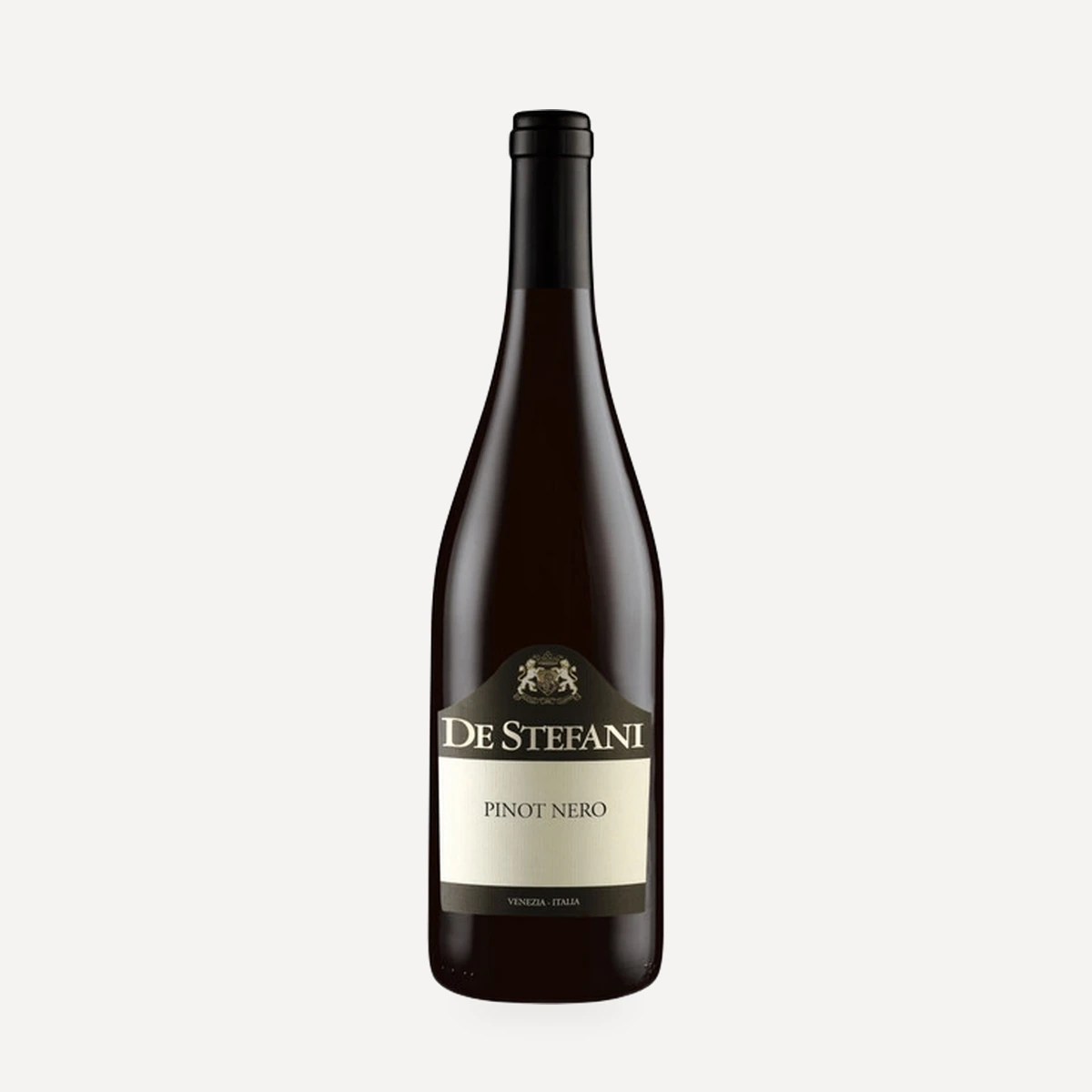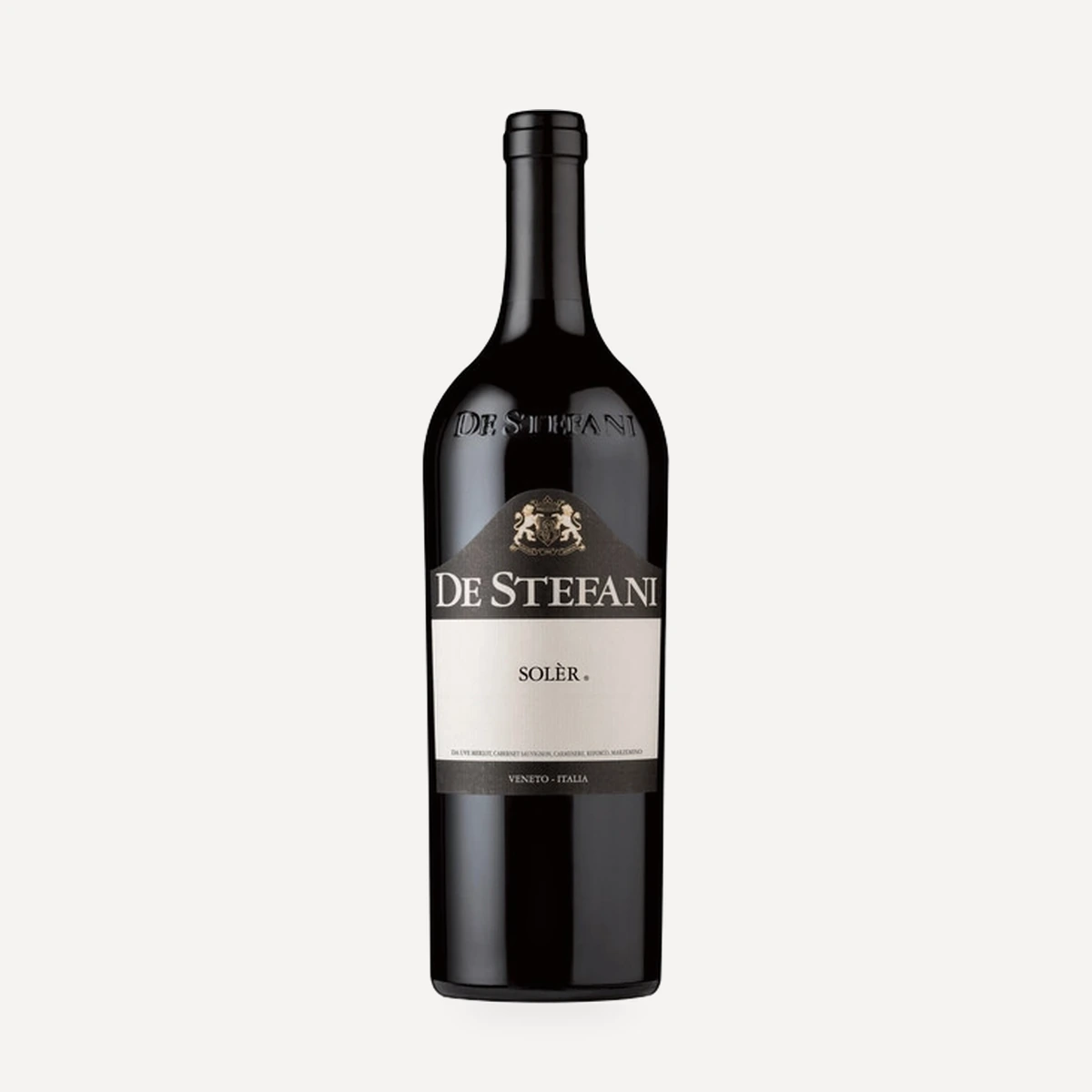
Questo vino
Vineyard and terroir
Marzemino is grown at the Colvendrame estate in Refrontolo, in the hills of Conegliano and Valdobbiadene north of Venice, on soils particularly rich in clay and tuff. The other varieties come from the Le Ronche estate in Fossalta di Piave, where the alluvial soils have a very high clay content. Besides regular vineyard care, summer pruning and careful leaf thinning help the grapes reach ideal ripeness, and yields are kept very low for concentrated flavour and aroma. The estate uses only organic methods, prunes the vines short, carries out a green harvest every year and uses no irrigation.
Grapes
The blend is made of equal parts of five varieties: two native (Refosco and Marzemino) and three international (Merlot, Cabernet Sauvignon and Carmenere).
Vinification
Harvest runs from late September to early October. The best Marzemino and Refosco grapes are dried naturally in the attic, as was done in the past; the other varieties are vinified in the traditional way with yeast. The partially dried grapes are destemmed and pressed, combined with the traditionally made wine, and fermented at 25–30 °C with frequent pumping over. The wine then goes to barrels for malolactic fermentation.
Ageing
Twelve months in barrel, followed by another year in bottle after bottling.
Tasting profile
Exceptionally bright aroma of ripe fruit and a rich, full-flavoured palate. The drying of the grapes gives extra smoothness and characteristic licorice notes. Complex, with excellent structure.
Vintage notes
2020, according to Alessandro De Stefani, produced grapes of excellent quality thanks to ideal weather, and he believes it will be remembered as one of the best vintages of this century. January and February were very mild with little rain; March brought heavy rain and normal temperatures; the cool spring extended flowering. Summer was pleasantly mild without extreme peaks, and hot days and cool nights in August allowed slow, steady ripening. Yields were about 5% below the average of the previous five years. The red wines of the vintage are well structured, with a noteworthy tannin profile. The grapes had excellent alcohol levels, a suitable balance of sugar and acidity and high polyphenol content, making them ideal for barrel ageing.
Label / history
The name comes from an old Venetian dialect word for the place where grapes were traditionally dried, an attic or barn.