Questo vino
Vineyard and terroir
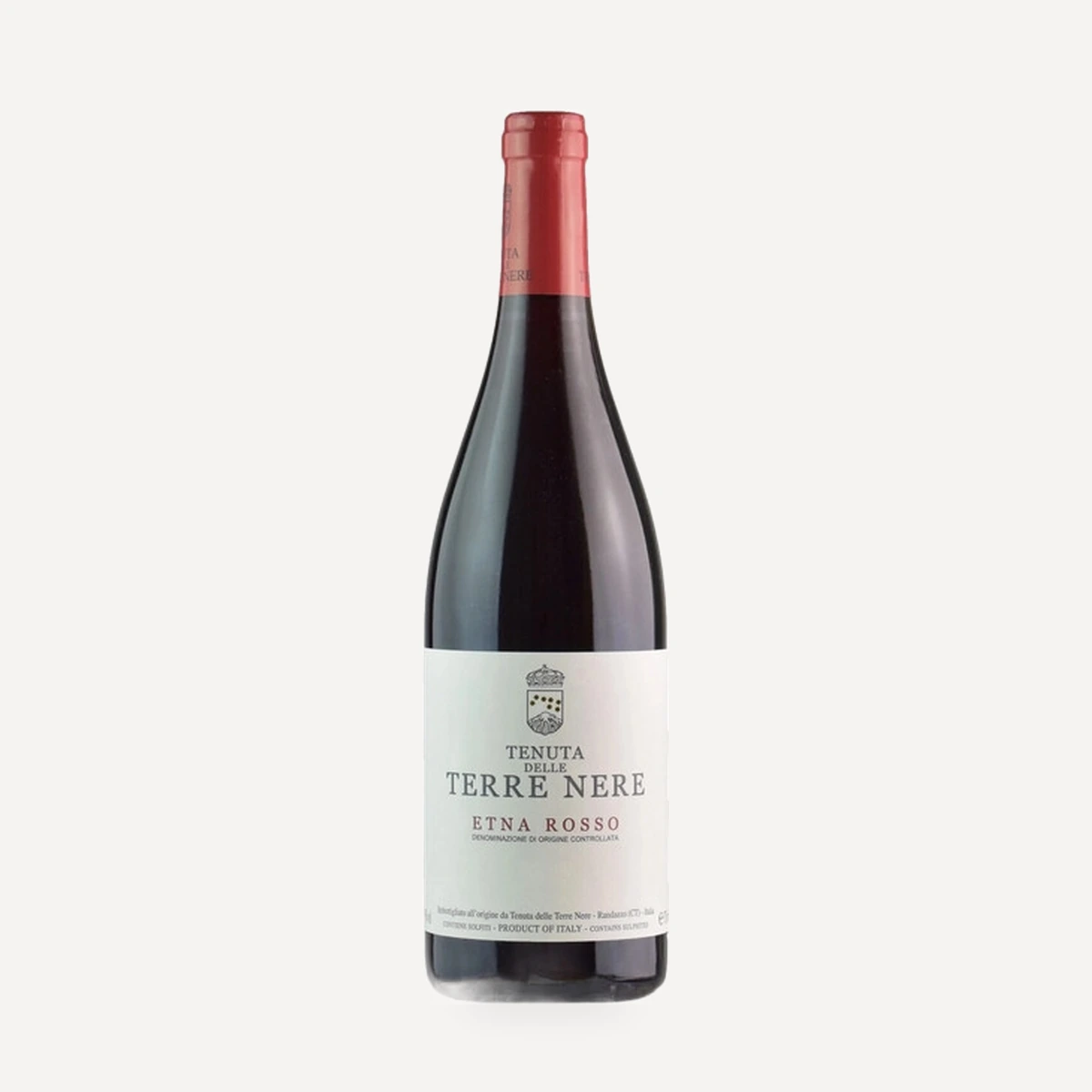
Produced from young vines across the estate’s vineyards in Castiglione di Sicilia and Randazzo. The sites occupy Mount Etna’s northern slope at 600–900 m, although the main-page data gives a narrower range of 600–800 m. The soils are volcanic and vary among the contributing vineyards. The vines are 25–60 years old, trained as modified alberello and cropped at approximately 6 t/ha.
Grapes
100% Nerello Mascalese.
Vinification
Harvest occurs during the first ten days of October. The grapes undergo soft pressing and low-temperature fermentation in stainless-steel vats.
Technical data
Alcohol: 13.5%. Annual production is approximately 30,000 bottles in 750 ml format.
Tasting profile
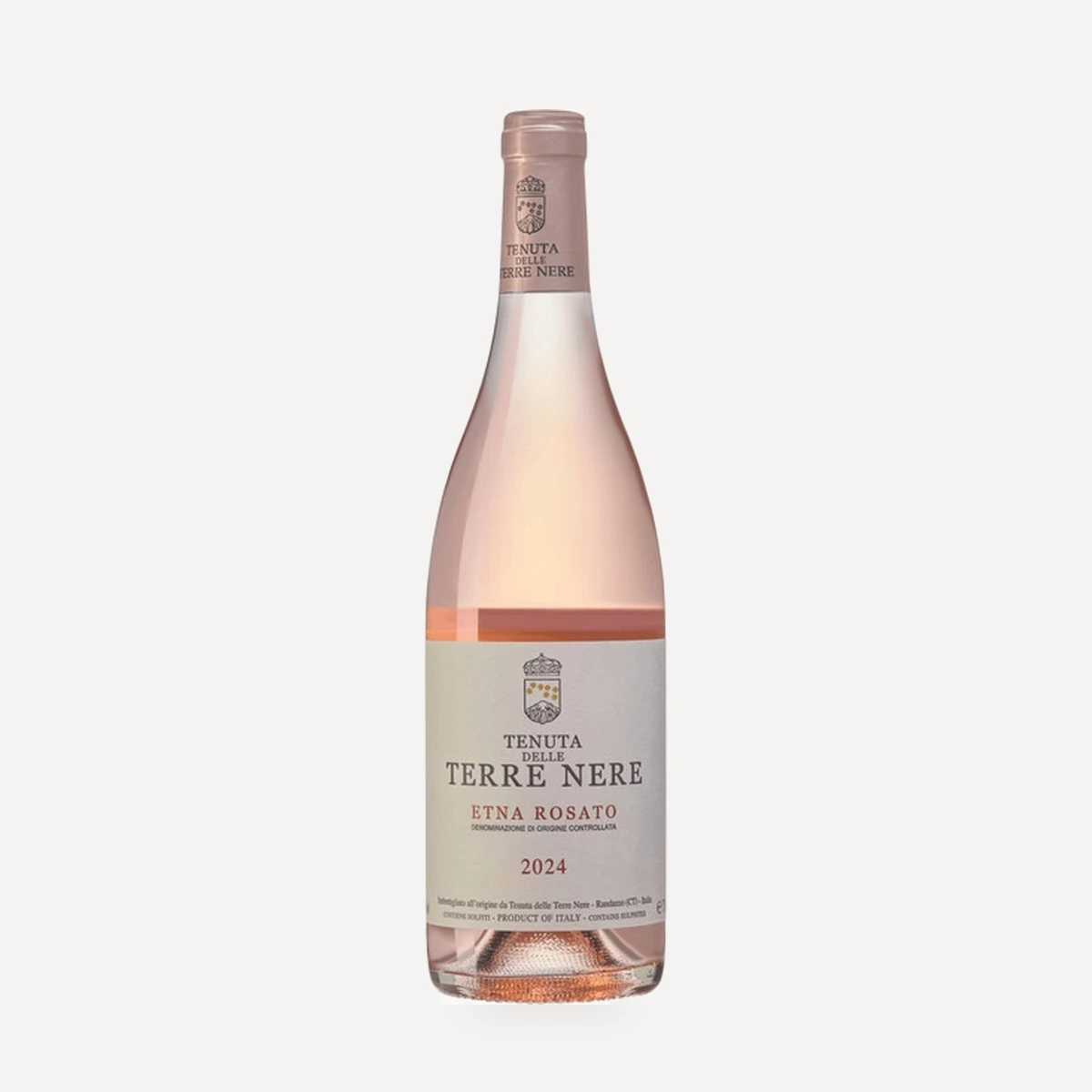
The colour is described as parure d’oignon, an onion-skin shade. The nose is fruity, recalling cherry and ripe strawberry. The palate is cool, lively and austerely fragrant. Its character combines brightness and tension with refinement rather than frivolity—the body of a white wine with the soul of a red.
Serving and pairing
Serve at 8–10 °C. Pair with fish appetizers and fish dishes, poultry, soups, pasta, bread, olives, cheese, ham with melon, or salami with figs.
Vintage notes
Although intended to be enjoyed without extended cellaring, the wine can retain freshness while gaining an unexpected degree of complexity with age.
Label / history
The first vintage is reported inconsistently as 2006 and 2007. Its creation was inspired by Marco de Grazia’s young daughter Elena and by Nerello Mascalese’s suitability for rosé vinification.