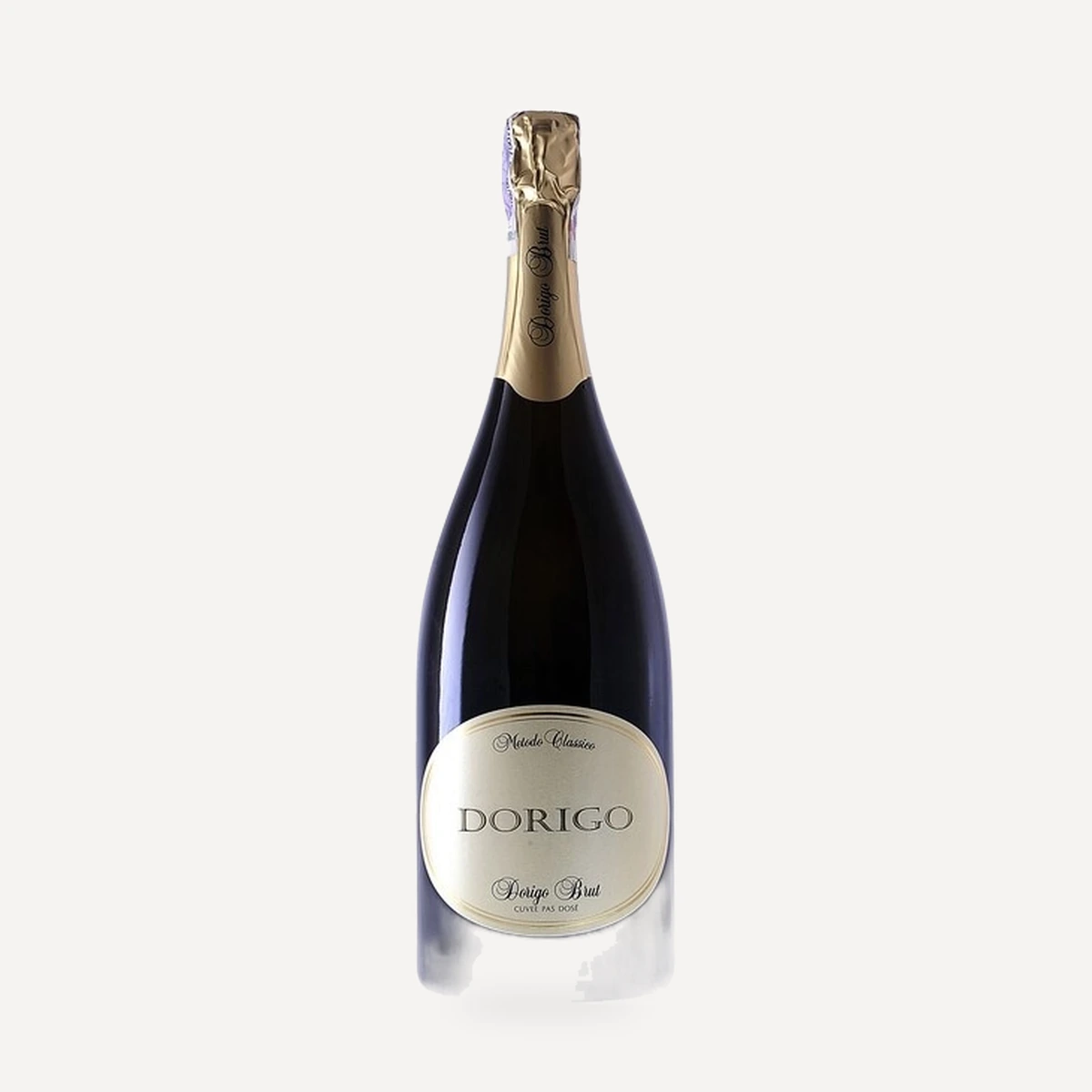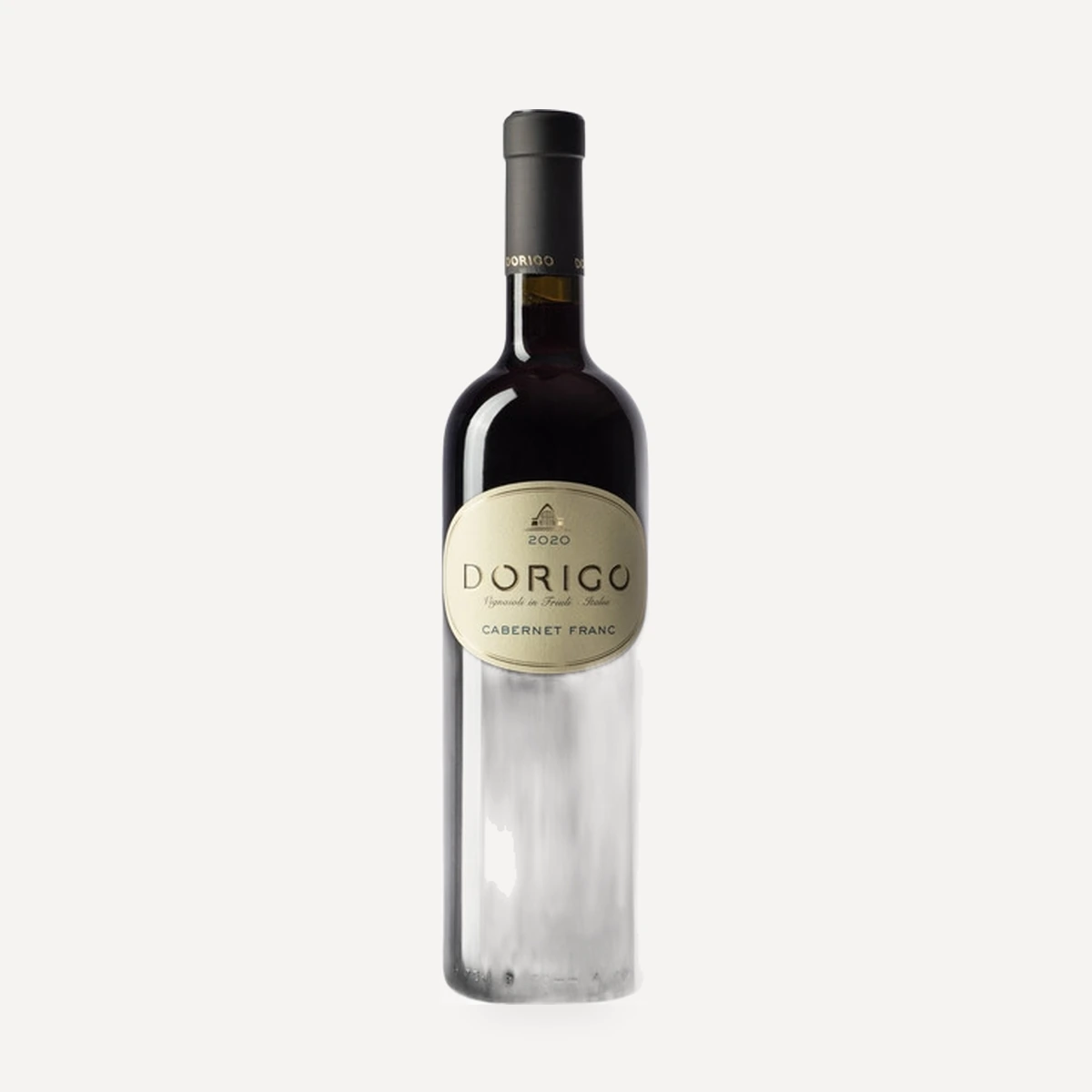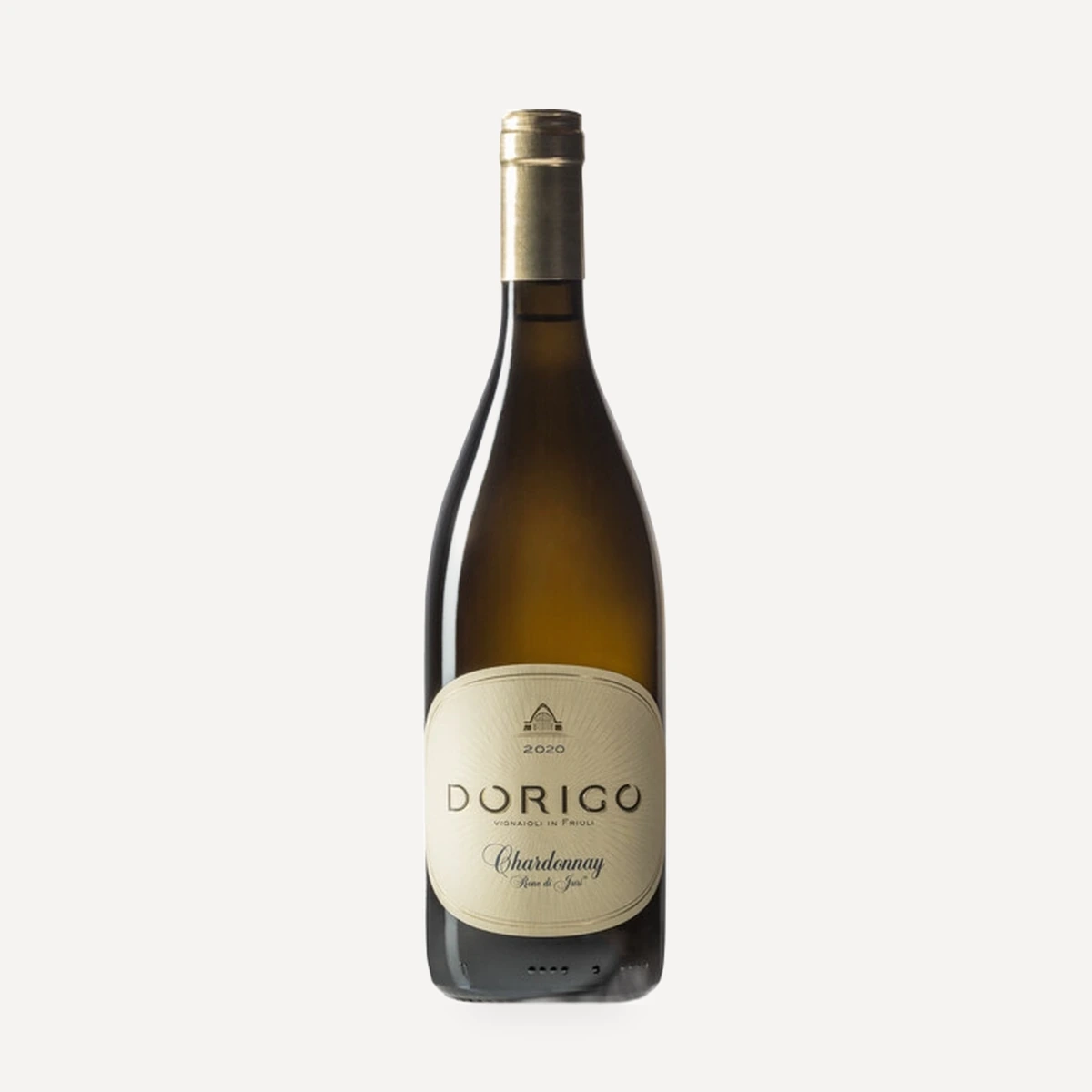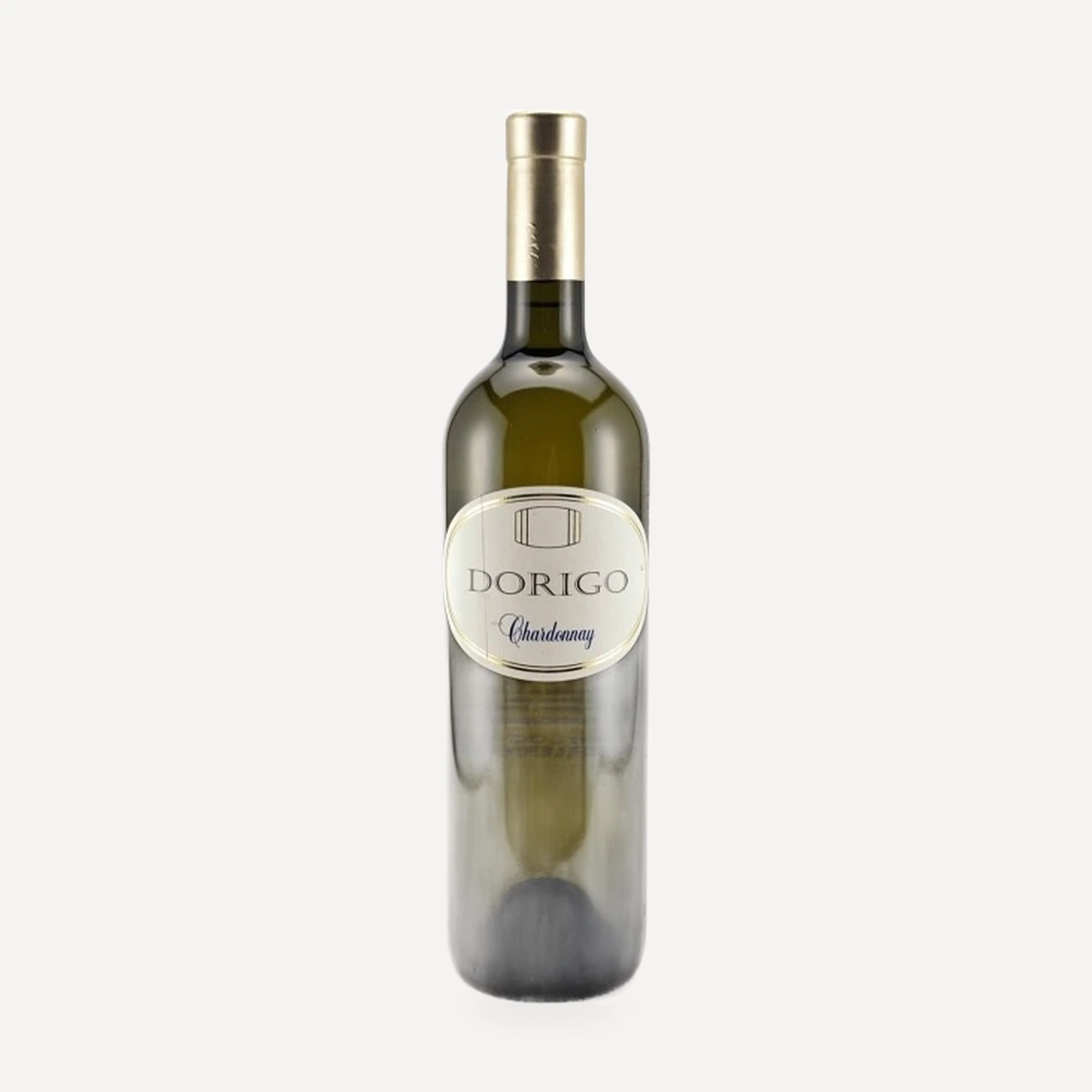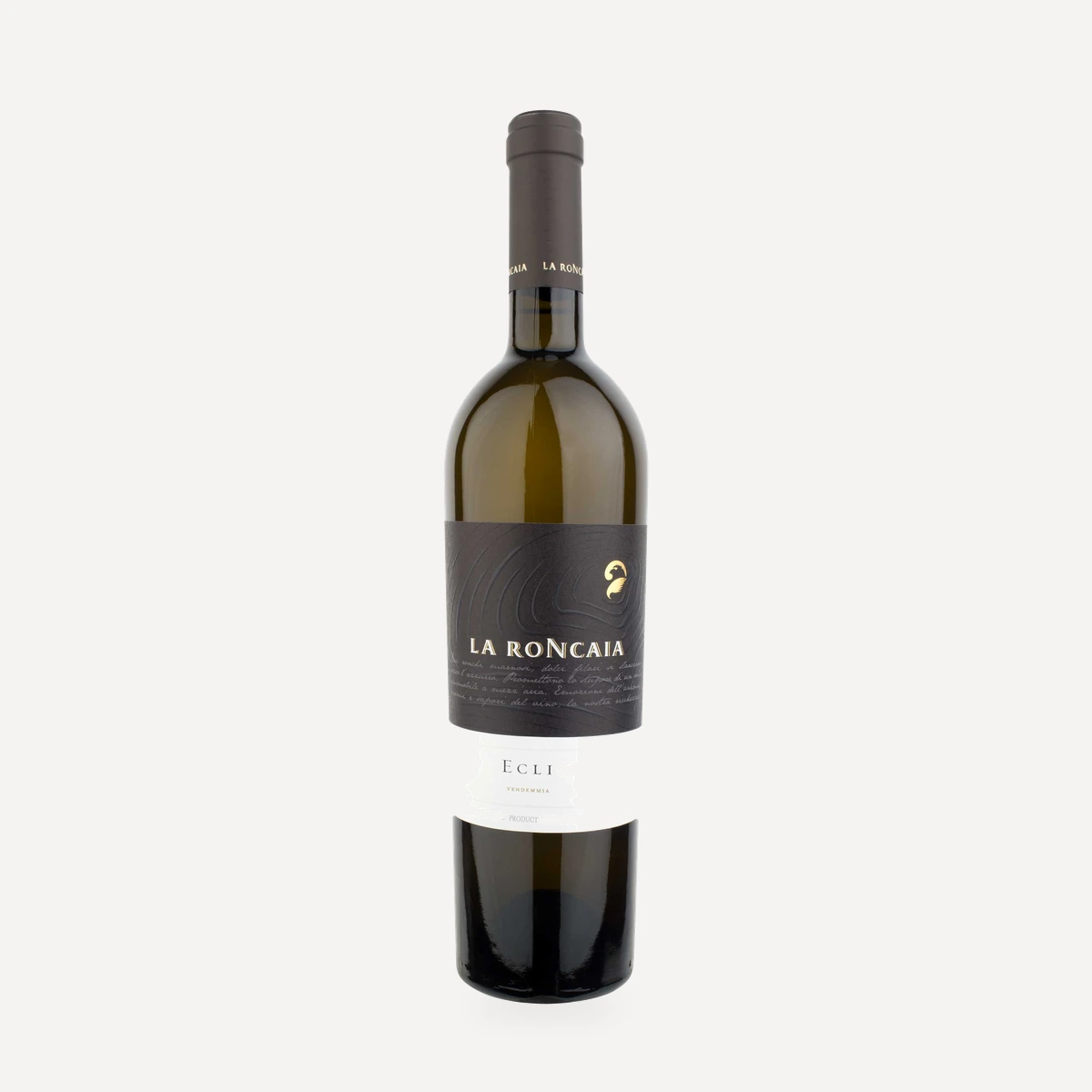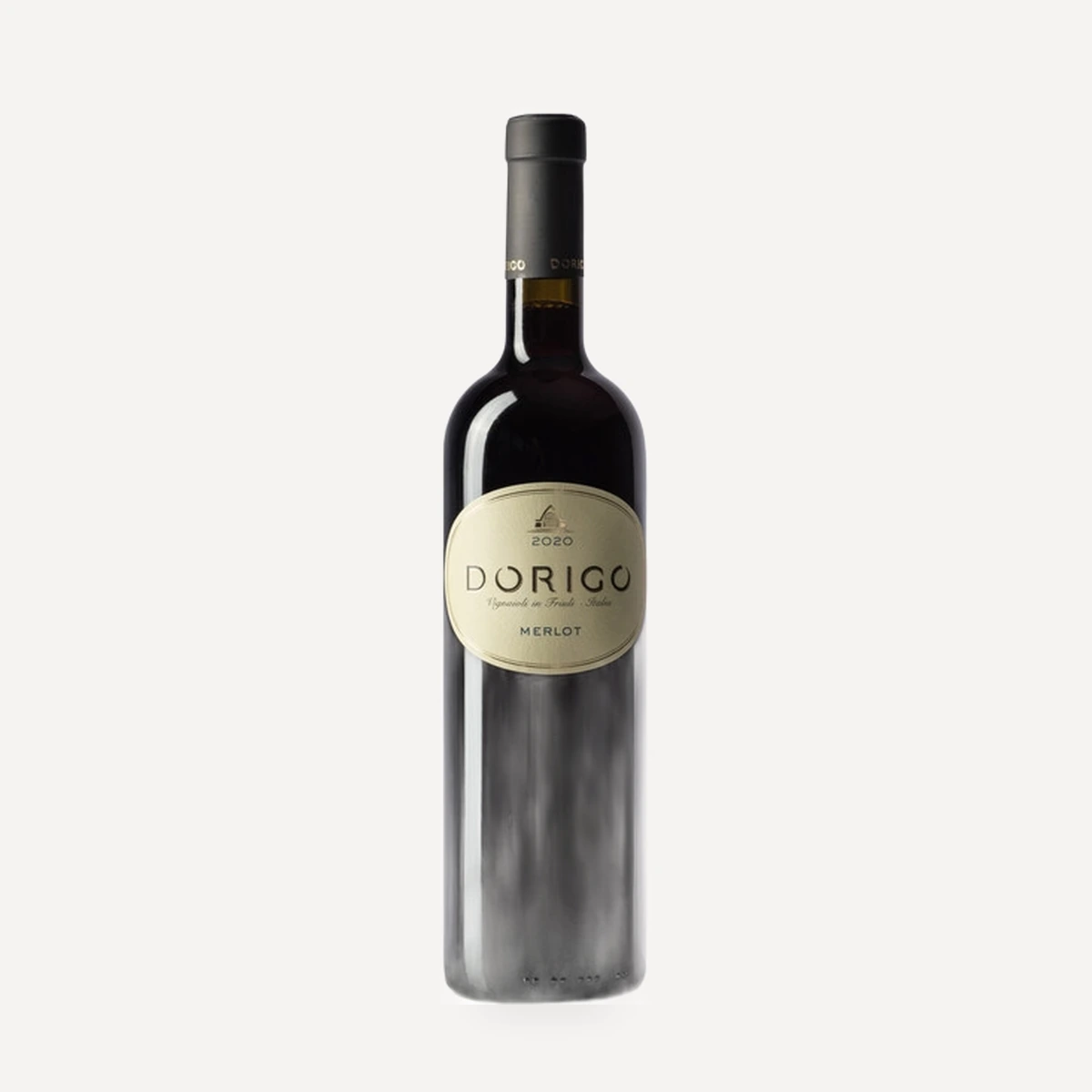
Questo vino
Vineyard and terroir
The vineyards lie in Colli Orientali del Friuli on gently elevated ground, sheltered from cold northern winds by a mountain ridge. The soils are alternating layers of marl (a limestone-rich clay) and sandstone. The estate has raised planting density and mechanized some vineyard work.
Vinification
The grapes are harvested by hand in mid-September, with the bunches strictly selected. After sorting and destemming, fermentation takes place in stainless-steel tanks at low, controlled temperatures. Cryo-extraction is used during pressing to preserve the aromas. Malolactic fermentation is completed before ageing.
Ageing
The wine is aged for 8 months in French oak barrels.
Tasting profile
Elegant, with a silky texture. It may seem simple at first, but this is deceptive, and it has good potential to keep developing.
Vintage notes
2020: The winter in Friuli-Venezia Giulia was very mild, with no sudden changes in temperature. Mild weather in March suggested an early budbreak, and a fairly dry April and May helped the vines flower successfully. June was the wettest month of the summer, but steady air circulation kept the plants healthy. Rainy spells then alternated regularly with dry periods that were not excessively hot, helping the grapes ripen with a good balance between sugar and acidity.
Label / history
The Dorigo winery began in 1966, when the family bought two vineyards, Ronc di Juri and Montsclapade, which had previously attracted little attention. Their main goal was to revive these terroirs. Once the results became clear, the winemaking process was completely changed, and harvesting became entirely by hand.