Questo vino
Vineyard and terroir
The vineyards stand on Eocene-origin marly soils and are planted at a density of 3,200–4,000 vines per hectare, trained to single Guyot.
Grapes
A selection of Sauvignon and Picolit grapes. Each variety is picked separately when it reaches optimal maturity; blend percentages are not specified.
Vinification
Whole grapes are pressed, and each variety is fermented separately. A portion ferments in temperature-controlled stainless-steel vats at no more than 18°C, while the remainder ferments in Allier oak barriques. Prolonged contact with the fine lees builds extract and aromatic complexity.
Ageing
Once assembled, the Eclisse cuvée continues to mature in temperature-controlled stainless steel until bottling. It then develops further in horizontally stored bottles.
Technical data
Alcohol: 14% vol.
Tasting profile
Deep straw yellow. The bouquet combines Sauvignon’s aromatic character with the fruit richness of Picolit, bringing together green nuances, wild flowers and white-fleshed fruit, particularly peach. Freshness and minerality are balanced by softness; the palate is harmonious, deep and persistent.
Serving and pairing
Serve at 10–12°C with shellfish or with raw or steamed fish.
Label / history
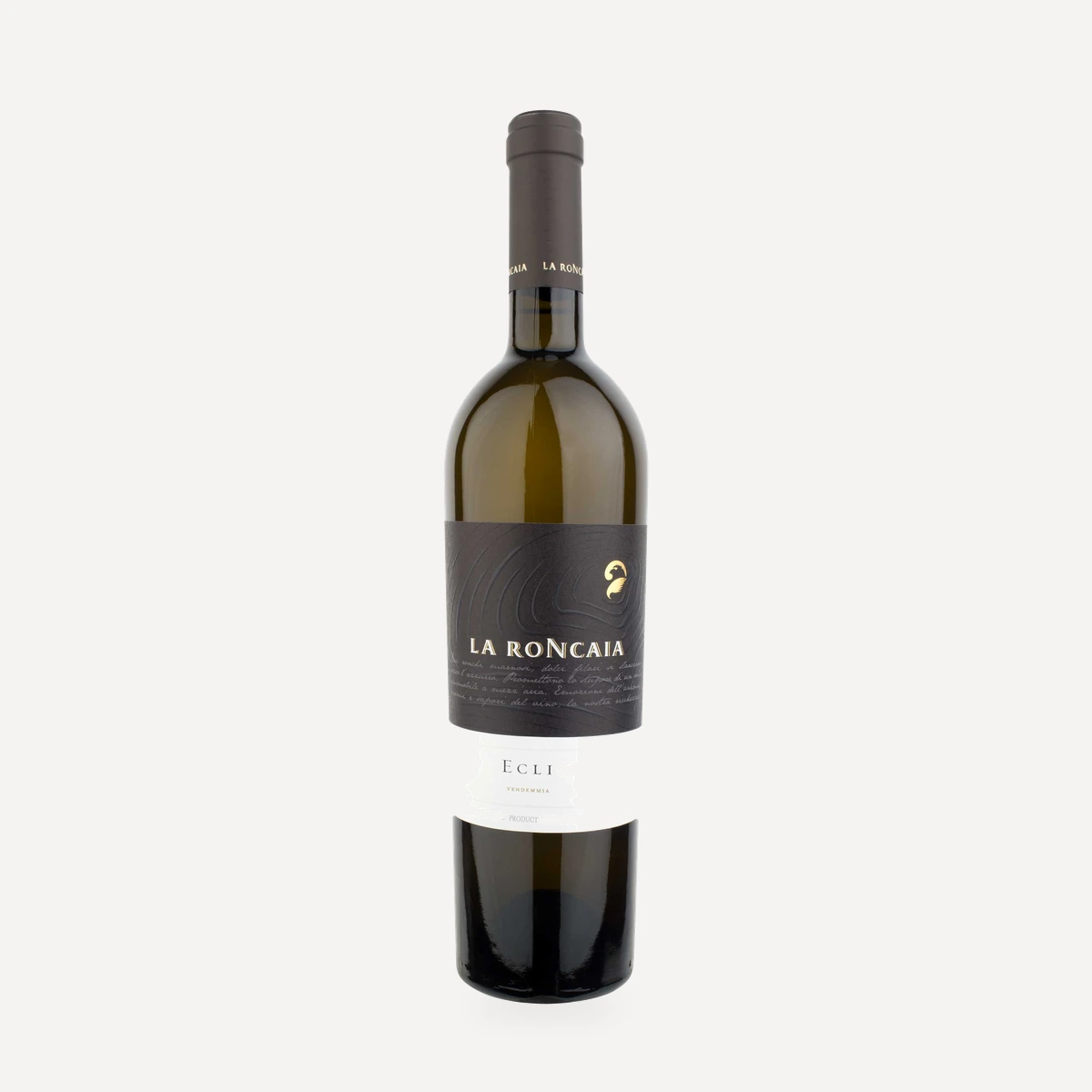
The name commemorates the solar eclipse that marked the wine’s first harvest. The original Sauvignon-and-dry-Picolit blend was conceived by Hungarian winemaker Tibor Gal.