Storia
The family vineyards
The project has its roots in vineyards planted by Enrico Togni’s grandfather on the slopes of Erbanno during the 1960s. These family plantings later became the foundation of Enrico’s work.
2003: Enrico Togni returns to the land
In 2003, at the age of 23, Enrico Togni left his law studies to become a farmer and devote himself to his family’s wine production. He began restoring the vineyards established by his grandfather and progressively transformed the three-hectare holding into a working wine estate.
The project developed around mountain viticulture, organic and biodynamic farming, indigenous varieties adapted to the valley’s demanding conditions, and labels deliberately released without DOC classification. Enrico subsequently introduced the wines beyond their local market and presented them at Italian fairs dedicated to natural wine.
2022: collaboration with the Bombana brothers
In 2022 Enrico met brothers Claudio and Umberto Bombana through their shared interest in wine. Claudio facilitated the connection with Umberto, the chef and restaurateur behind 8½ Otto e Mezzo BOMBANA in Hong Kong. Their relationship led to the R 8 1/2 project, conceived as an expression of Italian roots joined to innovation.
Terroir
Valle Camonica
The vineyards lie on the slopes of Erbanno, a historic hamlet within Darfo Boario Terme in Valle Camonica. The mountain valley extends for approximately 100 km, beginning at Lake Iseo by Corna Trentapassi and continuing north to the Tonale, Aprica and Gavia mountain passes. Its natural boundaries, mountainous relief and complex morphology support pronounced biodiversity.
Valle Camonica is also culturally defined by its rock art, recognized by UNESCO in 1979 as Italy’s first UNESCO site. Since 2018 the valley has formed a UNESCO Biosphere Reserve.
Mountain conditions
The vines occupy very steep terraces exposed to mountain winds. Their inclination is severe enough to make mechanical harvesting effectively impossible. Indigenous varieties growing here are selected for their ability to withstand the area’s difficult climatic conditions.
Monte Altissimo is one of the peaks dominating the surrounding landscape and reaches 1,703 m. Its southern face is vertical and marked by rocky drops, while its northern side descends more gently through meadow-covered slopes.
Vinificazione
The 3 ha of vineyards are certified organic and biodynamic. Biodynamics is treated as a branch of anthroposophical thought and as a means of strengthening the connection between farming and nature, supporting soil health, biodiversity and environmentally responsible viticulture.
Every operation among the vines is approached as a continuing dialogue between the winegrower and the land. Vineyard experience is intended to be shared not only with wine drinkers but also among the people working between the rows. Estate workers participate in caring for the entire vineyard ecosystem rather than focusing solely on grape production.
The terraces support vegetables, spontaneously growing herbs and insects, particularly bees, which are regarded as important to maintaining and improving biodiversity. This mixed environment is preserved through a sustainable and regenerative approach.
Harvesting is performed entirely by hand. Manual work is both a deliberate choice and a practical necessity because the vineyards’ extreme inclination makes machinery effectively unusable.
Production is approximately 15,000 bottles per year. After the entirely manual harvest, grapes move to the cellar, where continuous experimentation is central to the production approach. The portfolio is intentionally developed outside DOC classification.
Filosofia
Biodynamics forms one of the estate’s central principles. It is understood not simply as an environmental production method but as a way to deepen the connection between people and nature while encouraging healthy soils and territorial biodiversity.
The estate describes each vineyard operation as a dialogue between the winegrower and the land. Knowledge acquired through cultivation is meant to circulate among consumers and vineyard workers alike. The people working between the rows share responsibility for maintaining a complex living ecosystem, not merely producing grapes.
Organic, biodynamic, sustainable and regenerative practices are brought together to preserve the balance of the steep mountain terraces. Vegetables, wild herbs and bees are allowed to coexist with the vines, while indigenous varieties are valued for their capacity to endure the valley’s demanding conditions.
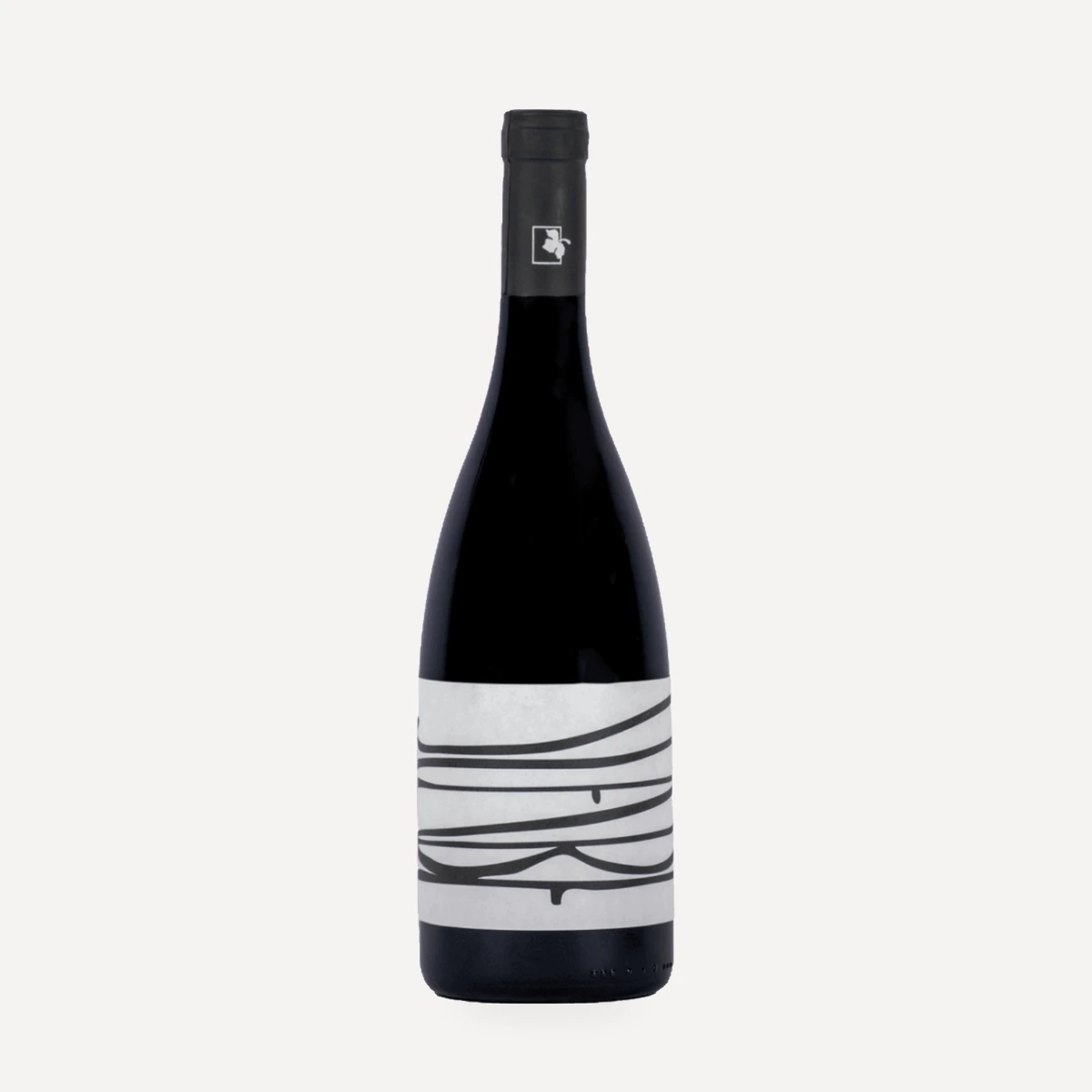
In the cellar, the guiding principle is ongoing experimentation. The wines are intended as direct expressions of their mountain origin and are released without DOC classification. The labels reinforce this relationship with Valle Camonica by drawing upon its rock art, dialect, sacred landmarks, pastoral culture and local stories.
Vini
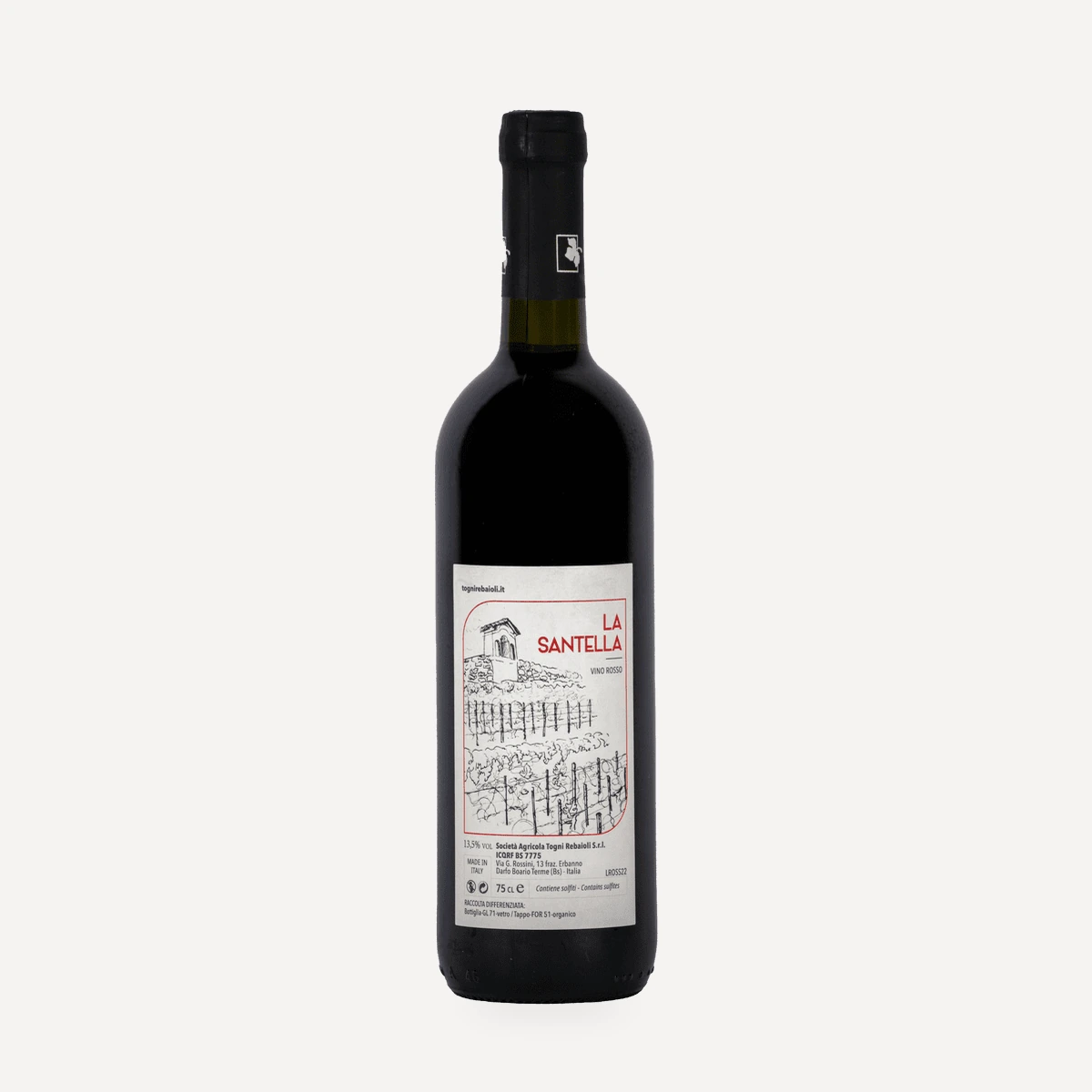
La Santella
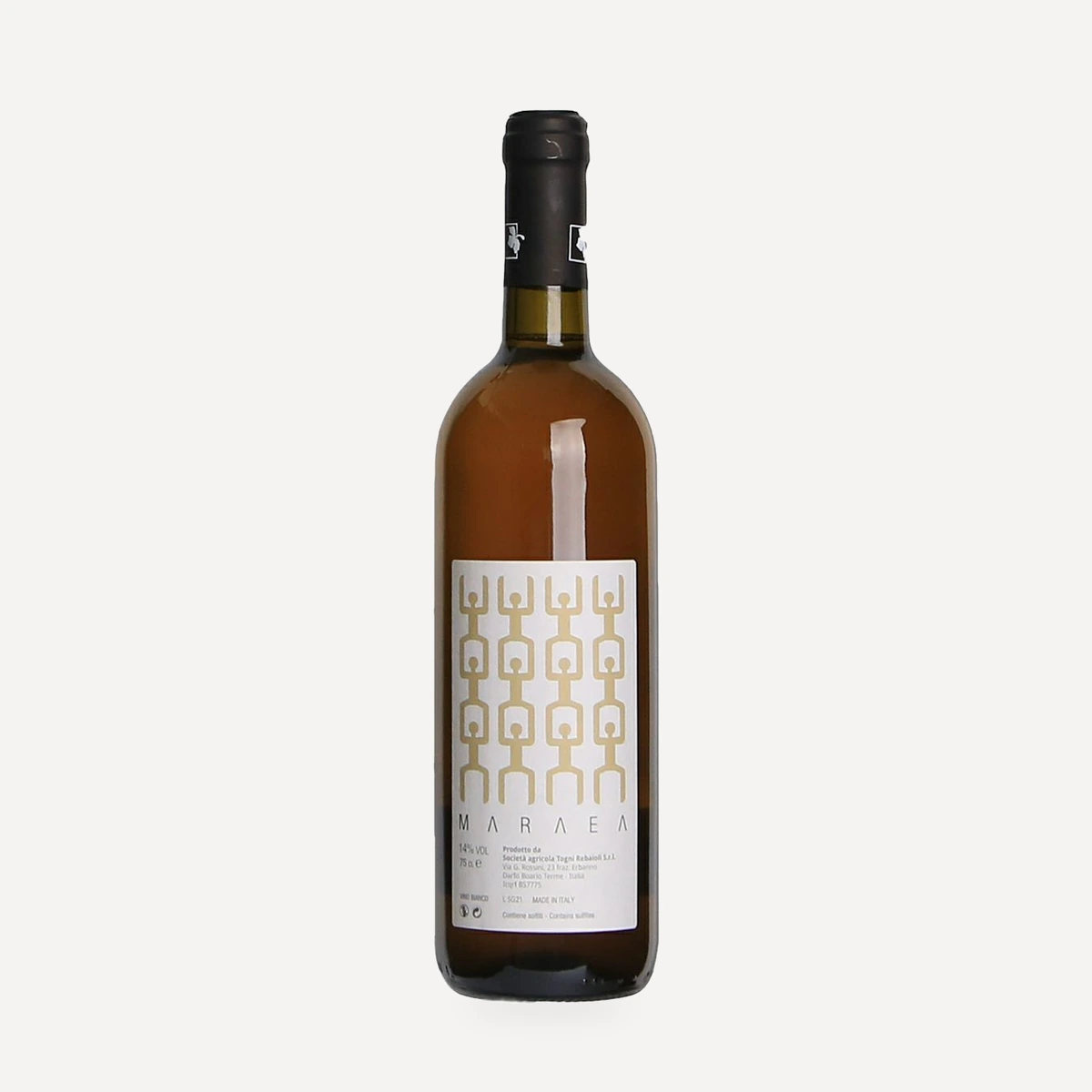
Maraea
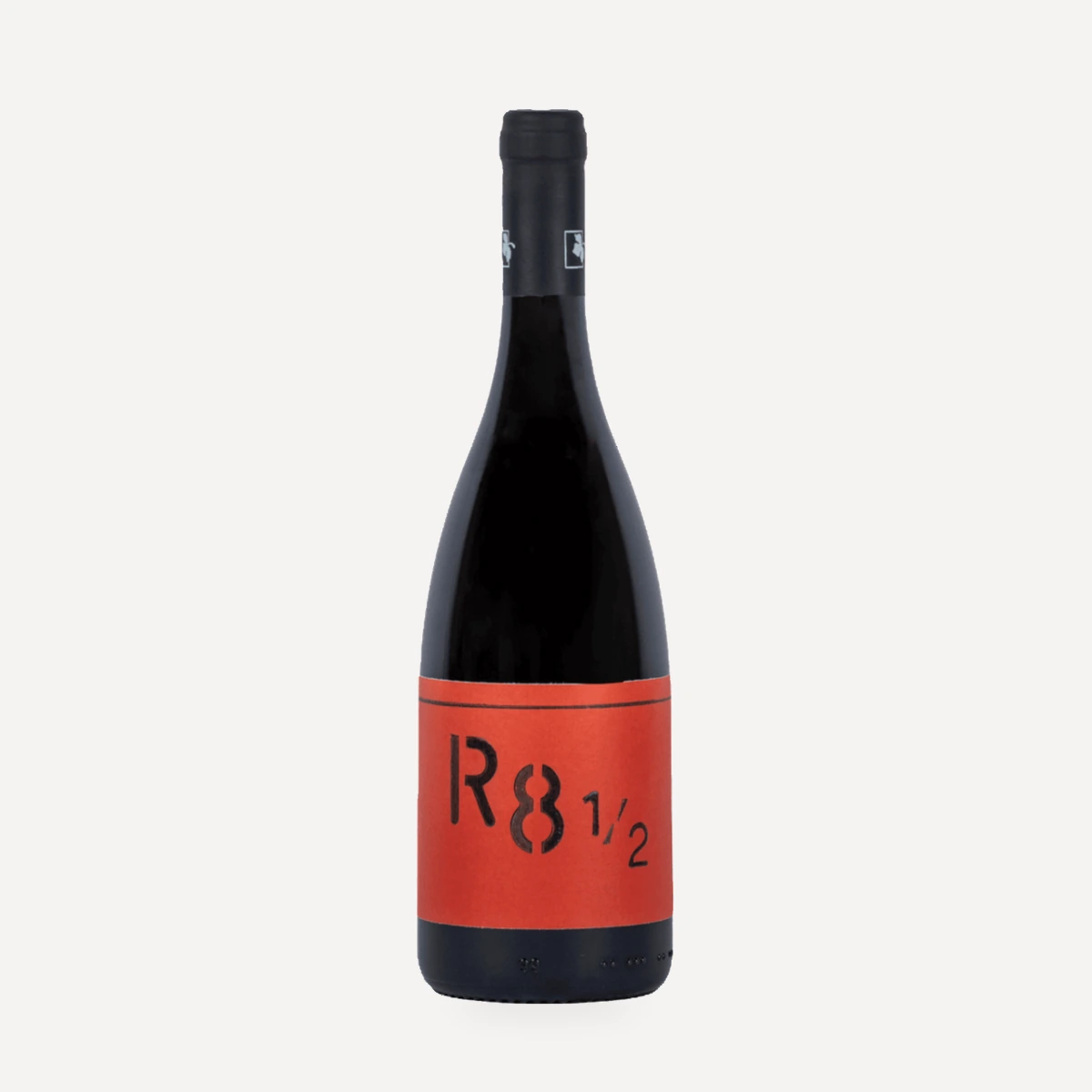
R 8 1/2
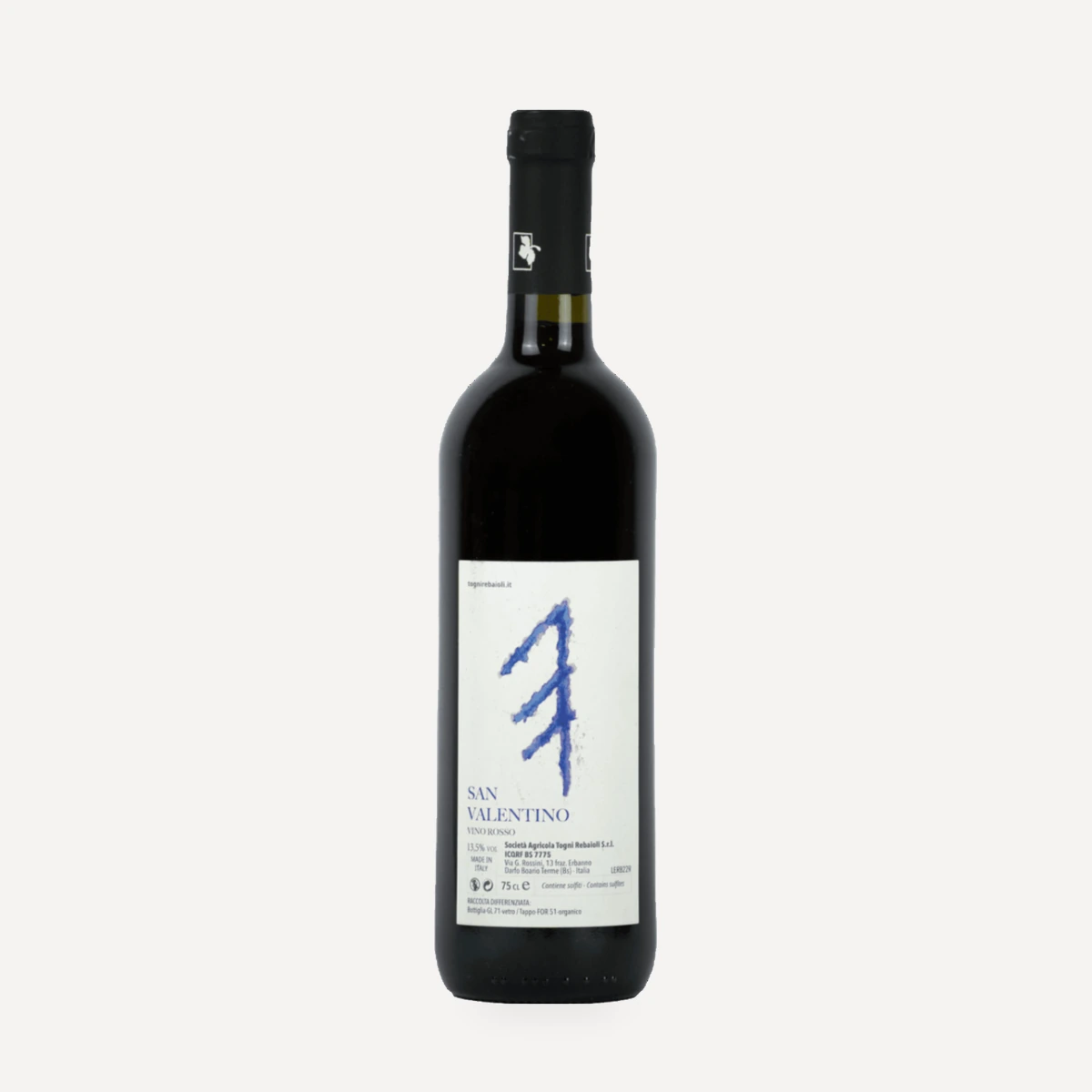
San Valentino
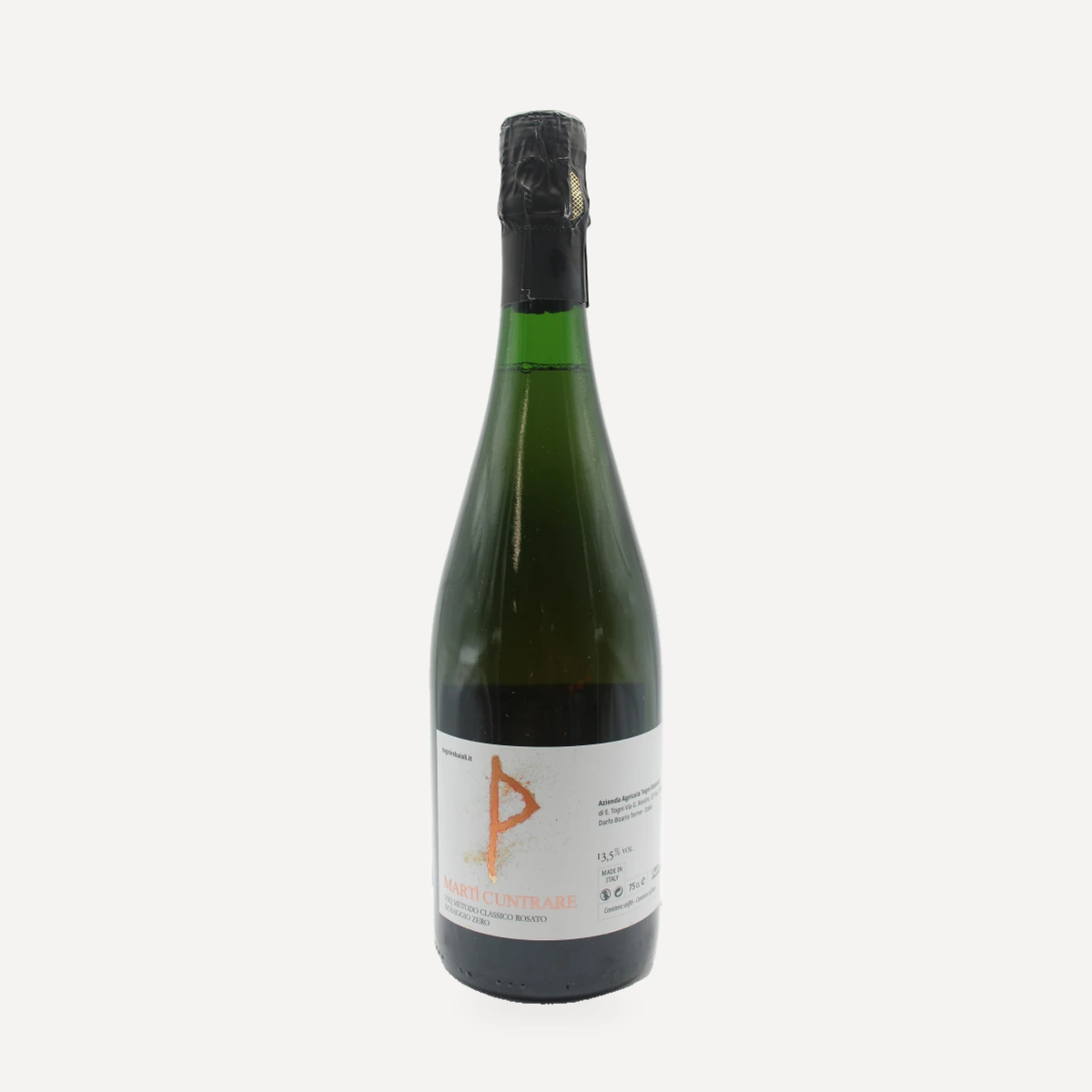
Martì Cuntrare