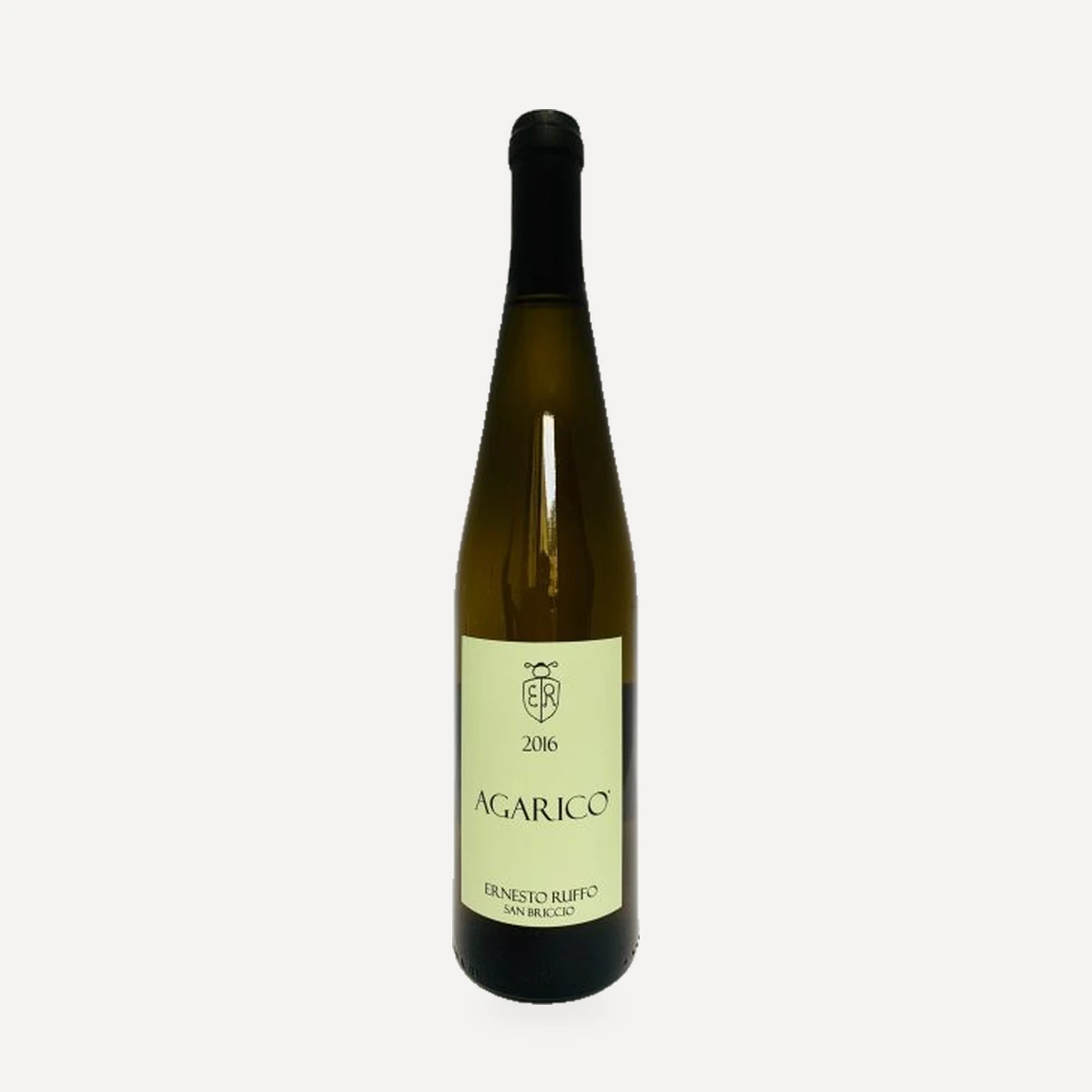
Storia
Family roots in San Briccio
The Ruffo family’s documented presence in San Briccio dates to 1627, based on the historical parish register. The family may have lived there earlier, but records predating 1627 are unavailable.
Late nineteenth century: wine for the household
Family oral history preserves memories of vine cultivation and winemaking from the end of the nineteenth century. At this stage, the wine was produced for the family’s own consumption.
1920: supplying Verona’s osterie
By 1920, the family was producing wine commercially and selling it to the traditional osterie of Verona.
Mid-1960s: Ernesto’s artisan project
The more firmly documented modern phase began in the mid-1960s. Ernesto Ruffo, born in 1936, embarked on winemaking as an amateur artisan with the assistance of an uncle experienced in both viticulture and vinification. Ernesto developed the project through study, practical trials and experimentation. This phase culminated in the planting of one of the family’s first “modern” vineyards.
Mid-1990s: from hobby to business
The positive reception of Ernesto’s wines encouraged him to turn the amateur project into a small commercial activity in the mid-1990s.
Early 2000s: foundation of Ernesto Ruffo Vino
In the early 2000s, Ernesto and his son Leonardo established Ernesto Ruffo Vino as a wine-producing business. The two generations continue to be presented together as the estate’s wine artisans, supported by the wider family and committed to small-volume production and slow, traditional Valpolicella methods.
Terroir
The vineyards are associated with San Briccio di Lavagno in the province of Verona. They occupy a setting characterized by a high degree of naturalness and basaltic soils of volcanic origin. The family connects this volcanic ground with the texture and sensory identity of its grapes and wines.
Black volcanic rocks are a conspicuous feature of the vineyards. Ernesto describes encountering and breaking these rocks while repairing the vineyard dry-stone walls, linking the present landscape to ancient volcanic activity and to the vigour of the vines.
Vinificazione
Ernesto and Leonardo emphasize grape quality and selection, together with respect for the natural surroundings of their vineyards. Their approach is grounded in accumulated practical experience and close attention to the fruit. No formal farming system or certification is identified.
The historical development of the vineyards involved extensive study and experimentation by Ernesto, followed by the planting of one of the family’s first “modern” vineyards. Ernesto also maintains the vineyards’ traditional dry-stone walls.
Production is deliberately limited to small quantities. Ernesto and Leonardo follow slow, traditional techniques associated with Valpolicella winemaking, combining practical experience, selected grapes, close attention and the involvement of the family. Their stated objective is to preserve the quality and character derived from the volcanic vineyard setting rather than pursue volume.
Filosofia
Ernesto and Leonardo define themselves as wine artisans. Their approach gives priority to patience, traditional Valpolicella techniques, practical knowledge and the support of the family. Production remains intentionally small and is aimed at drinkers prepared to appreciate the resulting character rather than at maximizing volume.
The vineyard setting is central to this outlook. The family emphasizes respect for the surrounding natural environment and regards the basaltic, volcanic ground as a defining influence on the grapes and wines. Ernesto’s account of repairing dry-stone walls among black volcanic rocks expresses a personal connection between manual work, the ancient volcanic landscape and the vitality of the vines.
Vini
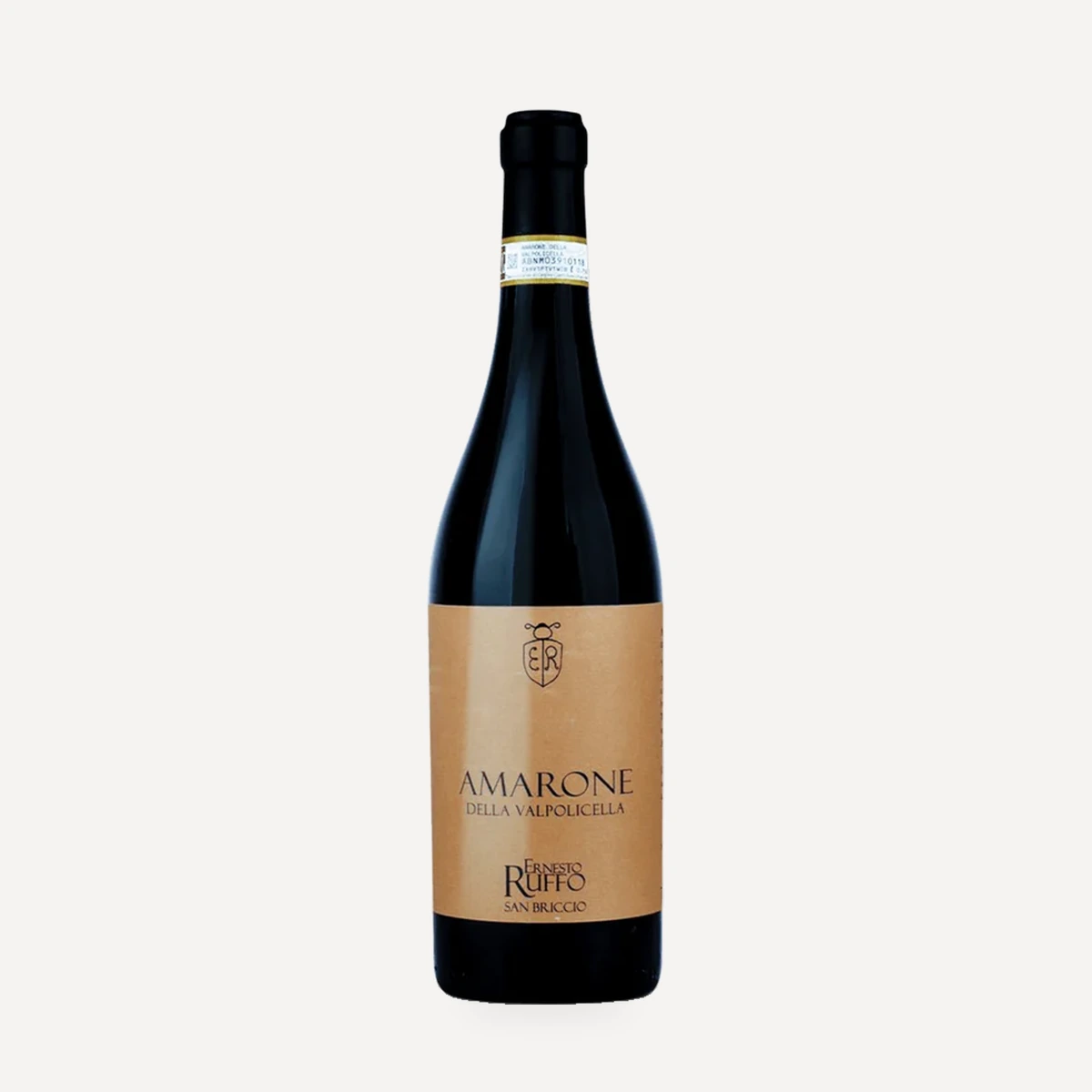
Amarone della Valpolicella
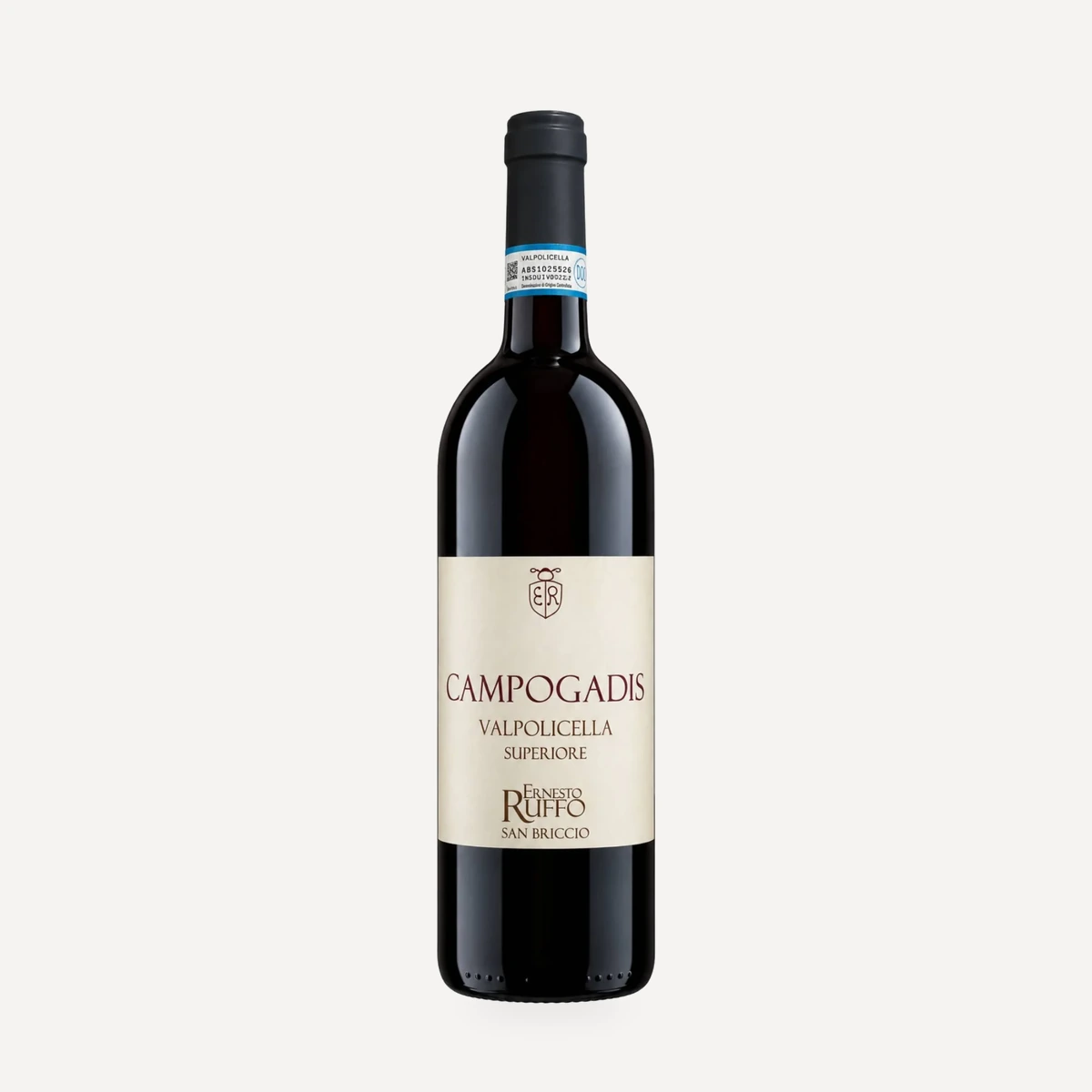
Campogadis