Storia
Origins and the first generations
The Gallino family’s agricultural activity in the Roero began more than a century ago. Among its early figures was Stefano Gallino, born in 1886, who produced Barbera and Nebbiolo. The farm subsequently passed from father to son: Felice Gallino, known as Licin, was followed by Filippo Gallino, born in 1939. Licin is remembered as one of the pioneers of modern Roero wine production.
1961: the earliest recorded bottlings
The first stated bottlings of the estate’s Langhe DOC Nebbiolo and Barbera d’Alba DOC date to 1961. These wines established two enduring strands of the family’s production, based respectively on Nebbiolo and Barbera grown around Canale.
1972: the return of dry Arneis
In 1972 Filippo Gallino took on the challenge of bottling dry Roero Arneis, then a largely forgotten wine. The family’s work helped return Arneis to the market and contributed to its subsequent international presence. The estate regards its first 1972 bottle of dry Arneis as a defining episode in its history; the later Moda Veja white wine was conceived as a link back to that original, unconventional decision.
Late 1980s and early 1990s
Le Due Rose rosé was first bottled in the late 1980s. It was dedicated to Laura and Enrica, Gianni Gallino’s sisters.
In the early 1990s, the estate began making more ambitious, ageworthy wines with significant support from family friend Matteo Correggia. Greater attention to maturation and ageing brought the family wider recognition in specialist wine publications. Birbet was first bottled in 1992, while the first bottling of Licin followed in 1994. The latter was named for Filippo’s father, Felice “Licin” Gallino.
New bottlings in the 2000s
The estate gives 2004 as the first-bottling year of Seventy V.S.Q. Brut Metodo Classico. The sparkling wine was conceived to celebrate Filippo Gallino’s seventieth birthday and to apply prolonged traditional-method ageing to local white grapes.
Elaine Barbera d’Alba Superiore was first bottled in 2007. Its name honours Elaine, a Gallino relative who emigrated to California and later returned to Valle del Pozzo to rejoin the family.
Bonora Barbera d’Alba Superiore and Sorano Roero Riserva were first bottled in 2008. Bonora takes its name from an old estate vineyard. Sorano derives from the local word Suran, referring to the highest, sunniest and most wind-exposed Roero hill.
2012 and the development of new interpretations
The first bottlings of Moda Veja and Roero Arneis Riserva “4 Luglio” date to 2012. Moda Veja was designed as a traditional interpretation of local white grapes and as a narrative link to the first dry Arneis bottled in 1972. “4 Luglio” commemorates the shared birthday of winemaker Gianni Gallino and his son Luigi, both born on 4 July.
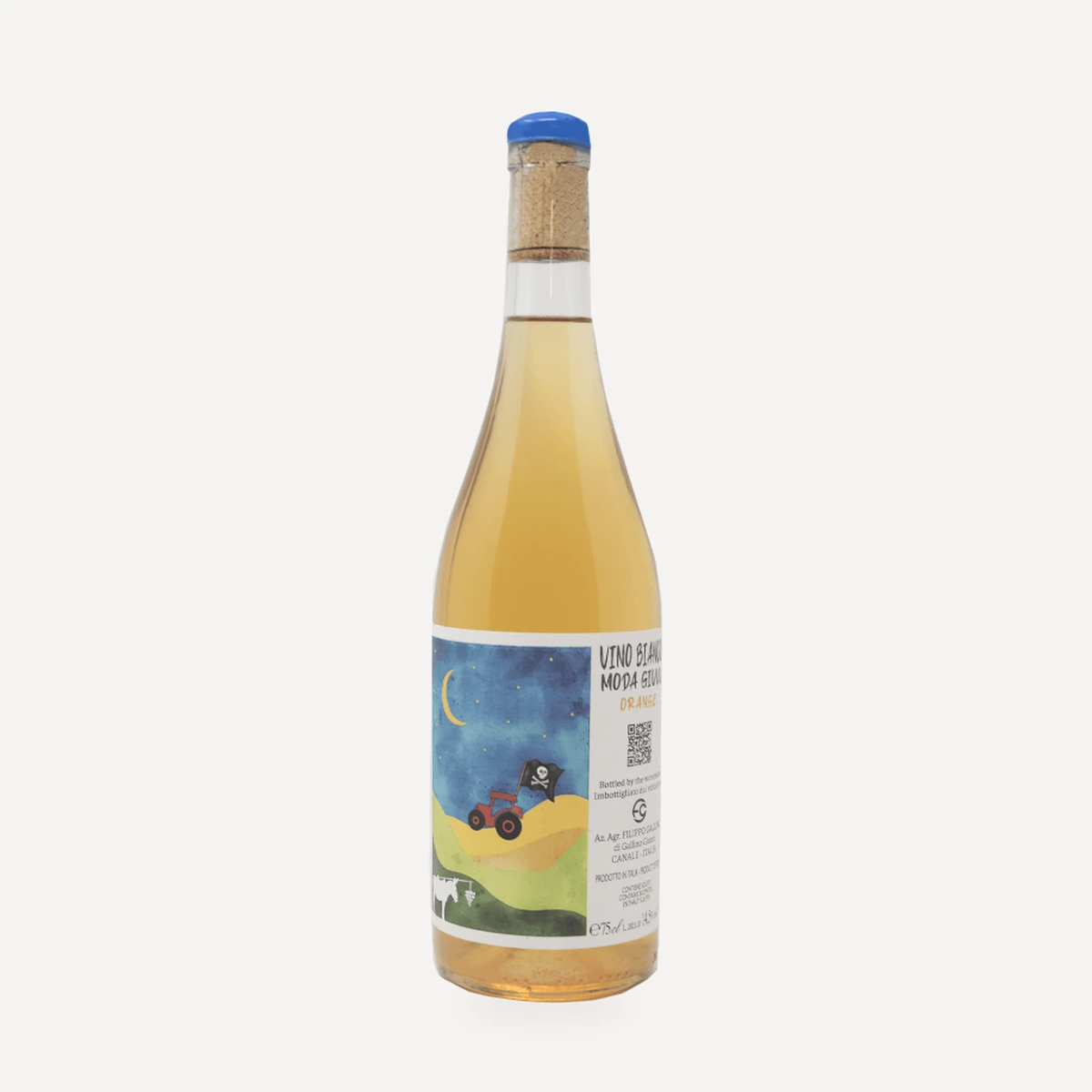
The family subsequently developed Moda Giuvu, an orange wine whose name means “as the young people do” in local dialect. It forms a deliberate counterpart to Moda Veja—“the old way”—and combines extended skin contact, spontaneous fermentation, lees work and bottling without filtration or clarification.
The family today
Filippo and Maria supported the estate’s long-term growth and the transfer of practical knowledge to the next generations. Filippo taught pruning to his grandson Lorenzo, who now manages the green areas. Filippo’s son Gianni is the owner, winemaker and cellar manager, while his daughter Laura oversees administration and marketing. Family members remain involved across the harvest, vineyard work, cellar, administration and commercial activity.
Terroir
The estate lies at Valle Pozzo in the commune of Canale, within the Roero in north-eastern Cuneo province, Piedmont. Its vineyards form part of the hilly landscape on the left bank of the Tanaro.
Roero’s vineyard soils are predominantly of marine origin. They are described as clay-rich, permeable and rich in mineral salts. Across the Gallino production zones, the profiles vary from pale sandy-clayey soils to sandy, calcareous-clayey ground with extensive outcrops of sand. Some sites contain red clay, while the ground used for Moda Giuvu is described as sandy and highly mineralised. The historic Bonora vineyard has sandy, calcareous and red-clay soil. These sandy and clay-rich formations are associated with freshness, fragrance, mineral character and softer tannins in the estate’s wines.
Canale combines slopes and favourable exposures with only temporary surface-water reserves. The wider local vineyard landscape therefore relies on rainwater-collection cisterns and wells reaching groundwater. Nearly 400 hectares of Canale are devoted to wine production. The estate’s own vineyard irrigation arrangements are not specified.
Vinificazione
The roughly 15 ha of vineyards are tended by the Gallino family. Vineyard work is based on traditional Guyot training, generally with 8–9 fruiting buds or shoots retained per plant. The published yield levels range from 60 q/ha for selected reserve and ageworthy wines to 70–80 q/ha for several other bottlings and 100 q/ha for aromatic red grapes intended for partially fermented must.
The estate participates in Coldiretti’s The Green Experience sustainable-agriculture programme. Chemical herbicides have been eliminated between the rows. Herbaceous and flowering species are sown in the vineyards to support soil needs and regeneration, while the family frames its agricultural work around environmentally compatible fruit production and protection of the surrounding landscape.
All specifically documented harvests are manual. White grapes and aromatic local varieties are generally picked in September, Barbera in late September and Nebbiolo in early October. Grapes for Le Due Rose are harvested somewhat earlier than usual to preserve natural fragrance and acidity. The family also selects grapes before they enter the cellar.
Production combines inherited cellar practices with modern equipment and techniques. The methods vary according to grape and intended style rather than following a single formula.
For conventionally vinified white wines, the juice is separated from the skins before fermentation. Grapes are gently pressed in a pneumatic press, and fermentation takes place in temperature-controlled stainless-steel tanks. The standard Roero Arneis matures in steel. The “4 Luglio” Riserva remains in steel on fine lees for 12 months with weekly bâtonnage, followed by bottle maturation.
Moda Veja follows a different, deliberately traditional route. Destemmed and crushed white grapes begin fermentation with their skins; juice and pomace are separated about 24 hours after fermentation starts. Fermentation then continues naturally, without selected yeast, until the sugars are exhausted. The wine spends about six months on fine lees in stainless steel and is bottled without intensive manipulation.
Moda Giuvu applies red-wine techniques to white grapes. Softly pressed, destemmed bunches are transferred with their skins to a tank for approximately five days. The cap is pushed manually to the bottom twice each day, while spontaneous fermentation proceeds with indigenous yeasts. After separation from the skins, the wine undergoes weekly bâtonnage for approximately six months; the broader account of the method describes around eight months on fine lees. It is racked several times but neither filtered nor clarified. Lightweight glass and a fully recyclable closure and seal are used for bottling.
Red grapes are destemmed and crushed. Maceration lasts 7–10 days for several wines and 15–20 days for longer-macerated selections, with manual pump-overs. Fermentation and initial refinement take place in stainless steel. Some wines remain entirely in steel; others mature for about 12 months in 25 hl wooden casks. The longest-aged red selections spend 24 months between barriques and tonneaux, are assembled in steel and then rest for an extended period in bottle.
Le Due Rose undergoes a short, vintage-dependent skin maceration of about 24 hours and matures in stainless steel on fine lees. Birbet is fermented in temperature-controlled steel; fermentation is stopped by lowering the temperature when the wine reaches 4.5–5% alcohol.
For Seventy Metodo Classico, white grapes are vinified off the skins after pneumatic pressing and temperature-controlled fermentation in steel. Tirage takes place in the summer following harvest. The wine remains on its lees in bottle for 48 months, followed by a further six months after disgorgement.
Filosofia
Filippo Gallino’s approach rests on four recurring principles: family tradition, practical innovation, environmental responsibility and respect for Roero. The family presents hard work and care for the land as values transmitted through generations, while vineyard, cellar, administration and marketing remain family activities.
Tradition is treated as working knowledge rather than a fixed formula. Filippo’s pruning experience was passed to Lorenzo, while Gianni’s cellar work encompasses both traditional vessels and techniques such as temperature-controlled steel, pneumatic pressing, fine-lees ageing and traditional-method sparkling production. The contrast between Moda Veja—“the old way”—and Moda Giuvu—“as the young people do”—encapsulates this balance: one looks back to the family’s early dry Arneis, while the other applies spontaneous fermentation and prolonged white-grape skin contact.
Environmental responsibility includes participation in The Green Experience, eliminating chemical herbicides between vineyard rows, sowing grasses and flowers to help regenerate soil, and using lighter, recyclable packaging for Moda Giuvu. The estate’s stated objective is to unite product quality with care for the surrounding territory rather than separate wine production from the Roero landscape.
Vini
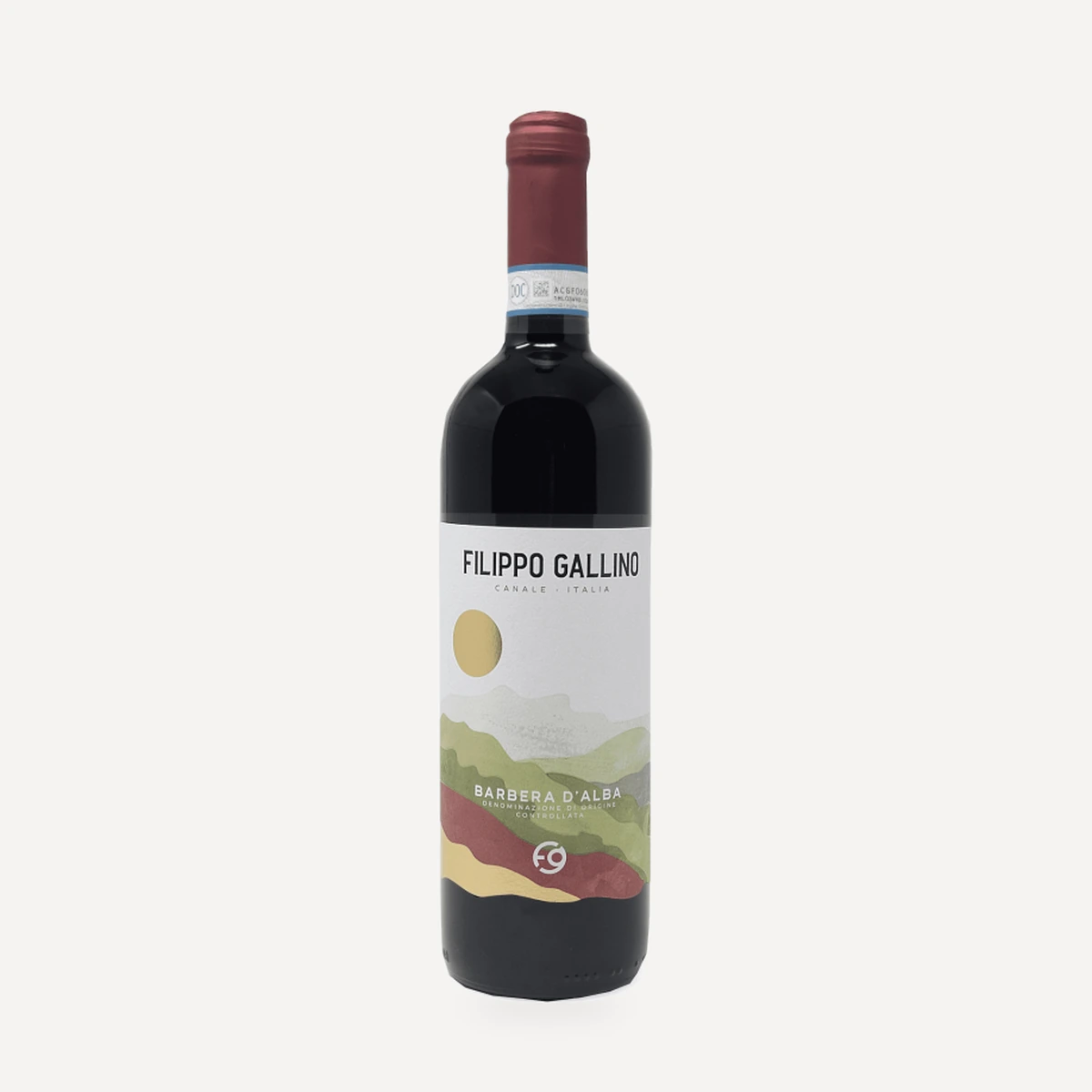
Barbera d’Alba DOC
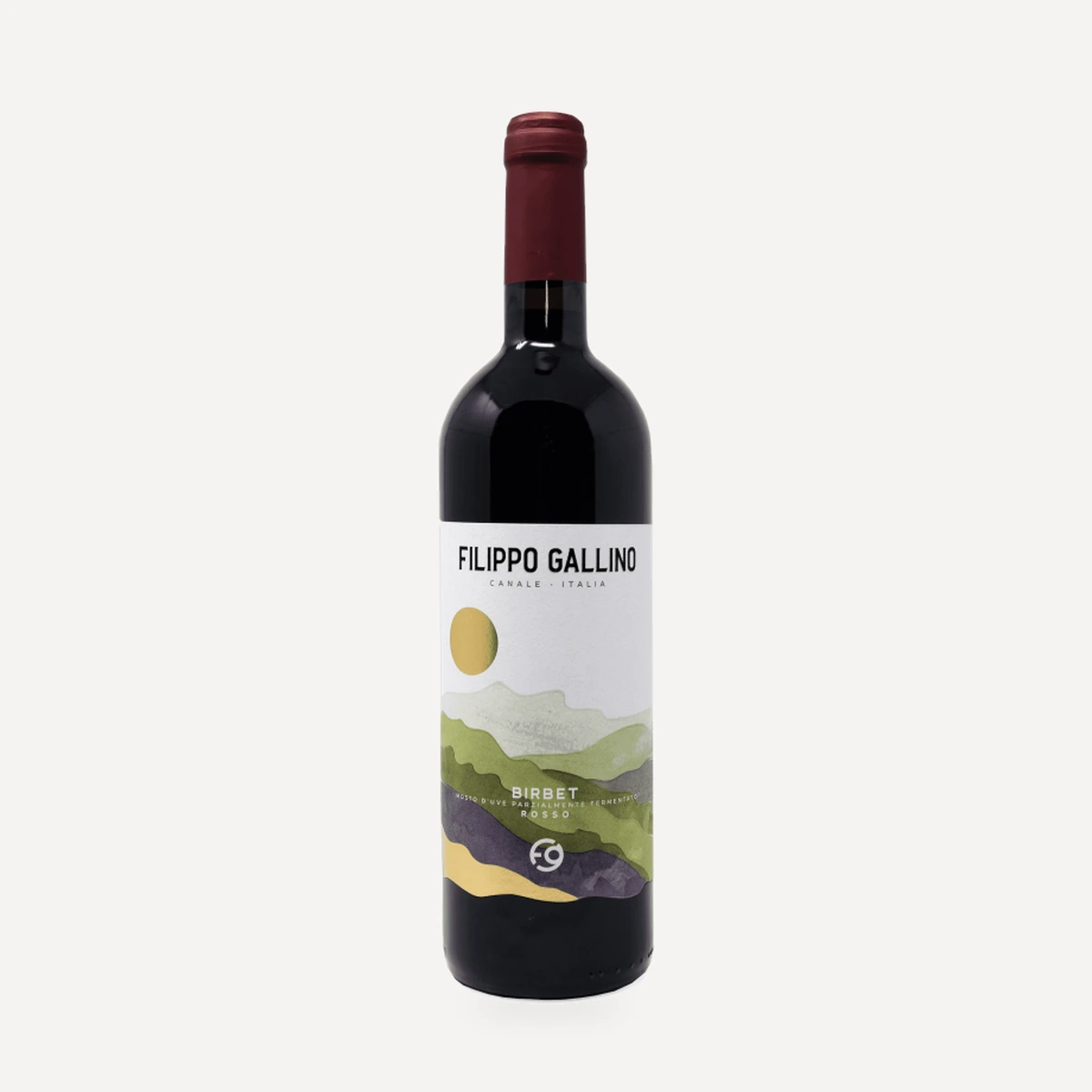
Birbet
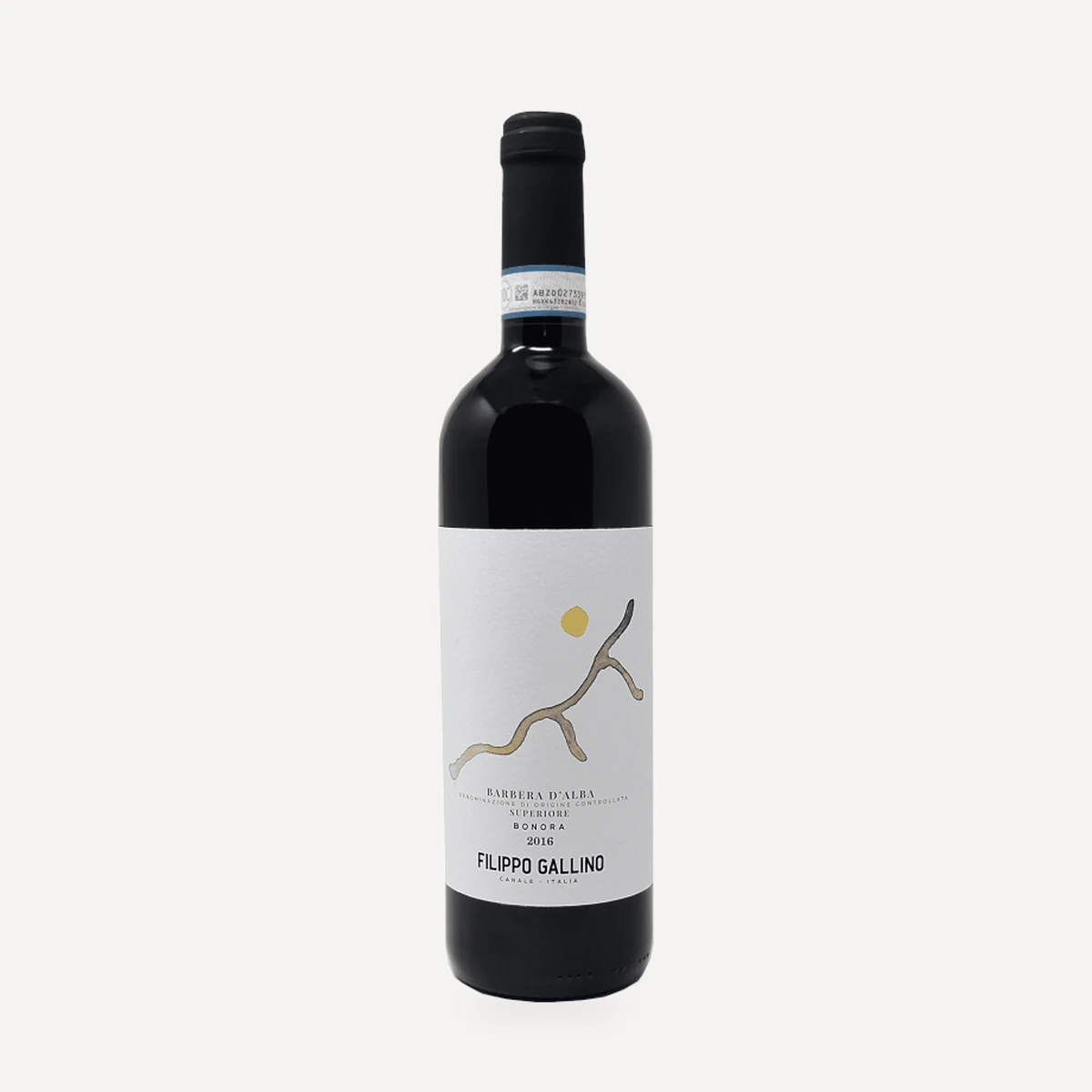
Bonora Barbera d’Alba Superiore DOC
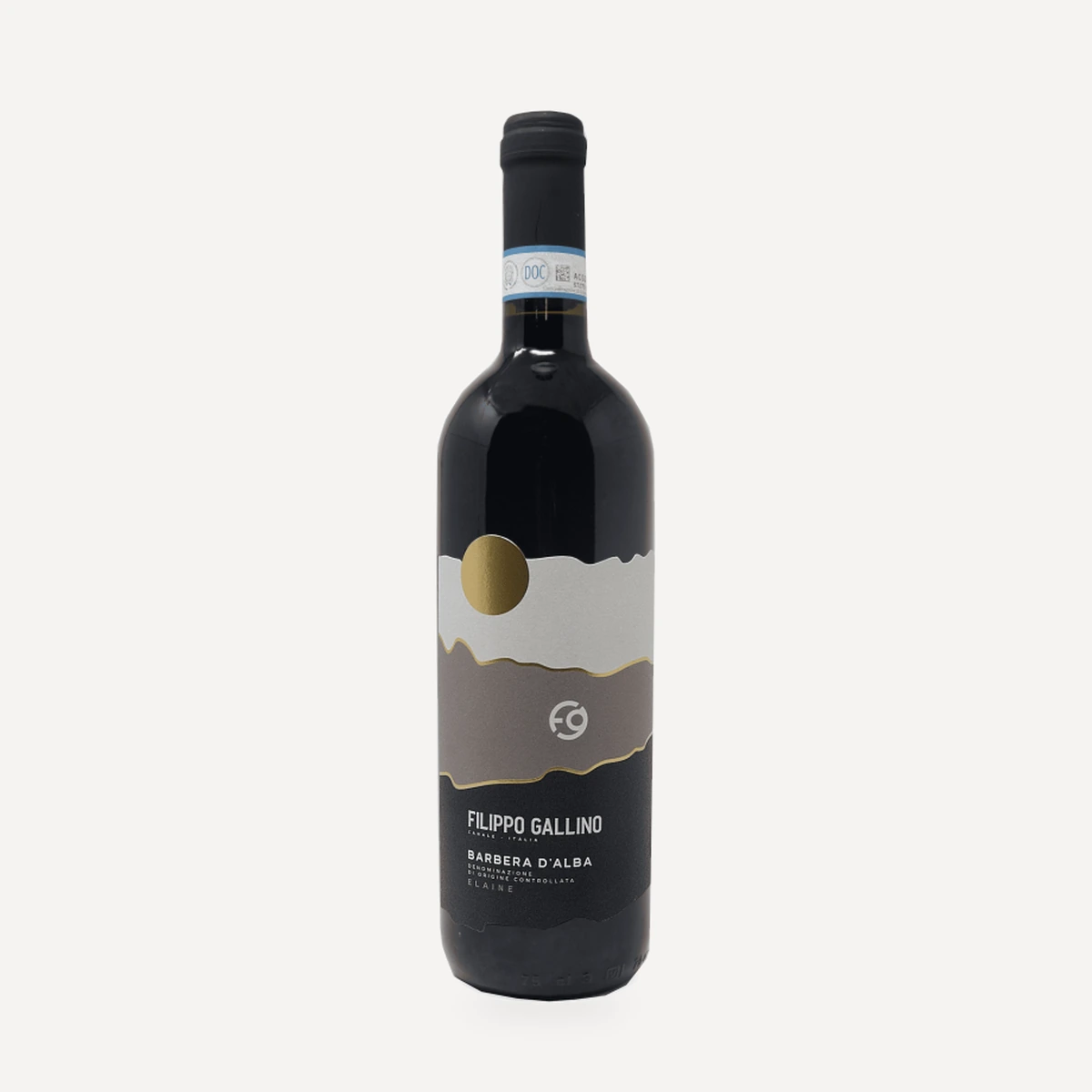
Elaine Barbera d’Alba Superiore DOC
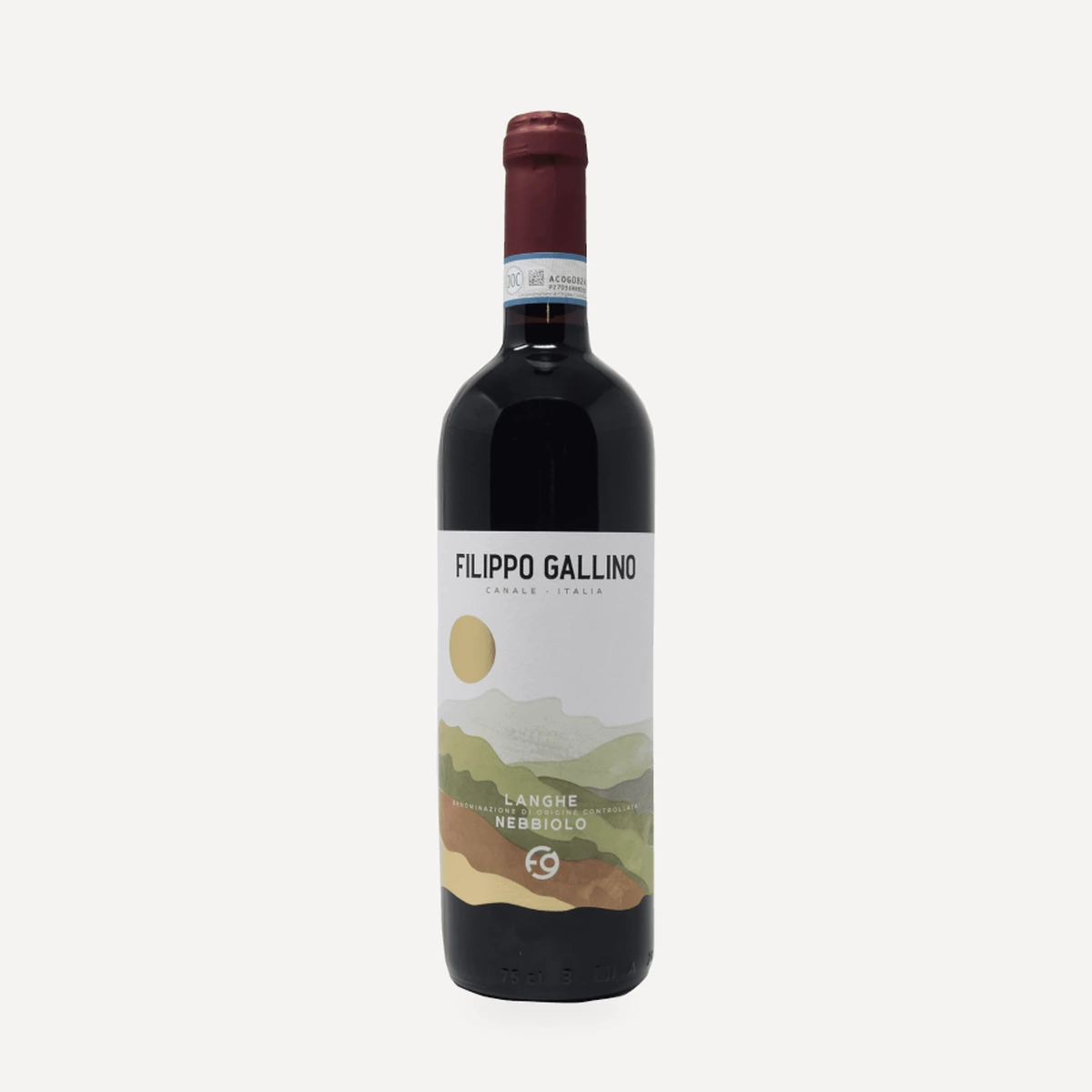
Langhe DOC Nebbiolo
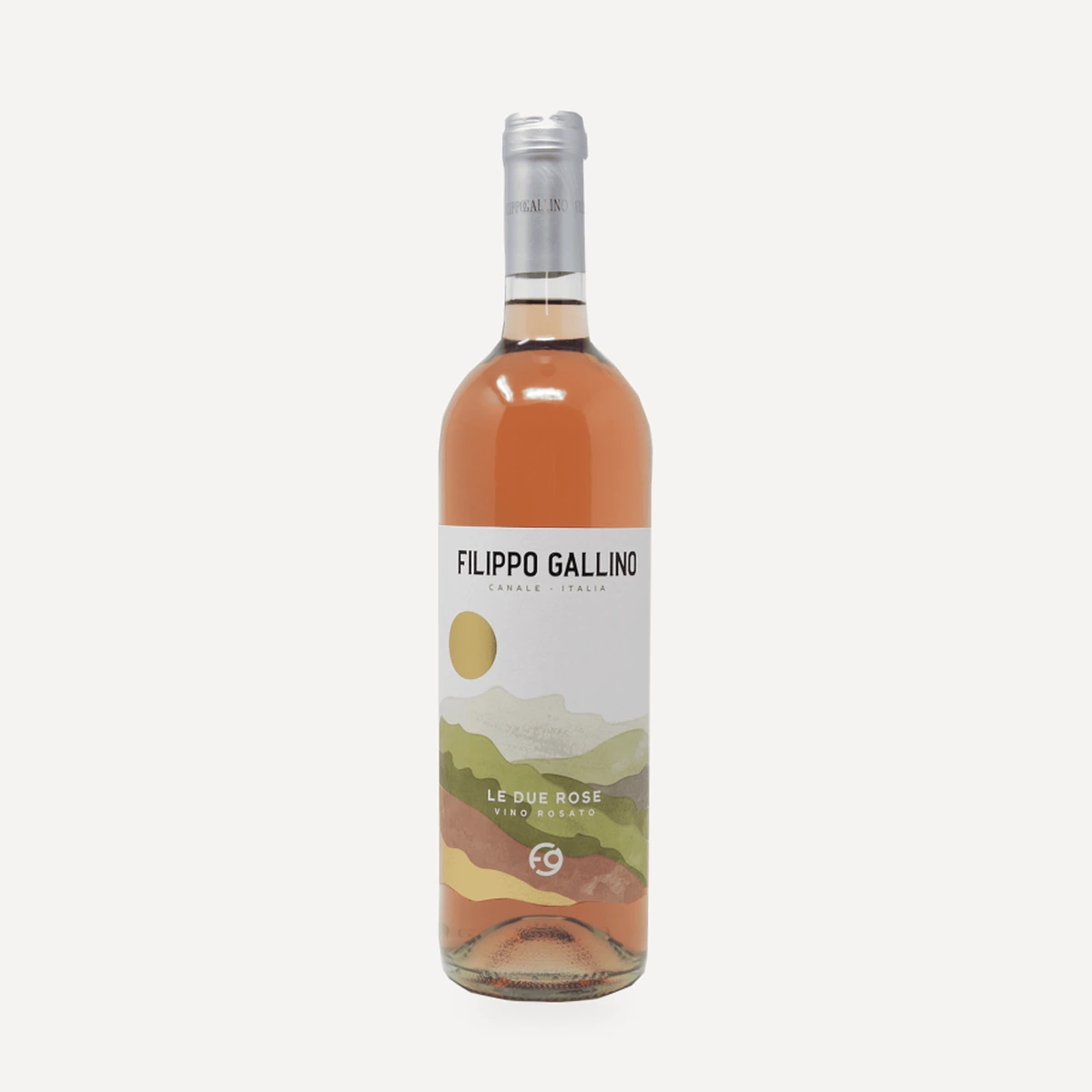
Le Due Rose
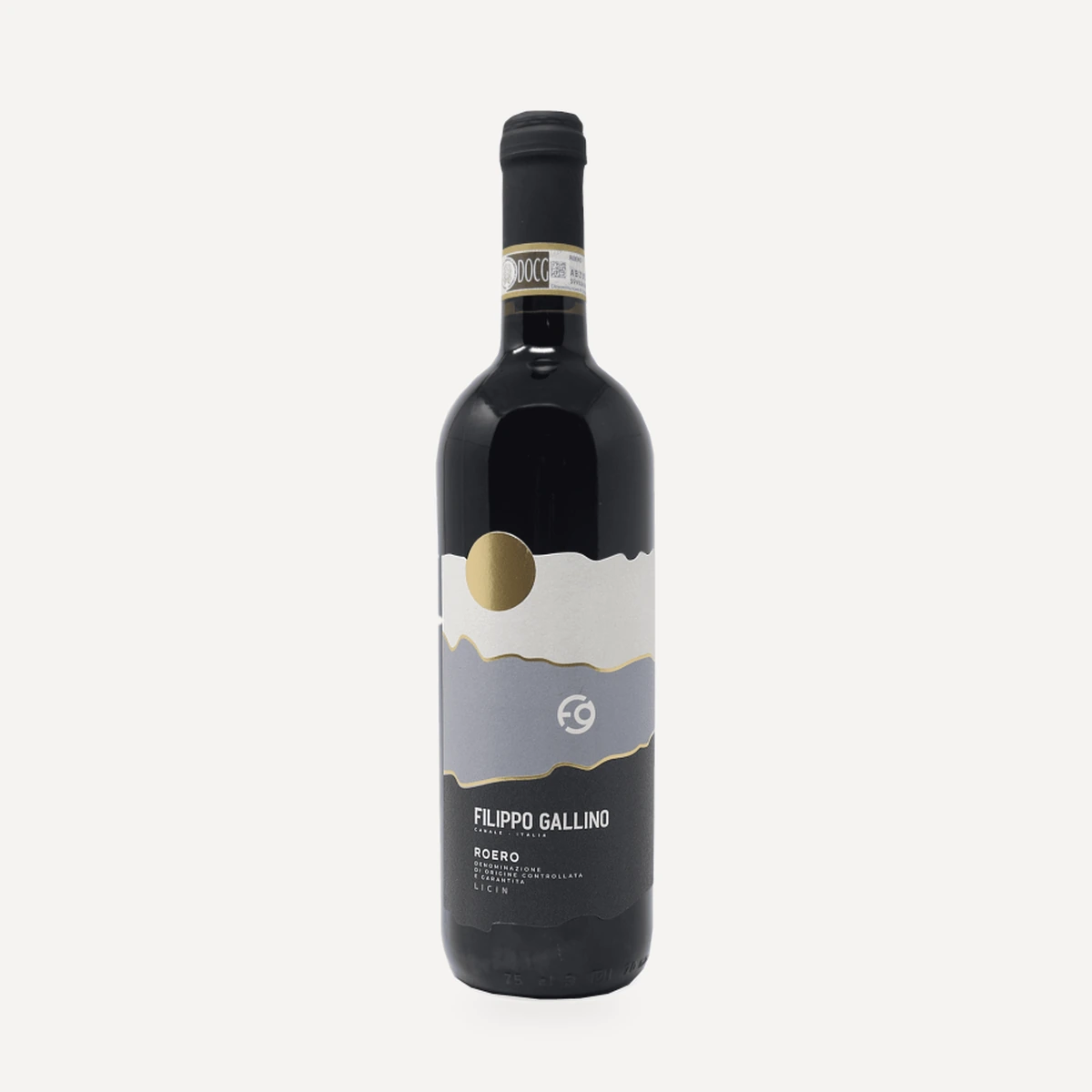
Licin Roero DOCG
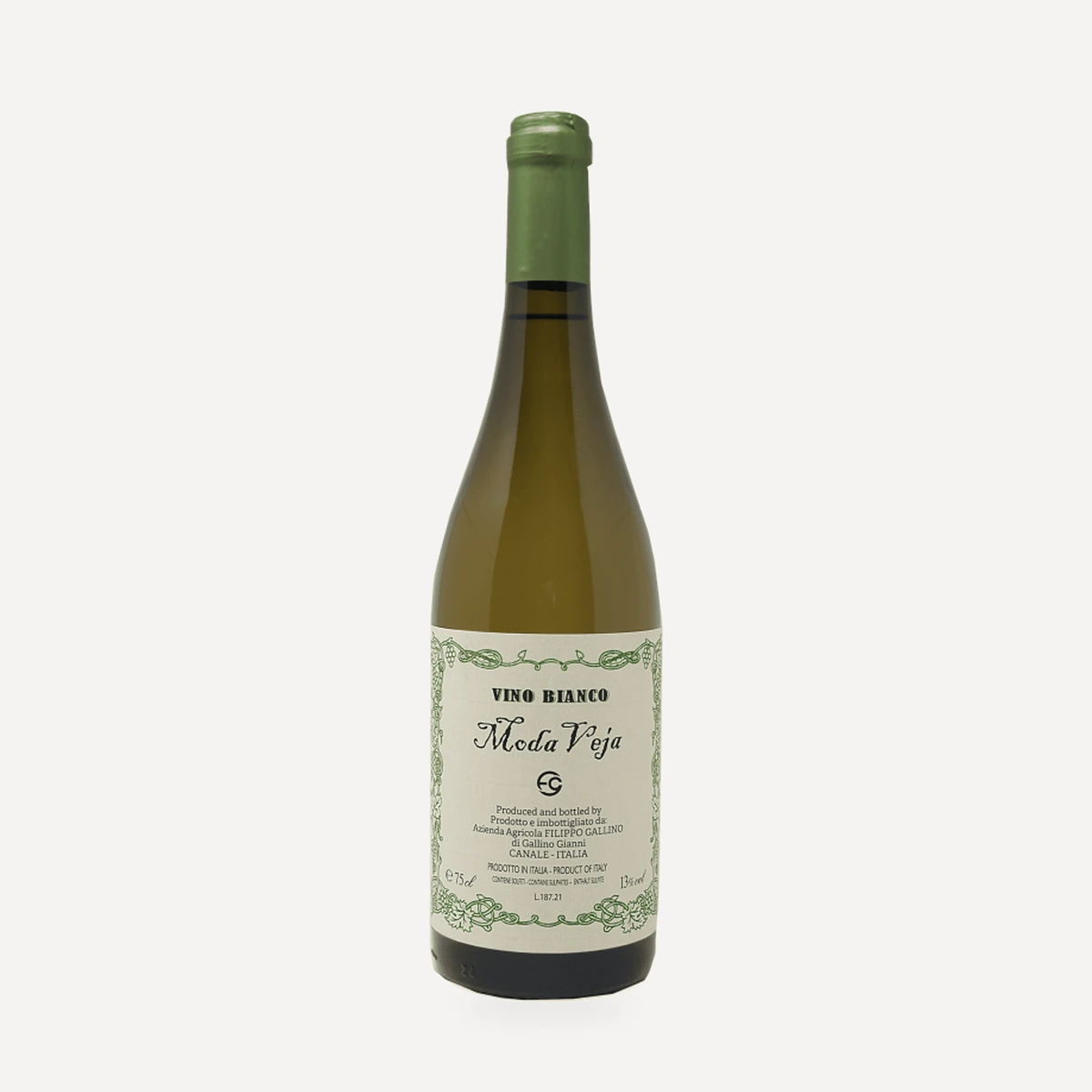
Moda Veja
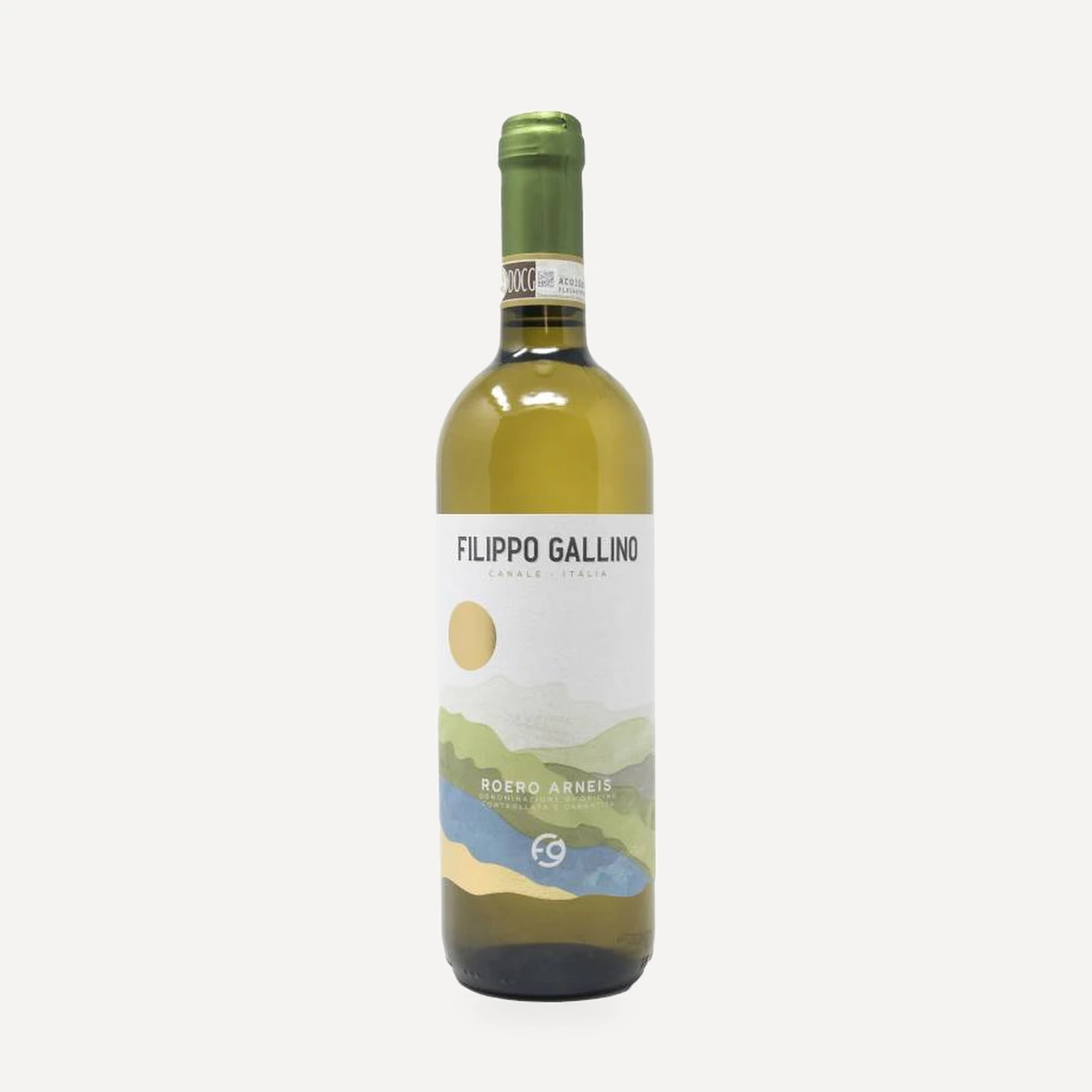
Roero Arneis DOCG
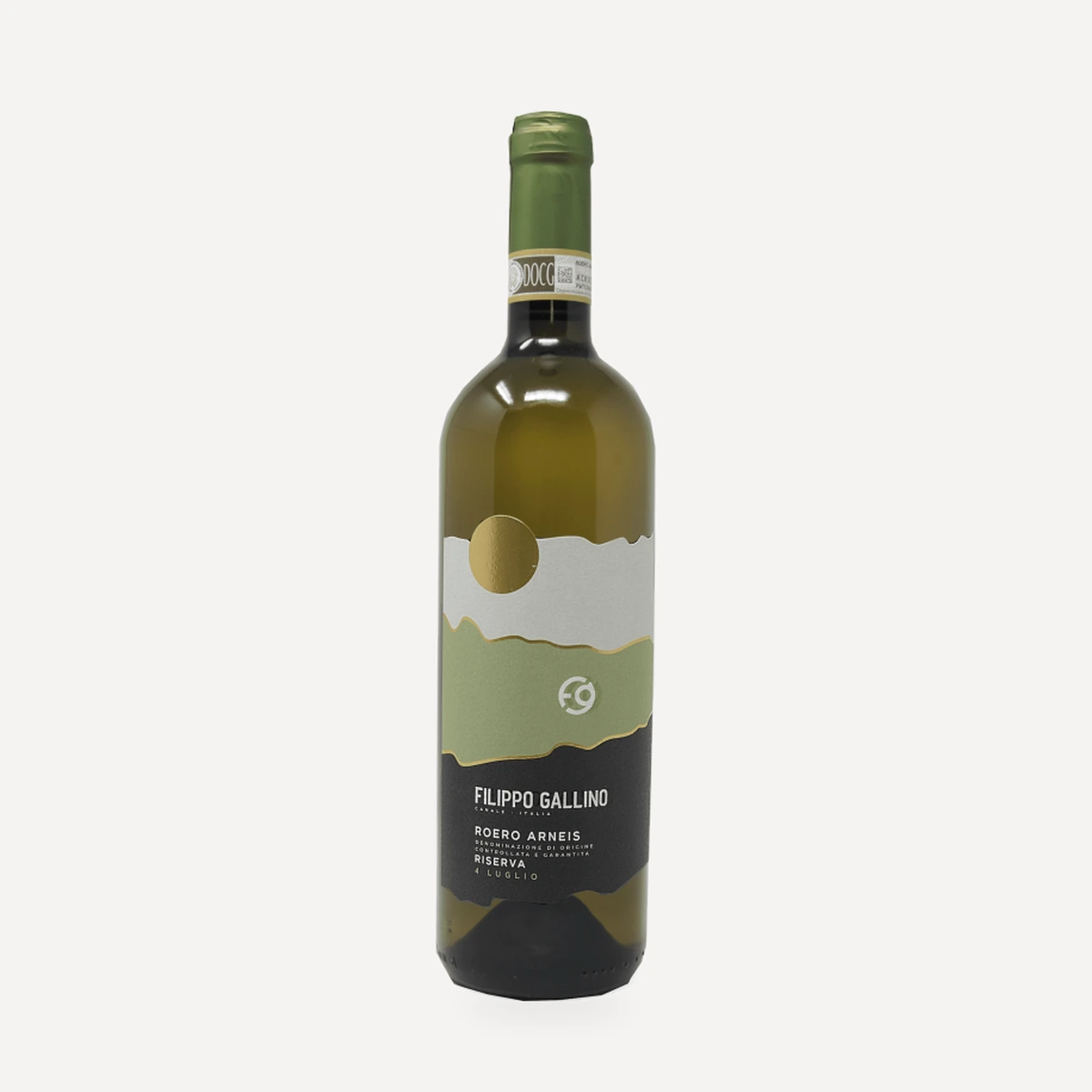
Roero Arneis Riserva DOCG “4 Luglio”
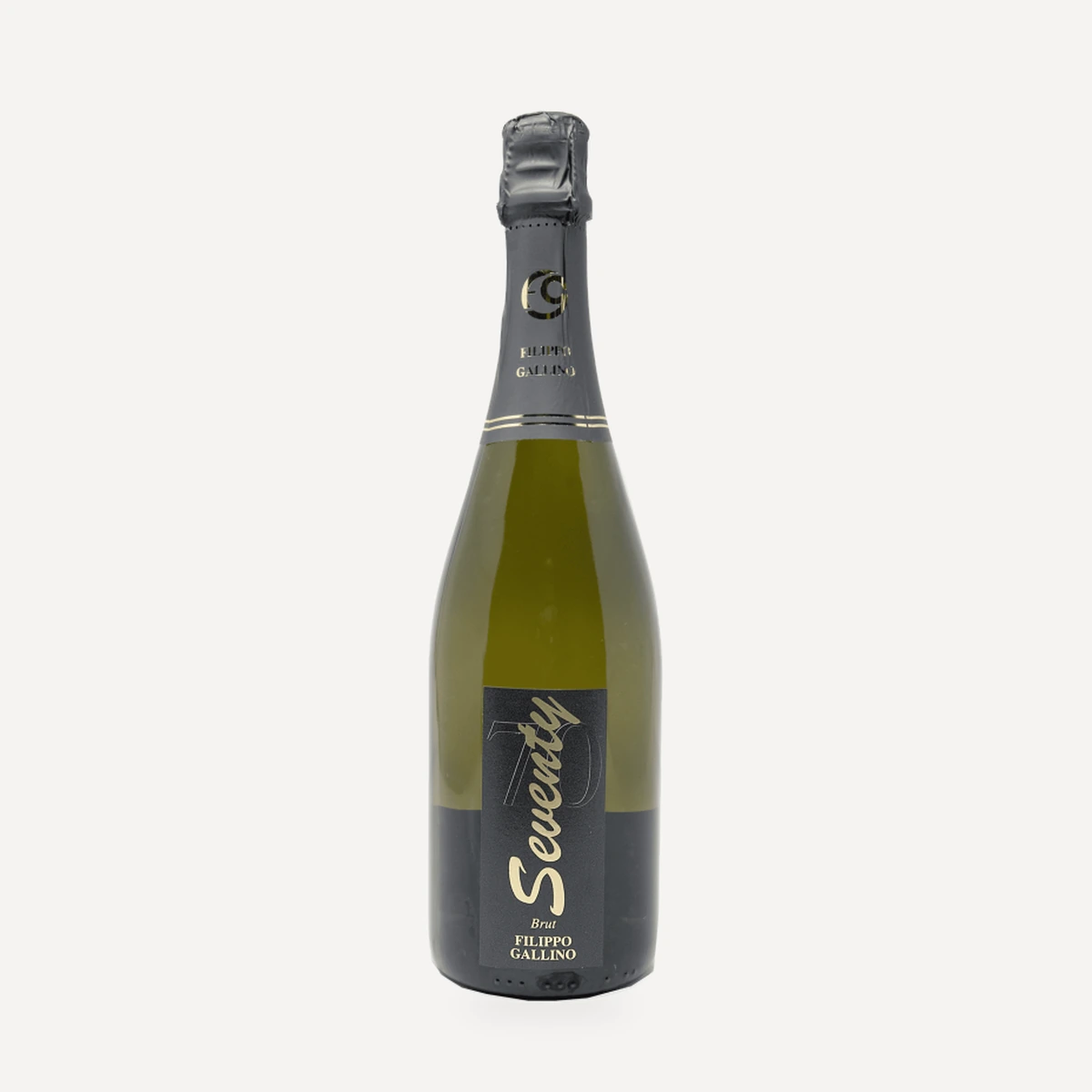
Seventy V.S.Q. Brut Metodo Classico