Storia
A new direction in 2013
In 2013, northern Italian textile entrepreneur Alberto Gandolfi and his wife, Alida Beretta, decided to sell the family business in technical yarns and begin a new life in wine. Their objective was to establish a more balanced relationship with nature through viticulture.
Their encounter with the Marche proved decisive. Near San Marcello, in the province of Ancona, they found a ruined farmhouse surrounded by approximately 17 hectares of largely abandoned vineyard, including fifty-year-old Verdicchio vines. They chose to restore the house, rehabilitate the land and care for the existing vineyards, combining wine production with a responsible form of hospitality rooted in the landscape.
Reclaiming and expanding the vineyards
The original vineyard was recovered and the holding developed to 17.5 hectares at San Marcello. Seven hectares contain Verdicchio vines now described as more than sixty years old. Another ten hectares were replanted with Verdicchio, Lacrima di Morro d’Alba and selected international varieties. An additional vineyard of approximately two hectares at nearby Ostra supplies part of the estate’s Lacrima.
Organic farming has been central from the project’s first day. The vineyards were managed without herbicides, pesticides or fertilizers, with composting, green manures and reduced use even of copper and sulphur permitted under organic rules.
Winery and resort development
A partially underground winery was constructed for production, maturation and blending. Its architecture uses the thermal stability of the underground level to limit energy consumption, while its colours, materials and forms reduce its visual impact on the landscape. Production occupies the lower level; an upper level, terrace and garden accommodate tastings, workshops, visits and other gatherings. Wood and glass visually connect the production and hospitality areas with their surroundings.
The abandoned farmhouse was rebuilt as the Filodivino Resort, retaining the character of a traditional Marche casolare while incorporating modern anti-seismic construction. Seven guest rooms and suites, a seasonal restaurant, a 300 m² spa and an infinity pool were added, completing a project conceived to connect wine, hospitality and wellbeing.
The restoration involved local contractors, craftspeople and artists and followed the Itaca protocol, prioritising reclaimed or recycled materials, renewable-energy production and local manufacture wherever practicable. Architect Cristiana Dell’Acqua collaborated on the transformation and designed the winery.
A new winemaking phase from 2021
From the 2021 harvest, oenologist Luca D’Attoma assumed responsibility for the wine side of the project. An expert in biodynamic viticulture, he accompanies the complete production cycle, from vineyard work through blending and bottling. He works with a local team that includes cellarman Marco Scarponi, sommelier Erika Avaltroni and sales manager Matteo Acmè.
Recognition and producer networks
In 2023, the winery project designed by Cristiana Dell’Acqua received the Premio InArchitettura from the Italian National Institute of Architecture, promoted with the Associazione Nazionale Costruttori Edili.
Filodivino is a member of FIVI, the Federazione Italiana Vignaioli Indipendenti. It is also a founding member of the Associazione Produttori di Lacrima di Morro, whose members cultivate, vinify and bottle Lacrima within the DOC production area.
Terroir
Filodivino’s principal vineyards surround the winery and resort in San Marcello, in the hills inland from Ancona and a few kilometres from Jesi. The site lies between the Adriatic coast and the interior facing the Sibillini Mountains. The sea is nearby, the beaches of Senigallia are within the surrounding area, and constant breezes influence a mild hill climate.
The wider landscape consists of rolling hills linking the Apennines with the coast. Differences in elevation, exposure, soil and vineyard age create multiple microclimates. Vineyards alternate with olive groves and fields of wheat and sunflowers.
The 17.5-hectare San Marcello vineyard lies at 200–250 metres above sea level on calcareous clay. Vine age ranges from approximately ten years to more than sixty years. Seven hectares are occupied by old Verdicchio vines, while replanted parcels contain Verdicchio, Lacrima di Morro d’Alba and international varieties.
The approximately two-hectare Ostra vineyard stands at 260 metres. It is divided into two parcels, one facing north and the other south. Its calcareous-clay soil also contains sand, and its vines are more than thirty years old.
Vinificazione
Organic viticulture has been practiced from the first day of the project and the wines carry organic certification. Herbicides, pesticides and fertilizers are excluded. Even treatments allowed under European organic rules, including copper and sulphur, are reduced to a minimum, with additional measures used to protect the surrounding environment.
The estate treats farming as cooperation with a living ecosystem. Organic matter taken from the land is returned through composting and green manuring. When a vine or vineyard signals a problem, the approach is to investigate its cause and restore the underlying balance rather than merely suppress the symptom.
After each harvest, the soil beneath and between the rows is worked so that it can breathe before the green-manure crop is sown. Depending on the year, the cover-crop mixture may include mustard, sulla (Hedysarum coronarium), vetch, peas, rocket, broad beans or rapeseed. These crops protect the surface against rain erosion, retain warmth through winter and nourish the vines in spring. They also support interdependence among plants, insects and other fauna, helping maintain a dynamic vineyard equilibrium.
Harvesting is exclusively by hand into boxes. Pickers may make as many as three passes through the same row so that only bunches at full maturity are collected. All grapes used for Filodivino wines are estate-grown, giving the team direct control from vineyard cultivation to bottling.
The production area occupies the partially underground lower floor of the winery. The underground structure supplies natural thermal insulation, reducing the energy required to maintain appropriate cellar conditions. The upper level, terrace and garden are used for tastings, workshops, guided visits and gatherings, while wood and glass connect these public areas visually with the cellar and surrounding landscape.
Hand-harvested grapes are selected through as many as three separate passages along a row. Lots from different harvest selections remain separate in small stainless-steel vats, allowing each to follow an individual maturation path until blending.
Fermentations use indigenous yeasts and take place principally in stainless steel or terracotta amphorae. Subsequent maturation is tailored to each lot. The cellar’s vessels include stainless-steel vats, concrete eggs, terracotta amphorae, French-oak tonneaux, small barriques and truncated-conical vats made from untoasted oak.
Intervention and processing after harvest are deliberately limited. The aim is to preserve the identity of each grape variety and the distinguishing qualities of every vintage, including difficult years. Each component is matured separately until the final blending and bottling stages. The intended house style is clean, fresh, complex and elegant rather than shaped by extensive cellar manipulation.
Filosofia
Filodivino places the vineyard at the centre of its work. Its declared objective is healthy, responsible agriculture that respects soil, plants and the wider ecosystem, followed by minimal manipulation in the cellar. Each grape variety and vintage—including more challenging years—is intended to retain its own character.
The project defines responsibility broadly: care for nature is linked to respect for local history and traditions and to constructive relationships with employees, communities, suppliers and partners. The estate works with local craftspeople, artists, food producers and other wineries, treating networks and cooperation as essential to rebuilding a balanced relationship between people and nature.
Tradition and contemporary technique are treated as complementary. Old Verdicchio and Lacrima vineyards anchor the project in the local territory, while individually managed small lots and a range of neutral or carefully chosen maturation vessels provide the means to interpret differences among sites, varieties and vintages. The desired wines are precise, fresh, complex and elegant, expressing the relationship among vineyard, grape and year.
Hospitality, food and wellbeing follow the same principles as the wine. Seasonal cooking, short supply chains, locally made furnishings, landscape-sensitive architecture and restrained energy use are conceived as parts of one connected project rather than separate activities.
Vini
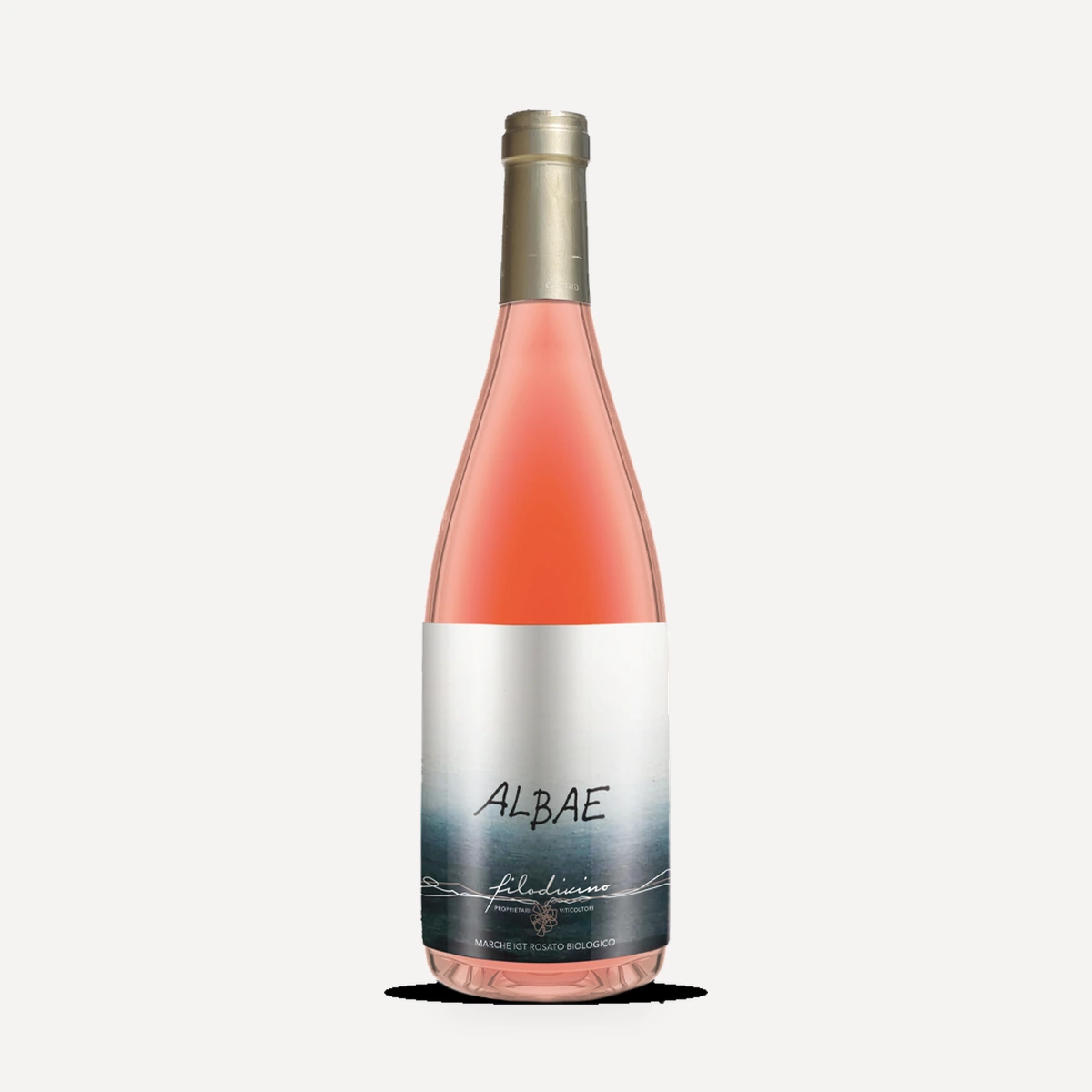
Albae - Marche Rosato
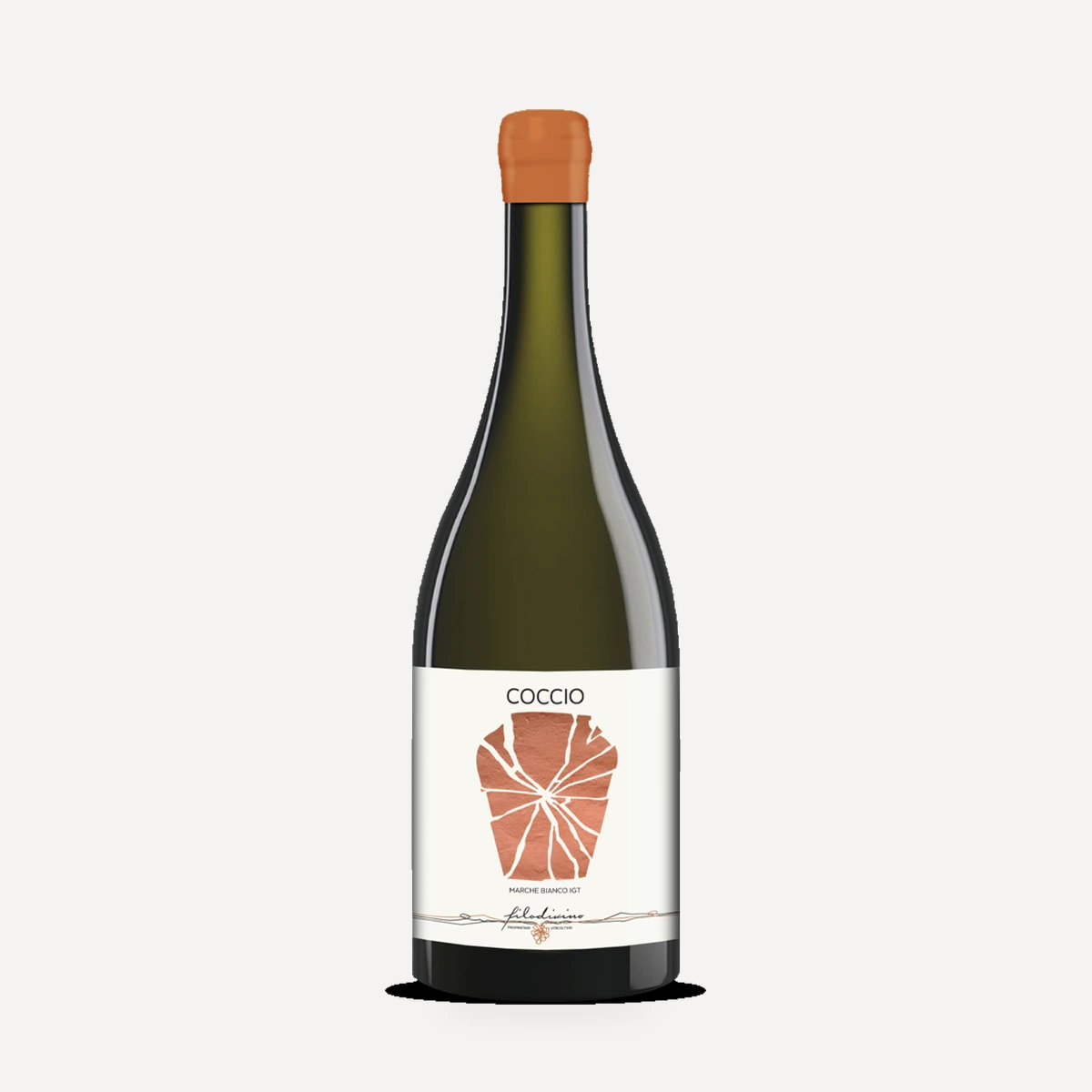
Coccio - IGT Marche Bianco - Vino fatto in anfora
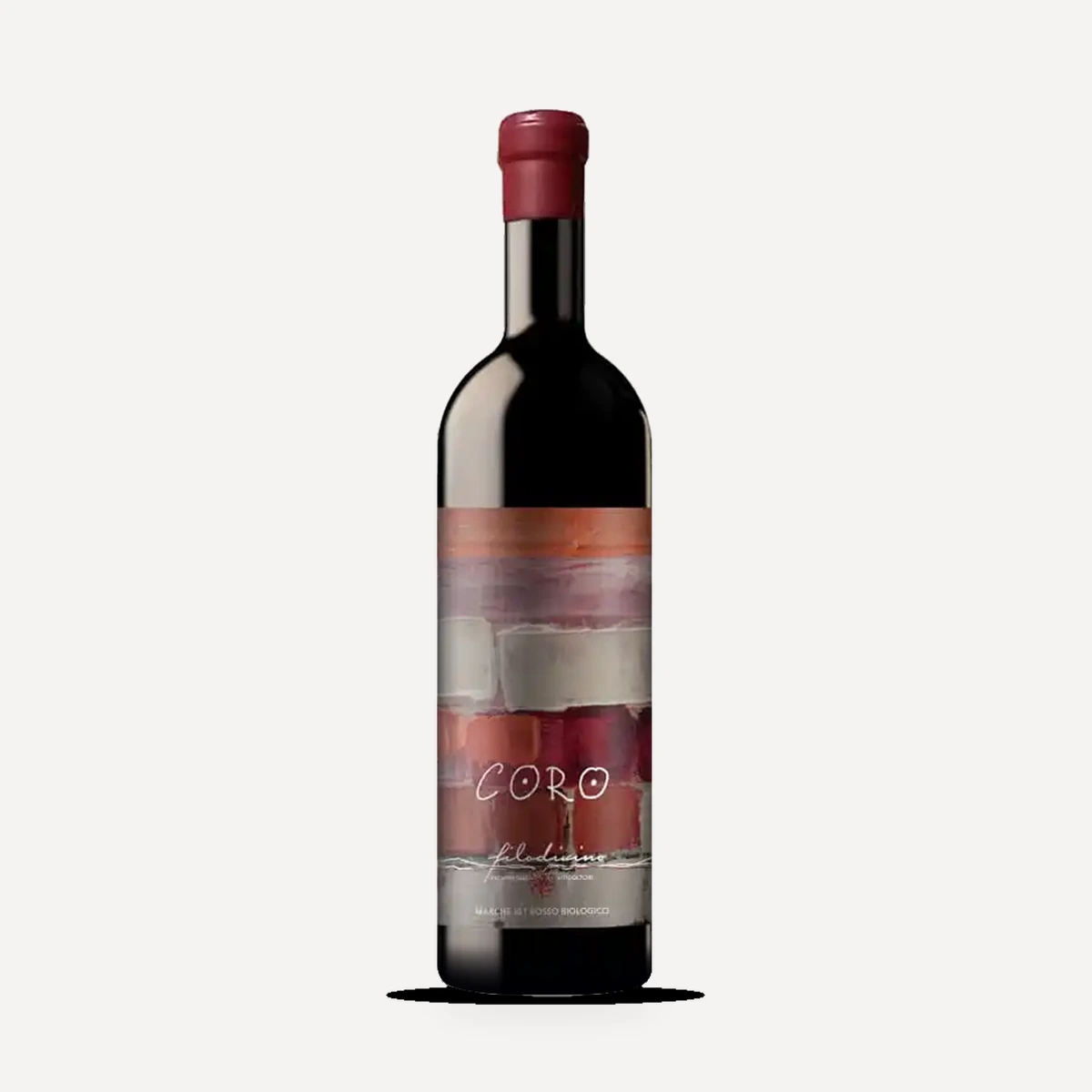
Coro - Marche Rosso IGT
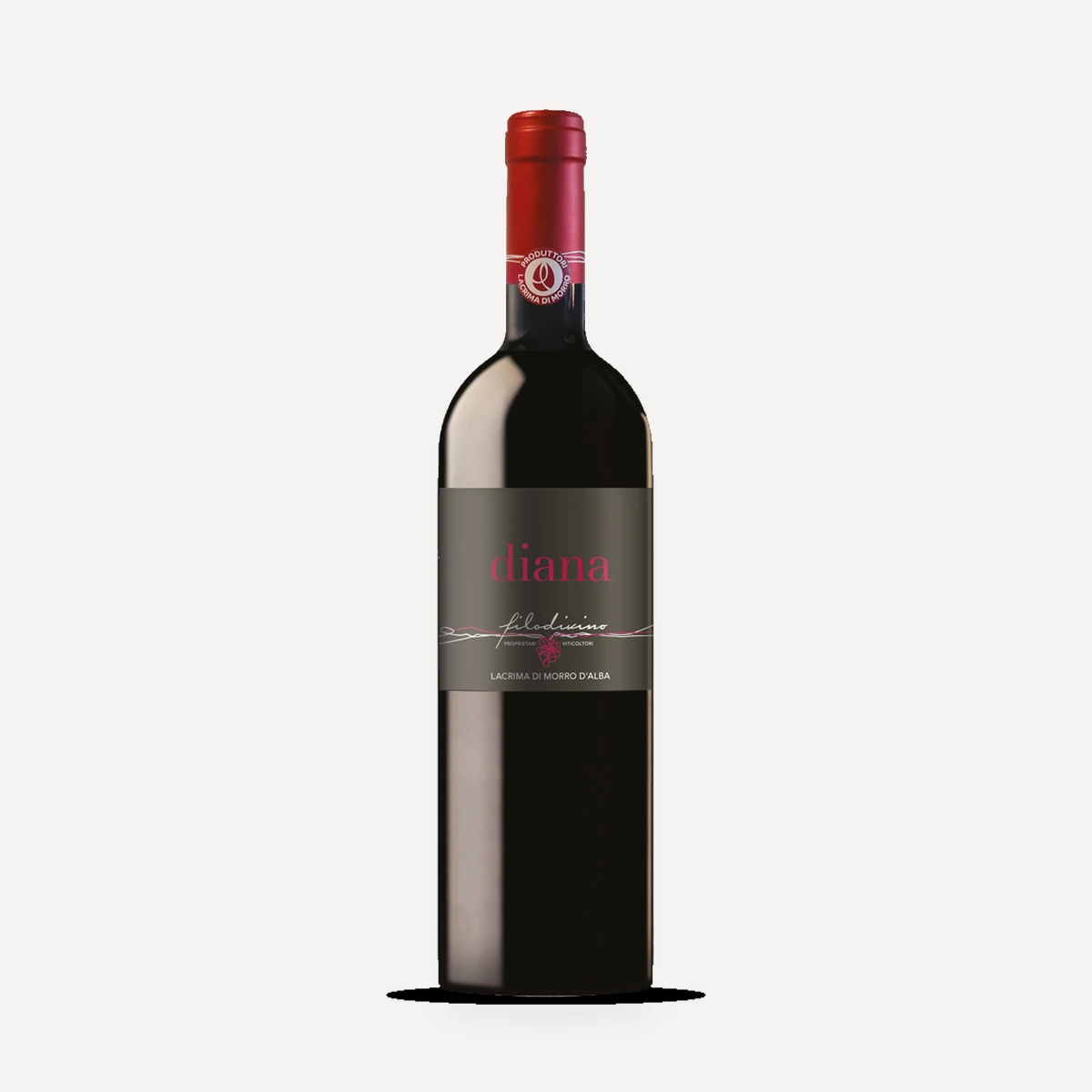
Diana - Lacrima di Morro d'Alba DOC
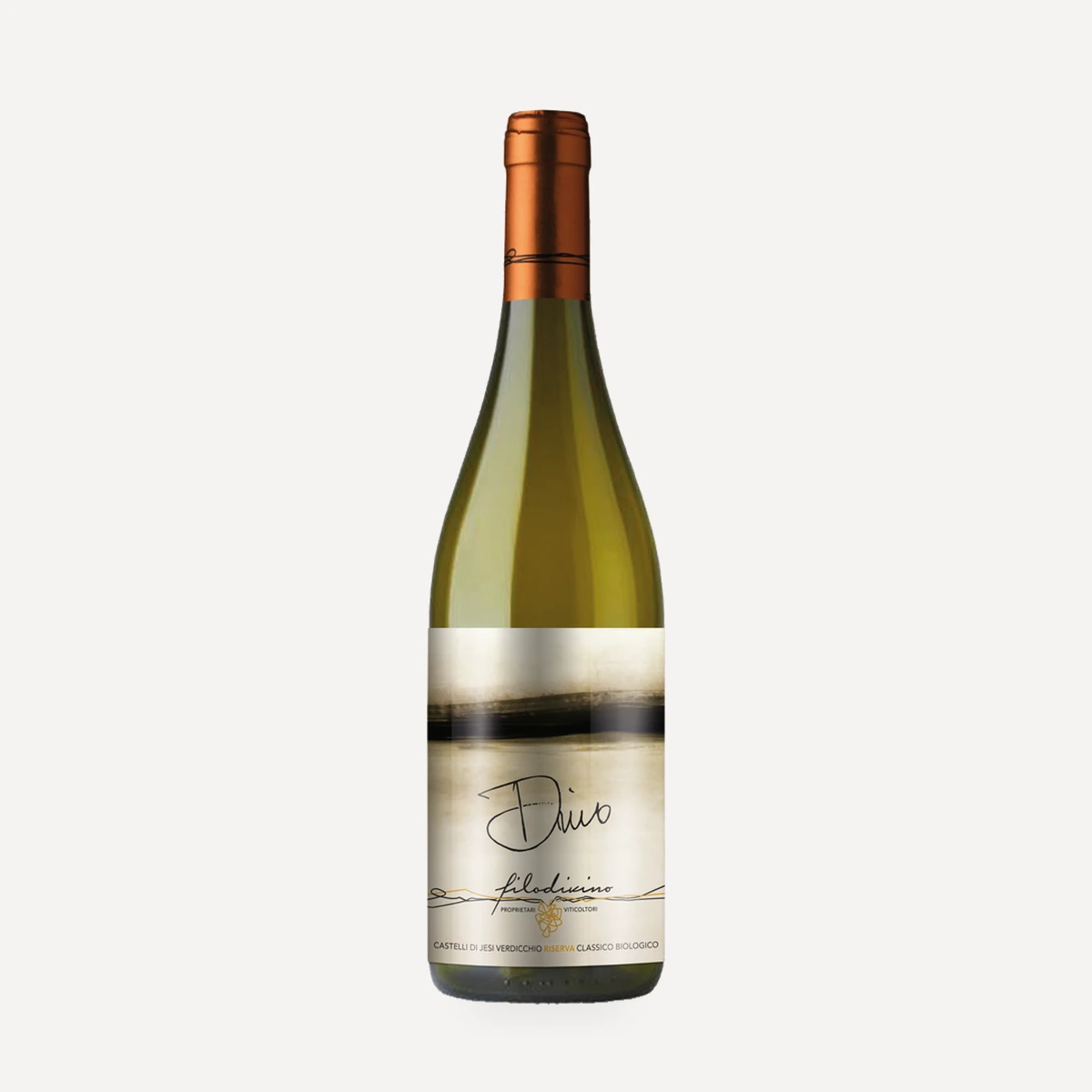
Dino - Castelli di Jesi Verdicchio Classico Riserva DOCG
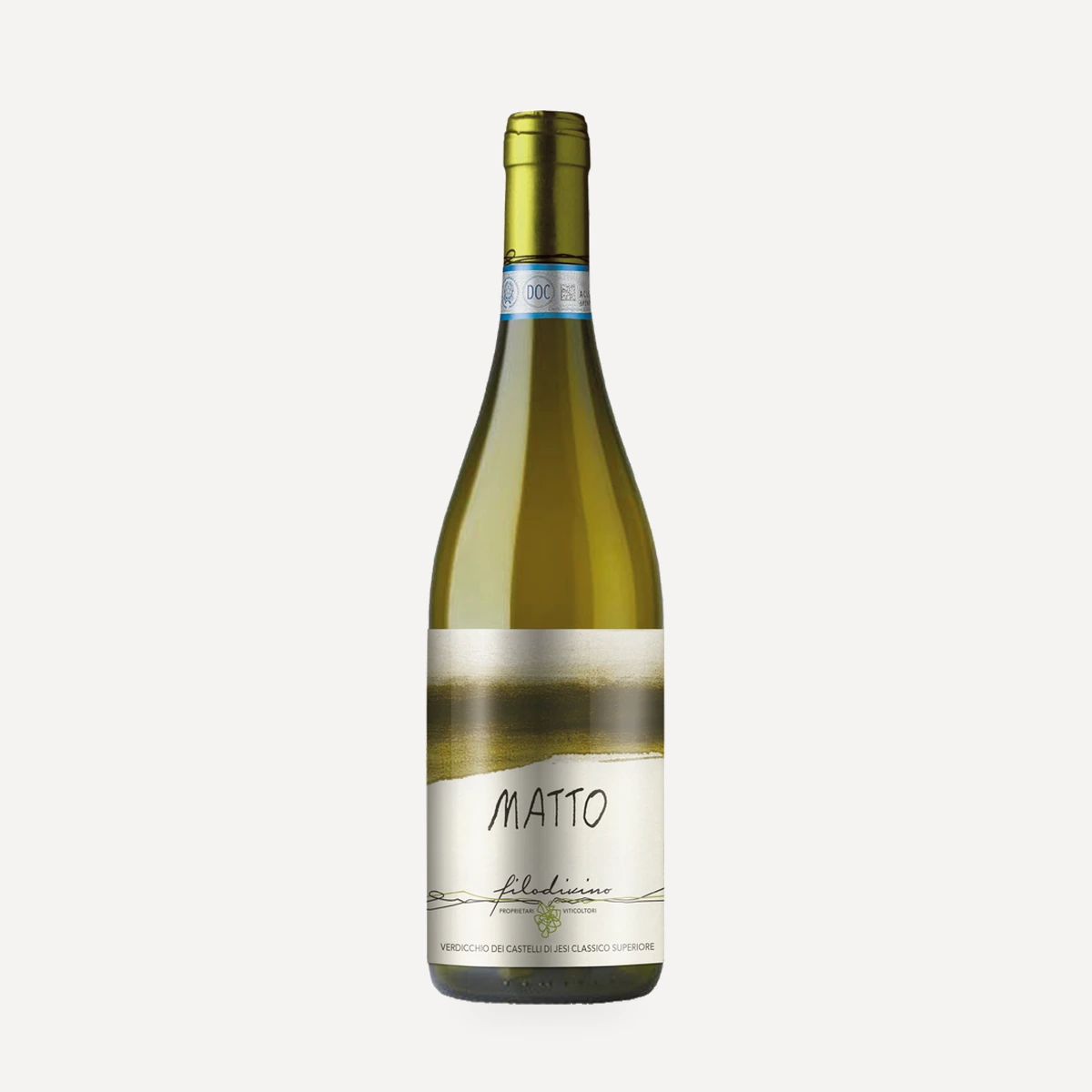
Matto - Verdicchio dei Castelli di Jesi Classico Superiore DOC
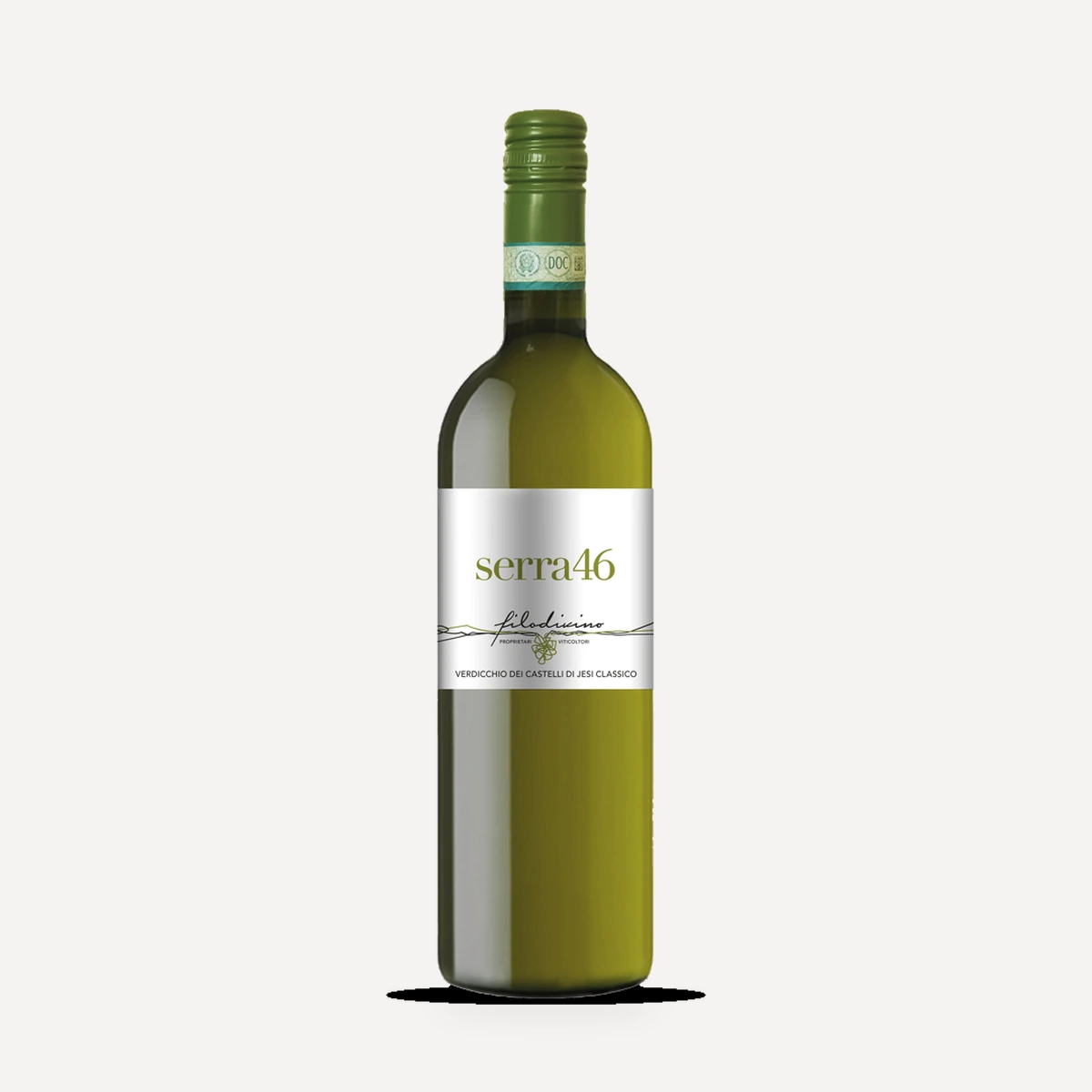
Serra 46 - Verdicchio dei Castelli di Jesi Classico DOC
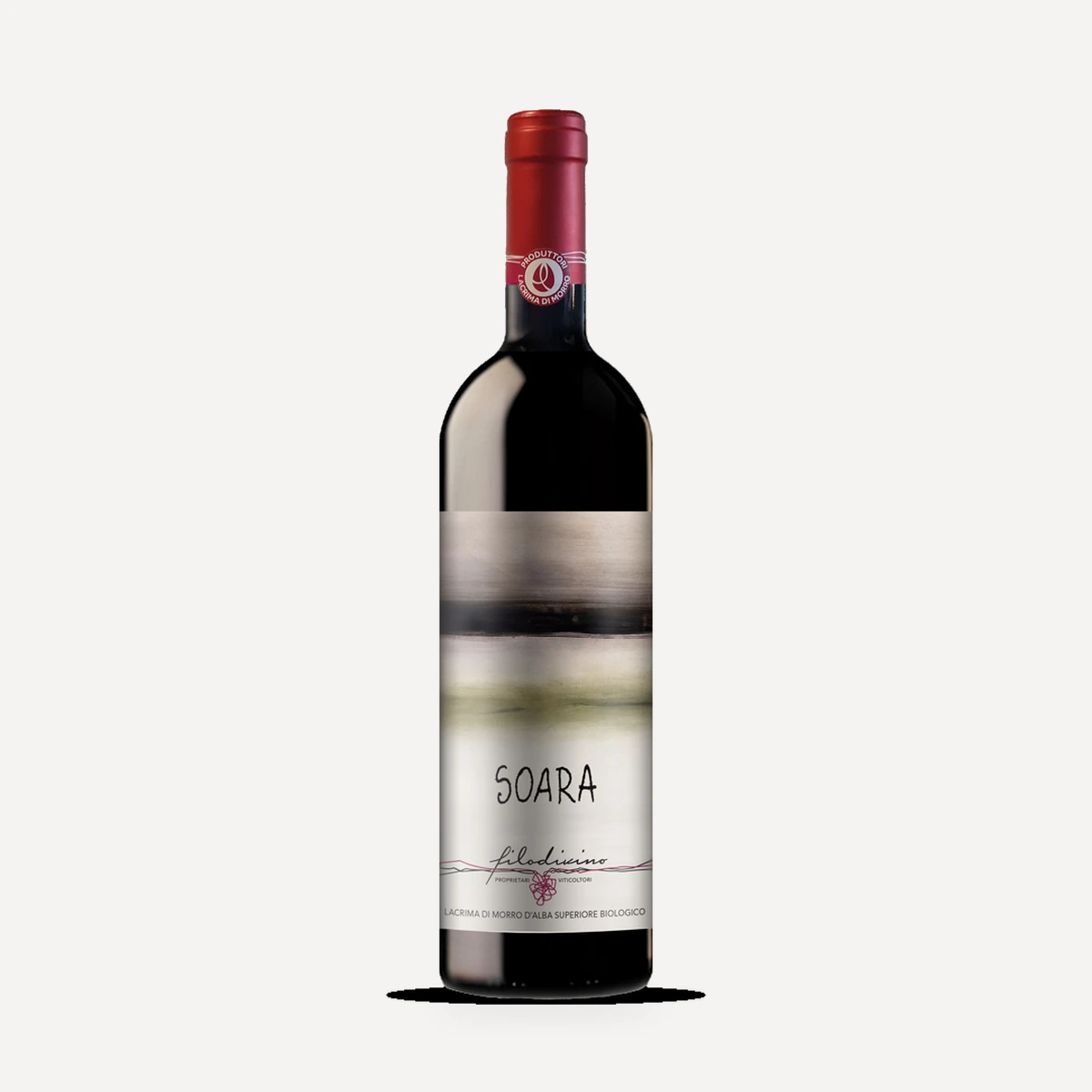
Soara - Lacrima di Morro d'Alba Superiore DOC
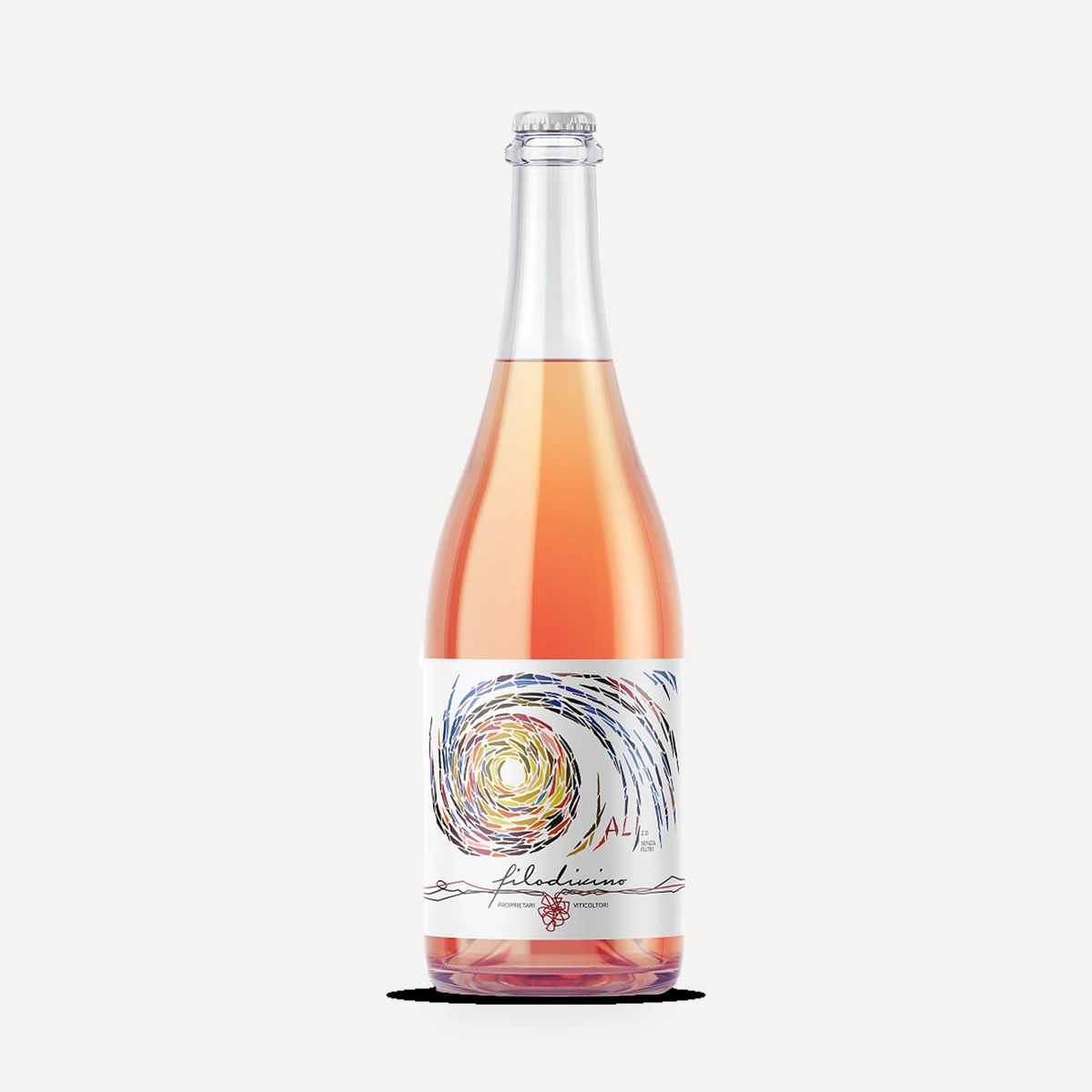
Ali 2.0 - Marche Rosato Frizzante IGT
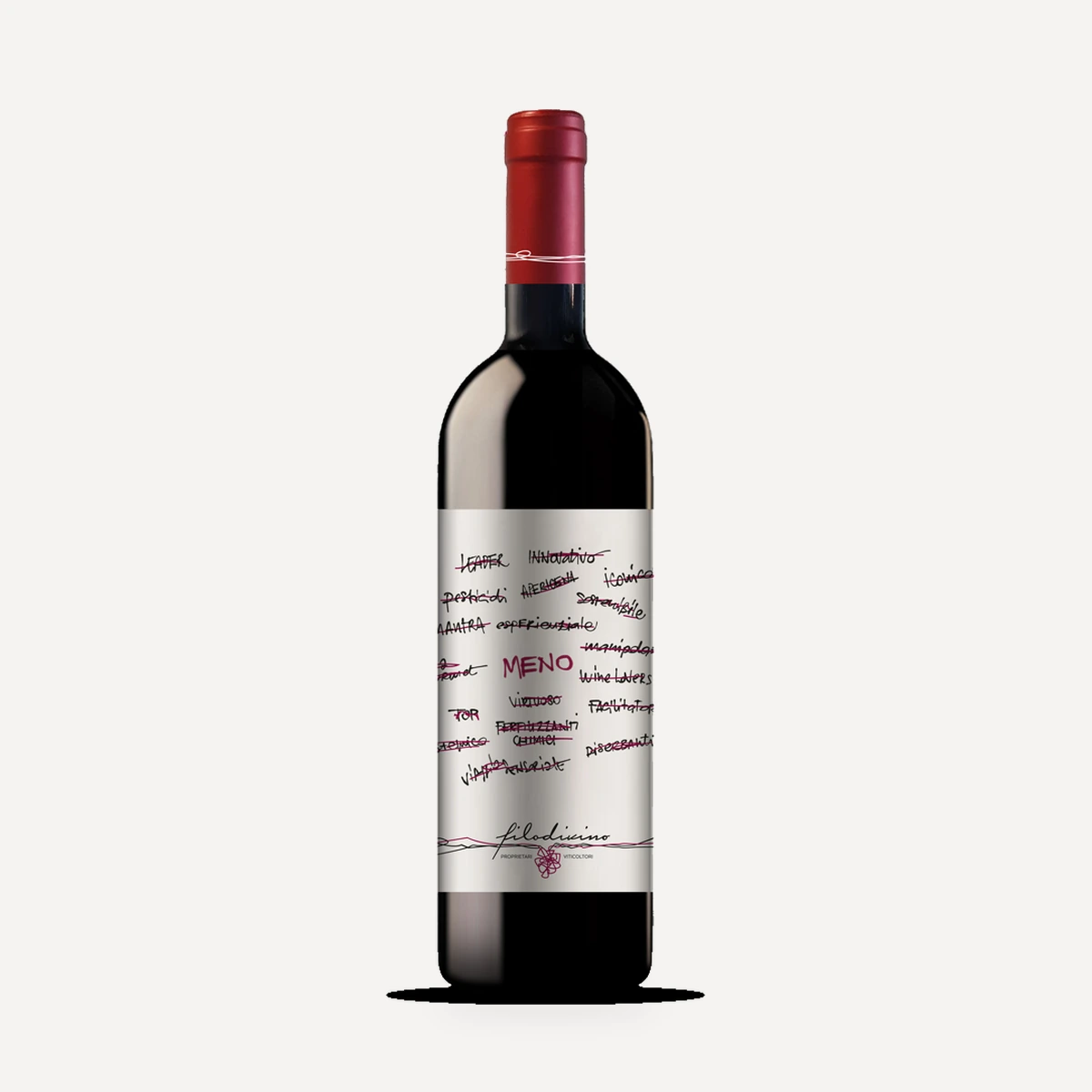
Meno - Marche Rosso IGT