Storia
Early life and formation
At twelve years old, Dave Fletcher was expected to follow his father into engineering, but his attention turned instead to the wines served at the family dinner table, drawn from nearby Australian wine appellations and from around the world. He became fascinated by their mystery and the respect they inspired, and Pinot Noir became his guide.
Dave completed a four-year Oenology degree at the University of Adelaide. His first stop afterward was Burgundy, home of Pinot Noir, where he found seasonal work with a little-known producer in the Côte Chalonnaise. He then returned to Australia to work as an assistant winemaker at a Yarra Valley winery specializing in Pinot Noir and Chardonnay.
Discovery of Nebbiolo and move to Italy
At a masterclass hosted by several Italian wine importers, Dave discovered Nebbiolo, and everything changed. In 2007, he moved to the Langhe and joined the harvest team at Ceretto, one of Barbaresco's best-known estates. After several years of thought and time spent in the region, he became convinced that this was where he belonged.
Career at Ceretto and founding of Fletcher Wines
Dave's ideas — both forward-looking and respectful of the region's winemaking traditions — together with the quality of his work, earned him a role as the right-hand man to Alessandro Ceretto, the recently appointed young visionary of the family cantina. Today, Dave oversees red wine production at Ceretto while working at night to make his own wines.
Dave and his wife Eleonora bought Barbaresco's abandoned railway station, a historic building that they brought back to life and turned into both their cantina and their home. Production began with just Barolo and Barbaresco and has since grown to 7 wines, made from grapes grown across 12 different vineyards.
Terroir
The cantina and home are located in Barbaresco's former railway station, a historic building restored by Dave and Eleonora Fletcher. Grapes are drawn from 12 different vineyards in the Langhe.
Vinificazione
Dave Fletcher believes in organic and biodynamic methods for his own wines and aims to interfere with the vines as little as possible. To counter the growing monoculture of the Langhe, he maintains an area of biodiverse forest, wetland, and meadow equivalent to every area of land he uses for vineyards.
The cantina occupies Barbaresco's former railway station, an abandoned historic building bought by Dave and Eleonora Fletcher and brought back to life to serve as both cantina and home. Production began with just Barolo and Barbaresco and has grown to 7 wines, made from grapes grown across 12 different vineyards. Production remains small, with no more than 30,000 bottles released each year.
Filosofia
Dave Fletcher holds that organic and biodynamic methods are the right approach for his wines and that he should interfere with the vines as little as possible. He states that he does not want to contribute to the growing monoculture of the Langhe, which is why he owns an area of biodiverse forest, wetland, and meadow equivalent to every area of land he uses for vineyards.
Vini
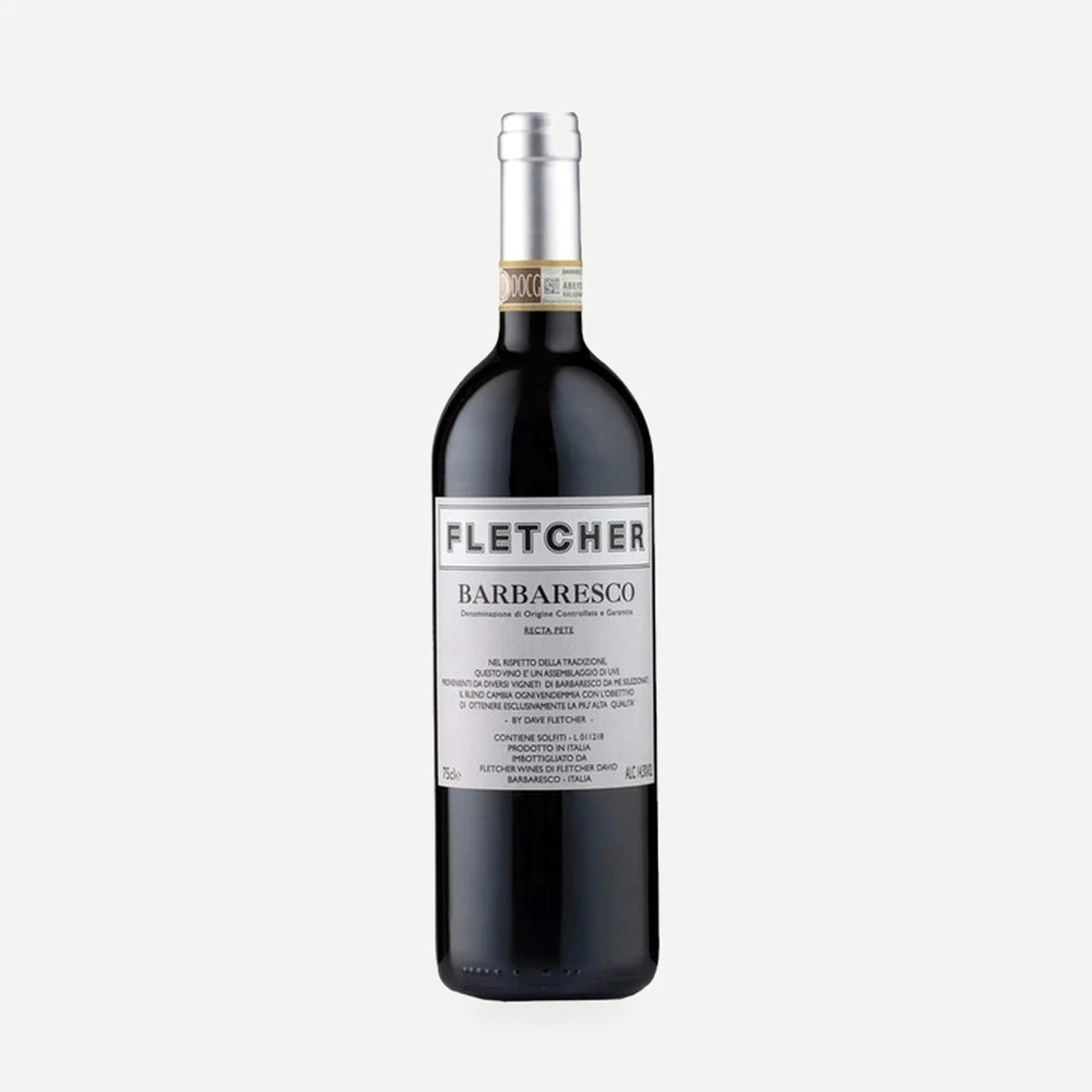
Barbaresco Recta Pete DOCG
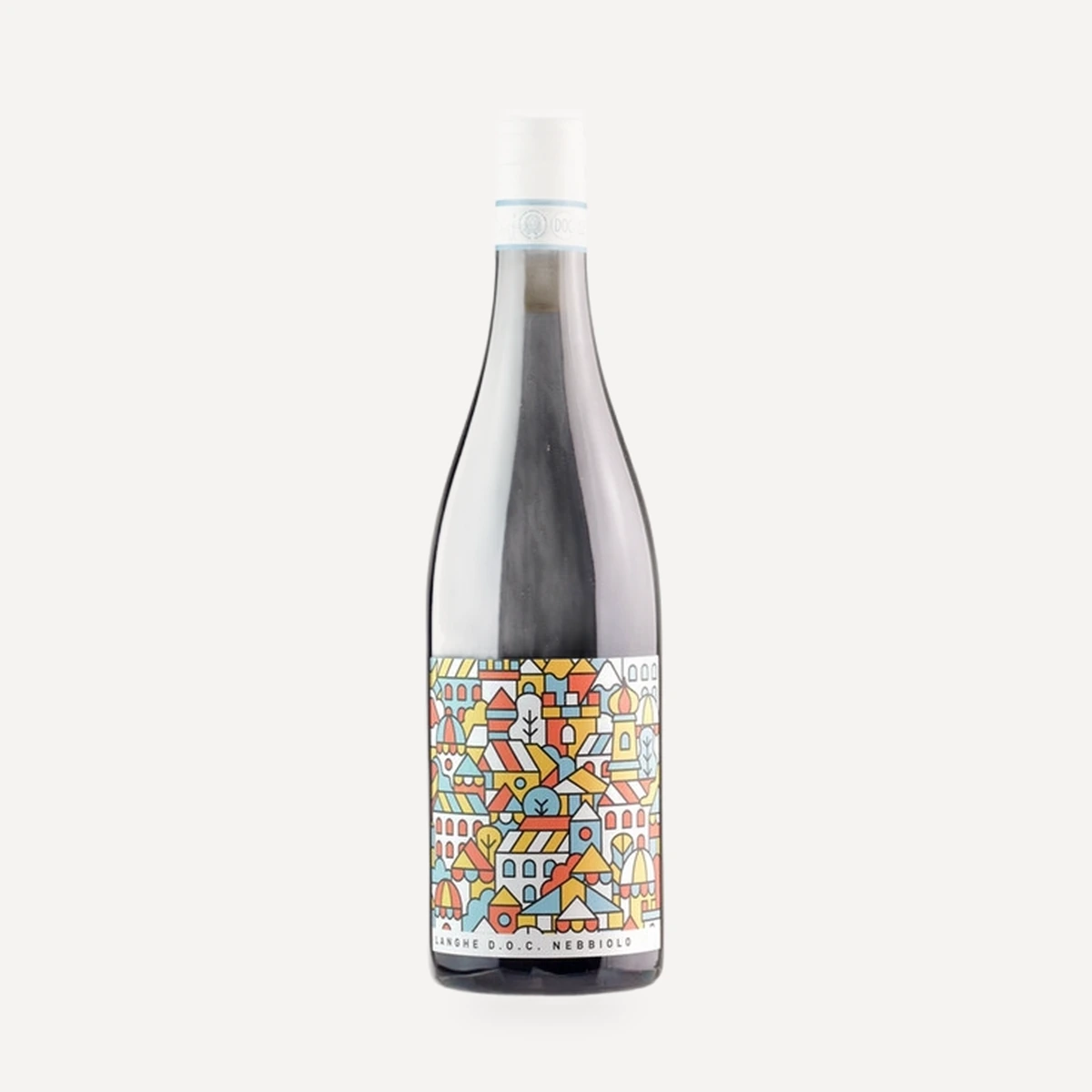
Langhe Nebbiolo DOC
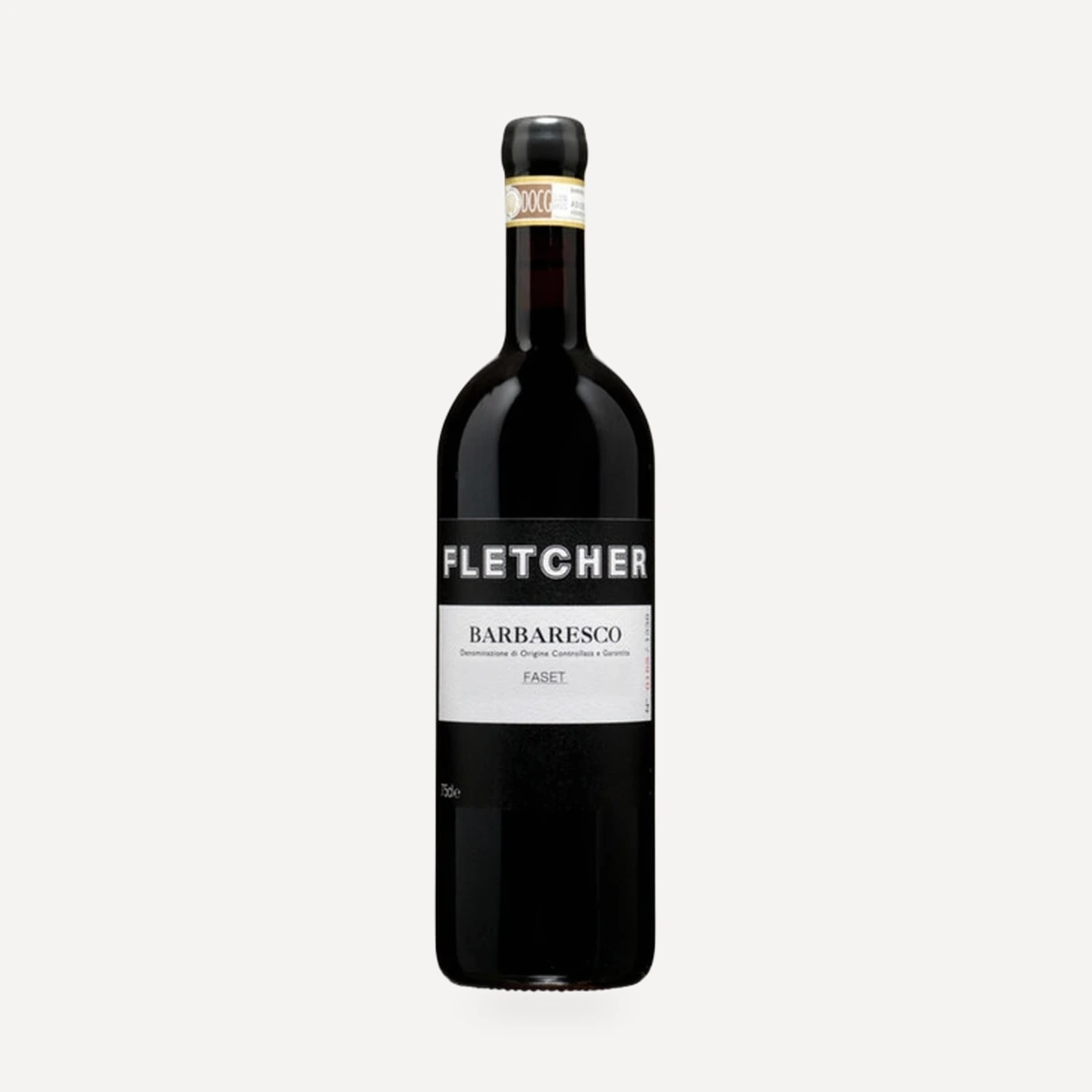
Barbaresco Faset DOCG