Storia
Francesco and the family estate
Francesco Quaquarini founded the agricultural estate that bears his name. The Quaquarini family has worked in wine production for three generations, developing a vertically integrated operation that follows the process from vineyard cultivation and harvest through vinification, bottling and sale.
Francesco’s work provided the foundation for the next generation. He continues to tend an old vineyard on the ridge at Monteveneroso in Canneto Pavese. His children drew on his example while giving greater prominence to indigenous grape varieties and combining inherited practices with technological and production research.
Organic certification and generational continuity
In 2002, the estate obtained organic-farming certification from Bios. Its vineyard programme subsequently incorporated permanent or managed grass cover, organic fertilisers, biodiversity measures and the exclusion of synthetic chemical inputs and genetically modified organisms. Rainwater collection and photovoltaic power were also introduced as part of its wider environmental programme.
The estate is now led by siblings Umberto and Maria Teresa Quaquarini. Umberto is the resident oenologist and oversees work in both vineyard and cellar, while Maria Teresa manages the administrative side of the business. Together they monitor the full production chain.
2017 environmental recognition
In 2017, Francesco Quaquarini received the Bandiera Verde Agricoltura certificate in the Agri-IG section, a distinction connected with productive capability and protection of the territory and environment. It was the only wine estate in Oltrepò Pavese to receive that recognition.
Terroir
The vineyards occupy 50 hectares in the first band of hills around Canneto Pavese, at elevations of 200–300 metres above sea level. This zone is known locally as the fascia della vite, or vine belt.
They lie along the 45th parallel, where the estate associates grape growing with a favourable local microclimate. The surrounding area is a leading Italian production zone for Pinot Nero intended as a sparkling-wine base.
Soils and exposures vary across the property. Steep, west-facing slopes with sandy textures receive the strongest afternoon sun and are associated with fragrant, full-bodied reds intended for earlier drinking. Southwest-facing sites on calcareous and clay formations produce more structured wines with marked character and longer ageing potential. Individual holdings also include predominantly calcareous ground with clay inclusions, steep south-facing clay terrain, and sandstone-derived soils.
Vinificazione
The estate has been certified organic by Bios since 2002. Vineyard work employs organic fertilisers of plant or animal origin, supports biodiversity, excludes synthetic chemical inputs and rejects genetically modified organisms.
Grass cover is maintained between the vines. This creates a meadow-like vineyard floor, supports more even grape ripening and helps counter soil erosion. Vine cultivation and harvesting include manual work, while Umberto Quaquarini follows the vineyards directly as part of his responsibility for the complete production cycle.
Environmental measures extend beyond the vines. Rainwater is collected for reuse, photovoltaic panels provide power for self-consumption, and the estate seeks to reduce waste and optimise resource use while preserving the rural landscape. Research and technology are used to refine production without abandoning established local techniques.
Francesco Quaquarini operates as a vertically integrated wine estate. The family controls the sequence from vineyard cultivation and manual harvest through cellar production, bottling and direct sale. Umberto and Maria Teresa Quaquarini follow the process from vineyard to cellar, with Umberto acting as the estate oenologist.
Production is based on meticulous control throughout the chain and on research programmes intended to improve techniques while preserving the area’s wine tradition. Bottling is carried out at the estate.
Filosofia
The estate’s guiding principles centre on respect for land, environment and work. It presents organic agriculture as an ethical choice extending beyond certification: soil protection, biodiversity, renewable energy, rainwater recovery and careful resource use form part of the same approach.
Family continuity is equally important. Umberto and Maria Teresa draw on the work of their father Francesco while giving indigenous varieties greater prominence. Their objective is to combine local tradition with research, technical improvement and innovation rather than treating them as opposing approaches.
Control of the full chain—from cultivation and harvest to bottling and sale—is central to its understanding of quality. The family associates that control with close attention at every stage and with the production of genuine wines rooted in local tradition.
Vini
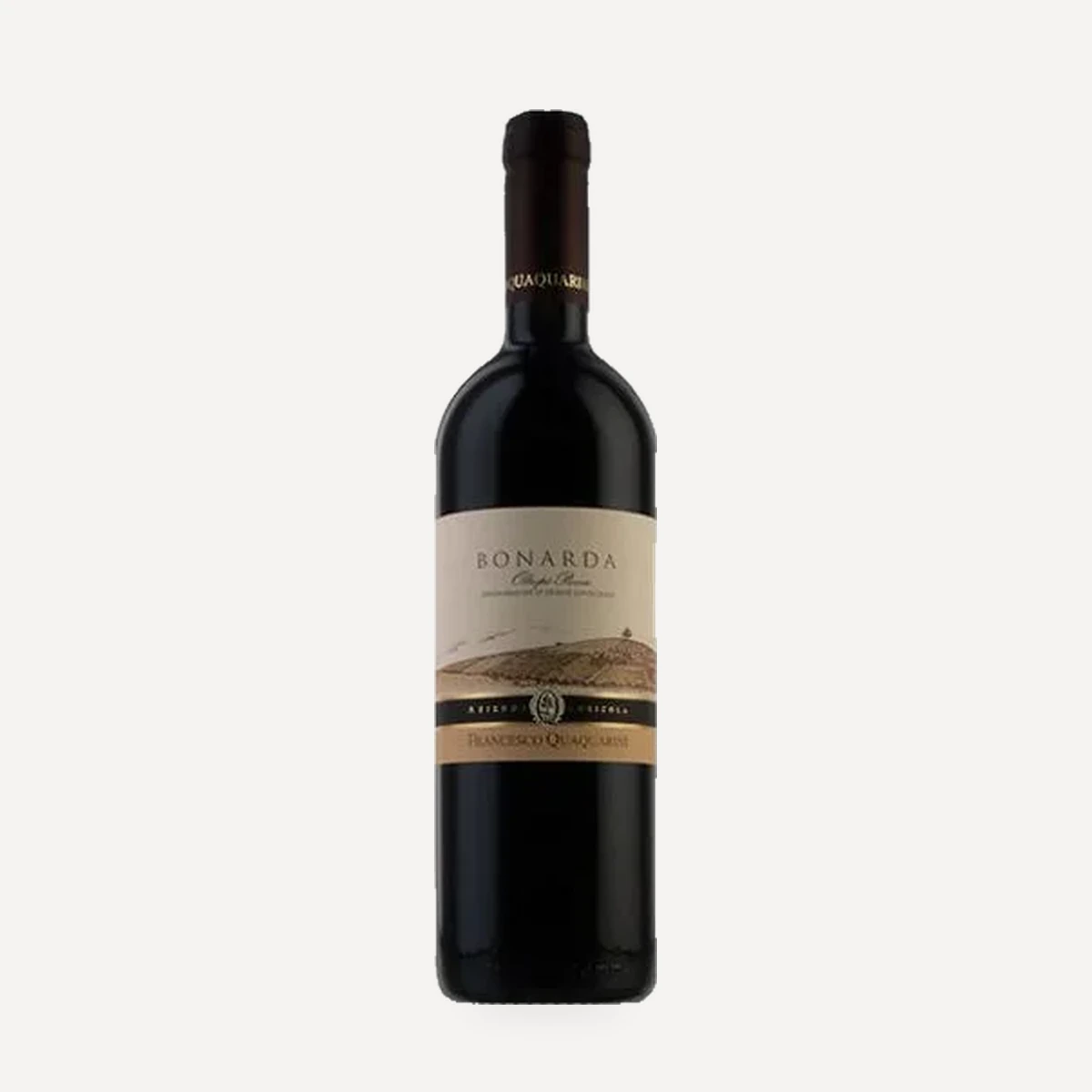
Bonarda
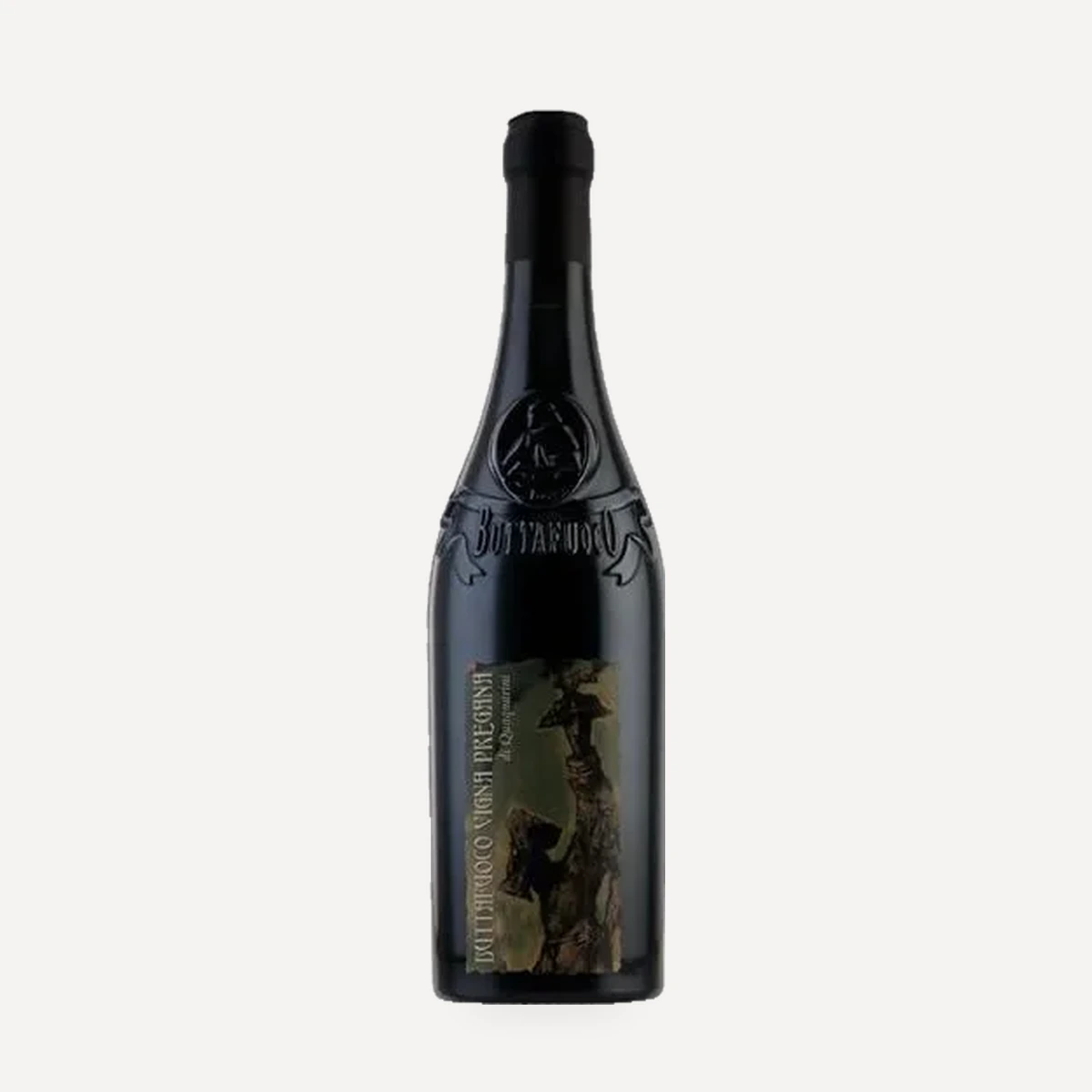
Buttafuoco Vigna Pregana
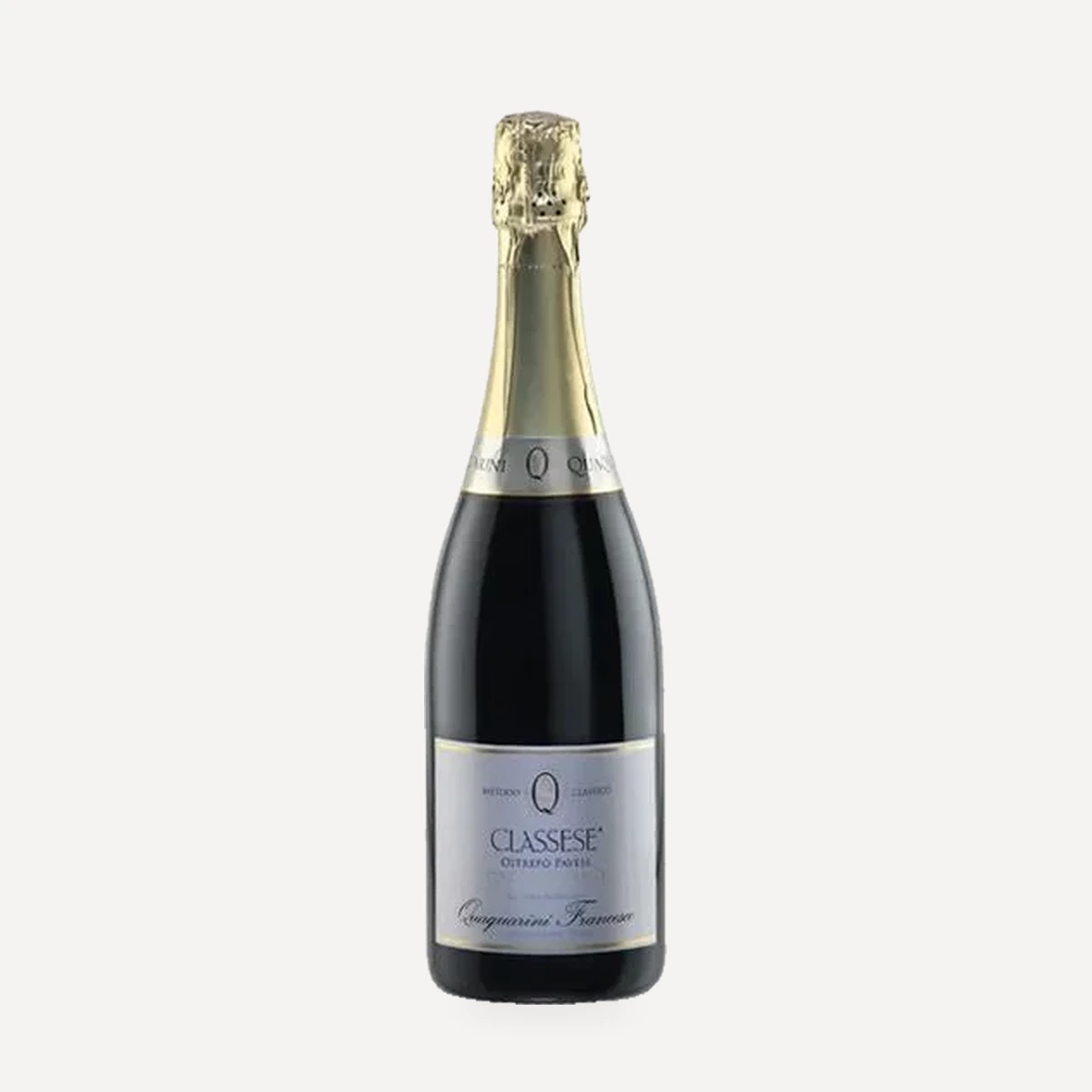
Classese Brut
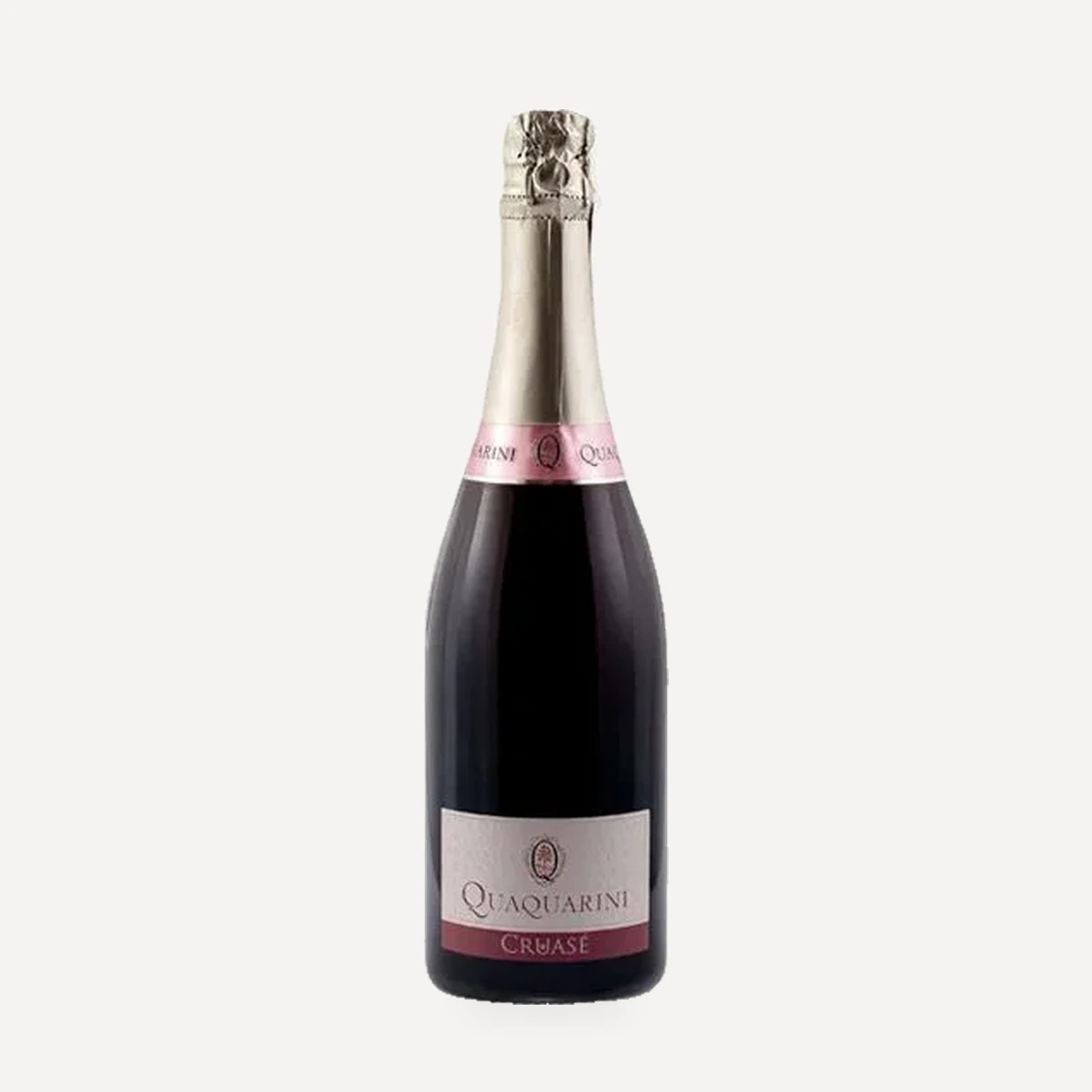
Cruasé
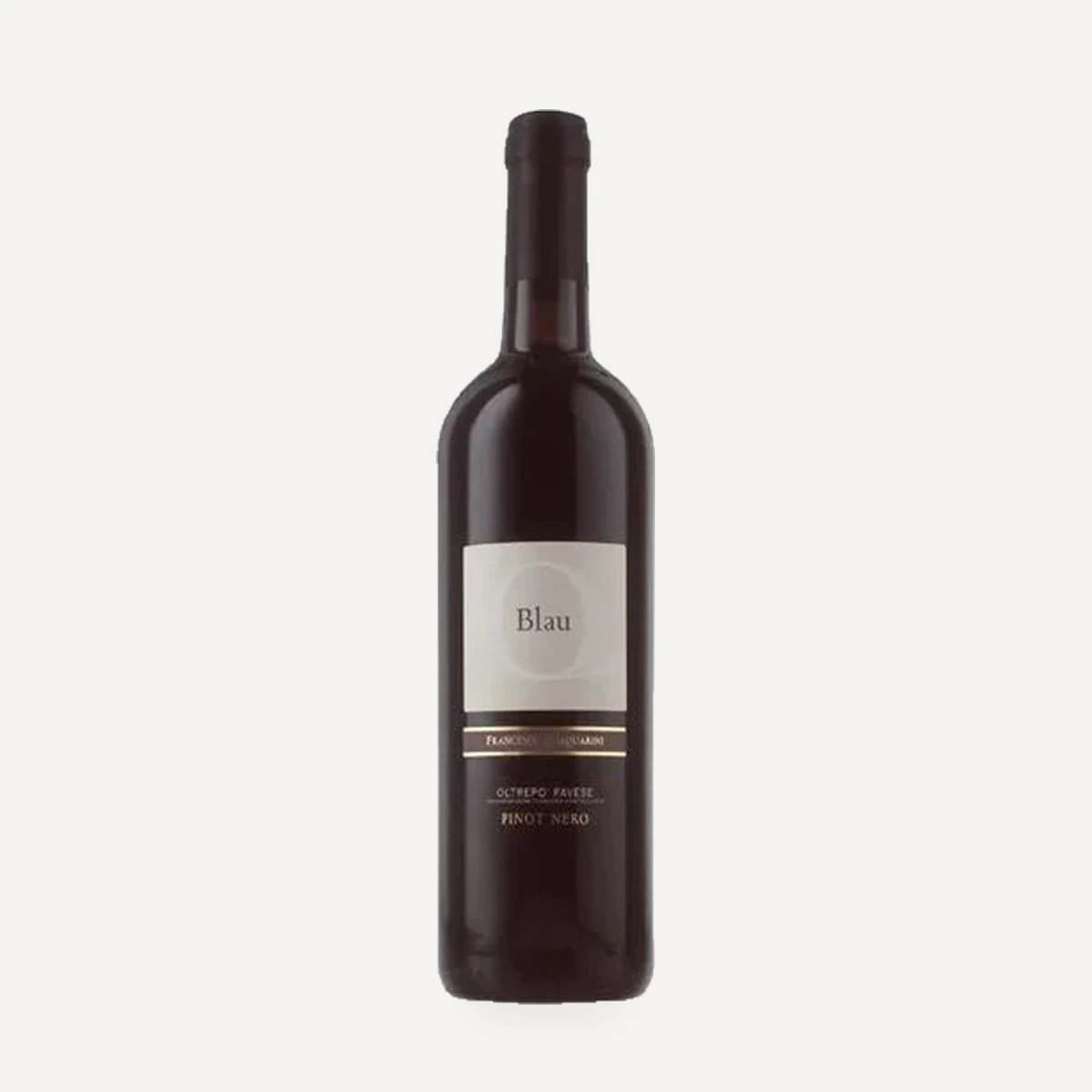
Blau
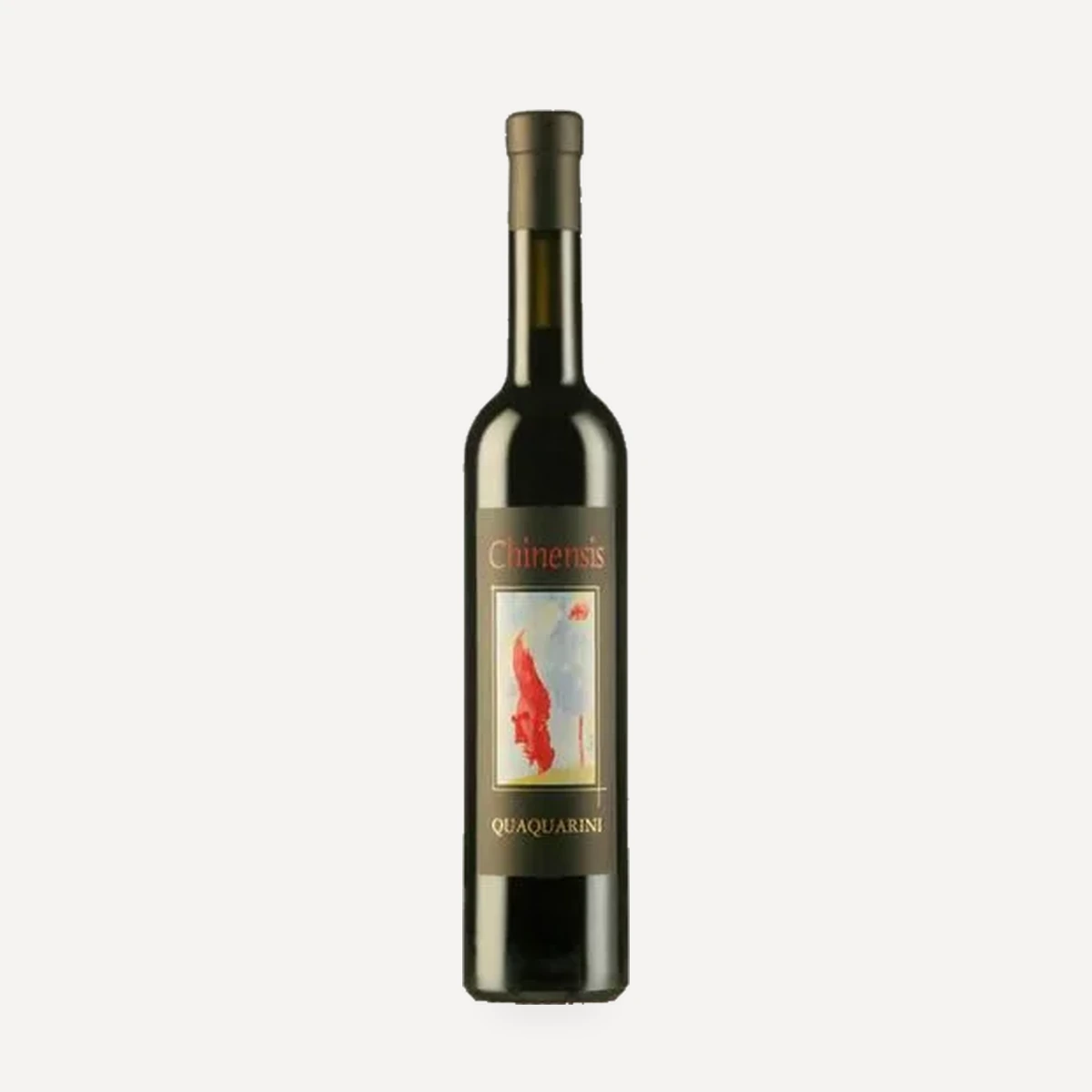
Buttafuoco Chinensis
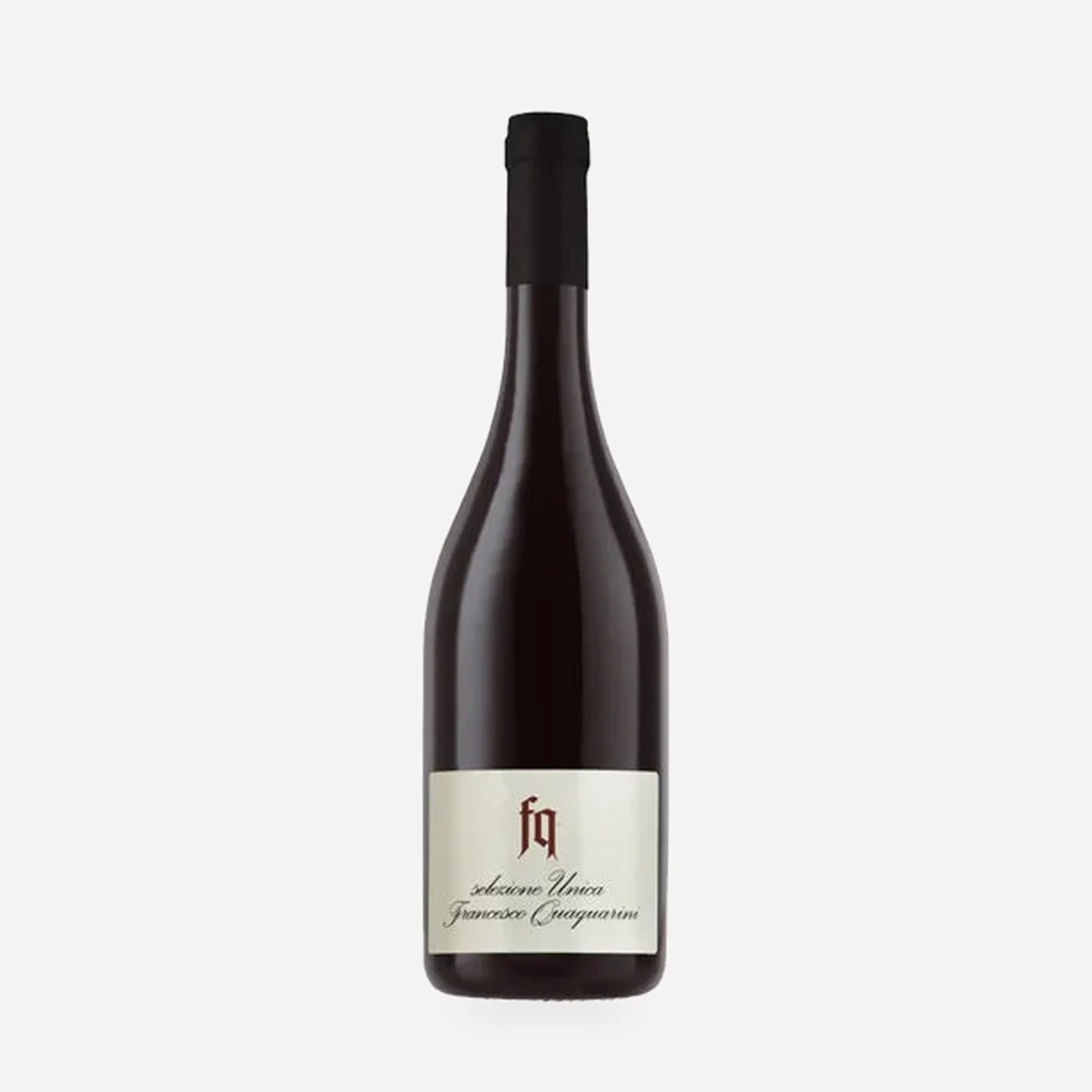
FQ Selezione Unica
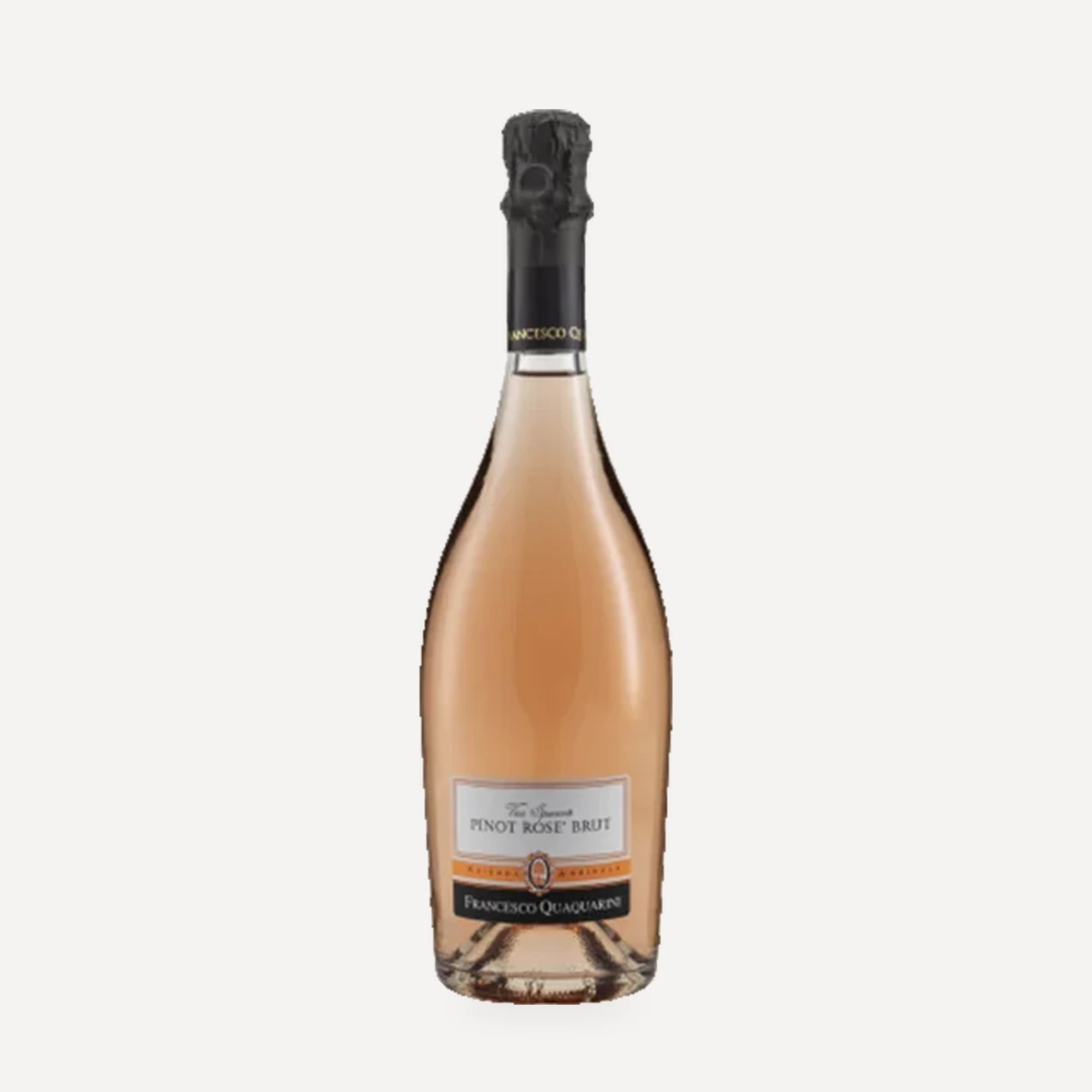
Pinot Rosé Brut
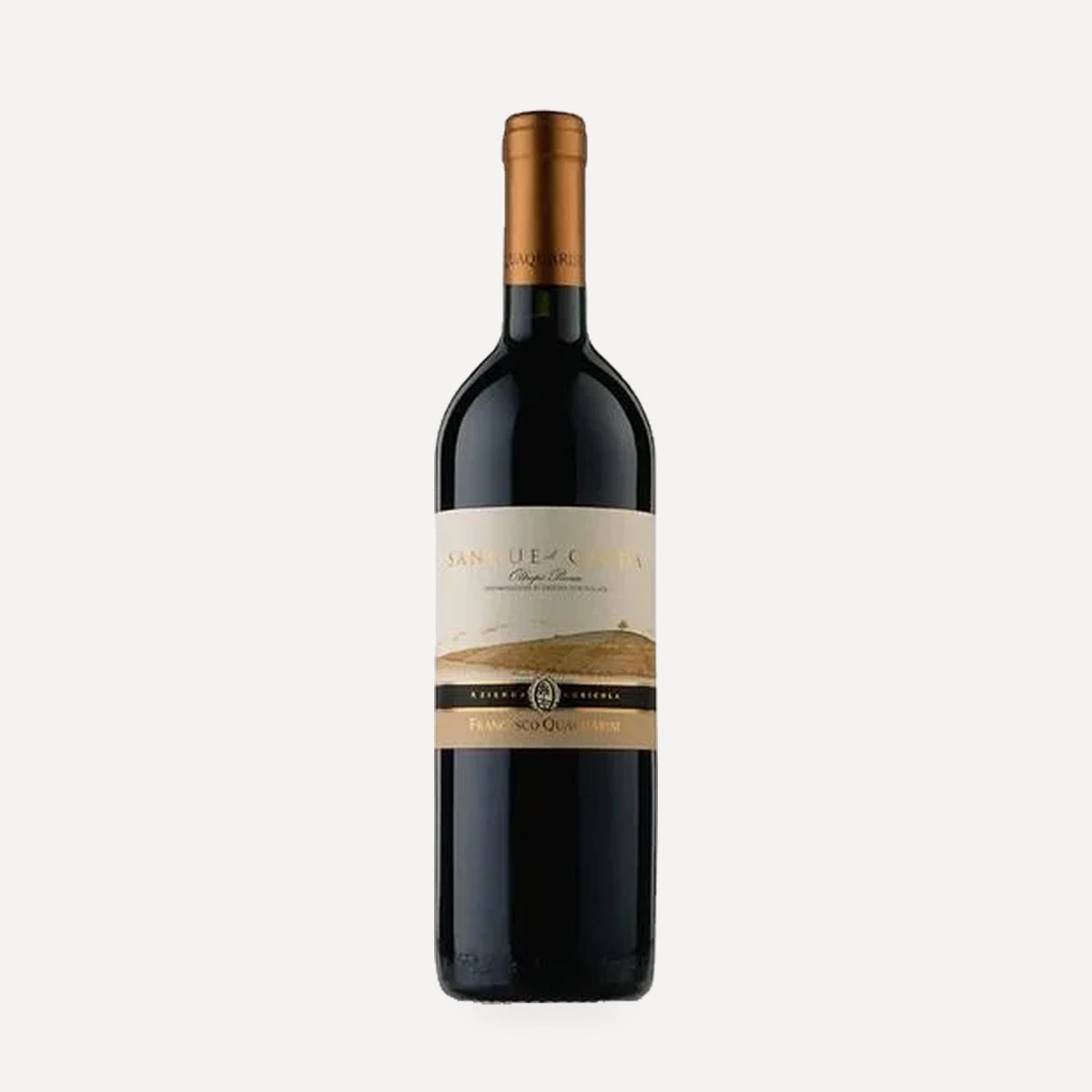
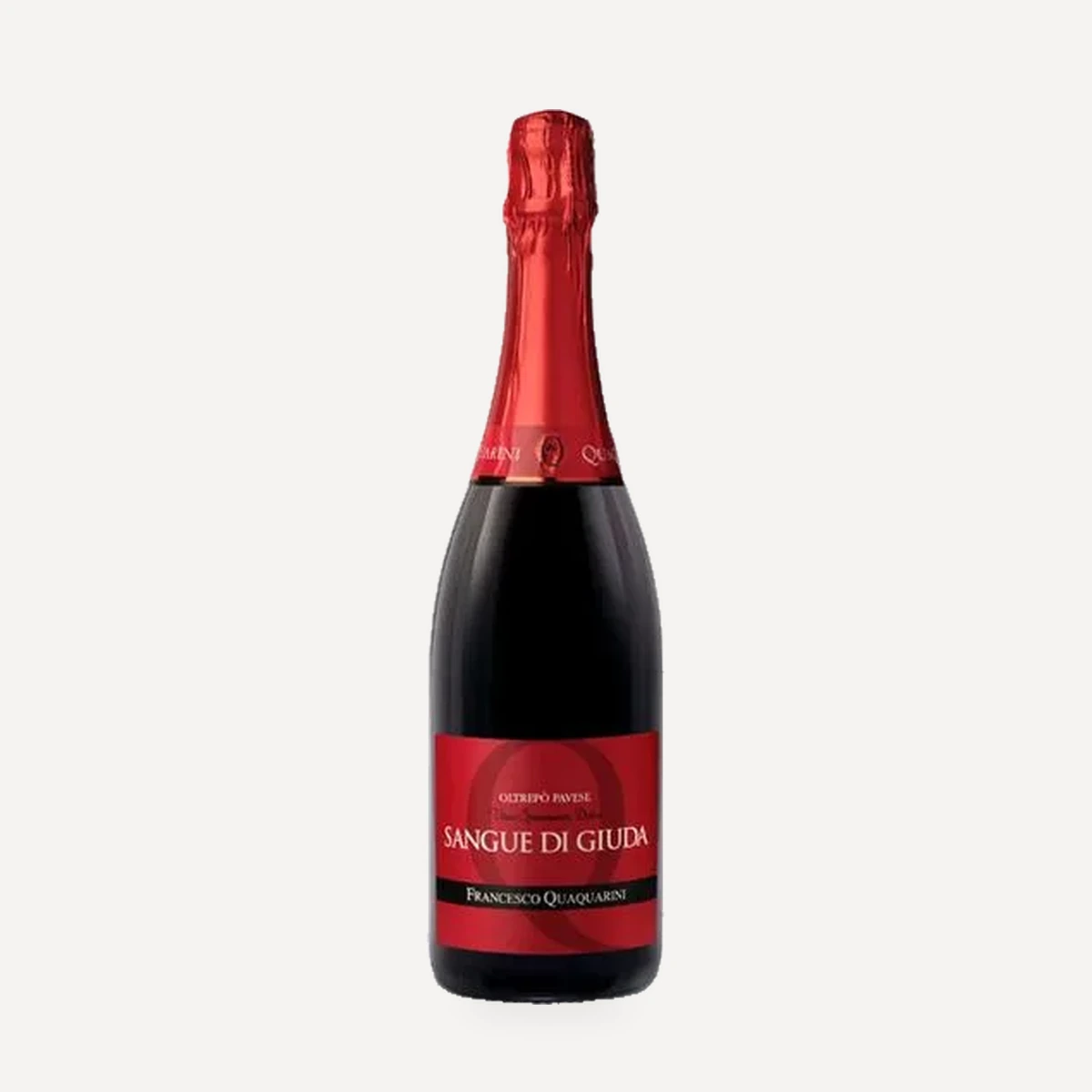
Sangue di Giuda