Storia
From advertising to wine
Franco Maria Martinetti began his professional life in advertising while developing a parallel interest in food and wine. His biographical chronology places the beginning of his own wine production in 1974. A separate sequence of early milestones also records first production in 1972, the first vineyards in 1974 and another first-production milestone in 1981.
From the outset, his work combined viticulture, tasting and direct control over production. He selected vineyards according to soil, exposure and vine age; supervised pruning and bunch thinning; decided the beginning of harvest; selected the grapes; and set the periods for fermentation, maturation in wood and bottle ageing.
International wine institutions
In 1989, Martinetti became a member of the Académie du Vin de France. He is described as the only Italian admitted to that institution. In 2003, he became president of the Académie Internationale du Vin.
His wines subsequently received numerous international distinctions and established a presence in leading restaurants in Italy and the United States. Their identity was built around Piemonte, with an emphasis on personality, elegance, balance and a clear connection to their places of origin.
The next generation
Franco Maria Martinetti’s sons, Guido and Michele, later joined their father in the business. Guido works in oenology, while Michele is responsible for sales. Their involvement continues the founder’s quality-focused approach across the vineyard, cellar and commercial sides of the company.
Terroir
The vineyards are distributed across several distinct parts of Piemonte and a sparkling-wine source in Oltrepò Pavese. All individually described sites are on hillsides, generally between approximately 250 and 320 metres above sea level, with southern, south-eastern or south-western exposures.
Around Nizza Monferrato, the Barbera and Cabernet Sauvignon sites have calcareous soils tending toward sand. These vineyards lie at approximately 250–280 metres and face south or south-west. The Barbera vines reach more than 40 years of age in the oldest selections.
At Serralunga d’Alba, Nebbiolo grows at approximately 320 metres on clay-calcareous marl with a southern exposure. The vines are more than 25 years old.
The Monleale vineyards are dedicated to Timorasso and Croatina. The Timorasso sites lie at approximately 300–320 metres on calcareous soils with a strong presence of magnesium. The Croatina vineyard lies at approximately 310 metres on clay-calcareous marl and faces south-west.
In Gavi, Cortese is grown at approximately 300–320 metres. The soils are clay marl with a marked iron component. The broader Gavi source faces south-west, while the Rovereto vineyard used for Minaia faces south and is regarded as an exceptional Gavi cru.
The source at Rocca de’ Giorgi in Oltrepò Pavese lies at approximately 300 metres. Its clay-loam soil has a strong presence of iron, and the hillside faces south.
Vinificazione
Vineyard selection is based on soil, exposure and vine age. Franco Maria Martinetti directly supervises pruning and bunch thinning, chooses the starting date of harvest and oversees grape selection.
All individually described vineyards are hillside sites trained to vertical trellises and pruned according to the Guyot system. Rootstocks include 420 A, S04 and, for part of the Cabernet Sauvignon, Rupestris du Lot. Planting densities range from more than 4,000 to approximately 4,800 vines per hectare where figures are given.
The vineyards include mature plantings: Barbera exceeds 40 years in the oldest sources; Croatina exceeds 30 years; Nebbiolo and the Rovereto Cortese exceed 25 years; and several Timorasso, Cabernet Sauvignon, Pinot Nero and Chardonnay plantings exceed 20 years. Harvesting is manual throughout every vineyard for which a technical description is provided. Stated grape yields range from approximately 4.5 to 7.5 tonnes per hectare, depending on site and variety.
Cellar work is directed through close control of every stage, including grape selection, fermentation duration, wood maturation and bottle ageing.
Red-wine production includes destemming and crushing, controlled-temperature fermentation and skin maceration lasting approximately four to eight days. One Nebbiolo protocol uses horizontal tanks for its four-day maceration. Maturation varies between glass-lined cement followed by stainless steel and fine-grained French oak barriques. Barrique ageing ranges from approximately 10–14 months for several wines to more than 24 months for Nebbiolo.
White-wine production follows two principal paths. Fresh styles are softly pressed in a horizontal press, fermented at controlled temperature in stainless-steel tanks and retained in steel. Other whites undergo destemming and 36 hours of skin cryomaceration before soft horizontal pressing, followed by fermentation and ageing in fine-grained French oak barriques for approximately 10–12 months.
For traditional-method sparkling production, Chardonnay ferments in barriques and matures for approximately eight months, while Pinot Nero ferments and matures in stainless steel. Secondary fermentation follows the traditional method, with approximately nine to ten years on the lees.
Filosofia
Franco M. Martinetti’s approach is centred on a continuous pursuit of quality through patience, knowledge and meticulous attention. Quality is treated as the result of connected decisions rather than a single cellar technique: the choice of vineyard by soil, exposure and vine age; pruning and crop thinning; the timing of harvest; selection of the grapes; and the duration of fermentation, wood maturation and bottle ageing.
The intended style combines personality, complexity, elegance and balance with a strong expression of Piemonte. Aromas and flavours are conceived not only as sensory attributes but as a means of creating emotion and evoking images. The work aims to preserve a clear relationship with the territory while producing wines suited to an international culture of dining.
This philosophy has passed to Guido and Michele Martinetti, who work alongside their father in oenology and sales respectively.
Vini
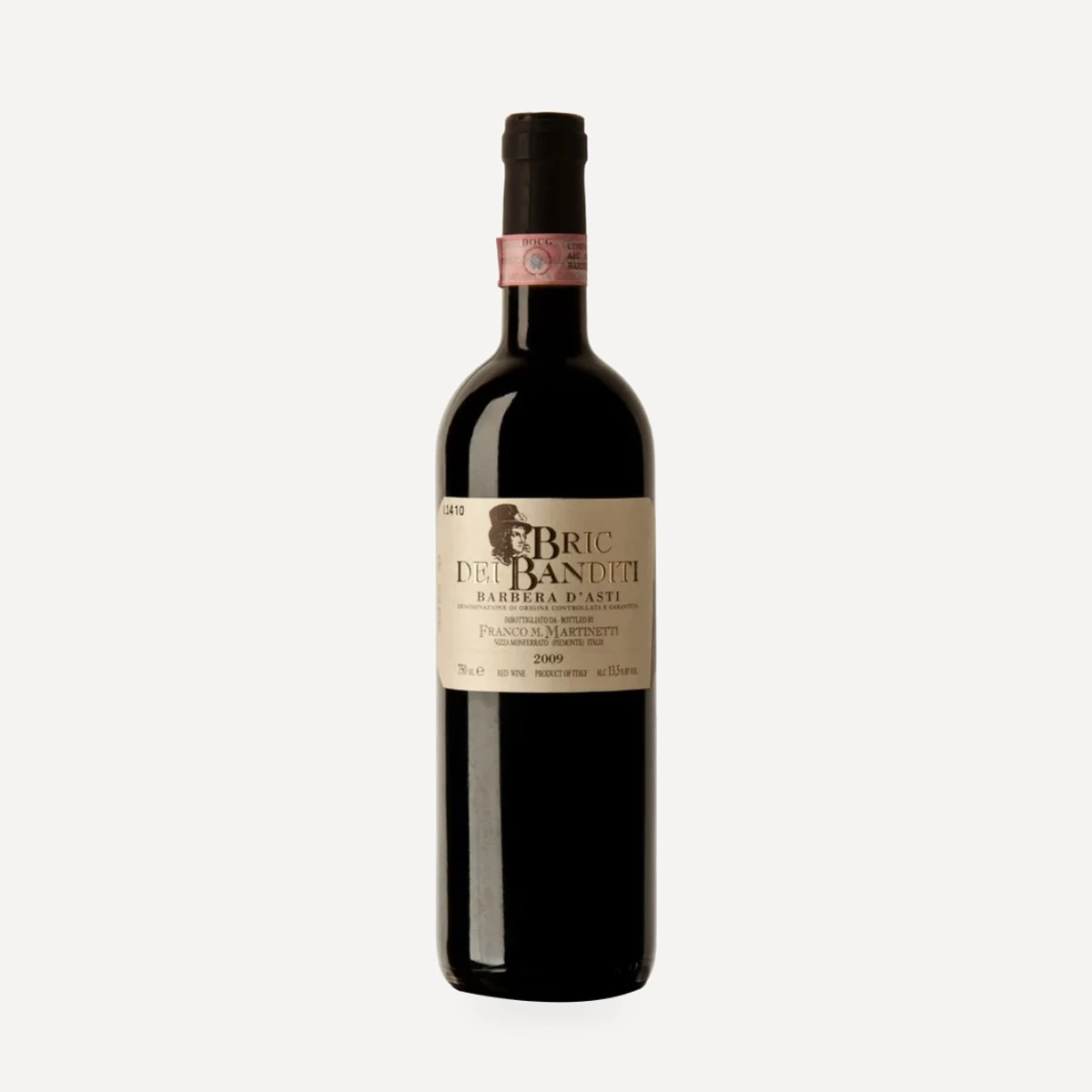
Bric dei Banditi
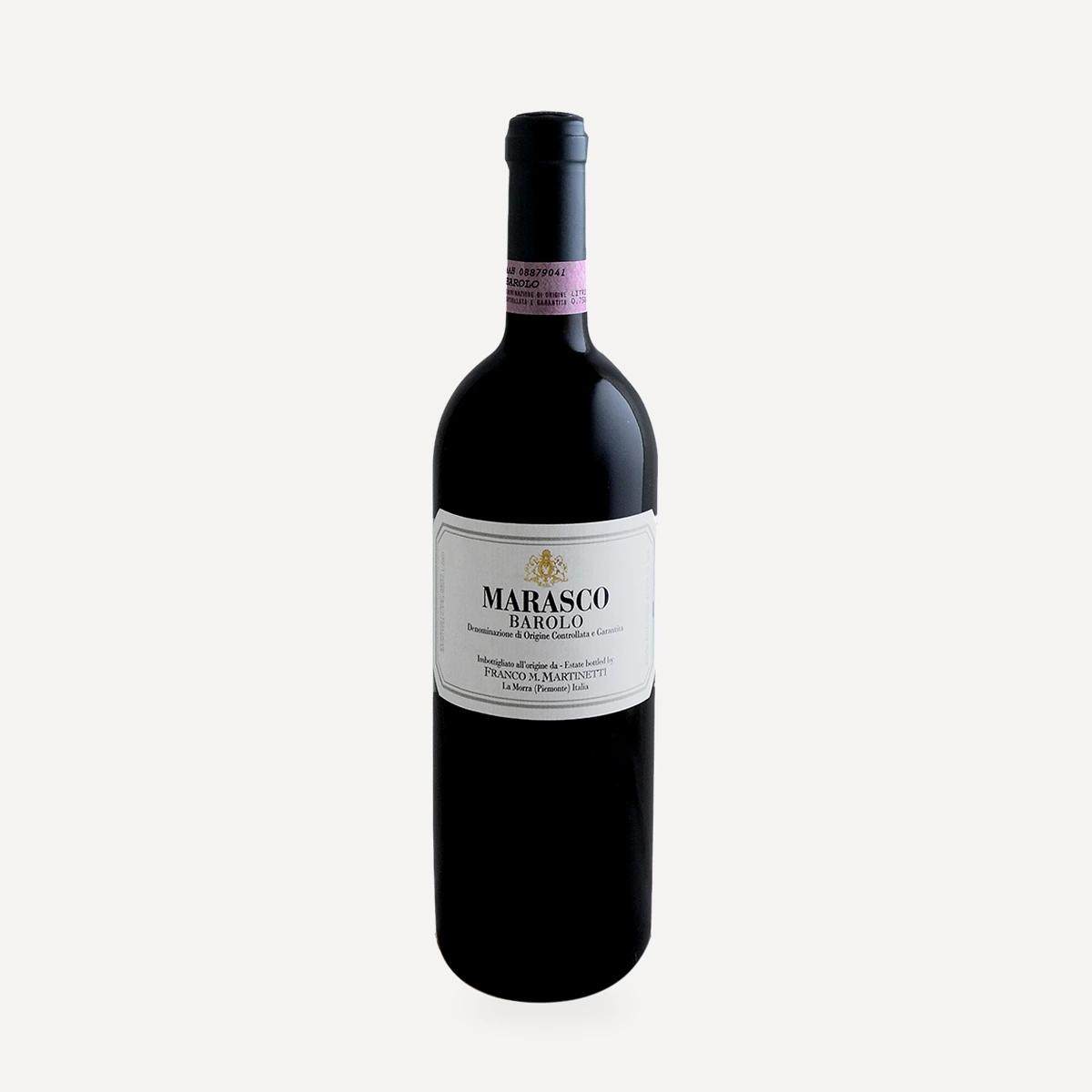
Marasco
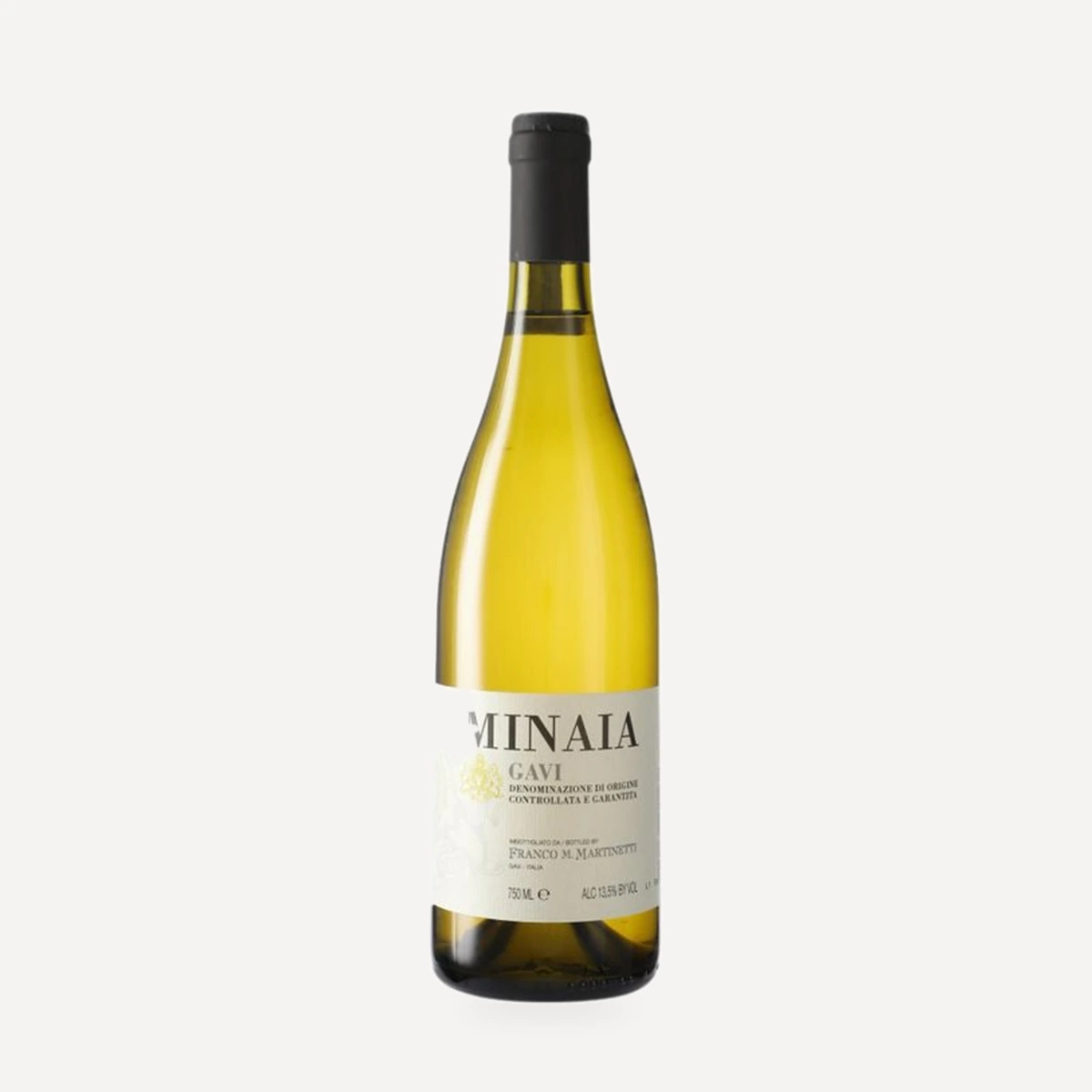
Minaia
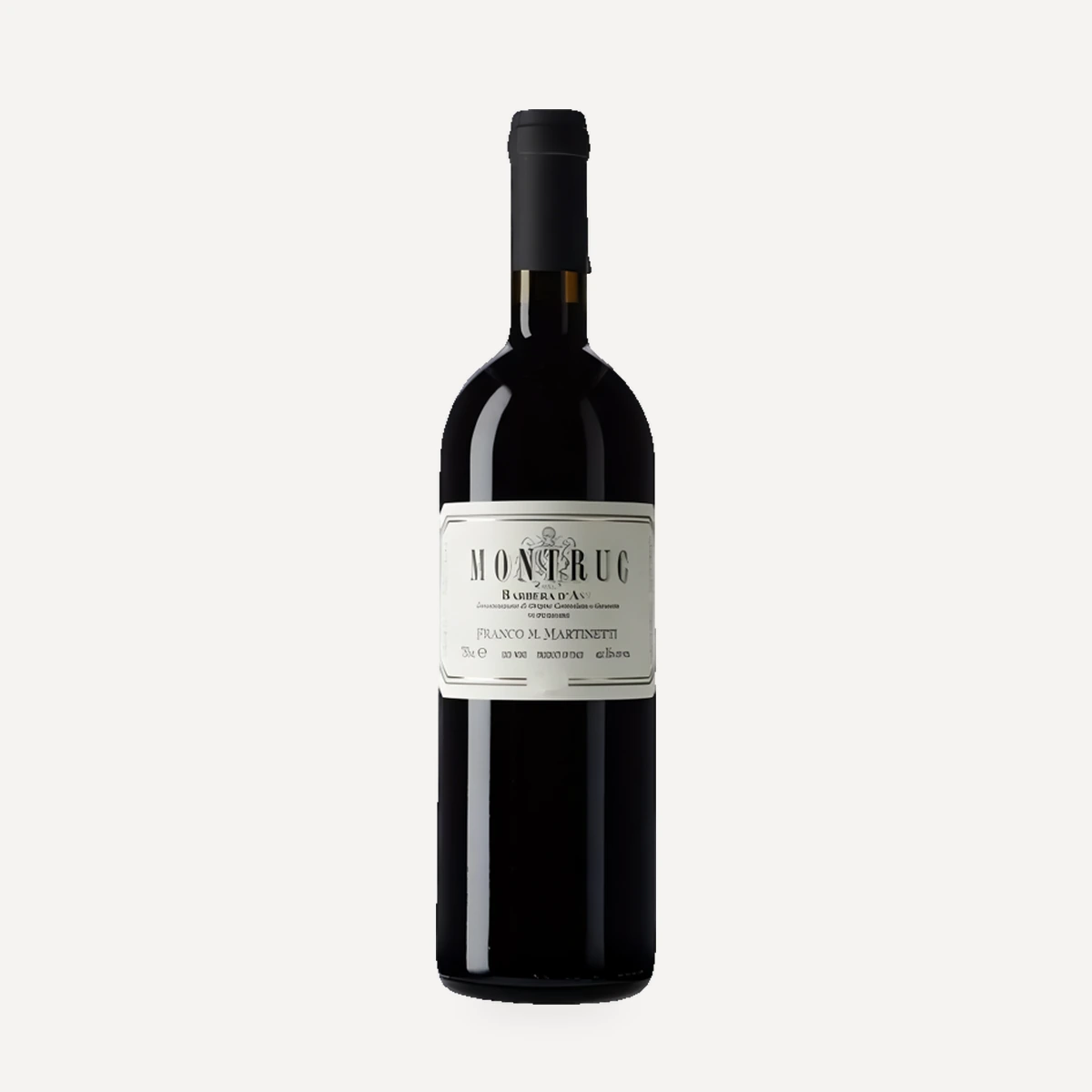
Montruc
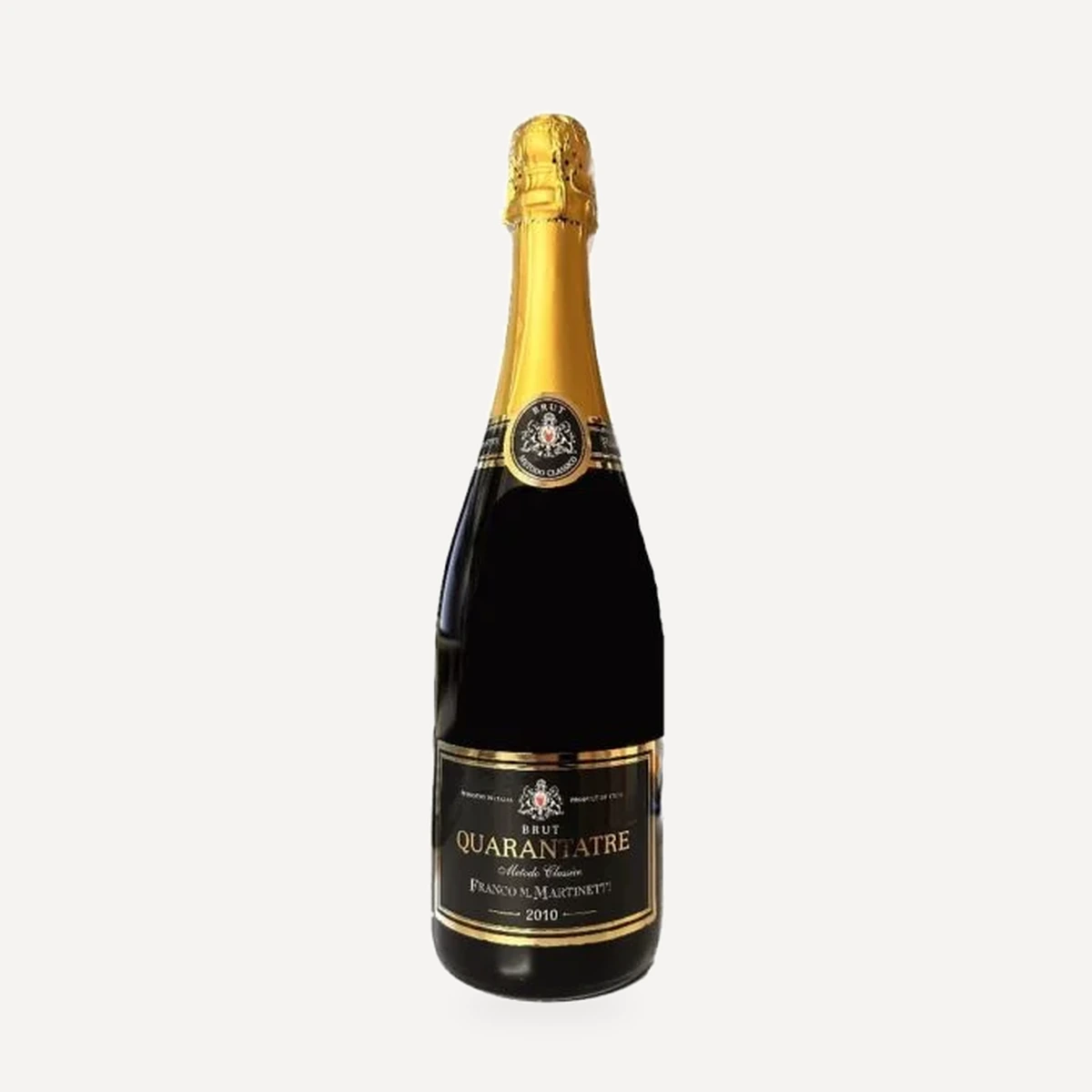
Quarantatrè