Storia
Early 20th century: Cascina Rocca and the first vineyard
The Molino family’s story in La Morra began in the early years of the 20th century. A merchant from the province of Asti acquired Cascina Rocca, an old property that had previously belonged to the Falletto family of Barolo. Attracted by the hills and their winegrowing potential, he moved his family to La Morra. The purchase of Bricco Rocca, immediately behind the farmhouse, followed soon afterwards. It became the family’s first vineyard and the historic nucleus of the estate.
1960s: estate winemaking begins
During the 1960s, Franco, representing the fourth generation, began making wine independently with his father. Most production was initially sold in bulk, as was customary at the time. The family consolidated the business and began gradually expanding its vineyard holdings in La Morra, Barolo and Castiglione Falletto.
Several vineyards preserve plantings from this period. The oldest section of Bricco Zuncai dates from the 1960s, while the vines at Terrazze were planted toward the end of that decade. Rocche dell’Annunziata also retains old vines planted during the 1960s.
1970s and 1980s: expansion into important Barolo sites
The Villero vineyard in Castiglione Falletto was purchased during the 1970s. Its earlier planting dates from 1980; the site was subsequently replanted in 2009.
In the early 1980s, the family purchased its approximately 8,000-square-metre holding in Rocche dell’Annunziata, La Morra. Franco Molino also acquired Bricco Zuncai in Barolo during the 1980s. Bricco Zuncai was developed as three sections of different ages: an older 1960s parcel, a parcel planted during the 1990s and a younger parcel planted in 2010.
1997 and the late 1990s: restoration, bottling and new markets
Cascina Rocca, whose origins date to the 18th century, underwent a conservative restoration in 1997. The restored building accommodated the wine-ageing area, a tasting room and a small bed-and-breakfast.
Silvana, Franco’s daughter, and her husband Piercarlo joined the business toward the end of the 1990s. Their arrival brought a new phase of development: the family began producing bottled wine with increasing attention to quality, expanded into international markets and strengthened the estate’s commercial activity.
2009–2018: vineyard renewal and further growth
Villero was replanted in 2009, followed in 2010 by the youngest of Bricco Zuncai’s three sections. In 2017, the family enlarged Bricco Rocca by acquiring one additional hectare. That land was replanted in 2018, bringing Bricco Rocca to approximately 1.6 hectares.
Sixth generation
The family continued to enlarge its holdings in the Barolo area while retaining native grape varieties and an artisanal approach to viticulture. The estate has now reached its sixth generation. Silvana and Piercarlo remain central to the family project, while their children Michele, Enrica and Francesca are progressively joining them and contributing new perspectives to a winegrowing history of more than a century.
Terroir
Franco Molino’s approximately 8.5 hectares of estate-owned vineyards are distributed among La Morra, Barolo and Castiglione Falletto. The holdings differ in altitude, exposure and soil, creating distinct conditions for each separately vinified parcel.
La Morra
Bricco Rocca occupies the lower part of a La Morra hillside at approximately 280 metres. Its exposure extends from east to west, and its sandy-calcareous soil is associated with aromatic finesse and refined tannins.
Rocche dell’Annunziata lies at approximately 300 metres with a westerly exposure. Its mineral-rich soil contributes complexity, aromatic depth and elegance.
Terrazze occupies the Boiolo MGA at approximately 250 metres. The east-facing site is distinguished by red clay rich in iron oxides, conditions associated with structure and intensity.
Barolo
Bricco Zuncai extends across a single elevated slope on the crest of a hill. Clay and silt predominate, favouring structure and pronounced tannins. Most of the site faces west and receives abundant sunlight, while approximately one hectare faces northwest and retains greater freshness and acidity.
Sarmassa lies at approximately 280 metres with a westerly exposure. Its soil consists of pale, mineral-rich marl.
Castiglione Falletto
Villero stands at approximately 350 metres with a westerly exposure. The clay-rich, mineral soil has good water-retention capacity.
Vinificazione
The vineyards are cultivated with native grape varieties under the SQNPI protocol, Italy’s National Quality System for Integrated Production. The estate describes its work as artisanal and centred on respect for the land.
Guyot training is used, with short or medium-short pruning according to the parcel and variety. Summer selection reduces or refines the crop before harvest. Grapes are picked by hand and transported to the winery in small crates. Reported yields for the old Nebbiolo sites include approximately 6,000 kg/ha at Villero and 6,800 kg/ha at Rocche dell’Annunziata.
Differences among soils, exposures and vintages are preserved by keeping the parcels separate during vinification.
The cellar combines traditional methods with a contemporary emphasis on precision. Every vineyard parcel is vinified separately so that differences in soil, exposure and vintage remain perceptible. Macerations are controlled and deliberately kept from becoming excessively long. Ageing takes place in both large barrels and smaller oak casks, seeking balance among structure, elegance and fruit purity.
Red-wine production is based on traditional skin fermentation in temperature-controlled stainless-steel tanks. Depending on the lot, maceration and fermentation last approximately 8–15 days. Temperatures of 26–28°C are specified for several longer-fermented lots, with frequent gentle remontage. Several wines undergo a spontaneous malolactic fermentation.
Ageing varies by parcel and intended expression. The cellar uses French-oak vessels ranging from 225-litre casks to large 1,500–3,000-litre barrels. Some lots mature wholly in one format, while others divide ageing between small and large oak. Oak maturation can extend to 24 months, followed in some cases by as much as 12 months in stainless steel and further bottle maturation of six to 24 months.
Favorita is produced without skin maceration. Its fermentation lasts approximately ten days in stainless steel at a controlled 18°C, after which it remains in temperature-controlled tanks until bottling in February.
Filosofia
Franco Molino’s philosophy is rooted in respect for the winegrowing history of the Langhe and the identity of Barolo. The family’s stated objective is to interpret each vineyard authentically rather than impose a uniform estate style.
Native varieties are retained throughout the vineyards, and parcels are vinified separately to preserve their individual characteristics and the distinctions created by soil, exposure and vintage. In the cellar, the estate seeks a balance between traditional practice and contemporary sensitivity. Careful maceration and the combined use of large barrels and smaller oak vessels are intended to balance structure and elegance while preserving fruit purity.
The desired result is a style faithful to the appellation but precise enough to communicate the character of each individual vineyard. Quality, environmental responsibility and respect for the land are linked through participation in the SQNPI integrated-production protocol. The continuation of the estate through six generations also places family continuity, artisanal work and attachment to the Langhe at the centre of its identity.
Vini
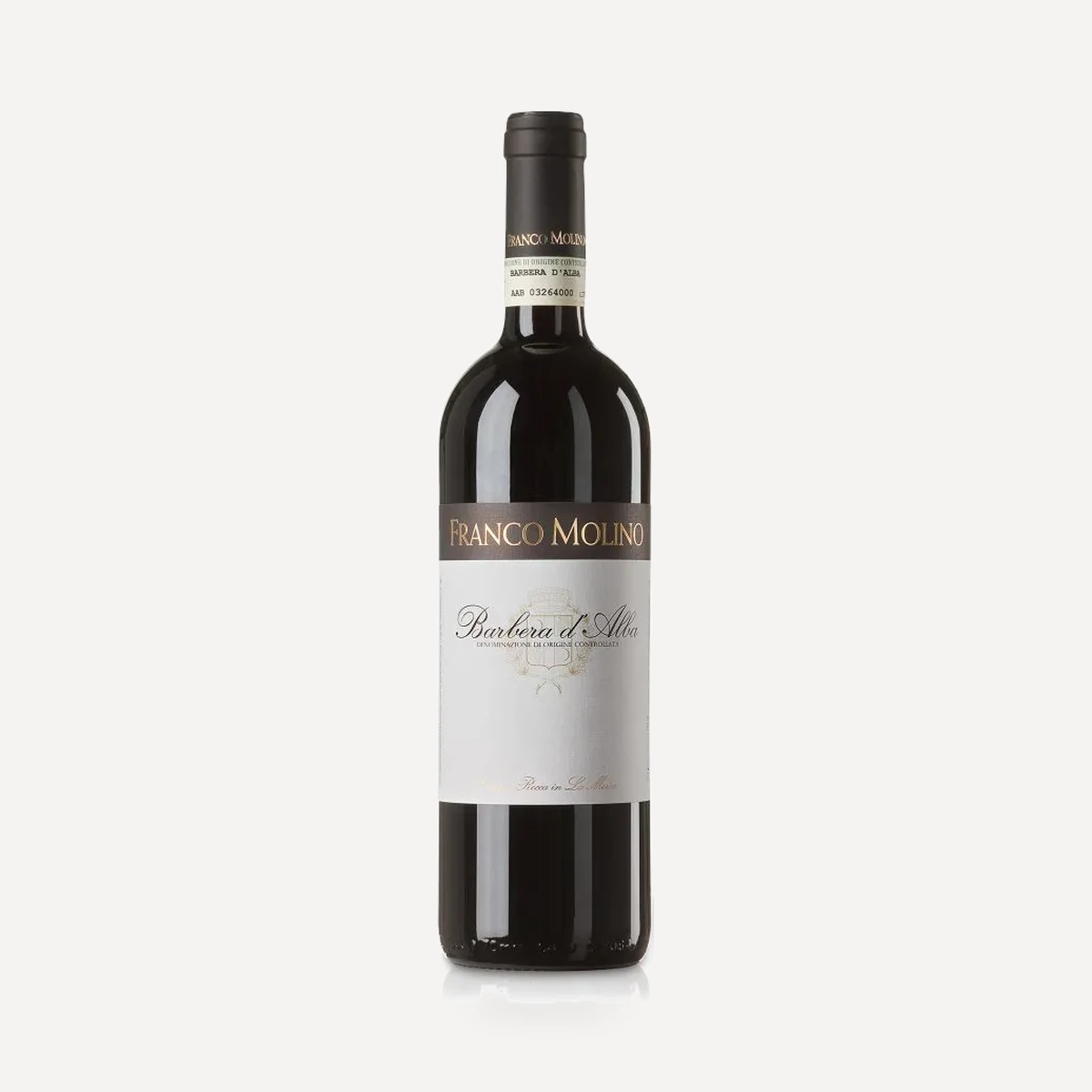
Barbera d’Alba
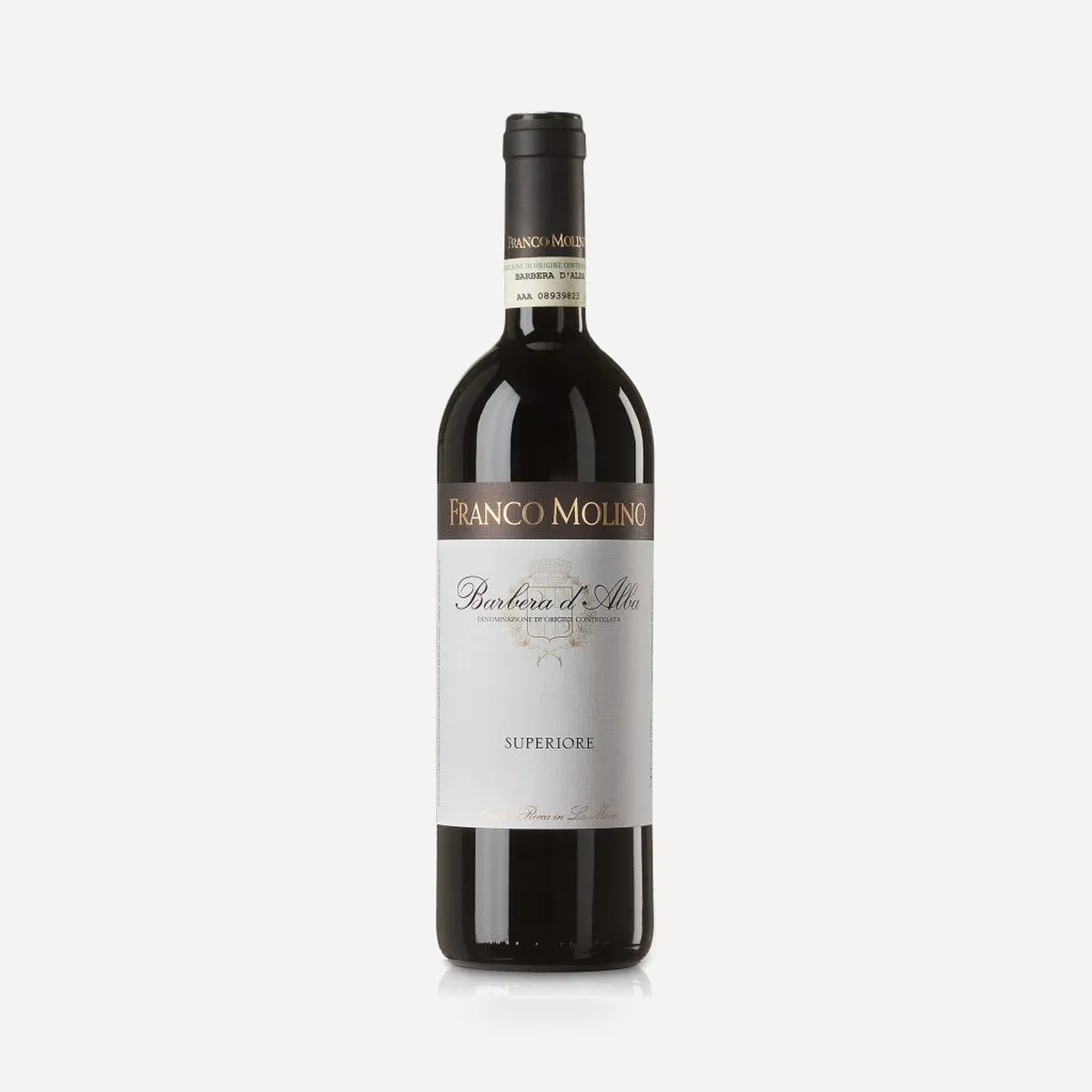
Barbera d’Alba Superiore
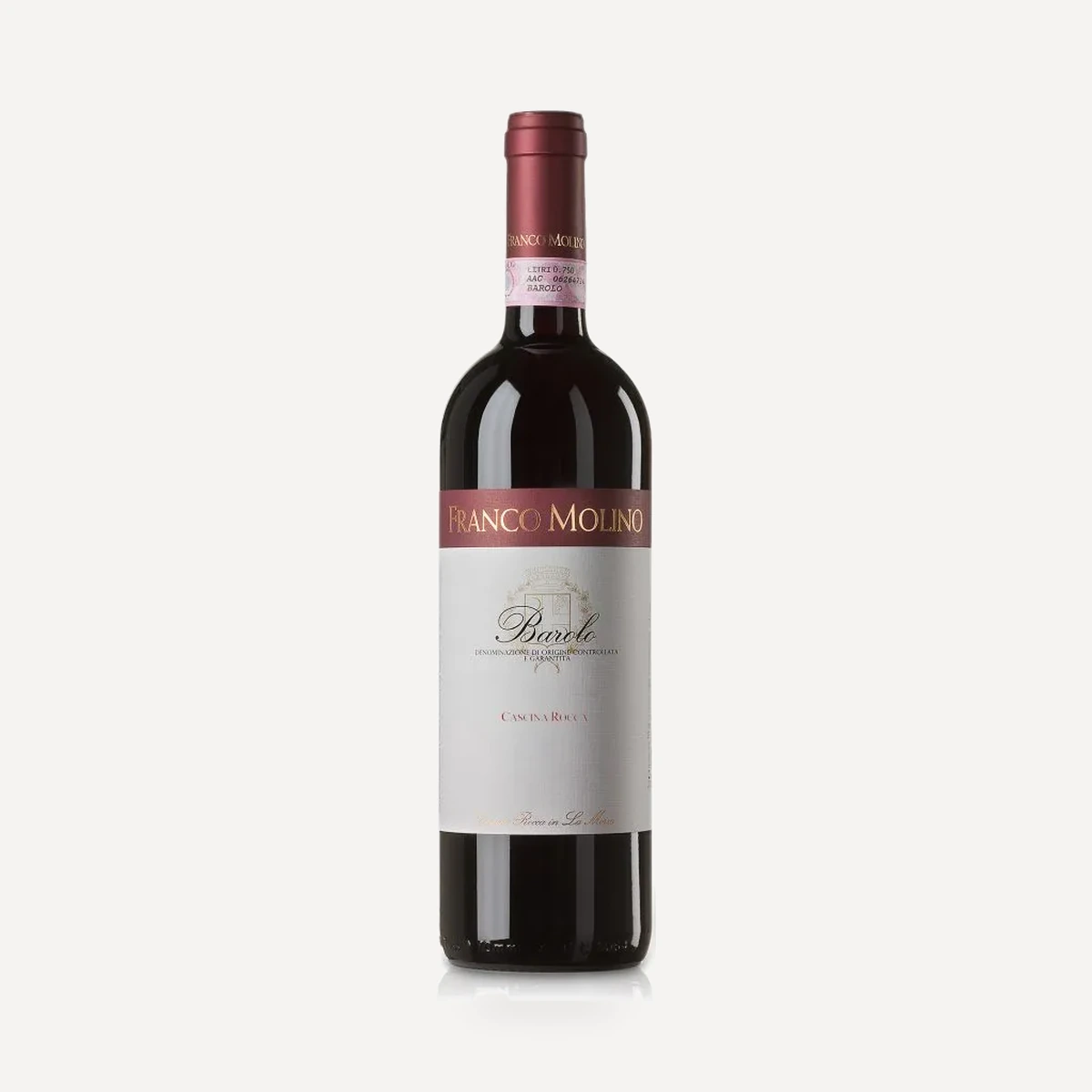
Barolo Cascina Rocca
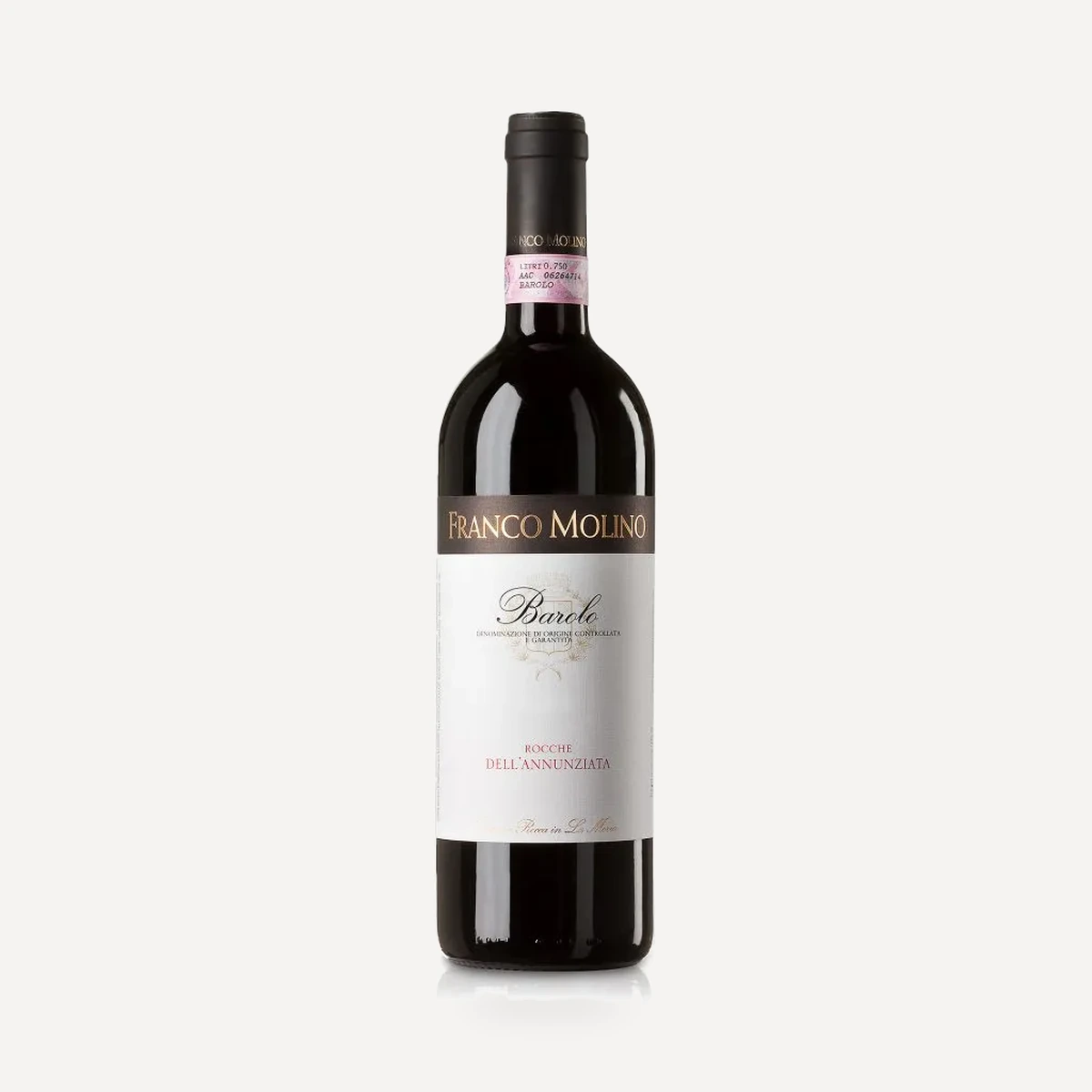
Barolo Rocche dell’Annunziata
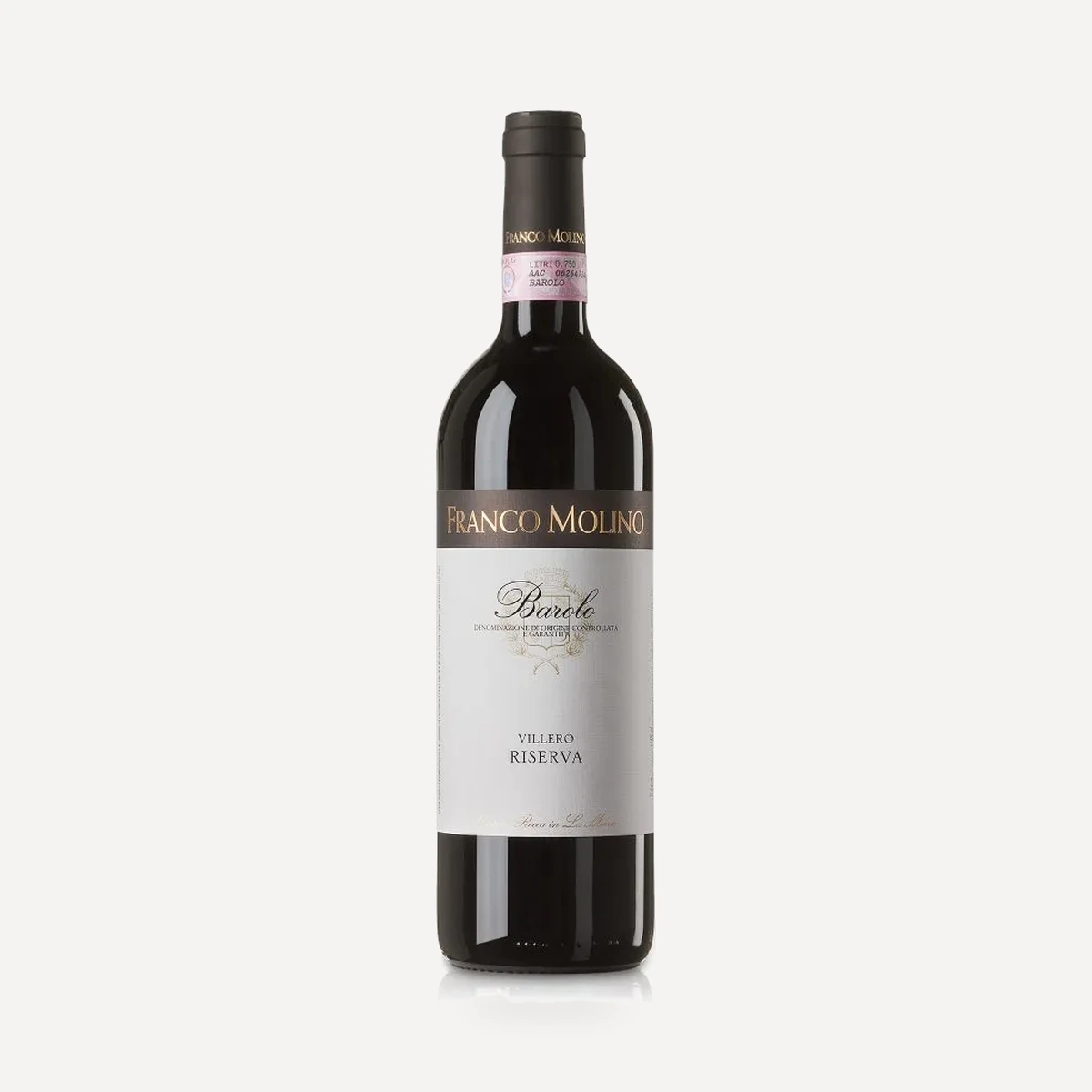
Barolo Villero Riserva
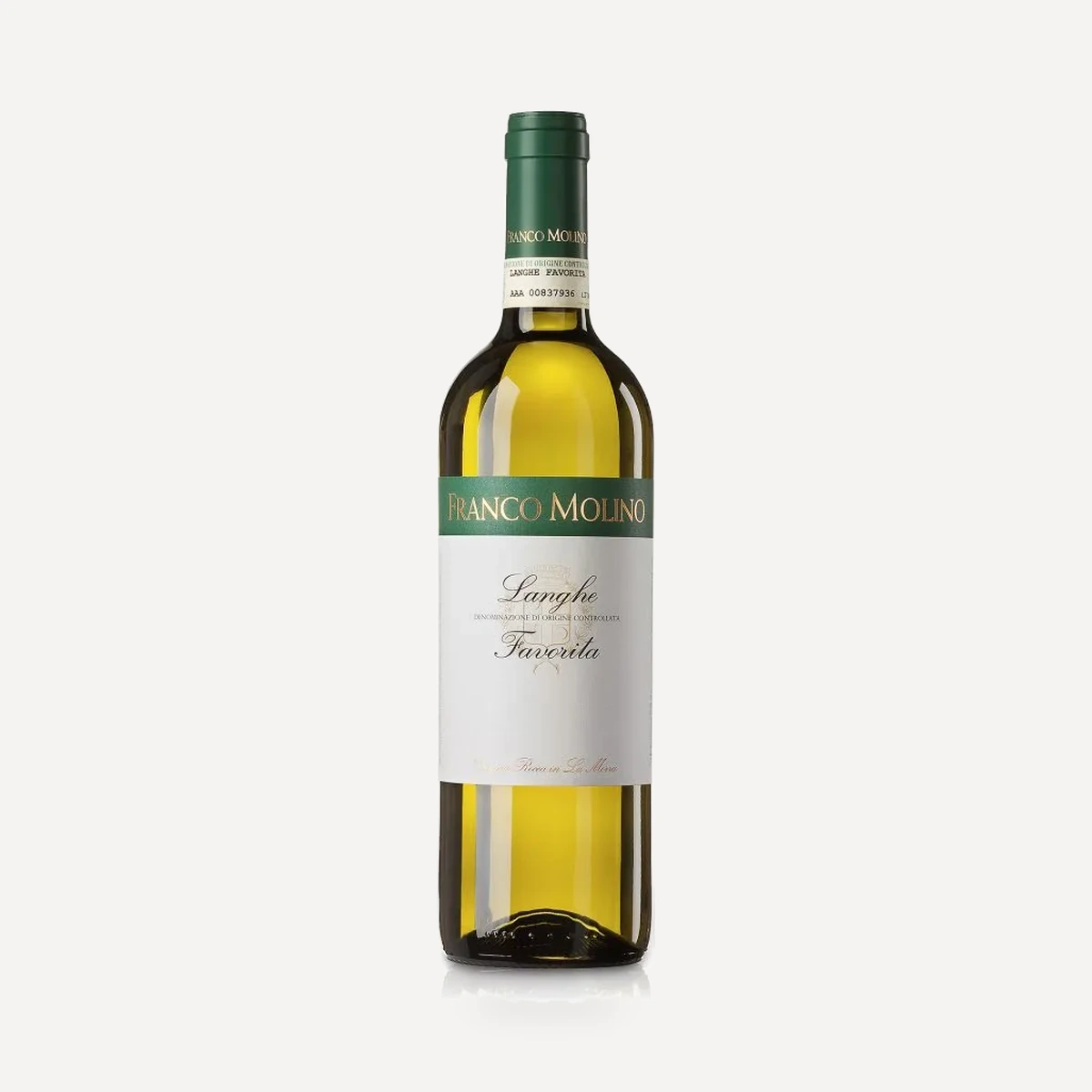
Langhe Favorita