Storia
The estate before Frecciarossa
Villa Odero was built in 1860 on a hill above Casteggio. The hill’s present name arose through a cadastral error around the turn of the twentieth century. Its older dialect name, Fraccia Rossa, meant “red landslide,” referring to clay soils crossed by iron-rich veins, the influence of underground water and the resulting tendency to landslides. The registry transformed Fraccia Rossa into Frecciarossa—“red arrow”—and the altered name remained attached to the hill.
1919: Mario Odero establishes the estate
Mario Odero was born in Genoa but spent much of his adult life in England, trading coal between Britain and Italy. After the First World War he returned to Italy and, rather than resettle in Genoa, sought a country property in Oltrepò Pavese, traditionally regarded as the countryside of Genoese families. In 1919 he bought the nineteenth-century hilltop estate that became Frecciarossa. Mario and his son Giorgio began reorganising and restoring its vineyards and winemaking facilities.
Giorgio Odero and the first bottled wines
Giorgio Odero shared his father’s attachment to the property and earned a degree in agriculture so that he could take an active role in its vineyards and winemaking. His particular interest was Pinot Noir. He travelled to Burgundy and Champagne for practical experience, then returned with new ideas and demanding quality standards.
Between 1921 and 1930 Frecciarossa began producing and marketing its first estate-labelled bottles, at a time when selling wine in bottle was still unusual locally. Gli Orti records its first vintage as 1921. During the 1920s the Frecciarossa name became known beyond Oltrepò Pavese. Film director Alfred Hitchcock tasted the wines at Villa d’Este and sent Giorgio a message expressing his appreciation.
Entry into the United States
Following the end of Prohibition in 1933, Frecciarossa was among the first Italian wines to enter the American market. In 1934 it received national export permit no. 19 from the Istituto Nazionale per le Esportazioni, identifying it as the nineteenth Italian product authorised for sale in the United States.
Margherita Radici Odero and cellar renewal
Margherita Radici Odero began working alongside her father Giorgio in the late 1970s. In 1990 she renewed both the vineyards and the cellar. She brought in oenologist Franco Bernabei as a consultant; in 2000 Gianluca Scaglione succeeded him and became an integral member of the team, together with Cristiano Garella.
Valeria Radici Odero and organic conversion
Valeria Radici Odero, Mario’s great-granddaughter and the fourth generation, later returned to the family estate. From 2014 Margherita and Valeria directed its conversion to organic agriculture. The 2017 vintage was the first harvest of certified-organic grapes. The estate continues to vinify only fruit grown in its own vineyards and combines its historic association with Pinot Noir and Riesling with the cultivation of Croatina, Barbera and Uva Rara.
Terroir
Frecciarossa occupies the first foothills of Casteggio in Oltrepò Pavese. Its vineyards lie between approximately 120 and 200 metres above sea level, with orientations ranging from north and northwest through southwest and southeast. The estate uses this variation in exposure when matching grape varieties to individual sites.
Millions of years ago, the sea that covered the Po plain receded, leaving geologically varied ground. The estate identifies red and iron-rich clays, marl, gypsum or calcareous veins, and fossil shells that remain as evidence of this marine past. Clay-limestone soils recur across the vineyards; individual sites also include sandy, chalk-rich ground and predominantly clay soils. One Pinot Noir site is specifically described as clay-limestone with a basic pH.
The historic name Fraccia Rossa, meaning “red landslide,” reflects the iron-coloured clay and its interaction with underground water. The combination has historically made the hill susceptible to landslides. Geological knowledge and solar exposure guide the placement of each variety: cooler north-facing or northeast–northwest sites are used alongside warmer south-facing parcels to balance freshness, acidity and structure.
Vinificazione
Organic farming and estate fruit
Frecciarossa vinifies only grapes grown on its own land. Margherita and Valeria Radici Odero began converting the property to organic agriculture in 2014, and the 2017 vintage was its first certified-organic harvest. The team follows the grapes through the entire growing season and harvests exclusively by hand into small crates, generally holding 15 or 17 kg.
Leaf thinning is used in July or late July on several blocks. Harvest timing can vary by variety and parcel, and sparkling-wine grapes are picked early in the morning so they reach the press at their naturally cool temperature. Selection is performed during hand harvesting; the most selective parcels are picked into 15 kg crates, while much of the estate uses 17 kg crates.
Biodiversity and fertility
Of the estate’s 31 ha, 21 ha are vineyards. The remaining land supports cereal or other arable fields, alfalfa, hazelnut trees, fruit trees, a vegetable garden and woodland. Goats help keep the woods clear, beehives support pollinating insects, and approximately six cows supply part of the organic material used to fertilise the vineyards.
The estate produces its own humus and compost from green manure, discarded grape skins and stems, cow manure, cut grass and chipped or mulched estate wood. This compost encourages earthworms, particularly in older vineyards, although the naturally dry character of viticultural soils limits their abundance.
Soil-health monitoring
Soil vitality is evaluated through internationally recognised biological indicators. The QBS-ar index counts soil microarthropods and assigns higher values to more sensitive organisms, using their presence as an indicator of soil preservation. The Shannon–Wiener index evaluates the relative abundance and sensitivity of groups or species, while Pielou’s J measures how evenly individuals are distributed among species. These results are compared with the quantity and quality of organic matter in the estate’s humus. The measurements are used to judge the biological balance of the soils, its relationship to grape quality and the effectiveness of efforts to preserve and extend that balance.
Frecciarossa works exclusively with estate-grown fruit, hand-picked and selected in small crates. Cellar practice varies with grape variety and intended style, but the range shares a preference for gentle handling, controlled temperatures and, for many red and white lots, spontaneous fermentation or indigenous-yeast pied de cuve.
For some wines, 10% of the crop is picked 36–72 hours early and foot-trodden to create a pied de cuve. This starter supplies indigenous yeasts for the main fermentation. Other red lots undergo whole-bunch foot crushing or destemming followed by gentle crushing. Fermentation takes place in stainless-steel tanks or truncated-conical oak vats, including untoasted French oak, with temperatures kept below 26–28 °C where specified. Red-wine macerations range from short contact to 7, 10 and 32 days; cellar work can include pumping over, manual punching down, délestage and post-fermentation maceration. Natural malolactic fermentation may occur in stainless steel, 600–650 l oak barrels, barriques, tonneaux or second- and third-use barrels.
White and rosé fruit is gently pressed to preserve acidity and aromatic character or, where appropriate, pressed more firmly. Must may undergo natural clarification or overnight cold static settling at 5 °C. Fermentation is carried out in stainless steel, tonneaux, barriques or large untoasted oak vats. White-wine fermentations are described at 15–16 °C over approximately 20–26 days; some rosé components ferment for 18–20 days. Malolactic fermentation is deliberately avoided for the still white, rosé and sparkling base wines described.
Maturation includes stainless steel and oak vessels of several formats: barriques, 600 l barrels or tonneaux, 25–27 hl barrels and truncated-conical vats. Depending on the lot, oak ageing can be followed by further settling in stainless steel and bottle maturation before release.
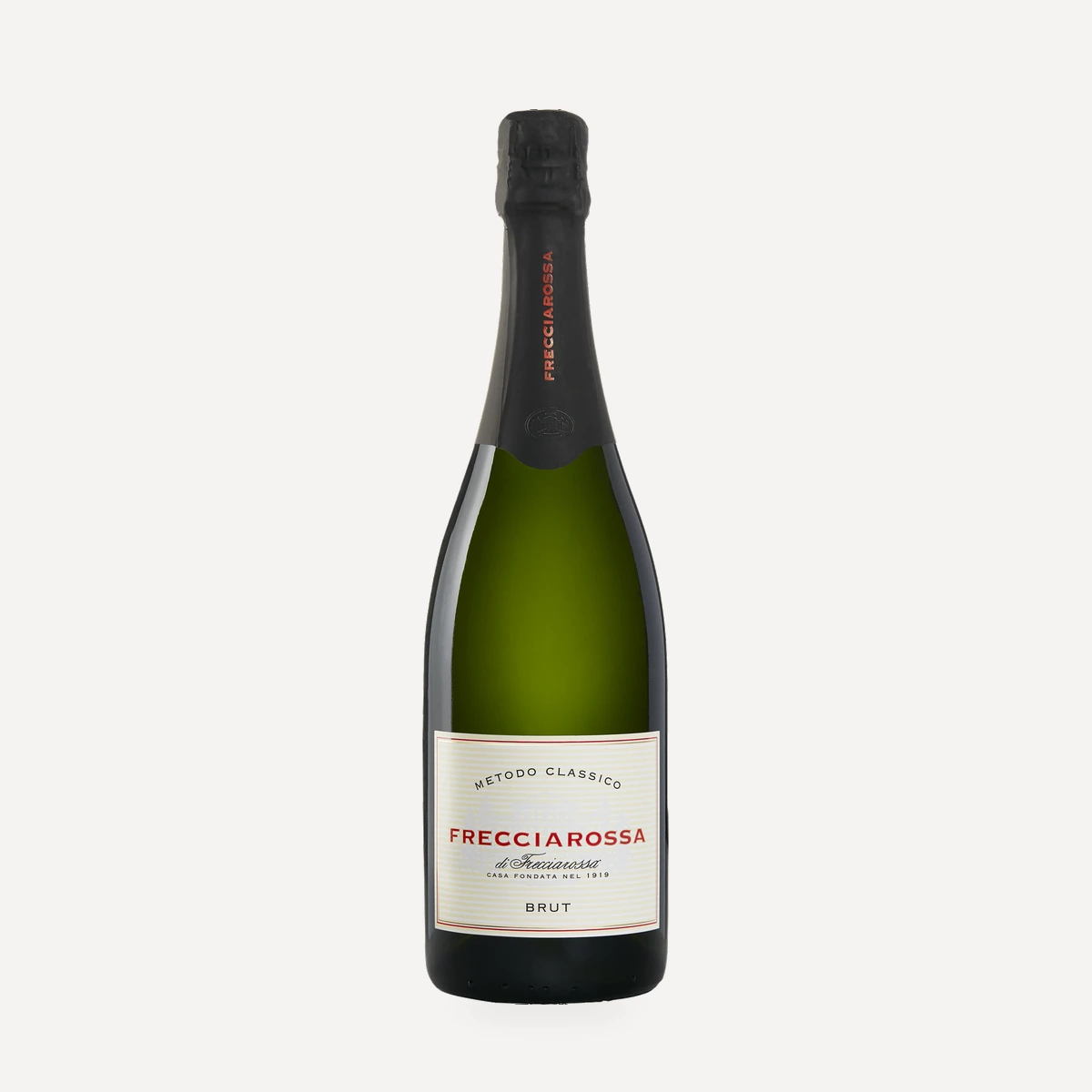
Metodo Classico base wines are obtained by gentle pressing and selection of free-run must, followed by low-temperature alcoholic fermentation at 13–15 °C, natural clarification, static decantation and cold winter stabilisation. Tirage takes place in the spring following harvest. Secondary fermentation occurs in bottle at 16 °C, with stated lees ageing ranging from more than 18 or 20 months to a minimum of 48 months. The longest-aged cuvée is disgorged with the addition of liqueur d’expédition.
Filosofia
Frecciarossa’s central principle is that wine should express its land. Quality begins with close attention to estate-grown grapes throughout the year, careful manual harvesting and an informed match between each variety, the geology of its vineyard and its solar exposure.
The estate treats Croatina, Barbera and Uva Rara as its local varieties while recognising Pinot Noir and Riesling Renano as later arrivals that have become fully established in Oltrepò Pavese. Pinot Noir has held a particular place in the family’s work since the early generations.
Organic farming is approached as a measurable biological system rather than solely as a certification. Biodiversity, home-produced compost, animals, woodland and mixed crops are integrated into the estate. Soil organisms, species diversity, distribution and humus quality are monitored to evaluate whether balanced soils produce better grapes and to guide the preservation and expansion of those conditions.
The family’s approach joins inherited experience with technical observation: Giorgio Odero brought agricultural study and experience in Burgundy and Champagne to the early estate, while later generations renewed the vineyards and cellar, adopted organic agriculture and continued to adjust fermentation and ageing methods to individual varieties and sites.
Vini
Anamari
Brut
Carillo
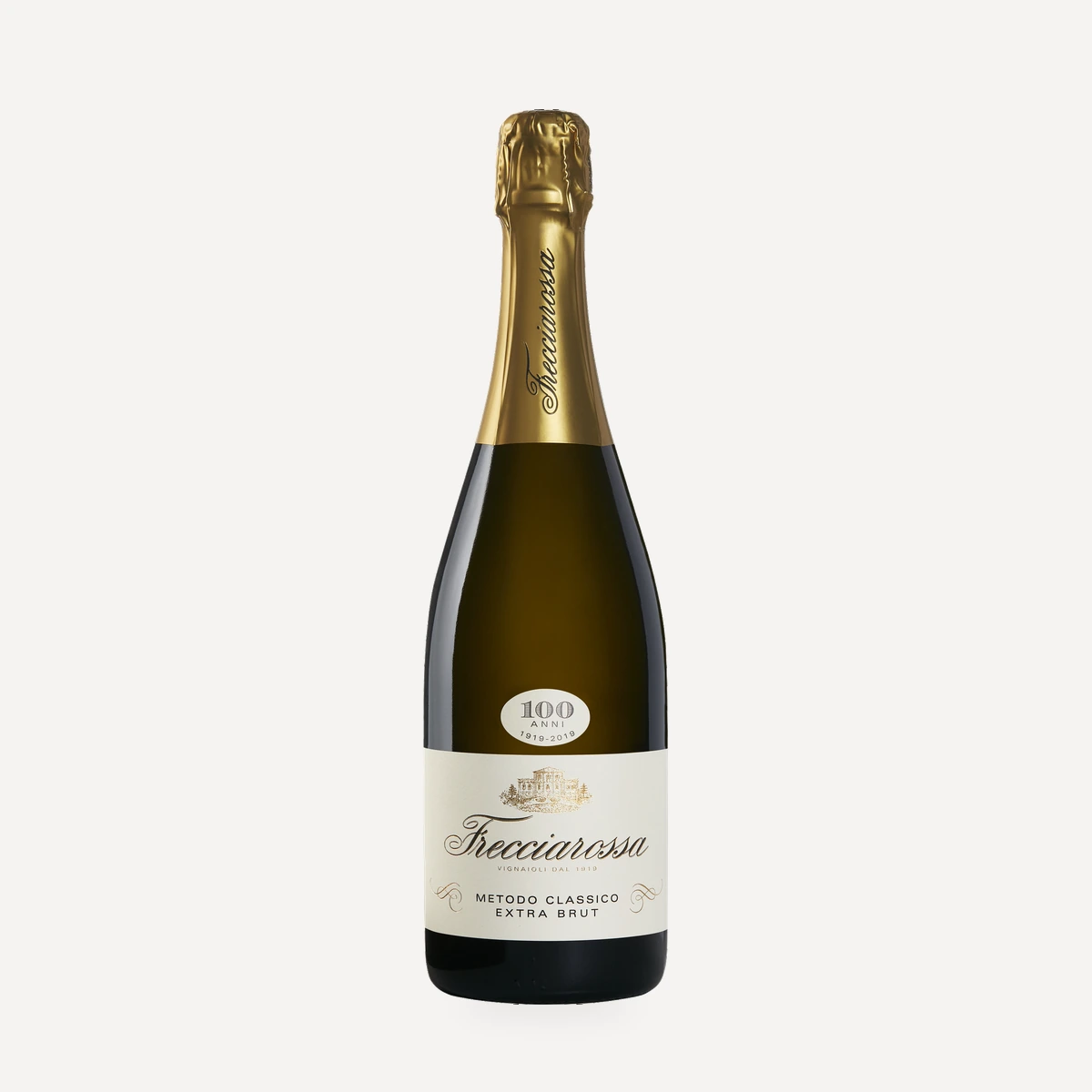
Extra Brut
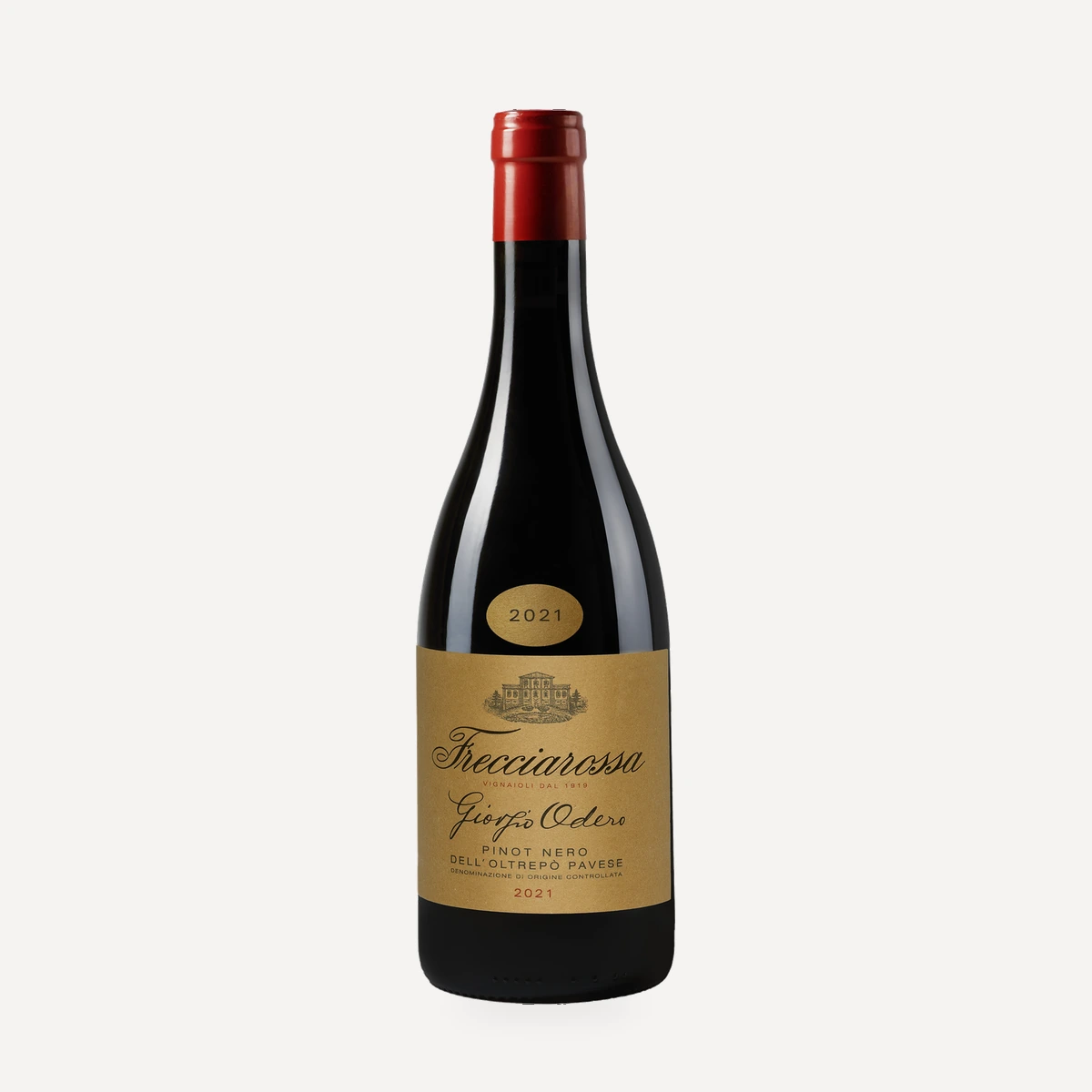
Giorgio Odero
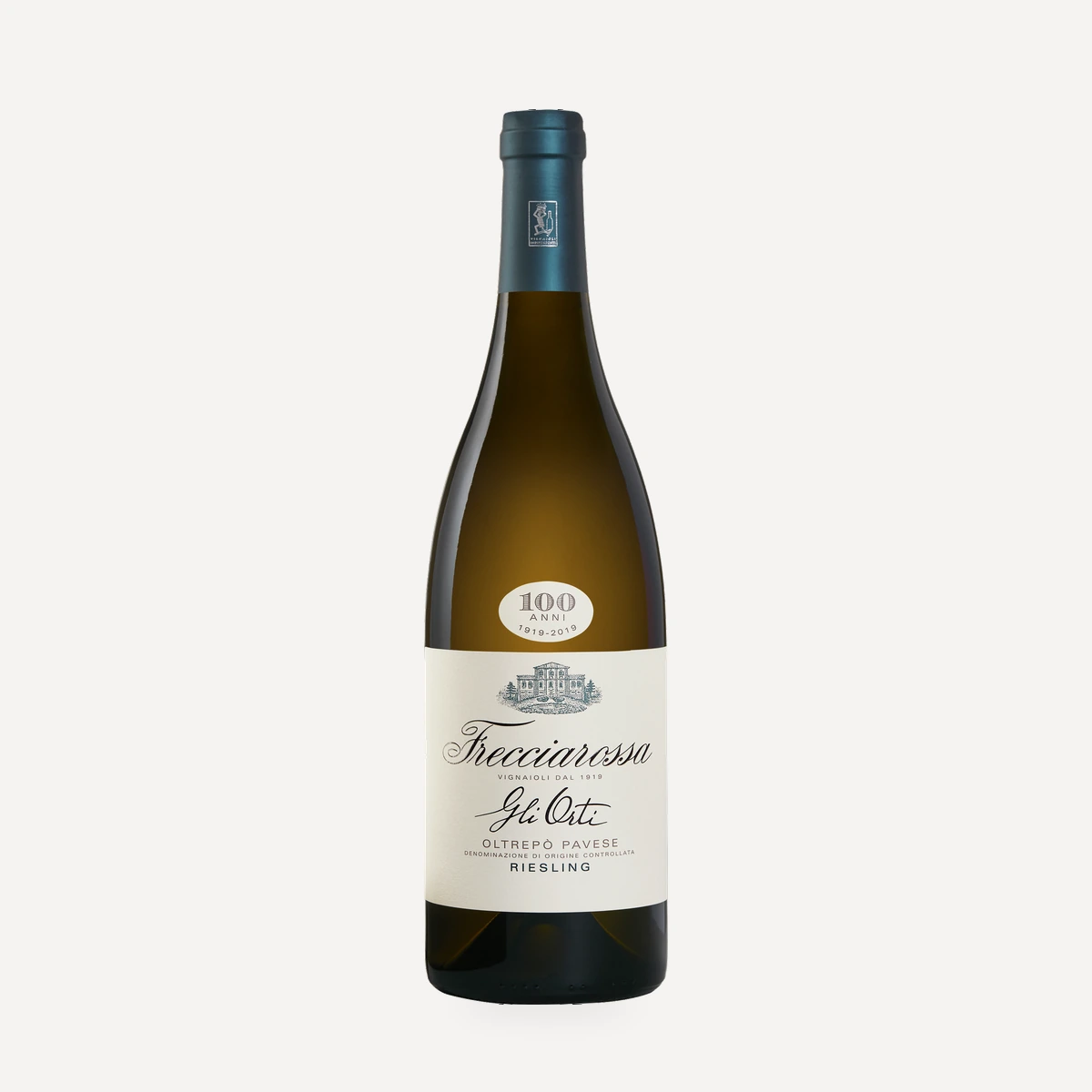
Gli Orti
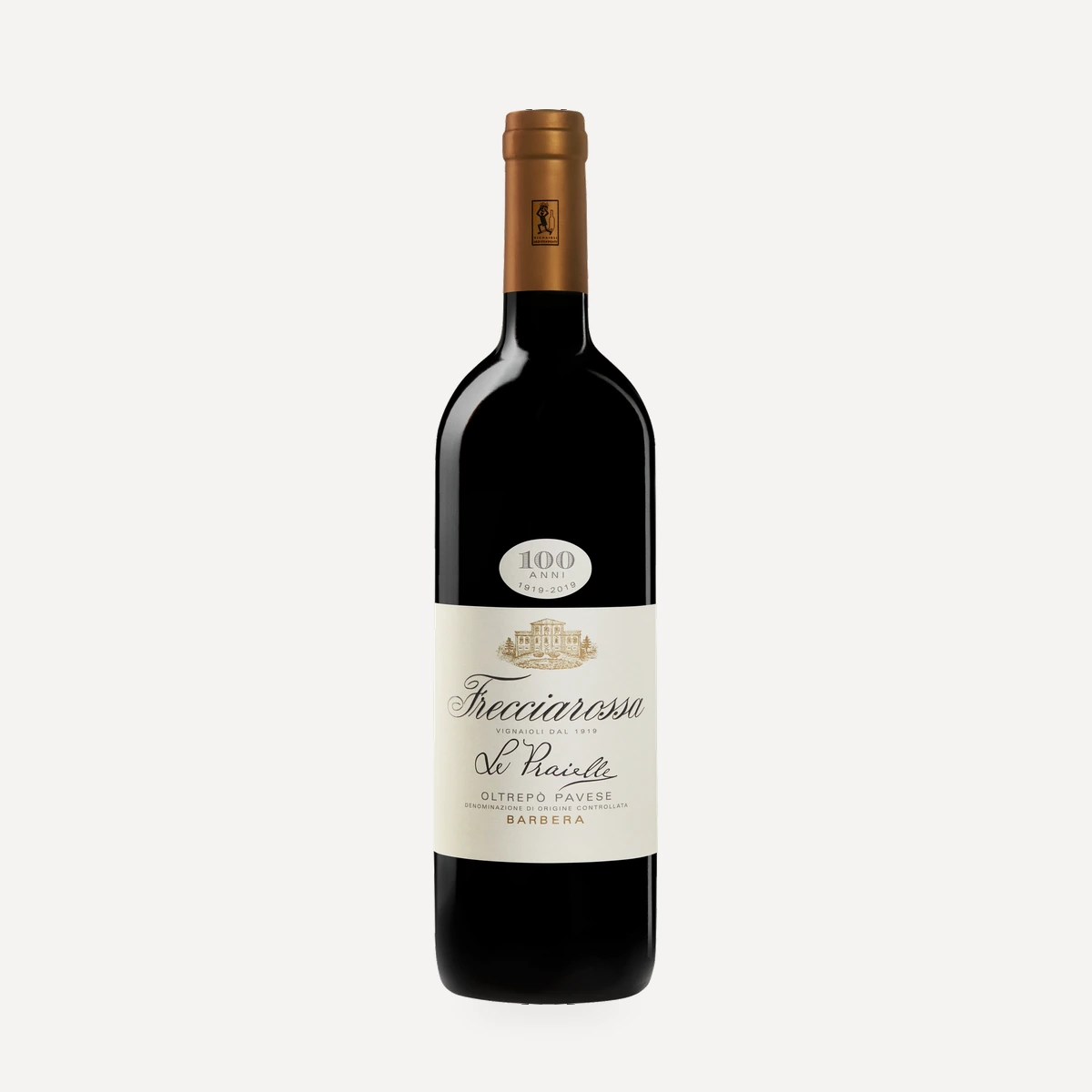
Le Praielle
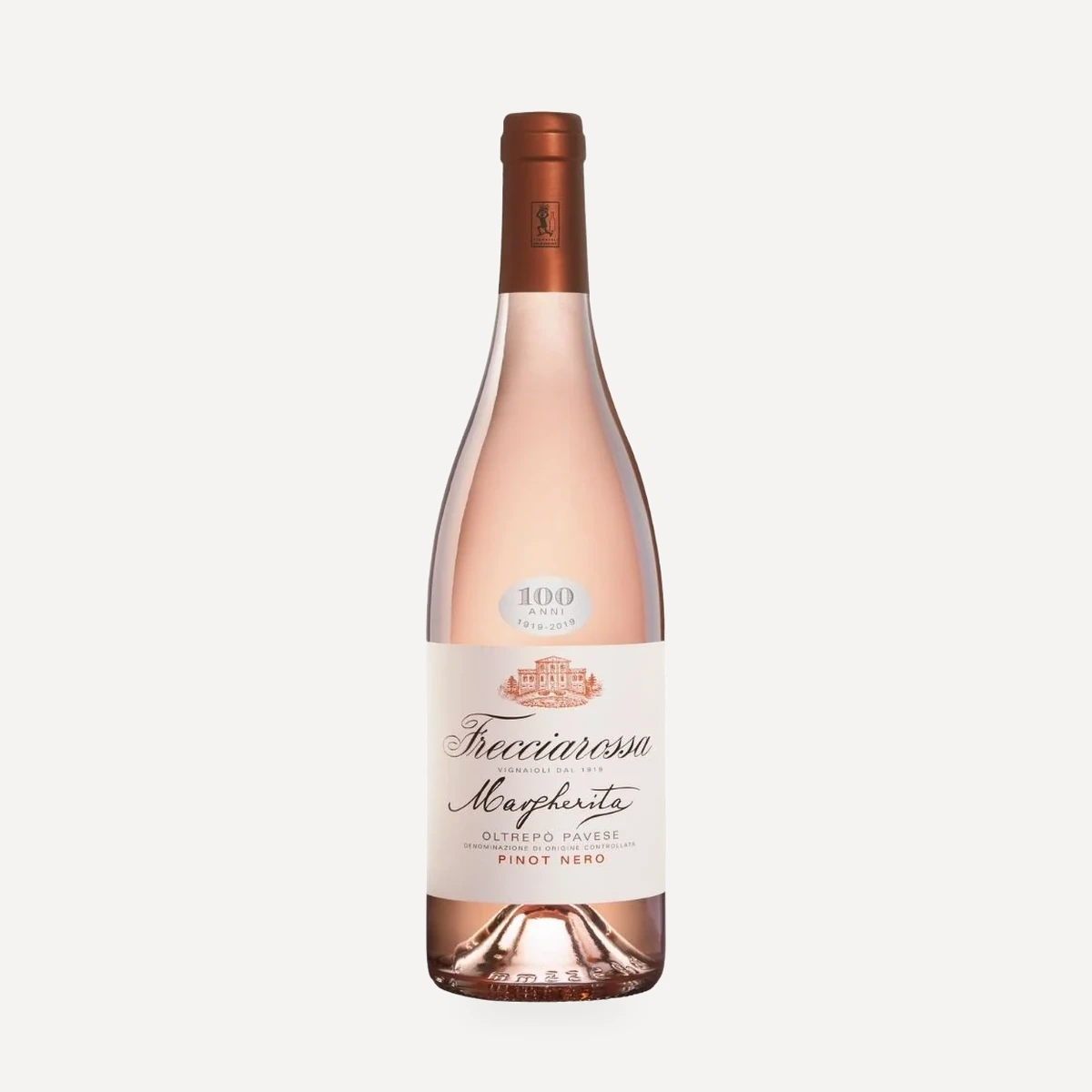
Margherita
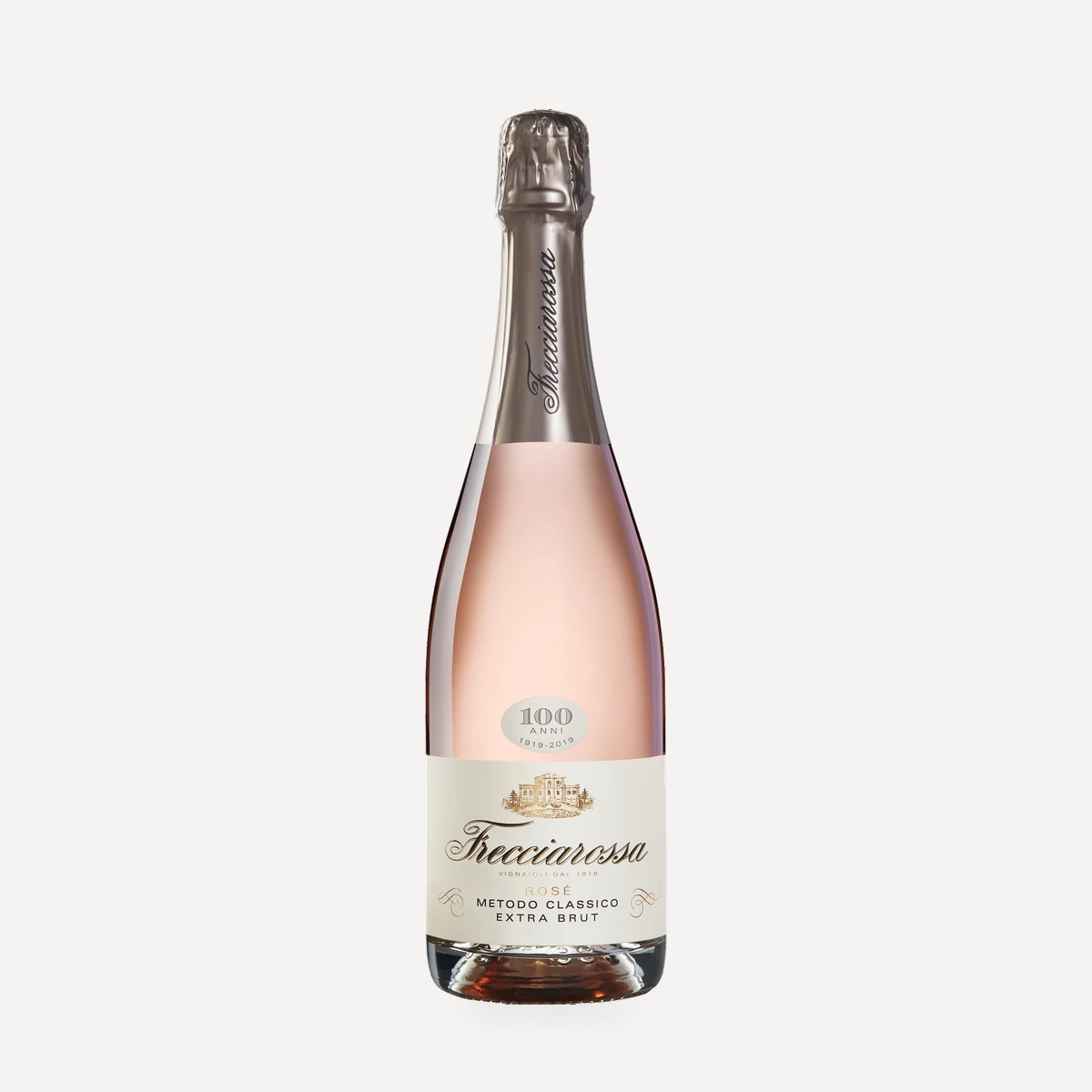
Rosé Extra Brut
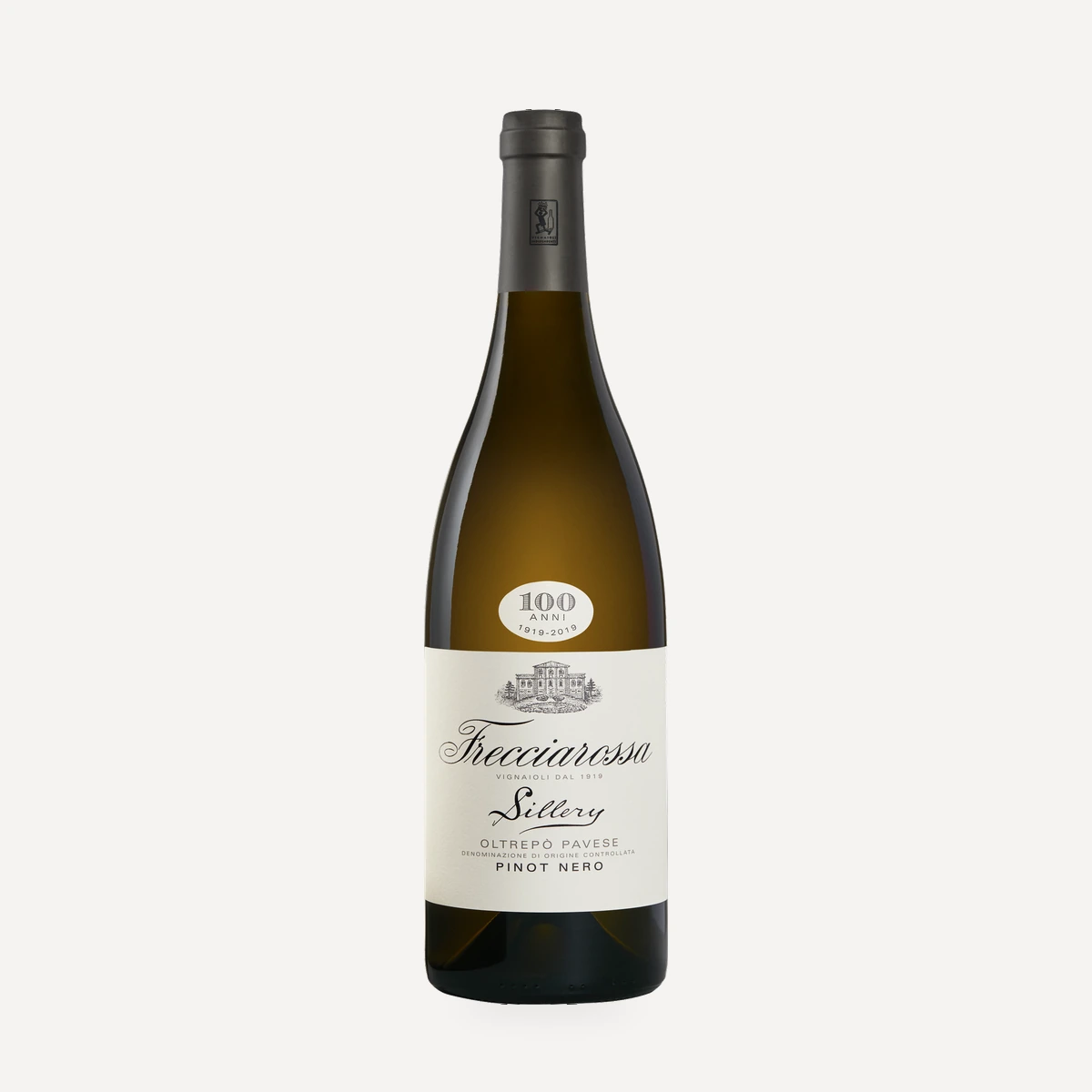
Sillery