Storia
Roman antecedents
The history of Tenuta di Squarano begins before the present estate. Ancient agricultural and wine-producing installations associated with the Roman gens Octavia occupied the site. Archaeological remains and inscriptions survive at Squarano, together with the ruins of a temple dedicated to the goddess Flora. The estate presents this material heritage as evidence of a long relationship between the hill, agriculture and the vine.
1470: the Fumanelli family at Squarano
Construction of Villa di Squarano began in 1470. The Marchesi Fumanelli family moved to the property and continued the wine-producing activity associated with the earlier Roman settlement. The villa occupies a hill in Valpolicella Classica, surrounded by vineyards, cypresses and the agricultural landscape of the estate.
Viticulture and winemaking knowledge subsequently passed through 28 generations. The estate describes the family as cultivating the same land for more than five centuries, with indigenous Valpolicella varieties and manual work forming the basis of that continuity.
1599–1602: completion of Villa di Squarano
A phase of completion and renovation ran from 1599 to 1602, establishing Villa Fumanelli as the centre of the property’s agricultural and wine-growing activity. Historic tuff cellars beneath the estate and upper rooms later used for grape drying form part of this early-modern complex.
1800: renovation of the maturation cellars
In 1800, the estate’s development continued with a partial renovation of its two historic barrel cellars. The work restored the efficiency of the underground spaces devoted to maturation, whose tuff construction provides naturally stable temperature and humidity.
1998: restoration and technical renewal
In 1998, the old tuff cellars underwent a major restoration. Modern technology was installed, and the rooms returned to full use for the maturation of the estate’s Valpolicella wines in French oak.
2003: return to independent production
The first bottles produced at the property and marketed under the Marchesi Fumanelli name debuted in 2003. Their release marked the family’s return to the market as an independent Valpolicella producer.
The present estate
Fumanelli now produces exclusively from grapes cultivated on its own 25 ha. The vineyards form a contiguous estate around Villa di Squarano, creating different exposures and microclimates within the same holding. Grapes are harvested and selected by hand, while microlot vinification, restored historic cellars, temperature control and environmental monitoring connect inherited practices with contemporary production.
Terroir
Tenuta di Squarano
Tenuta di Squarano occupies a hill in Valpolicella Classica, with Villa di Squarano at the centre of a contiguous vineyard holding. The estate wraps around the villa, creating a range of exposures and microclimates. The production vineyards described in the technical material principally face south-east and lie between 120 and 200 m above sea level.
Soils
The soils are calcareous and clay-rich, mineral-bearing and well drained. In the dedicated Squarano parcel, the nature of the soil produces naturally low yields and correspondingly concentrated fruit.
Climatic influences
The microclimate is moderated by breezes from Lake Garda and protected by the Monti Lessini. During appassimento, air descending from the Lessini passes through the openings of the villa’s drying rooms. From October to January, this natural airflow and night-time temperature variation accompany the gradual dehydration of the grapes. Temperature and humidity in the drying rooms are also monitored continuously.
Vinificazione
Fumanelli works exclusively with grapes grown on its own 25 ha. Indigenous Valpolicella varieties—principally Corvina, Corvinone and Rondinella—form the core of the red vineyards. Garganega, Trebbiano Toscano and Incrocio Manzoni are also cultivated for the white wines.
Agronomic work is described as sustainable and directed toward protecting the estate landscape. Traditional Pergola Veronese and Guyot systems coexist across the property. Vine age ranges from Guyot plantings of 8–10 years to pergola- and Guyot-trained sectors of approximately 25–40 years. A younger Guyot sector has a density of 2,500 vines/ha, while naturally low yields characterize the dedicated Squarano parcel.
Harvesting is exclusively manual. Bunches are selected in the vineyard at their optimal stage of ripeness, generally between the second half of September and the first half of October, depending on variety and intended use. White grapes are collected in cases and moved quickly to pressing. Fruit intended for appassimento is placed in shallow wooden containers or 5–6 kg plateaux, preserving bunch integrity during transport and drying.
Selection continues bunch by bunch so that intact, fully ripe fruit reaches the cellar or drying rooms. Microlot production allows vineyard sectors, fresh fruit and dried components to be handled separately. Harvest is also treated as a family and community event in which experienced workers and younger generations work together.
Historic cellars and microlot production
The estate vinifies its proprietary, hand-selected grapes in small lots. Maturation takes place in historic underground cellars excavated in tuff. Partially renovated in 1800 and comprehensively restored in 1998, the cellars combine modern equipment with naturally stable temperature and humidity. Stainless-steel tanks and French-oak tonneaux are used according to the lot.
Red-wine reception and fermentation
Several red-wine protocols begin with pre-fermentation cold maceration, followed by fermentation and maceration. For the traditional Ripasso, fresh grapes ferment and macerate in October for approximately 8–10 days before racking. The young wine remains in stainless steel until January or February, when it is refermented on freshly drained Amarone pomace. The controlled fermentation temperature is 18–20°C, and the documented fermentation period is approximately 20 days.
Appassimento
Intact, fully ripe bunches of Corvina, Corvinone and Rondinella are selected by hand and transferred to the restored upper floors of the villa. The drying rooms are naturally ventilated and maintained at controlled humidity. Bunches rest in a single layer in shallow wooden trays and are turned manually every day to discourage unwanted mould and ensure even dehydration.
From October to January, air descending from the Monti Lessini enters through low openings in the drying rooms. Sensors continuously monitor temperature and humidity, supporting natural ventilation and manual inspection with microbiological control. Depending on the selection, drying lasts 30–40 days, at least 100 days, or at least 120 days. Long-dried fruit can lose 35–40% of its weight, concentrating sugars, acids and polyphenols.
Once the intended condition is reached, the grapes are gently pressed. The concentrated must then undergoes a slow fermentation lasting several weeks.
White-wine production
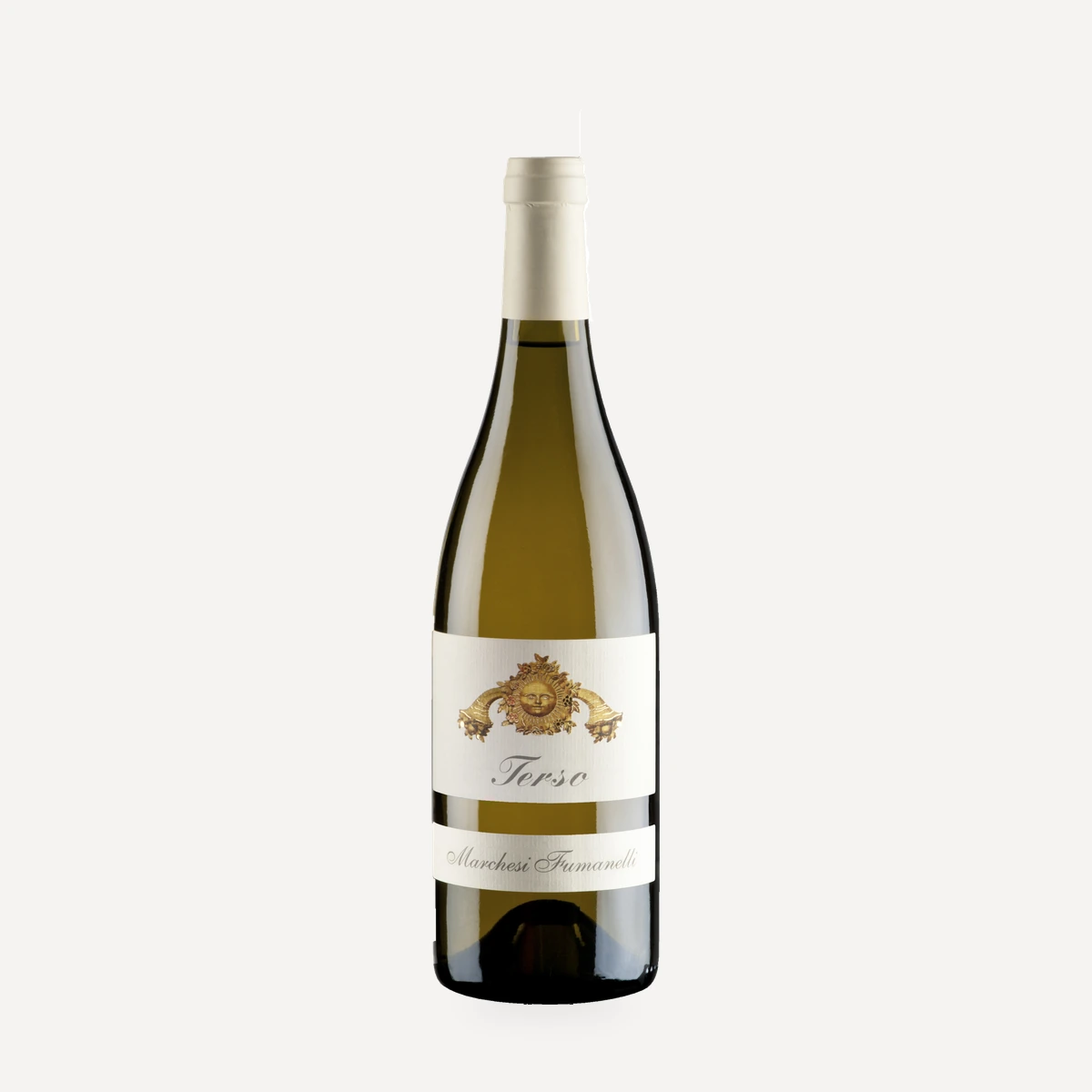
White grapes are harvested by hand and pressed promptly. For Terso, the bunches are pressed whole to avoid excessive extraction of herbaceous compounds. The must is separated and clarified through static cold settling, then begins temperature-controlled fermentation in stainless steel. Midway through fermentation, it is transferred to second- and third-use French-oak tonneaux. Fermentation continues in wood with periodic lees movement and micro-oxygenation, and the wine remains there until June.
For Buran, the must is clarified cold and fermented at a controlled temperature no higher than 16°C. The wine remains on its yeasts for approximately three months, with frequent bâtonnage, before about two months of bottle maturation.
Oak and bottle maturation
French oak is central to maturation. Second- and third-use tonneaux are employed to develop complexity without masking the original fruit character. The documented regimes include 8–10 months in tonneaux and at least three months in bottle for Valpolicella Classico Superiore; eight months in tonneaux for Ripasso; 14–15 months in tonneaux and six months in bottle for Squarano; 30 months in tonneaux and at least eight months in bottle for Amarone Classico; and approximately 48 months or more, according to vintage, followed by 8–12 months in bottle for Octavius Riserva.
Maturation is allowed to follow the development of each lot rather than a rigid timetable. Once the desired equilibrium is reached, the relevant wine is racked, gently filtered and rested in bottle before release.
Filosofia
Fumanelli presents its approach as a balance among inherited practice, contemporary knowledge and environmental responsibility. Its stated priorities are respect for the Squarano terroir, preservation of Valpolicella’s indigenous varieties and patience at every stage of production.
Nature is intended to determine the pace of the work. This principle appears in manual harvesting, bunch-by-bunch selection, microlot vinification, prolonged appassimento and maturation periods adapted to the development of each wine. Technology acts as support rather than replacement: restored production spaces, controlled fermentation, temperature-and-humidity sensors and modern cellar equipment provide precision and microbiological security while retaining manual judgement.
Family continuity is central to this identity. Twenty-eight generations are presented as custodians of the landscape and of knowledge transmitted over more than five centuries. Harvest joins experienced hands and younger generations, linking craftsmanship with sustainable practice.
The intended stylistic goal is to preserve fruit integrity and express the identity of Squarano through balance, elegance, complexity and vintage character. Second- and third-use French oak is preferred in the documented maturation regimes so that wood develops structure and depth without concealing varietal character.
Vini
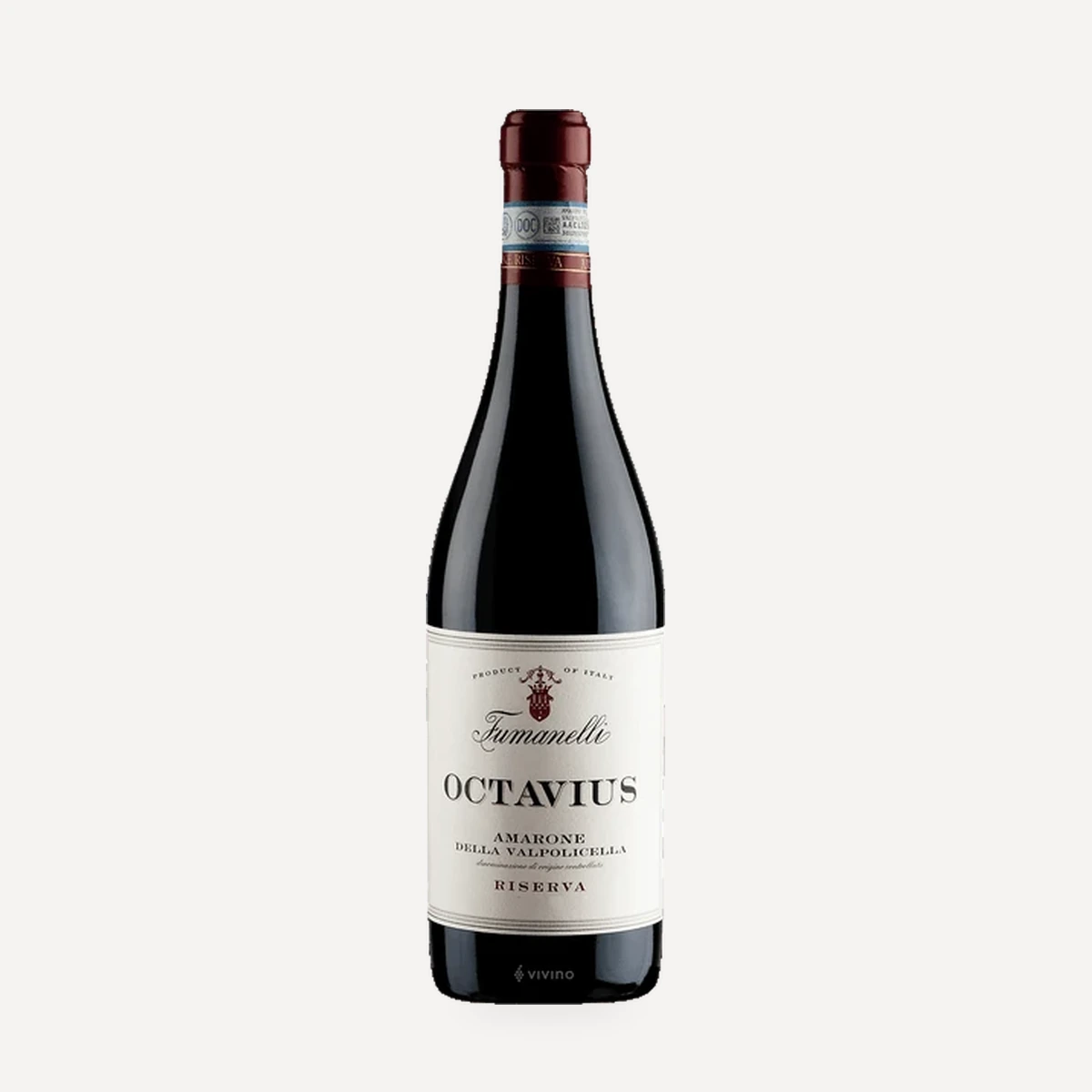
Amarone Classico Riserva – Octavius DOCG
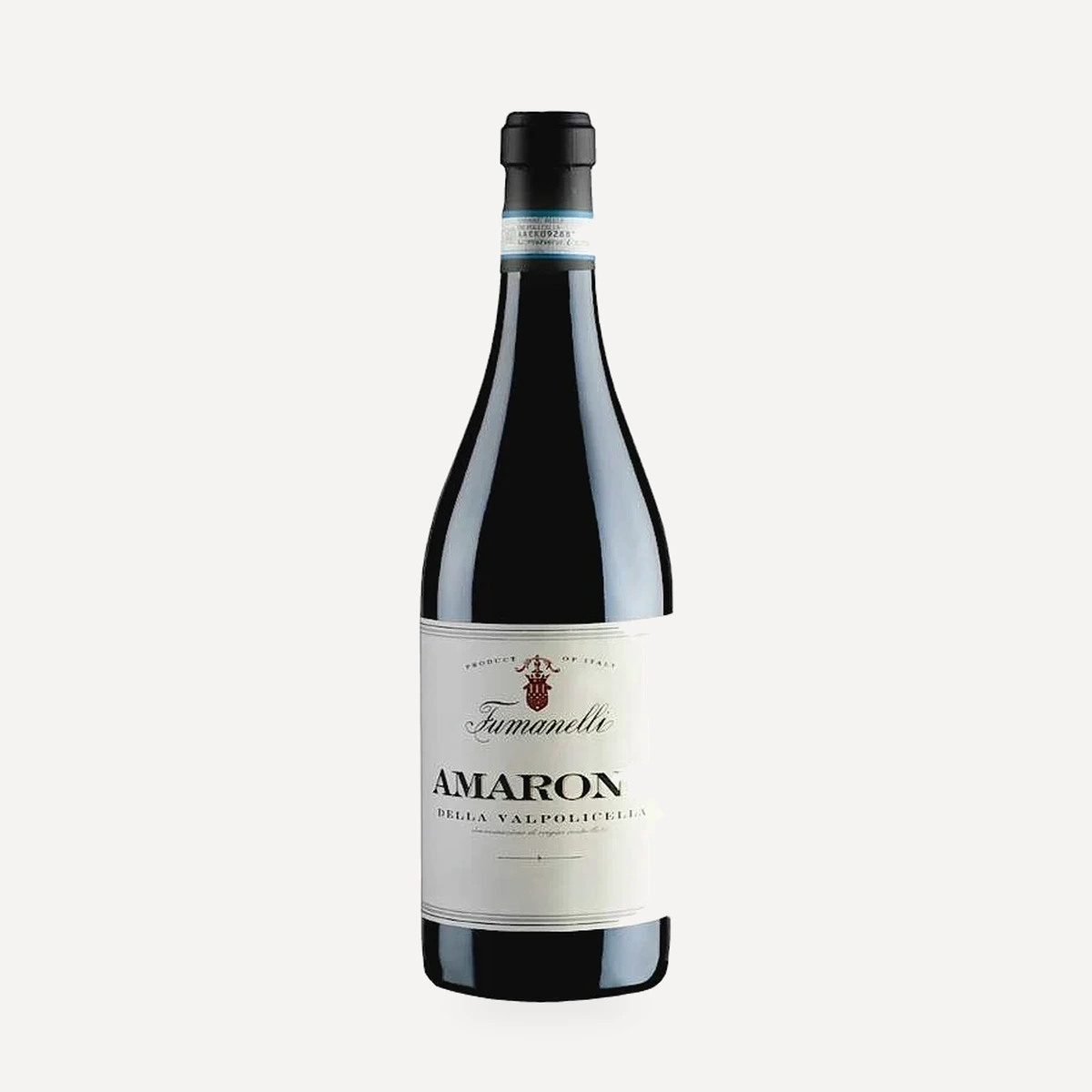
Amarone Classico della Valpolicella DOCG
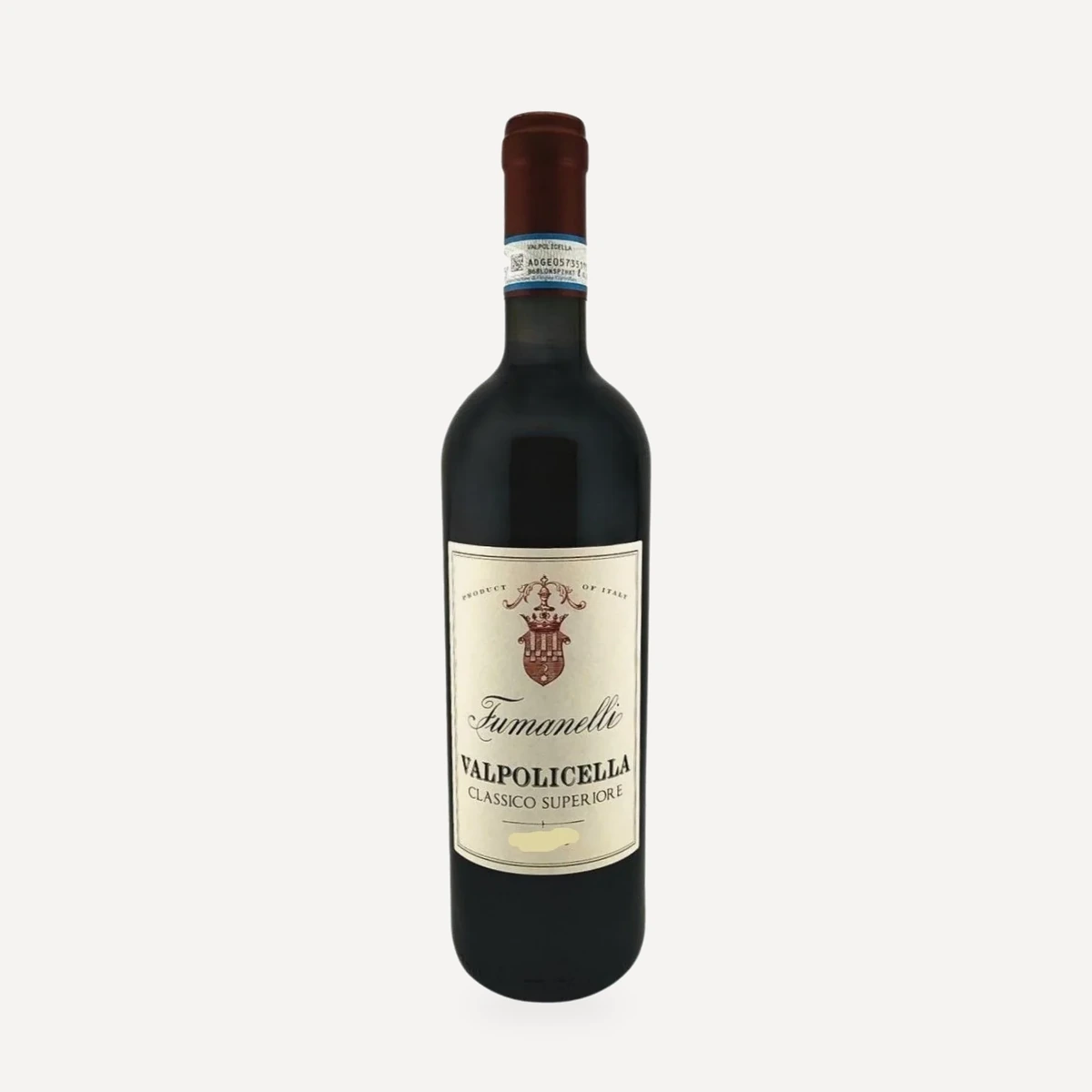
Valpolicella Classico Superiore DOC
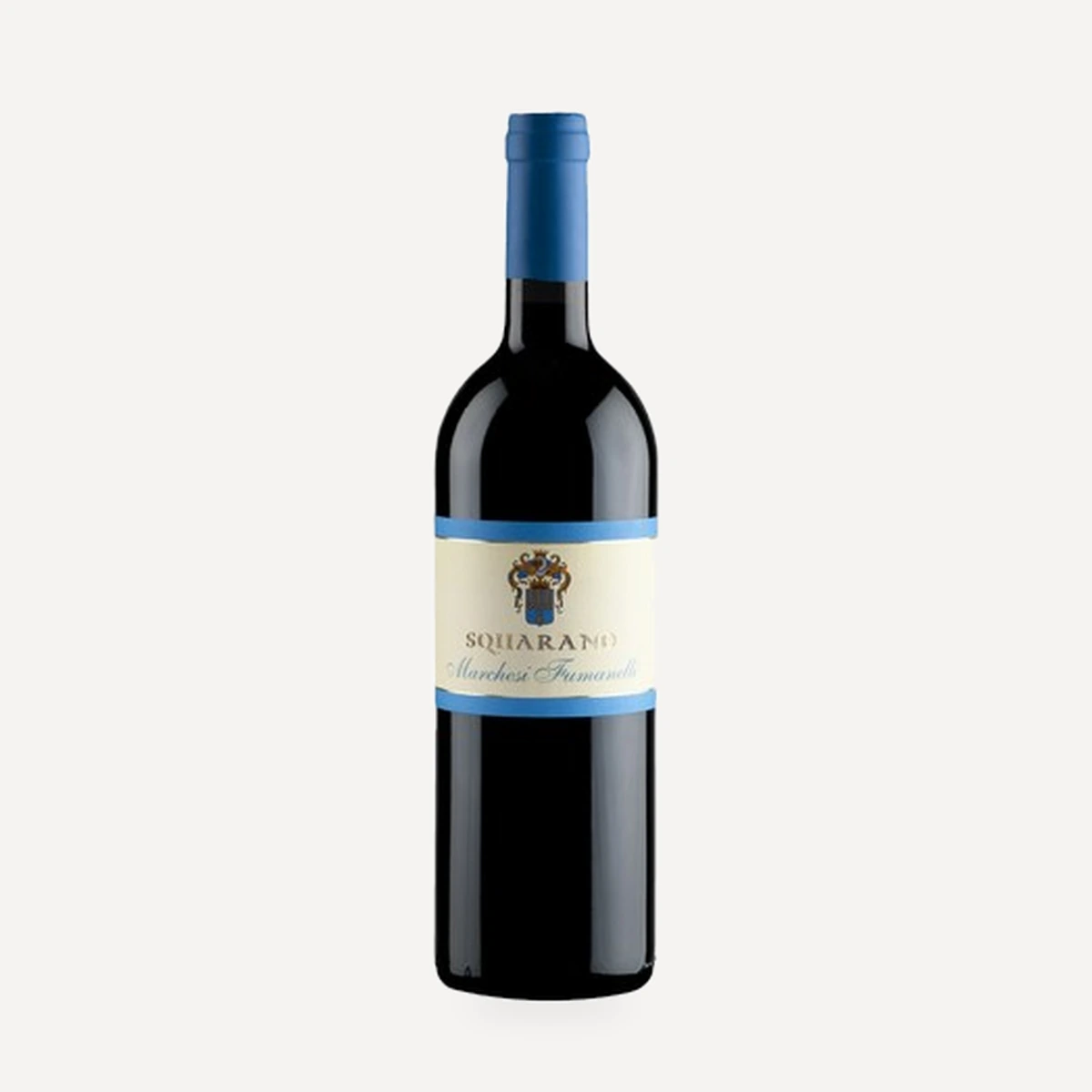
Valpolicella Classico Superiore Squarano DOC
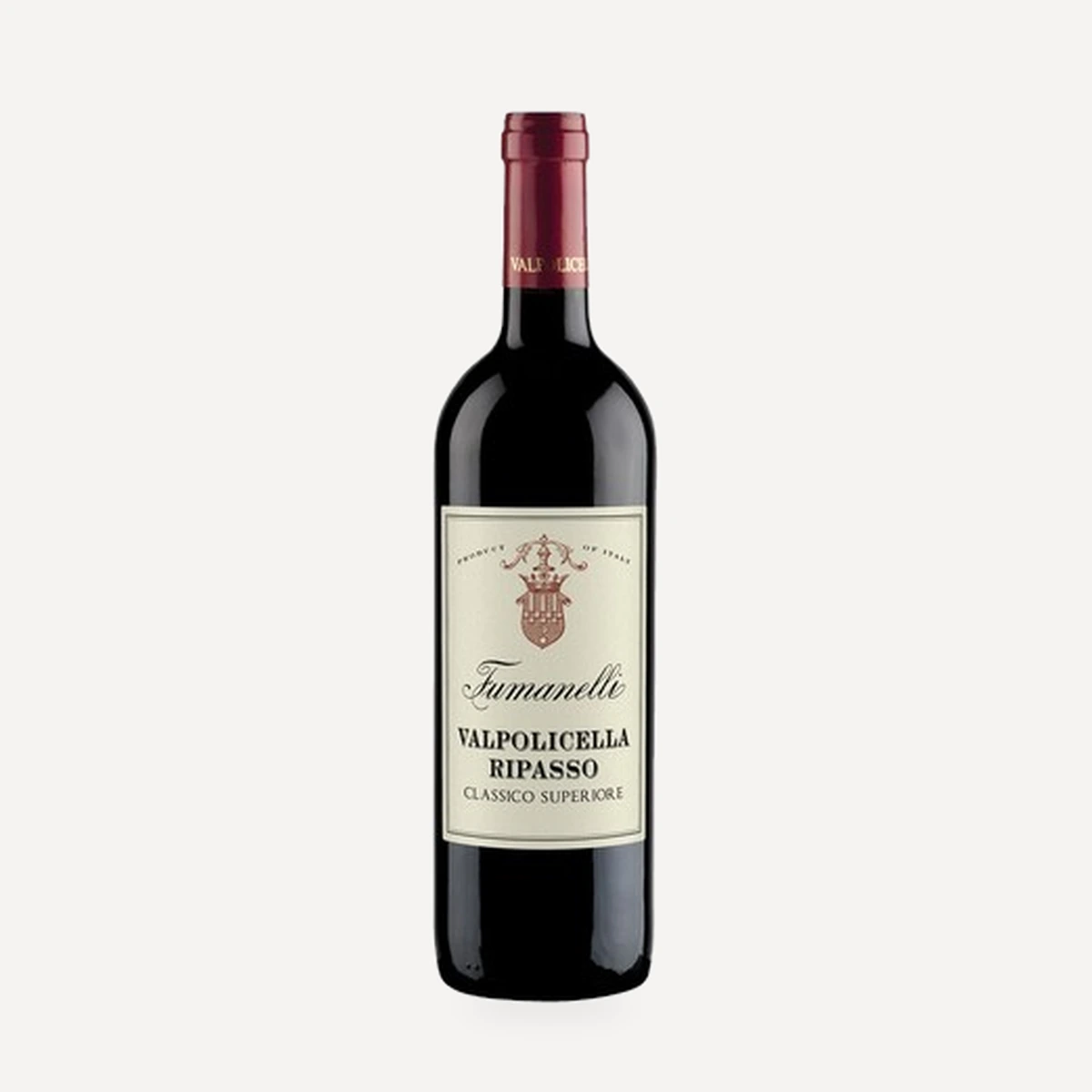
Valpolicella Classico Superiore Ripasso DOC
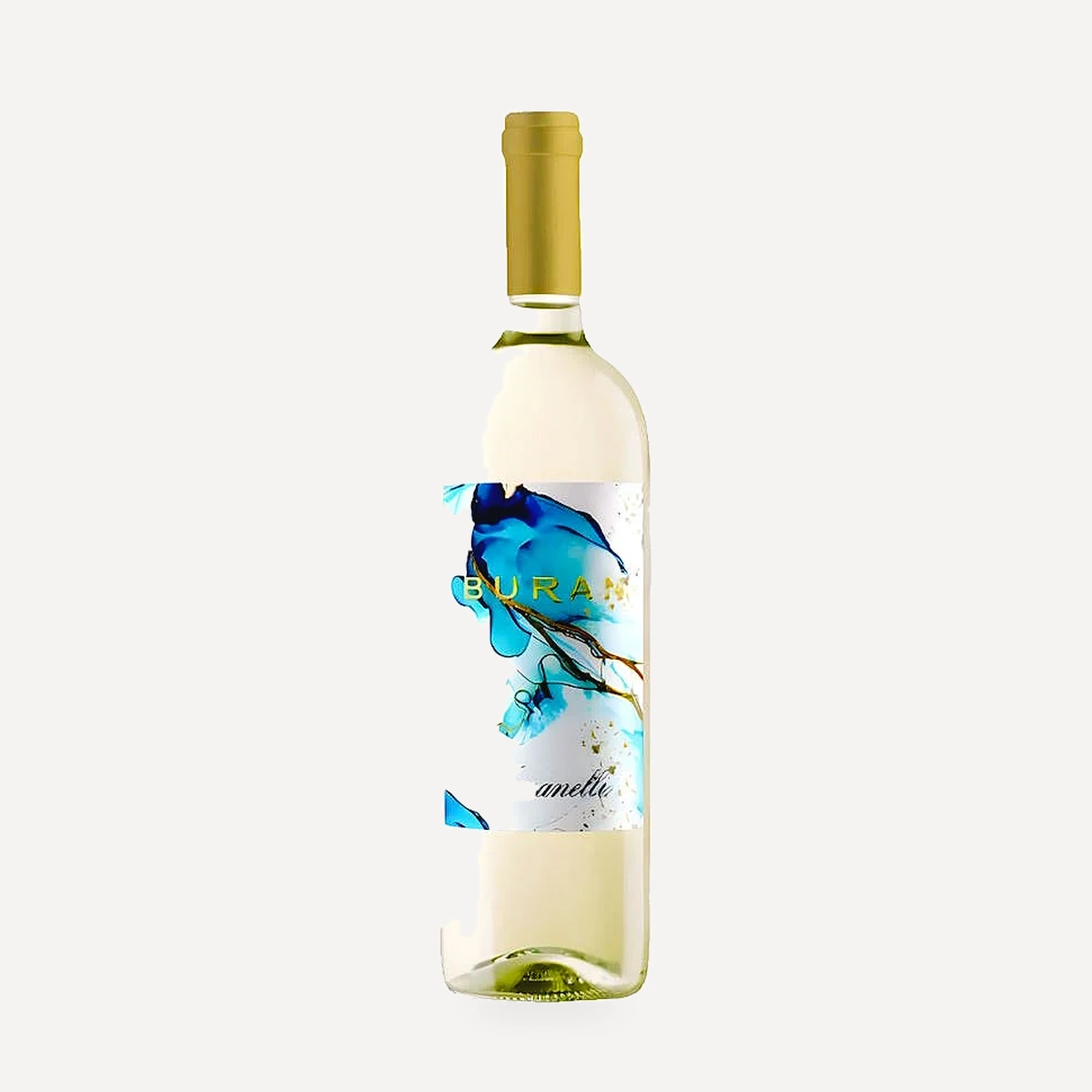
Buran Bianco Veneto IGT