Questo vino
Composition and production
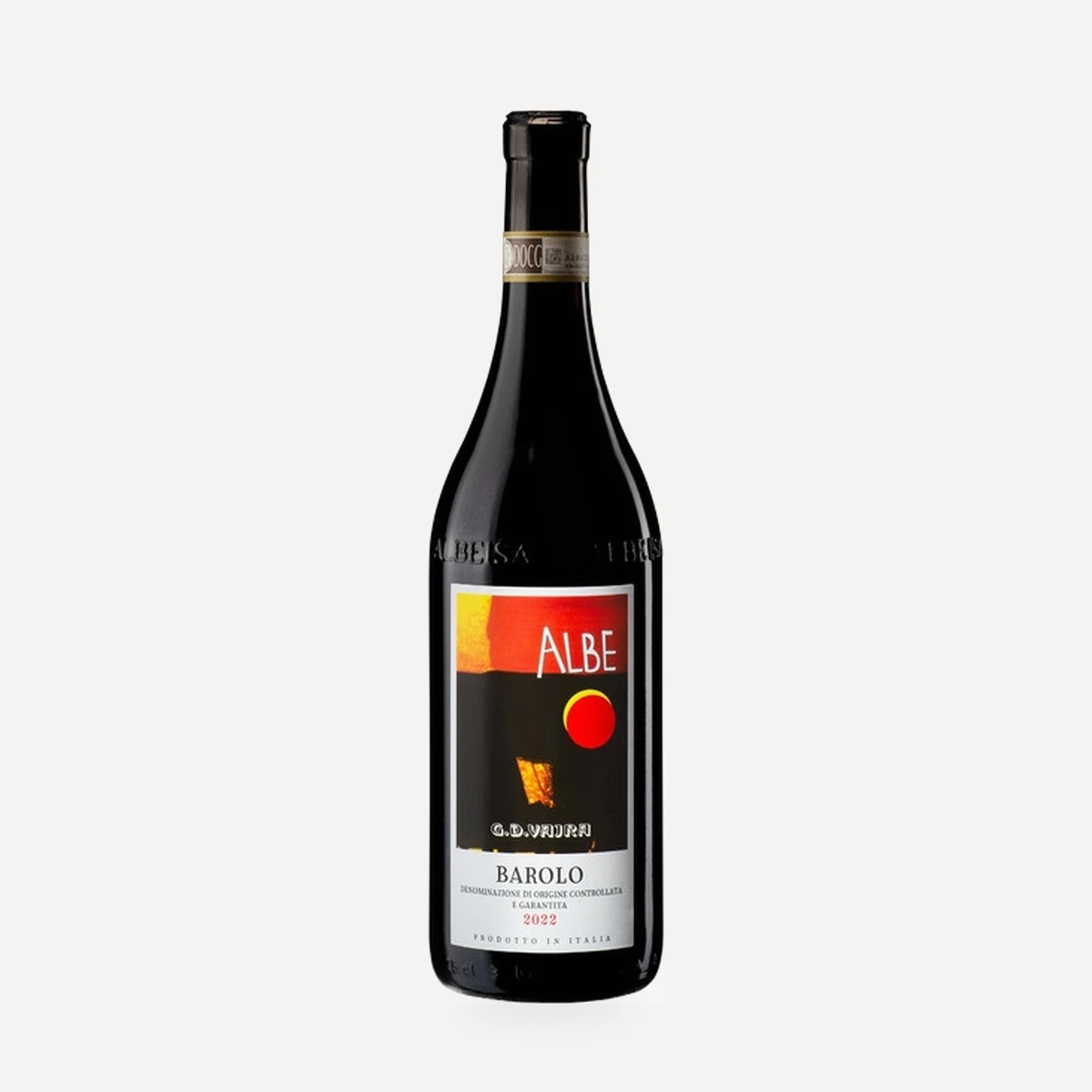
The base is 85% Barolo DOCG Albe from the current vintage, complemented by 15% hydro-alcoholic extracts of aromatic and medicinal herbs. Chinatura begins only after the base wine has completed the Barolo DOCG production process and obtained the designation.
Approximately thirty herbs, plant roots and peels are infused into the wine. Cinchona Calisaya—known in Italian as china and the origin of the name Chinato—is central to the recipe. The selected botanicals draw on the flora of the Alps surrounding Piedmont and include mountain herbs chosen for traditionally digestive, decongestant and relaxing properties. Peels from organically cultivated Sicilian oranges, spices and brown sugar complete the preparation. The full recipe remains secret.
Barolo Chinato is a flavoured wine rather than a fortified wine. Its increased alcoholic strength and sweetness come from the alcohol-based herbal and spice infusions and from sugar added to the Barolo.
Technical data
Non-vintage. Alcohol: 18%.
Tasting profile
Intense ruby red. The aromatic profile retains the characteristic freshness of Barolo, with roses and ripe cherries interwoven with fresh mountain herbs and orange zest. The palate is bittersweet and persistent.
Serving and pairing
It can be served as an aperitif or as an after-dinner digestif. Dark chocolate is the suggested pairing.
Label / history
The production of Chinato evokes the atmosphere of late-eighteenth-century apothecaries, with stills and the mingled aromas of wine, herbs and spices. Flavouring wine has precedents in ancient Egypt, Persia and Rome. Vermouth, created in Turin in the late eighteenth century, drew on this tradition, while Barolo Chinato was subsequently inspired by Vermouth. Its originality lay in combining spices with Barolo; Dr Cappellano of Serralunga and Dr Zabaldano of Monforte are identified as its creators.
The name Barolo Chinato reflects both components of its identity: the wine is produced under the Barolo DOCG rules before chinatura begins, while Chinato refers to the Cinchona Calisaya used in the botanical infusion.