Storia
Beginnings in the 1970s
G. Milazzo’s wine history began in the 1970s with approximately 20 hectares of vineyards in the hills northeast of Campobello di Licata, in the province of Agrigento. The enterprise developed as a family business and is owned by Giuseppina Milazzo, her husband Saverio Lo Leggio and their son Giuseppe Lo Leggio. All three grew up within the estate and later assumed its management.
The Metodo Classico project
At the end of the 1970s, the family embarked on an unconventional project for southern Sicily: producing traditional-method sparkling wines at Campobello di Licata. Chardonnay and Inzolia became the principal varieties behind this work, complemented by Nero d’Avola in rosé sparkling wines. The project established Metodo Classico as one of the principal strands of the estate’s production, with some bottles subsequently maturing in underground niches for as long as seven years.
Organic conversion and experimental viticulture
The transition toward fully certified organic farming began in the mid-1980s. Alongside the conversion, the family developed experimental vineyards to study clones, biotypes, international cultivars, training systems and rare Sicilian varieties. Inzolia Nera—locally known as Inzolia Rossa or Rosa—was introduced into the experimental fields more than 30 years before its official registration in Italy’s National Register of Grape Varieties in 2018.
From the end of the 1980s, successive harvests contributed to a continuing selection program for estate-grown Nero d’Avola, with emphasis on softness, elegance, varietal expression and ageing capacity. By the beginning of the 1990s, the estate was also working with the complementary combination of Inzolia and Chardonnay, while later trials included Viognier and Sauvignon Blanc.
Expansion into Fondirò
Planting in the Fondirò district proceeded from the end of the 1990s. Its varied limestone, clay, loam and dark mineral soils led to systematic parcel study and the selection of varieties and clones for specific sites. Three experimental fields were established there, with a fourth planned. Fondirò became both a major repository of the estate’s plant material and the testing ground for agricultural responses to climate change.
Water management and estate-wide certification
In 2011, G. Milazzo began operating an underground irrigation system across Fondirò’s 40 hectares. Channels at depths of approximately 50–70 cm deliver water directly to the root zone, supplied by two artificial rainwater-collection lakes. A similar system at Arena Nuova is supplied by an artesian well.
Certification of all estate-owned land—vineyards and non-vineyard holdings—was completed in 2012 after the conversion begun in the mid-1980s. In 2013 the estate obtained ISO/TS 14067:2013 certification for quantifying and communicating the carbon footprint associated with vineyard work, vinification, bottling, labelling, packaging and logistics. This work led to the Terre della Baronia GREEN LAB project, conceived as a pathway toward a fully sustainable estate.
Soil mapping, biodiversity and the present estate
Since 2014, selected areas have been sampled and analysed at regular intervals to map relationships among soil morphology and chemistry, microclimate, aspect, planted varieties, vine age, training method and wine quality. BIOPASS certification and monitoring extend this work to soil biodiversity and the wider vineyard ecosystem.
In 2018, Inzolia Nera was officially entered in the National Register of Grape Varieties, formalising the identity of a rare cultivar that the estate had maintained and studied in its experimental vineyards for decades.
The estate now encompasses 149 hectares, including 97 hectares of vineyards. These vineyards occupy hilly terrain around 400 metres above sea level, within a radius of slightly more than 5 km around the cellar. The land has been divided and studied as 50 crus across six districts. The cellar remains at the centre of Milici, the oldest district, while later acquisitions and plantings in Fondirò, Arena Nuova, Montalbo and Ninotta have expanded the range of soils, microclimates and vine material under family management.
Terroir
Terre della Baronia
Terre della Baronia takes its name from the historic Barony of Ravanusa, which encompassed the present municipalities of Campobello di Licata and Ravanusa. G. Milazzo’s holdings occupy part of this territory in the hills northeast of Campobello di Licata.
The estate covers 149 hectares, including 97 hectares under vine. Its vineyards lie at approximately 400 metres above sea level, about 20 km from the sea, and within a radius of slightly more than 5 km around the cellar. The Mediterranean setting brings dry summers and mild winters. A constant light breeze ventilates the vines and contributes to pronounced day–night temperature differences on the hills.
A mosaic of soils and microclimates
The vineyards extend across six districts over terrain of marine, alluvial and volcanic origin. Soil textures change markedly within short distances: dark clays rich in organic matter coexist with white limestone and calcareous marl, clay-limestone mixed with gravel, grey silty loam and dark mineral soils. The clay soils provide relatively even fertility, while the limestone sectors are associated with more complex aromatic expression.
This variability has led to the classification of 50 crus. Parcel selection is intended to match each grape variety and biotype with a particular combination of soil, aspect and microclimate. The districts include high plateaus, gentle slopes, steep opposing hillsides, valley-floor sites, exposed limestone outcrops and semicircular vineyard surfaces descending toward lower ground.
Vinificazione
Organic farming and soil care
The conversion to certified organic farming began in the mid-1980s and ultimately encompassed all 149 hectares, including both vineyards and non-vineyard land. Fertility is maintained with certified organic animal inputs such as cattle manure and with autumn-sown green-manure species. After winter growth, the cover crop is incorporated into the ground to add organic matter and support root health.
Mechanisation is deliberately limited. Tractors are used for cultivation between rows, while weeds are removed with hoes. The estate describes its viticulture as artisanal: hoeing, pruning and harvesting depend heavily on manual work.
Pruning, crop balance and planting density
Winter and spring pruning is completed exclusively by hand. Shoots are selected to establish the intended number of bunches per vine. Green pruning then balances leaf area with fruit, and bunches are thinned at the beginning of veraison to reduce the crop load.
Planting density varies with the oenological objective and training system. Lower-density tendone plantings supply grapes for Metodo Classico wines. Denser alberello, Guyot and single-cordon vineyards can exceed 6,000 vines per hectare. Training-system trials seek to reconcile wine quality and typicity with Mediterranean conditions and the sharp temperature variations experienced on the hills.
Research and plant material
Four plots have been assigned to experimentation. Work with researchers, universities and national and international institutes is directed toward selecting healthy clones from cultivars already present on the estate and identifying plant material capable of improving wine quality. International varieties are studied within the local ampelographic setting, while other projects seek to recover and reintroduce rare, old Sicilian cultivars and biotypes. Parcel choice is based on each district’s microclimate, soil and the behaviour of individual clones and biotypes.
Natural pest control and biodiversity
Pheromone dispensers are attached vine by vine each March to control European grapevine moth (Lobesia botrana) through mating disruption. The synthetic female pheromone prevents males from locating females, greatly reducing attacks without conventional insecticides. Wild orchids emerge spontaneously around the Fondirò vineyards in spring.
BIOPASS—Biodiversity, Landscape, Environment, Soil and Society—provides a framework for assessing soil biodiversity and the effect of estate practices on organisms in the vineyard ecosystem and surrounding land. Since 2014, sample areas have been analysed regularly to relate soil morphology and chemistry to microclimate, aspect, variety, vine age, training system and wine quality. Approximately 7 hectares around the cellar have also been allocated to a developing woodland planted with species typical of the Sicilian hills.
Water and harvest
Irrigation and cellar water come from estate artesian wells and two artificial lakes in Fondirò. Underground pipes, placed approximately 50–70 cm deep, take water to the root zone and avoid evaporative loss. Sensors monitor the requirements of individual sub-areas and regulate the amount supplied.
All 97 hectares are harvested exclusively by hand with scissors. Bunches are placed in approximately 14 kg crates, which are washed after every use. The crates are transferred immediately to the cellar and held in temperature-controlled cold rooms to protect the grapes’ aromatic qualities before processing.
Parcel-by-parcel vinification
Each vineyard is managed and vinified separately to preserve the identity of its cru. Varieties mature independently and are selected for blending only after this separate development. The final composition can therefore follow a long progression of maturation, selection and assembly.
Cellar and pressing
Most of the cellar is underground. Its construction and materials were chosen to reduce environmental impact, energy consumption and emissions associated with climate control while maintaining hygienic production conditions. Grapes arriving from the vineyards can be placed in temperature-controlled cold rooms. Pressing is performed with pneumatic presses operating at very low pressure to limit damage to the grapes.
Stainless steel and lees work
The cellar contains approximately 154 insulated tanks of different capacities. Each is temperature controlled, and sensors register even small temperature variations. Maturation in stainless steel takes place entirely on the lees. Periodic bâtonnage returns the lees to suspension to encourage the transfer of yeast-derived aromatic components to the wine.
Wooden maturation
An underground barrel room contains approximately 400 barriques and ten large-format casks. These are used for white and red wines and for selected Metodo Classico base wines. The vessels are filled and inspected periodically. All are made from oak and sourced from specialised tonnelleries.
Metodo Classico ageing
Underground tunnels contain niches dedicated to bottles undergoing Metodo Classico maturation. Bottles can remain there for up to seven years.
Filosofia
G. Milazzo defines its approach as artisanal viticulture rooted in knowledge of the soil and vine, with manual work extending from hoeing and pruning to harvest. The family’s stated objective is to preserve and enhance in the cellar what was achieved in the vineyard.
Simplicity, patience and sustained work underpin the production philosophy. Wood and stainless steel are used according to the needs of individual lots, while technology is treated as support for agronomy, winemaking, hygiene and environmental performance rather than as a substitute for manual care.
The estate aims to make elegant wines with substantial ageing capacity. Its concept of territorial identity gives soil, climate and people a determining role alongside grape variety. Matching clones and biotypes to individual parcels, vinifying vineyards separately and allowing long maturation are intended to retain the character of specific crus and vintages.
Environmental protection, human well-being and economically durable family enterprise form the broader sustainability framework. Innovation is directed toward organic farming, biodiversity, reduced energy and water use, climate-change adaptation and continuous improvement in vineyard and cellar work.
Vini
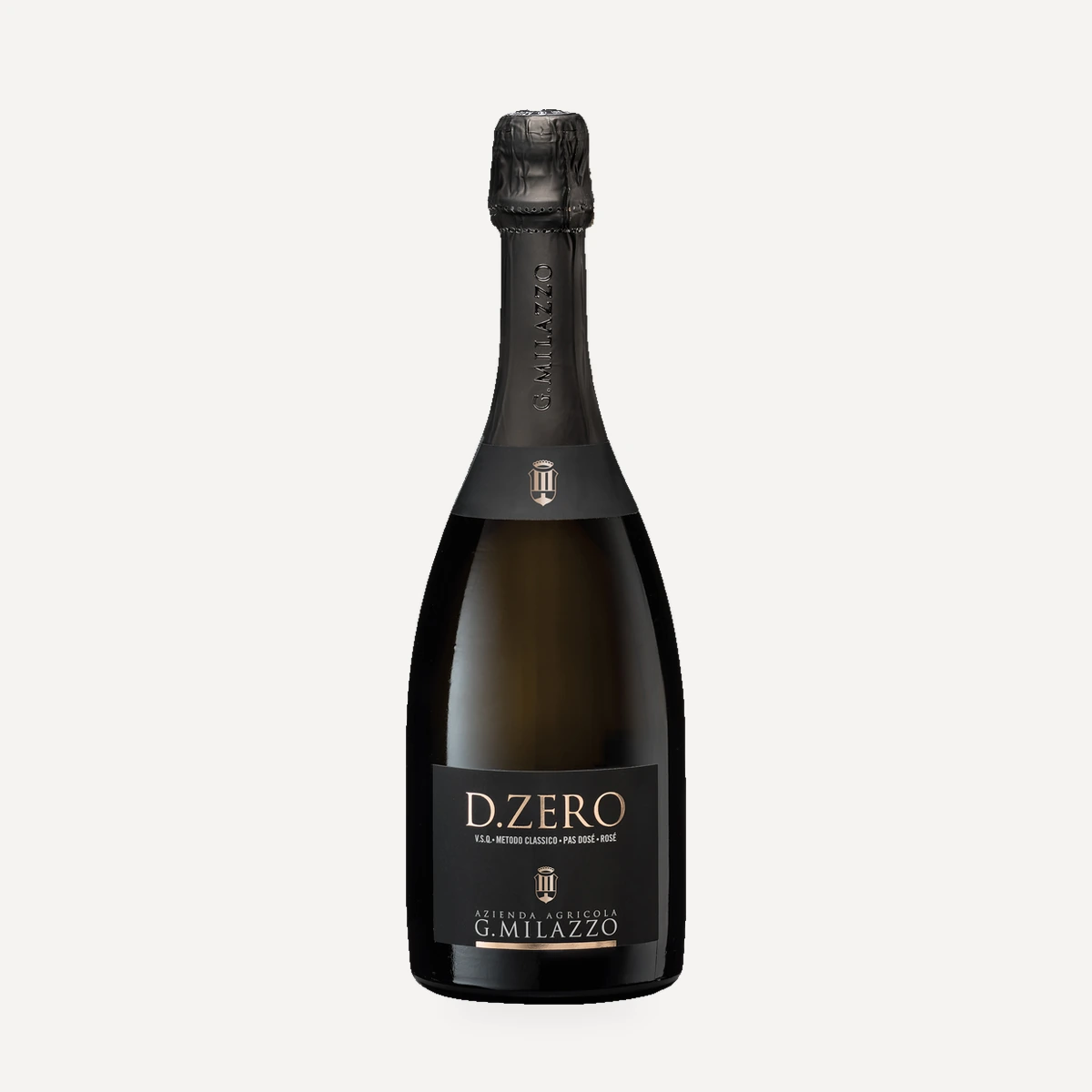
D.Zero - Rosé
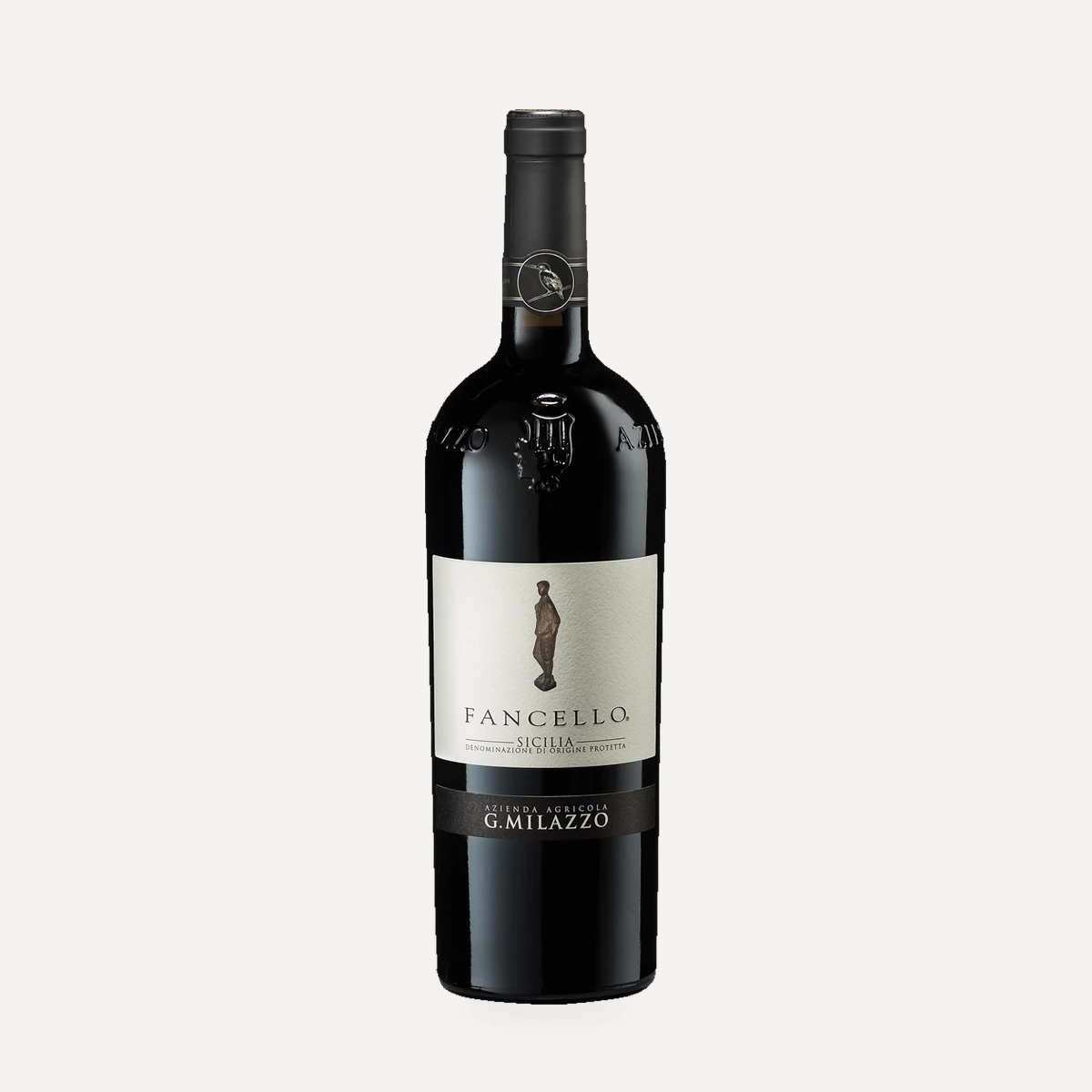
Fancello Rosso
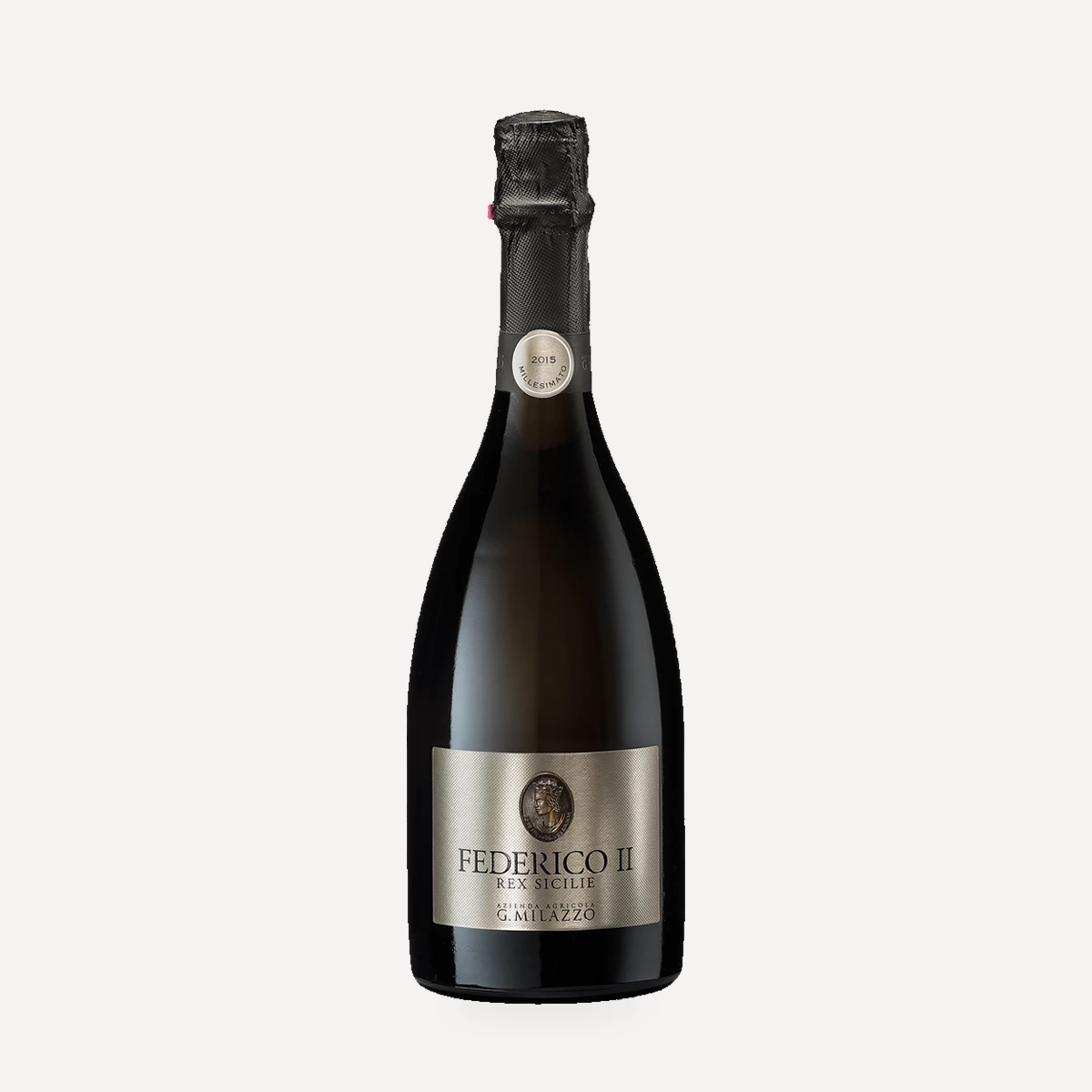
Federico II Millesimato - Brut
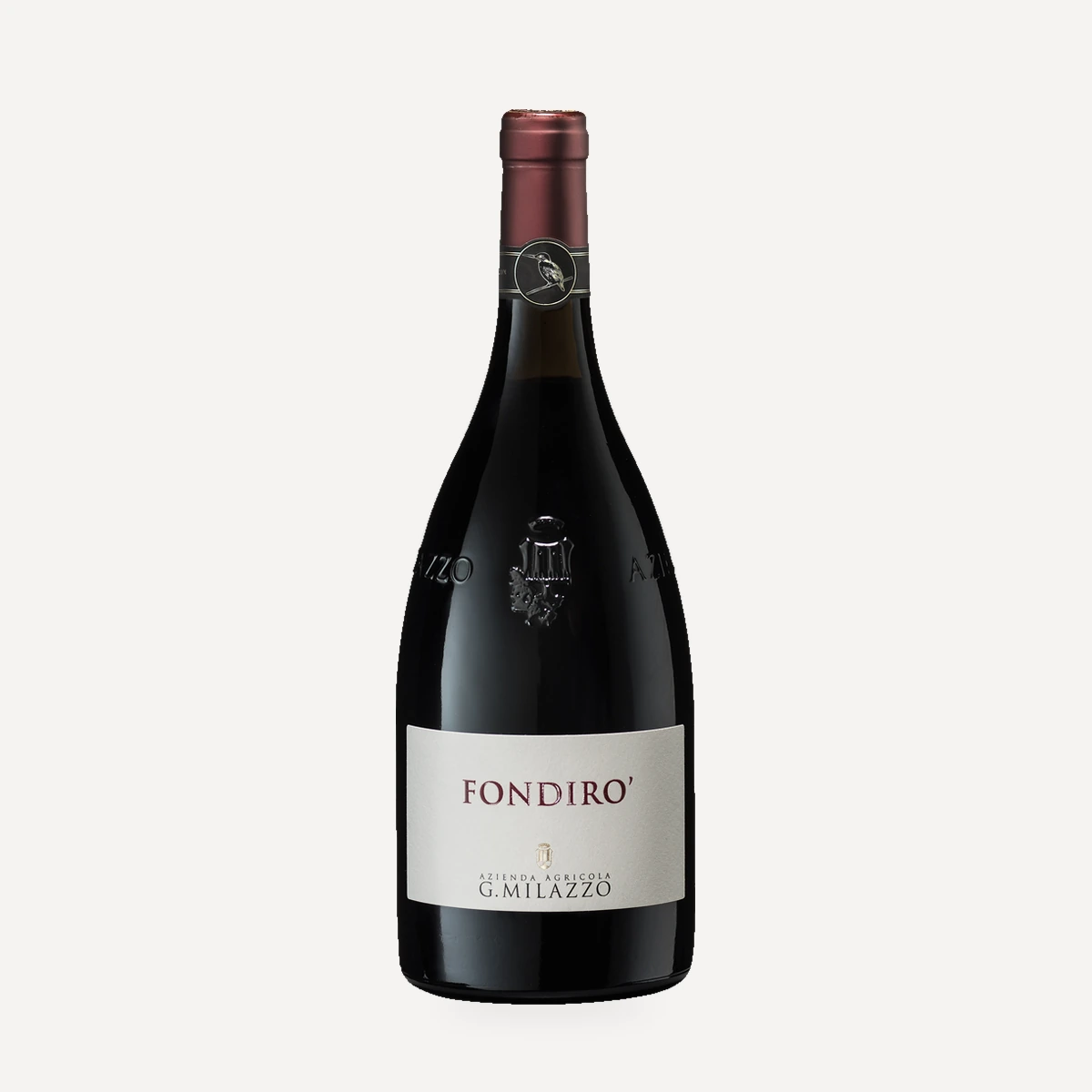
Fondirò Rosso
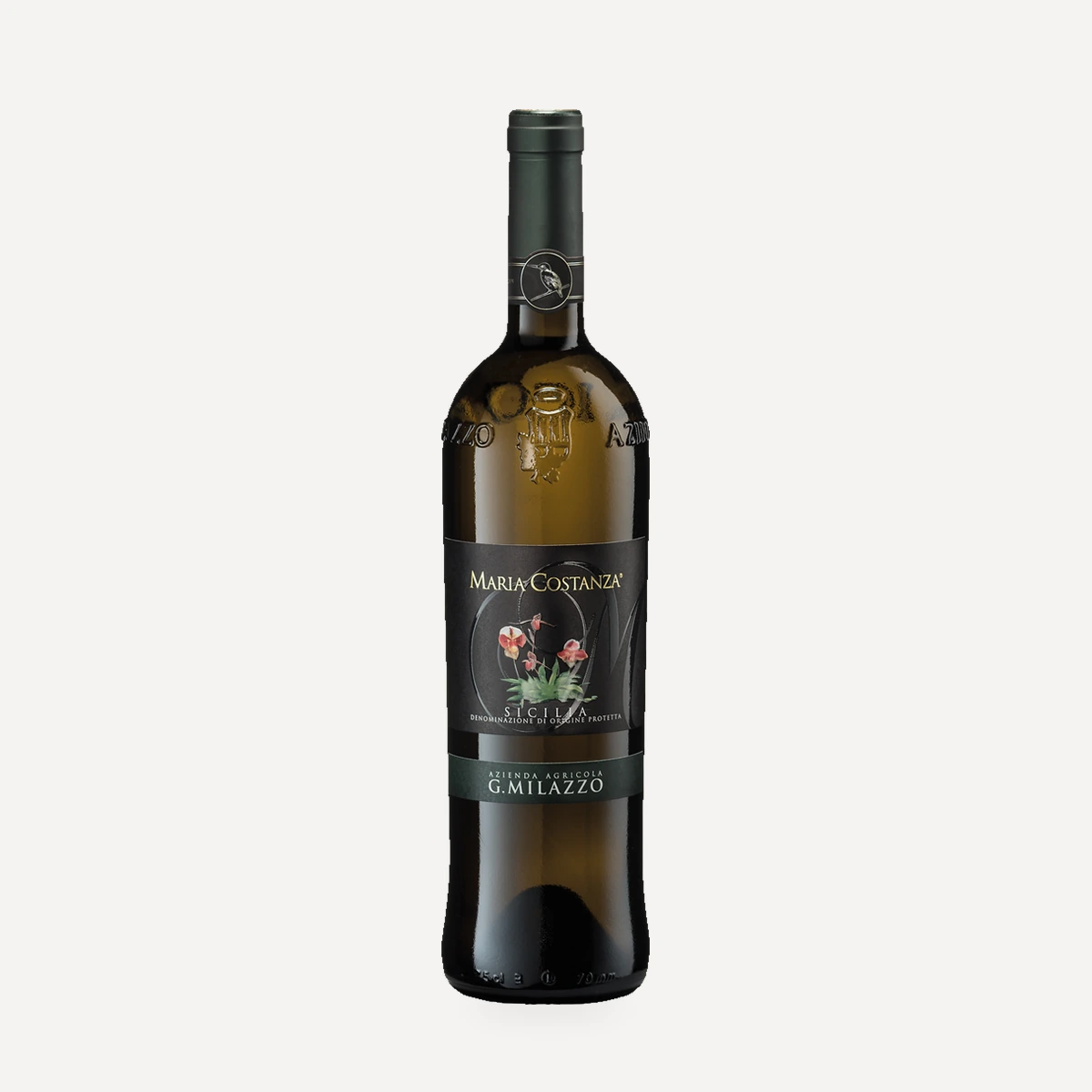
Maria Costanza Bianco
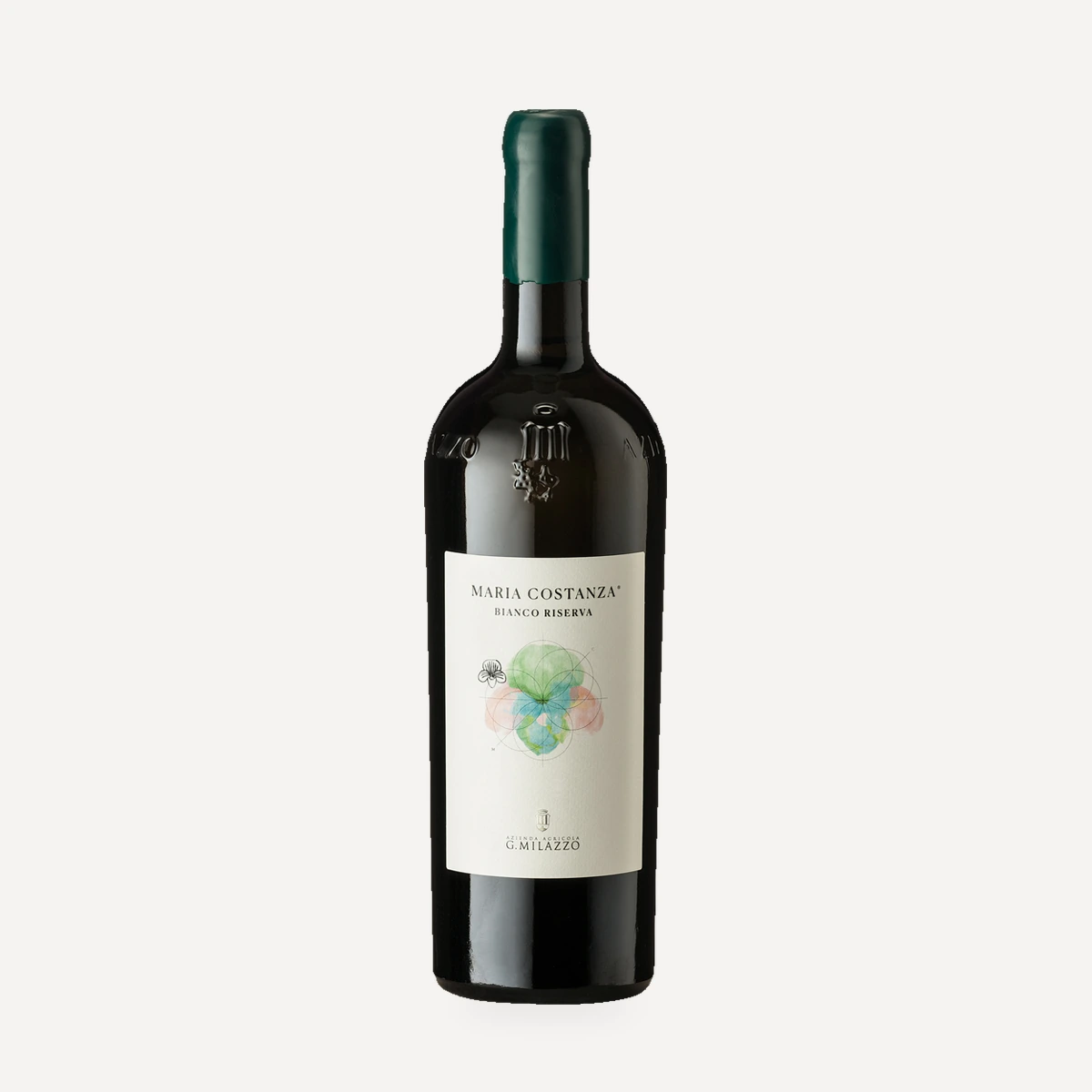
Maria Costanza Bianco Riserva
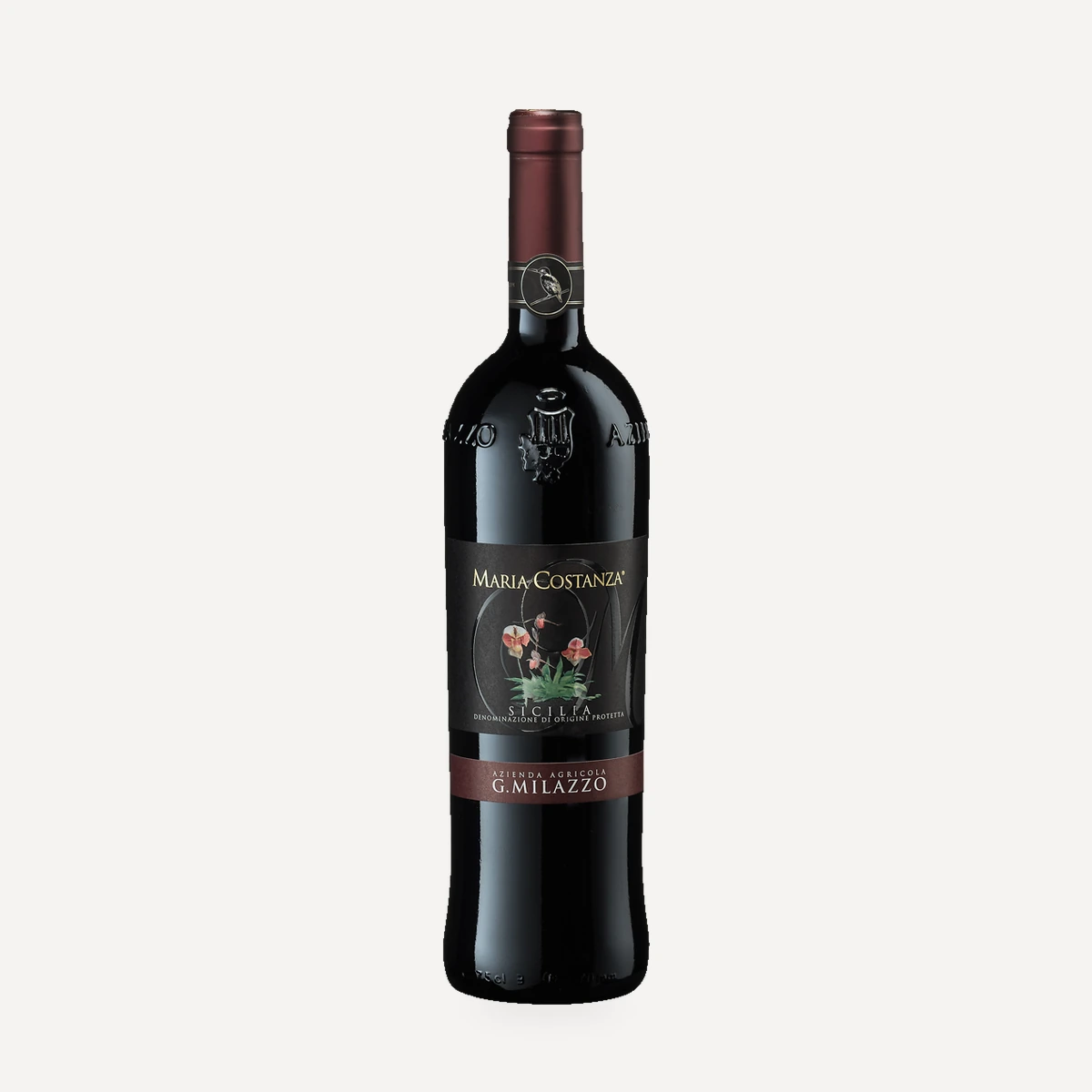
Maria Costanza Rosso
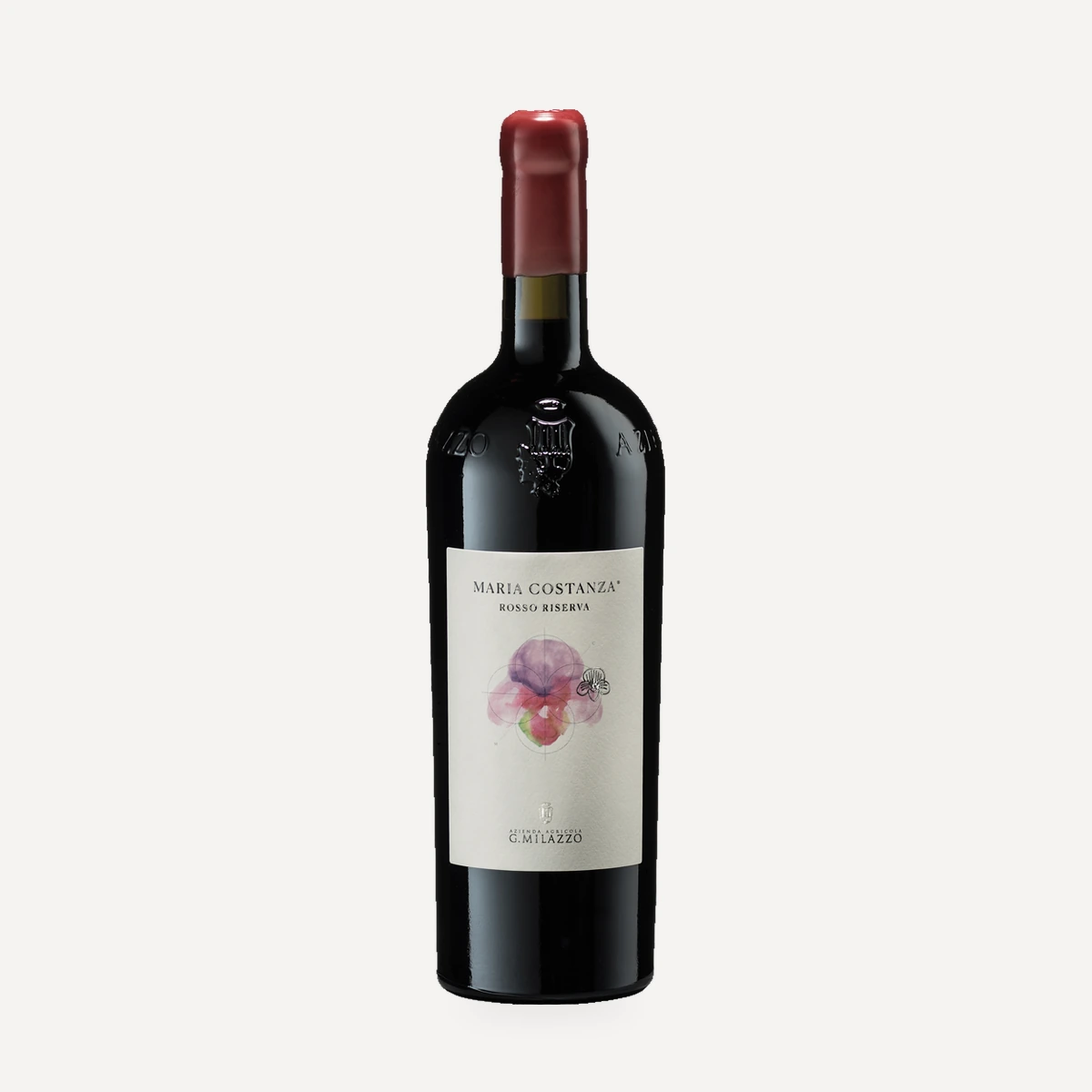
Maria Costanza Rosso Riserva
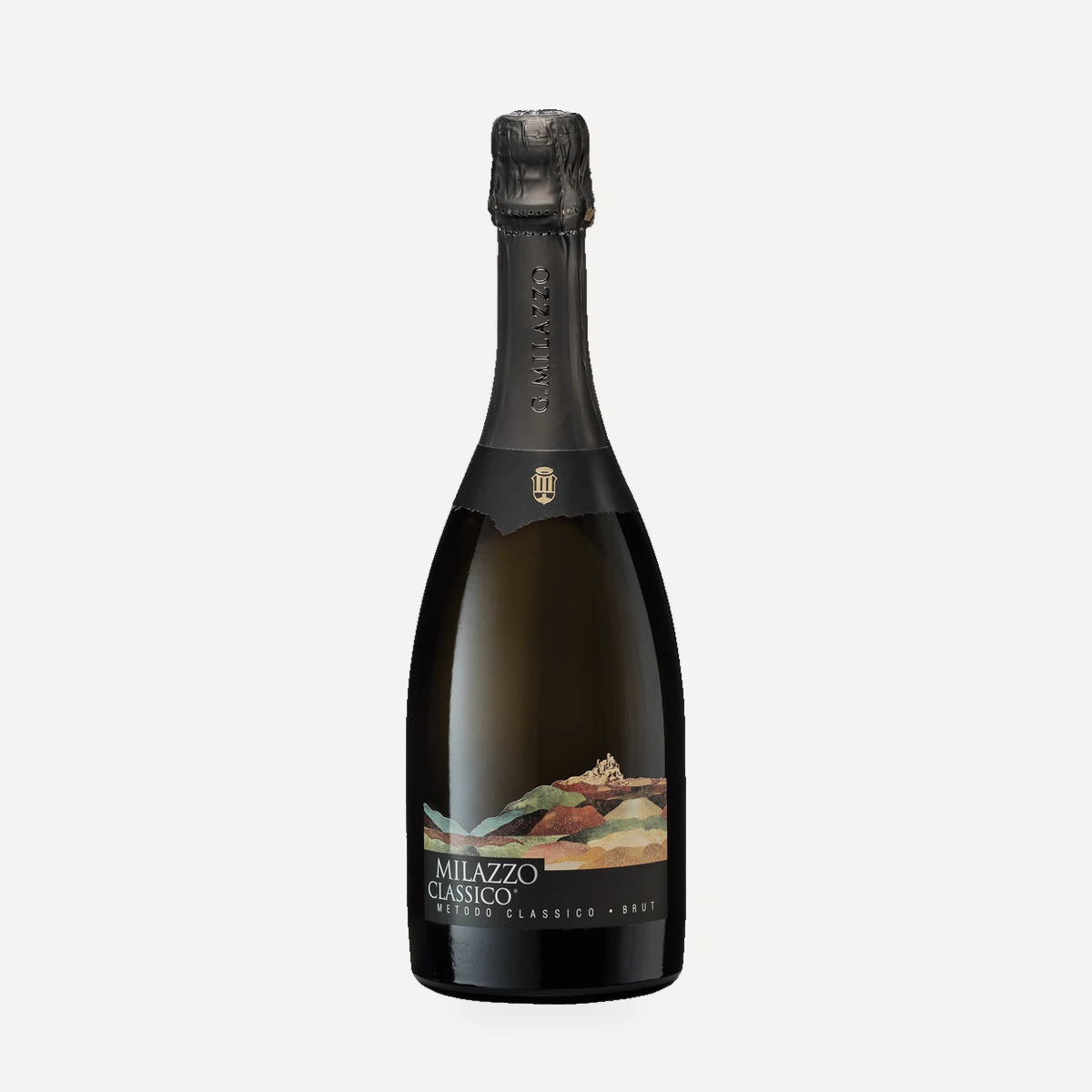
Milazzo Classico - Brut
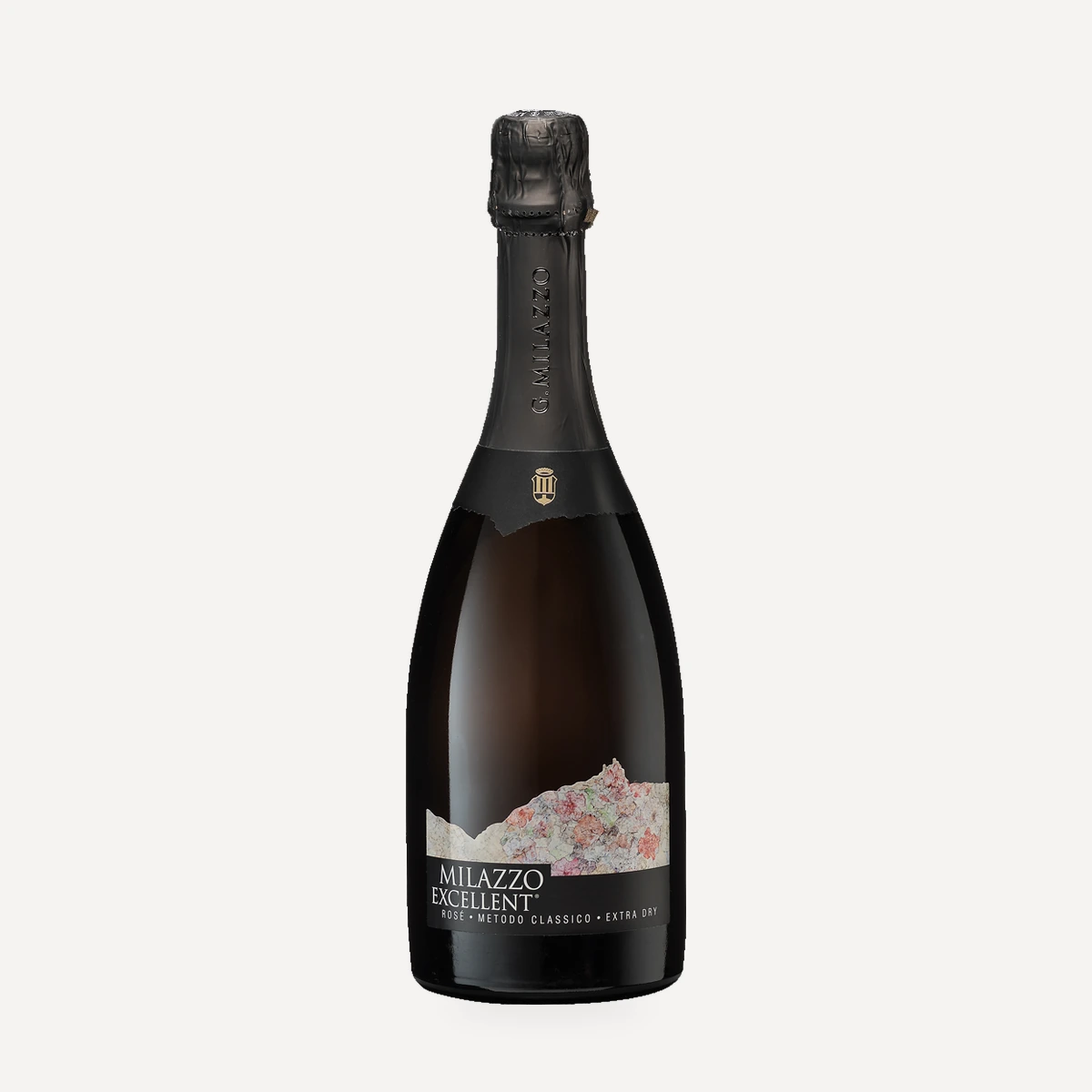
Milazzo Excellent Rosé Extra Dry
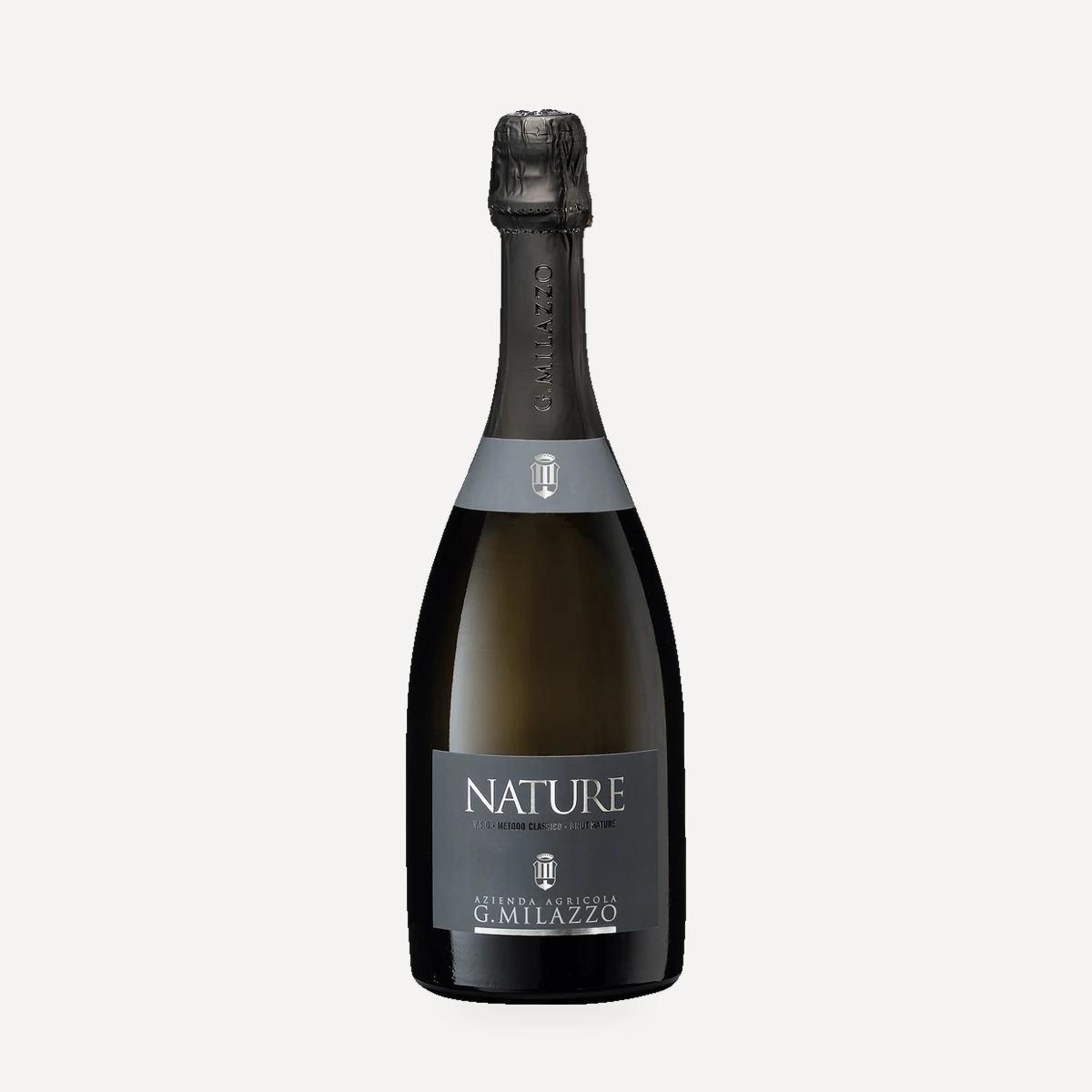
Nature - Pas Dosé
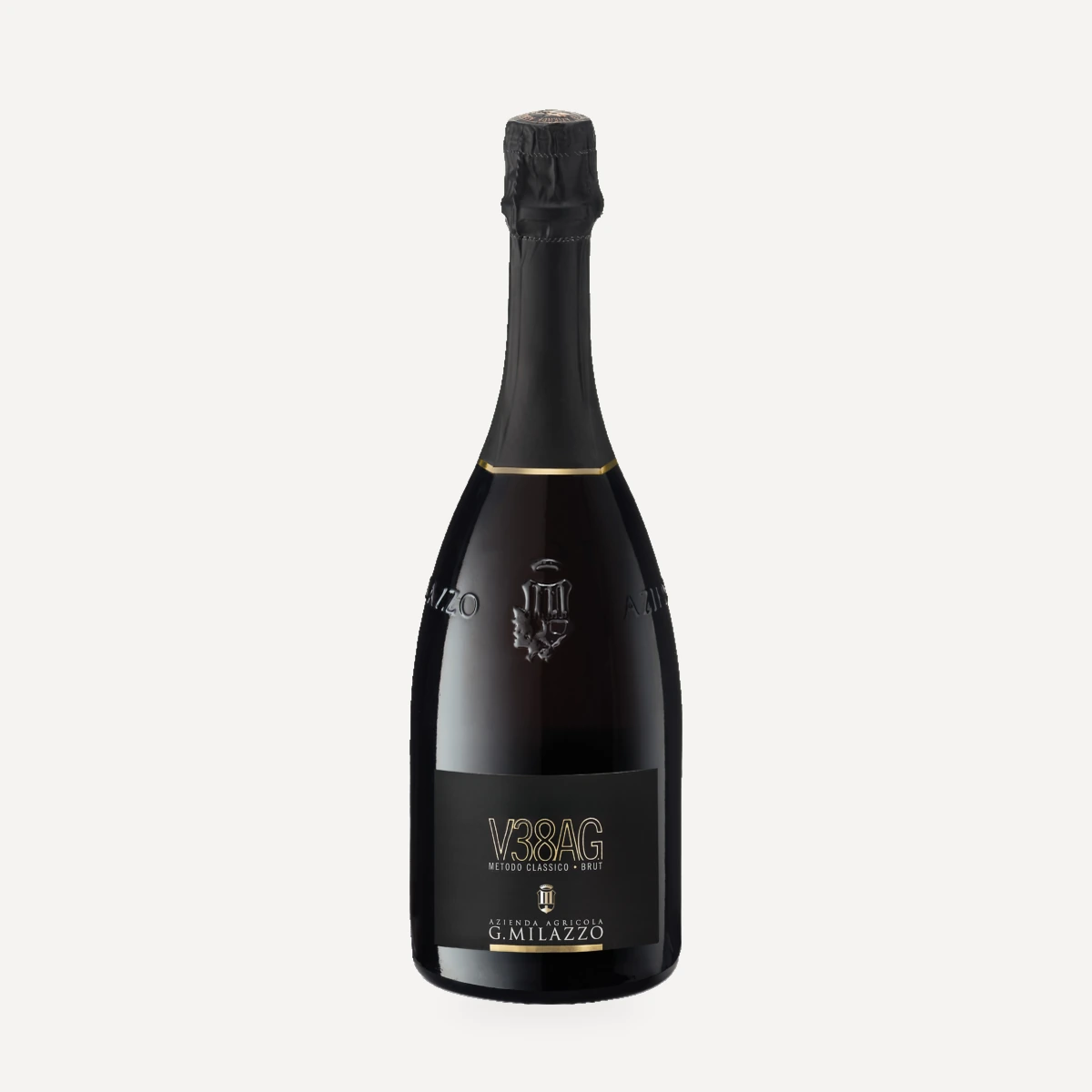
Riserva V38AG - Brut
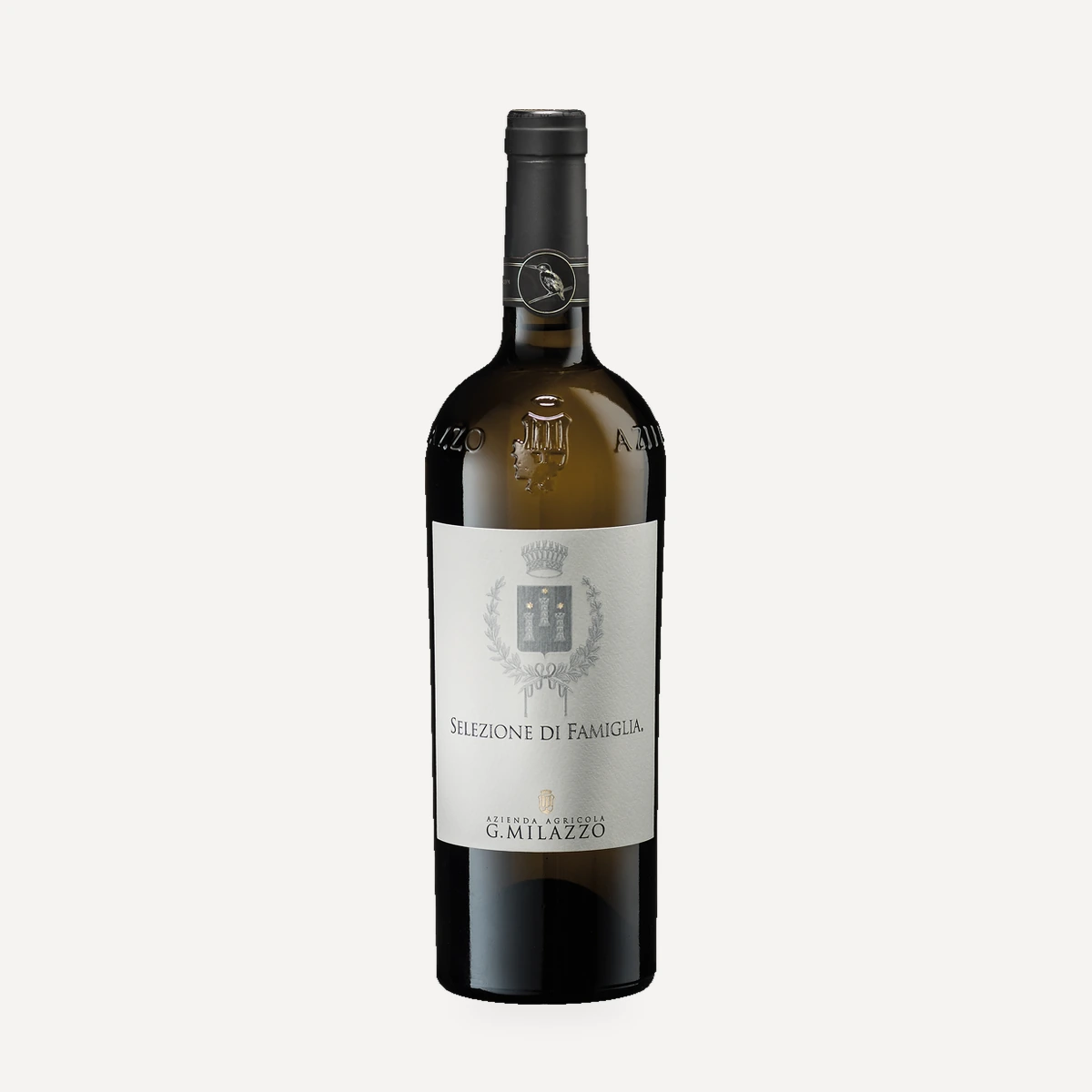
Selezione di Famiglia
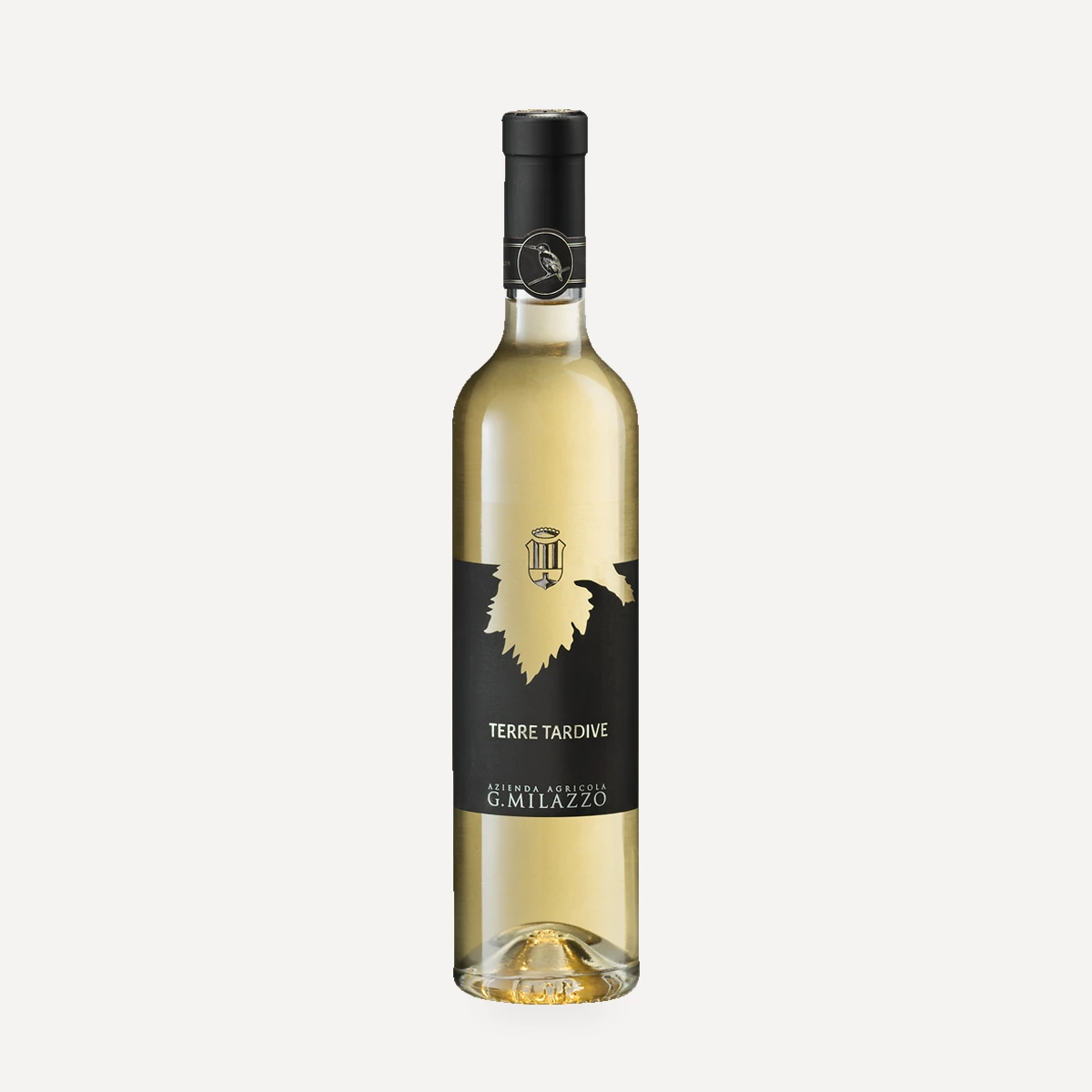
Terre Tardive - Vendemmia Tardiva
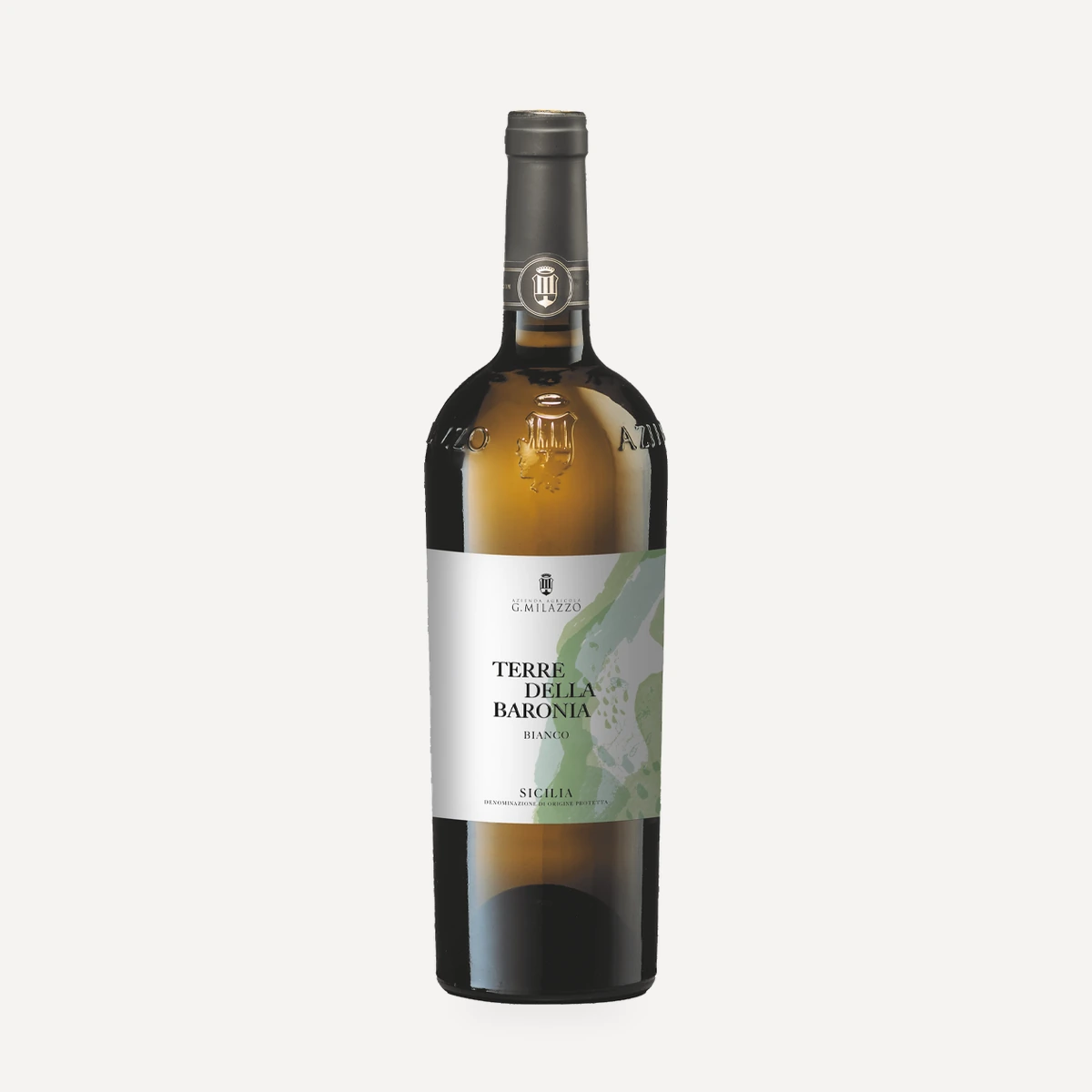
Terre della Baronia Bianco
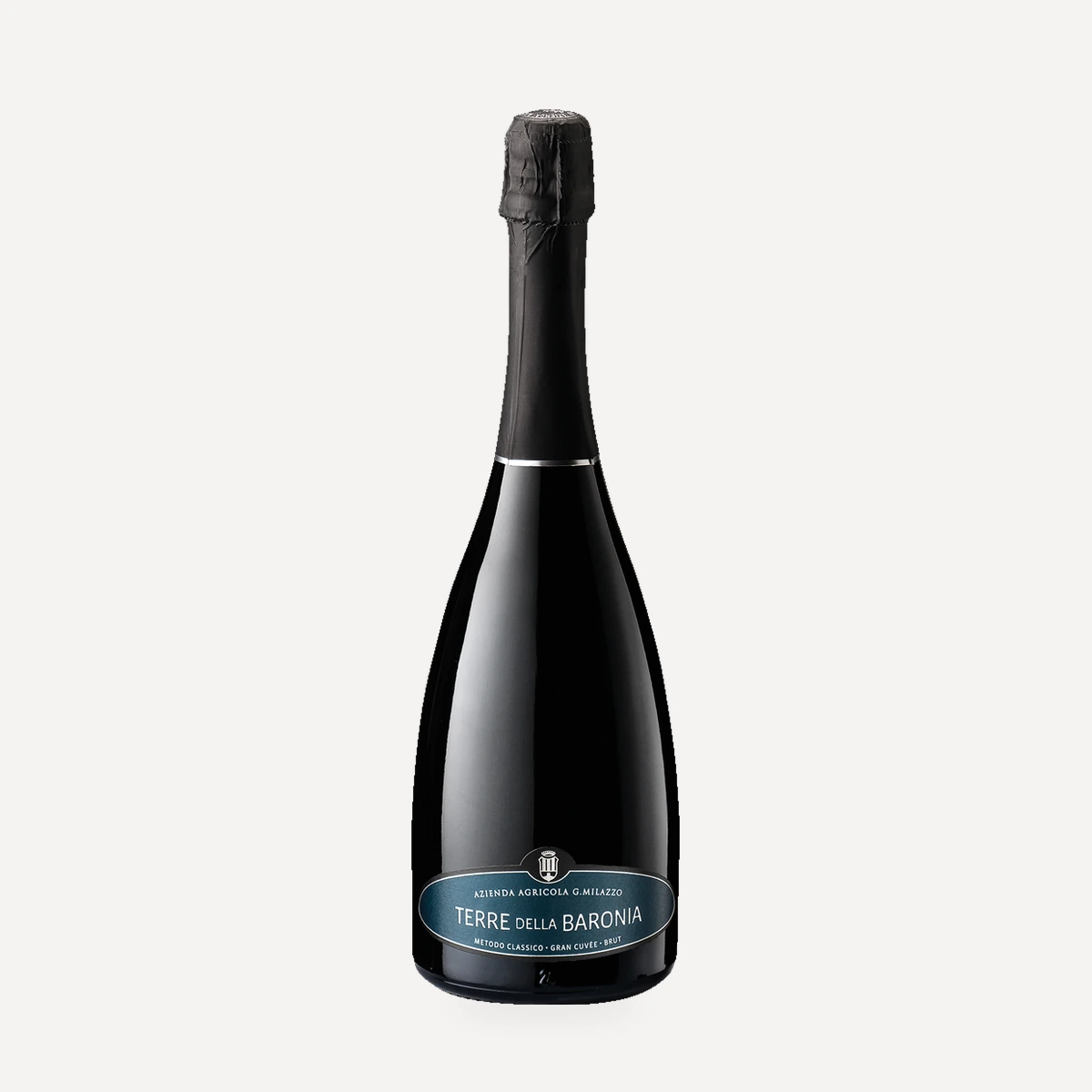
Terre della Baronia Gran Cuvée - Brut
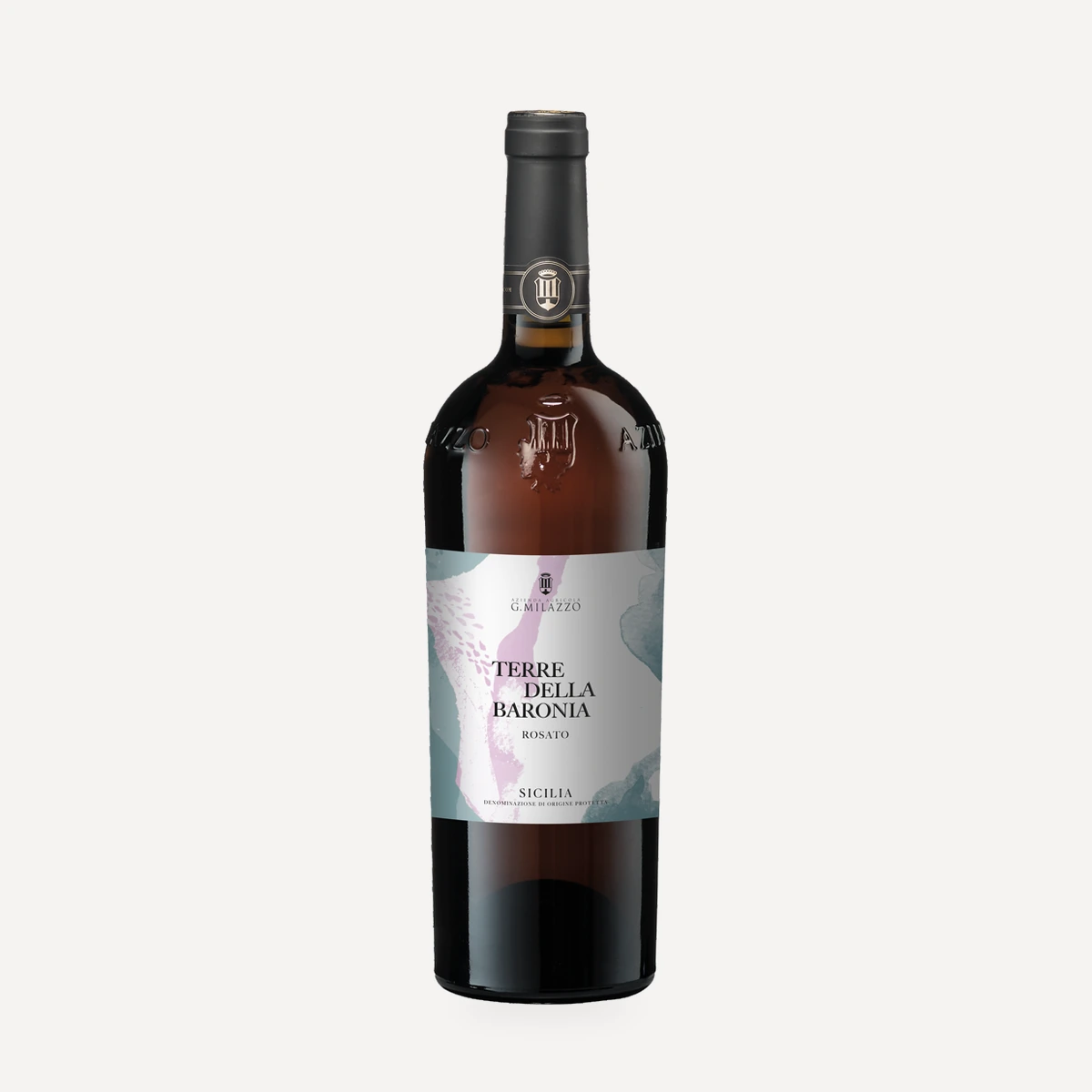
Terre della Baronia Rosato
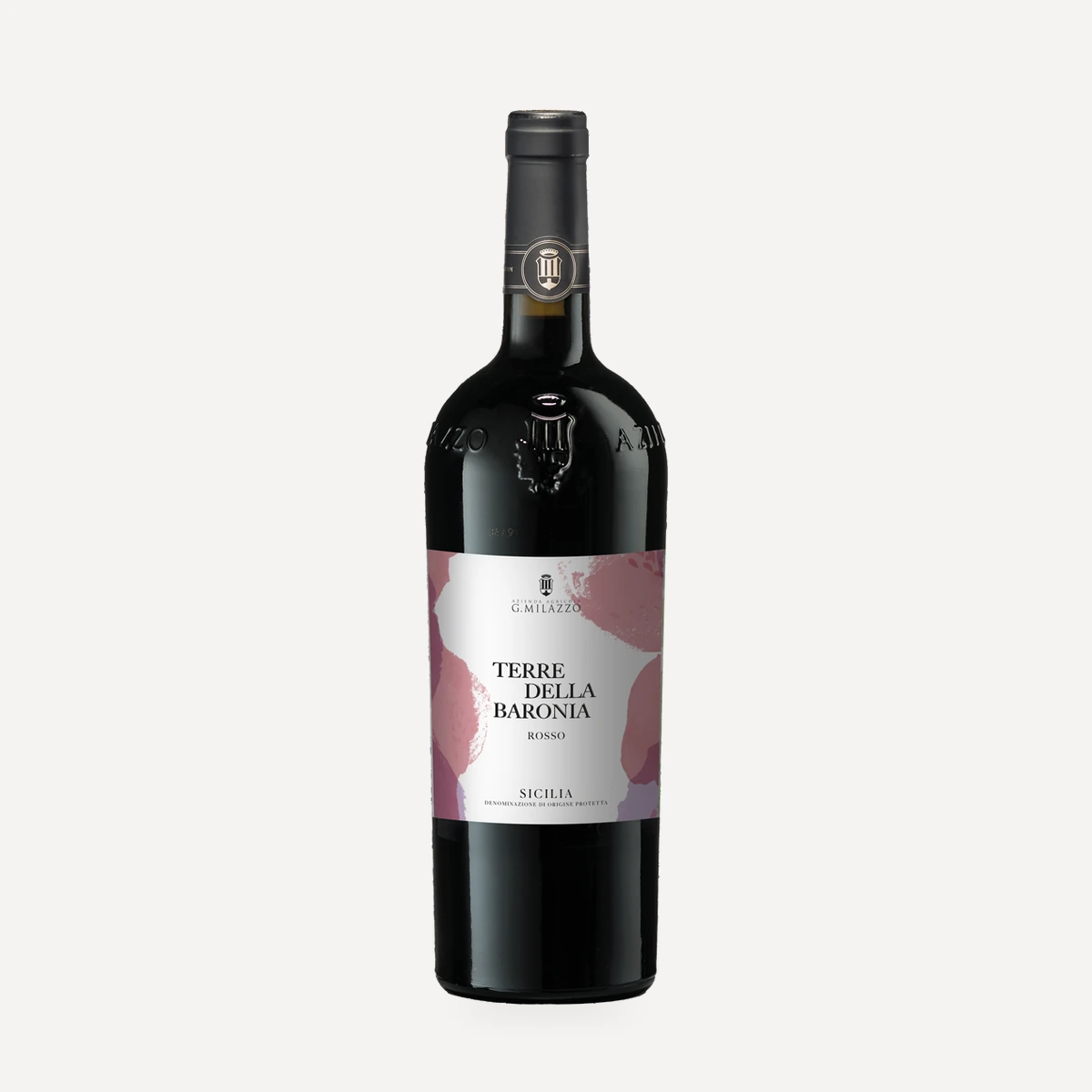
Terre della Baronia Rosso
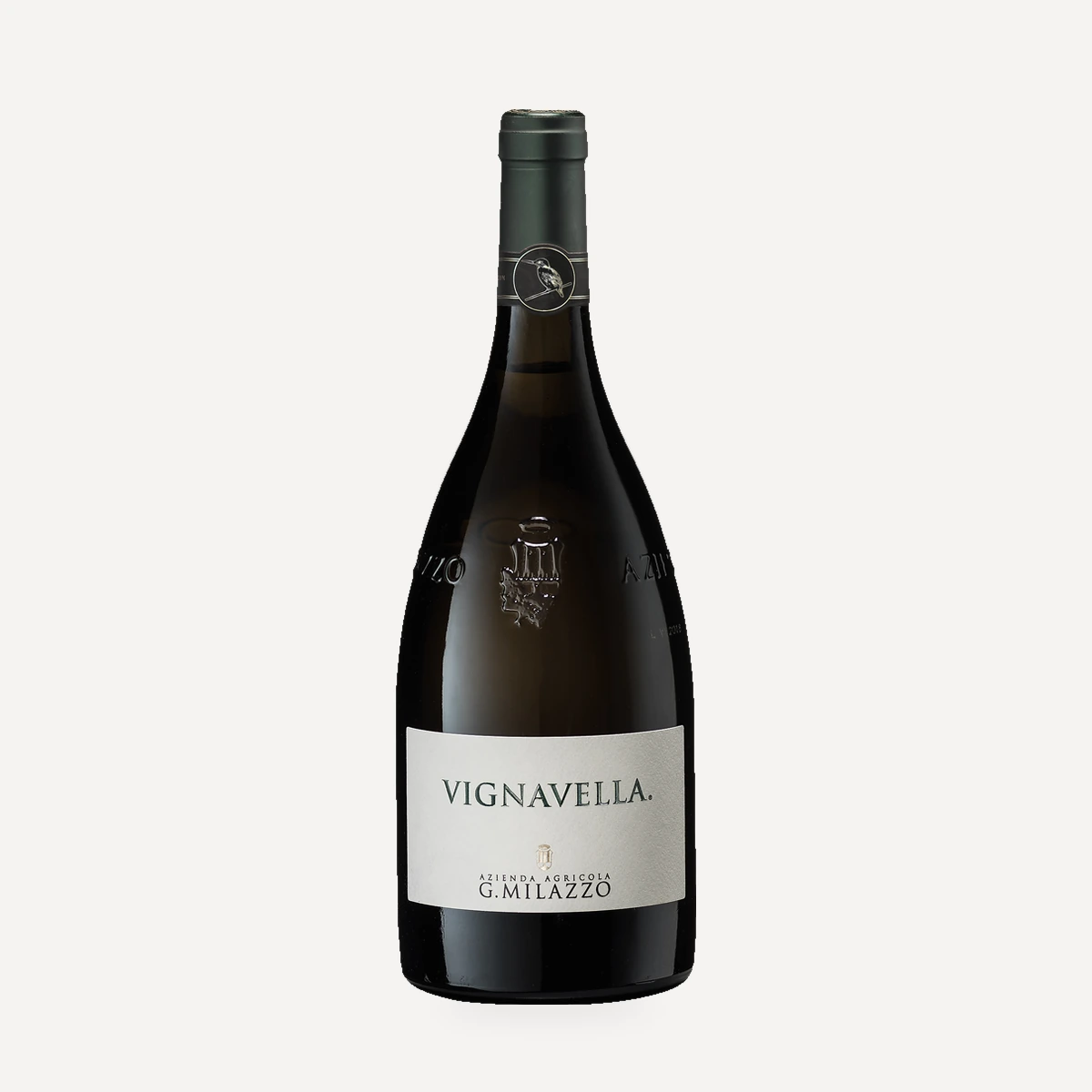
Vignavella Bianco
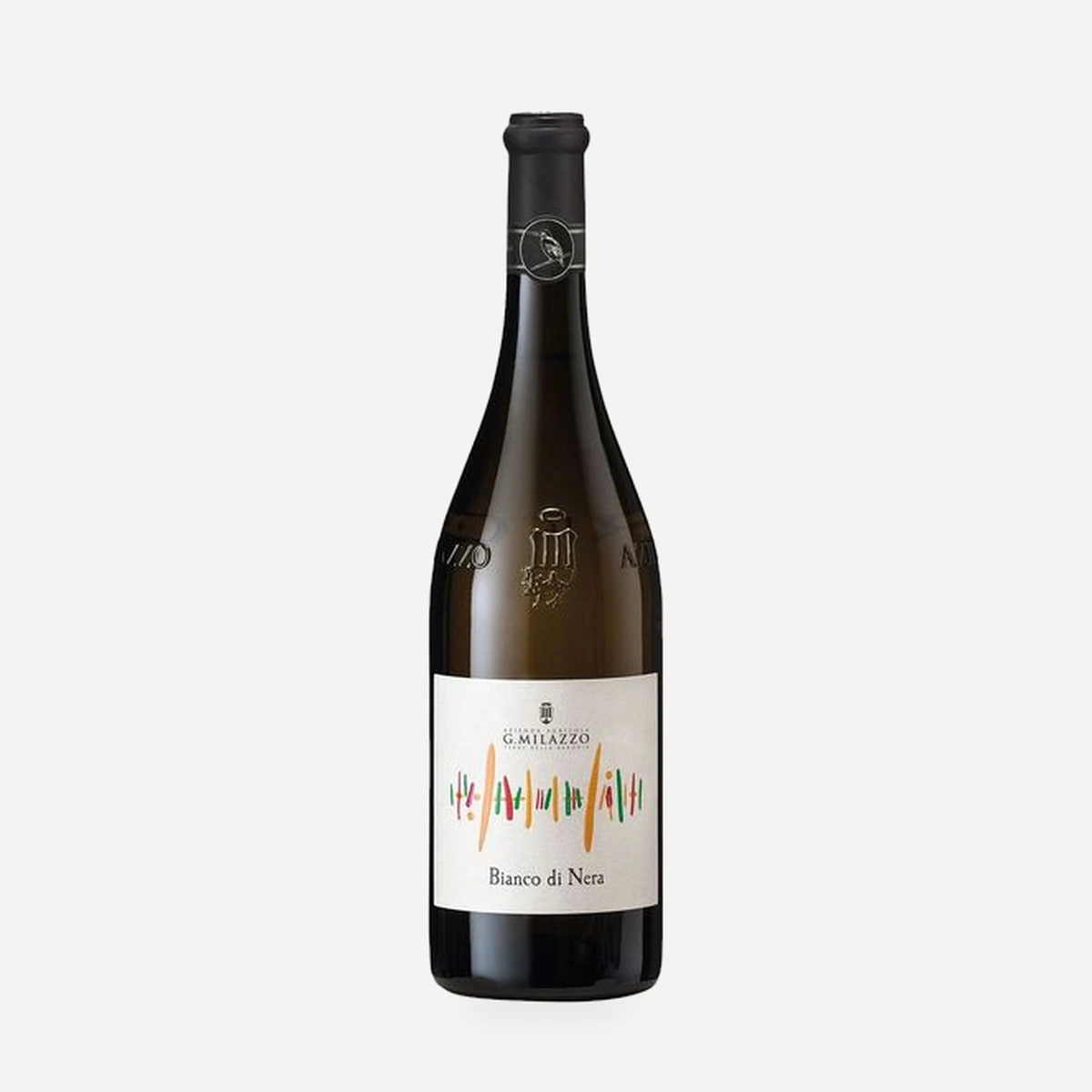
Bianco di Nera
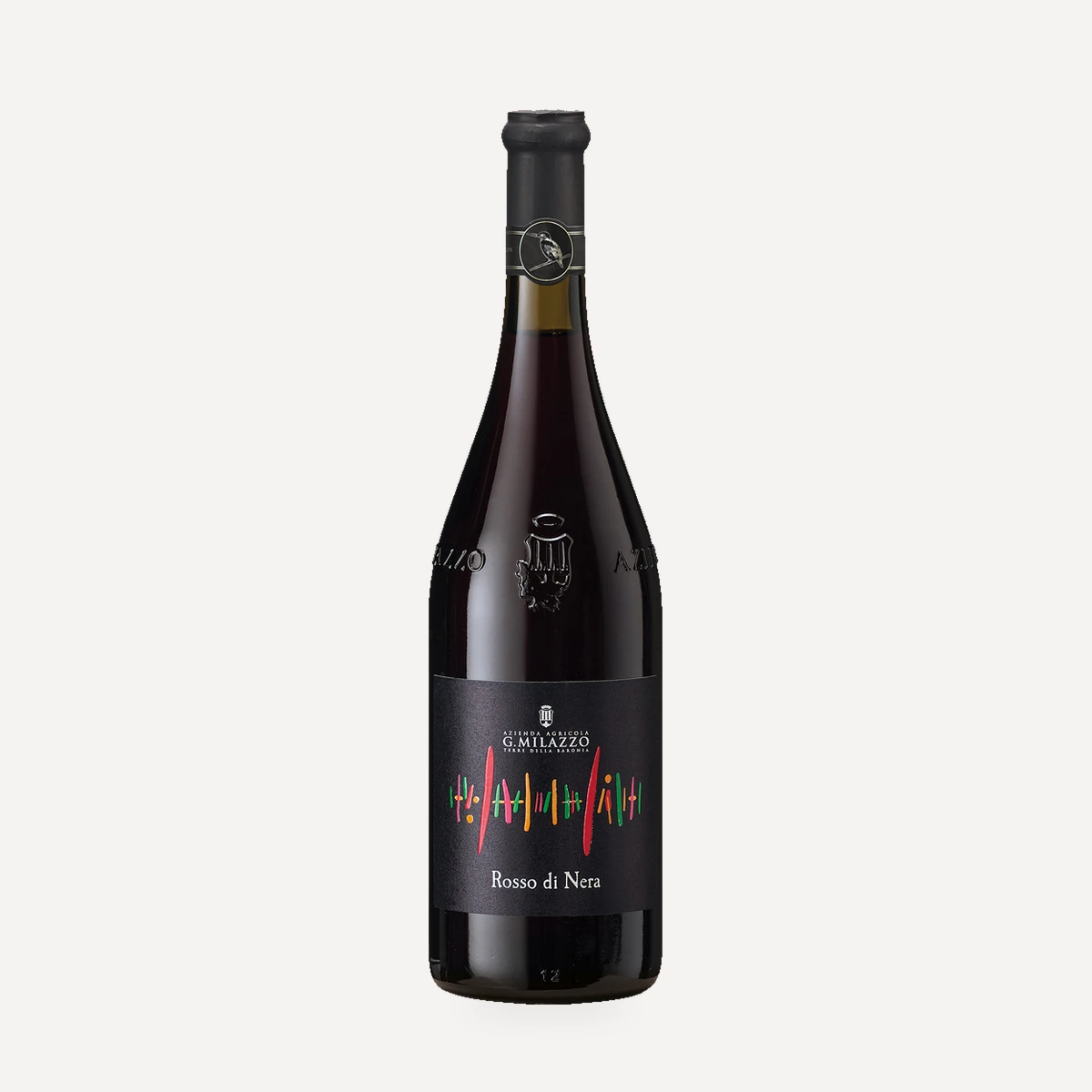
Rosso di Nera
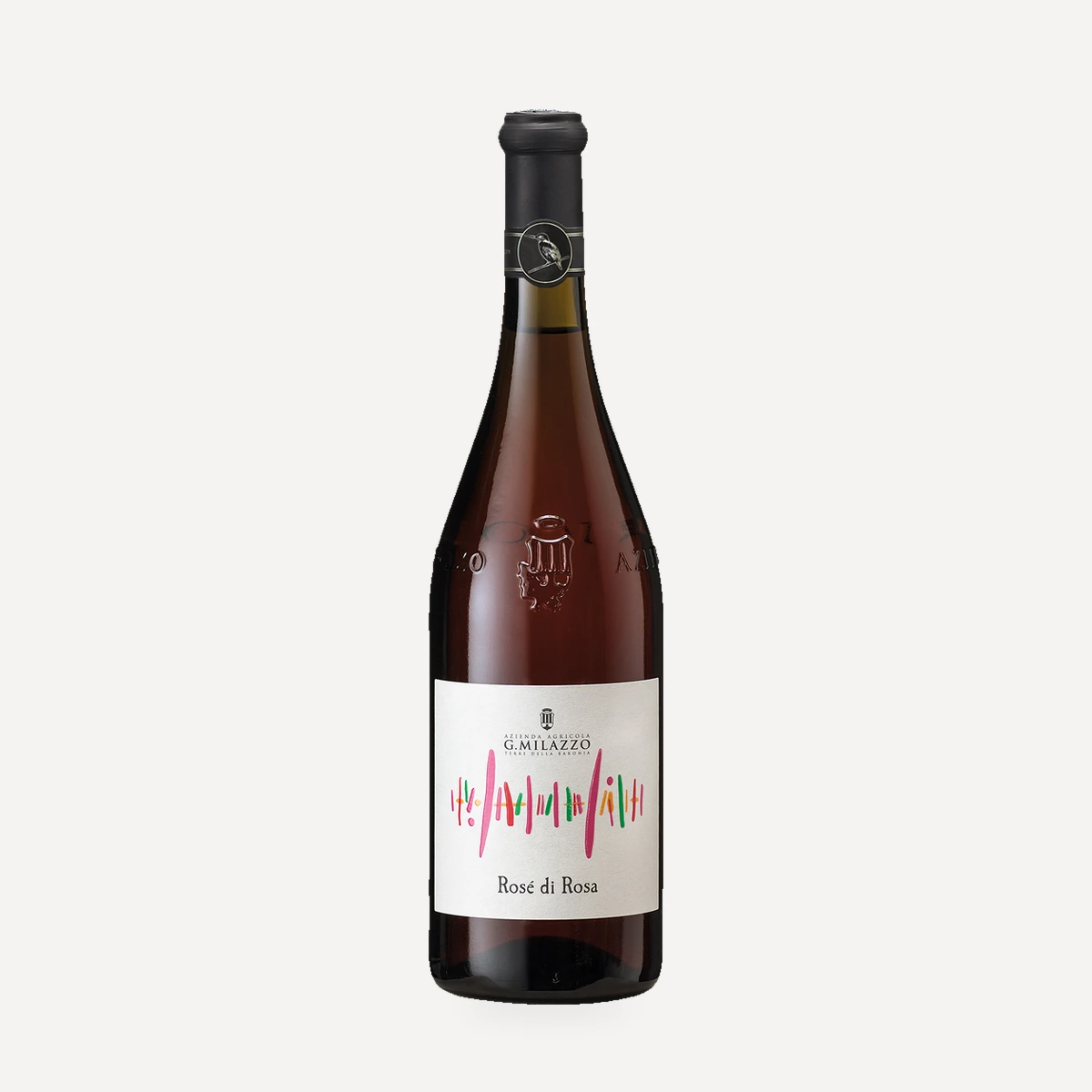
Rosé di Rosa