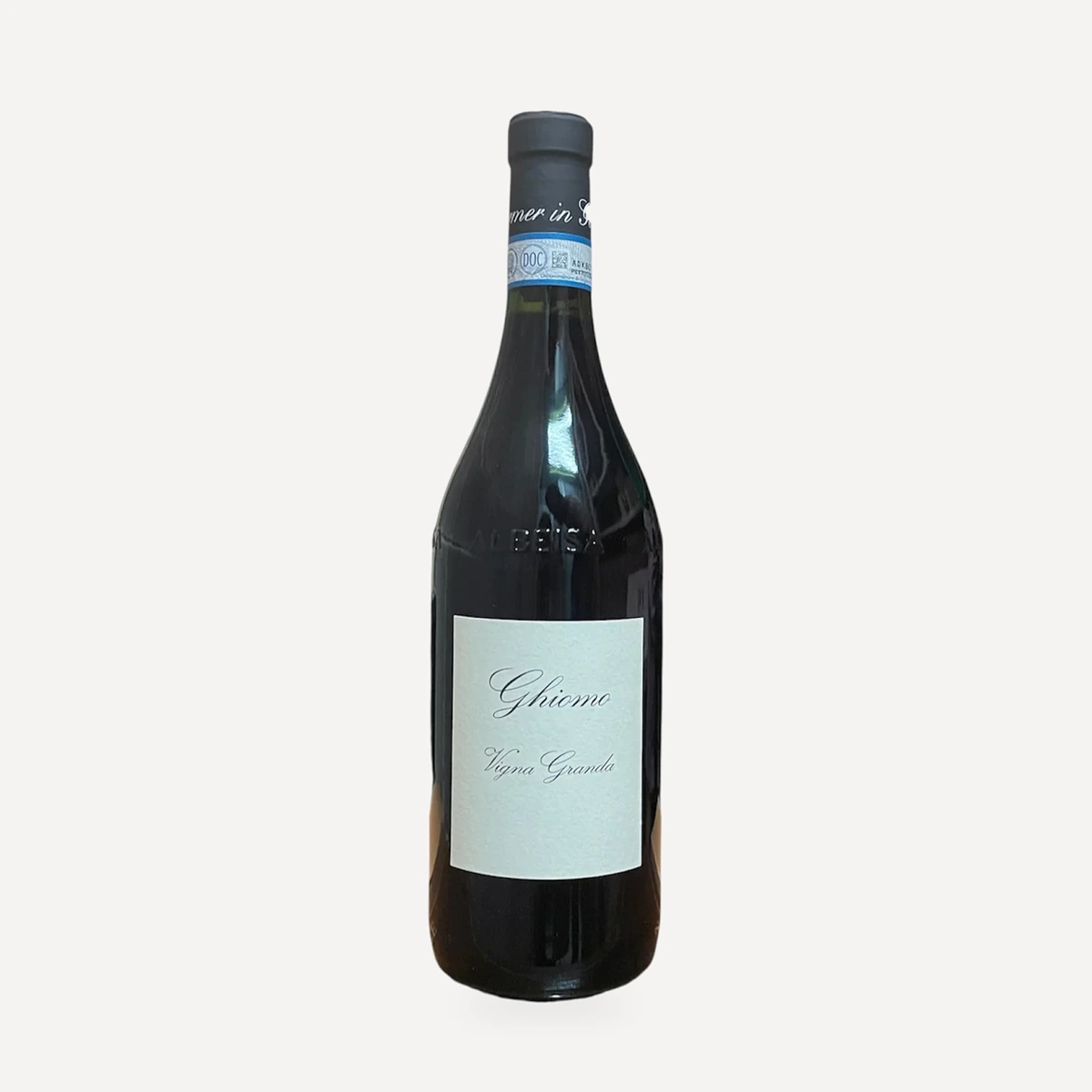
Storia
Early 19th century
The agricultural estate was established in the early 1800s. The name Ghiomo derives from a tool formerly used to work wooden barrels.
Farming has continued through successive generations. The family defines this inheritance as a demanding vocation founded on honesty, respect for nature and responsibility for the wellbeing of the land and its crops.
1999: quality and identity
In 1999, Giuseppino Anfossi chose a new direction for the wines, placing greater emphasis on quality and identity. The objective was not to reproduce a fixed style every year, but to interpret each vintage individually and express the character of the land.
The family today
Giuseppino is identified as the estate’s farmer and founder. Federica is the family’s fulcrum, while Pietro and Alessandro are the budding farmers and future generation. Together, these roles connect the estate’s inherited agricultural identity with its continuation.
Terroir
The winery is in Guarene, between Langa and Roero, approximately 2 km from Alba. The estate relates the character and altitude of its vineyards to those of La Morra.
Grey marl and clay dominate the soils, accompanied by a smaller proportion of sand. Individual vineyard descriptions add marly and calcareous-clayey formations. Exposures include south and southeast, while the source parcels for one Barbera–Nebbiolo selection are chosen from vines receiving the most favourable sunlight.
The estate associates these soils with structure and strongly defined character. Its plantings are deliberately limited to the native varieties Nebbiolo, Barbera and Arneis.
Vinificazione
Vineyard work follows a strictly traditional method shaped by experience, professional skill and flexibility. Each vintage is treated as a different agricultural story, requiring practices to be adjusted so that the year’s particular character can be recognised and enhanced.
The family deliberately avoids defining its work as biodynamic, organic or conventional. It identifies simply as farmers and places the wellbeing of the land and cultivated plants above categorical labels. Honesty and respect for nature form the stated basis of this approach.
Classical Guyot is the documented training system throughout the named vineyard groups. Pruning ranges from short to medium-short. Crop control varies by site and intended selection: fruit thinning ranges from 10% to 30%; production targets range from approximately 1.8 to 2.2 kg per vine; and one Barbera–Nebbiolo selection is limited to three or four bunches per vine.
Harvesting is adapted to the intended result. Arneis can be picked at different times to retain high acidity and then chilled to 3°C. Red grapes may be harvested at complete maturity or in an overripe state. Small perforated containers hold up to either 10 or 20 kg, depending on the selection. Bunches are individually inspected when required, and red grapes are transported to the winery within a few hours. Some overripe selections spend 24 hours in a dedicated room, beginning a slow drying process before destemming and pressing.
Cellar work is tailored to grape variety, vineyard selection and intended expression rather than governed by one uniform recipe.
Arneis grapes are chilled to 3°C before pressing. Skin contact or maceration ranges from two or three days to four or five days. Fermentation uses selected yeasts, with low-temperature fermentation specified for one selection. The wines rest in stainless-steel tanks before bottling; one undergoes prolonged bâtonnage of the fine lees, while another is bottled during the first months of spring.
For red wines, grapes are destemmed and pressed after arrival at the winery. Fermentation temperatures range from approximately 28°C to 32°C. Indigenous yeasts are used for one Nebbiolo protocol, while the yeast regime is not defined for the other reds. Extraction includes frequent, gentle pump-overs; manual punch-downs are added for one Barbera–Nebbiolo selection.
Maceration varies substantially. One red remains with the skins for about 250 hours. A Nebbiolo selection uses submerged-cap maceration for approximately 30 days, while another extends submerged-cap maceration to about 60 days. Alcoholic fermentation is completed under controlled conditions where required.
Malolactic fermentation proceeds spontaneously. Depending on the selection, it takes place in temperature-controlled stainless steel or in oak barriques.
Ageing uses stainless steel, oak casks, large oak casks and barriques. The documented regimes include combined steel-and-oak maturation; 12 months in oak followed by steel; 12 months in large oak casks; and 14 months in oak followed by three months in steel. Red wines receive at least six additional months in bottle where specified.
Filosofia
Ghiomo identifies first as a family of farmers. Honesty, respect for nature and responsibility for the wellbeing of the land and its crops take precedence over labels such as biodynamic, organic or conventional.
Tradition is coupled with flexibility. Experience and professional skill provide the foundation, but each vintage is considered a different story. The intention is to understand and enhance that variation rather than erase it through a predetermined formula.
The goal is to produce wines that differ from year to year while expressing the character of their land with force and clarity. Ghiomo wants the wines to serve as ambassadors for their place and to communicate the pride and emotion involved in making them. The exclusive use of Nebbiolo, Barbera and Arneis reinforces that commitment to native varieties and local identity.
Vini
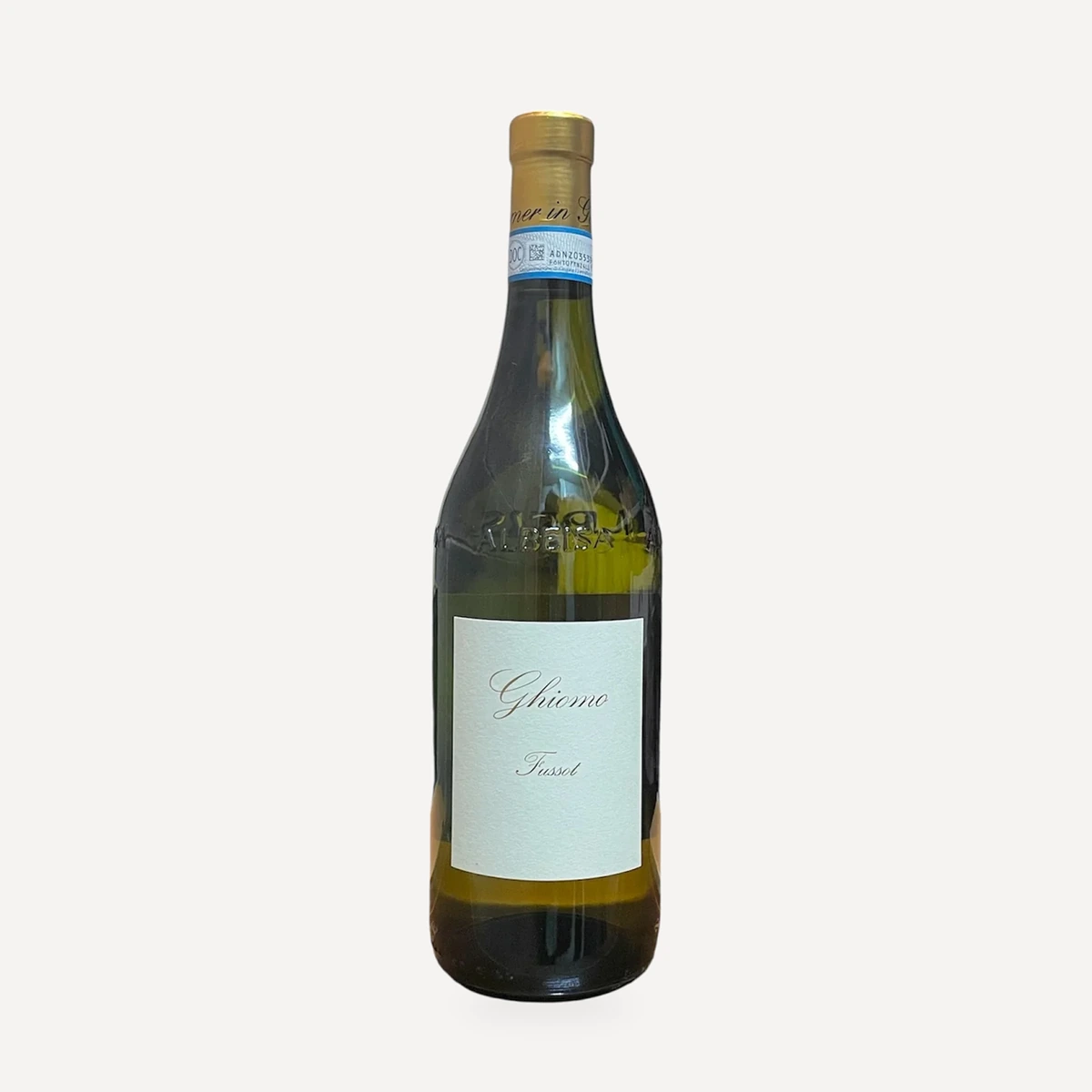
FUSSOT Langhe Arneis
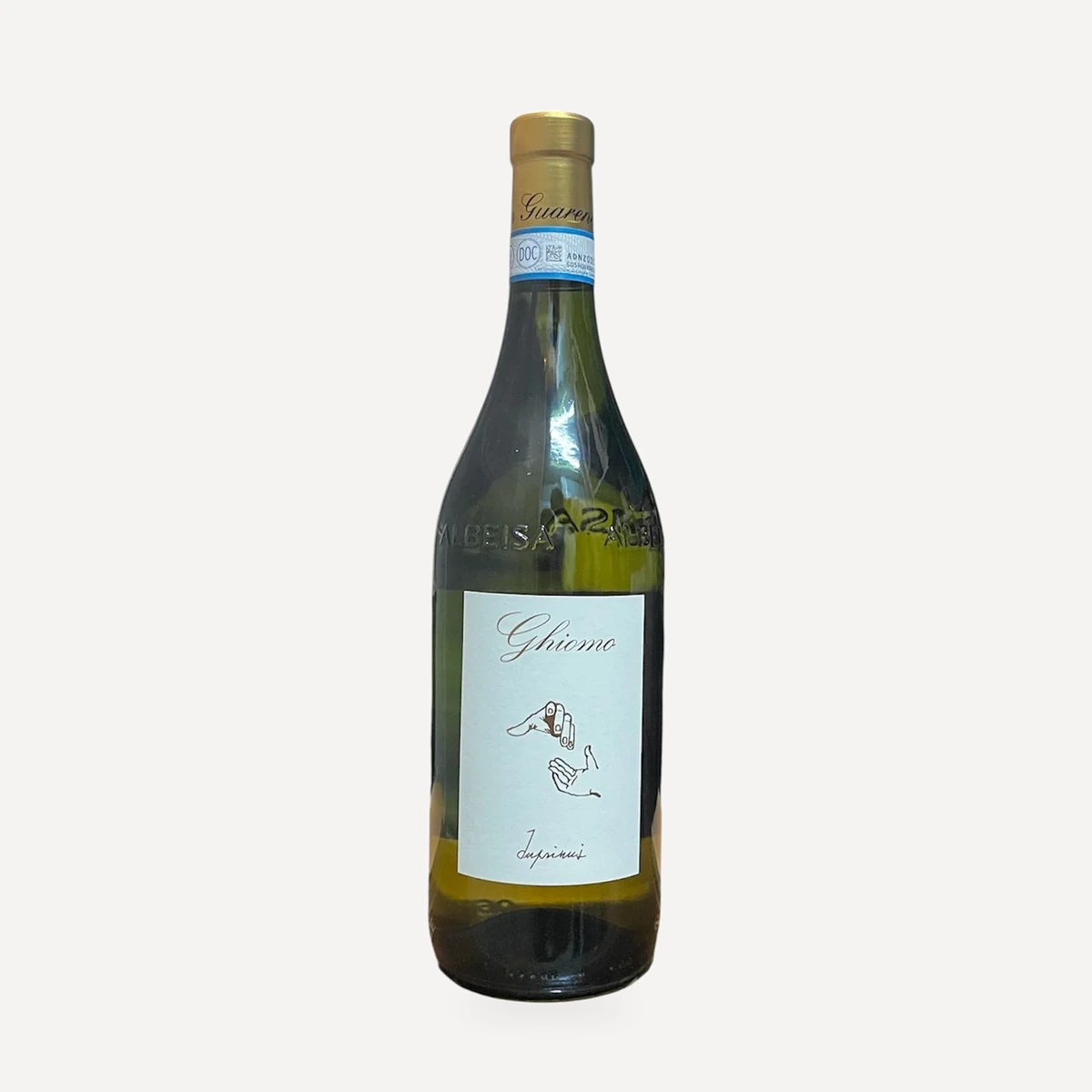
INPRIMIS Langhe Arneis
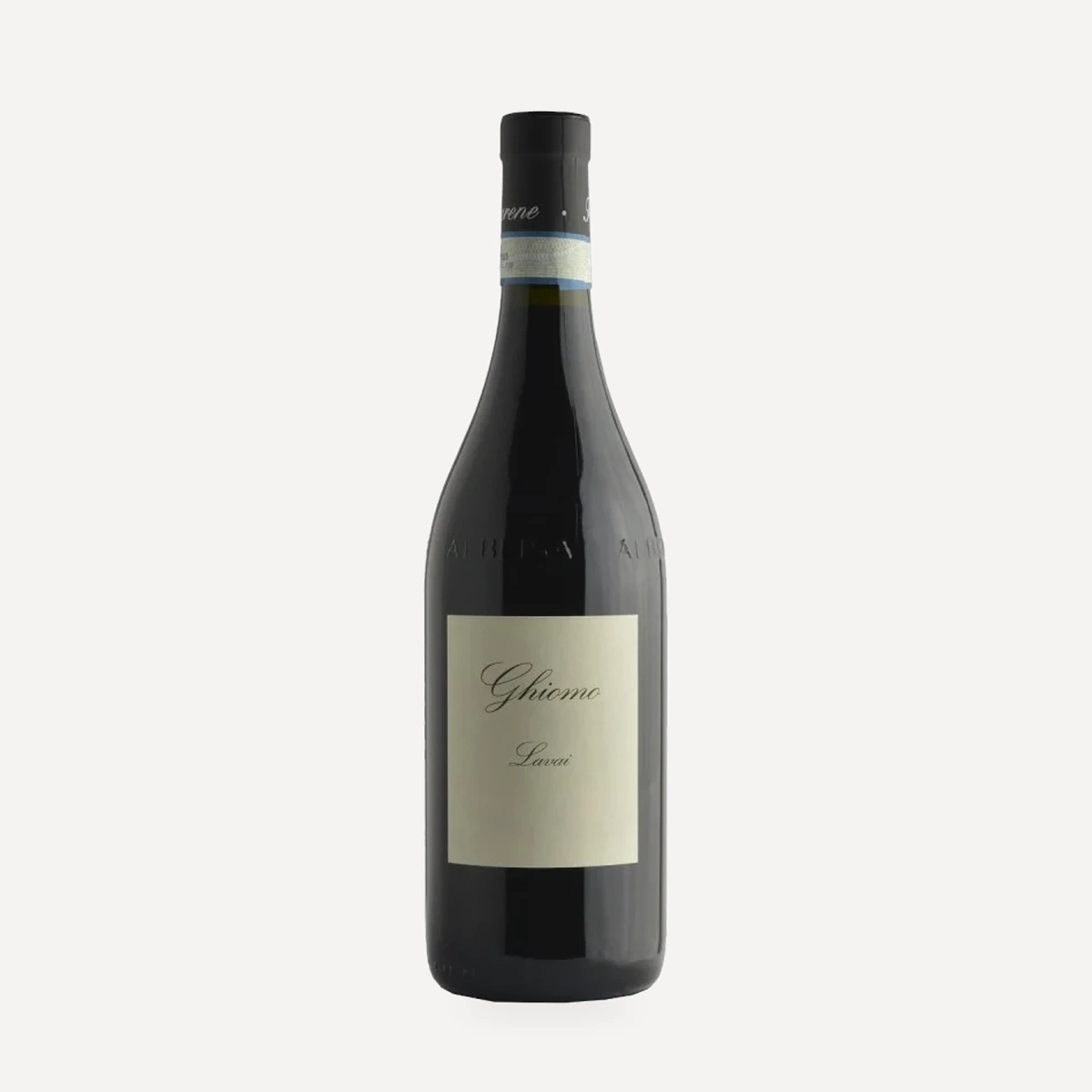
LAVAI Barbera d'Alba
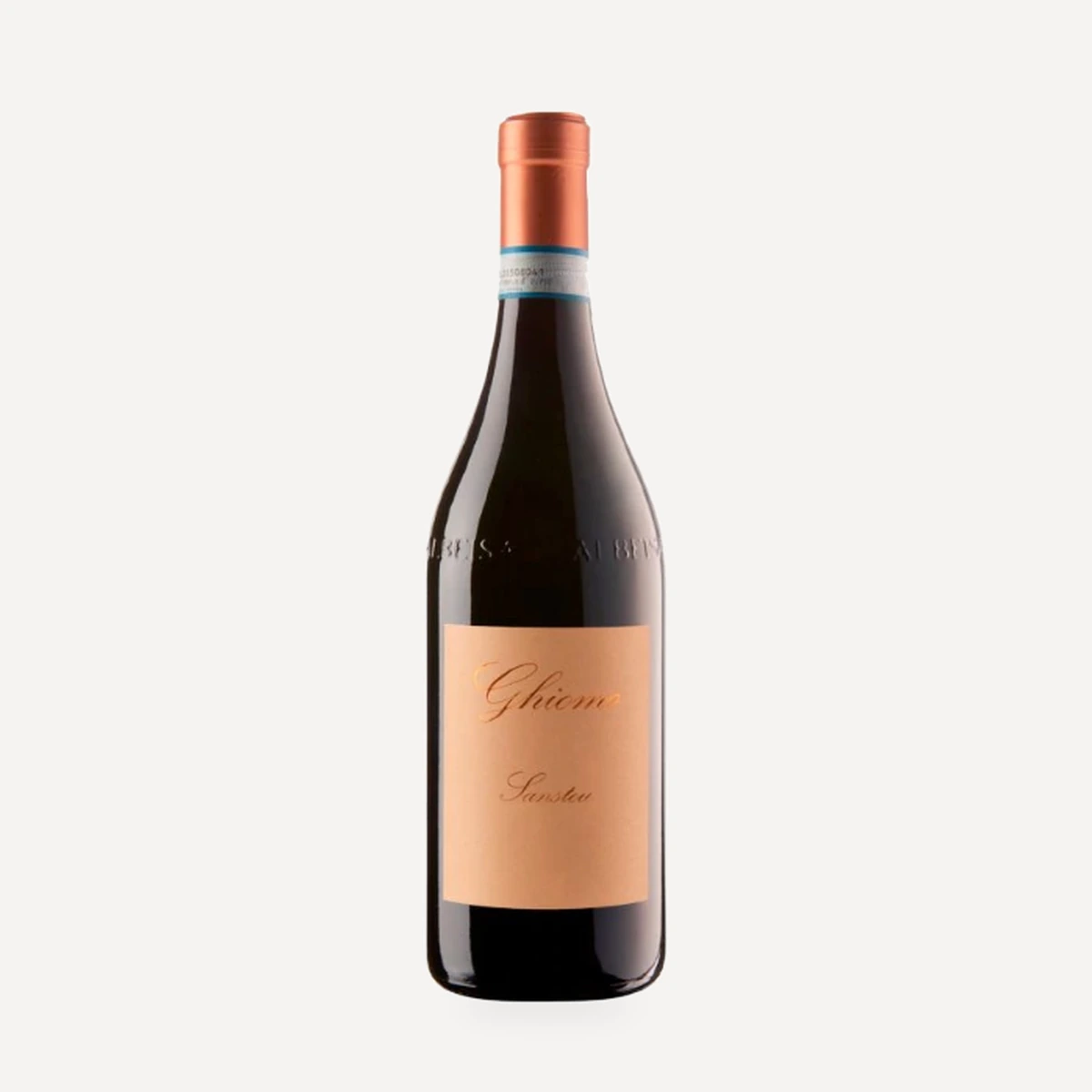
SANSTEU Nebbiolo d'Alba