Storia
Transformation into a diversified farm
Gian Luca Colombo transformed a Langhe wine estate into an organic and biodynamically managed agricultural farm. Viticulture remains central, but vines now form part of a mixed agricultural system that also encompasses fruit trees, einkorn spelt, vegetables, pasture, sheep and free-ranging hens.
The change was conceived as more than a formal farming conversion. The agricultural environment is treated as a living, regenerative organism in which different plants and animals can grow and interact rather than being confined within an intensive monoculture. This transformation also established the operating principles applied in both vineyard and cellar: seasonal observation, decisions adapted to each vintage, limited intervention and no fixed production recipe.
Terroir
The vineyards lie across several parts of the Langhe, with the winery and farm based at Località Ravinali in Roddi. The documented growing sites extend from approximately 200 to 550 metres above sea level.
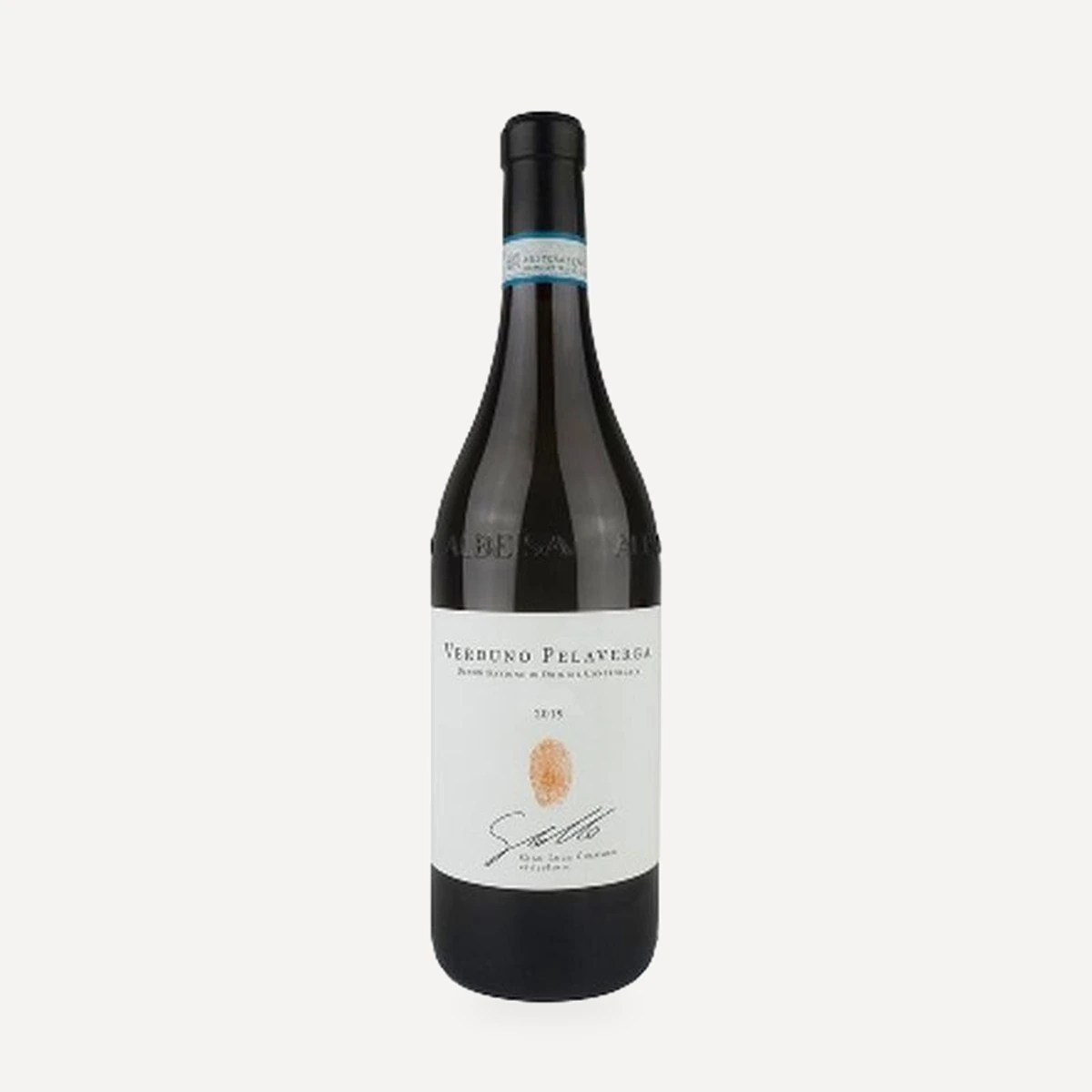
Pinot Nero is associated with sites in Novello at 370 metres and Dogliani at 350 and 550 metres, with north or northeast exposures. Barbera comes from Magliano Alfieri, specifically Località San Bernardo at 290 metres, and from Roddi at 200–250 metres. Pelaverga is grown at Roddi at 220 metres on south- and southeast-facing land. A mature Nebbiolo vineyard at Roddi lies at 240 metres and faces south, southeast and east.
The Barolo sources include Bricco Ambrogio in Roddi at approximately 220–240 metres, facing south and west; Ravera at 370 metres; and Roere di Santa Maria at 220 metres with a southern exposure. Other significant sites may contribute depending on the vintage.
Vinificazione
The farm combines certified-organic plant production with a biodynamic outlook. Its current organic registration accounts for 9.21 hectares of land: 5.04 hectares certified organic and 4.17 hectares undergoing conversion. Within that total are 3.62 hectares of organic and 3.73 hectares of in-conversion specialised tree crops. The remaining registered land comprises woodland, buildings, pasture, arable land and uncultivated or marginal areas.
Viticulture is embedded in a diversified agricultural organism rather than an intensive monoculture. Nebbiolo rows and fruit trees share the farm with einkorn spelt, grazing sheep and hens of different breeds. The hens range outdoors and receive a varied organic diet. This mixed system is intended to sustain a high degree of biodiversity and allow the farm to grow, interact and regenerate cyclically.
Decisions are not imposed through a fixed calendar. Ripening and harvest timing can change with the season and vintage, guided by observation of the vines and the wider agricultural environment. Healthy, vital grapes are treated as the necessary foundation of wine quality.
Winemaking is organised around the character of each variety, site and vintage. Rather than following fixed recipes, Gian Luca Colombo adjusts harvest timing, vessels and working methods to the conditions of each season. The stated objective is to carry the distinctive traits of the grape, territory and year into the bottle while maintaining varietal purity.
The wines are bottled without clarification or filtration. Maturation is considered important but is not intended to dominate the raw material. Across the range, the cellar employs temperature-controlled maceration, with submerged-cap maceration used in some cases. Maturation vessels include large Austrian-oak casks, terracotta and cement. The choice and sequence of vessels vary according to the wine and vintage.
The approach balances measurement with instinct, agricultural science with biodynamic sensitivity, and experience with humility. Technology and calculation are not treated as substitutes for sound raw materials, suitable timing and careful interpretation.
Filosofia
Sincerity
Gian Luca Colombo rejects tricks and rigid formulas. His stated aim is to interpret every vintage sincerely, beginning with high-quality agricultural ingredients, respecting the appropriate timing of each operation and allowing natural processes to develop without unnecessary disguise.
Complexity
The farm treats cultivation as a complex ecological act. Wine quality is expected to begin with healthy, vital grapes grown within a biodiverse agricultural organism—not within an intensive monoculture. Plants and animals are allowed to interact, proliferate and contribute to cyclical regeneration.
Movement
Life in the farm is understood as continuous, cyclical movement. Ripeness, harvest dates, vessels and processing methods are reconsidered every season. The objective is to follow, explore and guide that movement rather than force it into a written recipe.
Balance
Production seeks balance between numerical analysis and instinct, agricultural science and biodynamic sensitivity, long experience and humility. Limited volume is accepted as a consequence of pursuing this standard across both wine and food.
Interpretation rather than standardisation
The wines are conceived as interpretations of vineyards. The goal is to convey what the grape, territory and vintage express without censorship, even when the result is not designed for universal appeal. Maturation may be substantial, but it should remain subordinate to varietal and site identity.
Vini