Storia
Origins and the first generation
At the beginning of the 20th century, Giuseppe Pedrotti left Brusino, a small village in the Valle di Cavedine, and moved to Sarca, the historic name for the plain in the lower Valle dei Laghi. The area's mild climate supported productive agriculture, while viticulture provided families with wine, then regarded as an important supplement to a limited everyday diet.
The estate identifies 1912 as the beginning of its family winegrowing history and celebrated its centenary in 2012. Giuseppe built the family house and, after living through the First World War, established the cellar activity, vinifying grapes from his own land. His wife, Tullia, worked alongside him and opened a small osteria. The hospitality business became another enduring part of the family enterprise; its 101st anniversary was commemorated on 8 June 2014.
Gino and Rosanna
The next generation was led by Gino Pedrotti. Supported closely by Rosanna, he expanded the activity, acquired additional vineyards and increased the cellar's capabilities. The winery subsequently took his name as Azienda Agricola Gino Pedrotti.
Tullia, Clara and Giuseppe
Gino and Rosanna's children Tullia, Clara and Giuseppe were involved in the estate from an early age and given increasing responsibility. They continued the family tradition while orienting the business toward environmental care, organic viticulture, estate bottling and direct hospitality. Giuseppe took a particularly active role in vineyard work and in the estate's progress toward organic farming.
By 2013 the family's commitment to organic cultivation had become stronger despite a cold, rainy spring. The estate later obtained ICEA organic certification and incorporated biodynamic preparations, specialised soil work and selected cover-crop sowing into its vineyard programme.
Centenary and renewal
The estate marked 100 years in 2012. In 2014, after an exceptionally wet season, the family delayed harvest and spent entire days removing damaged berries before picking. The same year it announced plans to redesign the hospitality garden. The work was completed in 2015: the old bocce courts, a tradition dating back to Giuseppe's generation, were removed to create a quiet garden structured around earth, water, air and fire, with a sun-shaped wooden feature and a small aromatic garden.
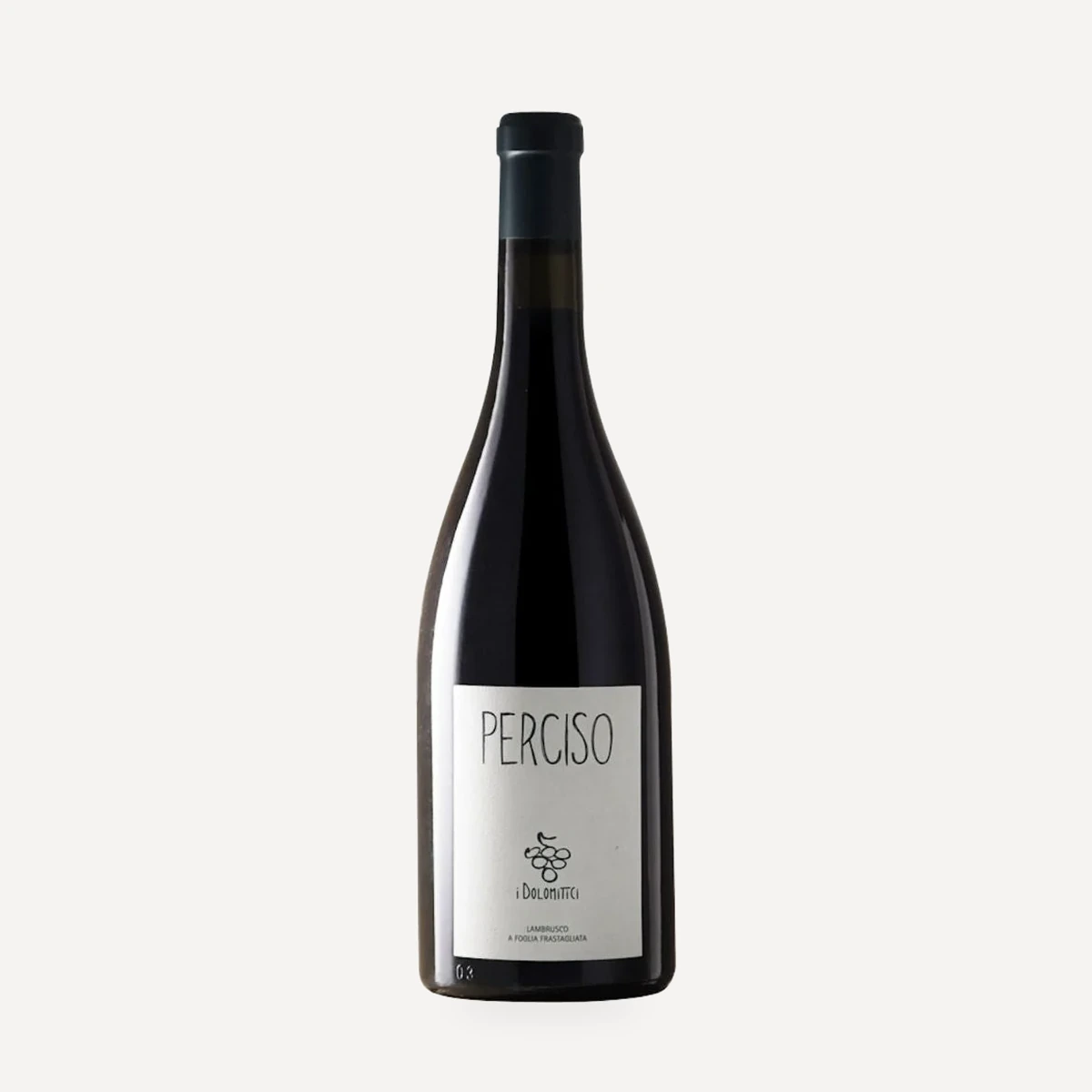
In 2015, a hot, dry summer followed the previous year's persistent rain. Cabernet destined for L’Auro was dried before vinification, while Nosiola for Vino Santo remained in the drying loft until spring. In 2016, a cold spring and tropical-style summer rains were followed by drought, yet mature grapes were harvested. That year the family also worked with the Dolomitici group on Lambrusco a foglia frastagliata for Perciso, a project connected with vines described as more than a century old.
Recent generations
The 2019 harvest took place during a warm autumn. Fermentations proceeded slowly, red grapes continued drying in the loft and the Nosiola began its extended transformation into Vino Santo. In Rome that autumn, the estate received the AIS Tastevin 2020; Giuseppe collected the award.
In 2020, the family suspended its hospitality activity during the COVID-19 emergency. Vineyard and cellar work nevertheless continued: a small quantity of Nosiola was placed in the drying loft for Vino Santo and the year's fermentations approached completion. On 3 June 2020, Martino, the second son of Giuseppe and Katarina, was born.
The 2021 growing season included a July hailstorm shortly after leaf removal. The family returned to the vineyards to eliminate every struck or damaged berry, allowing the remaining bunches to reach maturity in healthy condition. Fermentations concluded successfully, followed by the estate's customary emphasis on time and patient maturation.
The 2022 season brought prolonged heat and drought. Vines suffered, although conditions did not reach the emergency levels experienced elsewhere. Rain arrived toward the end of July. The family believed its cultivation practices had encouraged deeper rooting and improved the vines' ability to find water and nutrients. During the year it participated in Vinifera in Trento, ViniVeri in Cerea and Terra Madre in Turin.
The 2024 season was marked by an April frost, persistent spring rain and very little autumn sunshine. In reflecting on this difficult year, the family identified four generations of winegrowers whose names begin with G: Giuseppe, Gino, Giuseppe and Giovanni. Giovanni therefore represents the fourth generation associated with the vineyards, alongside the continuing family group of Rosanna, Tullia, Clara, Giuseppe, Katarina, Anna, Matteo and the younger generation.
Terroir
The estate lies at Lago di Cavedine in the Valle dei Laghi, between the Brenta Dolomites, Monte Bondone and Lake Garda. Numerous small lakes and the valley's configuration create a temperate, sub-Mediterranean microclimate capable of supporting Mediterranean vegetation.
The vineyards surround the estate and occupy slopes beside Lago di Cavedine. Many are small, sunny plots known locally as fratte. They are continuously ventilated by the Ora del Garda, the afternoon wind that travels inland from Lake Garda. This airflow is central both to vine health and to the traditional drying of Nosiola for Vino Santo.
Current technical descriptions place vineyard holdings in Cavedine and Dro. Nosiola grows at approximately 250 and 320 m above sea level, on north–south and east-facing sites with stony and sandy, medium-textured soils. Chardonnay sites are described at approximately 240–250 m, principally with north–south orientation and medium-textured silty soils. The range of documented estate soils therefore includes stony, sandy and silty profiles.
For Vino Santo, the combination of the Ora del Garda, moderate temperatures and nearby bodies of water favours Botrytis cinerea. The noble rot removes water from drying berries and concentrates their sugars. Climatic variability remains an important influence: recent seasons have included persistent rain and humidity, hail, April frost, prolonged heat and drought.
Vinificazione
The vineyards are ICEA-certified organic. Vineyard work is supplemented with biodynamic treatments developed through courses, professional advice, specialist reading and exchange with other growers. The family treats biodynamics as an ongoing process of observation and learning rather than a fixed formula.
Cultivation is adapted to each grape variety and training system. Specialised soil work and the sowing of selected herbs are used to rebalance the ground, strengthen the vineyard environment and encourage the vines' natural resistance. During the drought of 2022, the family believed these practices helped push roots deeper in search of water and nutrients.
Pergola, simple pergola and Guyot are employed. Available technical descriptions give planting densities of approximately 7,000 vines per hectare, with layouts varying by site and training system. Grapes documented for the current white wines are harvested manually. Nosiola destined for Vino Santo is picked particularly carefully so that the berries are not crushed before drying.
Selection can be extremely rigorous in difficult years. Persistent rain and humidity in 2014 required damaged berries to be cleaned from bunches before harvest. Before one Vino Santo pressing, the family spent three days selecting Nosiola berry by berry and discarded more than 30% because of undesirable mould. After the July 2021 hailstorm, the vineyards were revisited to remove every struck or damaged berry.
Leaf removal is part of canopy management: in 2021 grapes had just been defoliated to receive sunlight and the Ora when hail struck. The family presents observation, patience and respect for the natural cycle as the basis for deciding when and how to intervene.
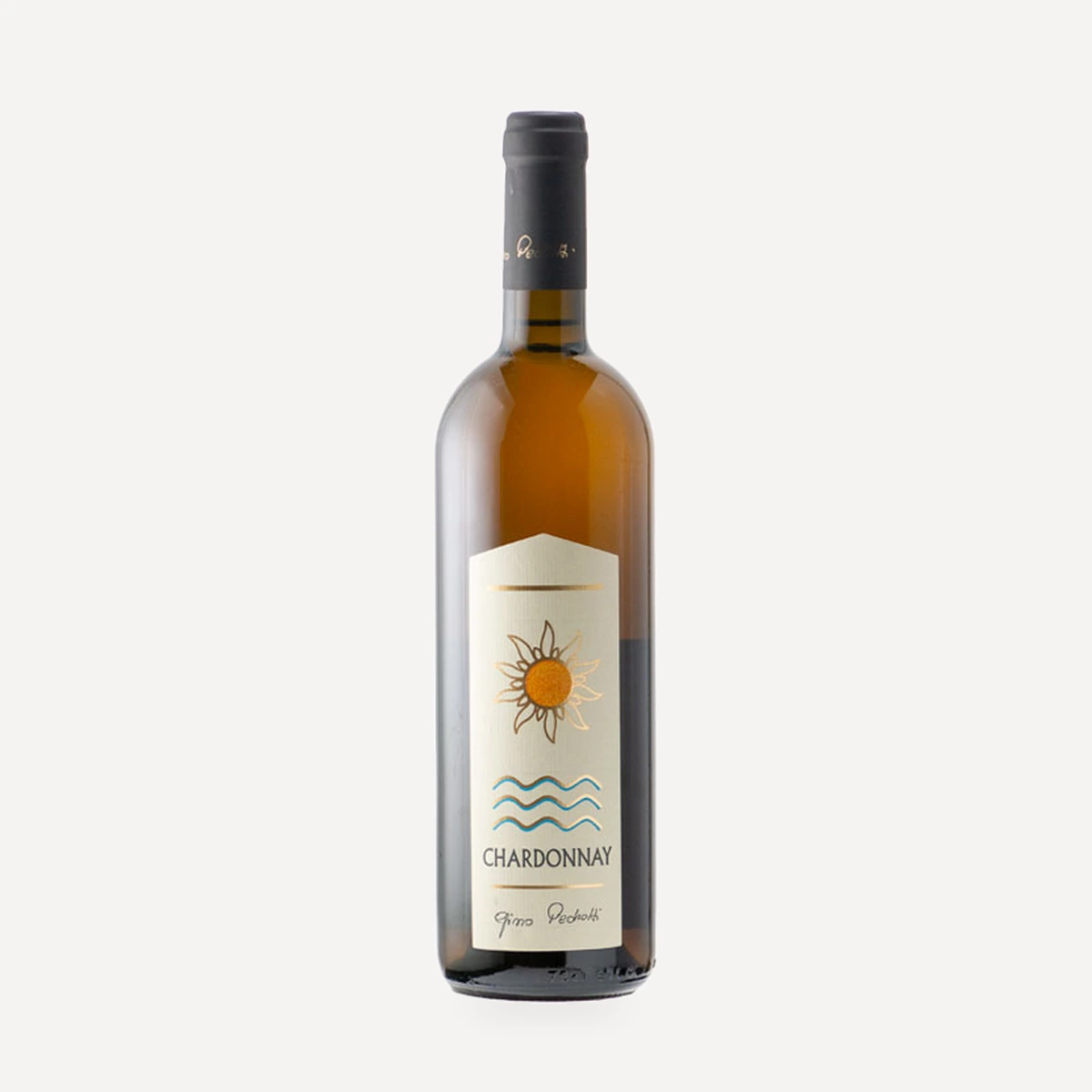
Production follows the grapes from estate vineyard to cellar, with each lot handled according to variety, season and intended style. The current white-wine programme includes slow fermentation on the skins. Documented examples remain in contact with their skins for roughly 30–40 days and ferment in stainless steel or a combination of steel and wood. The current range also employs red vinification, rosé made through red-wine methods, partial or full grape drying, stainless-steel maturation and extended wood ageing.
Vino Santo
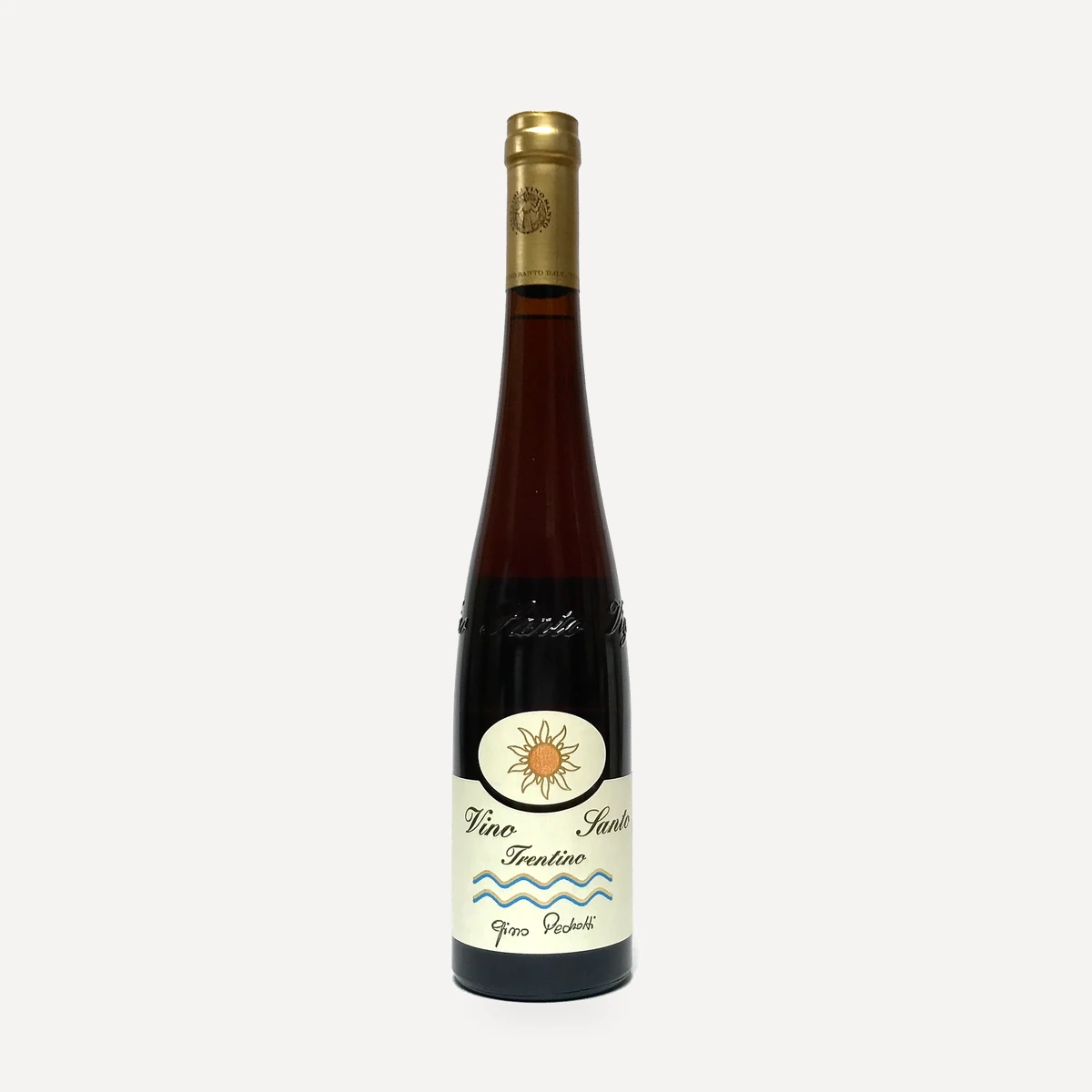
Nosiola bunches are harvested without crushing the berries and transferred to drying rooms. They are spread on arele: racks once made with cane bases and now fitted with metal mesh. The grapes remain there from harvest until Holy Week. Drying reduces their weight by more than one third, while Botrytis cinerea, supported by the Ora del Garda and the valley's temperate microclimate, removes water and concentrates sugar.
The dried grapes are pressed during Holy Week, a tradition probably connected with the name Vino Santo. The resulting quantity of must is very small. Fermentation is slow and stops naturally before all the sugar becomes alcohol. Long maturation follows and produces natural clarification. Bottling may take place only after at least four years from harvest under the applicable production rules, although ageing commonly extends to seven, eight or ten years. The estate's currently presented Vino Santo was dried for six months and matured in wood for five years.
Drying and patient maturation
Drying is also used for selected red grapes. Cabernet Franc for L’Auro is dried before vinification, while other current reds employ partial drying and extended wood maturation. Across the cellar, patience is treated as a working method: fermentation and maturation are allowed to proceed without haste, and difficult vintages are addressed through grape selection rather than by forcing the process.
The estate also distils its own marc. One reserve grappa rests for more than 24 months in a small oak barrique.
Filosofia
The family's philosophy joins vine, wine and life as parts of one continuous rhythm. Vineyard and cellar work follow the needs and timing of the vine rather than fashion or haste. The goal is to make wines with an identity connected to the family and its land, while caring closely for each bunch and each vinification.
Winegrowing is understood as independent, responsible interpretation. Patience means waiting for the appropriate moment, season and year without forcing them; learning means remaining curious, exchanging knowledge and recognising that expertise is never complete. Pride comes from the land, manual work and the accumulation of decisions embodied in a glass of wine.
Environmental coherence is a recurring principle. The family describes itself as a custodian of its surroundings and seeks to “care for nature with nature” through organic cultivation, biodynamic treatments, soil restoration and respect for natural cycles. It aims to preserve the land for those who follow rather than place short-term economic interest first.
Hospitality is part of the same outlook. The cellar door is intended to remain open to people who want to learn, taste and exchange experiences. Attention and time are treated as essential elements of a visit, with hospitality extending beyond wine to carefully selected foods from small Trentino producers.
Tradition is not treated as immobility. The family retains its roots while accepting difficult changes, exemplified by replacing the historic bocce courts with a garden designed for reflection, encounters and future cultural events. Across vineyard, cellar and hospitality, simplicity, patience, curiosity, respect and passion form the estate's stated values.
Vini
Chardonnay
Vino Santo