Storia
Origins: 1900
Giordano Vini traces its history to 1900 and began producing wine in Piemonte in the opening years of the twentieth century. The business initially operated on a smaller, family-run scale, making a limited range composed entirely of Piedmontese wines.
A direct route to the customer: 1950
The decisive commercial change came in 1950. Ferdinando Giordano abandoned the conventional distribution chain and began selling directly to consumers, dispensing with wholesalers, sales representatives and retailers. Home delivery, short lead times, transparent pricing and customer satisfaction became central elements of the model.
Direct selling also shaped the production structure. Giordano expanded beyond its original role as a producer by developing long-term relationships with trusted growers. Grapes and musts selected from these partners made it possible to increase production and progressively broaden the range beyond Piemonte while retaining direct control over selection and quality assessment.
The cellar team and the pursuit of quality
Gianfranco Repellino joined Giordano in 1985, when it was still a smaller family business producing only a few Piedmontese wines. Andrea Morra entered the cellar in 1992. Both later described a sustained rise in attention to every stage of winemaking, a stronger emphasis on preserving varietal character, and more informed use of wood for maturation.
The cellar philosophy increasingly placed the decisive work in the vineyard. The objective was to start with better fruit and minimize corrective intervention during winemaking. At the same time, study of barrel maturation became more sophisticated, allowing barriques and larger wooden vessels to be employed with greater precision.
Expansion to Puglia: 1998
In 1998 Giordano established a second production base at Torricella in Salento. The move reflected the ambition to work with southern Italian varieties close to their place of origin and to extend the range produced in Valle Talloria. Torricella became the company’s base for selecting grapes and interpreting the wines of Puglia and the wider Mezzogiorno.
Cellars, logistics and retail
The historic Valle Talloria complex combines traditional and modern maturation spaces. Its older section contains large wooden vats, barriques and an underground passage known as the infernot, where selected bottles are stored. Young wines intended for earlier consumption mature in large stainless-steel tanks in the modern cellar.
An outlet opened at the company’s logistics centre in Cherasco in November 2015. Valle Talloria also hosted a ceremony marking the issue of a Dolcetto di Diano d’Alba commemorative stamp on 13 November 2015. In September 2016, Giordano and Poste Italiane celebrated 60 years of collaboration with a special postal cancellation and a dedicated bottle.
From family company to Italian Wine Brands
Giordano subsequently became part of Italian Wine Brands together with Provinco Italia. The group is presented as Italy’s first major privately owned wine group to be listed on the stock exchange. Giordano Vini now operates as a single-shareholder company subject to the direction and coordination of Italian Wine Brands S.p.A.
The contemporary business combines production, selection, direct distribution and e-commerce. Its range extends across the Italian peninsula and is supplemented by selected international wines, while its relationship with consumers remains based on the direct-sales model introduced in 1950. Current communications distinguish between more than two million satisfied customers across Europe and more than one million customers served each year.
Terroir
Giordano’s historic roots and principal cellars are in Piemonte, at Valle Talloria in Diano d’Alba. Its sourcing network, however, extends across Italy rather than being confined to a single estate or terroir.
The Torricella facility lies in Salento, Puglia, and was selected so that southern varieties could be handled close to the environment in which they ripen. The surrounding landscape is characterized by hot summers moderated along the coast by sea breezes. Torricella functions as Giordano’s window onto the wines of the Mezzogiorno, especially Puglia, while Valle Talloria remains the historic Piedmontese centre.
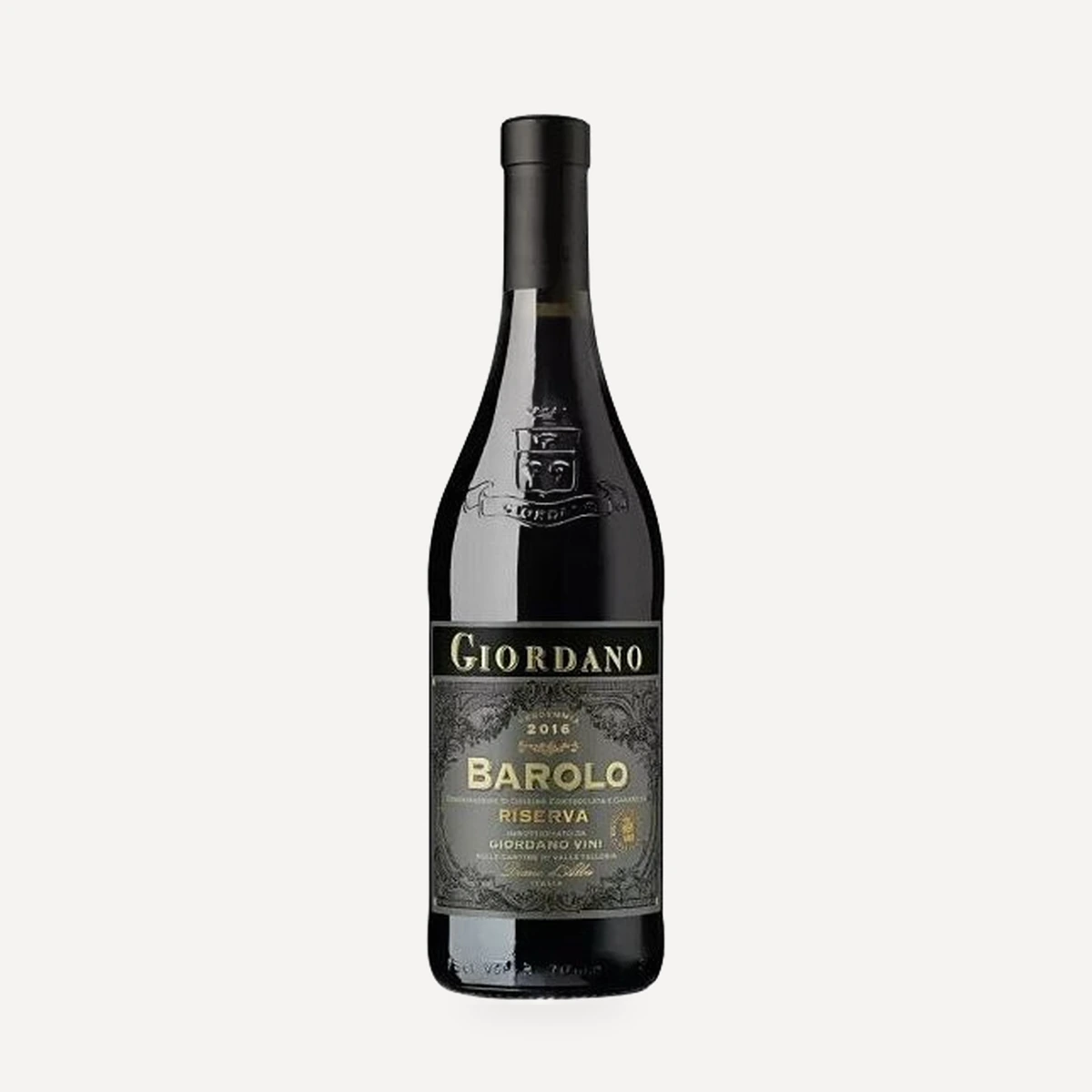
Beyond Piemonte and Puglia, the range draws on Toscana, Veneto, Sicilia and other Italian regions. Regional examples explicitly associated with the business include Barolo, Barbera and Cortese in Piemonte; Primitivo and Negroamaro in Puglia; Chianti in Toscana; Prosecco DOC and light white wines in Veneto; and Nero d’Avola, Grillo and other aromatic whites in Sicilia.
Vinificazione
Giordano’s vineyard work is organized largely through long-term relationships with selected growers rather than through a documented contiguous estate. The oenologists work with these suppliers and monitor quality from the vineyard onward. Only lots that satisfy preliminary assessment are admitted to production.
The guiding technical objective is to preserve healthy fruit, varietal character and territorial identity before the grapes reach the cellar. Andrea Morra describes vineyard work as the principal route to higher quality: the better the grapes, the fewer operations are needed later. Selection consequently begins in the growers’ territories, with attention to whether the grapes show identity and character and come from land cultivated with respect, experience and care.
No unified farming regime is assigned to the full sourcing network. The range includes individual wines made from certified organic grapes, but that does not establish organic certification for Giordano’s entire production or supplier base.
Production structure
Giordano produces, selects, blends, matures, bottles and distributes wines sourced from several Italian regions. Grapes and musts are obtained through a network of long-standing growers, evaluated before admission to production and followed by the oenology and quality teams.
The historic Valle Talloria cellars contain separate environments for different maturation requirements. Large wooden vats and barriques are used in the traditional ageing rooms, while an underground infernot stores selected bottles. Large stainless-steel tanks in the modern cellar are used to mature younger wines intended for consumption over a shorter timescale. Torricella provides a southern production base for material that benefits from being handled in its region of origin.
Cellar approach
The oenologists seek to preserve the primary qualities of the fruit and the identity of its variety and place. This leads to an explicit preference for fewer unnecessary cellar operations when grape quality permits. Wines are followed through repeated tasting as they evolve in the cellar and later in bottle; the oenologist selects the appropriate moment for bottling.
After harvest, selected components may be blended, tasted and matured. Wood use has increased and become more technically targeted as the team’s understanding of the interaction between wine and oak has developed. Both barriques and larger wooden vessels form part of the ageing infrastructure.
Quality control
The quality-management system is certified to ISO 9001, SGS Italia certificate IT05/1284. Each lot undergoes laboratory analysis before approval. Preliminary selection excludes lots that fail to meet requirements regardless of price. Oenologists then monitor production through chemical analysis and organoleptic assessment. Lots are tested for their ability to retain their characteristics over time, and samples from every production are evaluated by internal tasting panels before release from the warehouse.
The quality policy also requires product health, authenticity, legality, traceability and retrievability, systematic control of products and processes, supplier involvement and continual improvement.
Closures and environmental performance
Beginning by 2021, Giordano was extending the use of Nomacorc Select Green closures made with renewable plant-derived polymers. Their controlled and consistent oxygen ingress is intended to reduce oxidation, reduction and cork-taint risks while supporting the evolution of red wines for as long as 25 years. The closures are recyclable and manufactured with renewable energy. Their use was associated with an estimated annual reduction of 20 tonnes of CO₂ compared with the conventional cork closures they replaced.
Filosofia
Giordano’s central proposition is that well-made wine should be authentic, accessible and offered at a fair, transparent price. Value is defined as an equilibrium between quality and affordability rather than as luxury pricing. Direct delivery without wholesalers or retailers is intended to remove distribution margins and redirect resources toward selection and control.
The production philosophy places the vineyard before the cellar. Good wine begins with sound, characterful grapes that express both variety and territory. The cellar’s role is to follow the wine’s evolution, preserve those primary qualities, intervene only as needed and bottle at the most appropriate moment.
Tradition and innovation are treated as complementary. The company links respect for established wine culture with staff training, analytical control, new technology, more precise use of oak and continual improvement. Its formal mission combines direct sales, respect for the territory, product quality, customer satisfaction and timely service.
Environmental responsibility is defined across the full production cycle rather than only in vineyard and cellar work. Commitments include reducing energy and water consumption, paper and fuel use, noise and waste, alongside the adoption of lower-impact packaging components. The ethical framework also emphasizes legality, fair competition, transparency, professional competence, equal opportunity, safe working conditions and responsible relationships with suppliers and customers.
Vini
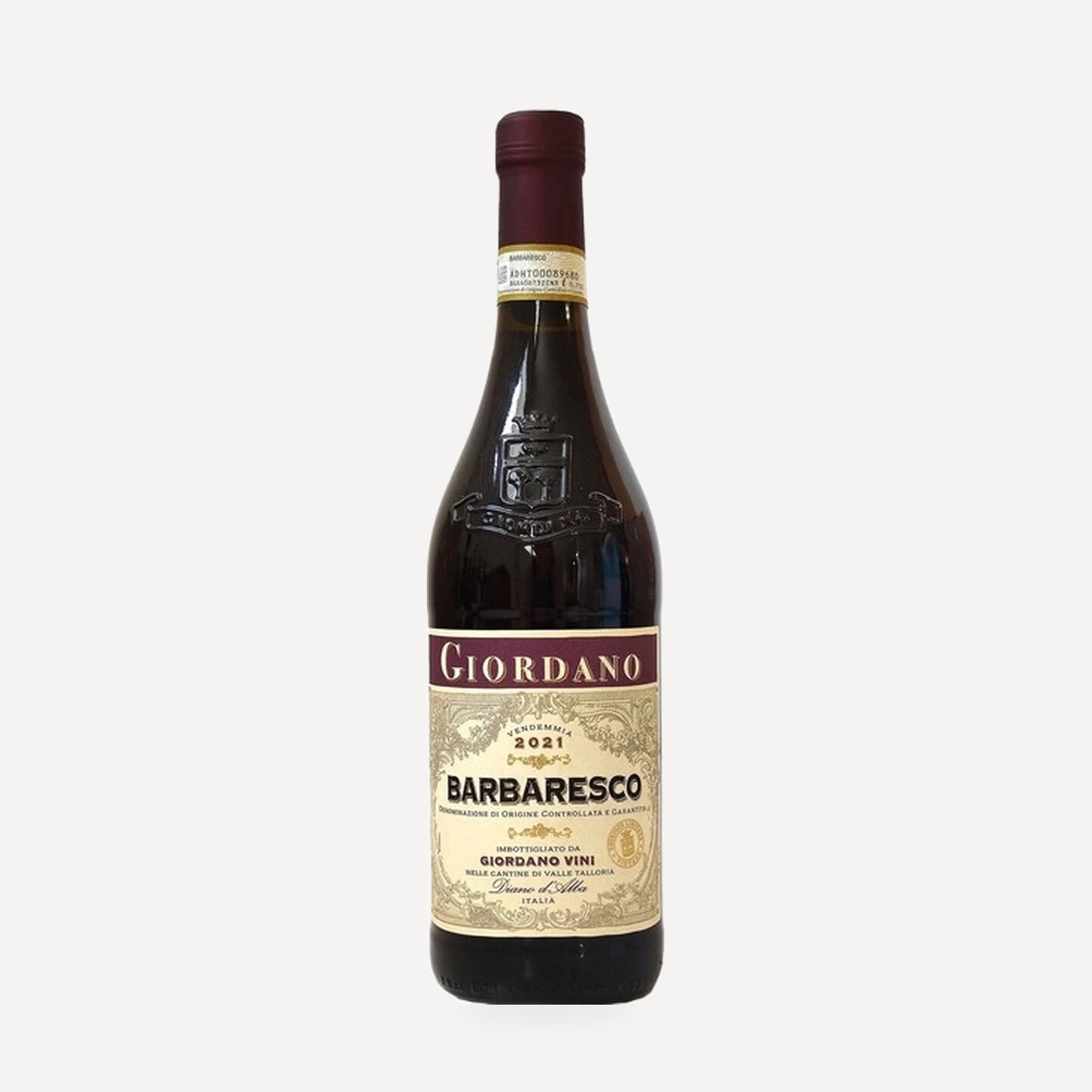
Barbaresco DOCG
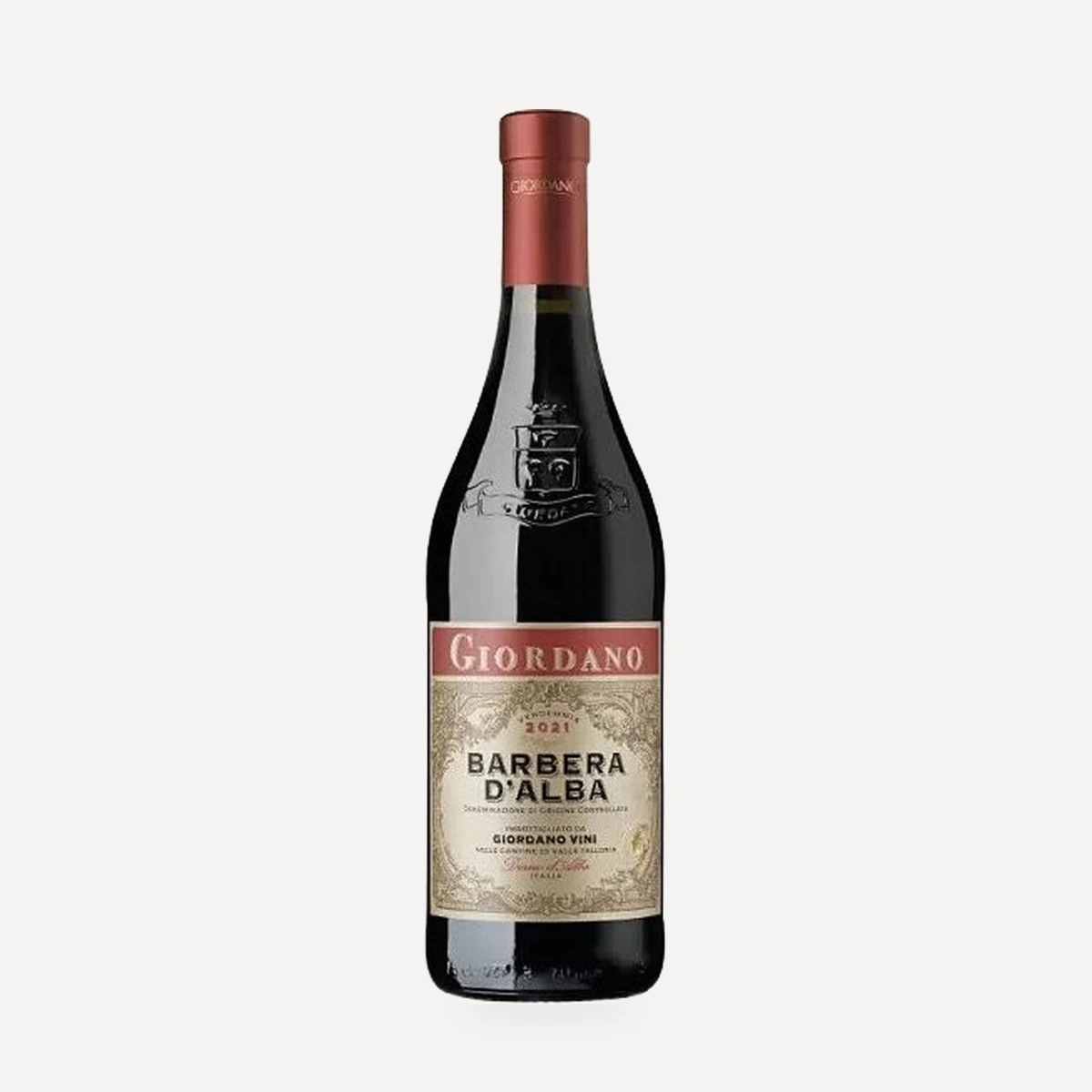
Barbera d'Alba DOC
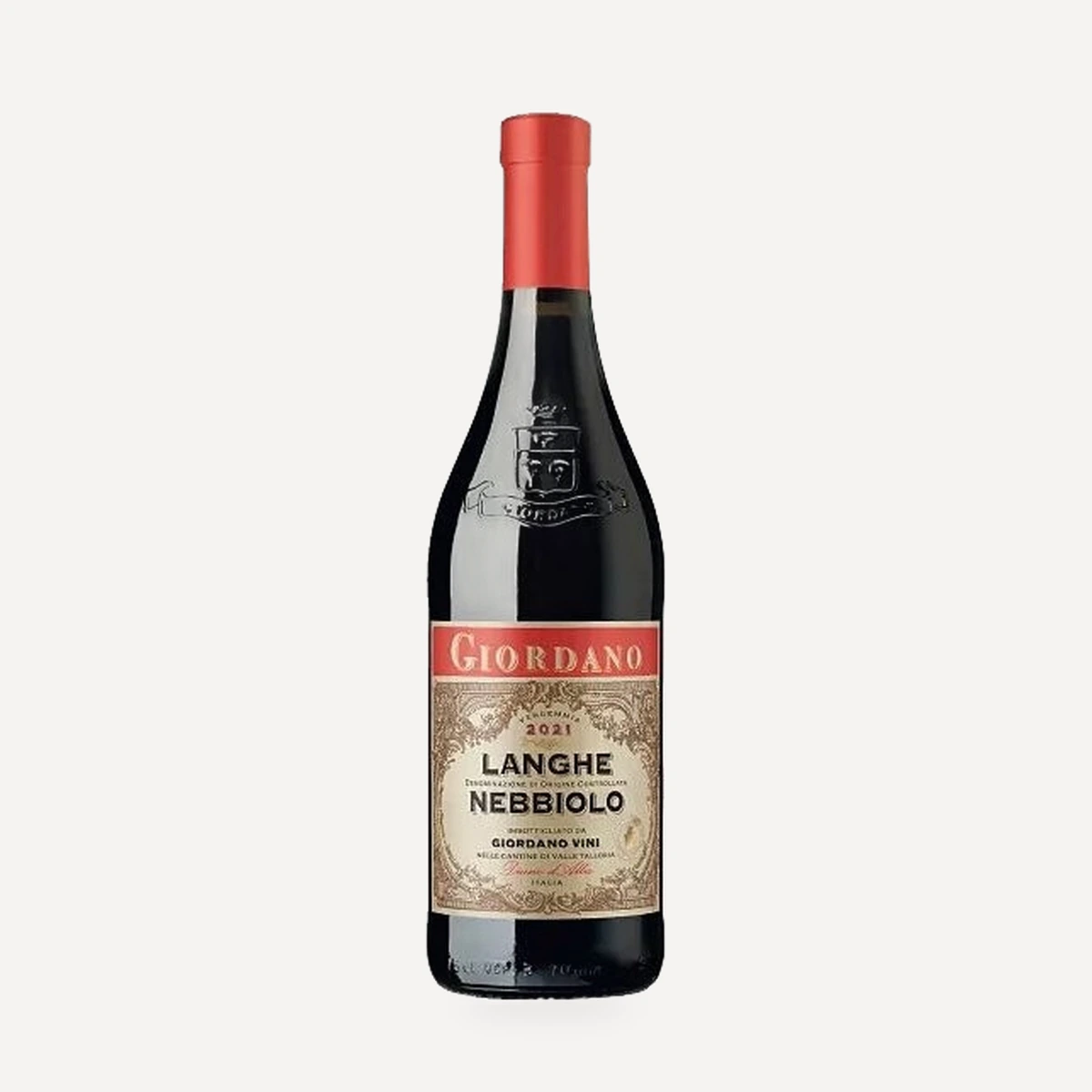
Nebbiolo Langhe DOC
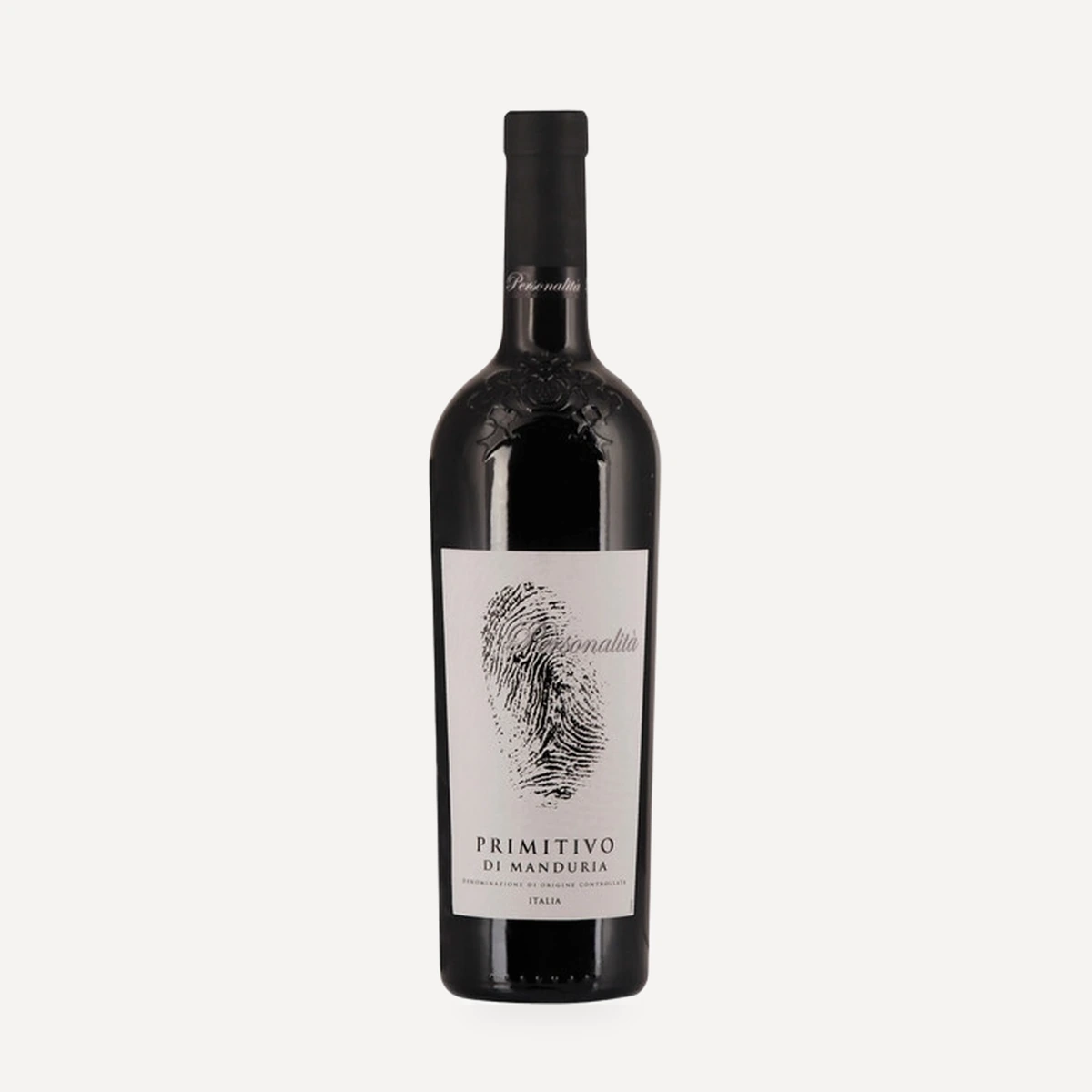
Primitivo di Manduria DOC