Chianti
66 cantine e 267 vini. Chianti spreads across the hills of central Tuscany, backed against the Apennines, in the provinces of Arezzo, Florence, Pistoia, Pisa, Prato and Siena. Its core runs in two bands — one from the Mugello past Rufina and Pontassieve along the Chianti mountains as far south as Cetona, the other from Montalbano through the Val di Pesa towards San Gimignano and Montalcino — with spurs into the hills around each city. Seven subzones may add their names: Colli Aretini, Colli Fiorentini, Colli Senesi, Colline Pisane, Montalbano, Montespertoli and Rufina. Continua a leggere ↓
- Livello
- DOCG
- Regione
- Toscana
- Uve
- Sangiovese, Canaiolo Nero, Merlot
- Tipologie
- Rossi, Bianchi, Dolci
- Vigneti
- 5 con nome
- Produttori
- 66
Cantine che producono Chianti
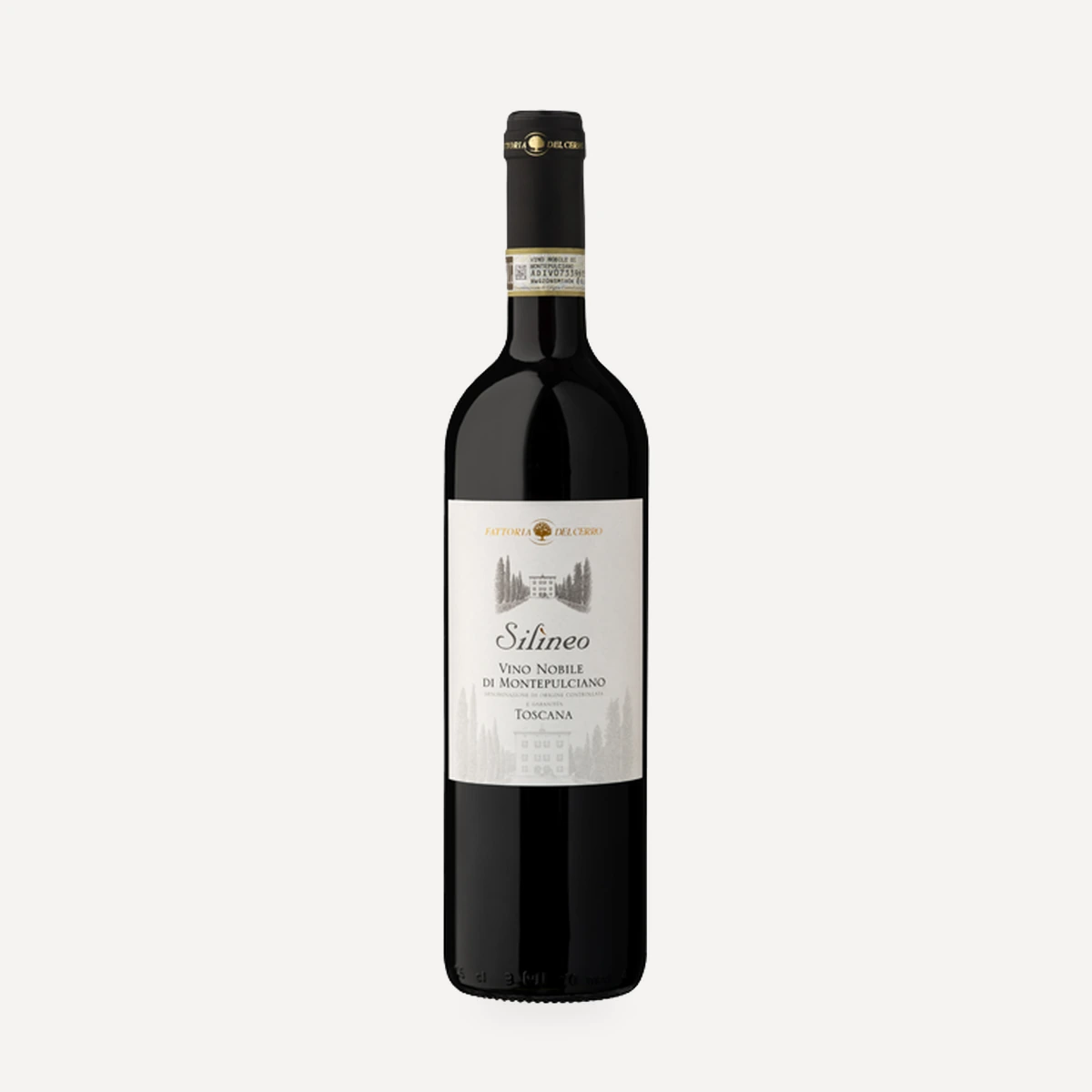 Cerro Vino Nobile di Montepulciano · 13 vini2 premi DWWA, l’ultimo nel 2026 · Silìneo Vino Nobile di Montepulciano DOCG
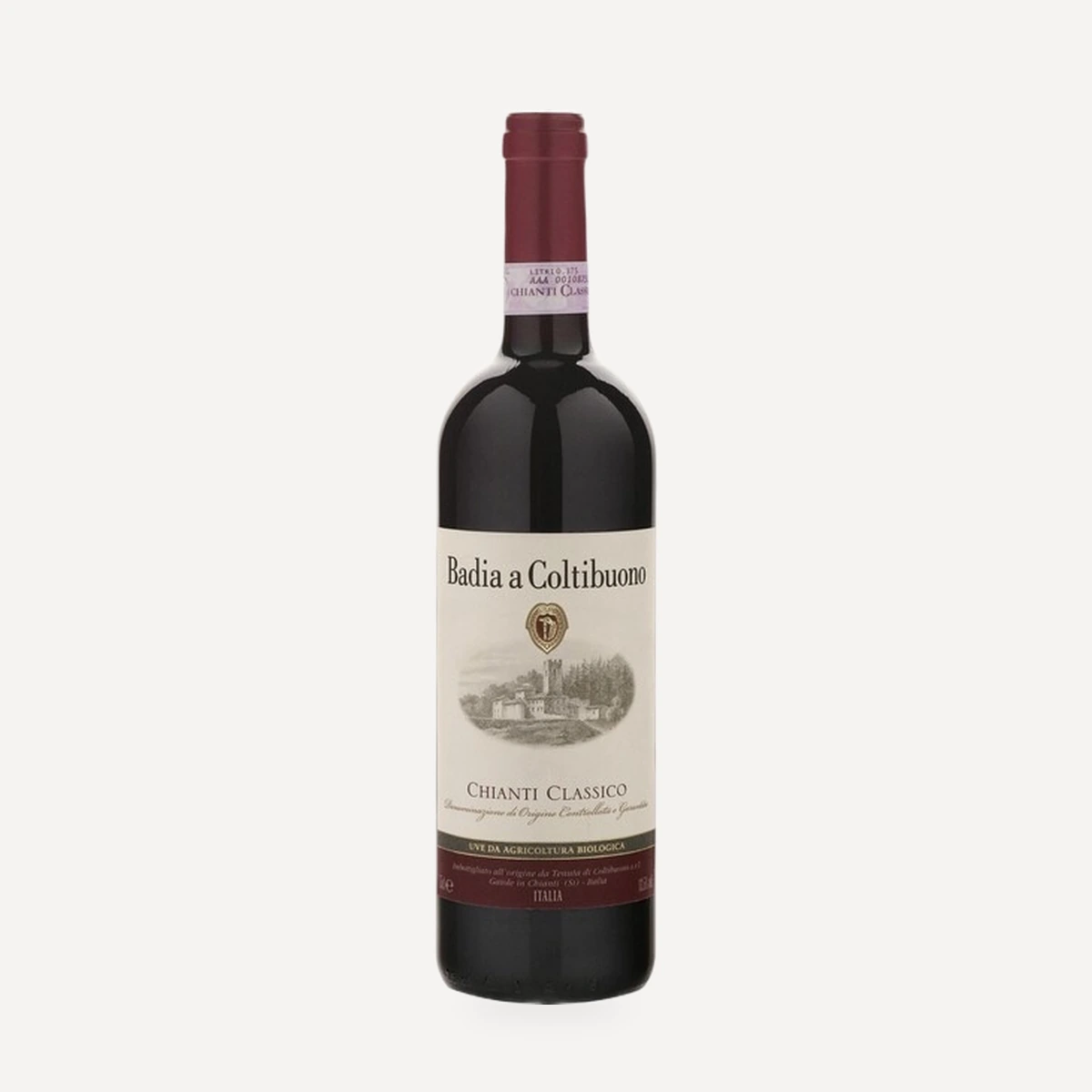 Badia a Coltibuono Chianti Classico · 9 vini8 Tre Bicchieri, l’ultimo nel 2025 · Chianti Classico
 Selvapiana Chianti · 9 viniVigneto Bucerchiale Chianti Rufina Riserva DOCG
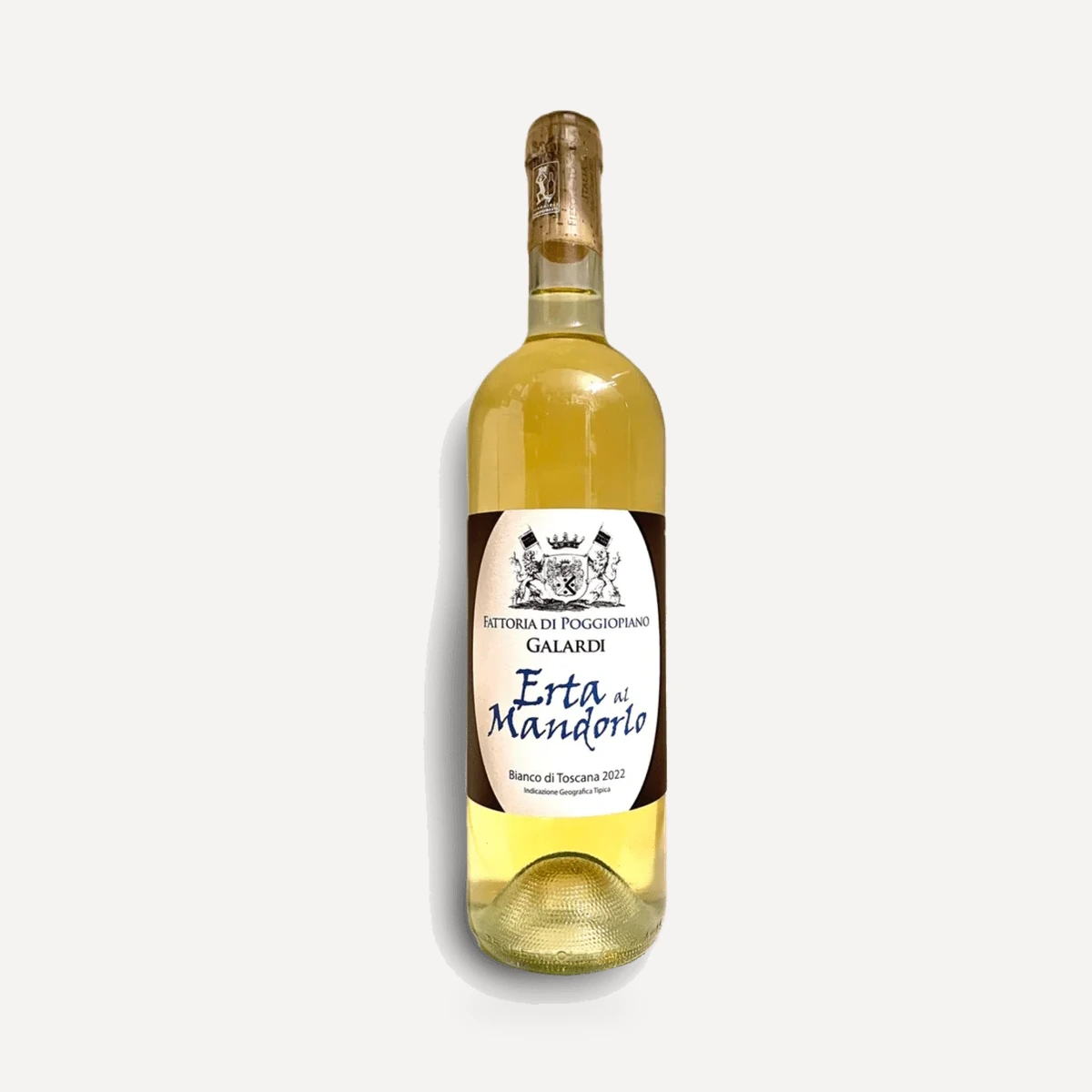 Poggiopiano Chianti · 7 viniBianco di Toscana Erta al Mandorlo IGT
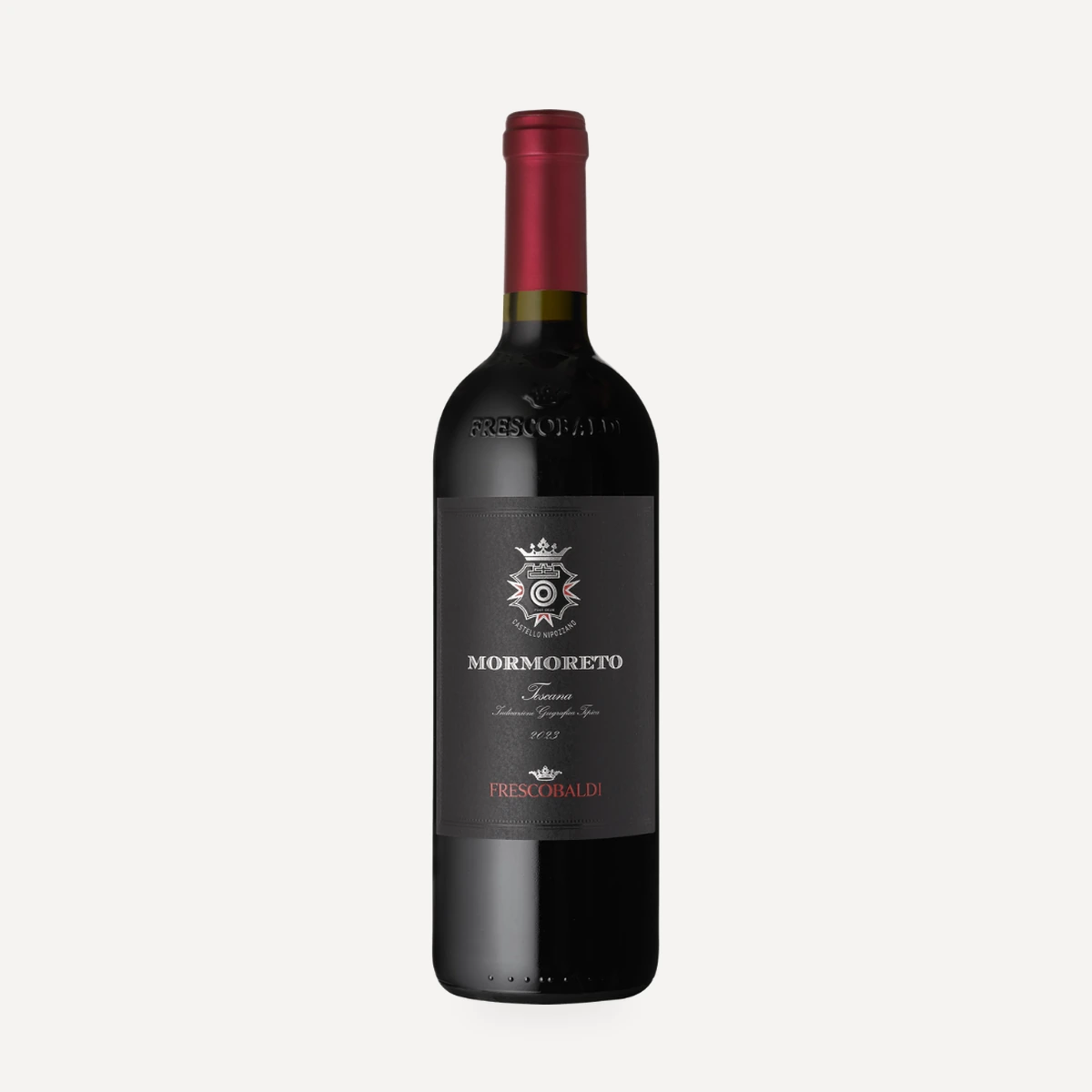 Castello Nipozzano Chianti · 4 viniMormoretoCasale Falchini 12 vini2 premi IWC, l’ultimo nel 2025 · Vigna a Solatìo Riserva
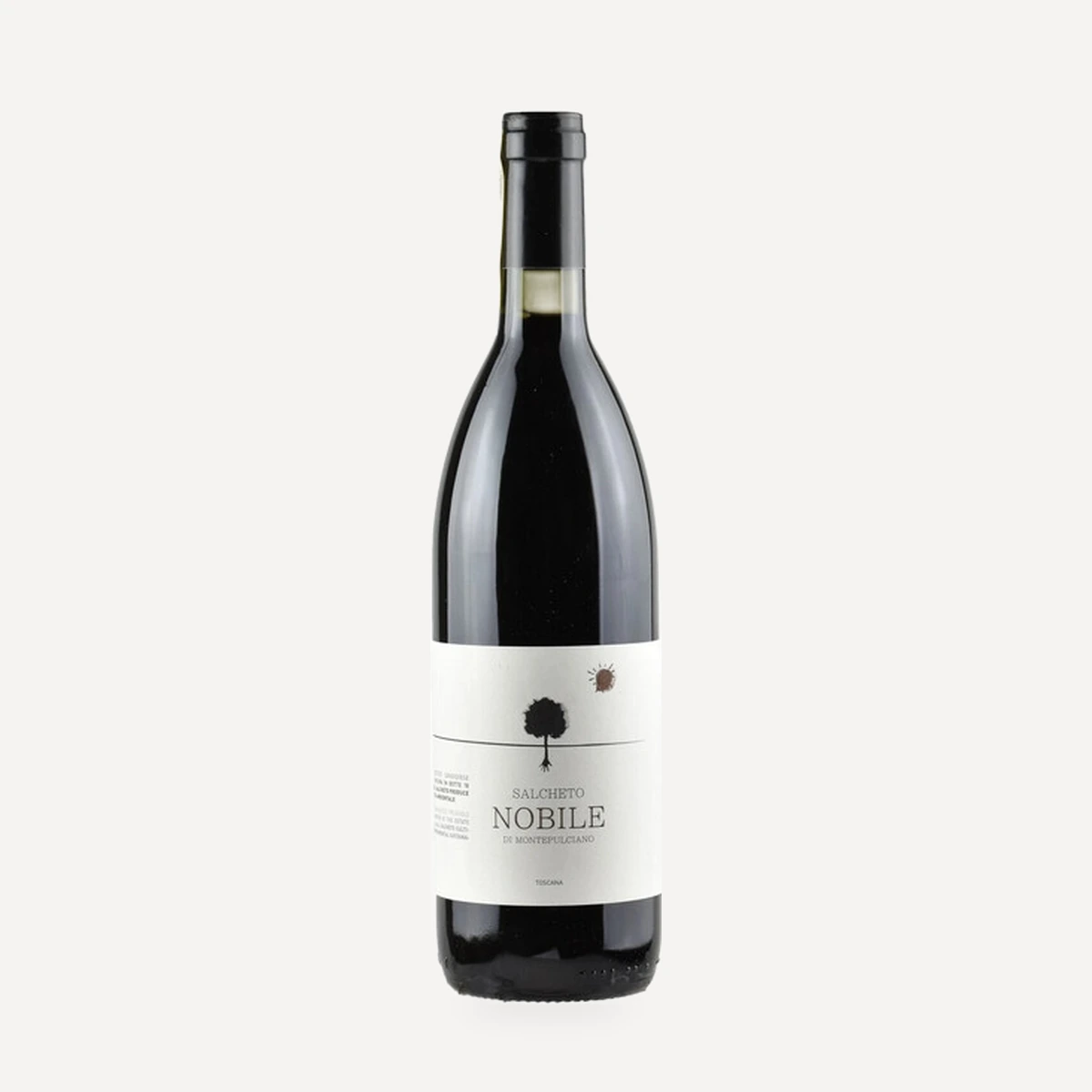 SalchetoVino Nobile di Montepulciano · 17 vini6 Tre Bicchieri, l’ultimo nel 2021 · Nobile
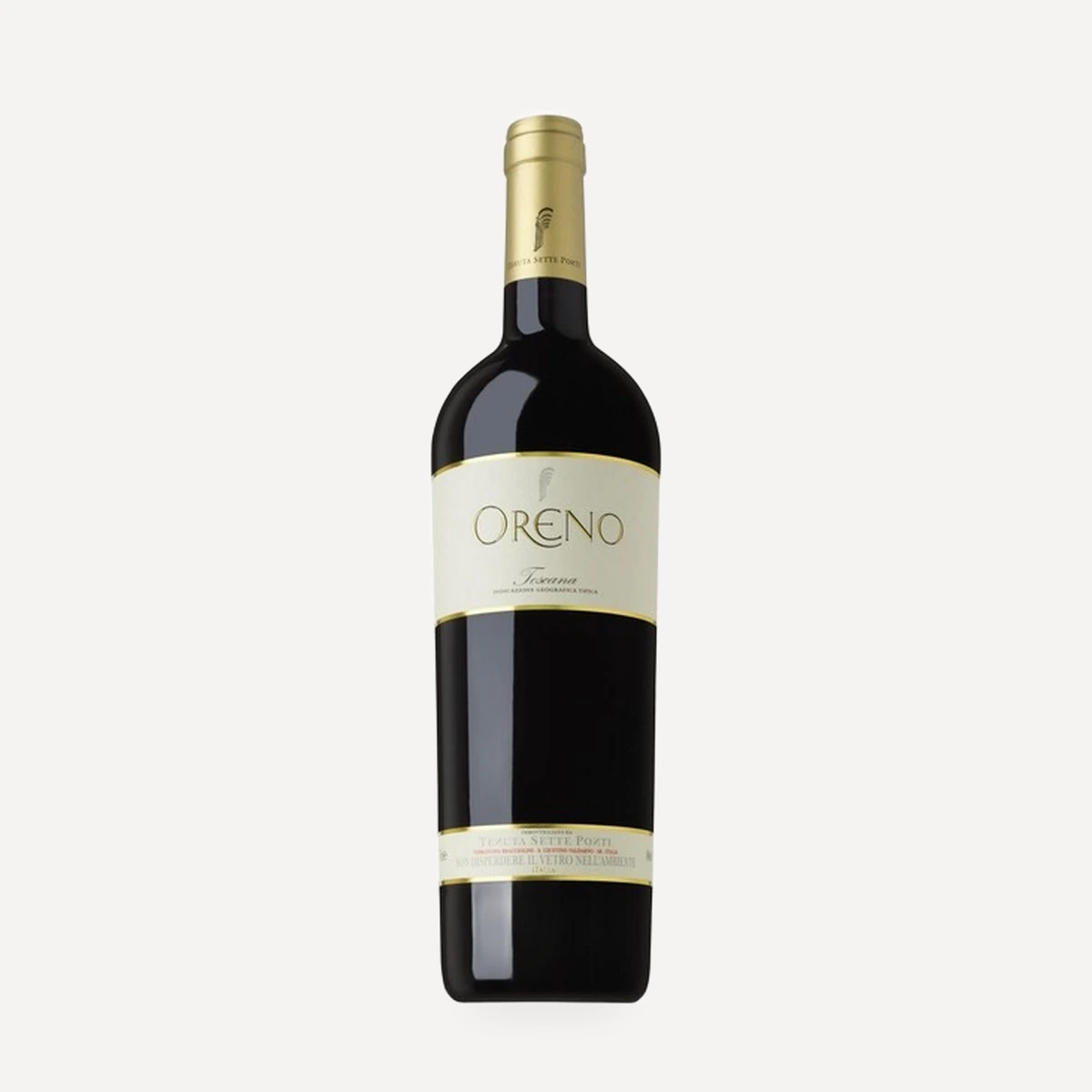 Sette PontiChianti · 18 vini12 Tre Bicchieri, l’ultimo nel 2026 · Oreno
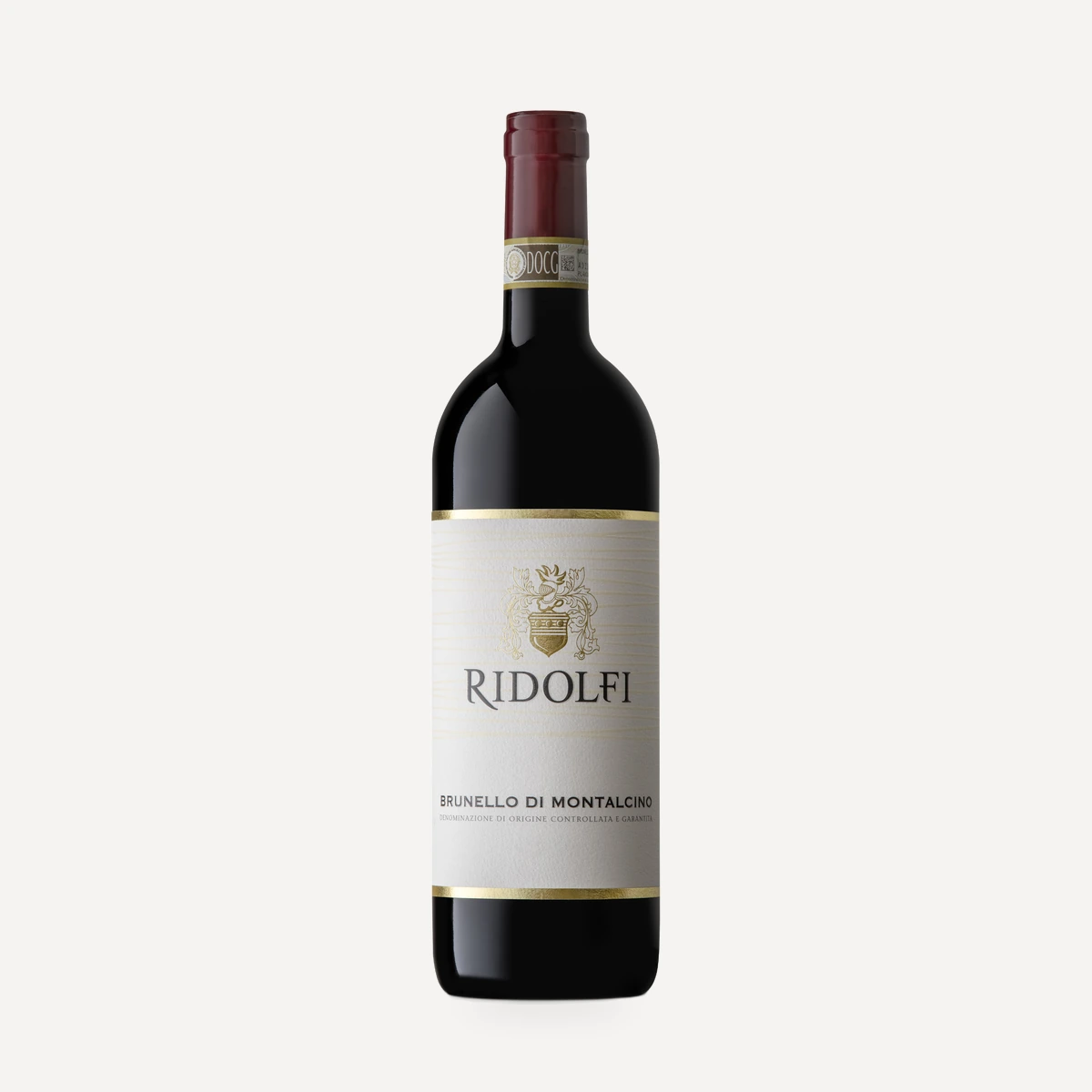 RidolfiBrunello di Montalcino · 8 vini6 premi DWWA, l’ultimo nel 2025 · Brunello di Montalcino
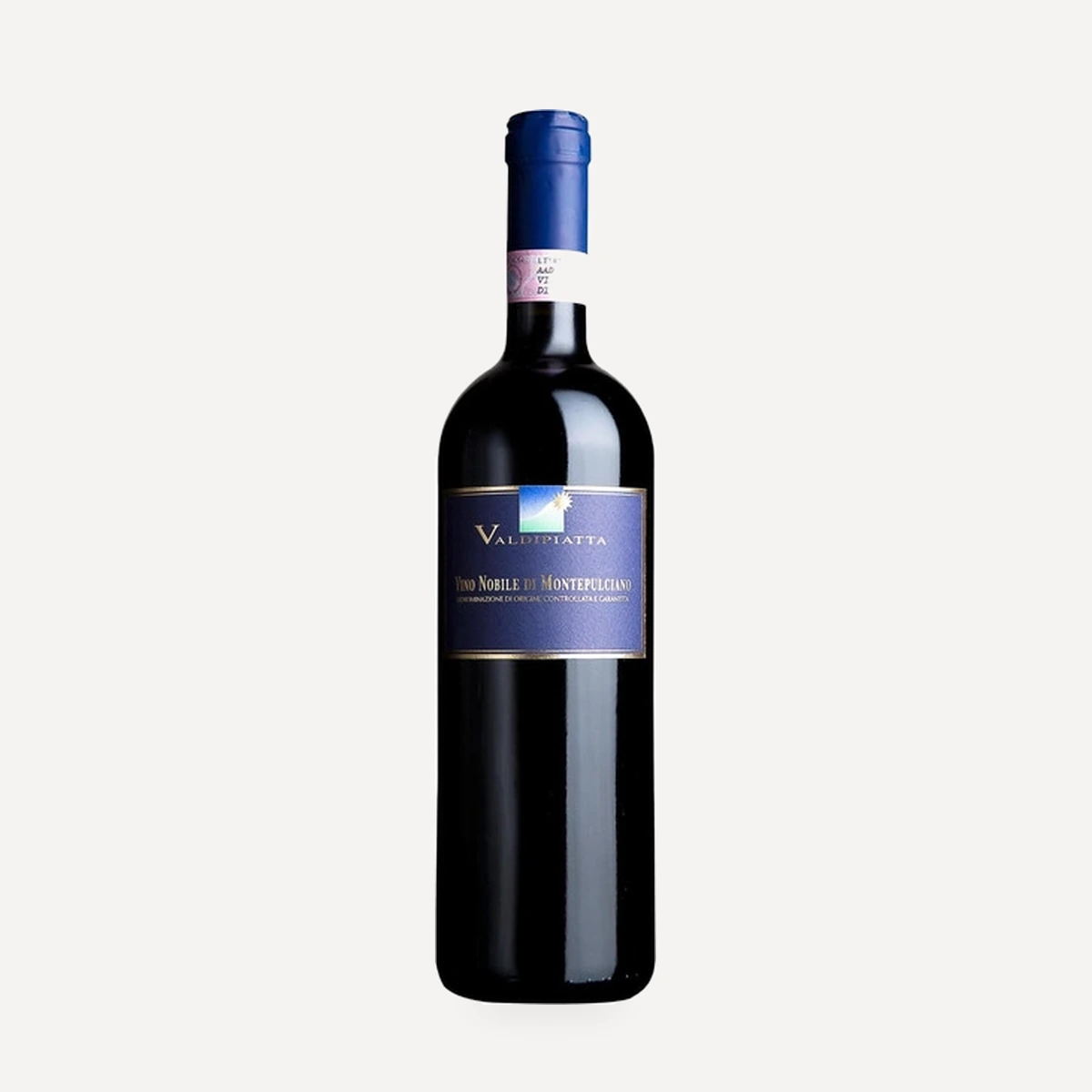 ValdipiattaVino Nobile di Montepulciano · 12 vini1 premio DWWA 2025 · Vino Nobile di Montepulciano
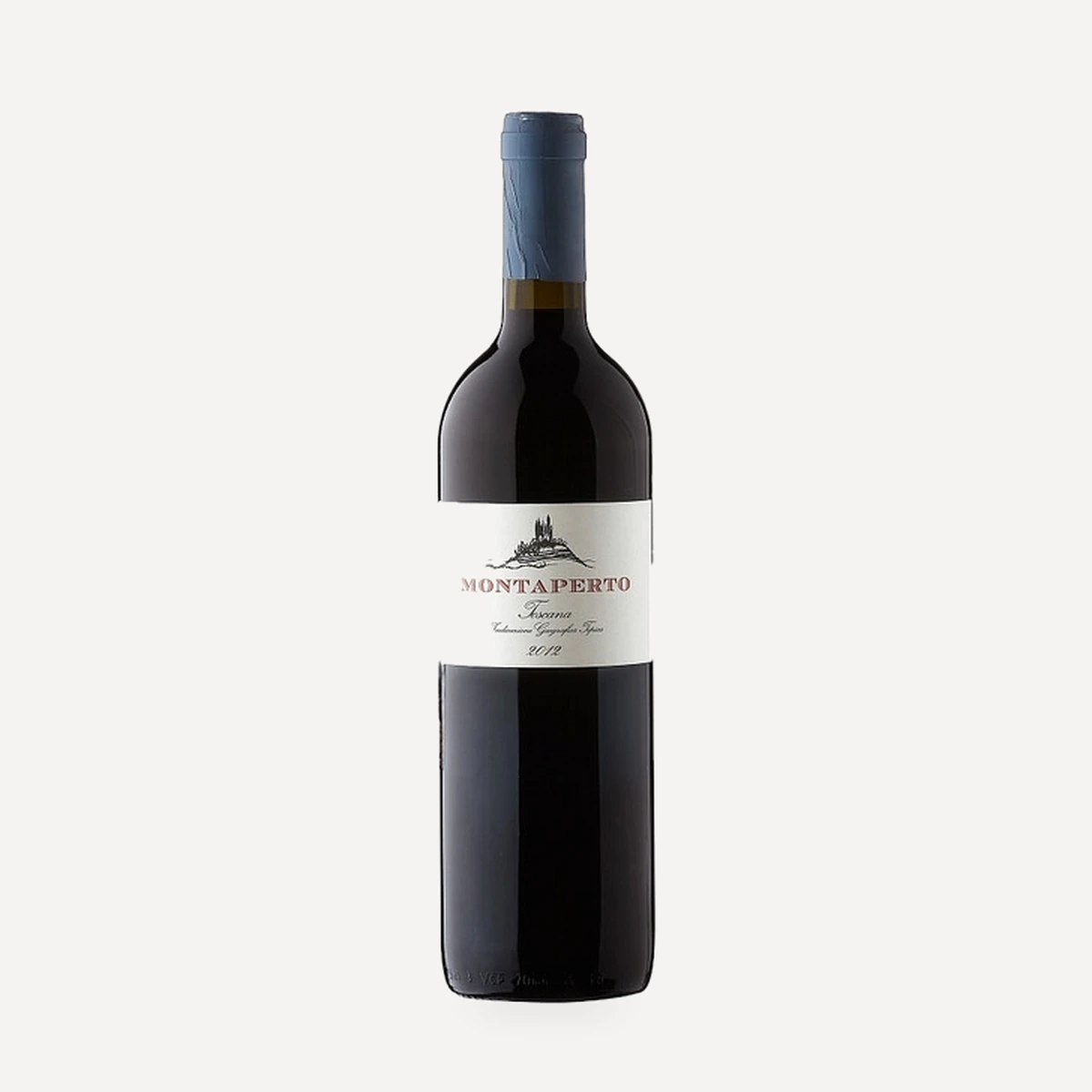 Carpineta FontalpinoChianti Classico · 7 vini15 Tre Bicchieri, l’ultimo nel 2026 · Vigna Montaperto
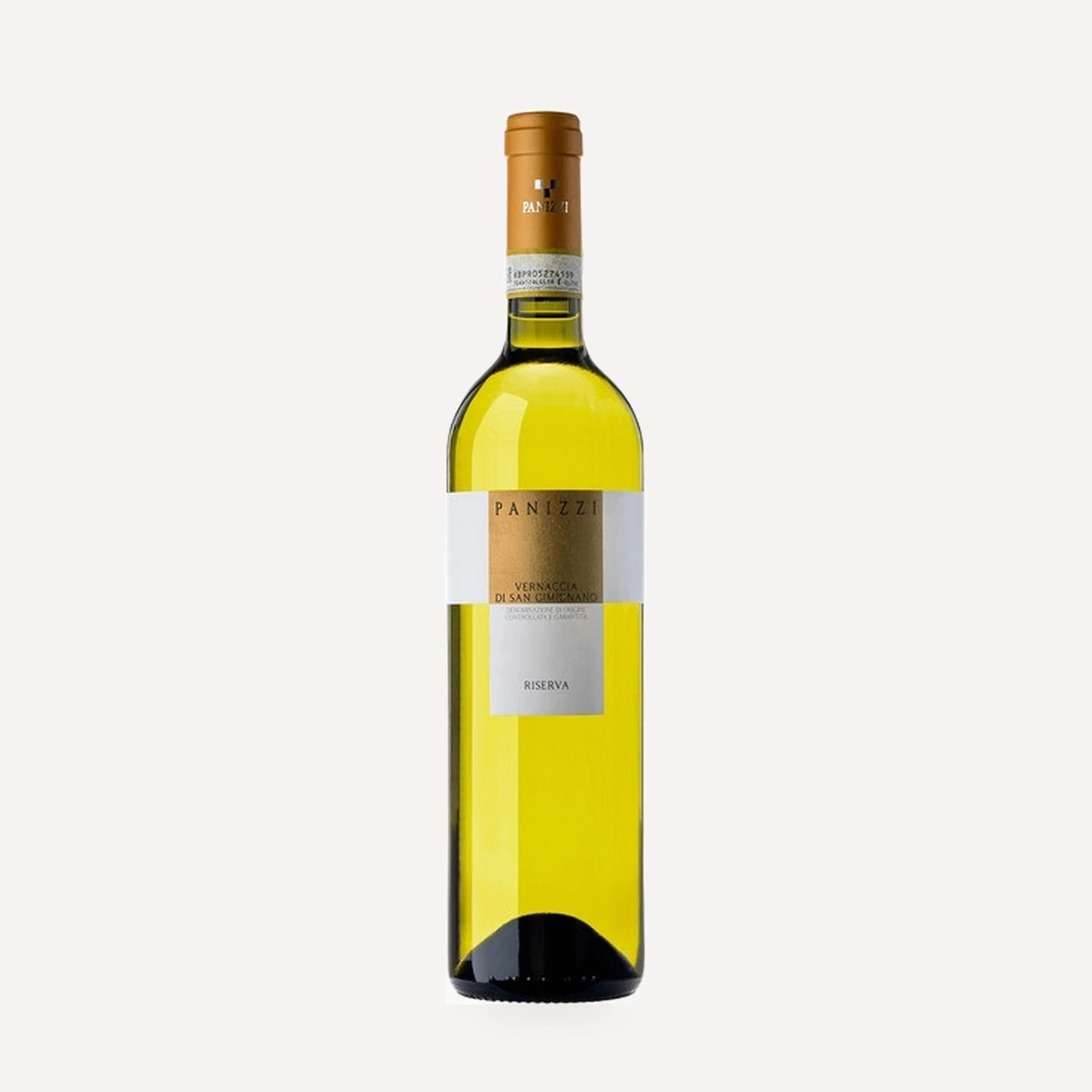 PanizziSan Gimignano · 13 vini8 premi DWWA, l’ultimo nel 2025 · Vernaccia di San Gimignano Riserva DOCG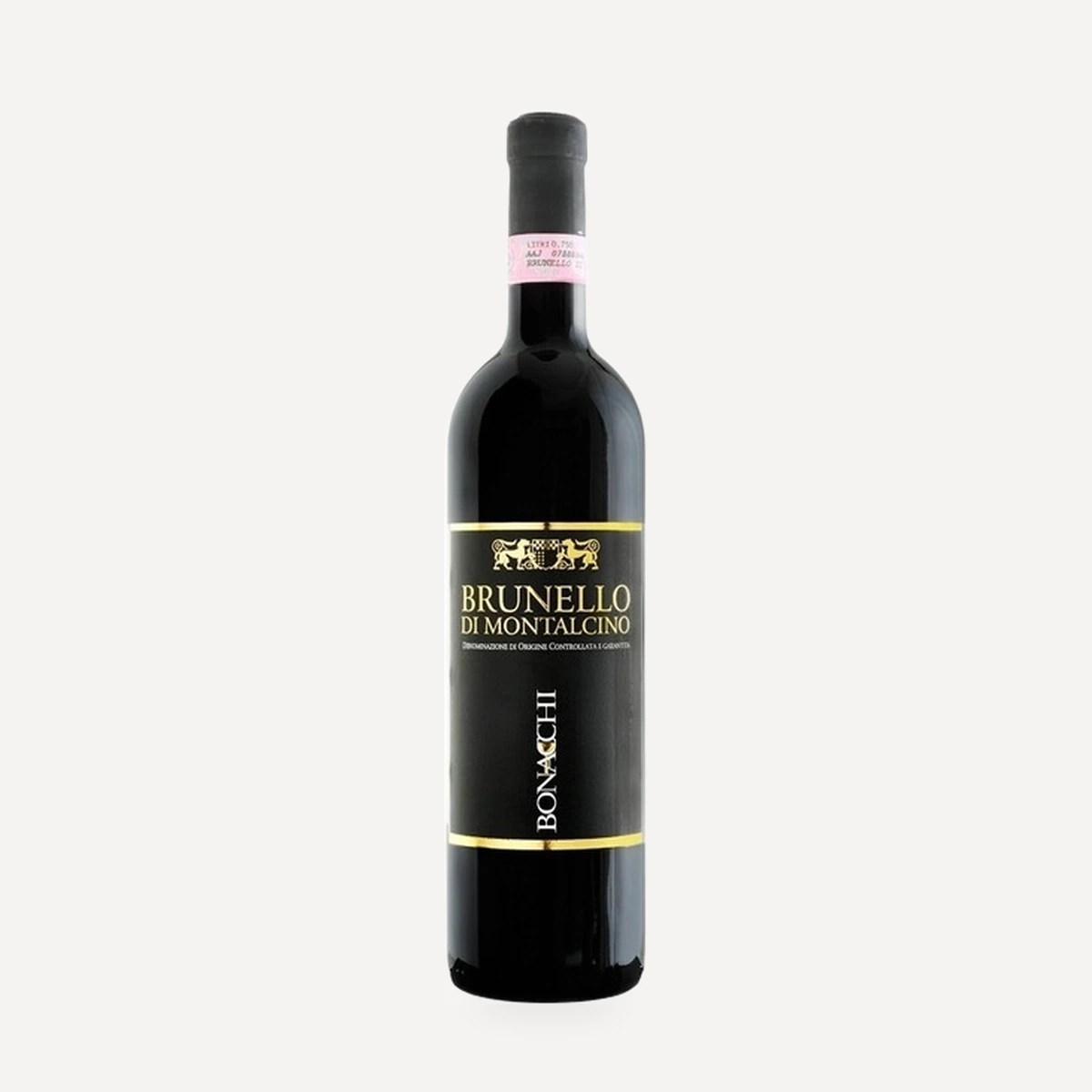
 CalcinaieChianti · 2 vini
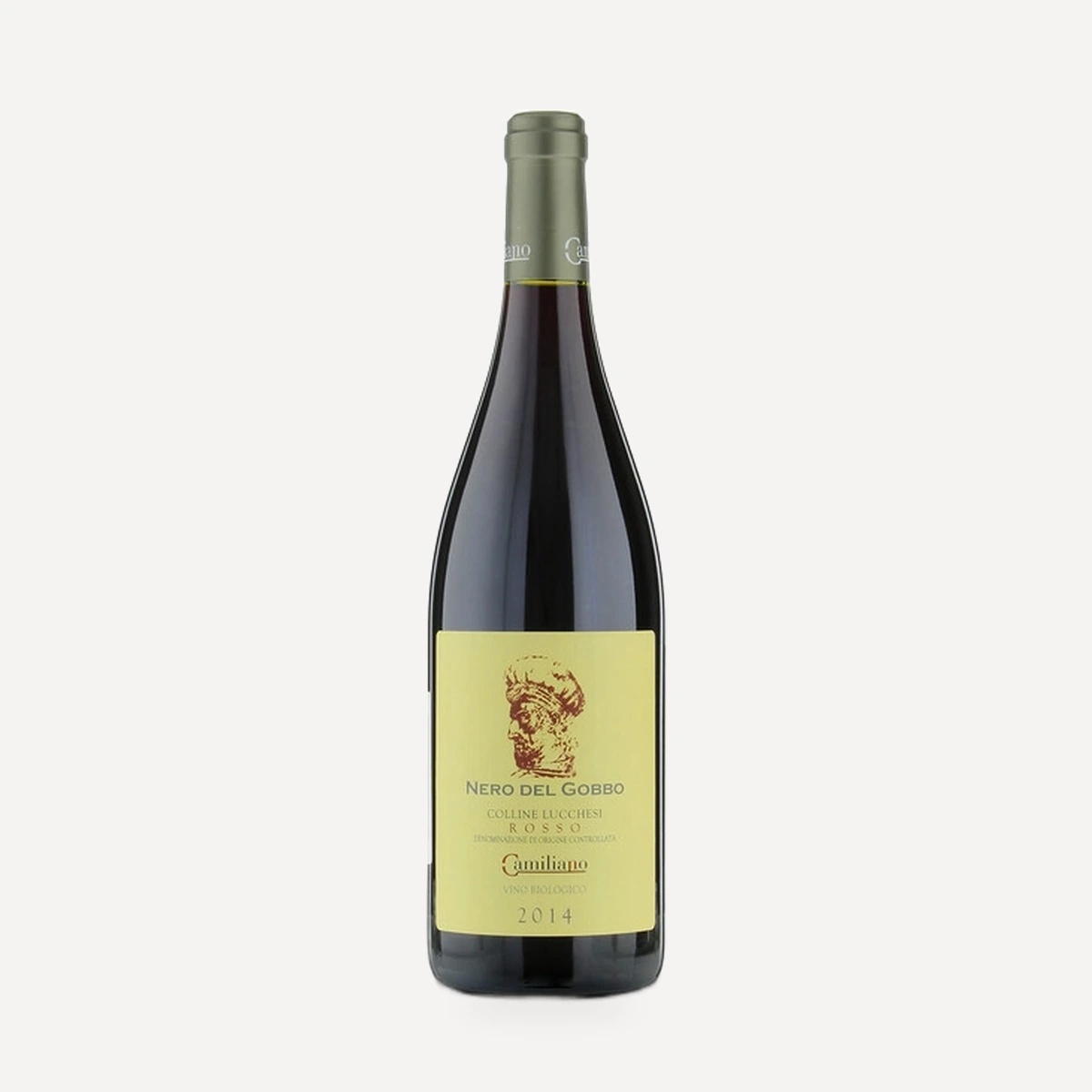 CamiglianoBrunello di Montalcino · 15 viniCamprianoCarpineta FontalpinoChianti Classico · 7 viniCasale Falchini 12 viniCasanova della SpinettaChianti · 8 vini
 CasavecchiaChianti · 3 vini
 Castello di QuercetoChianti Classico · 17 viniCastello Nipozzano Chianti · 4 viniCerro Vino Nobile di Montepulciano · 13 viniCesani
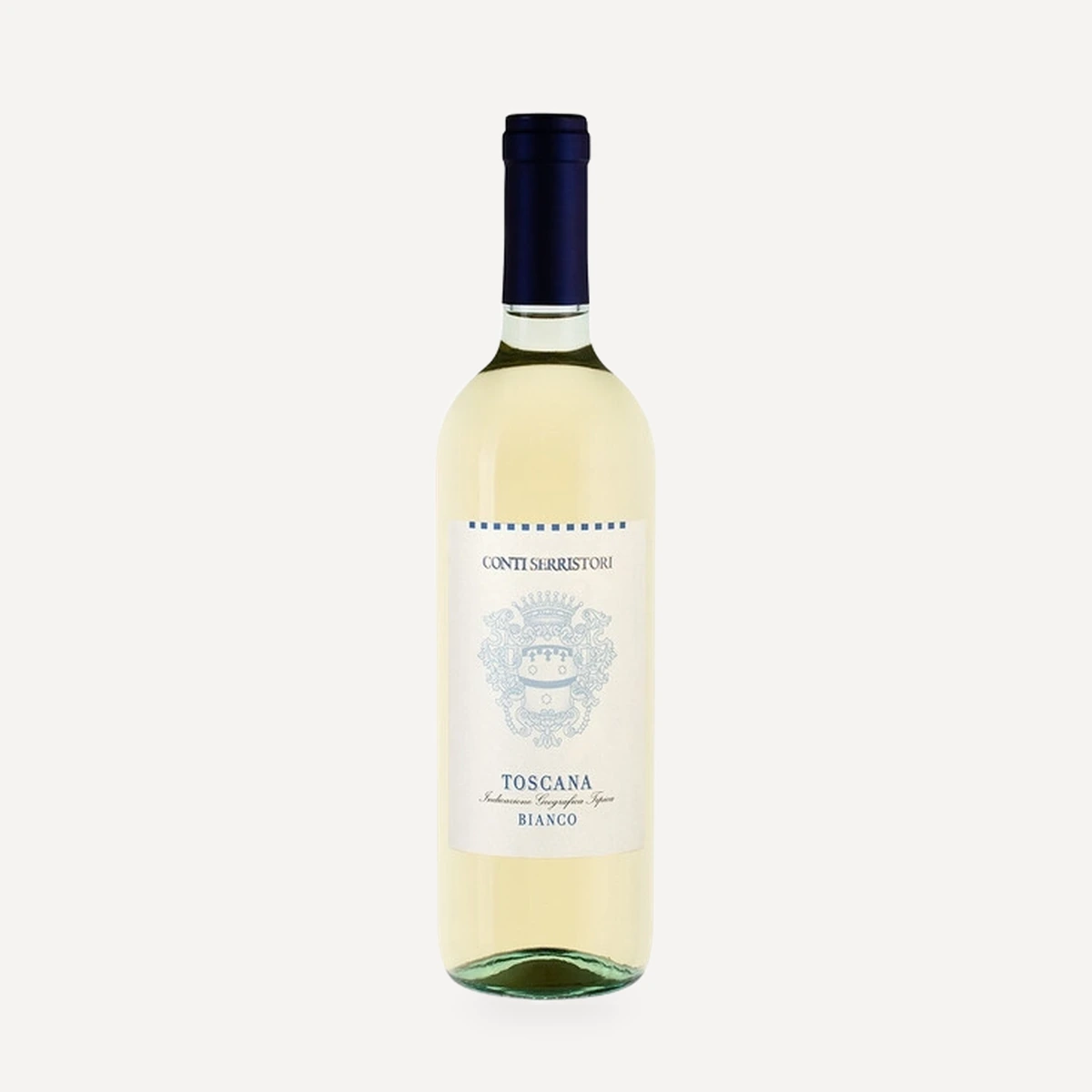 Conti SerristoriChianti Classico · 7 vini
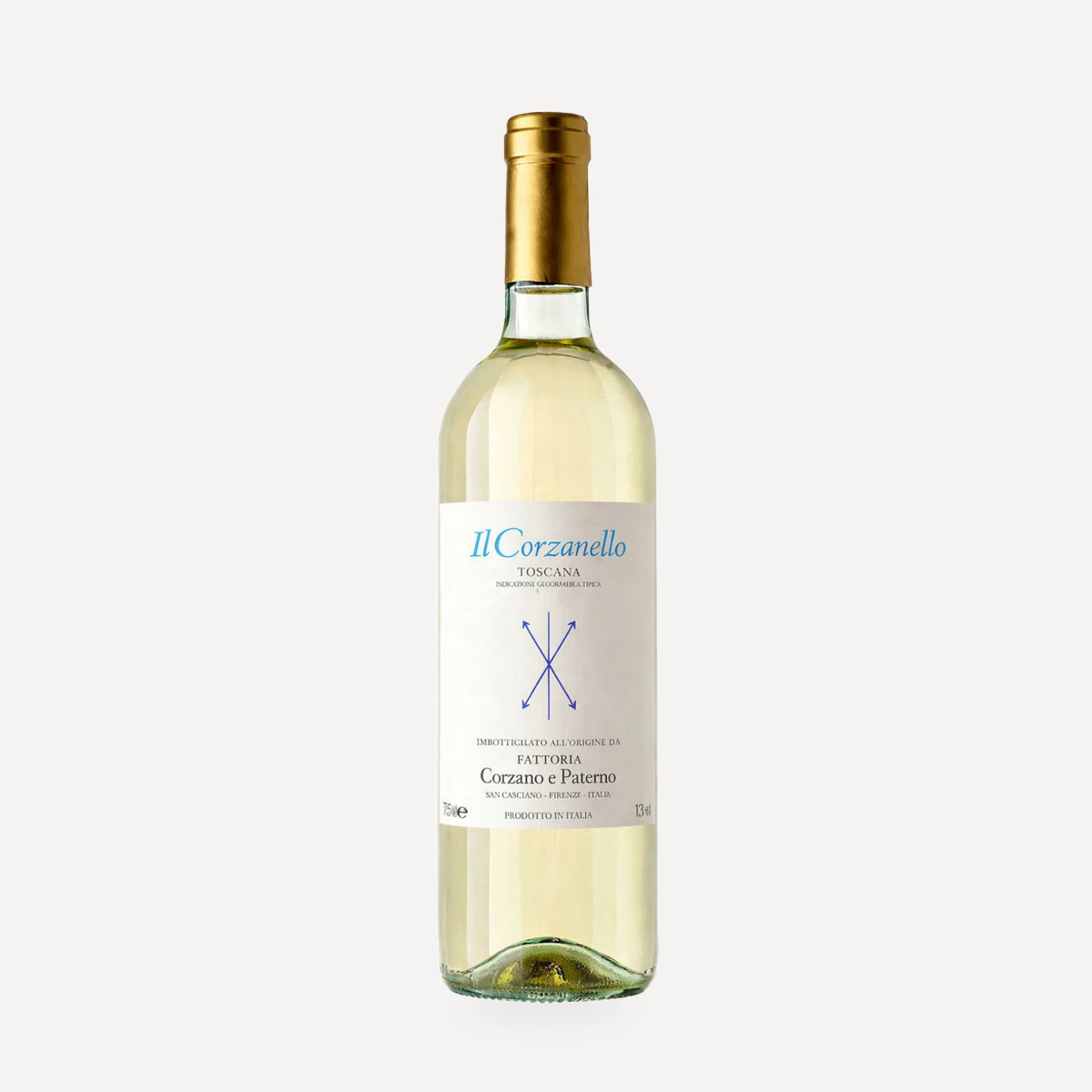 Corzano e Paterno7 viniCrociani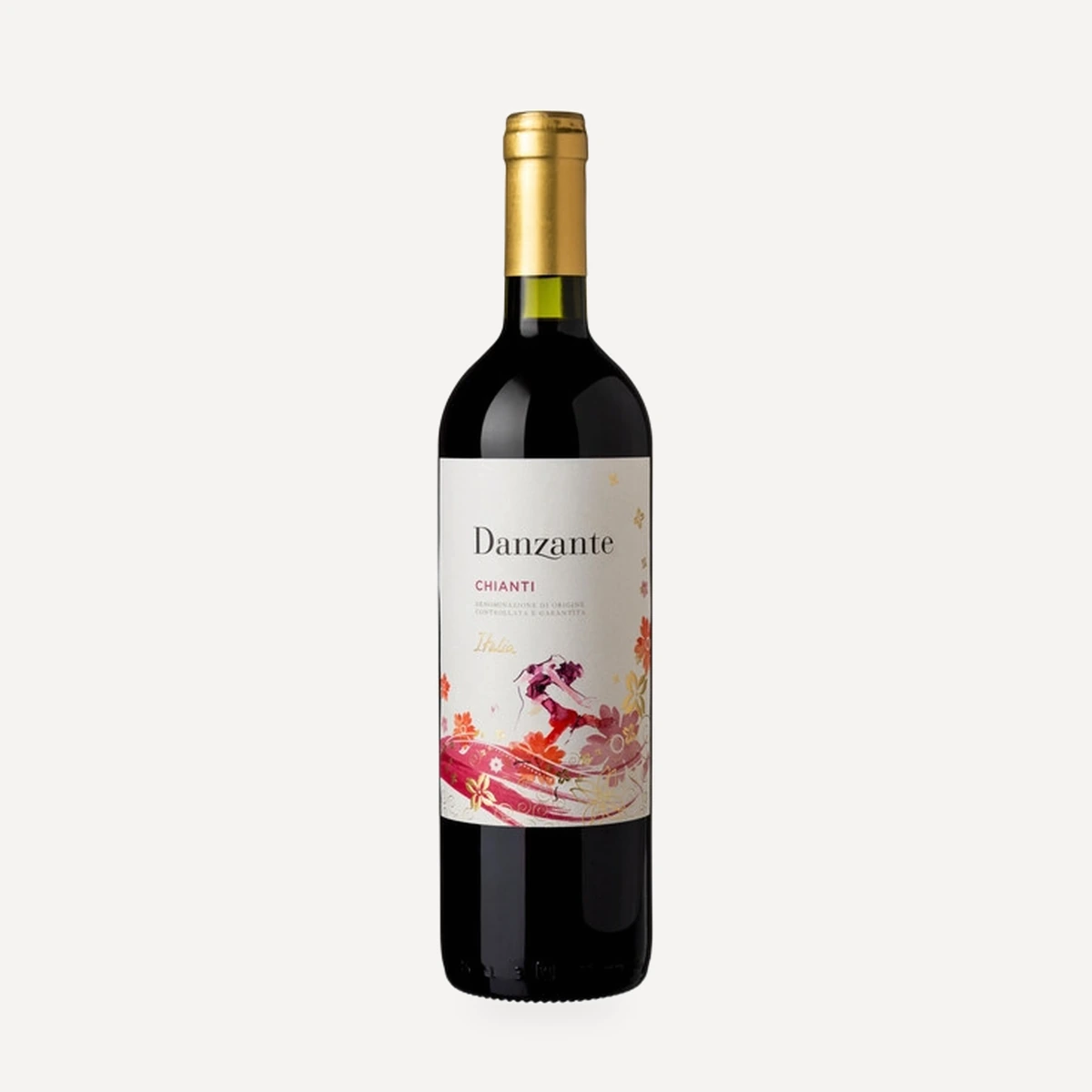
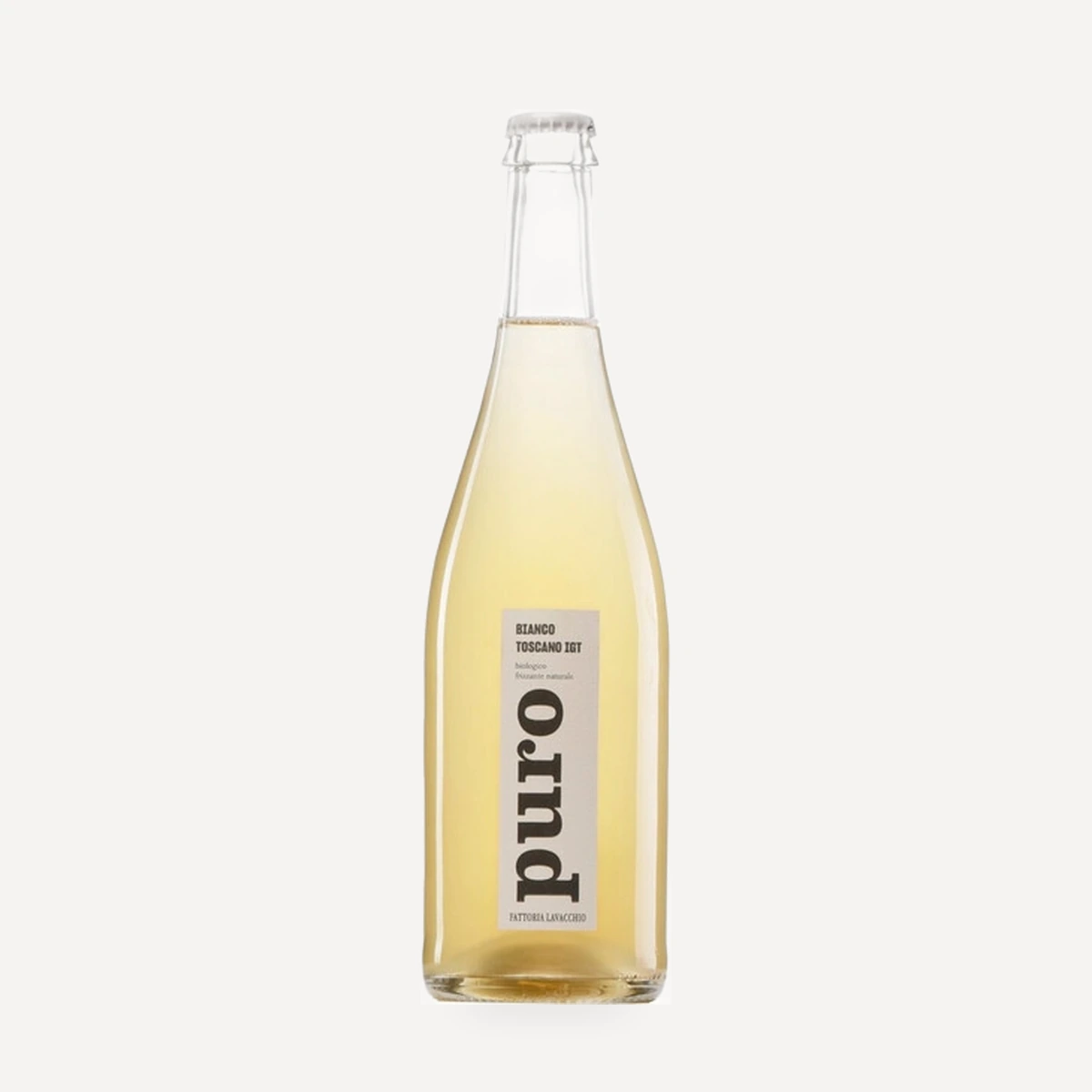
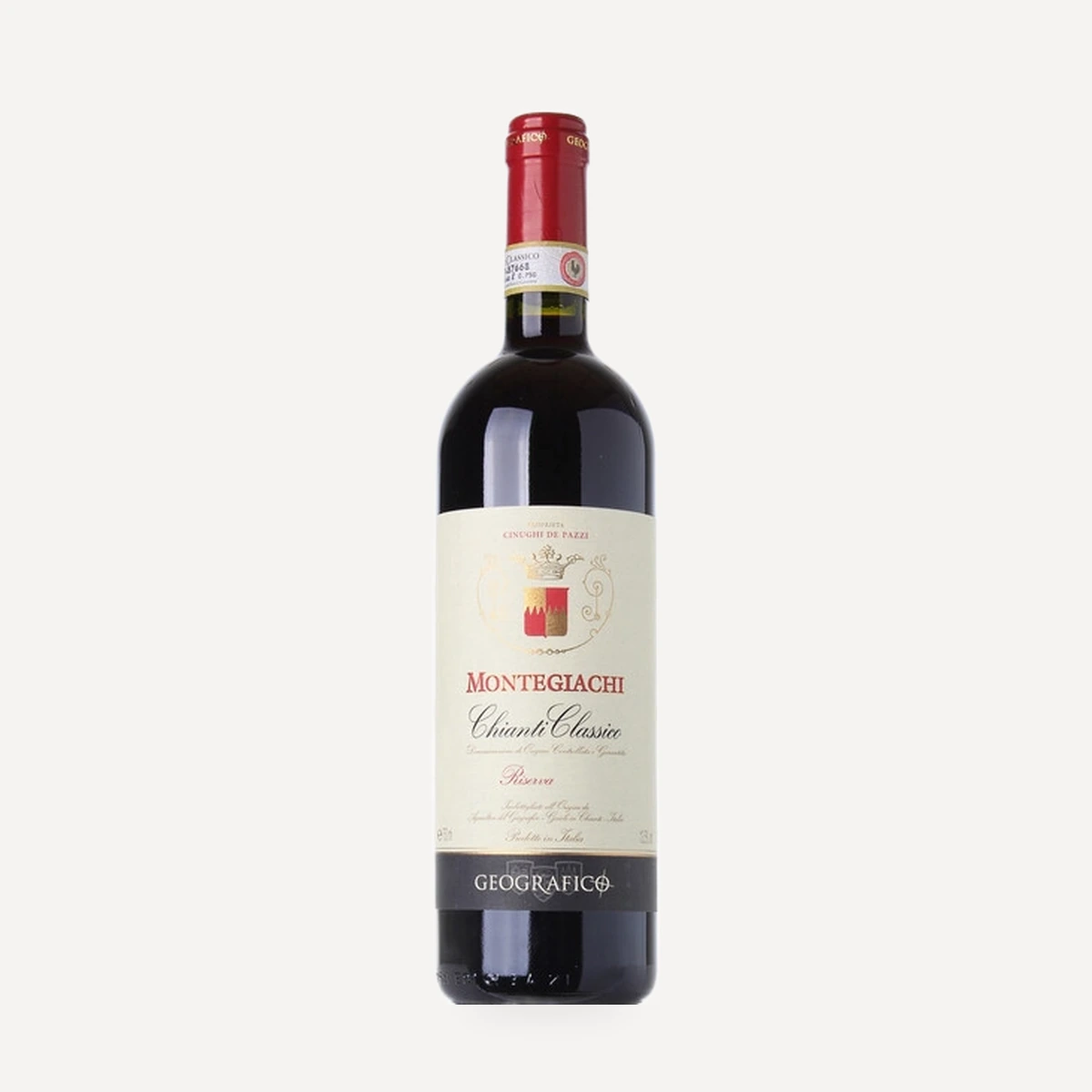
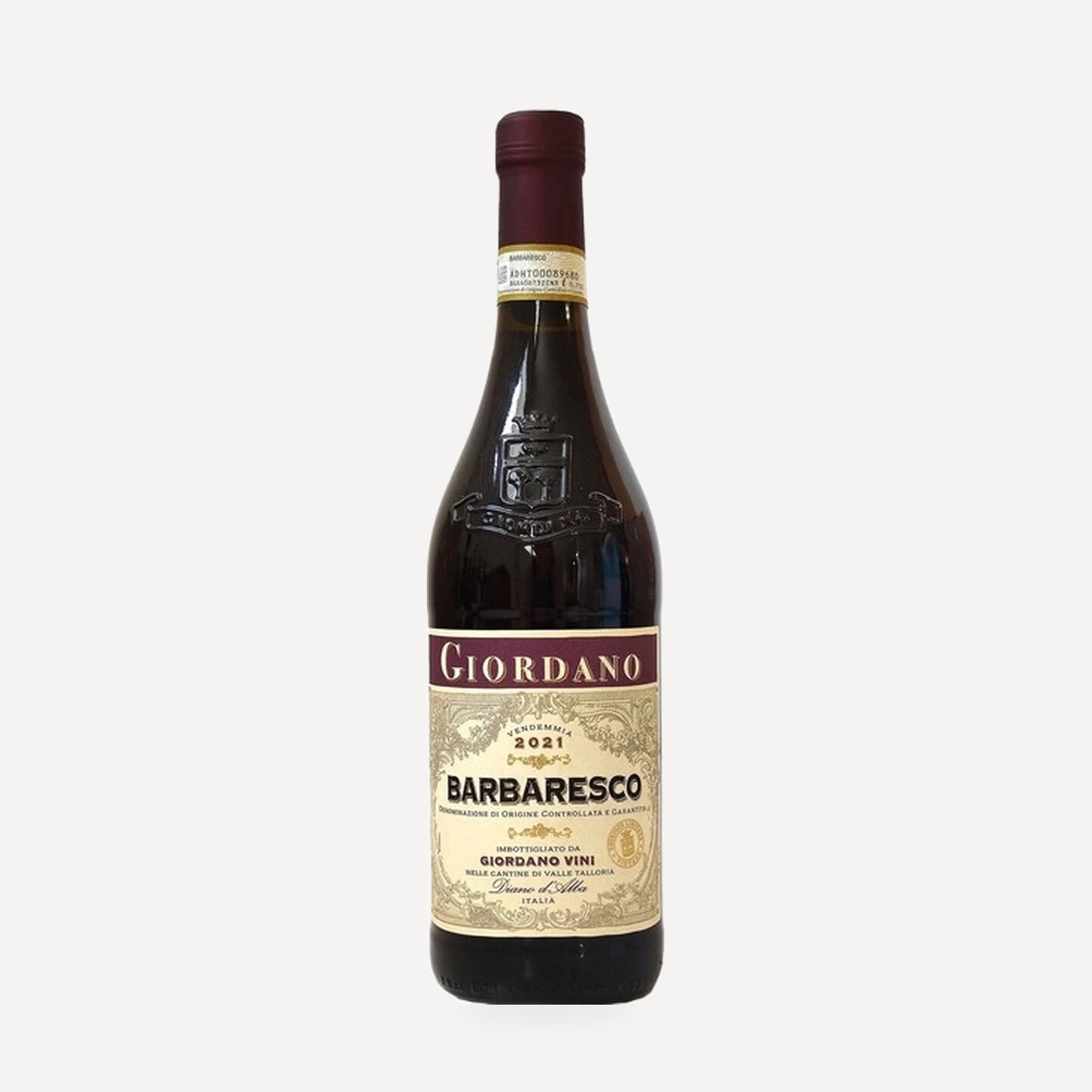
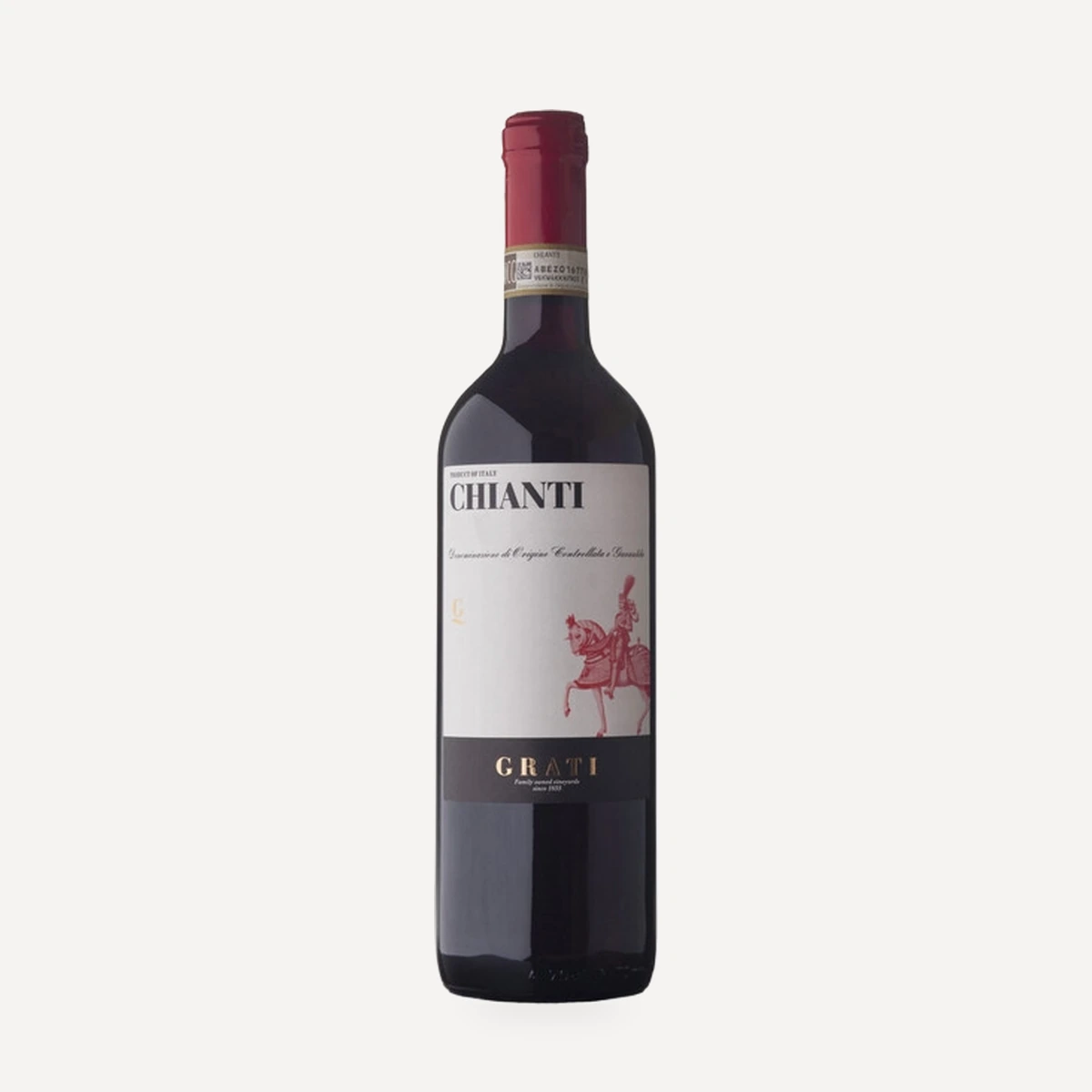
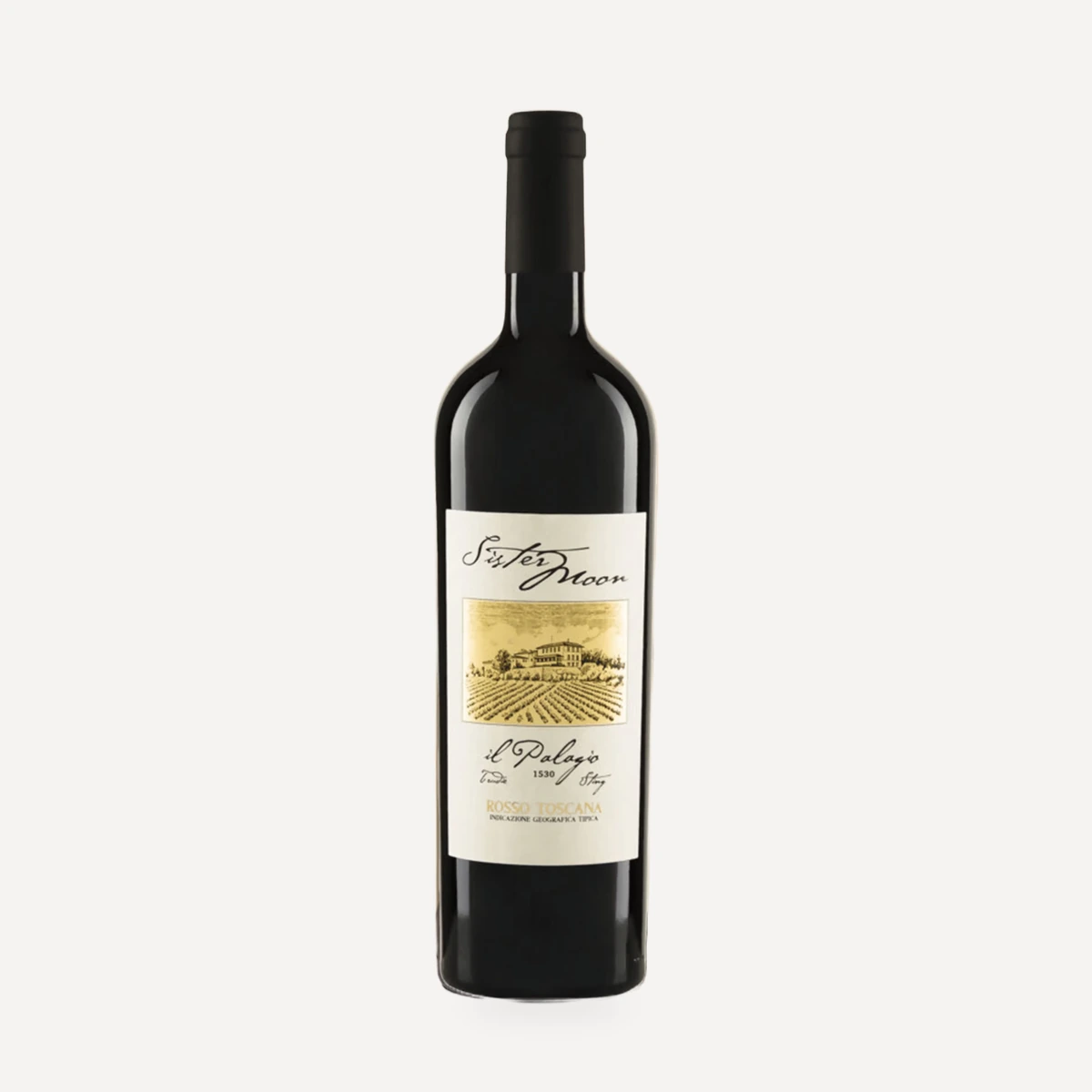
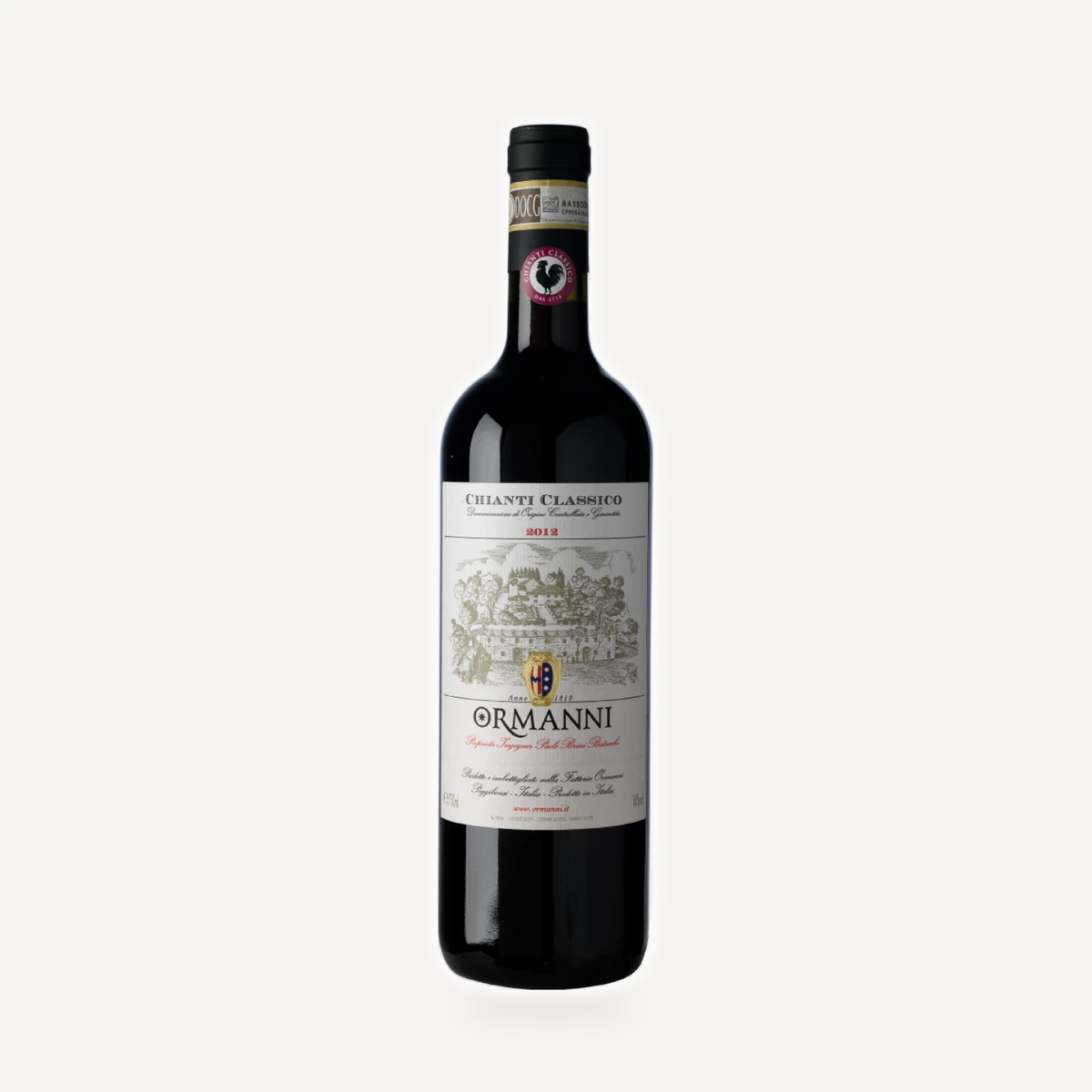
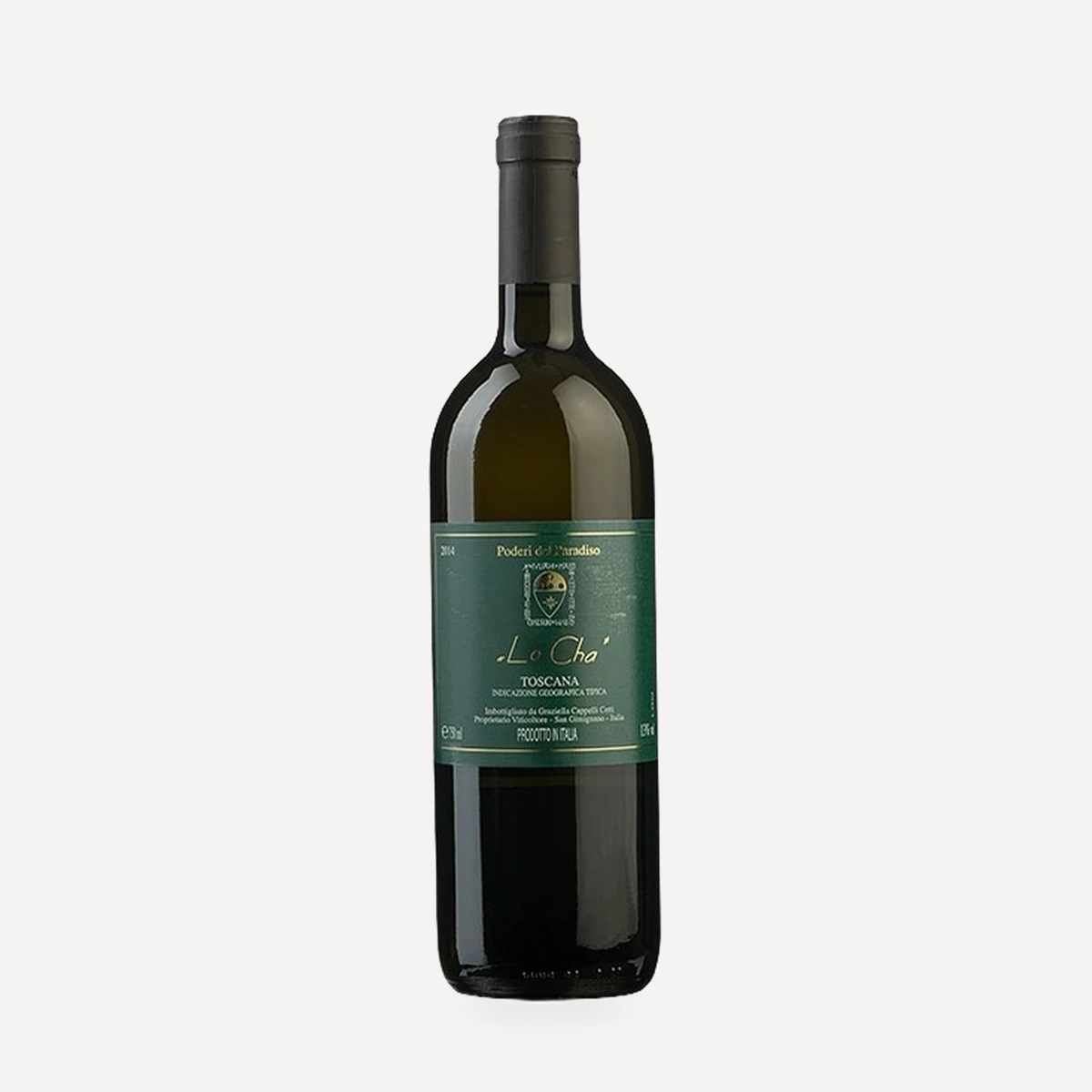
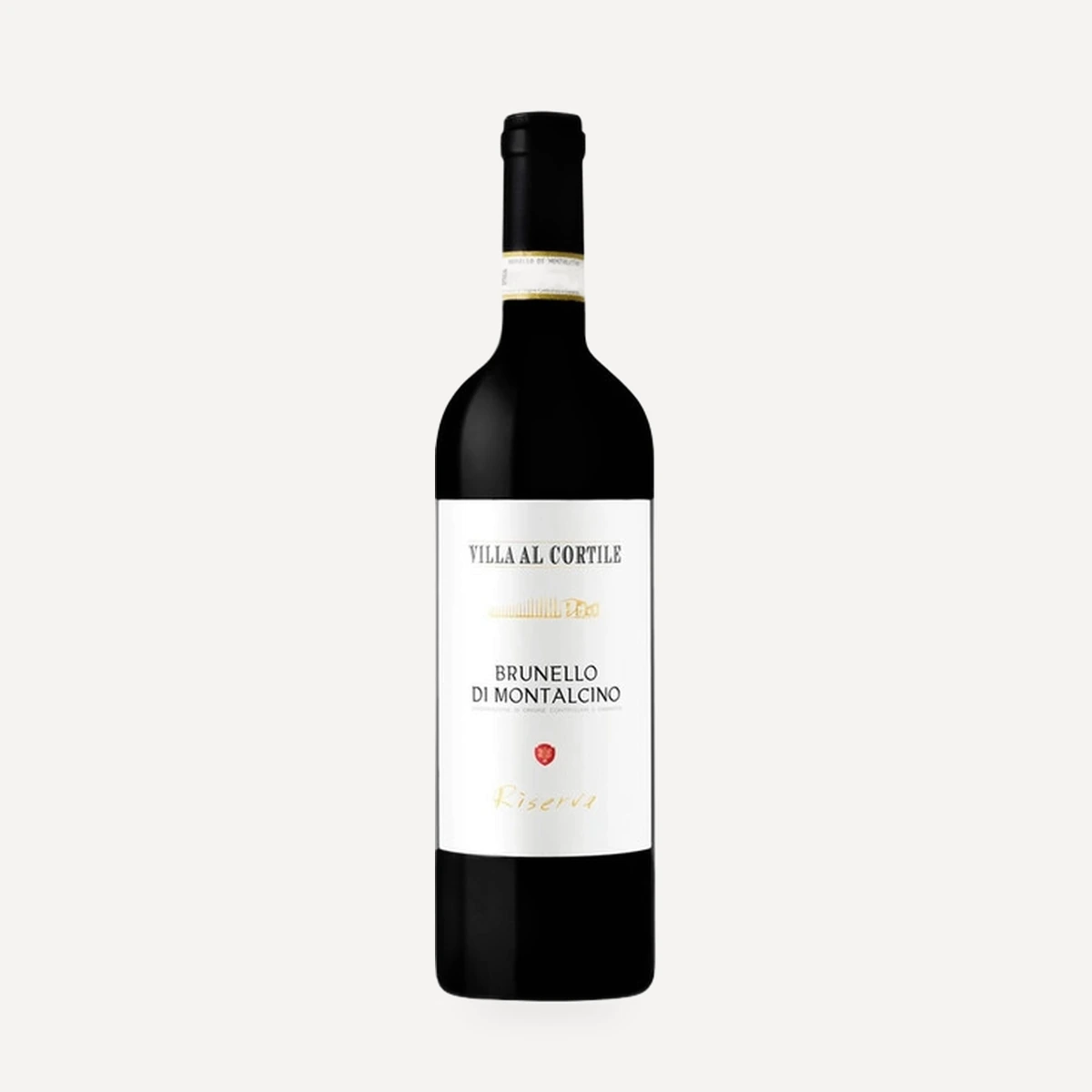
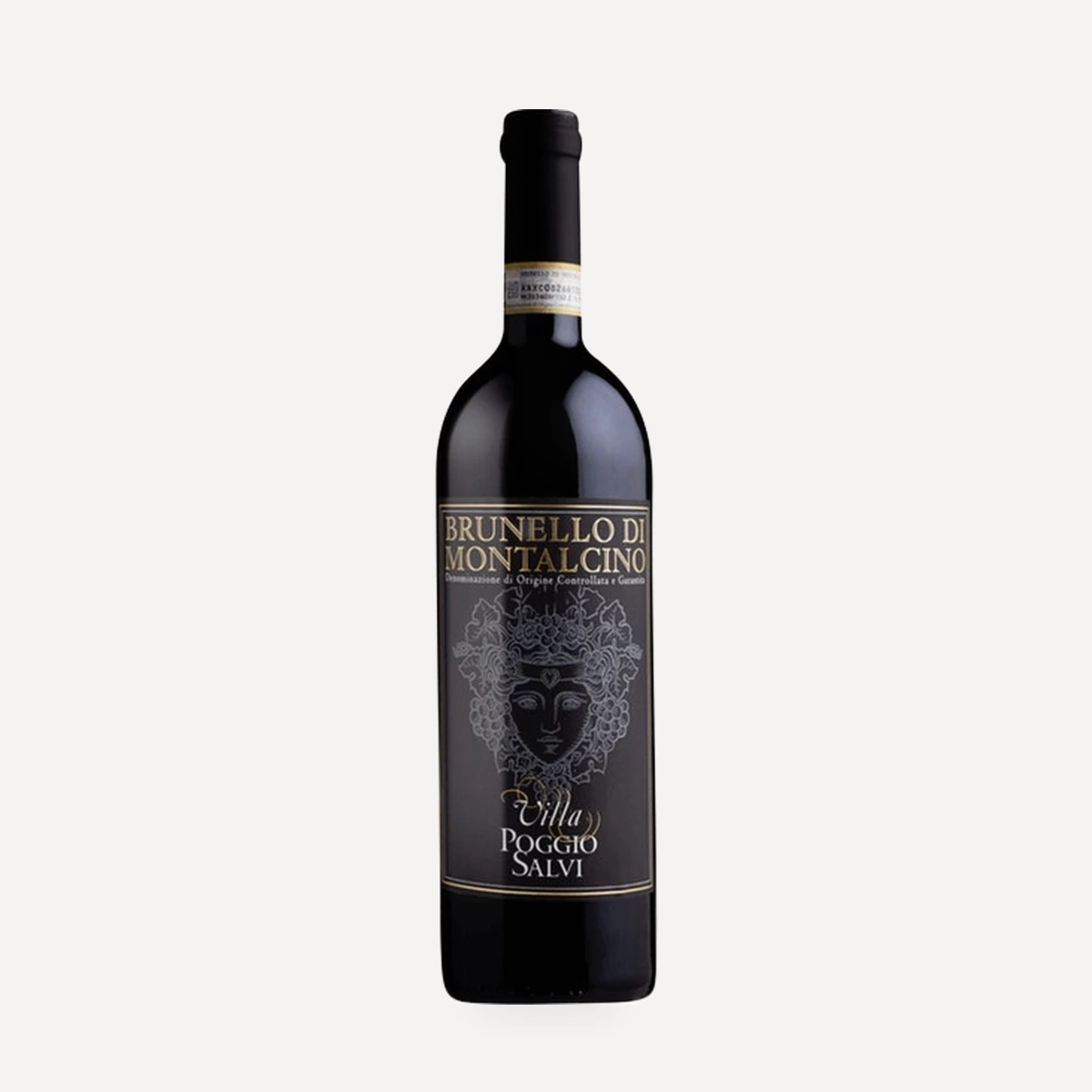
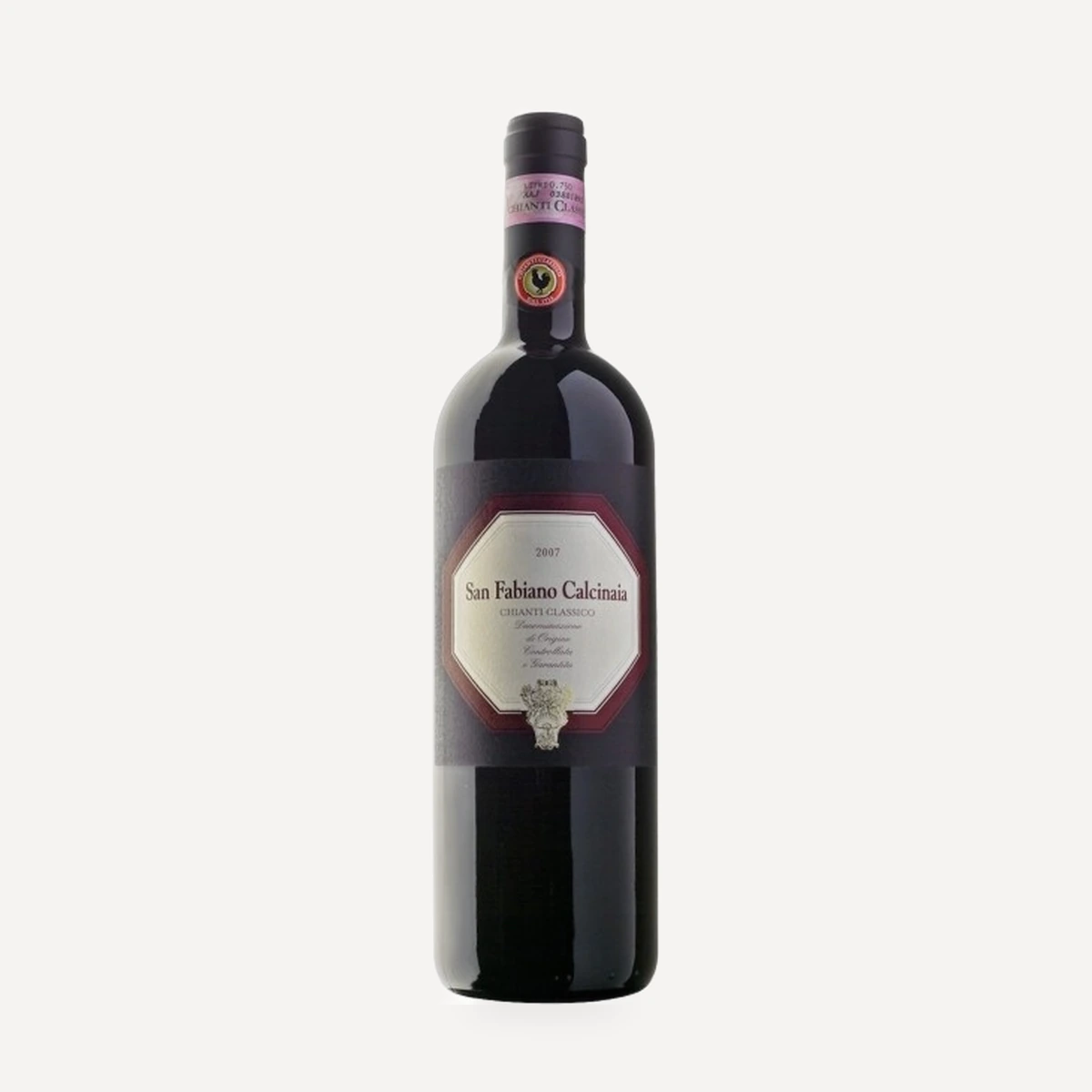
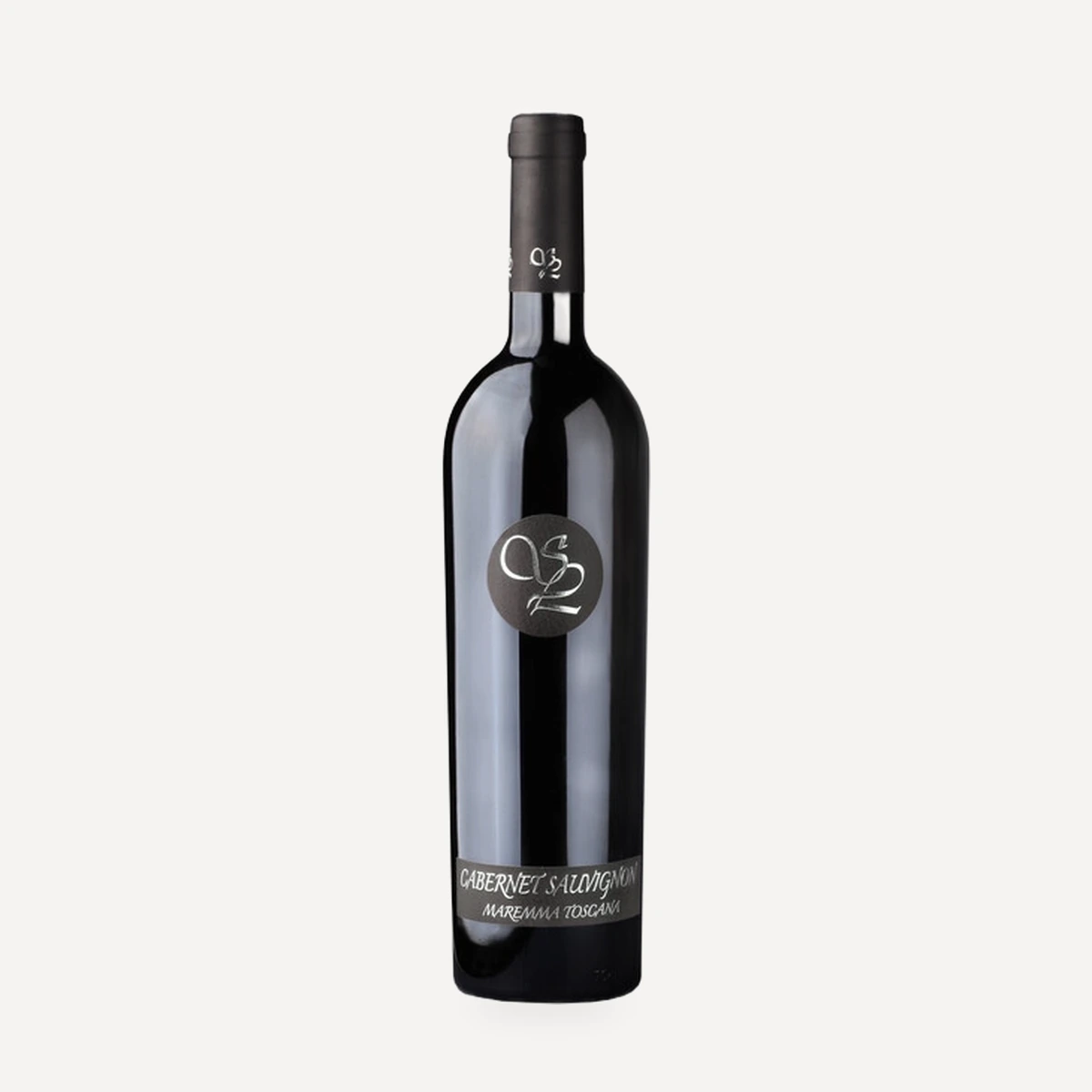
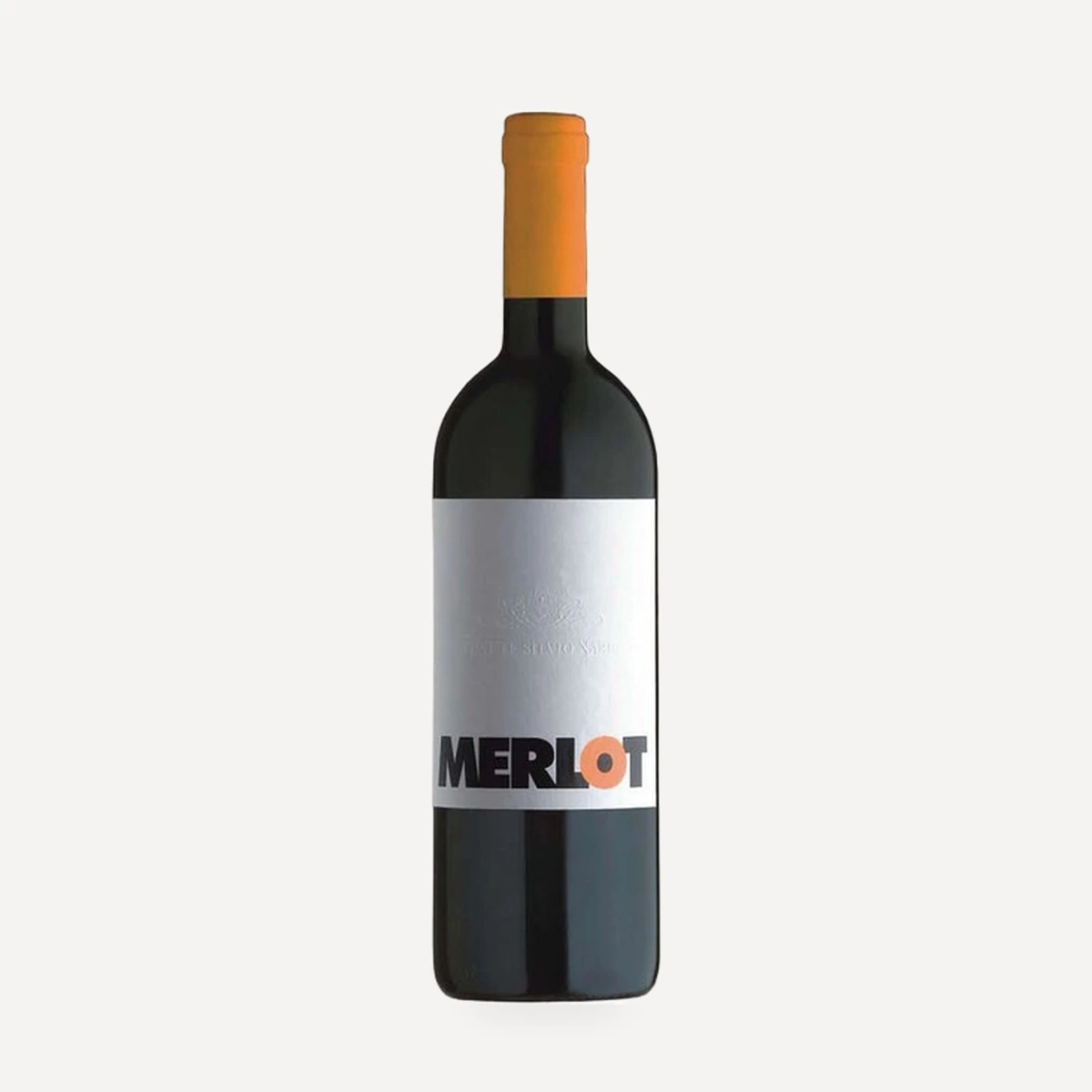
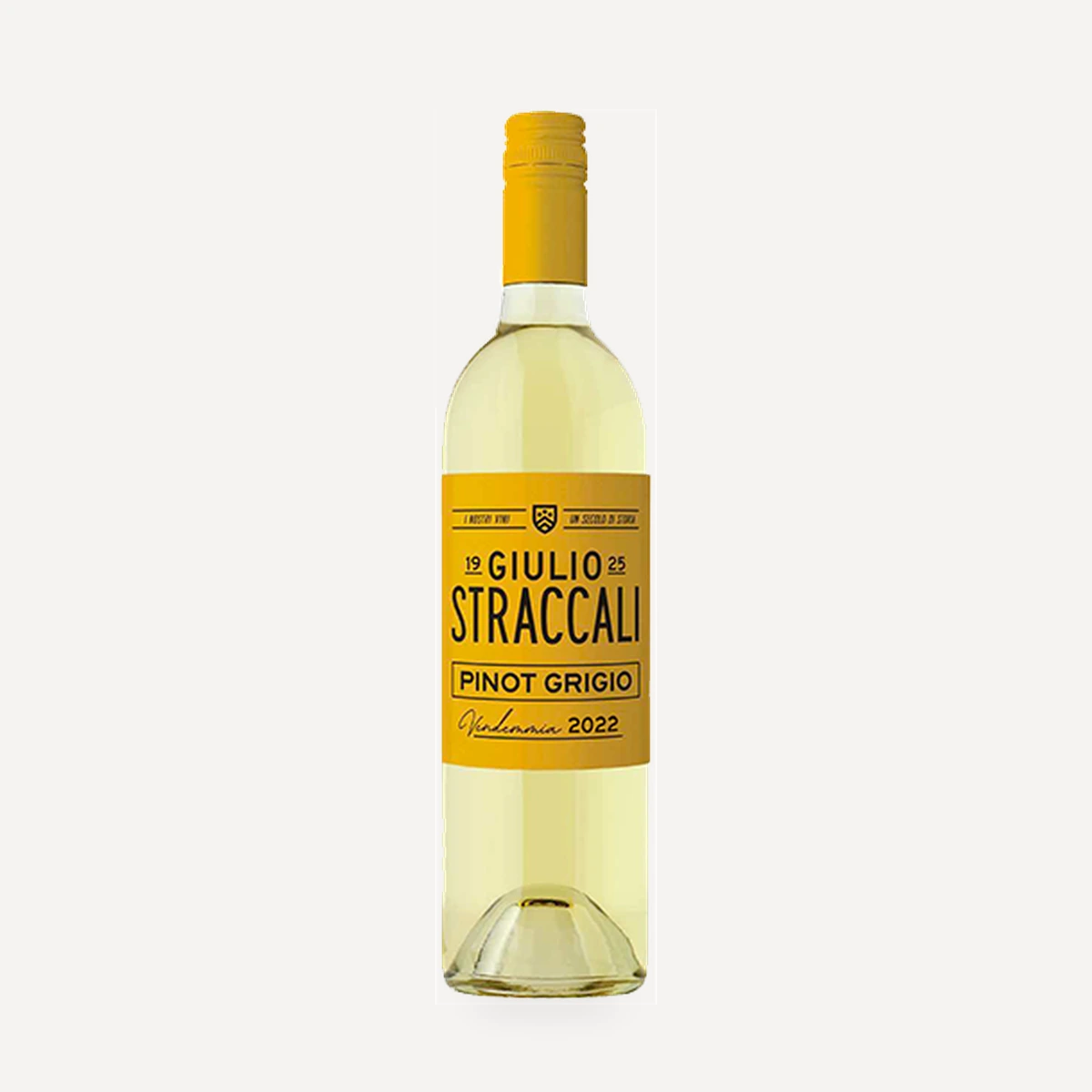

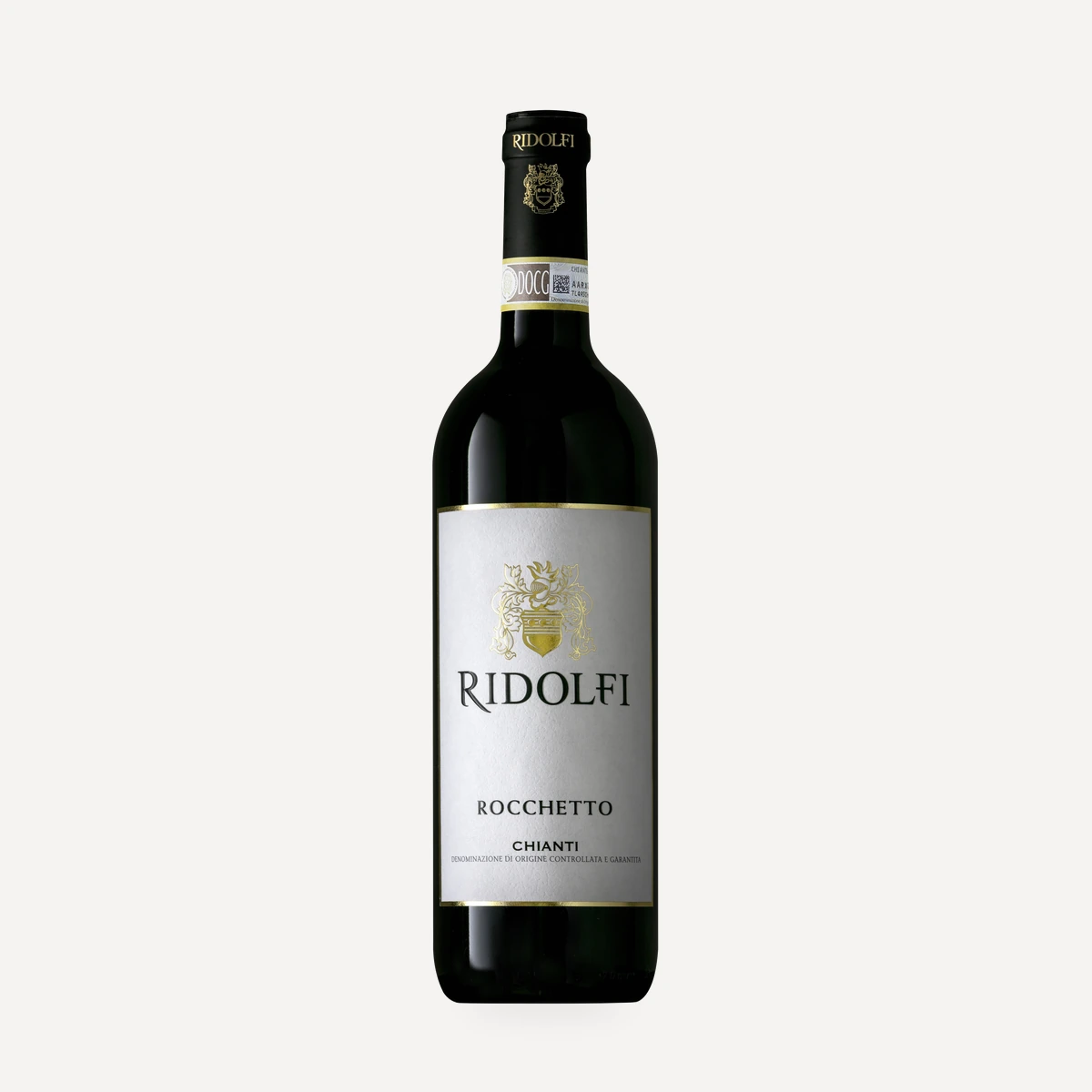
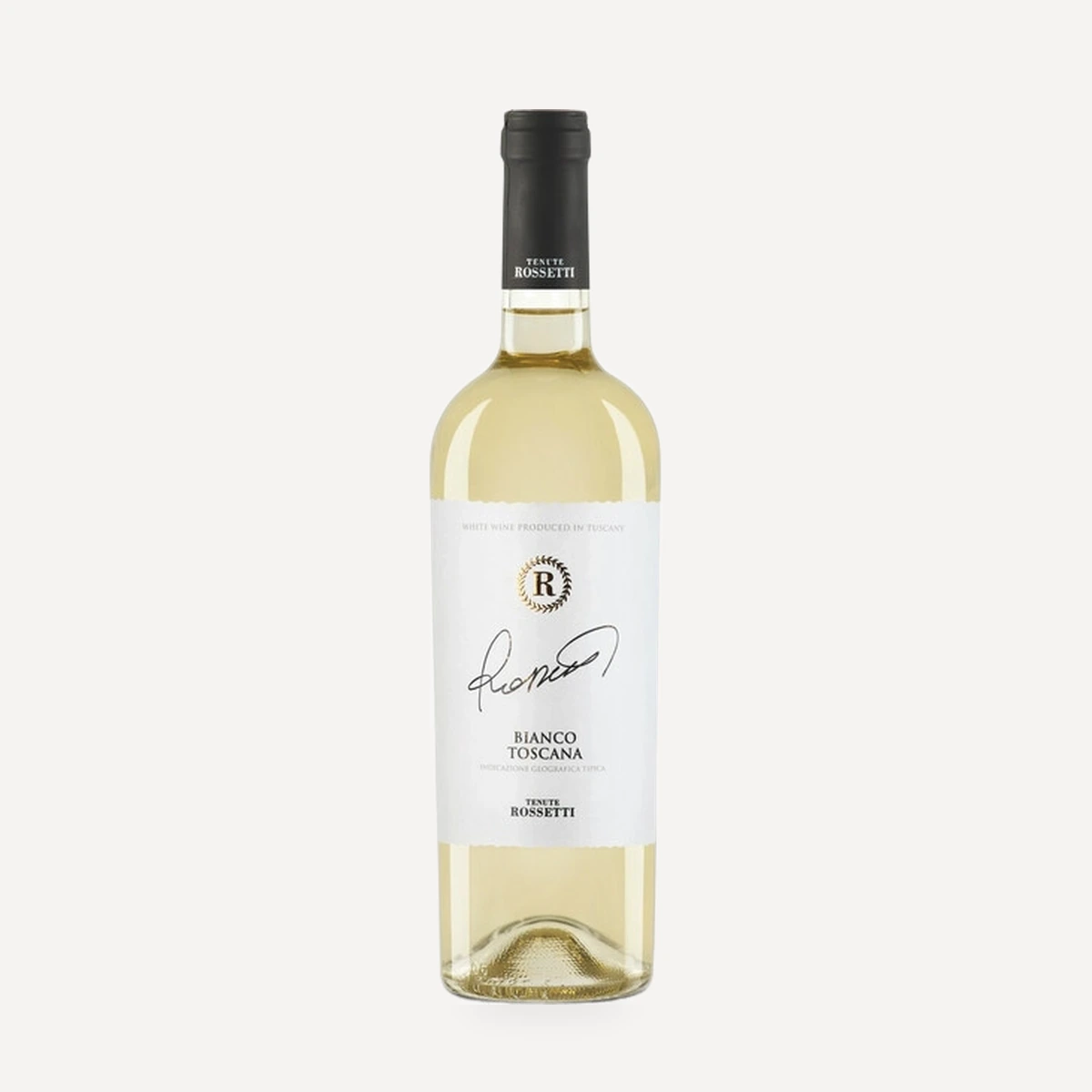
Vini di Chianti
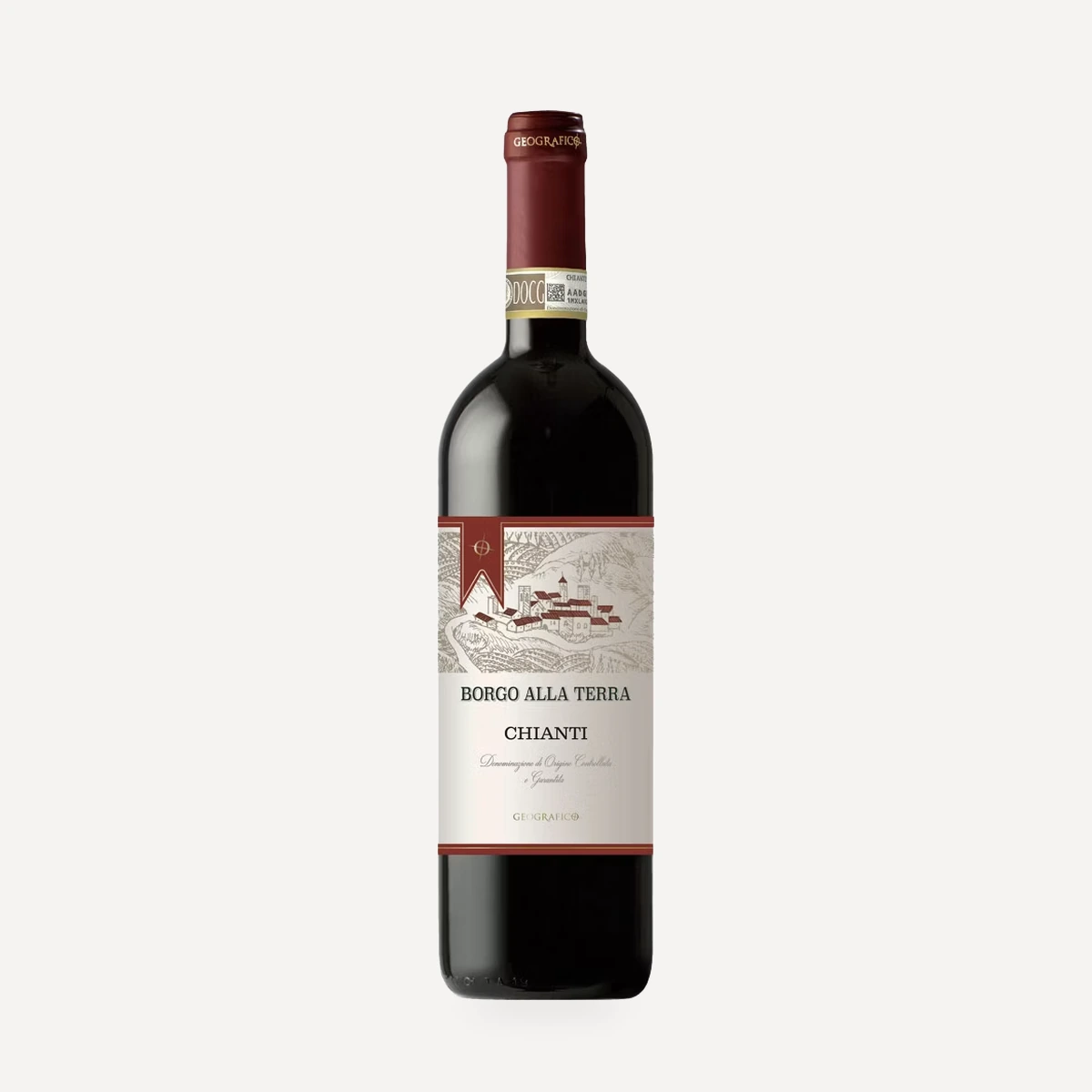
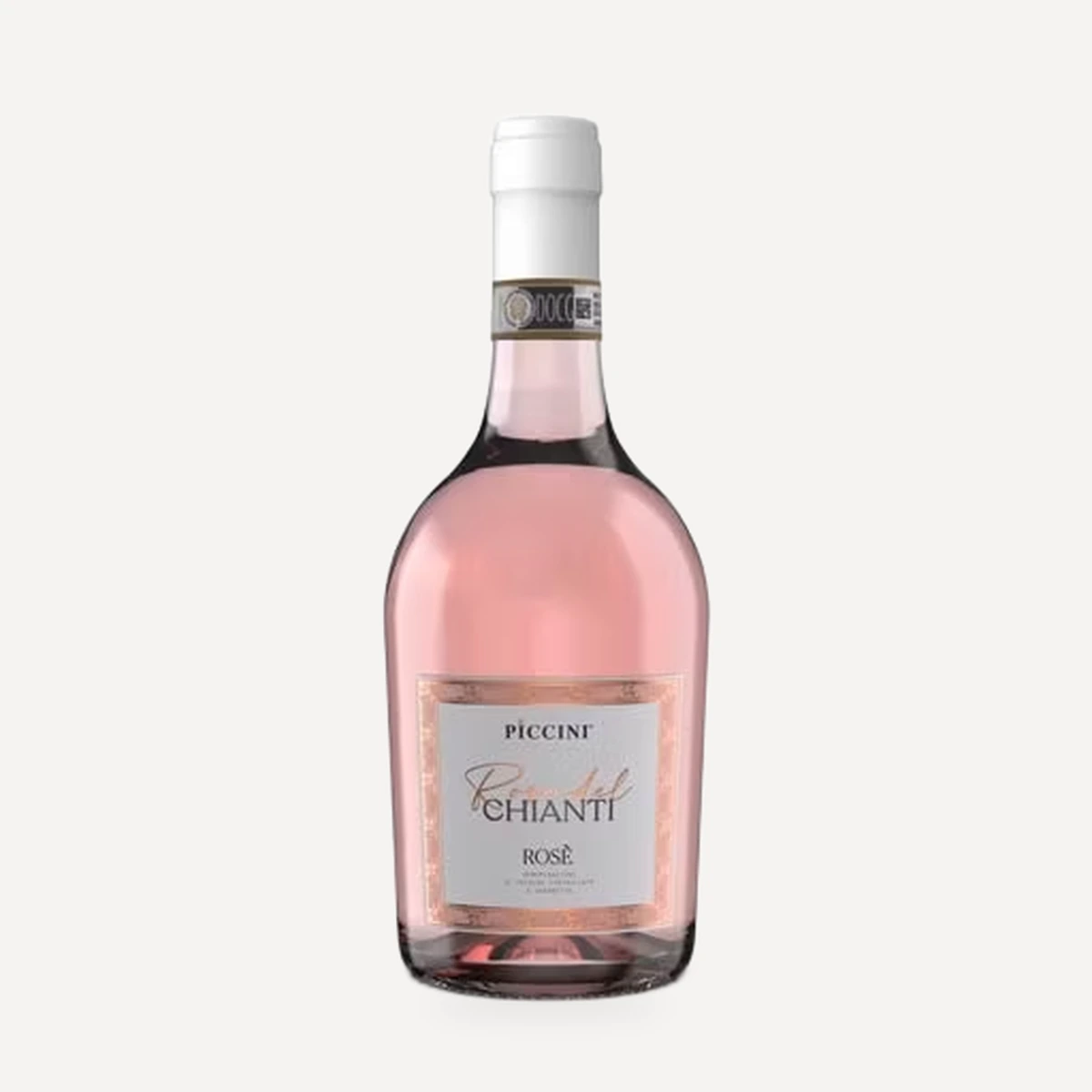
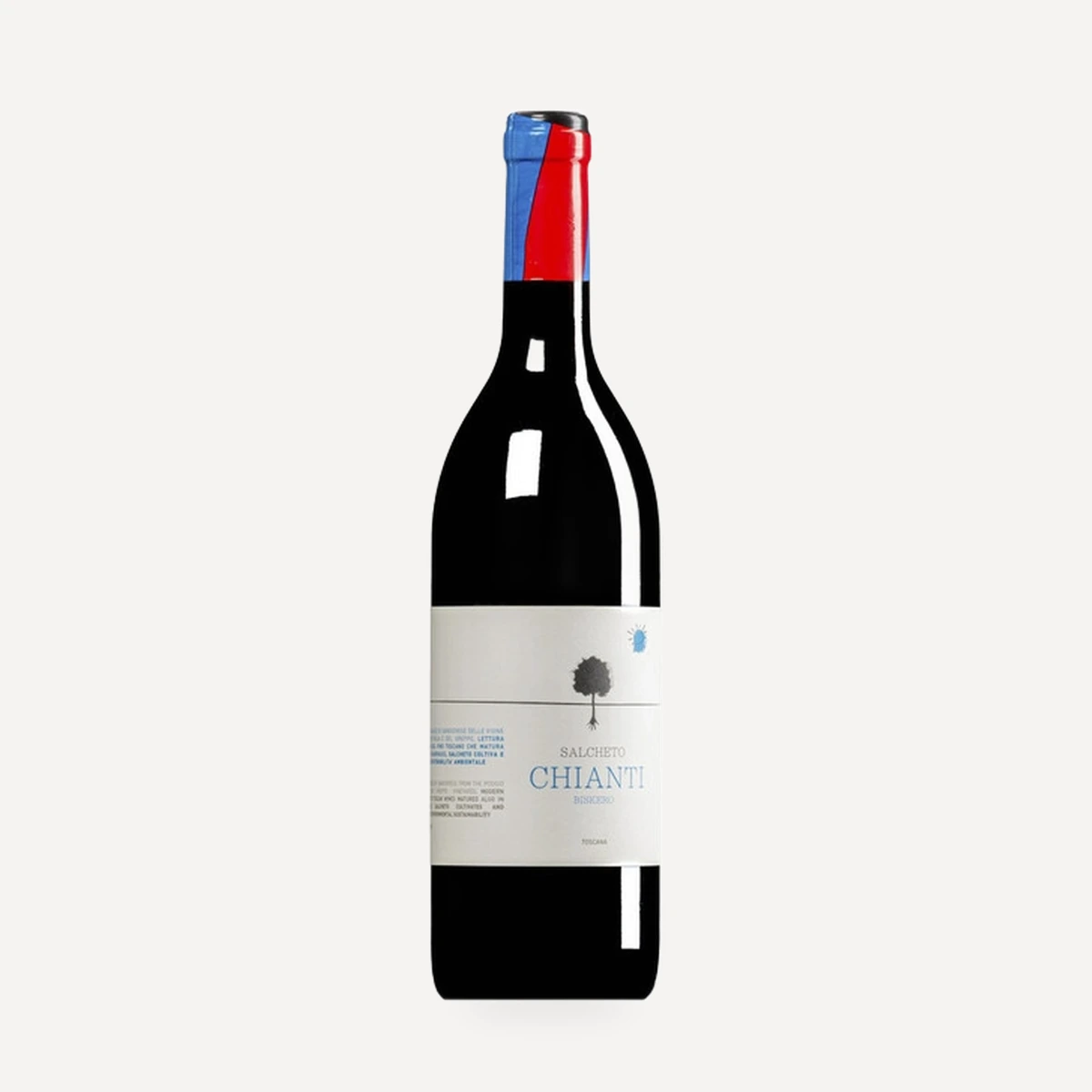
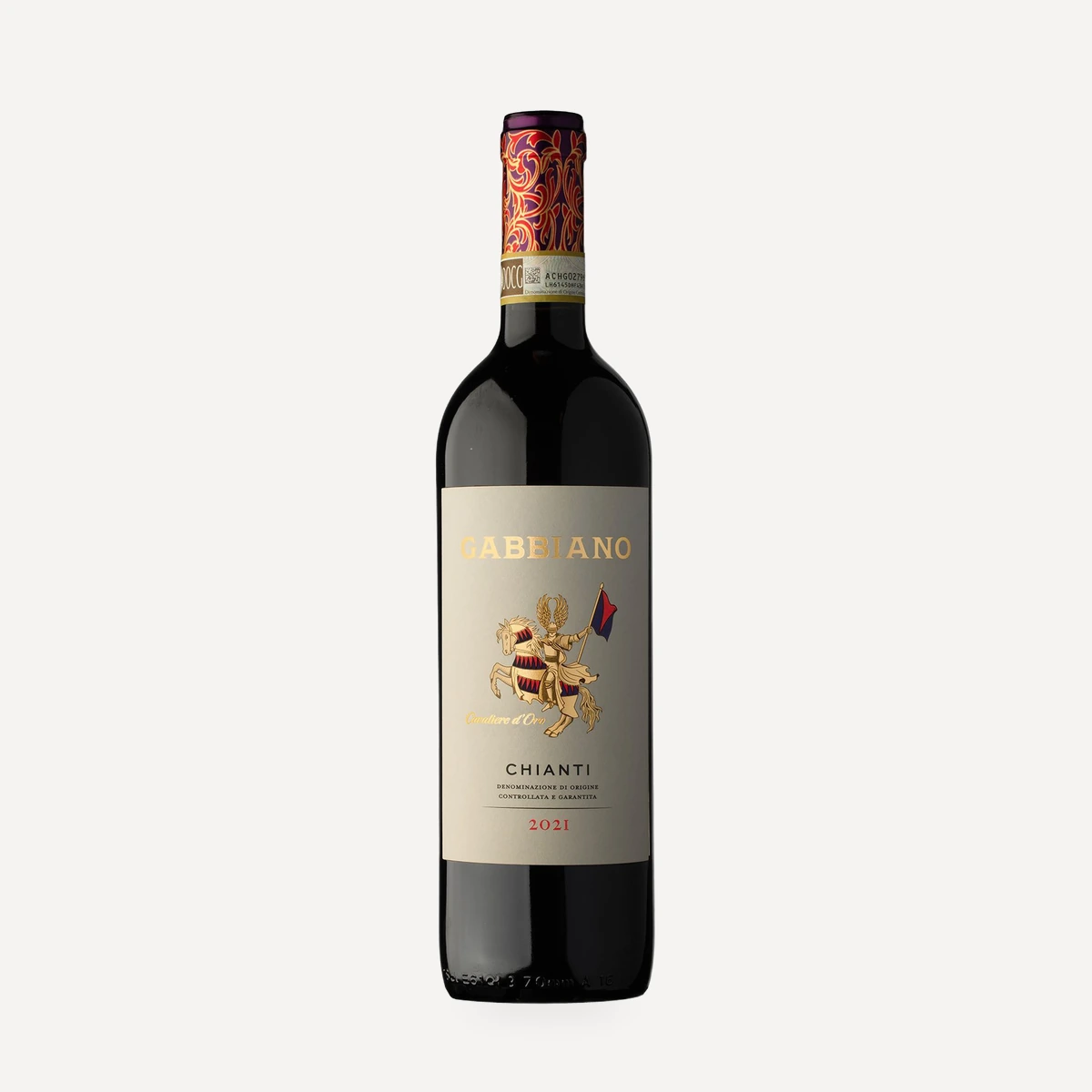
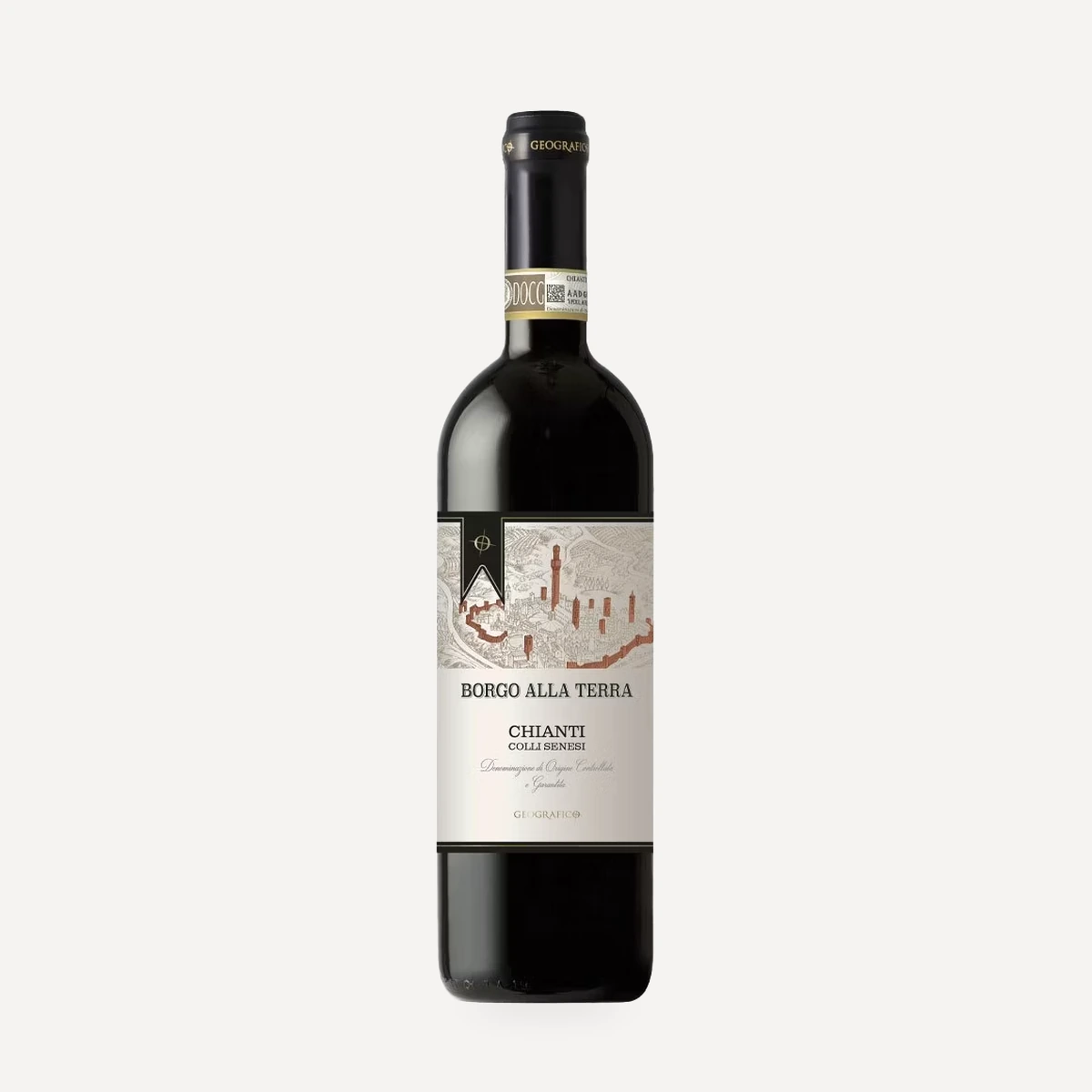
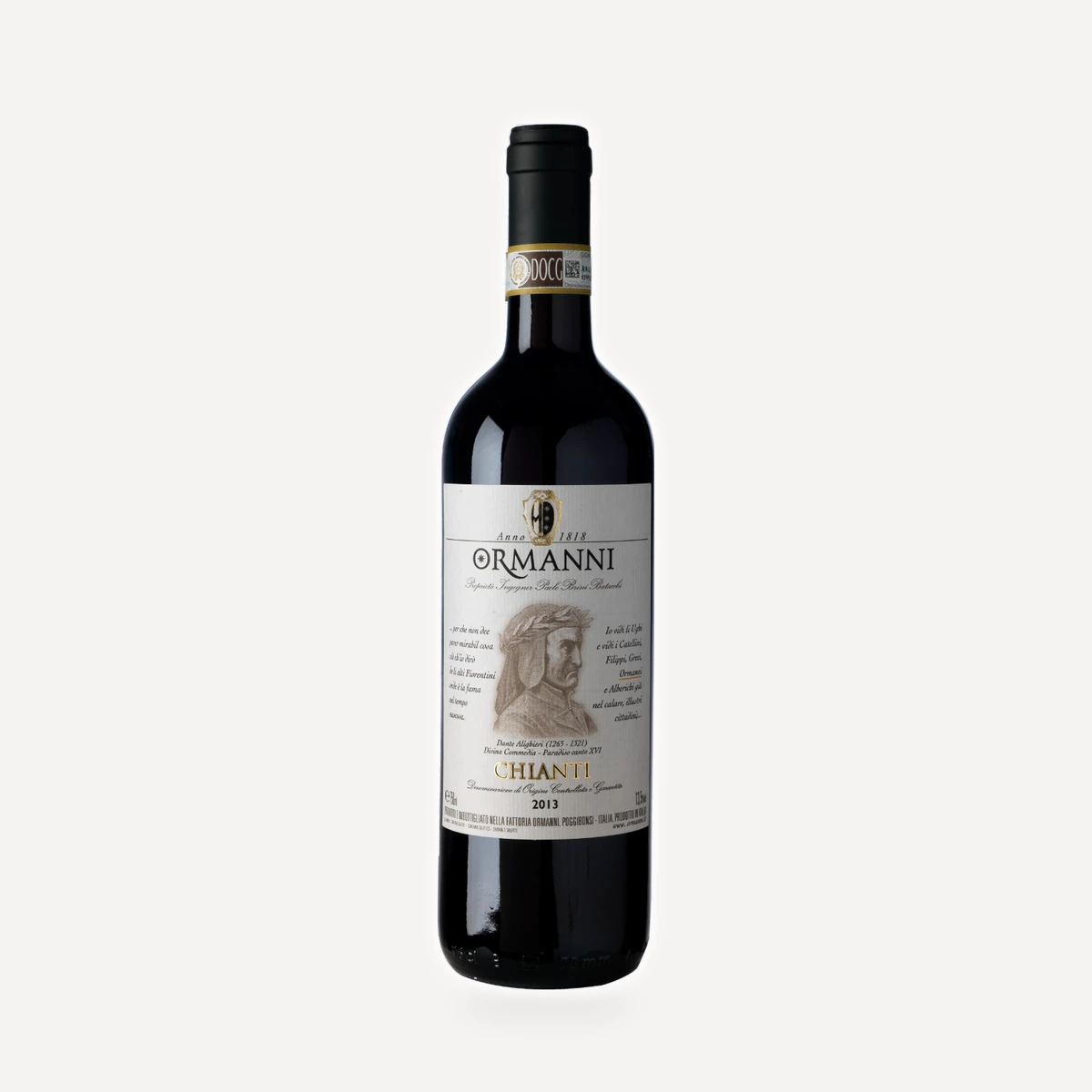
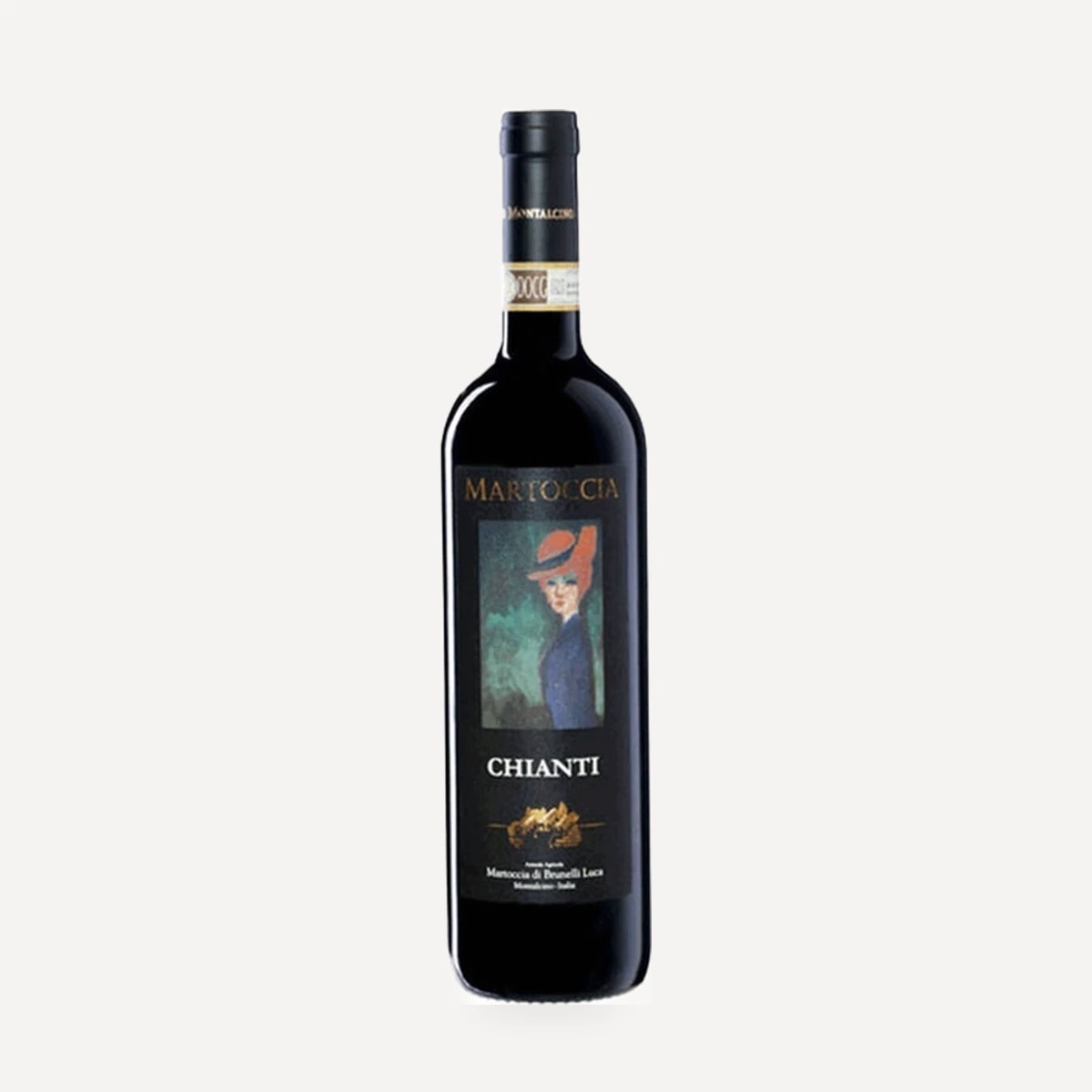
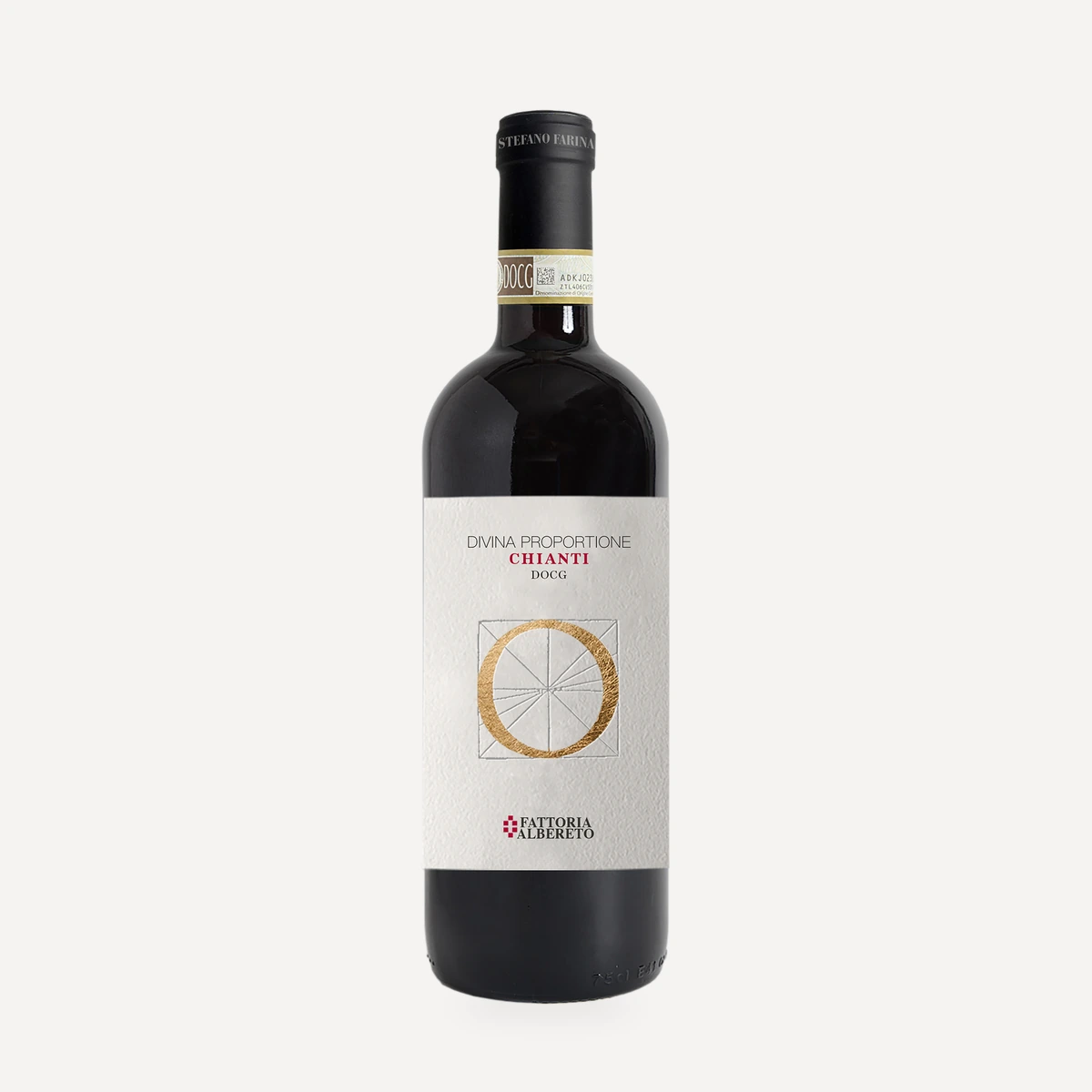
Vigneti con nome
Chianti in breve
Geologically the area falls into four systems, from the oldest pre-Apennine ridges through Pliocene hills and the Pleistocene basin of the upper Valdarno to river deposits. Most vineyards lie between 200 and 400 metres, never above 700, in a climate of humid winters and dry summers with around 870 mm of rain.
The wine must be at least 70 per cent Sangiovese; white grapes may make up no more than a tenth, Cabernet Sauvignon and Cabernet Franc no more than 15 per cent. A Riserva ages at least two years. Chianti became a DOC in 1967 and a DOCG in 1984. Its vineyards were remade from the 1970s, when the old sharecropping system ended and mixed plantings of vines among other crops gave way to specialised vineyards.