Storia
The Lombardo family at San Martino
The earliest dated episode concerns Gio Batta Lombardo, who was cultivating Gavi del Comune di Gavi in the San Martino vineyard in 1724. The vineyard surrounds the homonymous Cascina San Martino, close to the medieval village of Gavi, and remains central to the identity of the family estate.
Organic and biodynamic farming
Certified organic activity began in 2002, driven by a desire to live in direct contact with nature while treating plants and animals respectfully. The agricultural approach subsequently described for the estate combines certified organic farming with biodynamic methods and seeks to interfere as little as possible with natural production cycles.
The estate today
Giordano Lombardo is a family-run wine estate based at Cascina San Martino. Its consolidated property comprises vineyards, permanent meadow and oak woodland. Wine is produced exclusively from estate-grown grapes, and the cellar stands beside the vineyards so that newly harvested fruit can be processed promptly. The family has also developed hospitality around the estate through vineyard and cellar visits, OsteriaGavi and outdoor leisure experiences.
Terroir
Giordano Lombardo lies near the medieval village of Gavi, in a landscape of vineyards and oak woods at the boundary between Piedmont and Liguria. Cascina San Martino is a consolidated estate of vineyards, woods and meadows that descend gently toward a river. Air frequently arrives from the nearby sea.
The named vineyards occupy distinct settings. San Martino surrounds Cascina San Martino close to Gavi. Its soils are predominantly calcareous-clayey marl locally called Terre Bianche, while its microclimate is influenced by the adjacent Apennine range and breezes from the Ligurian Sea. Cascina dei Ronchi lies between the communes of Francavilla Bisio and Tassarolo, in the northern part of the Gavi denomination; its moderately deep soils are predominantly clay and are identified as Terre Rosse. The Barbera vineyard associated with Sasso Alto lies in the Gavi hills on soil composed of equal parts clay and sand.
The broader property combines 13 ha of vines, 2 ha of permanent meadow and oak woodland, creating a continuous agricultural and wooded environment around the estate.
Vinificazione
The estate has been certified organic since 2002 and follows a biodynamic approach intended to minimize interference with natural production cycles. Respect for plants and animals is presented as the foundation of this farming philosophy.
Soil cultivation is almost entirely avoided. Tillage is used only when necessary to prepare seedbeds for green-manure plants. Rows not assigned to green manure develop natural grass cover, which is managed through periodic mowing.
Vineyard treatments and fertility inputs include the biodynamic spray preparations Cornoletame 500P and Cornosilice 501, Bordeaux mixture, powdered sulfur, compost and green manure. The property’s 2 ha of permanent meadow and remaining oak woodland accompany 13 ha of vines, while paths through the consolidated estate provide access to its vineyards, meadows and woods.
Giordano Lombardo vinifies exclusively grapes grown on its own property. The cellar is adjacent to the vineyards, allowing newly harvested fruit to be processed promptly.
Cellar work is conceived primarily as careful supervision of the transformation from grape to wine. The stated practices comprise skin maceration, spontaneous fermentation under temperature control, natural settling for clarification and racking carried out in accordance with the lunar calendar.
The vinification and maturation rooms—including spaces used for both barrel and bottle ageing—are temperature-controlled and maintained at a constant 14–16 °C throughout the year. Cellar equipment and close attention during processing are used to preserve and develop the qualities obtained in the vineyard.
Filosofia
Giordano Lombardo’s philosophy links wine successively to the hills of Gavi, the individual vineyard and the story attached to that place. The objective is for the finished wine to reflect its grape variety and terroir rather than obscure them.
In the vineyard, the guiding principle is non-invasive agriculture. Organic and biodynamic methods are treated not as permission for intensive intervention but as a framework for intervening as little as possible in productive cycles. Living in contact with nature and maintaining a respectful relationship with plants and animals are central to this position.
In the cellar, the same approach takes the form of supervision rather than extensive manipulation: spontaneous fermentation, natural settling and lunar-calendar racking are combined with temperature control. The broader ambition is to produce in a healthy and natural manner while retaining the relationship among climate, soil and local tradition.
Vini
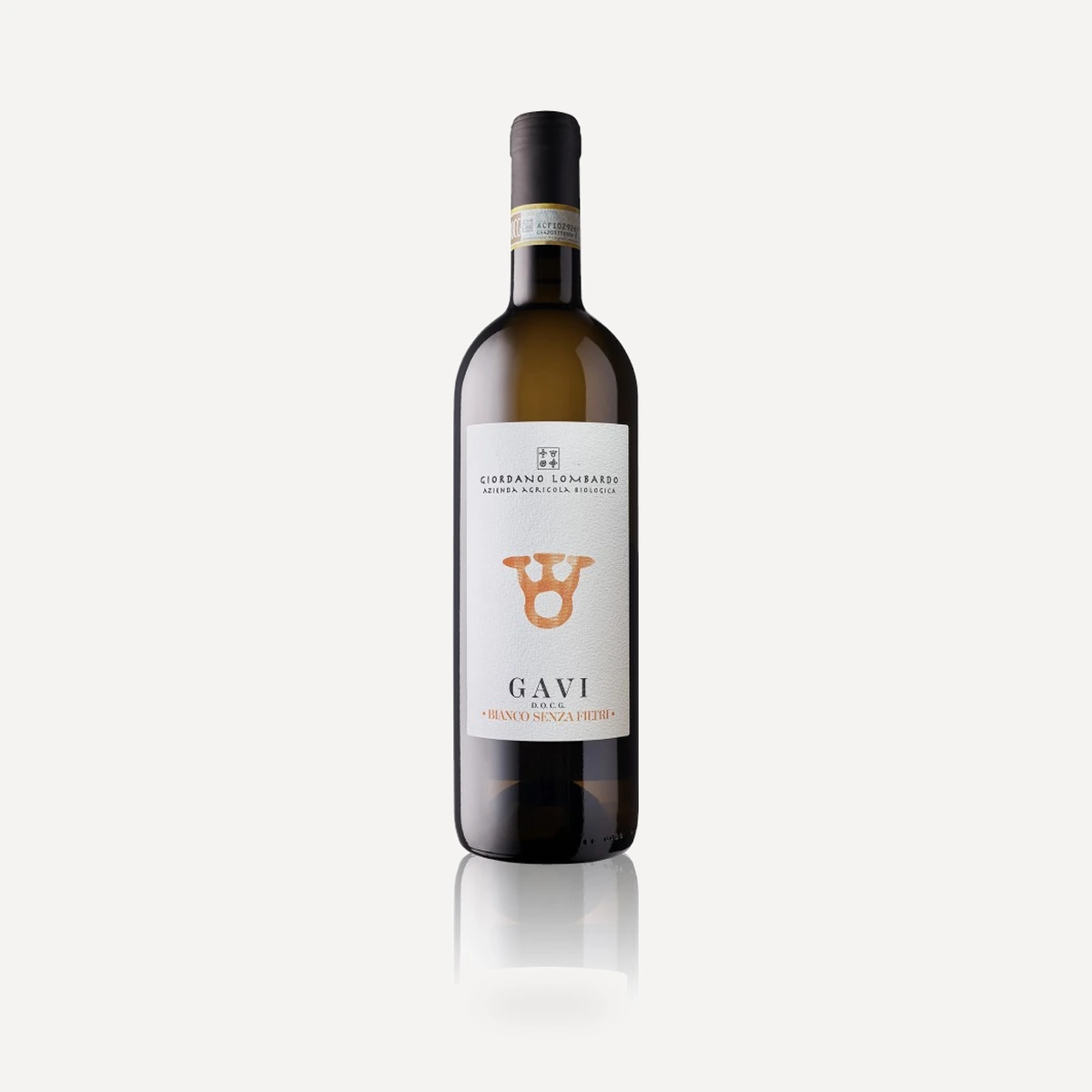
Cascina dei Ronchi Gavi D.O.C.G. Senza Filtri
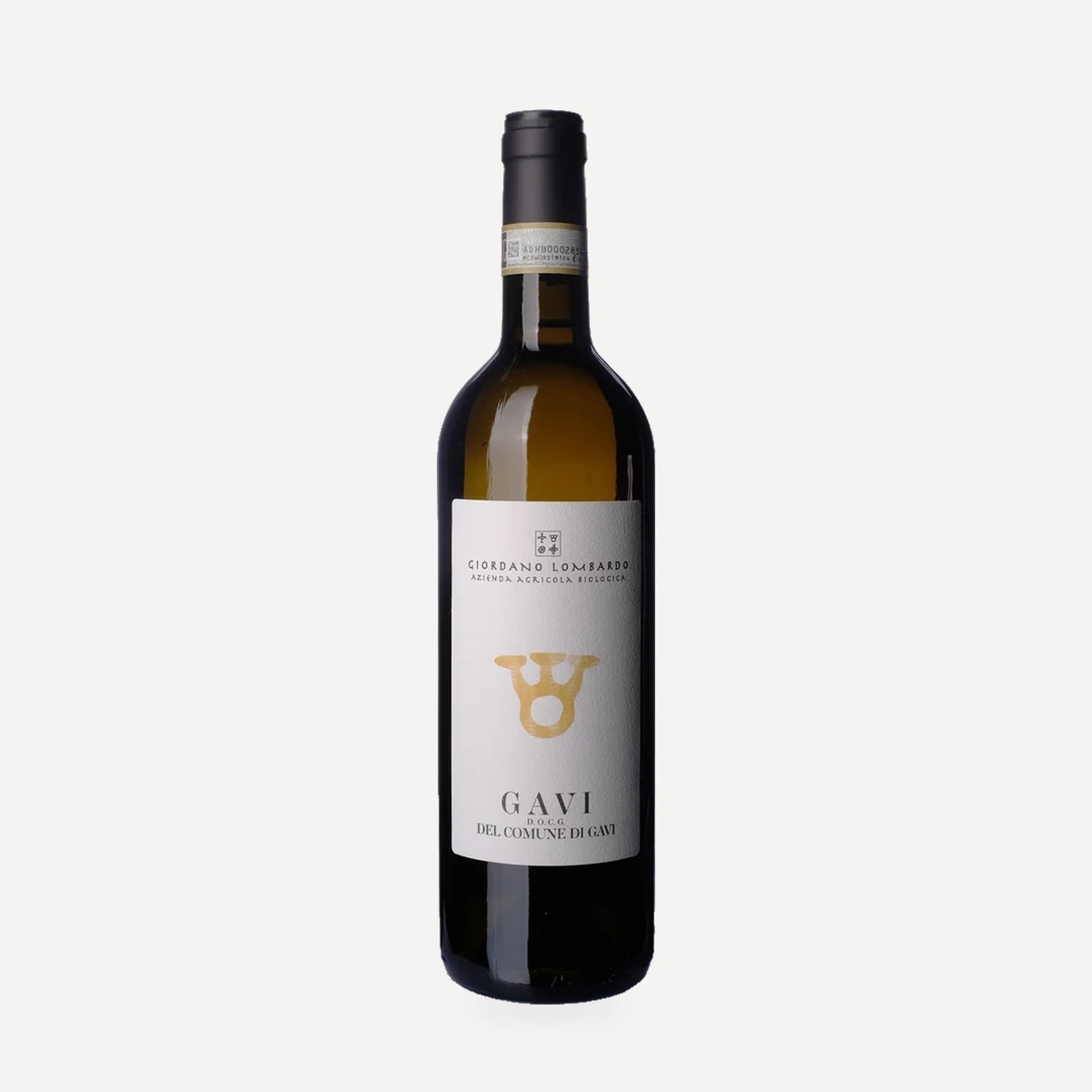
San Martino Gavi D.O.C.G. del Comune di Gavi
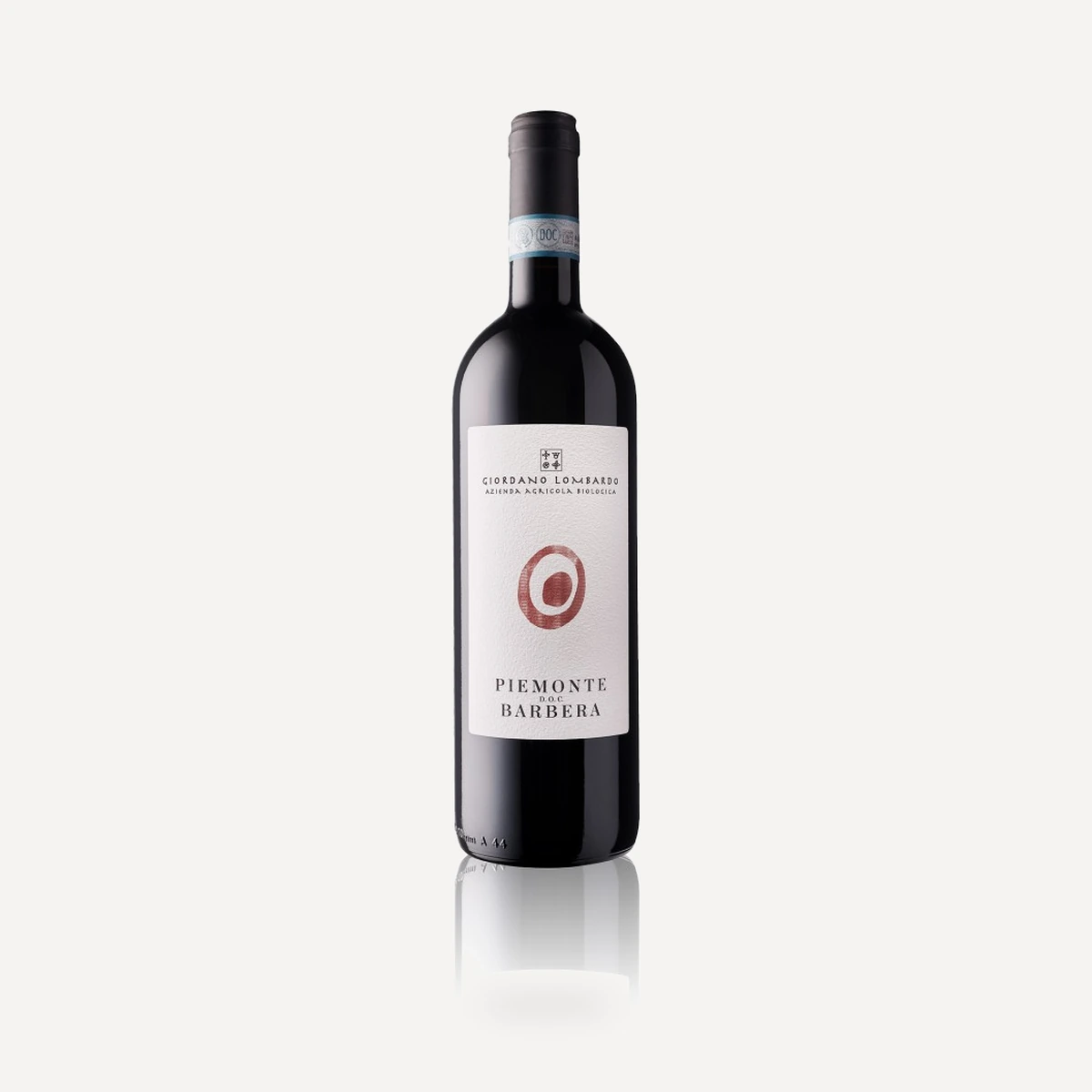
Sasso Alto Piemonte D.O.C. Barbera