Storia
Origins in 1875
Cantine Giorgi traces its origins to 1875. The family's first winegrowing generation made wine for households in nearby villages, following the customs of the period, but also pursued customers beyond its immediate surroundings. From the outset, the family sought control over the complete production chain, from grapes through bottling, as the foundation for building a substantial wine business.
The second winery in 1970
In 1970, brothers Gianfranco and Antonio Giorgi turned that long-term project into a larger industrial reality by constructing a second winery in Canneto Pavese. It was conceived as a modern, technologically advanced facility. One brother brought oenological expertise and the other concentrated on marketing; together they developed both the identity of the company and the reputation of its wines.
National expansion in the 1980s
During the 1980s, Giorgi constructed a third winery at Camponoce. This expansion accompanied the company's emergence on the national market: its Italian sales organization grew to 80 representatives, and the wines secured distribution in leading restaurants and specialist wine shops.
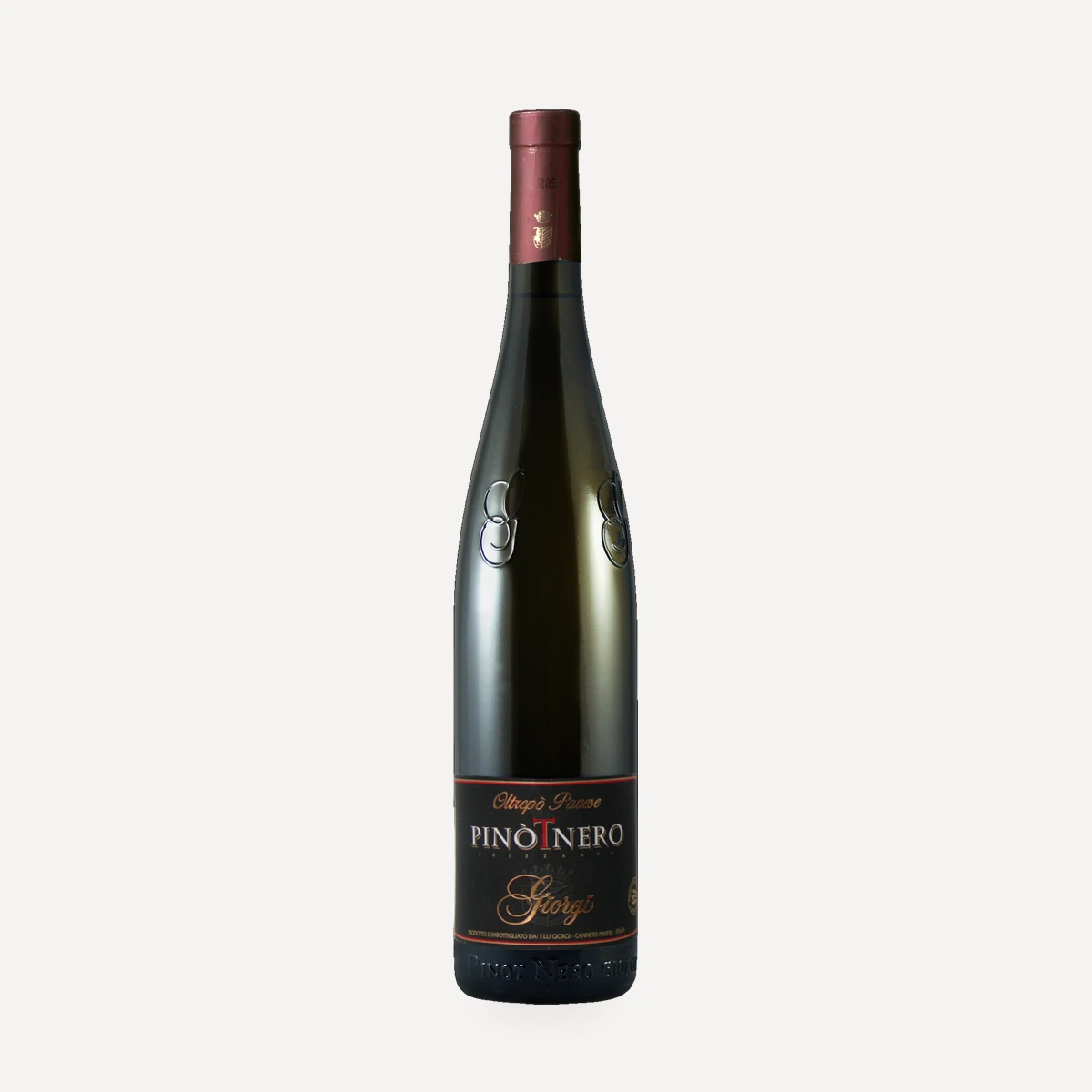
Pinot Nero was central to the company's subsequent development. Giorgi presents itself as the first producer to offer its white-vinified Pinot Nero on a national scale. The wine became closely associated with the house, as did the unusually long, Rhine-shaped bottle chosen for it. A later retrospective marked 30 years of this combination of wine and distinctive packaging.
Vineyards, estates and production infrastructure
Giorgi preserved and enhanced its old family vineyards while selecting and purchasing additional high-hill parcels for their exposure and soil suitability. The acquisition of Tenuta Cassinello brought the family's owned vineyard holdings to 60 hectares. Casa del Corno, Tenuta Cassinello and Colle Camesino also became examples of the restoration of older agricultural buildings within the estates.
The production network developed around three large wineries—Casa Chizzoli, Camponoce and Vigalone—located near Canneto Pavese and surrounded by vineyards. The Camponoce headquarters also includes a major bottling centre. More than 300 growers supply grapes in addition to the fruit from the family's own vineyards.
The family business today
Antonio Giorgi oversees the company's operations, working with his children. Fabiano Giorgi directs the business, handles sales and marketing, and coordinates the winemaking team from production through bottling. Eleonora Giorgi is responsible for administration, while Ileana Giorgi manages international relations. Ginevra represents the youngest generation connected with the business and lent her name to a Giorgi creation.
Giorgi has expanded from its local origins to exports in 59 countries and a domestic network of more than 160 agents.
Terroir
Giorgi's vineyards lie in the Oltrepò Pavese, a triangular area beyond the River Po. The landscape is marked by a nearly continuous cover of vineyards. Winters are dry, while summers are gently ventilated.
The estate's vineyard policy concentrates on high-hill sites. New parcels were selected and acquired only after evaluating their exposure and soil composition for the intended grape variety. Pinot Nero sites identified for the traditional-method sparkling program lie in Montecalvo Versiggia, Santa Maria della Versa and Rocca de’ Giorgi, at elevations of 250–400 metres, on calcareous-clay soils.
Casa del Corno occupies a hill near Stradella overlooking much of the Po Valley. It contains Giorgi's oldest vines and is associated with the family's red-wine tradition. The wider vineyard and winery network is centred around Canneto Pavese and the Versa Valley.
Vinificazione
Giorgi regards vineyard work as the starting point of quality. The family has retained and enhanced its older vineyards while adding high-hill parcels selected for the suitability of their exposure and soil composition to individual grape varieties.
Vineyard practices include restrained pruning, fertilization exclusively with natural products and production per vine below the prevailing norm. Grapes are selected and harvested at the precise stage of ripeness required for production. For selected traditional-method Pinot Nero lots, harvesting takes place into crates between late August and early September.
Giorgi controls the production chain from grapes through bottling. Its infrastructure comprises three large wineries—Casa Chizzoli, Camponoce and Vigalone—near Canneto Pavese, together with a major bottling centre at the company headquarters. All three winery sites are set among vineyards.
The general production approach combines regional tradition with modern oenological technology. Crushing and fermentation are closely controlled, and Fabiano Giorgi coordinates the winemaking team through production and bottling.
For the house's traditional-method Pinot Nero program, grapes from selected hillside sites are harvested into crates, gently pressed to recover only the free-run must, and subjected to static clarification. Fermentation is carried out in stainless-steel tanks at a controlled 18°C with selected yeasts. Tirage follows in the next spring. Depending on the cuvée, bottle maturation extends for at least 24 or 36 months, followed by at least six further months in the cellar after disgorgement. The Top Zero cuvée draws on wines from selected vintages and vineyards, ferments mainly in stainless steel at 15°C with a small portion in French oak barriques, and remains on lees in bottle for at least 80 months; at disgorgement it is topped up only with the same wine.
Red-wine production represented by the Casa del Corno program includes approximately 12 months in large oak casks, subsequent maturation in small French oak barrels and at least another 12 months in bottle in cool cellars.
Filosofia
The family places the vineyard at the beginning of the quality process and the cellar at its completion. Its approach is built around preserving old family vineyards, adding carefully selected high-hill parcels and matching each variety with suitable exposure and soil composition.
Tradition is intended to coexist with contemporary oenological techniques. Across the range, Giorgi's stated objective is to express the character of the Oltrepò Pavese while using specialist winemaking expertise and controlled production to obtain consistency and quality.
Control of the entire chain—from grapes to the finished bottle—is a longstanding principle. Family continuity is equally central: operational oversight, commercial management, administration and international relations remain distributed among members of the Giorgi family.
The business also links wine production with the identity of the Versa Valley. Through Enoteca Solo Giorgi, it seeks to combine commercial activity with cultural initiatives addressing the environment, local knowledge and traditions, vineyard cultivation and winemaking.
Vini
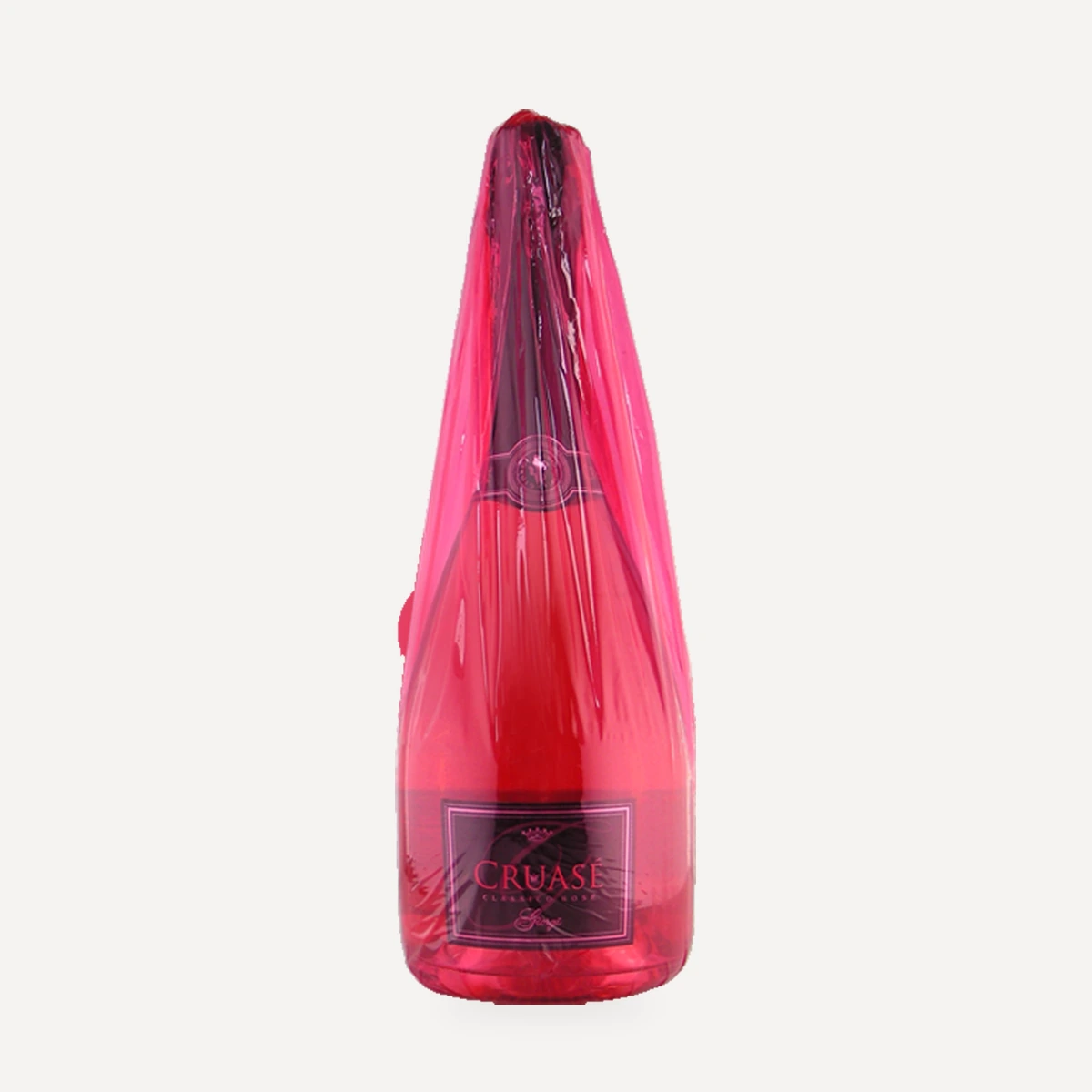
Cruasé
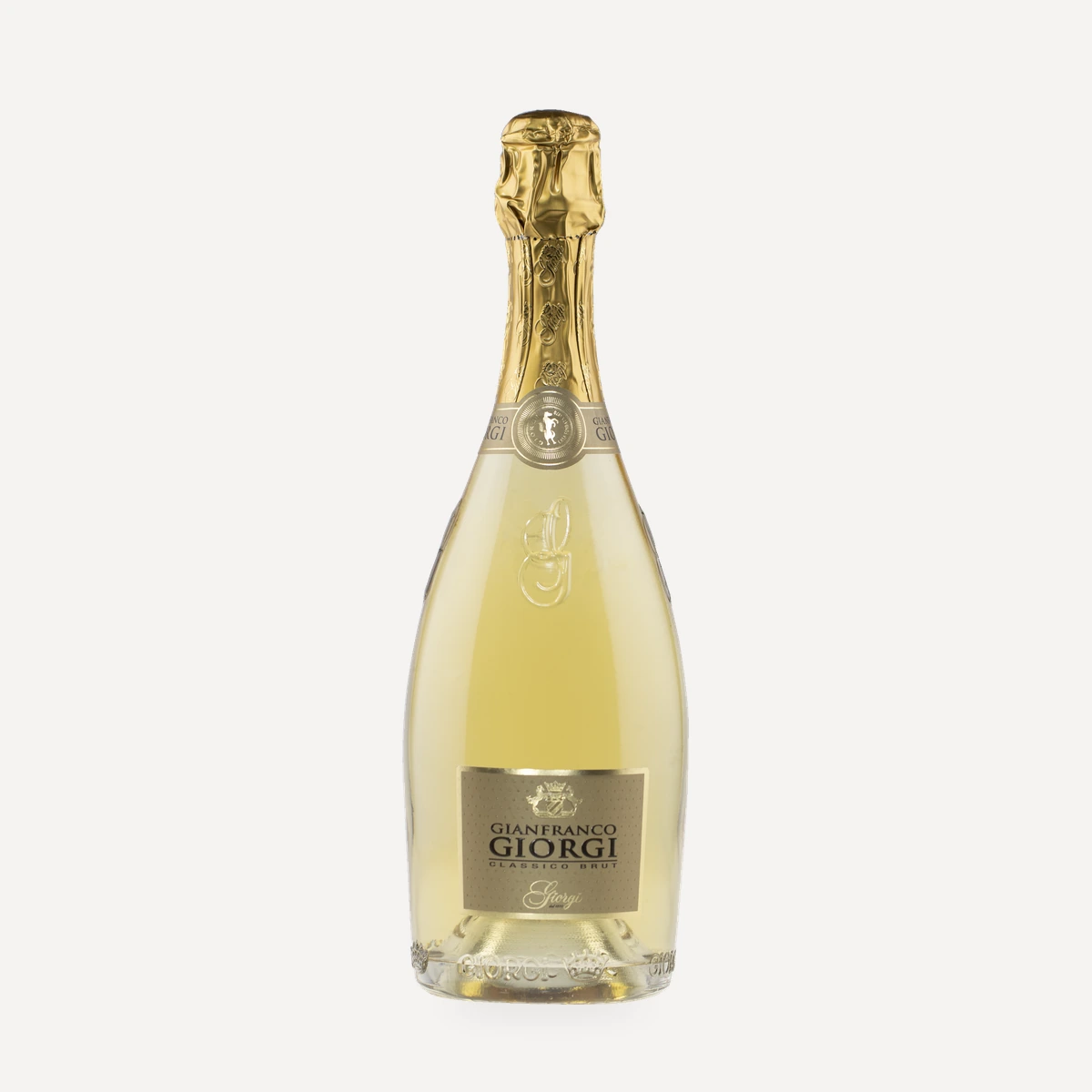
Gianfranco Giorgi
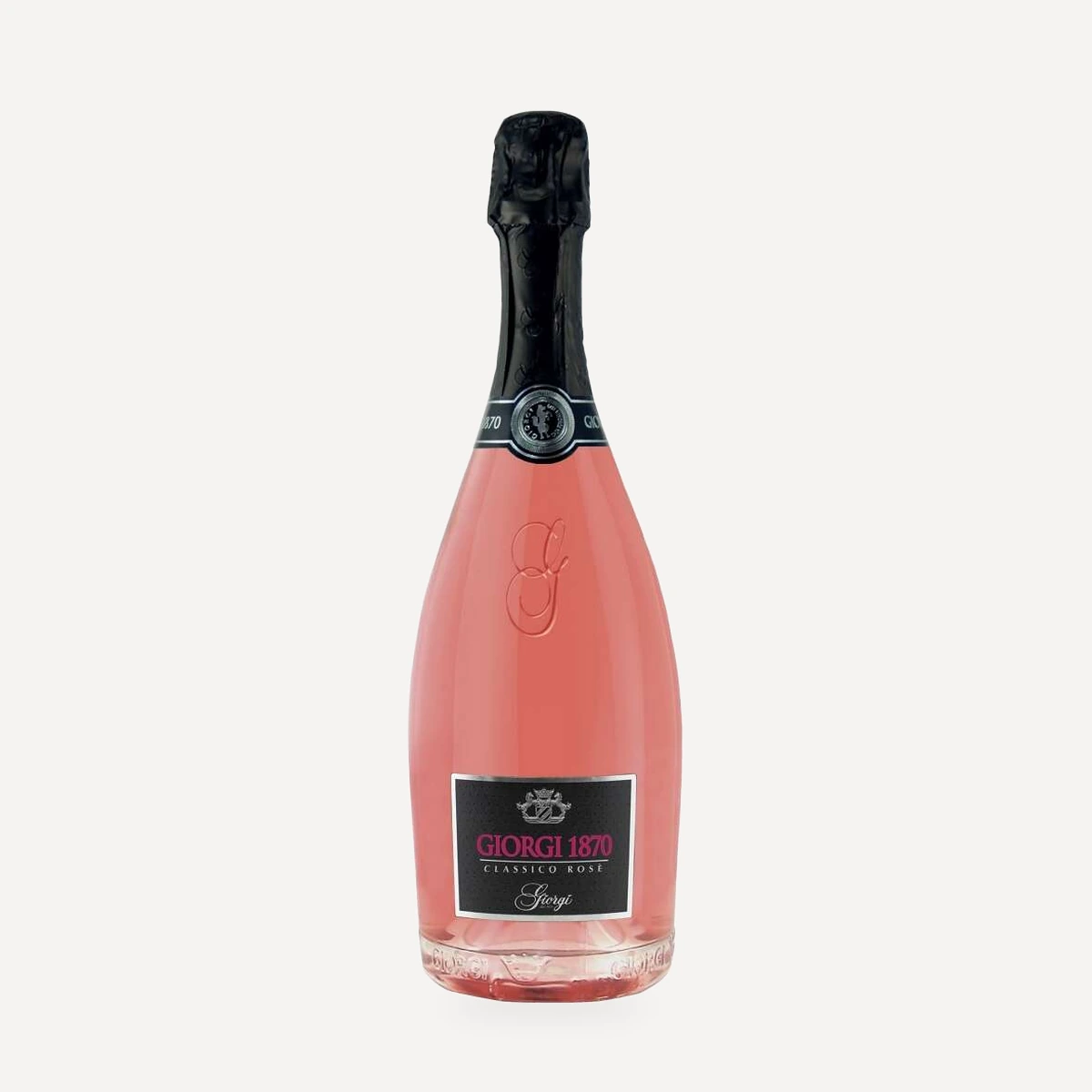
Giorgi 1870 Rosé
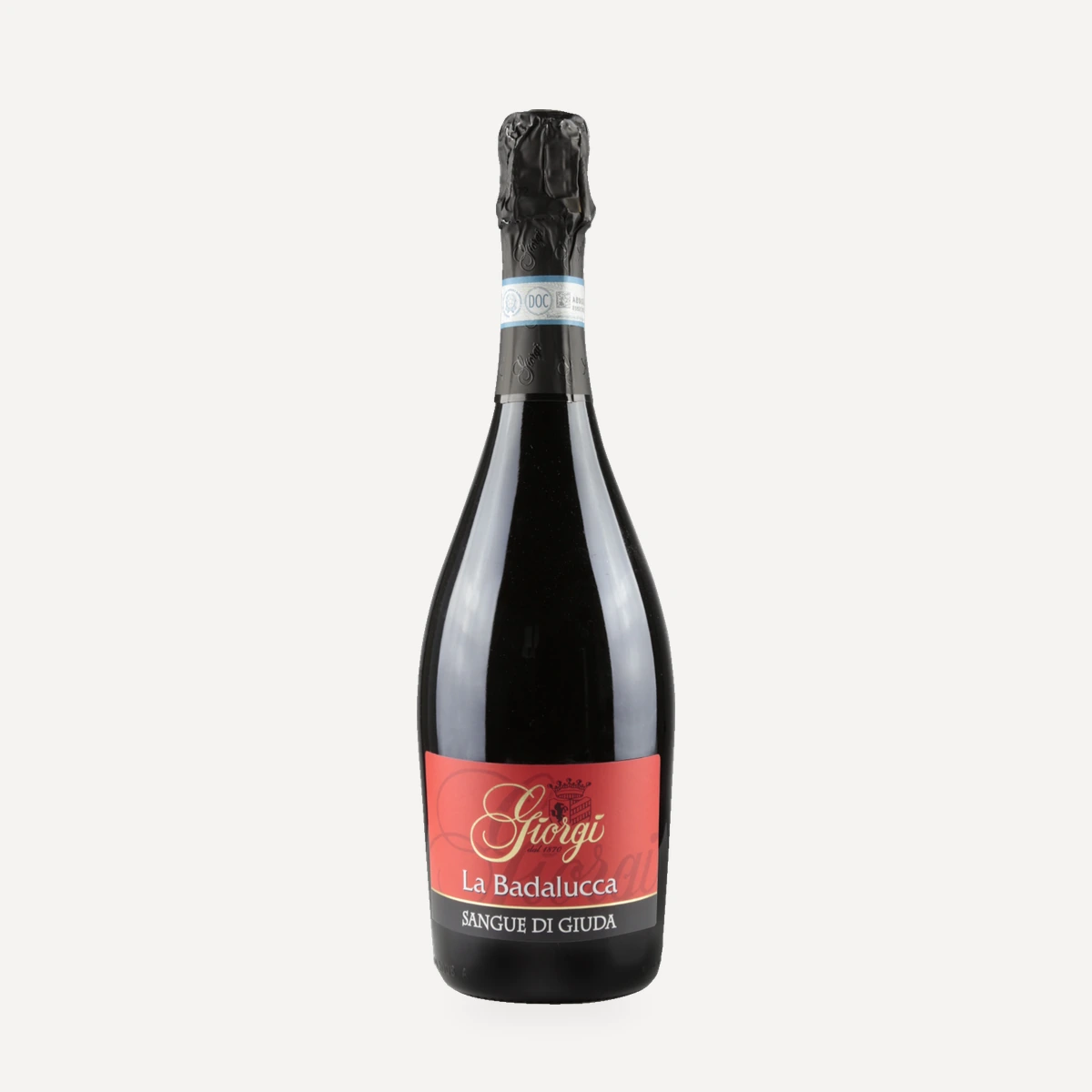
La Badalucca
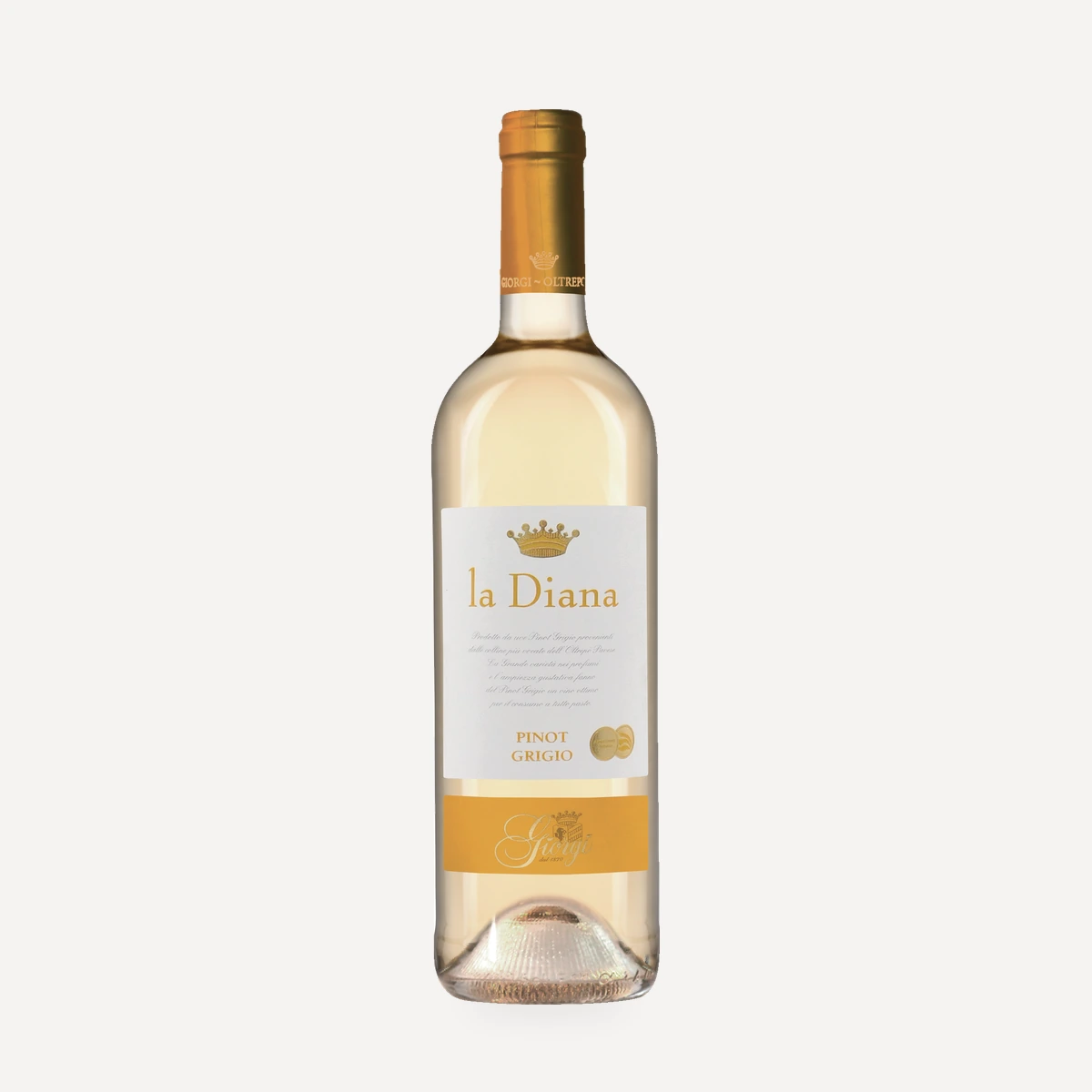
La Diana
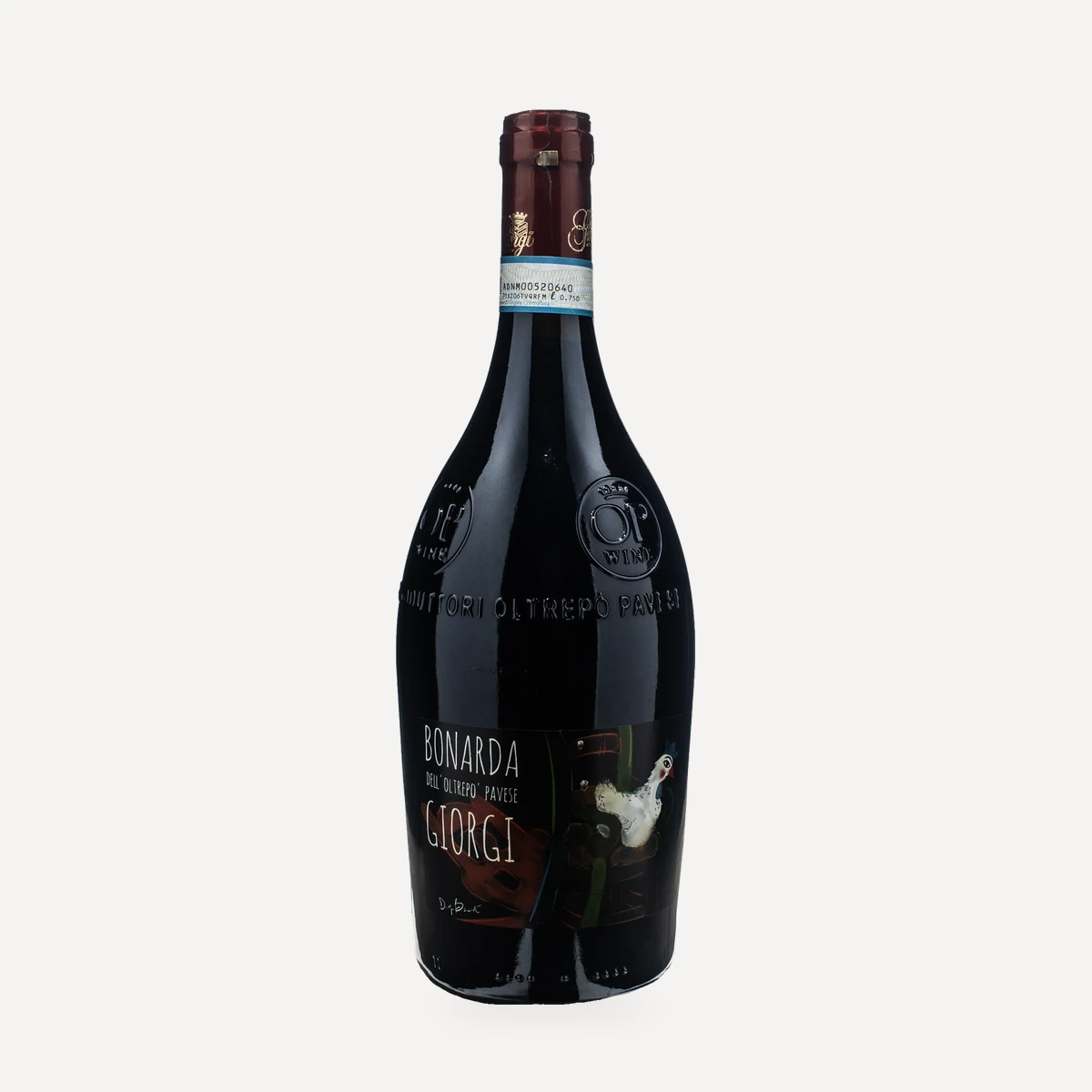
La Gallina
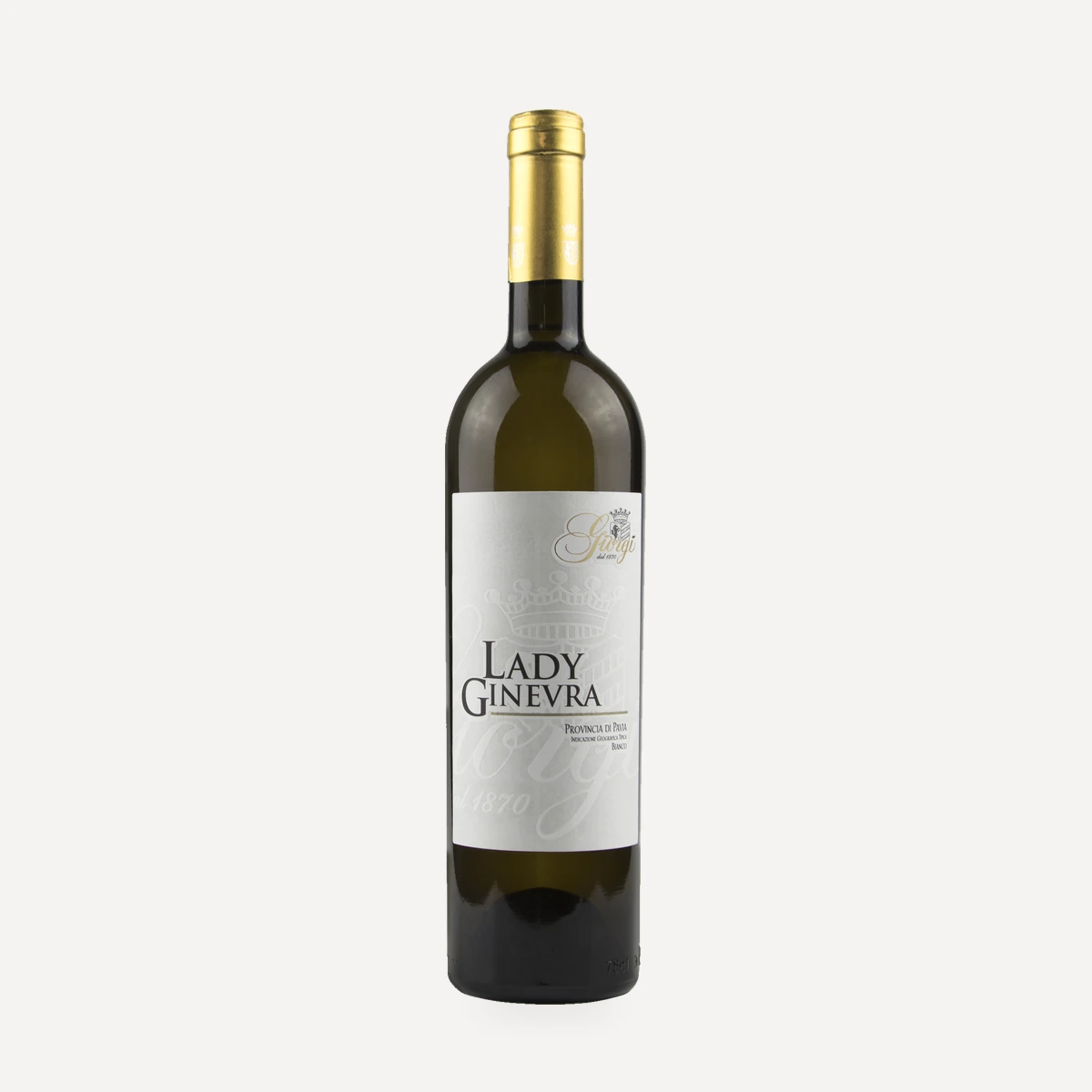
Lady Ginevra
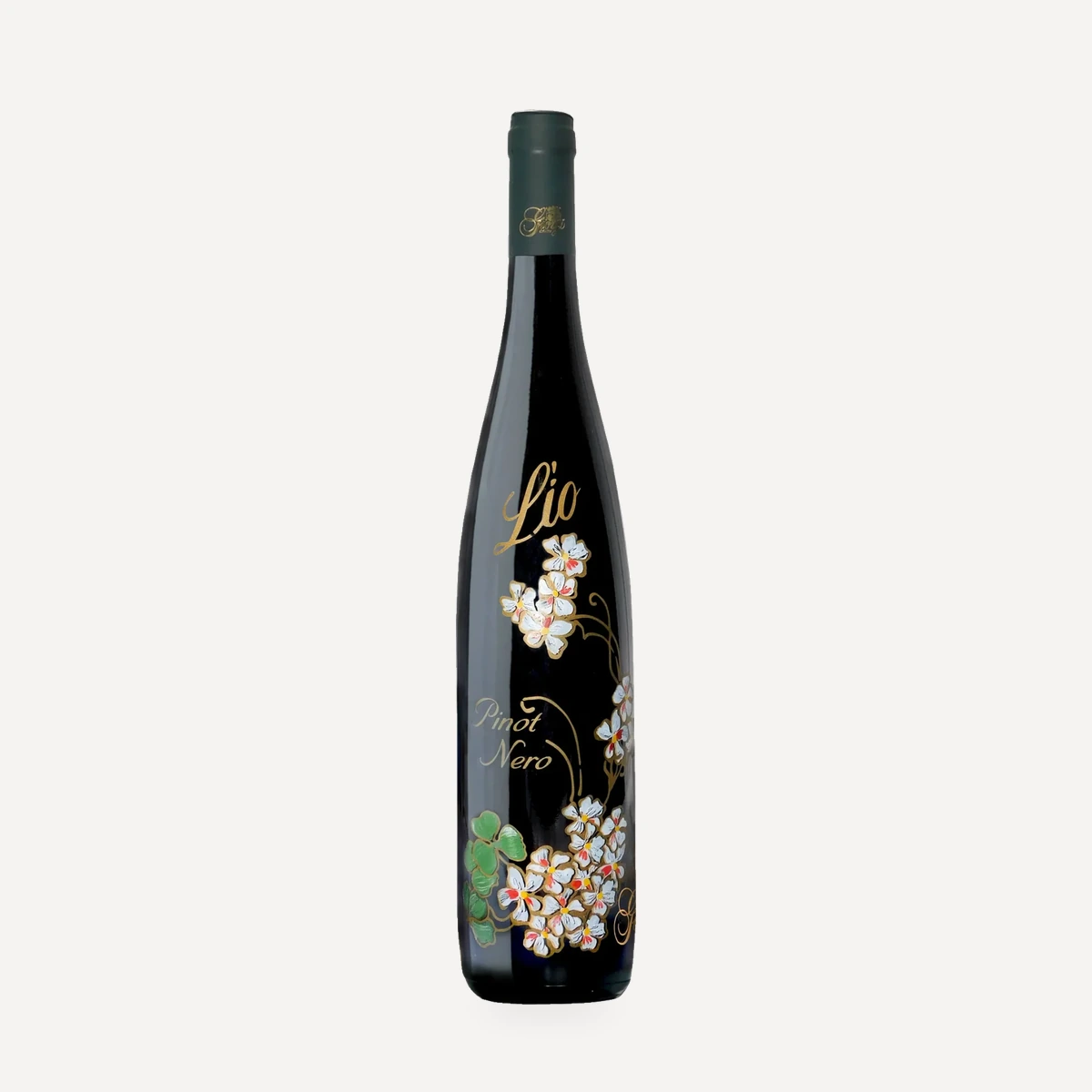
Lio
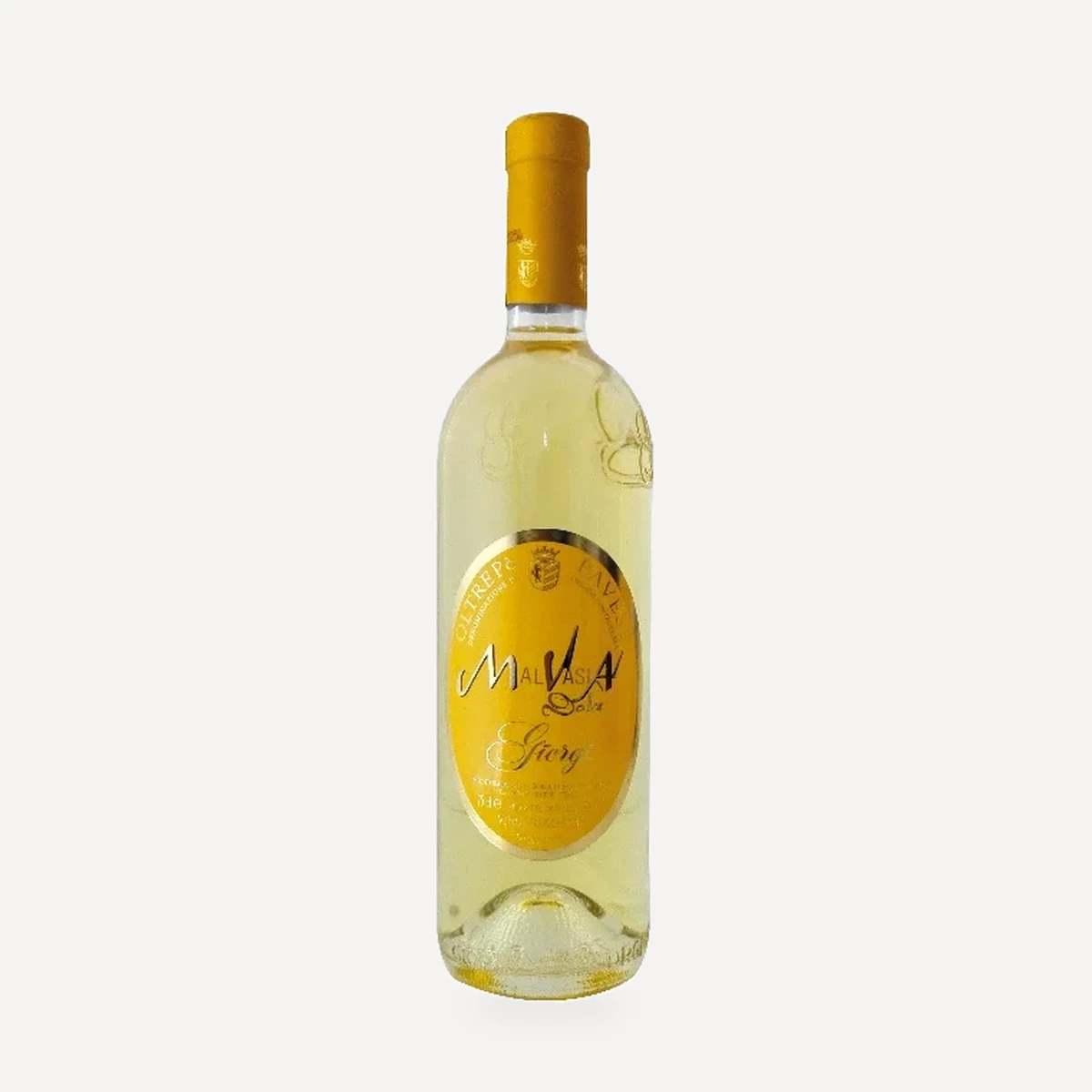
Malvasia
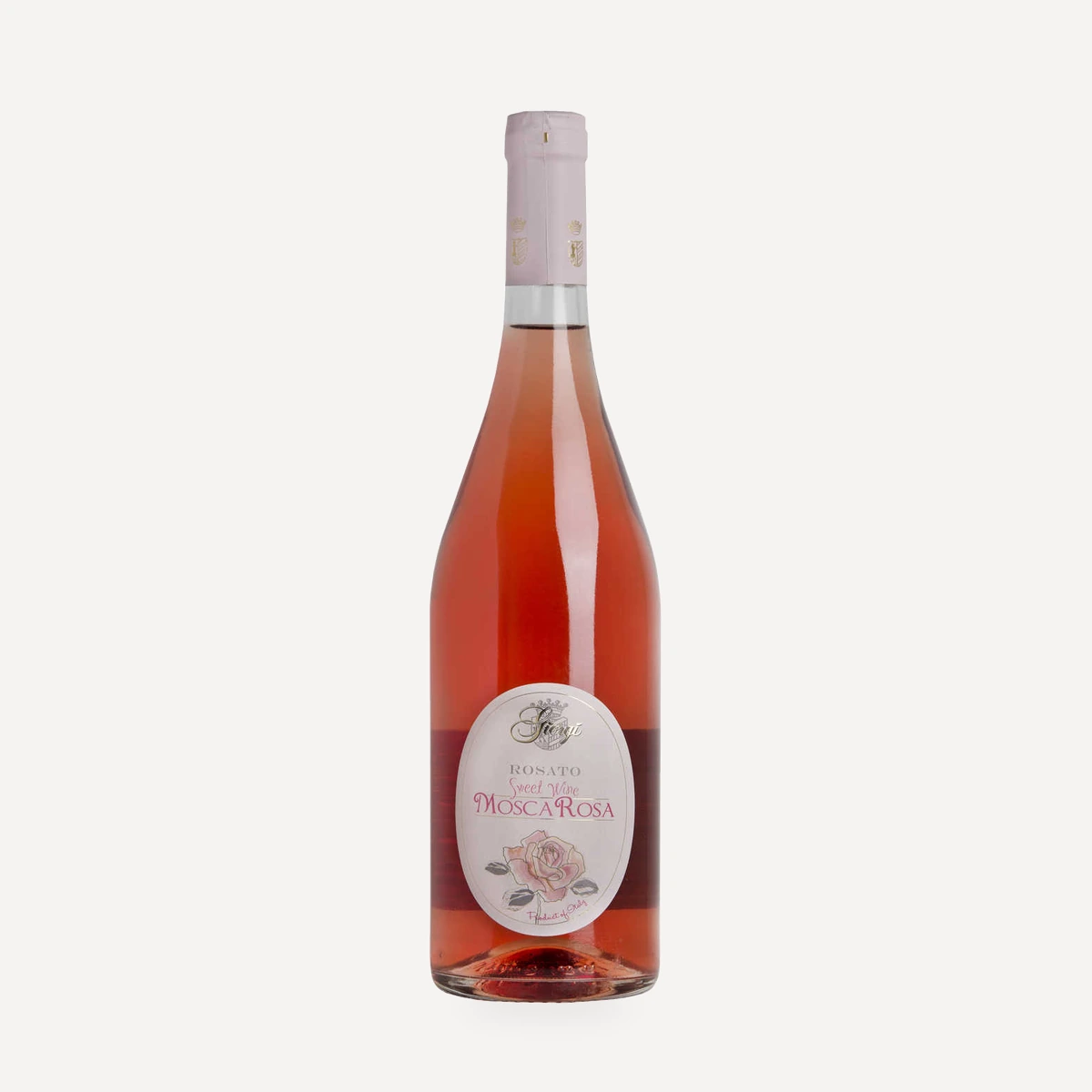
Moscarosa
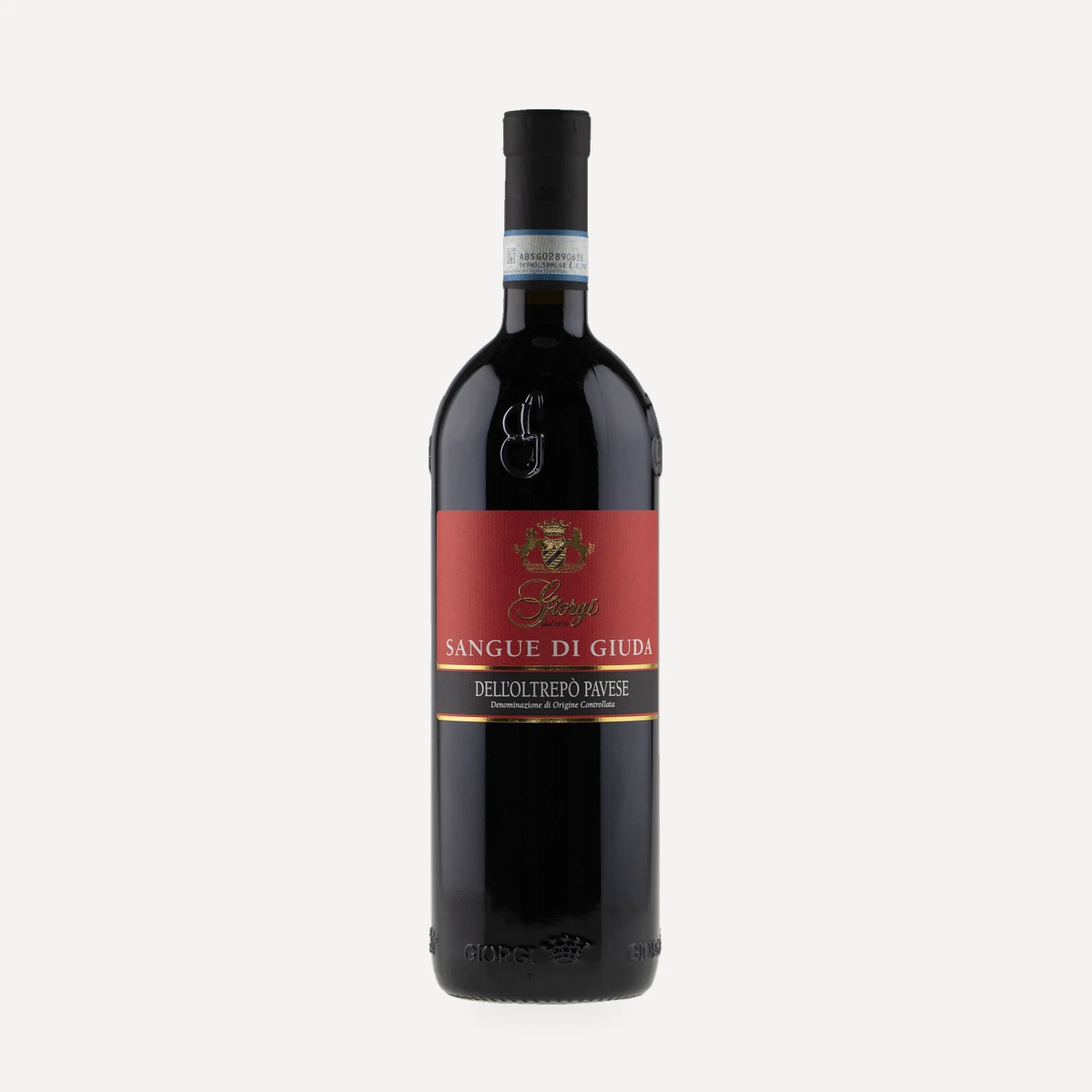
Sangue di Giuda Doc
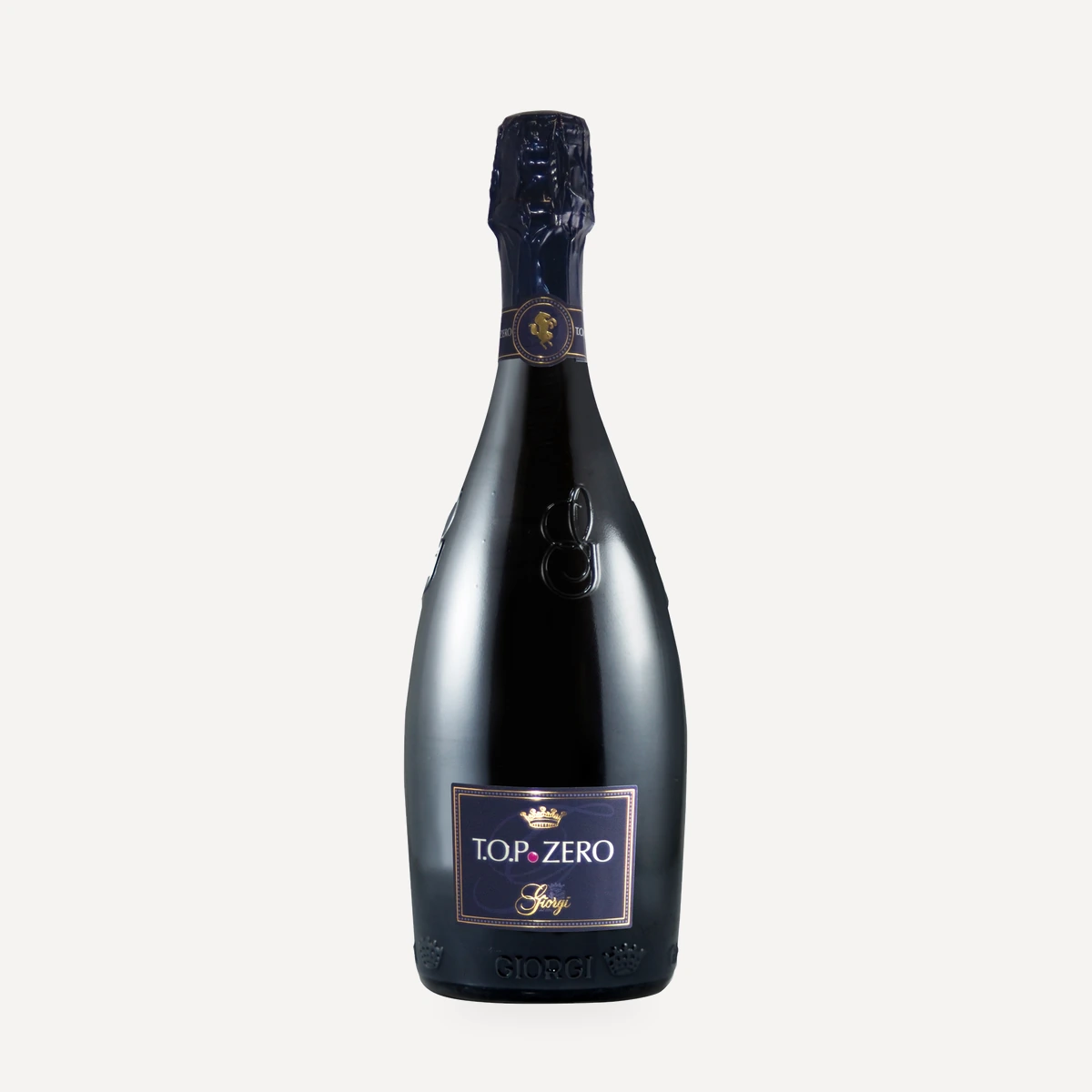
Top Zero