Storia
Origins in the late 19th century
The Menti family's winegrowing history began at the end of the 19th century with Giovanni Menti. He moved from the district of Menti di Sopra in the Agno Valley to the foot of eastern Lessinia and settled in Gambellara. There he cultivated land inherited through his wife's family, growing fruit trees, legumes, vegetables and olives alongside Garganega vines on Gambellara's volcanic terrain.
The family still owns a villa dating from 1553, inherited from great-uncles. It is described as the oldest documented building in Gambellara's property register.
Antonio Menti and the interruption of war
Giovanni passed his agricultural and viticultural knowledge to his son Antonio. The estate's activity was temporarily interrupted during the Second World War while Antonio was held captive in Germany. After returning to Gambellara, he resumed work on the land, expanded Garganega production and began making both dry white and dessert wines. Production was intended not only for the household but also for friends, neighbours and others interested in tasting wines from the area.
Giovanni “Gianni” Menti and estate bottling
Antonio's son Giovanni—known as Gianni and named after the founder—joined his father in 1964 at the age of 16. At the beginning of the 1970s he started bottling Gambellara, Recioto di Gambellara and Vin Santo di Gambellara. He later worked alongside his son Stefano and retired in 2014 after completing 51 harvests.
From early organic methods to conventional farming
The vineyards were managed by organic methods in the 1970s, partly because chemical products were not widely available. The estate subsequently adopted more conventional practices during a period when the wider emphasis was on production volume, often at the expense of quality.
Stefano Menti and the return to sustainable farming
In 2002 Stefano redirected the estate toward sustainable viticulture inspired by the farming of his great-grandfather Giovanni. His objective was to make uncompromising expressions of the local terroir while protecting natural resources, the environment and consumer health. A period of experimentation, study and agricultural research followed.
Stefano began applying biodynamic agriculture throughout the farm in 2010. Organic certification followed in 2011. He has continued to communicate this approach through vineyard and cellar visits, presenting environmental care as both an agricultural practice and a responsibility toward future generations.
Four generations
Across four generations, knowledge has passed from Giovanni to Antonio, from Antonio to Giovanni “Gianni,” and from Gianni to Stefano. The estate combines this inherited agricultural practice with continued experimentation, while retaining its concept of an “ancient wine”: a wholesome, natural wine made carefully and capable of recalling flavours and memories of the past.
Terroir
Location and landscape
The vineyards are in Gambellara, between Vicenza and Verona at the southwestern edge of Lessinia. The landscape consists of rounded hills formed by ancient, now-inactive volcanoes. Viticulture has deep roots here: the area's winegrowing tradition is documented in Pietro de' Crescenzi's De Agricoltura, dating to around 1300.
Volcanic geology
The vines grow on volcanic soils formed by eruptions that occurred when the area was submerged beneath the sea. The terrain contains abundant basalt and tuff produced by the cooling of lava. Gambellara's basalt can occur in hexagonal or triangular forms and was historically quarried for railway construction, a use that caused decades of damage to the hills.
The dark, rocky soils contain abundant minerals and microelements. Their structure drains water effectively, while their natural fertility and capacity to retain useful moisture help reduce irrigation demand. Biodynamic soil management is intended to preserve that fertility and protect the hills from erosion and degradation.
Light, air and seasonal conditions
The hills expose the vineyards to sunlight and breezes. Light and air circulation help protect hillside sites from early-season frost and support even ripening during the warmer months. These conditions are also important for naturally drying grapes by the traditional hanging picaio method.
Native varieties
Garganega is the principal variety. Its local presence has been documented since the Middle Ages. It is valued for both dry white wine and naturally dried-grape wines, as well as for its capacity to age. Durella, native to the Lessinia mountains, was added more recently and is used for Metodo Classico sparkling wine because of its pronounced acidity.
Vinificazione
Organic and biodynamic management
Biodynamic agriculture has been practised since 2010, and the estate has held organic certification since 2011. The grapes are biodynamically cultivated but the biodynamic method itself is not certified. Synthetic chemical substances are avoided; soil fertility is supported with natural materials, horn manure, biodynamic preparations and green manure.
Green-manure seeds are sown annually between the rows so that their natural properties can return nutrients and organic matter to the soil. Vineyard work follows seasonal and lunar cycles, with the farm treated as a connected ecosystem rather than a set of isolated production units.
Living soils and ground cover
Spontaneous grasses and other plants are deliberately allowed to grow between the rows. Their roots improve soil structure and microbial activity, protect against erosion, retain moisture and provide habitat for beneficial insects. Machinery passes are limited to indispensable operations such as under-vine soil work, reducing compaction and allowing roots to develop more deeply.
Brogna sheep rotate among the different vineyards. Their grazing controls excess vegetation, while their movement stimulates the soil and distributes natural fertiliser. Bees are maintained for biodiversity and pollination rather than honey production; each hive is managed with nine or ten frames so that accumulated honey remains available to the colony.
Water management
Healthy, humus-rich soil is managed as a reservoir that receives rain and releases moisture gradually. Rainwater is also collected in tanks of different sizes and stored for irrigation only when vines experience water stress. This reduces reliance on outside water and avoids routine irrigation.
Canopy and crop management
Partial leaf removal is normally carried out around the clusters during the early stages of véraison. It improves sunlight exposure, air circulation and the penetration of natural treatments, lowering the risk of fungal diseases such as botrytis and powdery mildew. Its intensity is adjusted to each season: more leaves may be removed in humid years, while greater shade is retained in hot years to protect berries from sunburn.
Green harvesting is performed manually before full ripeness. Smaller or less-developed clusters are removed so the vine can direct its resources toward fewer, better-balanced bunches. This is intended to improve aromatic concentration and sugar-acid balance while reducing stress on the plant.
Harvest decisions and selection
Harvest dates are determined through observation rather than a fixed calendar. Exposure, ventilation, soil and vine vigour can cause neighbouring bunches to mature days or weeks apart. Grapes intended for sparkling wines are picked earlier to retain acidity and moderate sugar; structured still wines are harvested at fuller maturity. Some healthy bunches remain on the vine for late concentration, while loose, flawless clusters intended for dried-grape wines are identified as early as summer.
All grapes are harvested by hand and selected cluster by cluster into small crates. Damaged berries, doubtful bunches and signs of disease are left behind. Selection therefore occurs primarily in the vineyard, with individual areas directed to different wine styles according to soil, elevation and exposure.
Cellar approach
Winemaking is designed to preserve the character developed in the vineyard through indigenous yeasts, restrained handling and extended time on the lees. Grapes arrive in small crates and are generally destemmed and pressed. Pressures documented for estate wines range from 0.6 to 0.8 bar.
Fermentations are driven by native yeasts. Still Garganega may ferment in concrete tanks without temperature control, while skin-contact wine ferments with its skins before ageing between concrete and untoasted Slavonian oak. Lees ageing is central to the cellar's practice and may last from about ten months to several years, depending on the intended style.
Sparkling production includes both natural refermentation in bottle and Metodo Classico. For refermented wine, must from dried Garganega can supply the natural sugars and native yeasts needed for the second fermentation. Metodo Classico bottles remain on their lees before manual disgorgement and are topped with wine rather than a conventional dosage.
Sweet-wine production uses naturally dried grapes and the estate's grape-drying tower. Vin de Granaro ferments and matures with indigenous yeasts in small, untoasted oak casks kept in the granary of the drying tower for six to ten years.
Bottling
Before bottling, wines are checked for stability. Aggressive filtration and chemical fining are avoided. Bottles are washed and sterilised, filled with minimal oxygen contact and monitored during a post-bottling rest whose duration varies by wine. Most still wines use screw caps; the bottle-refermented wine uses a crown cap, Vin de Granaro natural cork and the Metodo Classico a mushroom-shaped sparkling-wine closure.
Individual wines may be bottled without filtration, further stabilisation or added sulphites. The bottling process is carried out as a coordinated team operation: bottles are prepared and sanitised, moved manually from the filling machine to pallets, and the complete process is supervised for consistency and speed.
Filosofia
Giovanni Menti presents itself as a family-run agricultural estate producing natural wines from biodynamically cultivated grapes. Its stated purpose is to protect and express Gambellara through farming that respects the land, inherited practices and older production methods.
The estate's concept of an “ancient wine” is not simply a reference to age. It describes a carefully made, wholesome and natural wine capable of preserving memories and flavours associated with earlier generations. A “master” is understood as someone who has acquired practical knowledge, bears responsibility for it and passes it onward; this idea frames the transfer of experience across four generations of the Menti family.
The vision treats choosing a wine as an ethical act connected with authenticity, regeneration, humility, fairness and care for family and community. The mission is to obtain spontaneous, integral and ecological raw material through biodynamic principles, supported by dialogue, teamwork and respect for each person's skills and experience.
Stefano Menti's objective is to produce an uncompromising expression of terroir while protecting available resources, the environment and consumer health. His promise is to work with the fullest possible respect for nature so the next generation inherits a better world. In both vineyard and cellar, the practical consequence is reduced manipulation: quality should originate in a healthy plant and living soil, with corrections during vinification kept to a minimum.
Vini
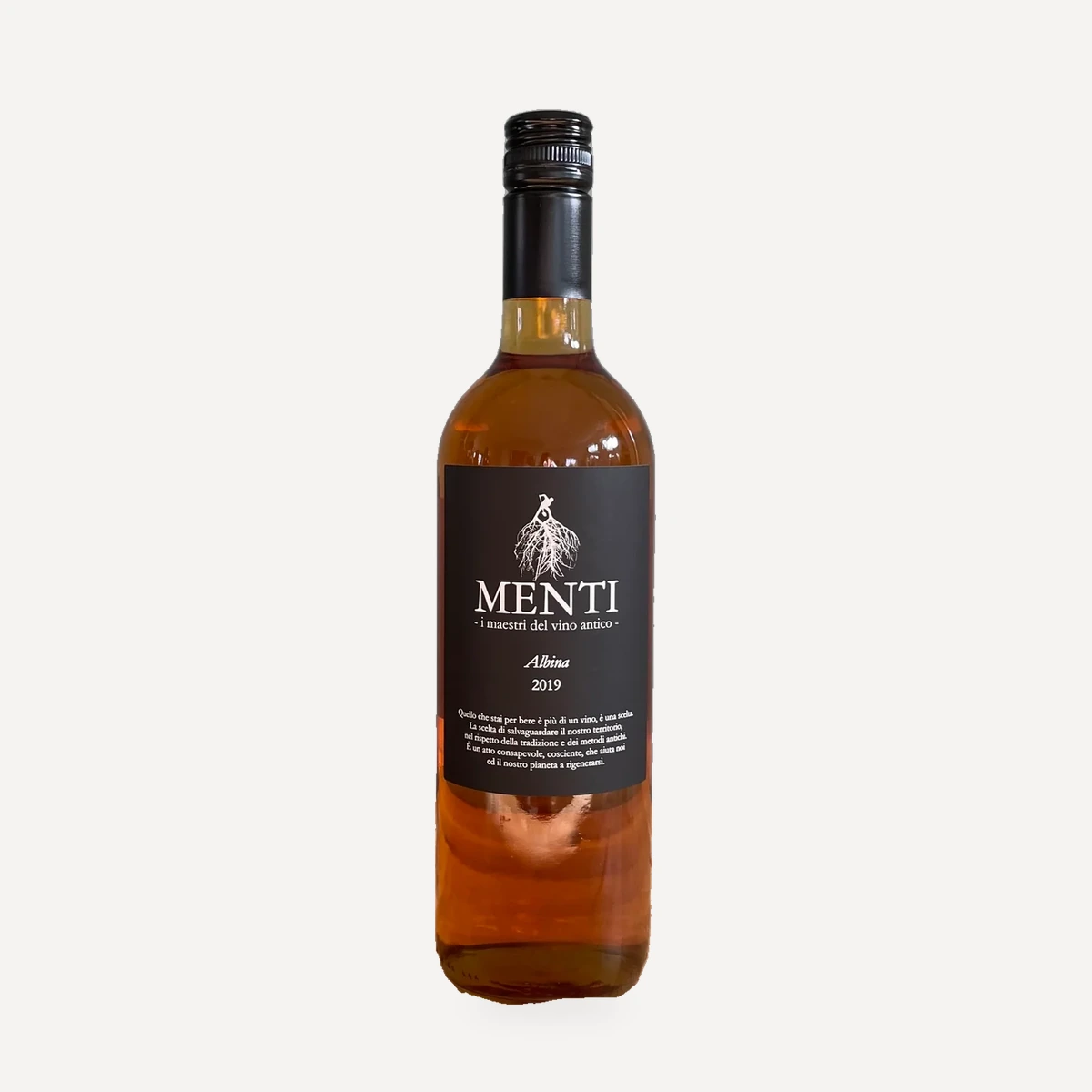
Albina
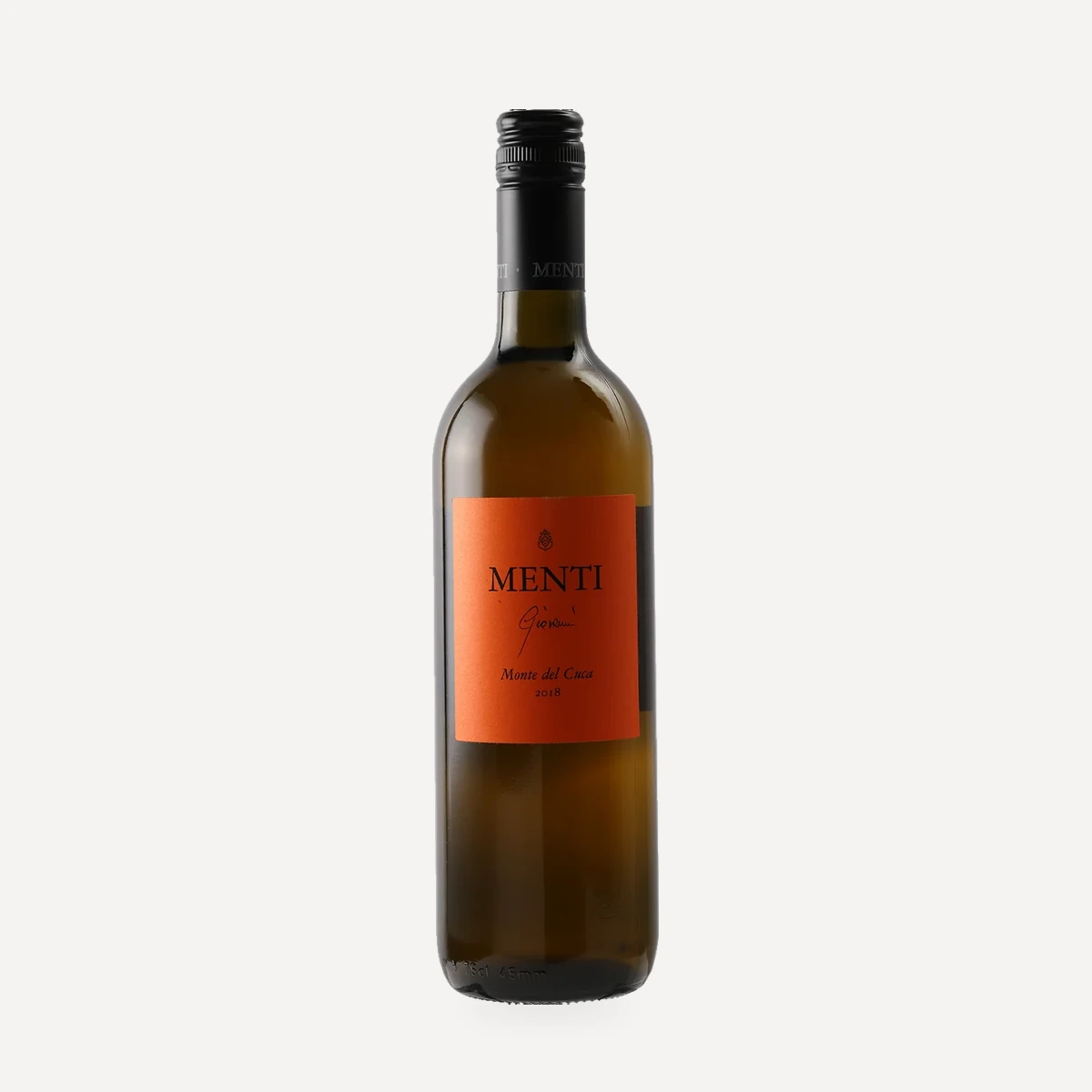
Monte del Cuca
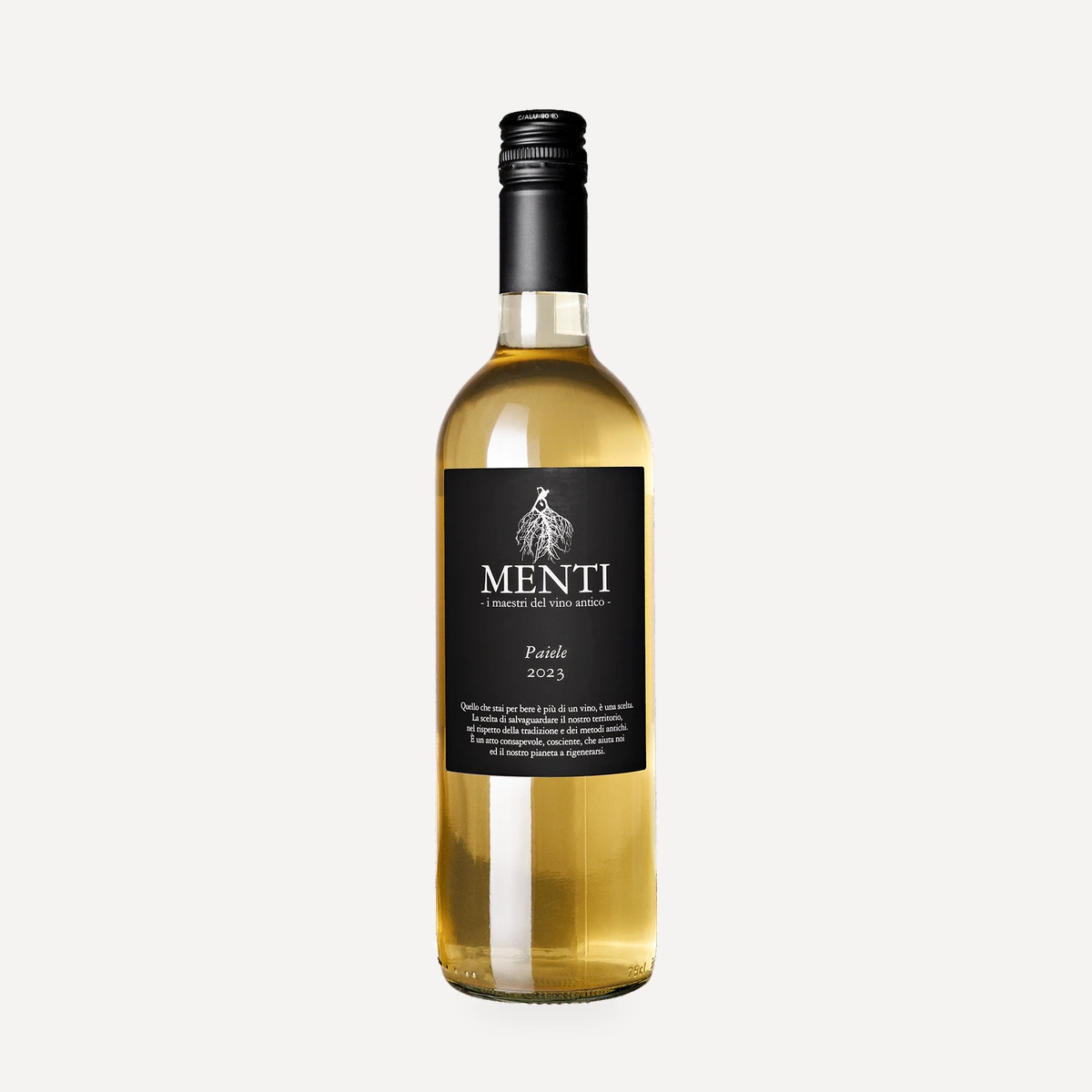
Paiele
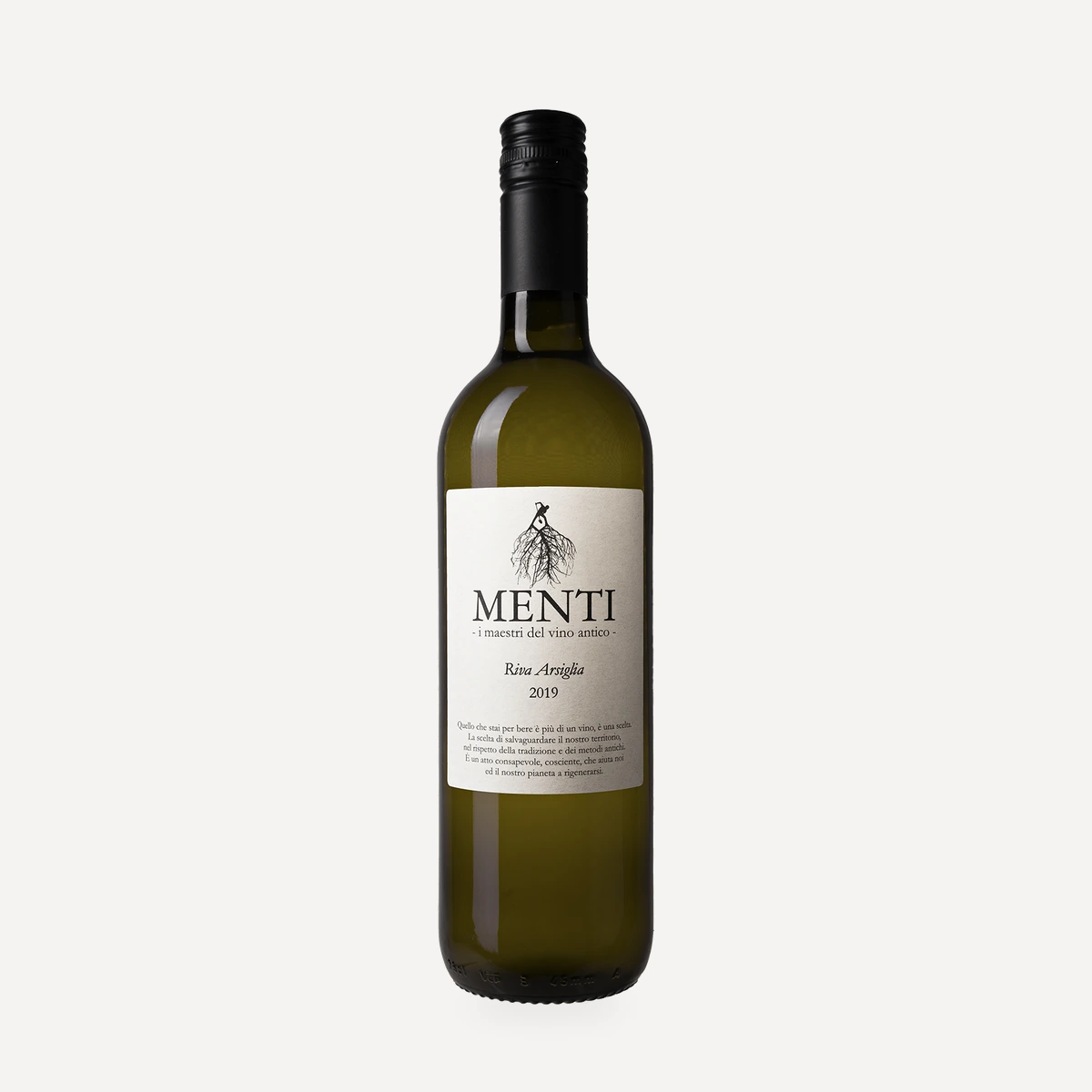
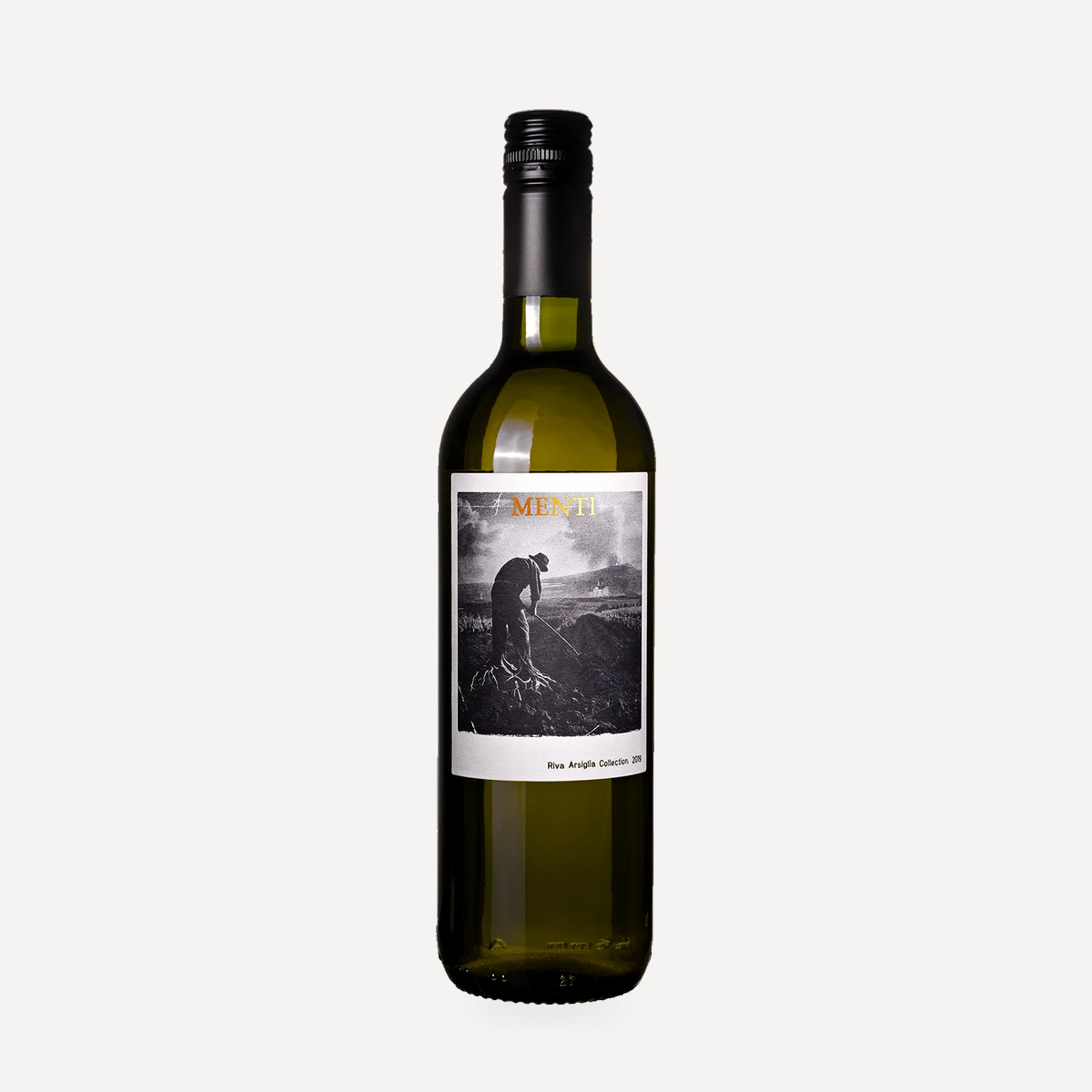
Riva Arsiglia