Storia
Agricultural roots
The Giusti family's agricultural connection with the area predates the modern winery. Case Bianche has belonged to the family since the end of the eighteenth century and remains the largest of the named estates, with more than 20 hectares under vine. Ermenegildo Giusti's father, Augusto, made wine, while the family of Ermenegildo's wife, Maria Vittoria, cultivated local grapes including Glera, Bianchetta and Verdiso. Maria Vittoria's family later donated the first hectares at Rosalia that formed the initial land base of Giusti.
The family's story also intersects with Recantina. The variety was already cited among the best grapes of the Treviso area in the late seventeenth century, and an 1874 survey identified it as one of the most widely cultivated red grapes between Asolo and Montello. References disappeared from viticultural research from about 1900, following the upheaval caused by phylloxera. Its recent recovery led Giusti to establish it at Emily and Aria Valentina and to develop both conventional and amphora-aged interpretations.
Ermenegildo Giusti
Ermenegildo Giusti was born in Volpago del Montello on 18 April 1954 into a farming family. His father Augusto had been born in Vénissieux, France, and produced wine. At 17, Ermenegildo emigrated to Canada with his younger brother, intending to become an entrepreneur. He began by building Canadian-style houses, bringing an Italian design sensibility to the work.
After returning to Italy, he founded Giusti Wine in 2002. The company developed around Nervesa della Battaglia, between the Montello slopes and the alluvial plain on the right bank of the Piave. Its holdings grew to approximately 130 hectares of vineyards divided among ten estates, with two further plots managed in Valpolicella Classica.
Estates and family dedications
Many properties preserve family relationships in their names. Amelia commemorates Ermenegildo's mother; Maria Vittoria his wife; Rolando and Rosalia his parents-in-law; Emily his first daughter-in-law and wife of his second son, Juliano; and Aria Valentina and Sienna his granddaughters. Rosalia has particular significance because Maria Vittoria's family donated Giusti's first hectares there. Massimo, the founder's first grandson, is represented by a wine conceived as a generational continuation of Umberto I, while Umberto I honors Ermenegildo's grandfather. Augusto honors his father, and Antonio recalls an uncle whose departure for the New World inspired the founder's own adventurous ambitions.
Development of the vineyards and cellar
Aria Valentina's vineyard was planted in 2008 on the eastern edge of Montello. Its Glera became the basis of the ORO selection, while Recantina from Aria Valentina and Emily was chosen for the estate's amphora project. At Case Bianche, the planting program expanded beyond Glera, Pinot Nero and Chardonnay to resistant varieties including Souvignier Gris, Merlot Khorus and Cabernet Volos as part of the founder's environmental-sustainability project.
Sienna became the operational heart of the winery. Its cellar was built approximately 8 metres below ground, with two-thirds of the structure underground. Ermenegildo requested a design that would echo Montello's form and colors and remain only partly visible from the road. A separate underground barrel room at Abazia is used for the maturation of red wines.
Historic and cultural restoration
The company restored the ruins of the Abbazia di Sant’Eustachio after receiving the right to use the complex in exchange for its restoration, maintenance and opening to the public. The former Benedictine monastery was founded around 1050 by Rambaldo III di Collalto and his mother Gisla, became an important cultural center between the sixteenth and seventeenth centuries, and suffered severe damage near the Piave front after the Battle of Caporetto.
At Maria Vittoria, land preparation for a vineyard revealed a First World War bunker originally built by Austrian forces as an ammunition store and observation point. Local residents later used it to store snow and ice as a natural refrigerator. Ermenegildo had the structure restored and made accessible to visitors. At Amelia, he commissioned an Italo-Canadian sculptor to create a memorial to Donald Gordon McLean, a 19-year-old Canadian aviator killed in the area during the First World War.
Terroir
Montello and the Piave
The principal holdings lie around Nervesa della Battaglia in eastern Veneto, across the slopes of Montello and the alluvial plain on the right bank of the Piave. Montello is a modest relief encircled by the riverbed. Its karst-derived soils contain iron oxides and clay, producing the characteristic red color associated with many Giusti vineyards. These components are linked with persistence and intensity in the resulting wines.
The estates occupy contrasting positions. Aria Valentina lies near the Piave on Montello's eastern edge. Its south-facing vines receive sunlight throughout the day, followed in the evening by cool air moving along the Piave corridor between Montello and the Collalto and Susegana area. The breeze moderates temperature and favors polyphenolic development and aromatic expression.
Amelia occupies the northern side of Montello close to the river. Maria Vittoria lies at one of Montello's higher points, enclosed by steep green slopes and with views toward the Alps. Ava is surrounded by dense chestnut and oak woods that temper hot, humid summer conditions. Abazia and Maria Vittoria occupy the eastern Montello sector, where medium-textured red-clay soils support white varieties as well as red grapes.
Sienna stands on a broad alluvial expanse. Its vineyards have clay-rich ground with limestone deeper in the profile. Rolando and Rosalia lie several kilometres from the winery on an ancient Piave riverbed. Their soils are rich in gravel and rounded stones and are associated with freshness and lively acidity. The named Longheri vineyard forms part of Rolando.
At Abazia, the slopes surrounding the Abbazia di Sant’Eustachio have medium-textured soils tending toward clay, colored red by iron oxides. Emily and Aria Valentina have red, iron-rich clay soils suited to Recantina. Case Bianche is the largest named estate and combines established plantings with newer resistant varieties.
Valpolicella Classica
Giusti also manages two plots in the hilly Valpolicella Classica area. Amarone vineyards lie at approximately 150–200 metres above sea level on well-drained calcareous soils rich in coarse mineral material. Valpolicella Ripasso material also identifies vineyards at approximately 100–150 metres, with limestone and volcanic components.
Vinificazione
Giusti's vineyard holdings extend across hill, forest-edge and alluvial settings, and training systems vary accordingly. Sylvoz is used for Glera at Rosalia and is also employed alongside Guyot in white-variety vineyards. Double-inverted training is used for Glera at Aria Valentina and Sienna and for Pinot Nero at Case Bianche. Guyot is used for Recantina and the principal Montello red varieties, while the Valpolicella vines are trained to Veronese pergola. Stated planting densities range from approximately 3,500 to 5,000 vines per hectare.
Hand harvesting and bunch selection are applied to selected lots. ORO Glera is picked by hand in the early morning, with bunch-by-bunch selection. Recantina for the amphora project is hand-picked after selection for healthy clusters. Cabernet Sauvignon and Merlot for the leading Abazia blend are harvested by hand, while Valpolicella bunches intended for drying are manually selected in early October.
Case Bianche is the focus of a sustainability initiative established by the founder. Alongside Glera, Pinot Nero and Chardonnay, it contains resistant Souvignier Gris, Merlot Khorus and Cabernet Volos. The mature estate landscape also preserves numerous mulberry trees associated with the historic silk economy of the Treviso countryside.
Cellars
The principal winery stands at Sienna. Two-thirds of the structure is underground at a depth of approximately 8 metres, helping it merge into the Montello landscape. Its form and colors were designed as a tribute to the hill, while the roofline follows the surrounding contours. A separate underground barrel room at Abazia houses maturing red wines.
Sparkling and white wines
The standard sparkling-wine process begins with white vinification. Primary fermentation takes place at controlled temperature with selected yeasts, followed by secondary fermentation at low temperature in pressurized stainless-steel tanks.
For ORO, selected Glera is hand-harvested in the early morning. Whole bunches are softly pressed under nitrogen with a crémant-style cycle. The must undergoes cold static settling and separation from the lees before a 15–20-day controlled-temperature fermentation. The base wine matures on its lees for two months. After stabilization, secondary fermentation takes place in a pressurized tank, followed by six to nine months on the lees, filtration and bottling.
For still white wines, fermentation is conducted off the skins with selected yeasts at controlled temperature. After fermentation, wines may remain in contact with their lees and undergo periodic stirring until bottling.
Montello red wines
Cabernet Sauvignon and Merlot components are vinified separately. For Umberto I, hand-selected grapes undergo approximately four weeks of maceration, followed by spontaneous malolactic fermentation and static settling. Maturation lasts 14 months in first-, second- and third-use French-oak barriques and tonneaux, followed by 12 months in bottle. Other red blends may mature in previously used barriques before a shorter period in bottle.
Recantina intended for the amphora project is hand-selected, destemmed and placed in clay amphorae. Fermentation begins with indigenous yeasts, and nothing is added during the slow evolution in clay. Racking and separation from the pomace are delayed until early April. After gentle pressing, the wine returns to amphora until bottling and then rests for at least 12 months in bottle.
Valpolicella wines
For Amarone, the best bunches are manually selected in early October and placed in small 4–5 kg crates for three to four months of drying. During this period, the grapes lose approximately 40–45% of their original weight. Red vinification begins in January, with fermentation and maceration lasting approximately 30–40 days in stainless-steel tanks. The wine then matures for 24–28 months in large oak vessels and approximately 12 months in bottle.
Ripasso begins with a traditional stainless-steel vinification during the first week of October. In February, the wine is refermented on Amarone skins. It then matures for approximately 12 months in oak and at least six months in bottle.
Filosofia
The Giusti family presents wine as a meeting of material, color, light, sensory pleasure, patient research and enduring passion. Its stated approach centers on caring for the land, investing in the vineyards, respecting tradition and maintaining a close bond with Montello and the Piave landscape.
The estate combines this attachment to local history with technical experimentation. Recantina is treated as a viticultural heritage to be preserved, including through amphora vinification intended to explore the variety's potential. Resistant varieties at Case Bianche represent an environmental-sustainability project, while the underground Sienna winery reflects a preference for architecture that remains subordinate to the landscape.
For the ORO project, Ermenegildo Giusti sought an original interpretation of Prosecco and gave Graziana Grassini freedom to define the technical path. The objective was to combine the complexity associated with long lees maturation with the accessibility of Prosecco while expressing Asolo Montello.
Vini
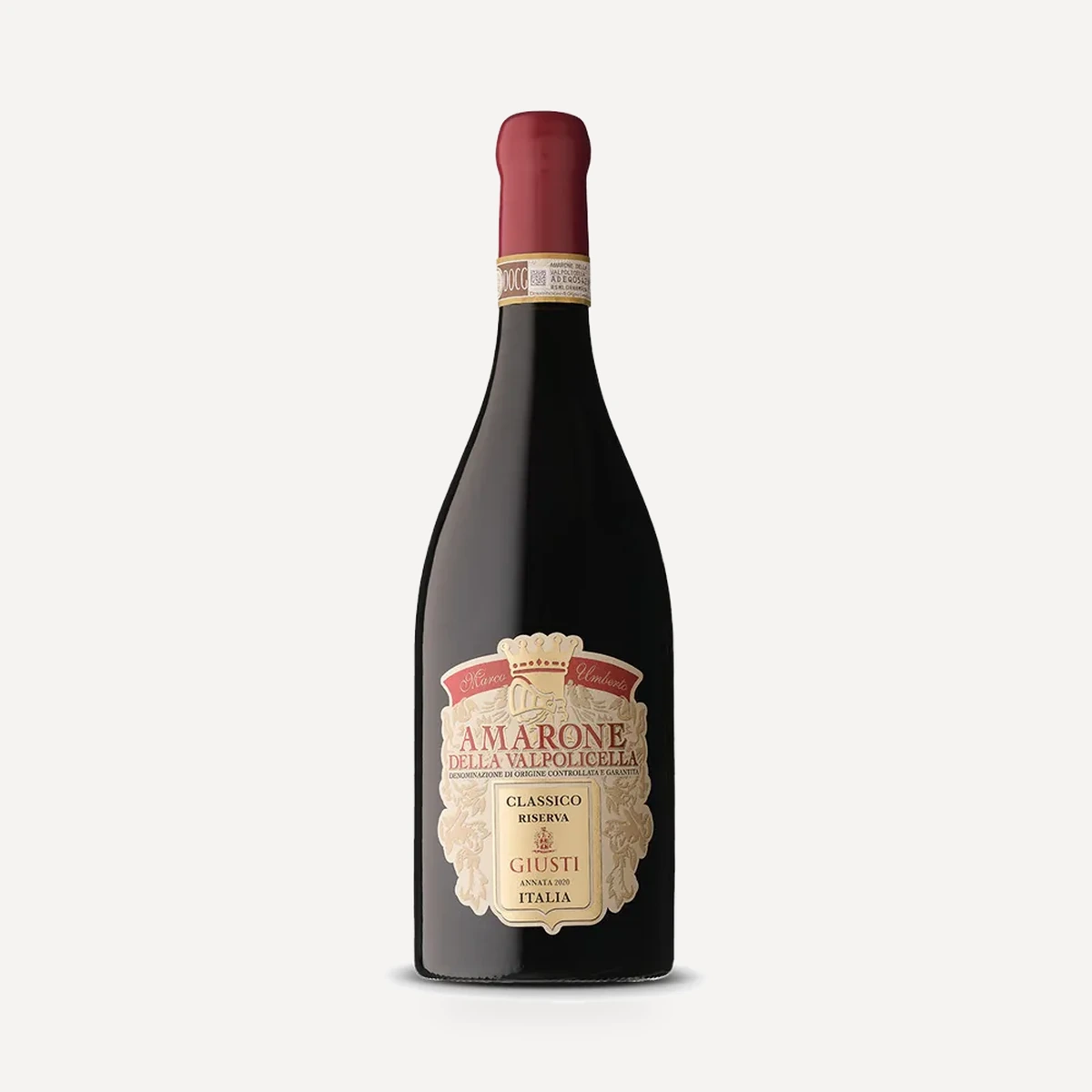
Amarone della Valpolicella Classico Riserva DOCG
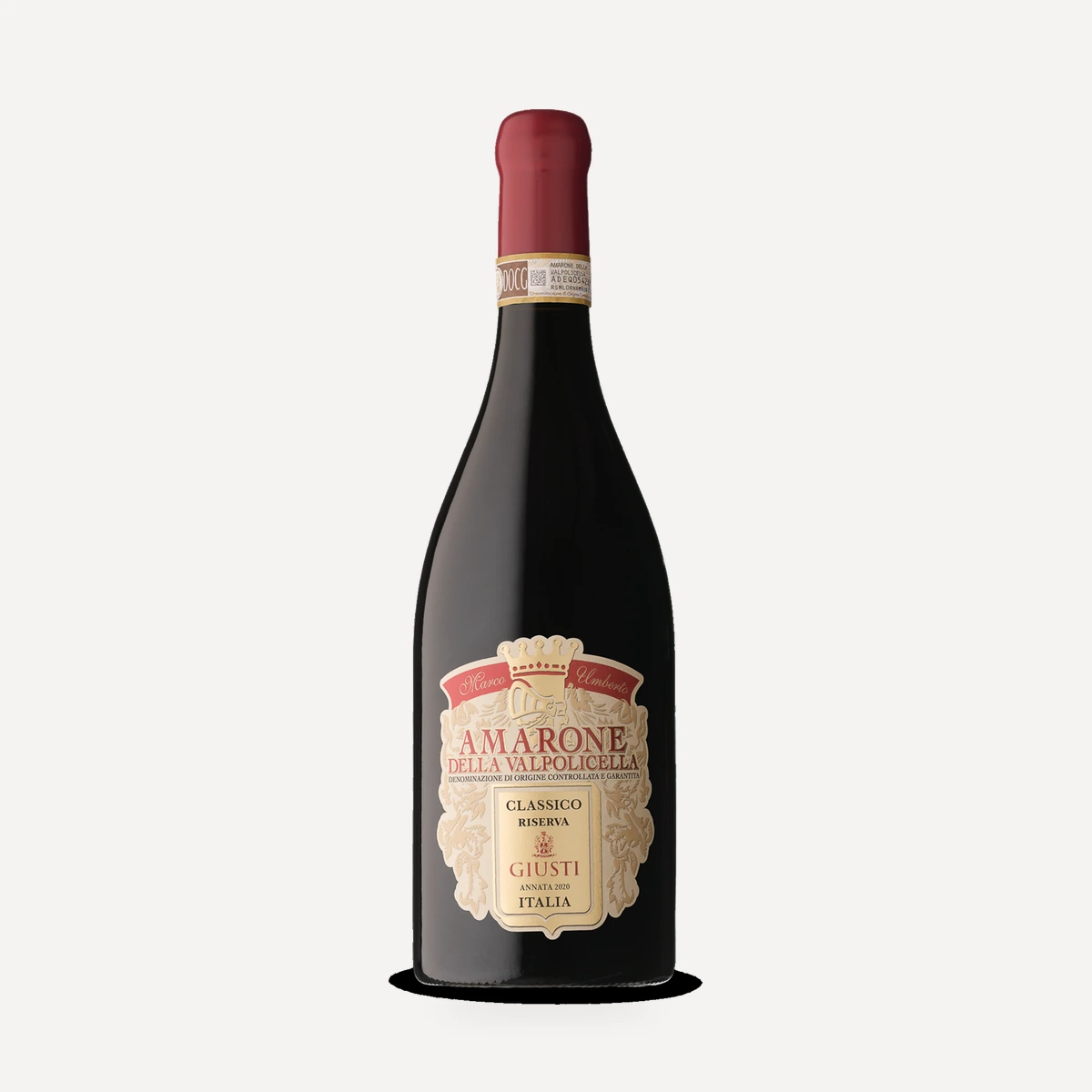
Marco Umberto Amarone della Valpolicella Classico Riserva DOCG
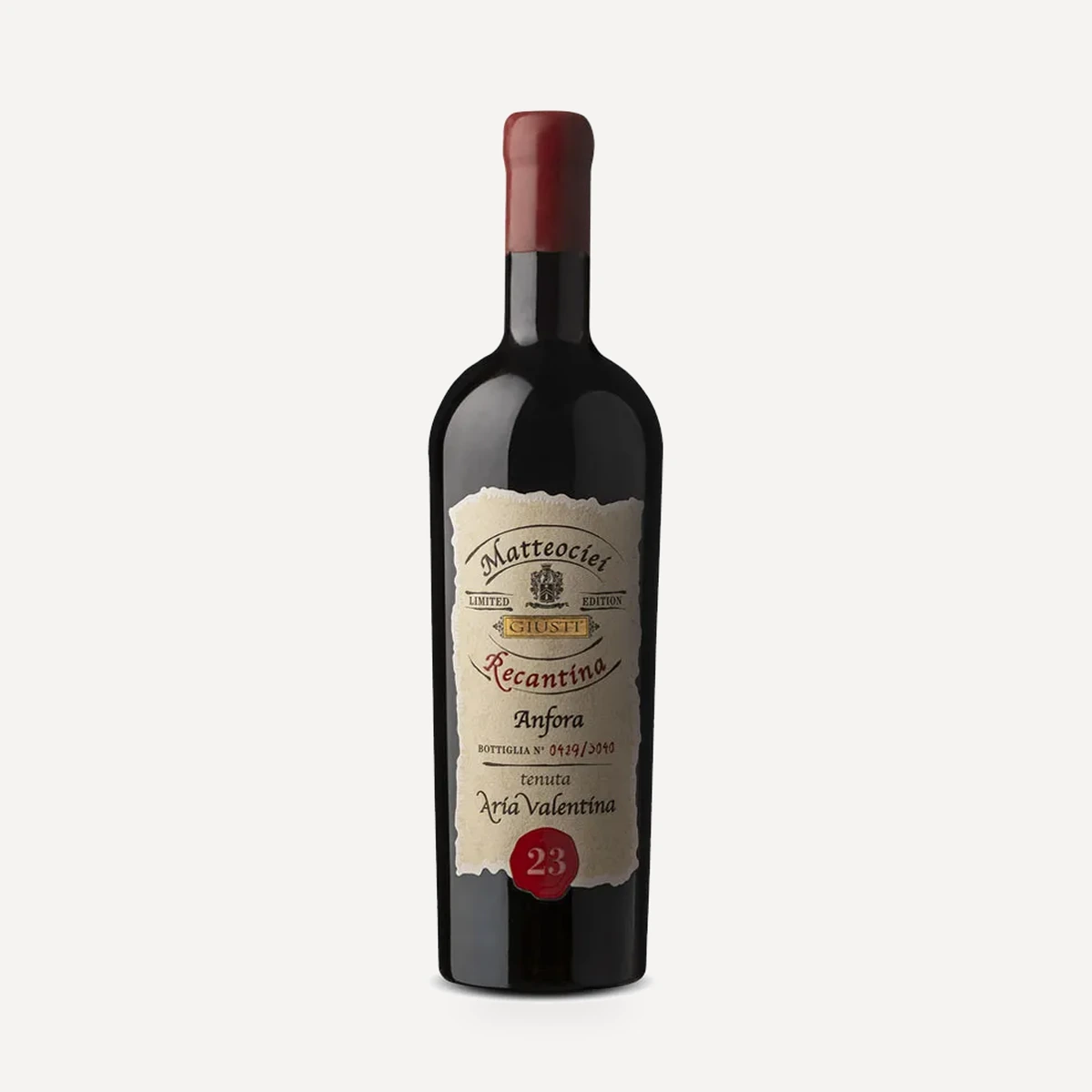
Matteociei Recantina in Anfora DOC
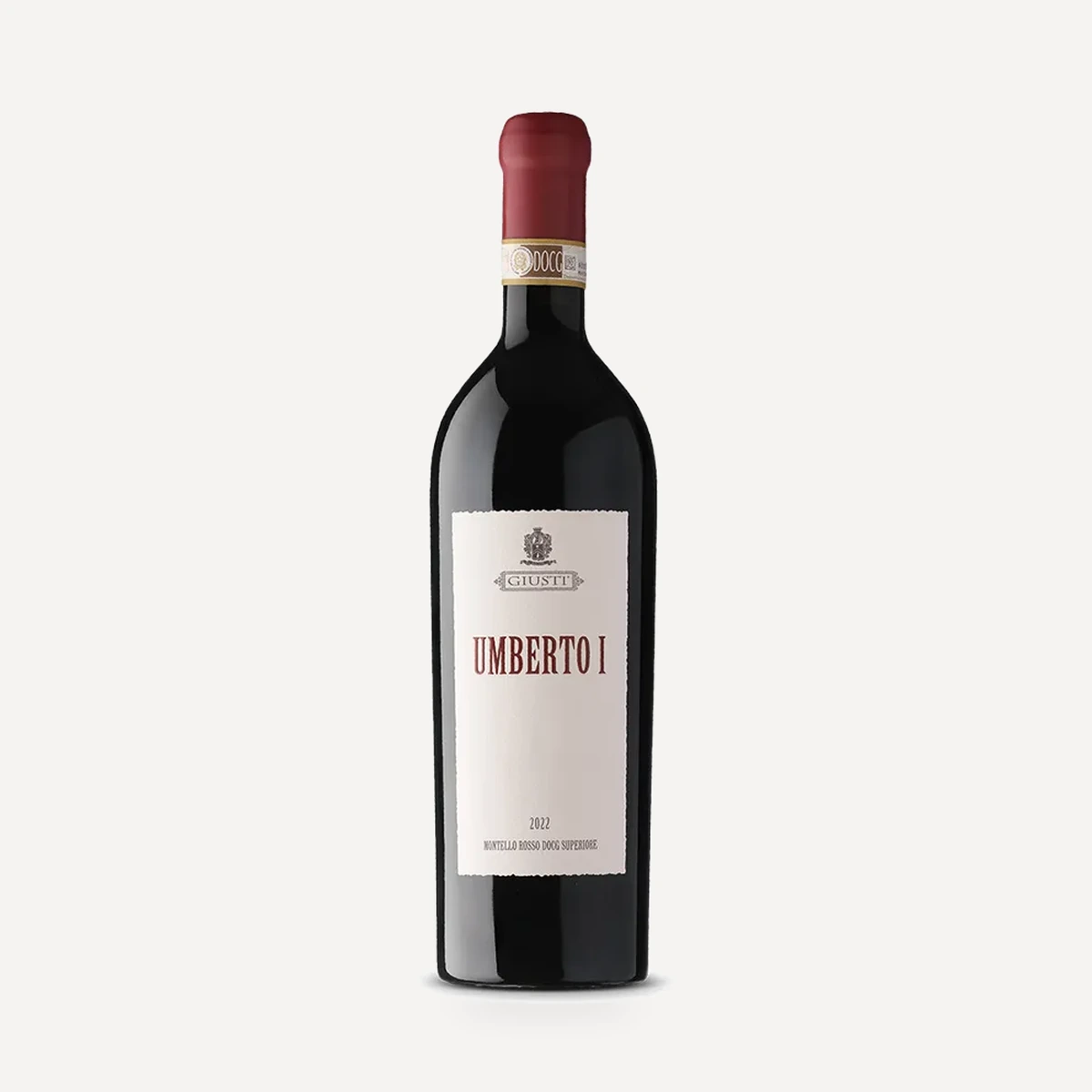
Umberto I Montello Rosso Superiore DOCG
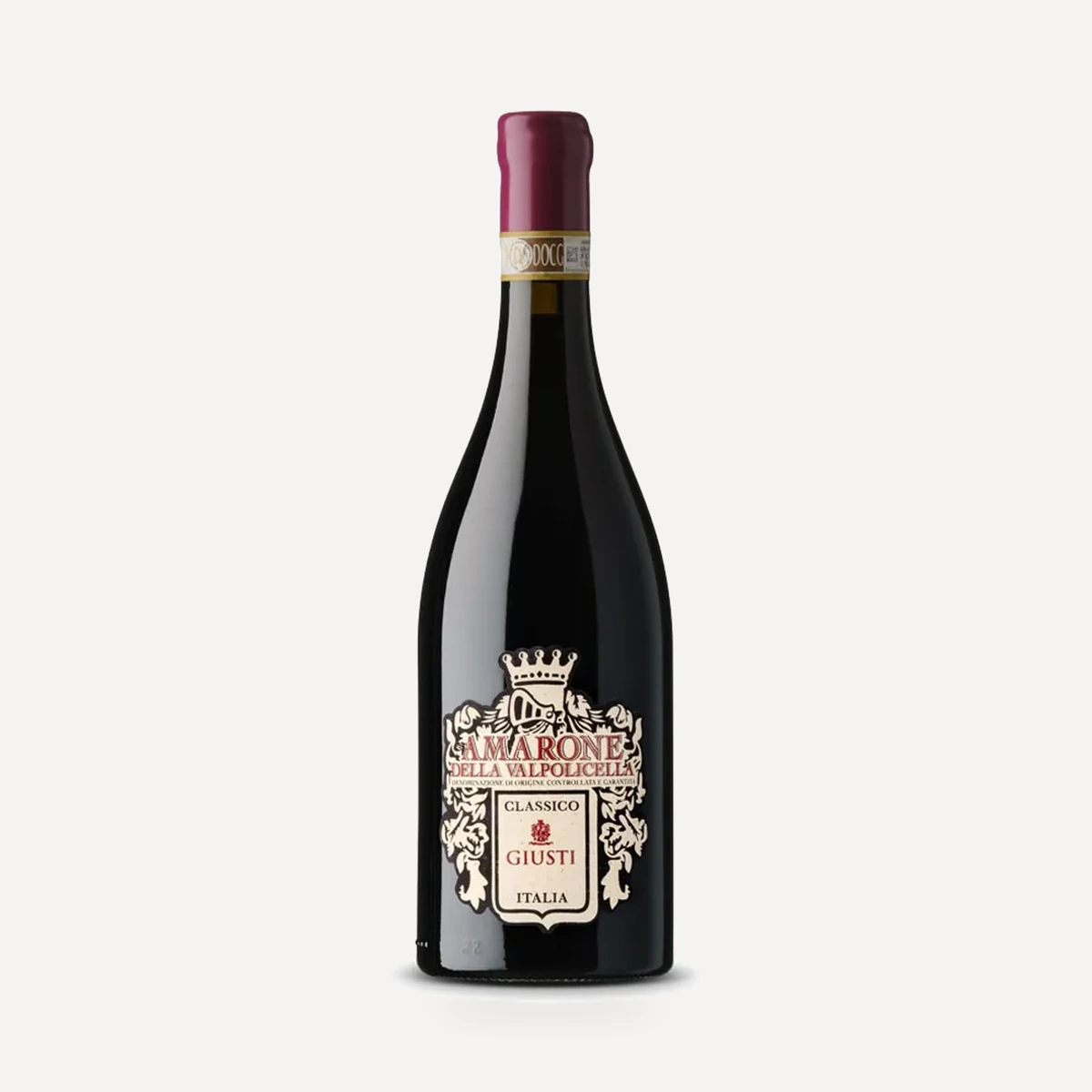
Amarone della Valpolicella Classico DOCG
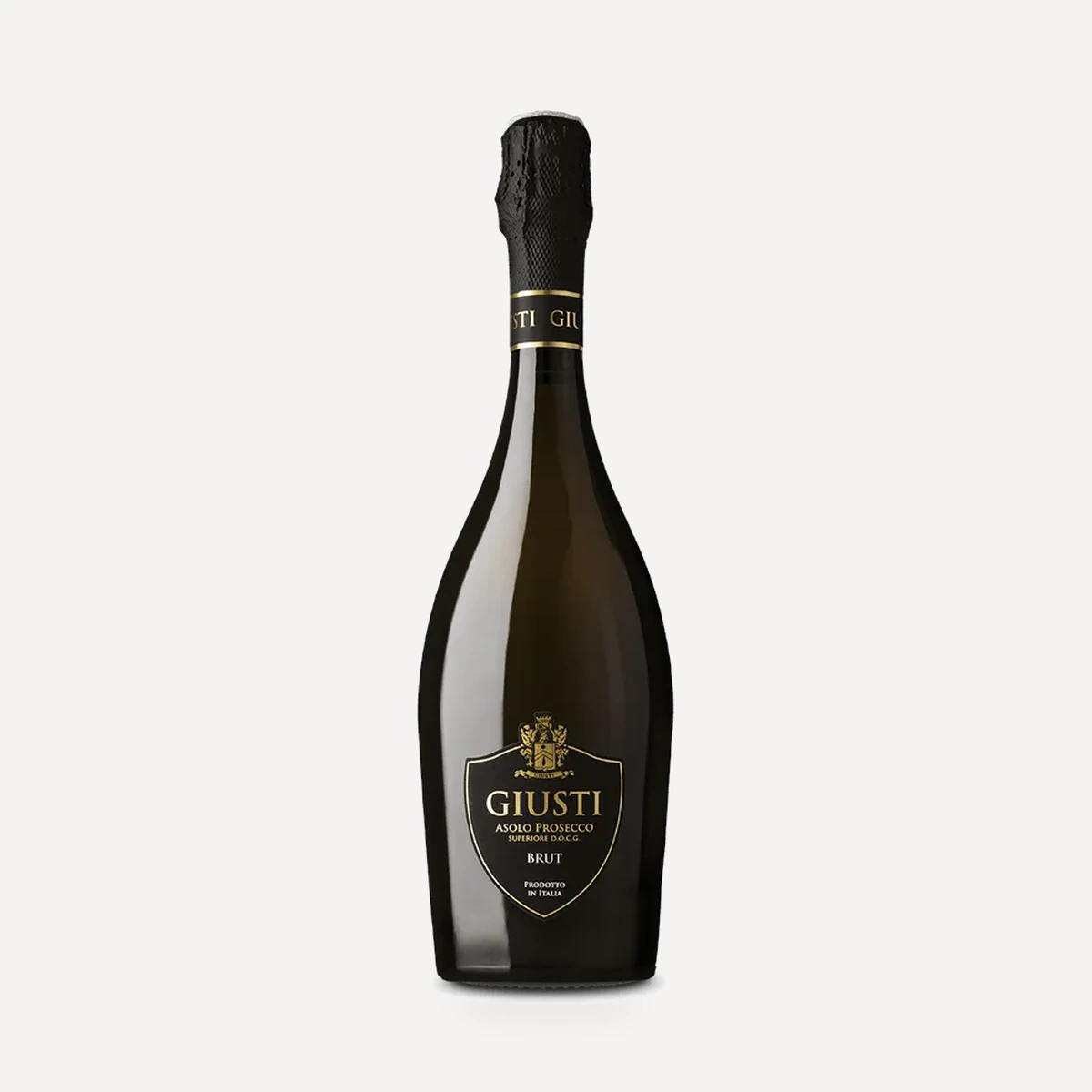
Asolo Prosecco Superiore DOCG Brut
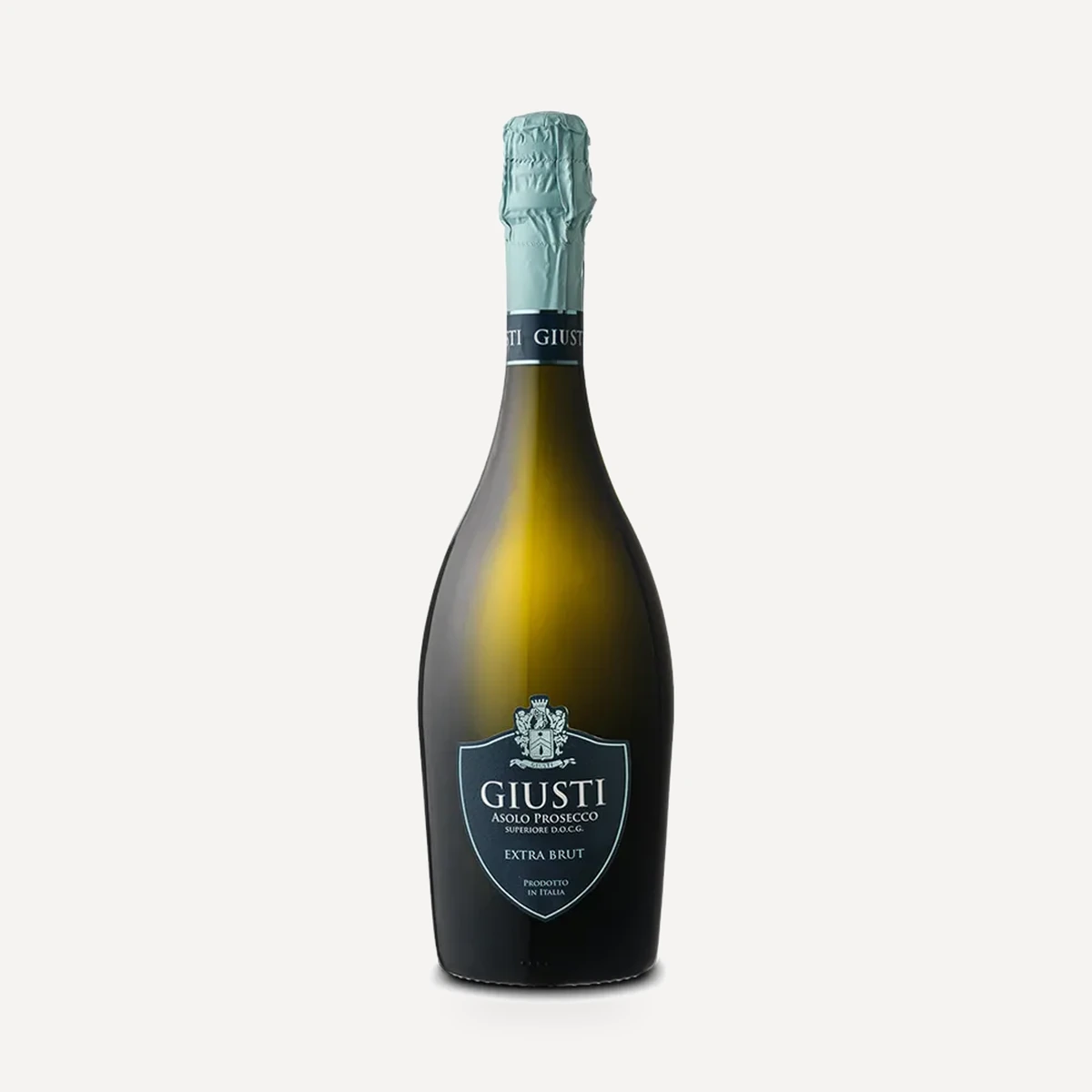
Asolo Prosecco Superiore DOCG Extra Brut
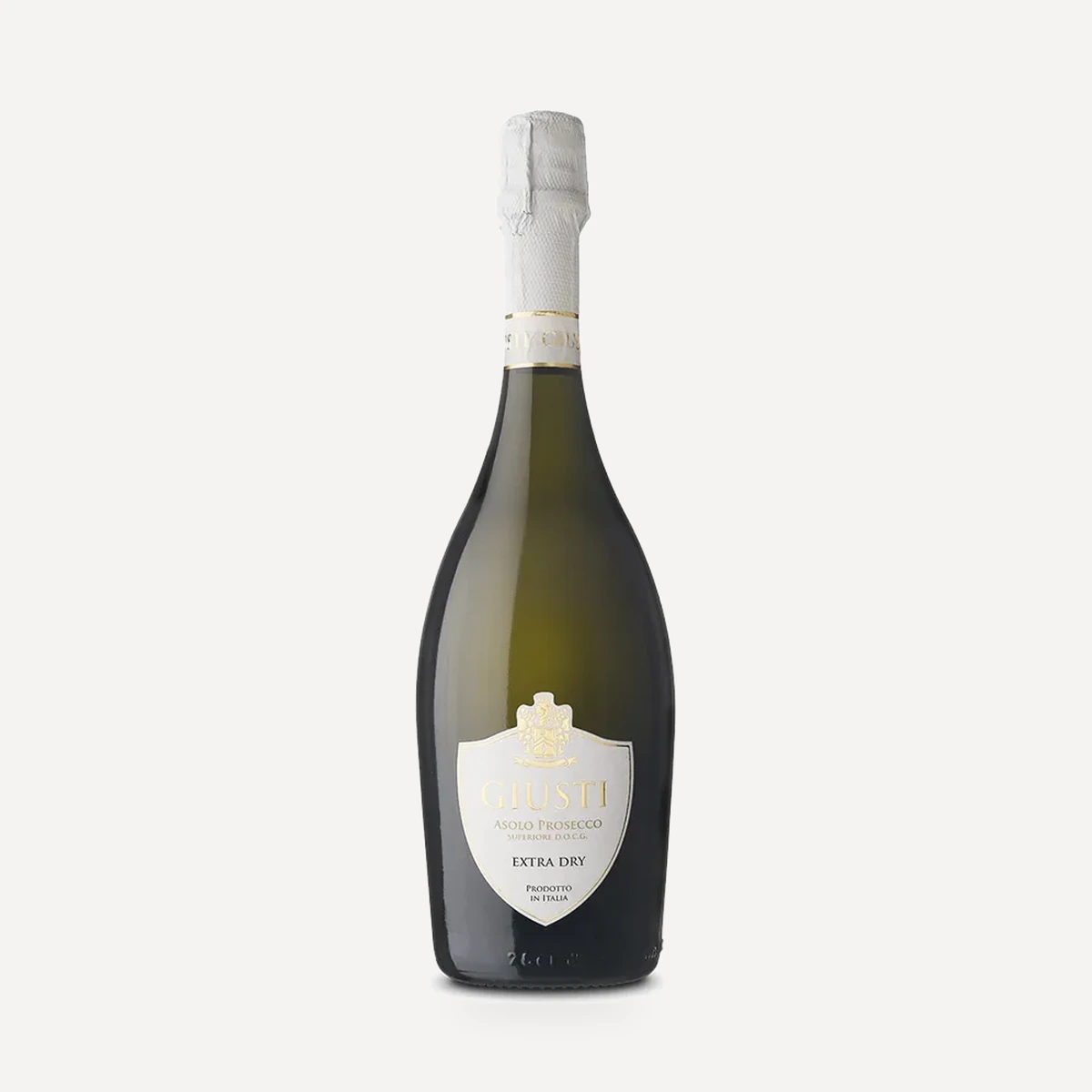
Asolo Prosecco Superiore DOCG Extra Dry
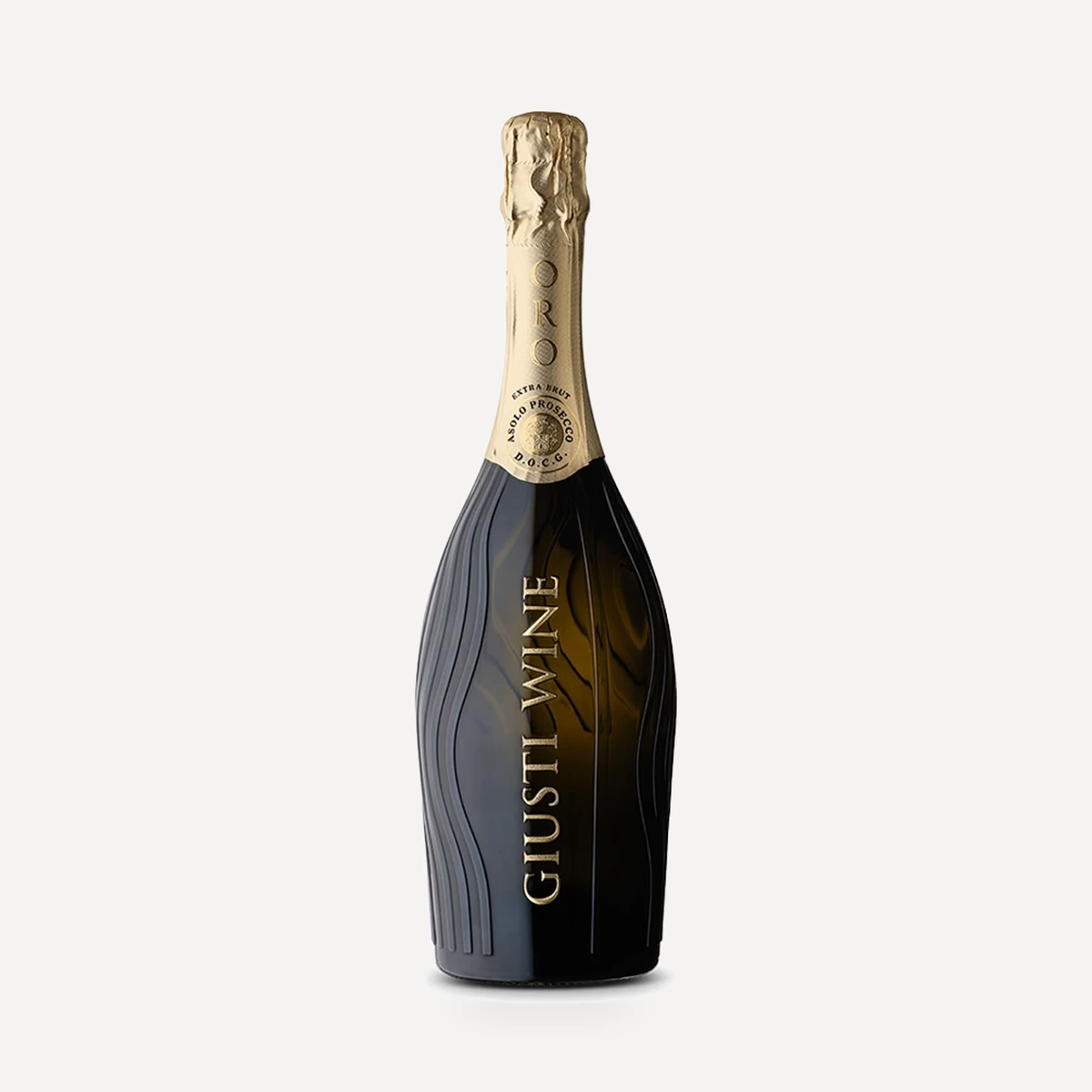
Oro Asolo Prosecco Superiore DOCG Extra Brut
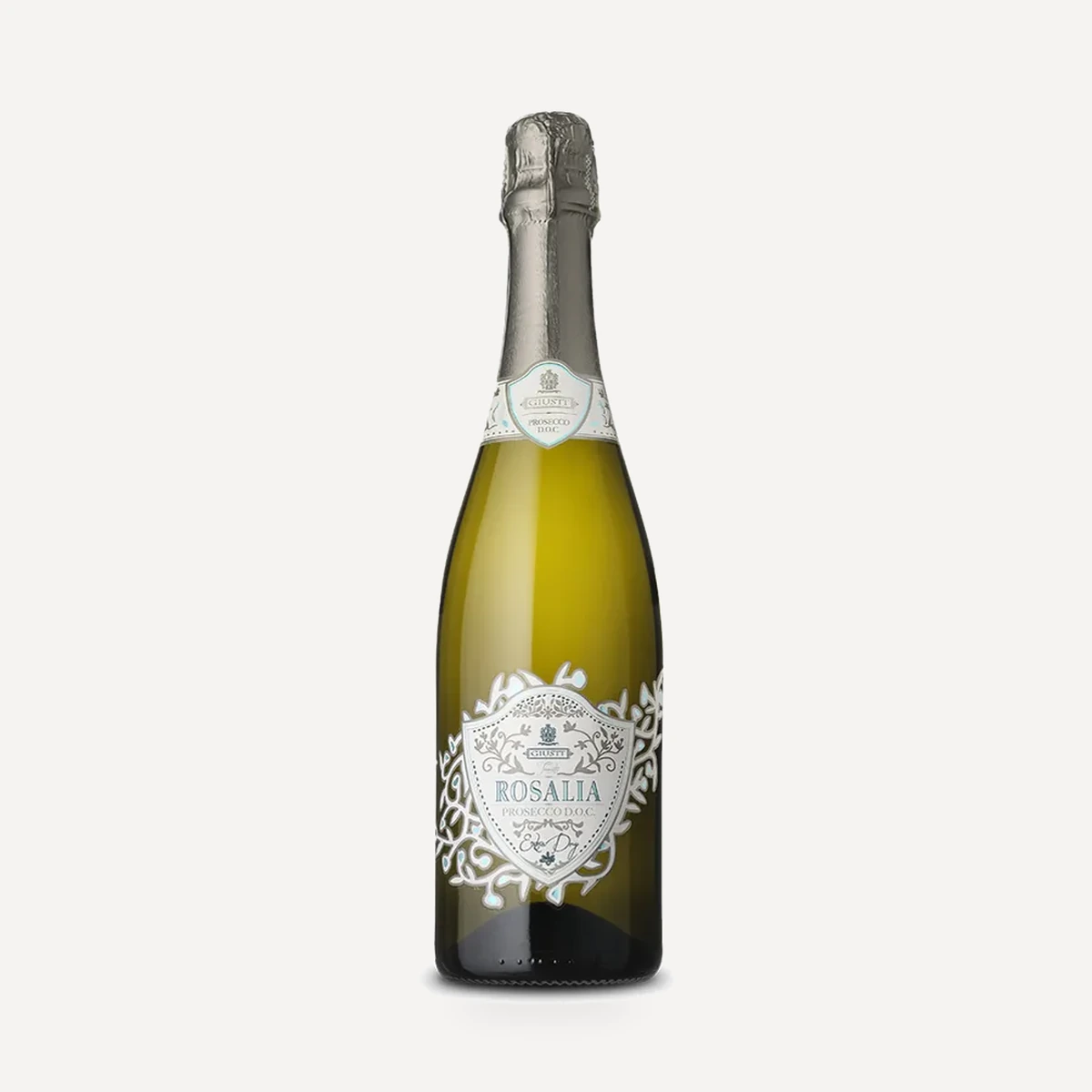
Rosalia Prosecco DOC Extra Dry
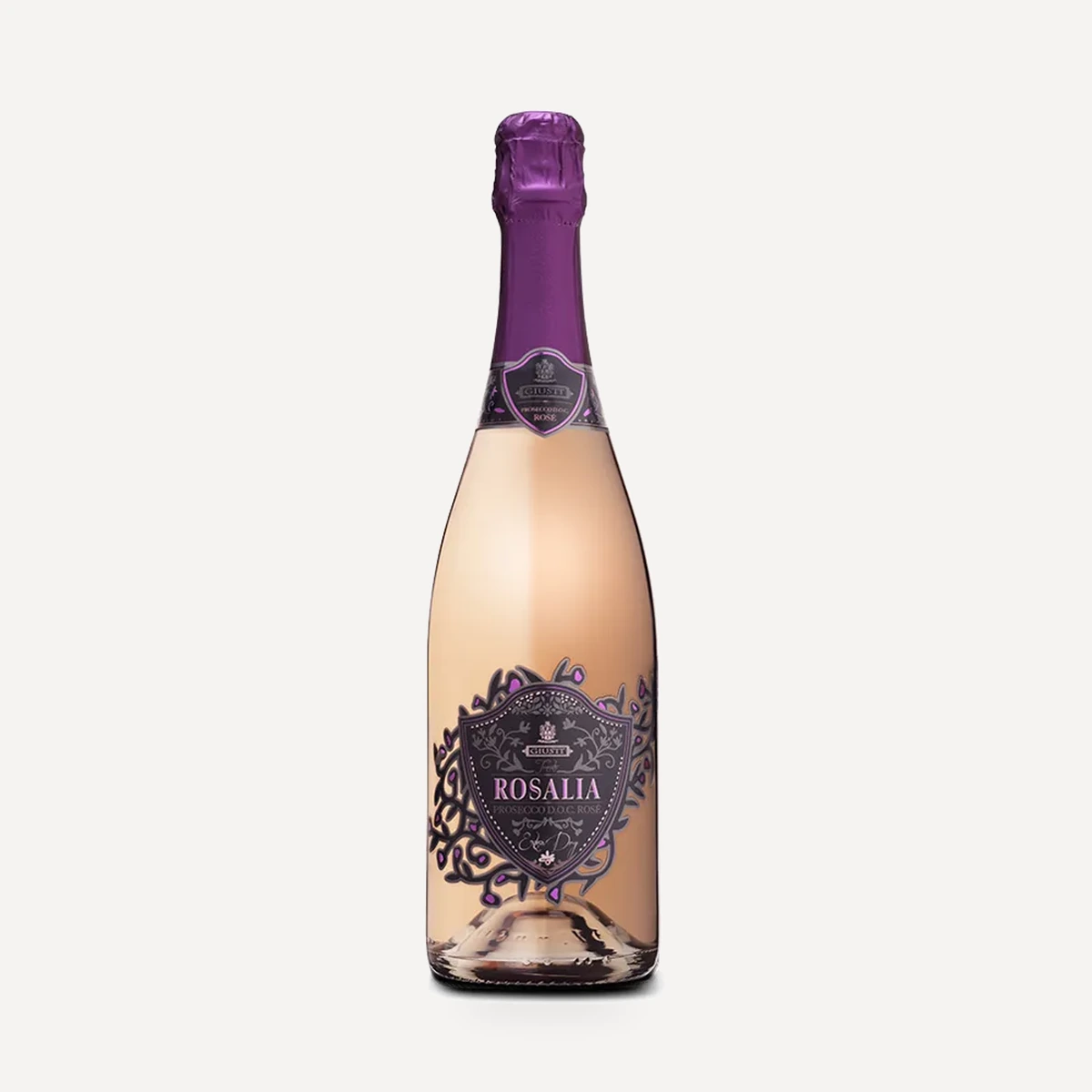
Rosalia Prosecco DOC Rosé Millesimato Extra Dry
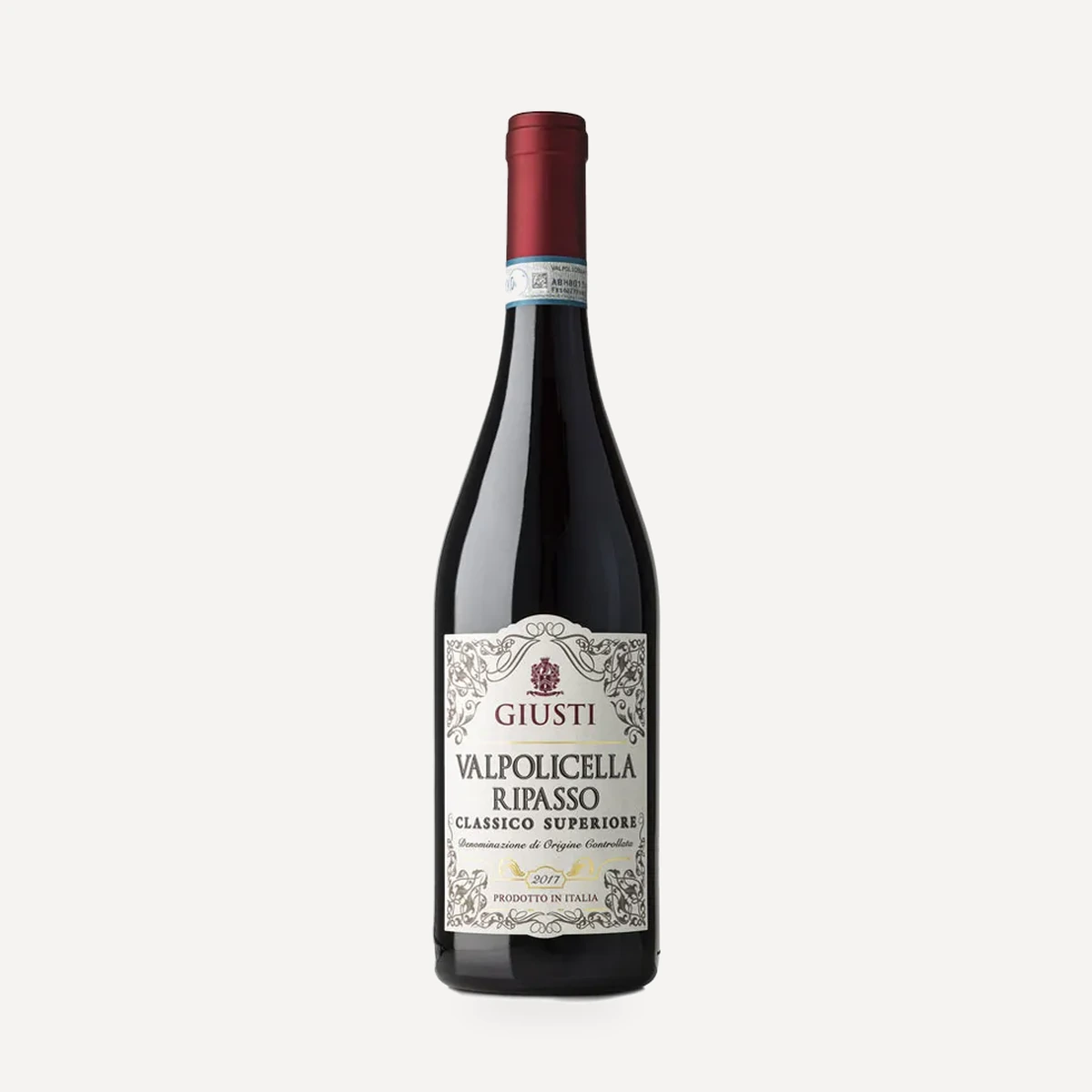
Valpolicella Ripasso Classico Superiore DOC
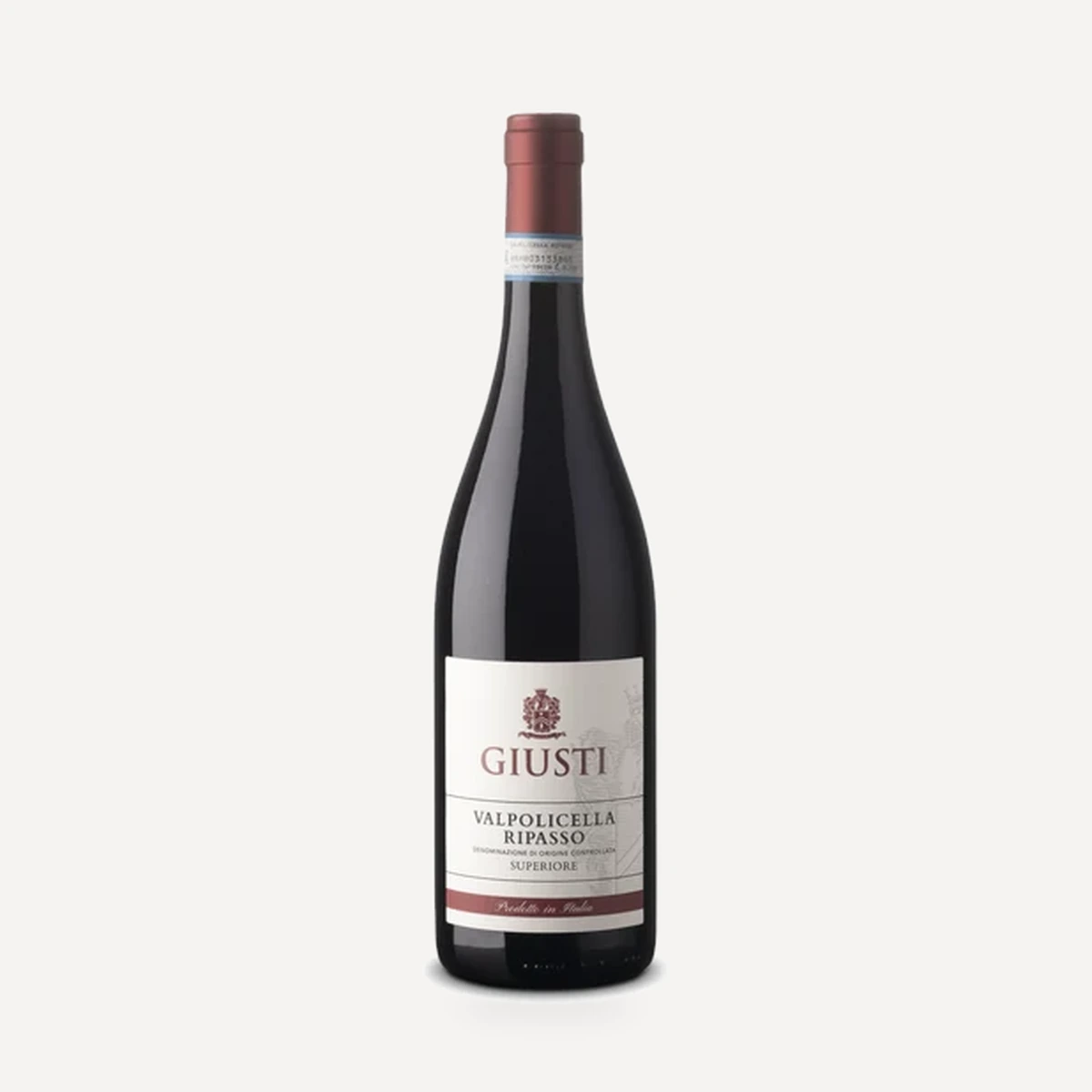
Valpolicella Ripasso Superiore DOC
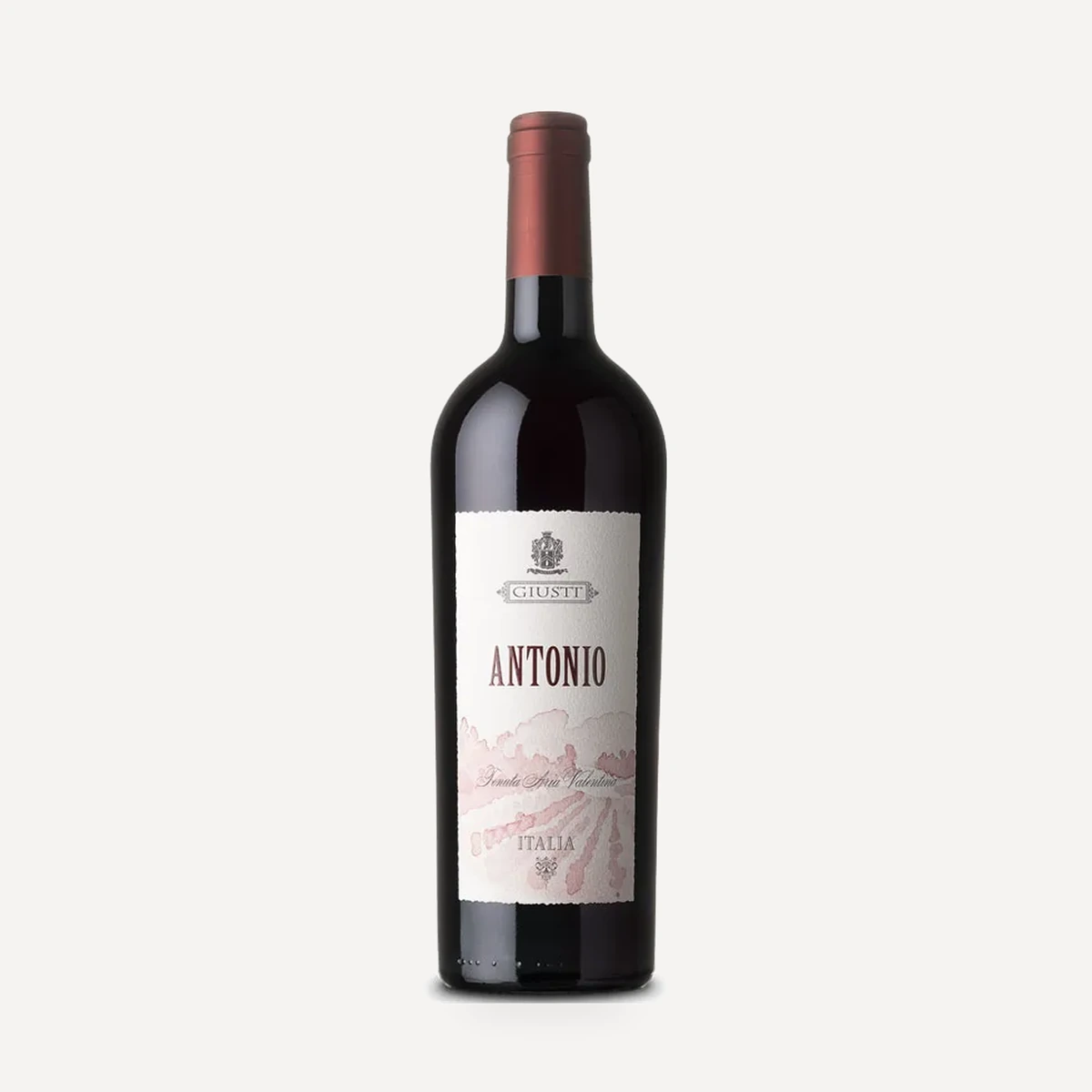
Antonio Asolo Montello DOC
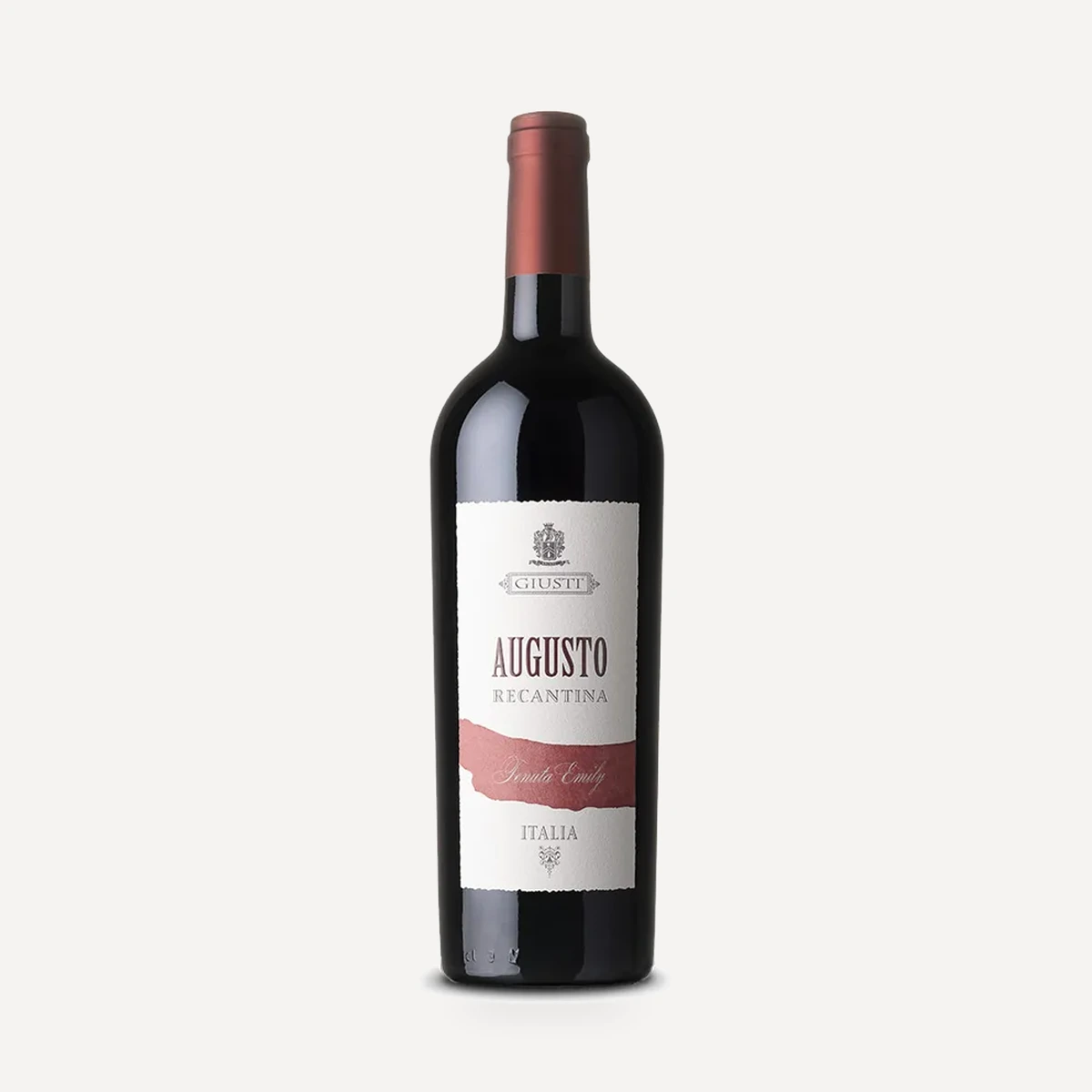
Augusto Recantina Asolo Montello DOC
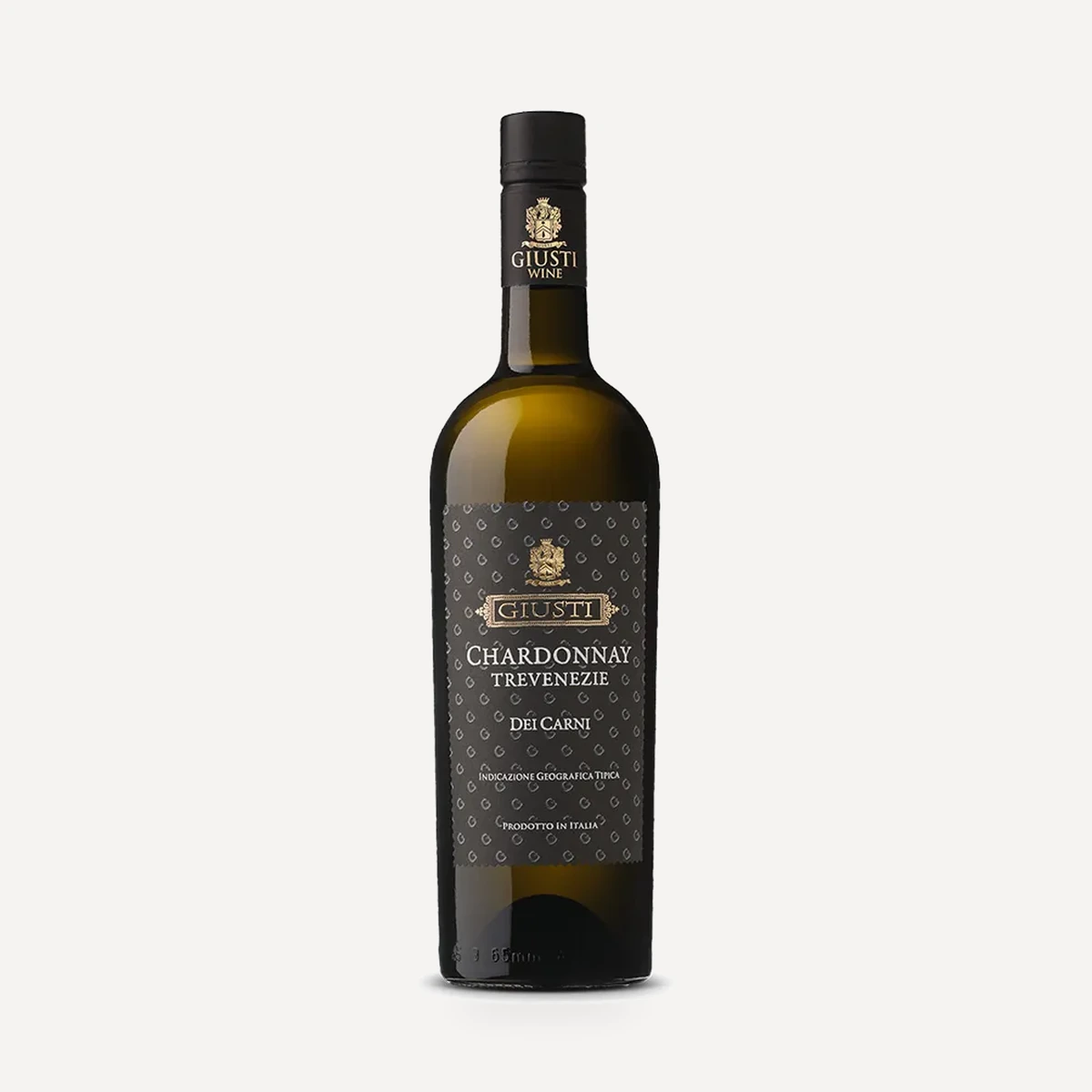
Dei Carni Chardonnay IGT Trevenezie
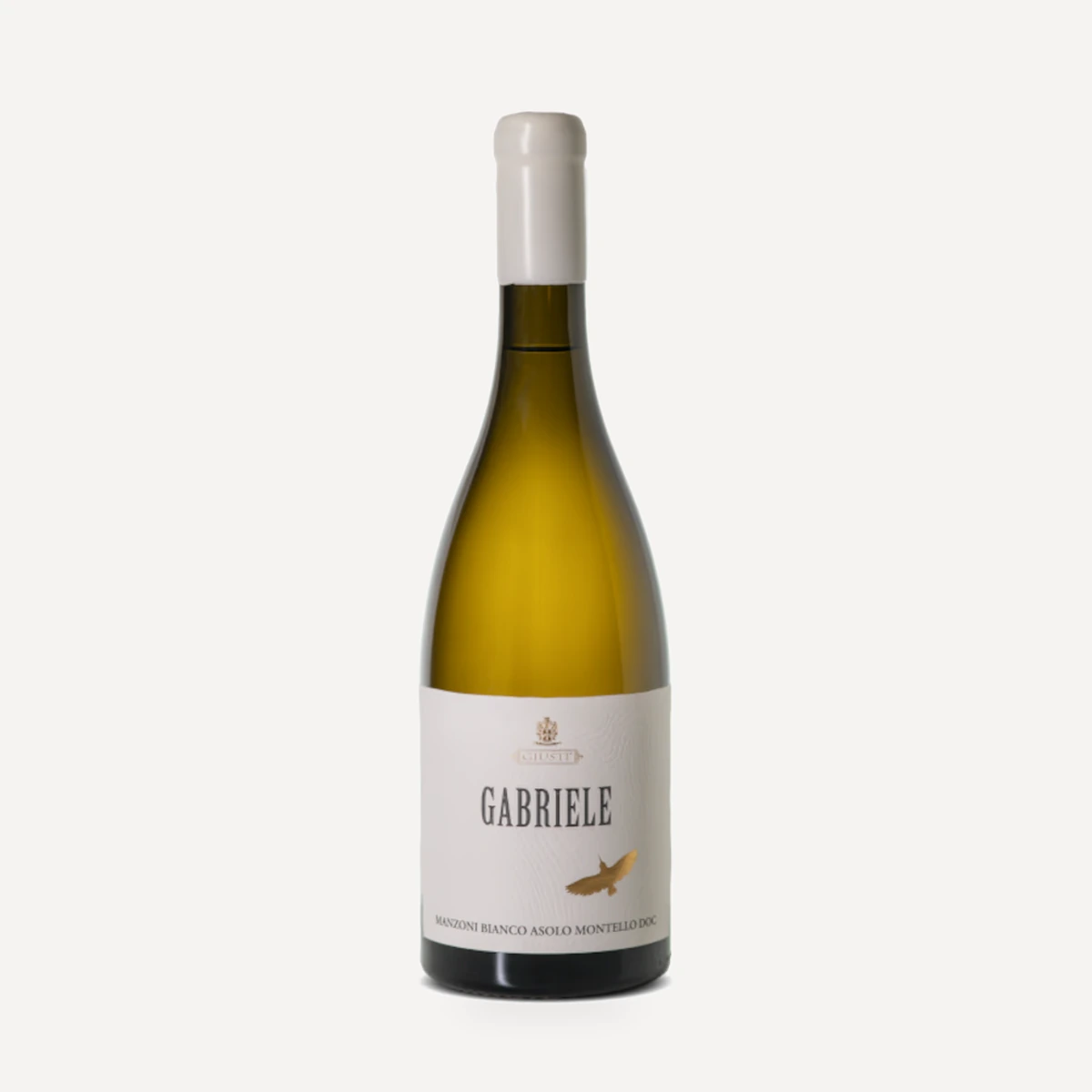
Gabriele Manzoni Bianco Asolo Montello DOC
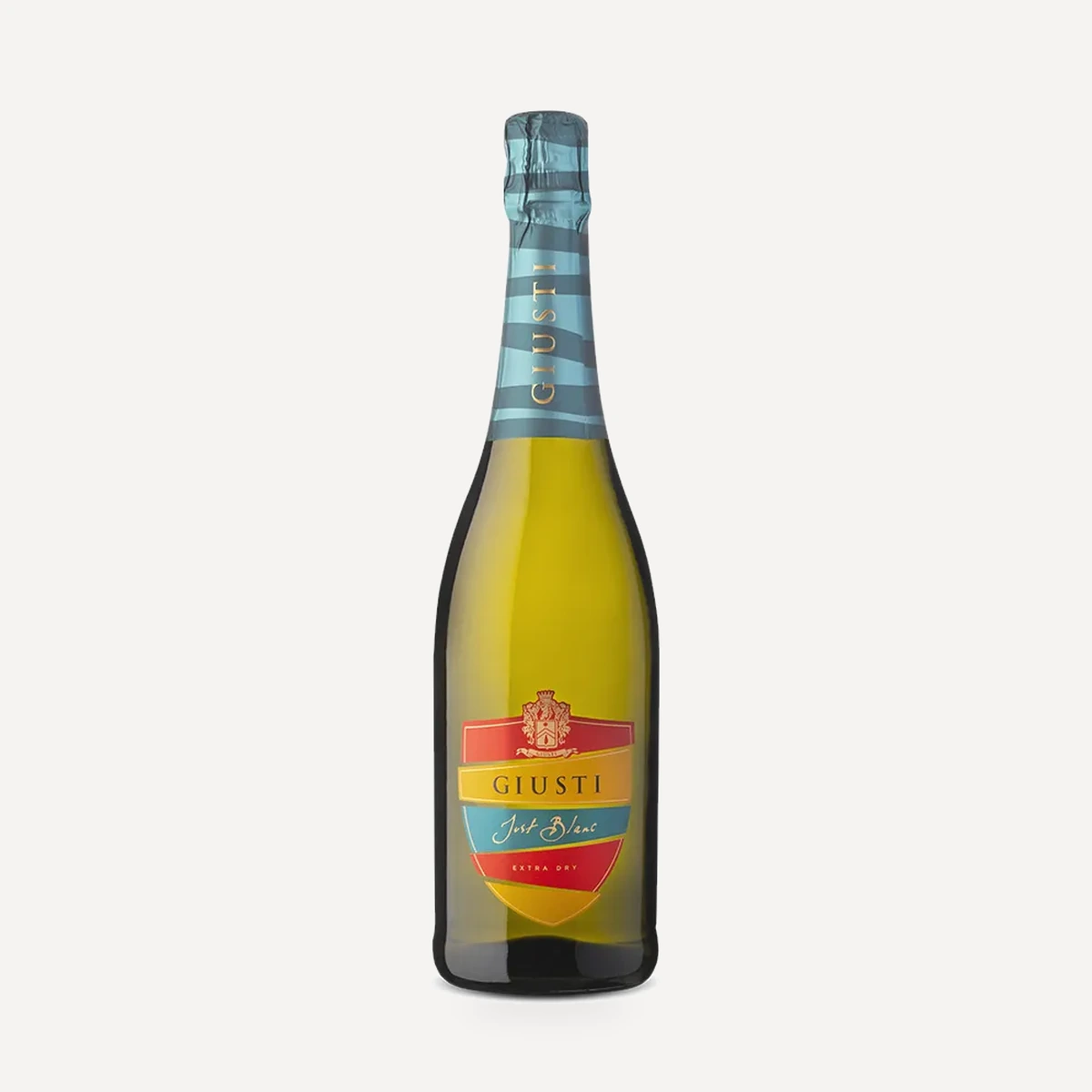
Just Blanc Vino Spumante Extra Dry
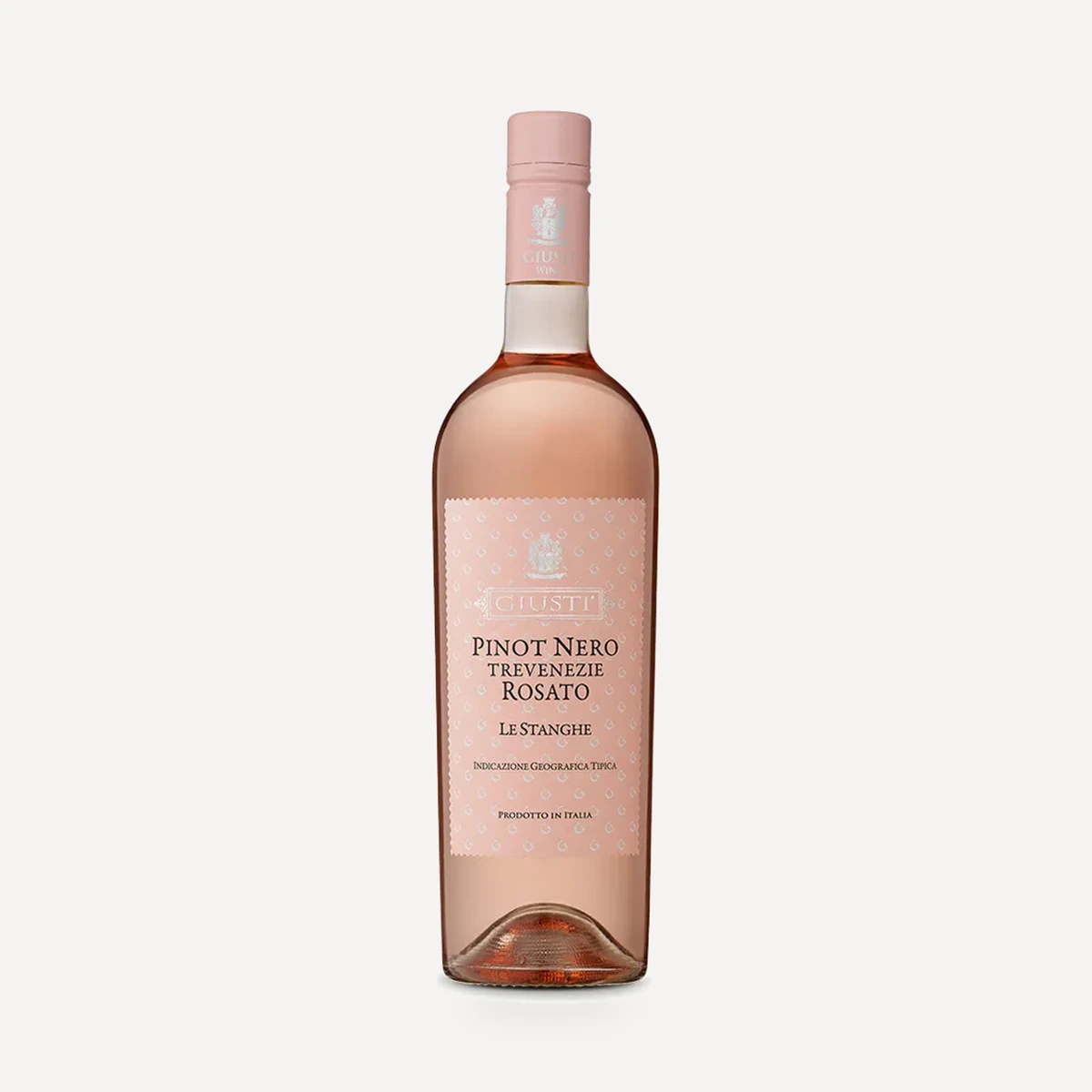
Le Stanghe Pinot Nero Rosato IGT
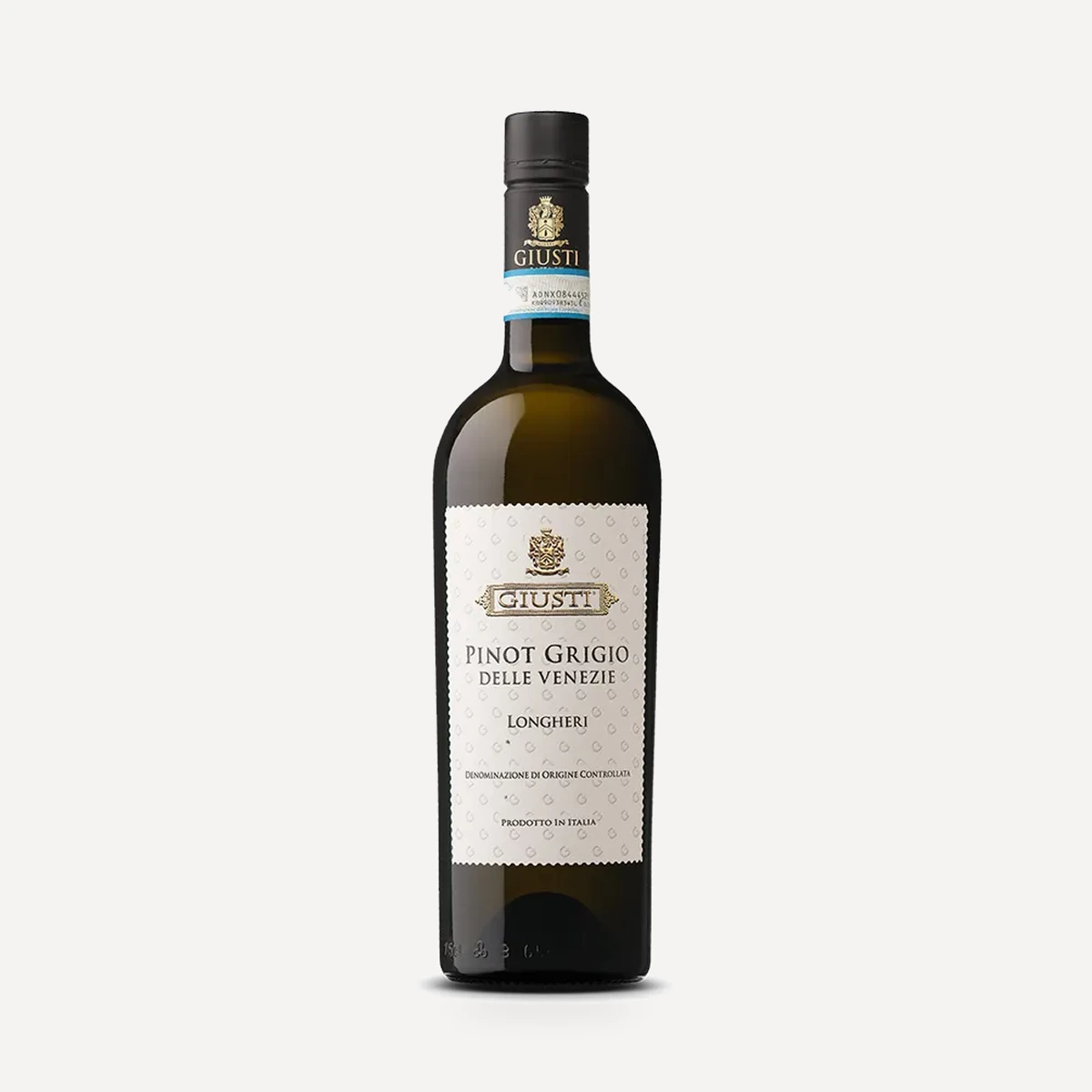
Longheri Pinot Grigio DOC delle Venezie
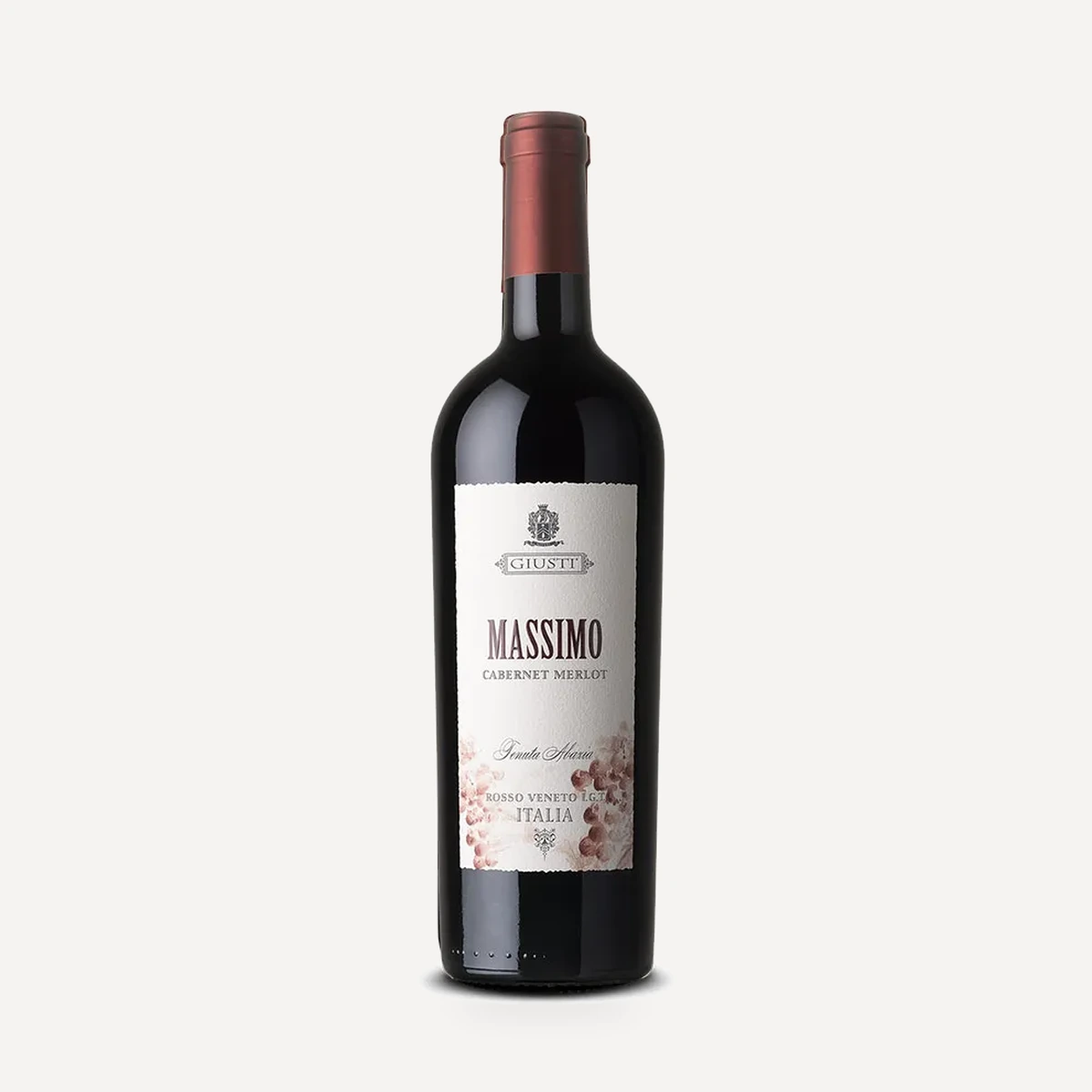
Massimo Rosso Veneto IGT
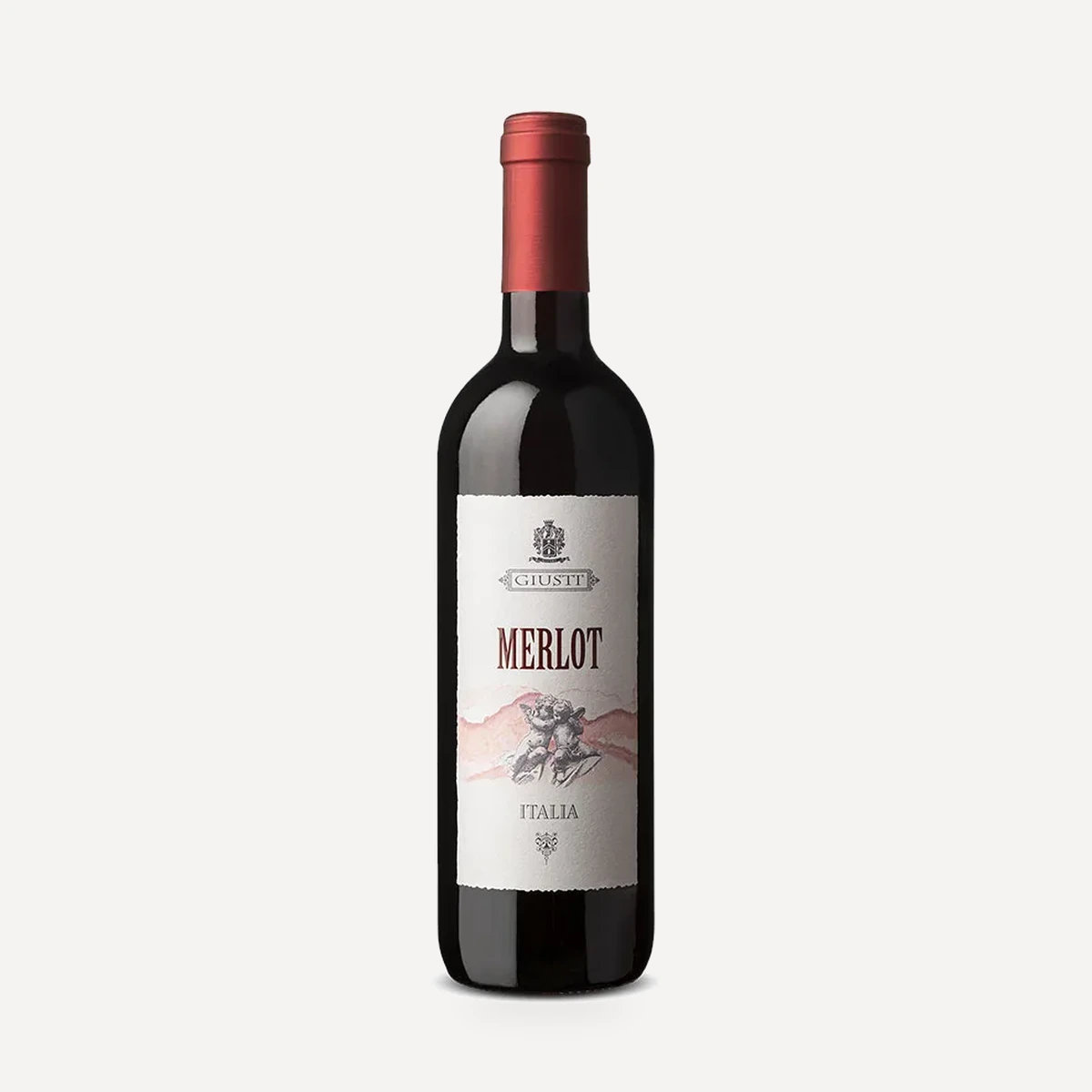
Merlot Veneto IGT