Storia
Dominic Würth’s formative years
Before establishing Grawü, Dominic Würth worked for several years as a cellar master in Bordeaux, Montalcino, Graubünden and the Marche. He trained as a technician in viticulture and cellar management in Weinsberg, Germany.
2010: arrival in South Tyrol
Dominic moved to South Tyrol in 2010 to manage an organic winery. This work placed organic viticulture and practical responsibility for both vineyard and cellar at the centre of his professional development.
2011: the search for an independent style
In 2011 he began developing his own interpretation of grape varieties, soils and the markedly different climatic conditions found within the region. Several years of experimentation followed, focused particularly on understanding how to produce durable wines without additives.
2017: Grawü takes shape
Leila Grasselli and Dominic Würth found a cellar to rent in 2017 and turned their long-developing idea into an independent winery. Its name combines their surnames—GRAsselli and WÜrth. They described Grawü not simply as a cellar but as a family project intended to convey the character and beauty of its alpine surroundings in a direct and sincere form.
The project worked with grapes from leased vineyards around Merano and from small growers between Trento and Bolzano. Long-term relationships with those growers allowed vineyard strategies to be developed jointly, while Grawü followed the fruit closely and controlled its quality before it entered the cellar.
Development of the range
Grawü eventually produced approximately 20,000–25,000 bottles a year across three principal lines. The scale was intentionally kept limited so that the grapes—the project’s essential raw material—could be understood in detail and interpreted individually in each vintage. The range developed around Creative Wines, longer and more contemplative releases, and the limited single-vineyard ROOTS interpretations, made only in selected years.
2026: Final Cellar Release
In 2026 the shared Grawü chapter entered its closing phase. The Final Cellar Release opened the remaining stocks, including available vintages, mature wines, ROOTS bottlings and magnums. Dominic presented the decision as a considered conclusion to the project in its existing form rather than an abandonment of its principles.
The release was also intended to create physical room in the cellar, financial room and space for new ideas. Dominic’s stated aim was to preserve his independence as a producer and give his work a new perspective. His subsequent work is being developed under new names and through Naturhandwerk, conceived as a broader platform for independent wine and artisan-food producers, shared production, distribution, hospitality relationships, tastings and the exchange of practical knowledge. Grawü remains part of his history, while its approach—careful work, respect for origin and the bringing together of people—continues into the next phase.
Terroir
Grawü was based in Cermes / Tscherms near Merano, within the alpine landscape of South Tyrol. Its raw material did not come from a single contiguous estate: grapes were drawn from leased vineyards around Merano and from small partner growers distributed between Trento and Bolzano.
This geographical spread exposed the project to different soils and markedly different climatic conditions within the region. Understanding those variations became part of Dominic Würth’s work from 2011 onward. The objective was to interpret each grape source and vintage individually and to convey the alpine territory and South Tyrol’s mountains through the finished wines.
The two geographical indications represented in the range were Vigneti delle Dolomiti IGT and Mitterberg IGT.
Vinificazione
Organic cultivation, manual work and respect for origin formed the agricultural basis of Grawü. The business was registered as controlled operator BZ-01852-AB under the Italian authorized organic control body IT BIO 013.
Grawü combined leased vineyards around Merano with grapes from small partner growers between Trento and Bolzano. The grower relationships were not treated simply as fruit purchases: vineyard strategies were developed together, with the partners knowing that their grapes would be processed by Grawü. The fruit was observed and controlled through the season so that only suitable grapes entered the cellar.
The limited production scale was maintained in order to understand the grapes in detail and respond individually to their condition in each vintage. Manual work and careful decisions in both vineyard and cellar were central to the project’s definition of wines with a distinct identity and sense of origin.
Grawü’s cellar work sought to retain the unaltered taste of the grape, its particular terroir, the people who cultivated it and the character of the vintage.
Fermenting musts remained in contact with the skins for periods adjusted to the material. Skin contact was used to create wines that continued to evolve rather than remaining static. Some fermentations also incorporated stems, while certain lighter releases used short skin contact and semi-carbonic processing.
No selected pure yeasts were used. Grawü also excluded other oenological products capable of changing the wine. Sulphur was reserved for preservation and capped at 50 mg/l.
Patience and extended élevage were used to reconcile depth and substance with lightness and stability. Large wooden vessels played a central role, including acacia and oak; the wider range also used tonneaux and used barriques where appropriate. Depending on the release, maturation could extend from roughly 10–26 months for the principal ranges. The limited ROOTS wines involved much longer cycles: up to eight months with skins, followed by two years in acacia for the white interpretations or a further year in used barriques for PN ROOTS, and then one year in bottle.
All wines were bottled unfiltered. The 2026 Final Cellar Release emphasized the role of time after bottling by bringing together remaining vintages, mature wines, selected ROOTS releases and magnums.
Filosofia
Grawü’s guiding idea was to bring the genuine taste of the grape, a particular terroir and the people caring for it into the glass—wine understood as a liquid memory of the vintage in all its facets.
The project combined organic cultivation, manual work, low intervention and time in the cellar. Its deliberately limited scale allowed close knowledge of the grapes and an individual response to each source and year. The goal was not uniformity but wines with their own identity, capable of changing dynamically and expressing origin without being altered by selected yeasts, corrective products or filtration.
Creative freedom was treated as essential. The Creative Wines line framed winemaking as an artistic process driven by freedom, while the ROOTS wines reflected accumulated experience and deep trust in nature. ROOTS was restricted to single-vineyard interpretations in the strongest years and was not intended for annual release.
The project also regarded patience as a technical and stylistic necessity. Long maturation in wood and, for ROOTS, additional bottle ageing were used to achieve stability, substance and depth without sacrificing lightness.
In closing Grawü’s existing chapter, Dominic Würth emphasized independence, careful work, respect for origins and the social role of bringing people together. These principles are intended to continue beyond the Grawü name.
Vini
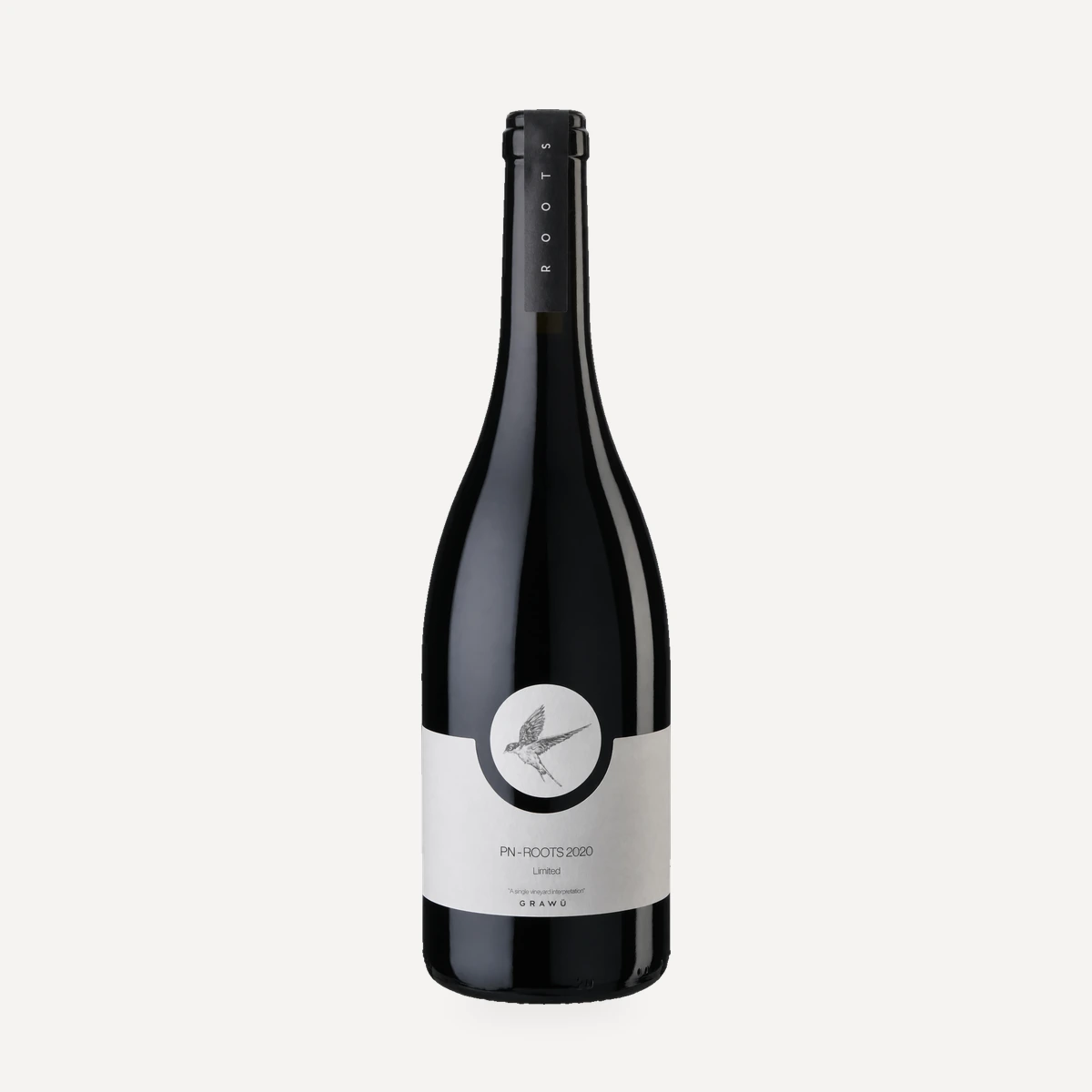
PN Roots
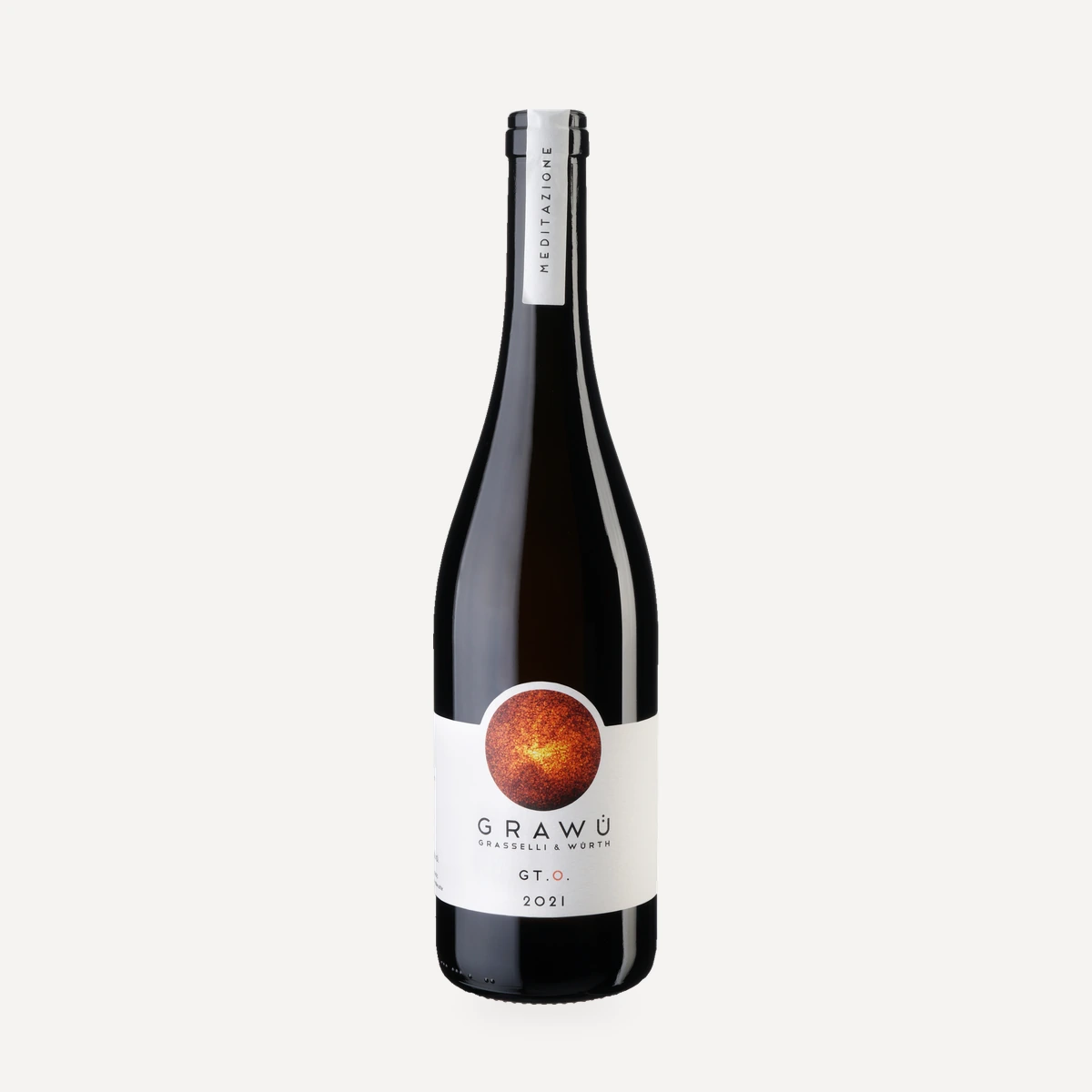
Gt.o.
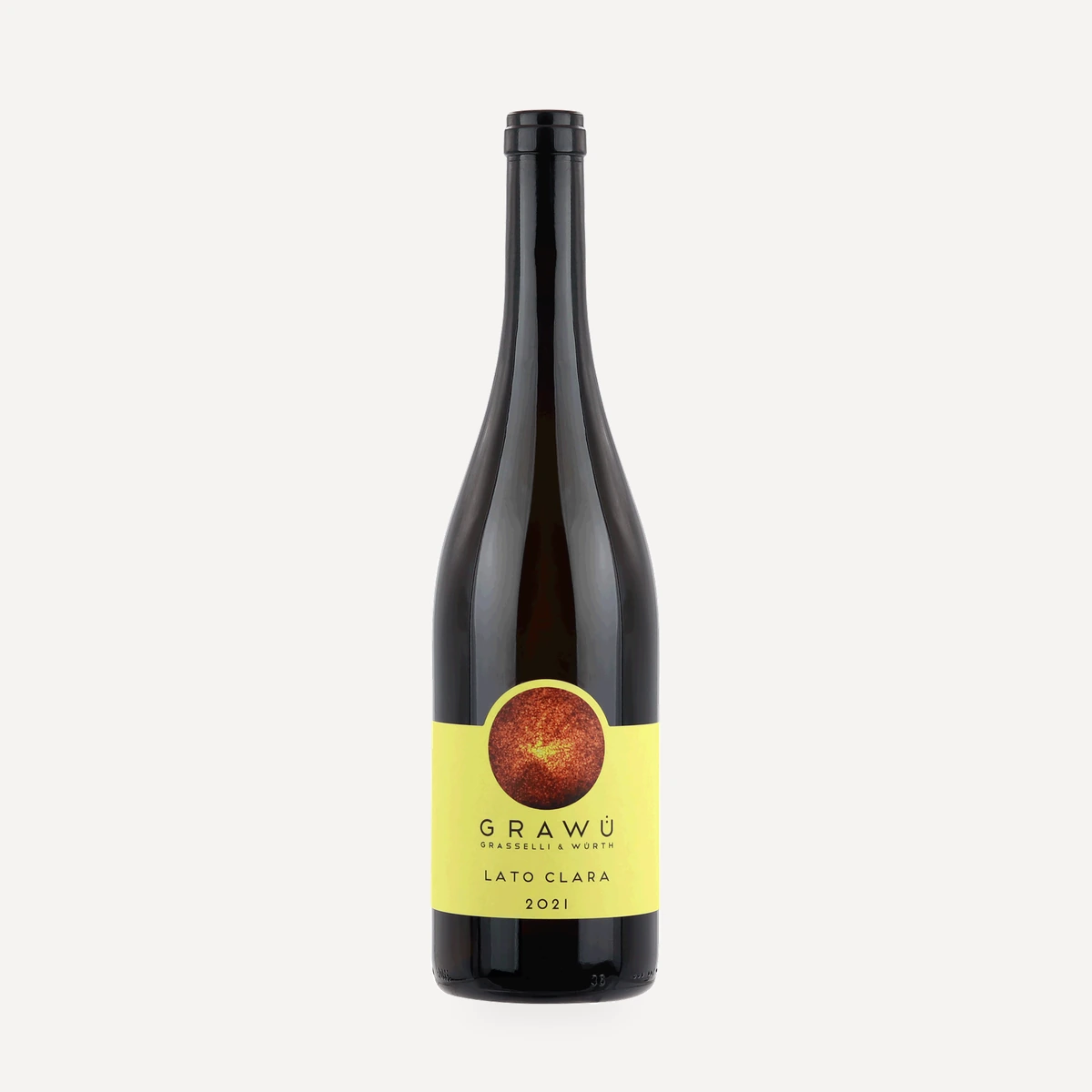
Lato Clara
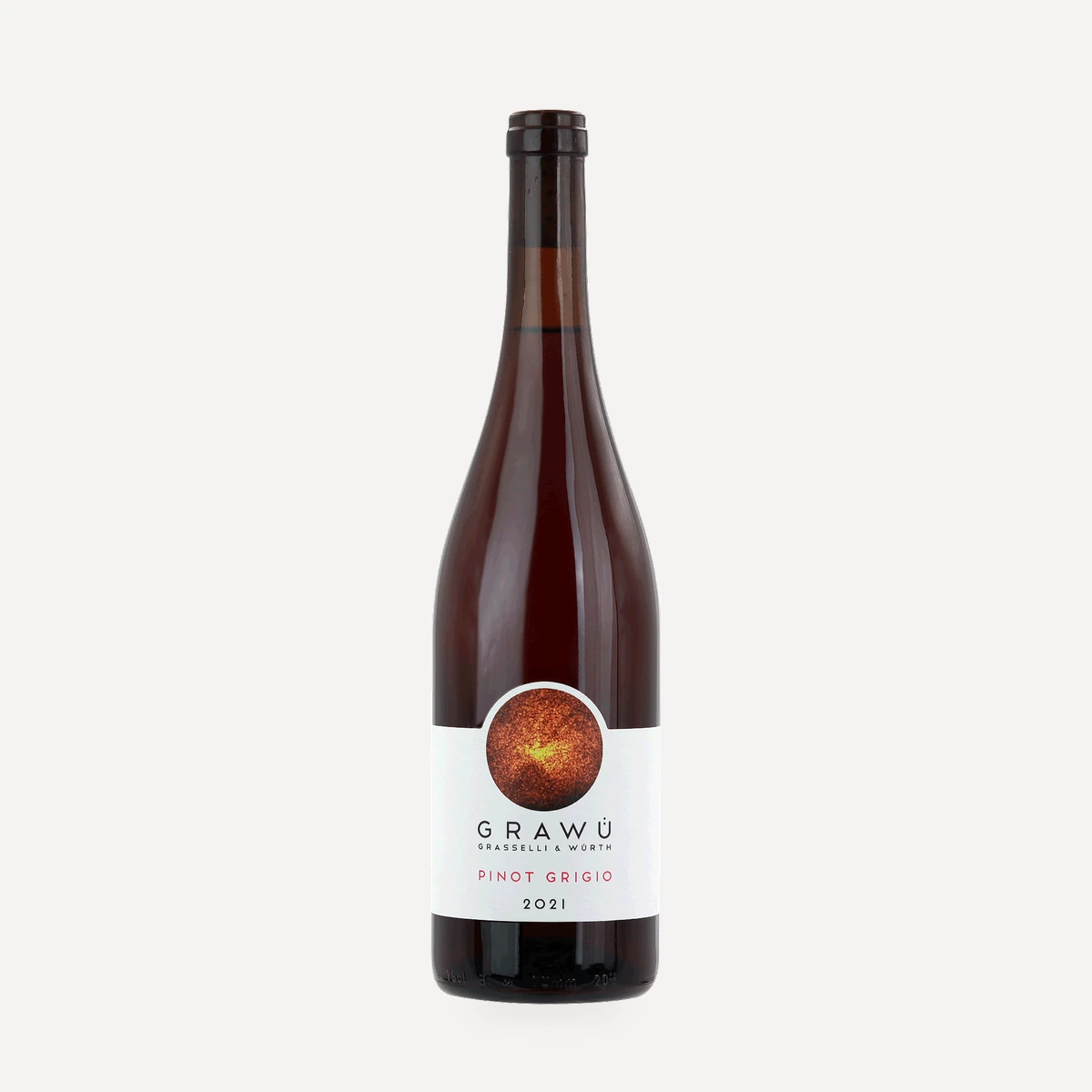
Pinot Grigio Ramato
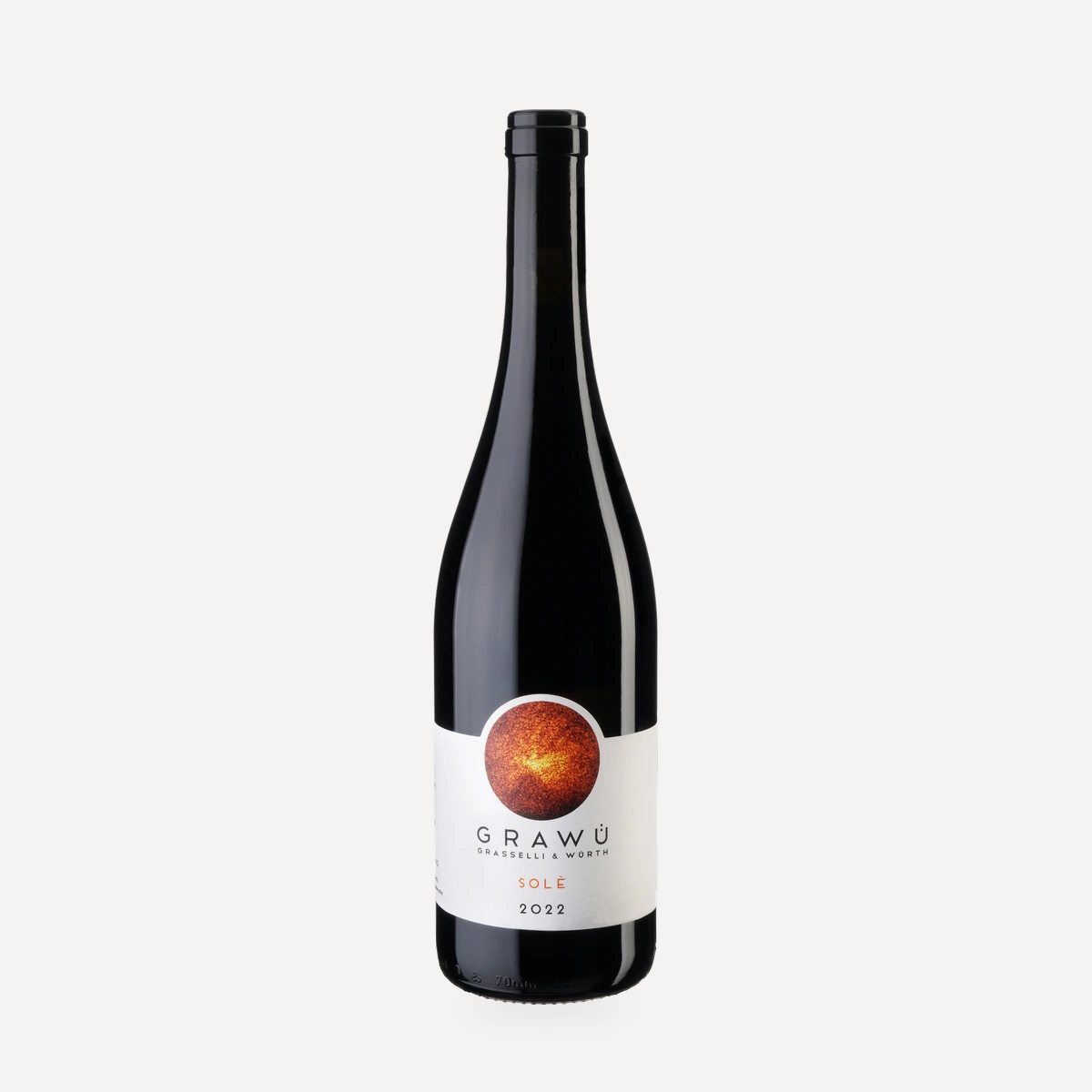
Solé
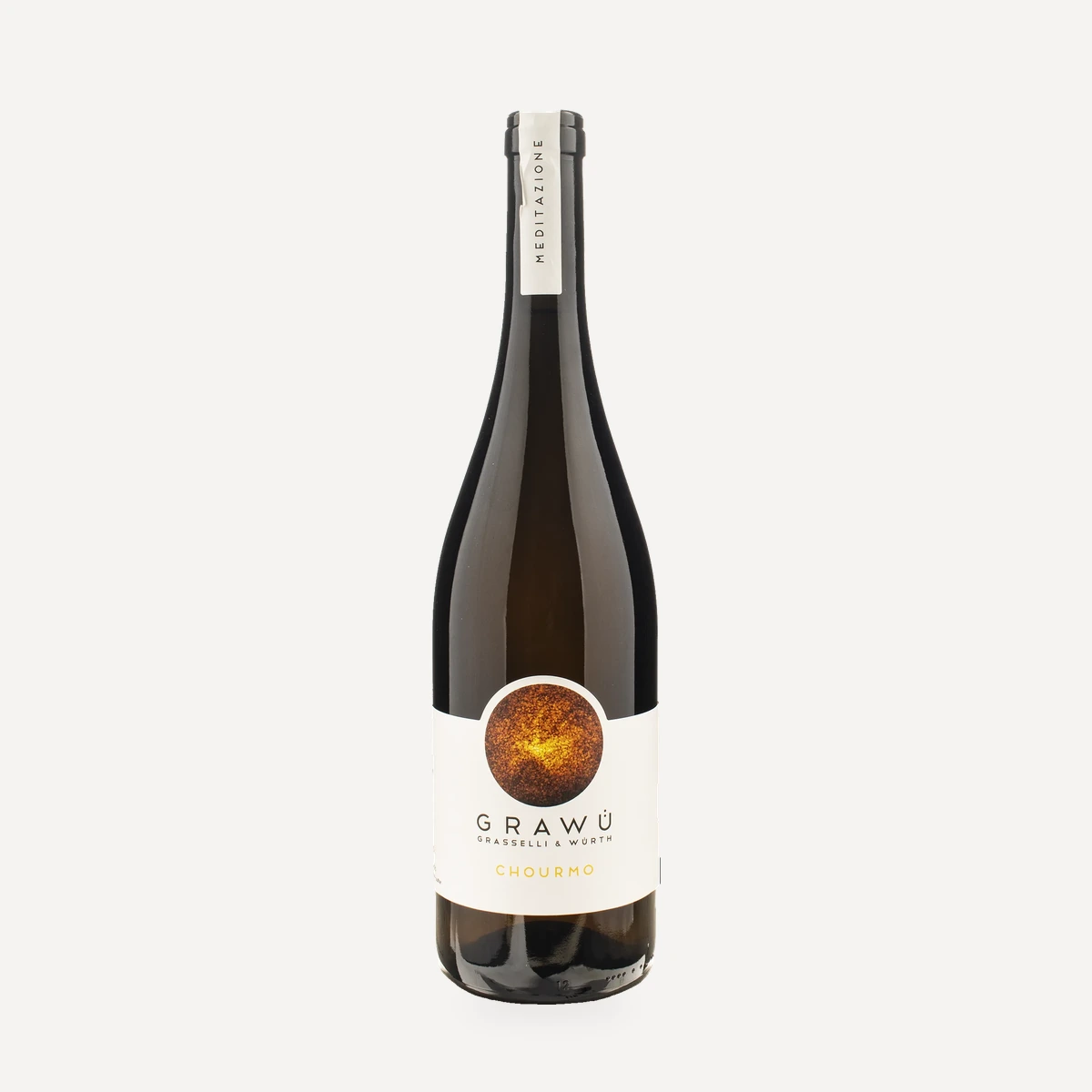
Chourmo
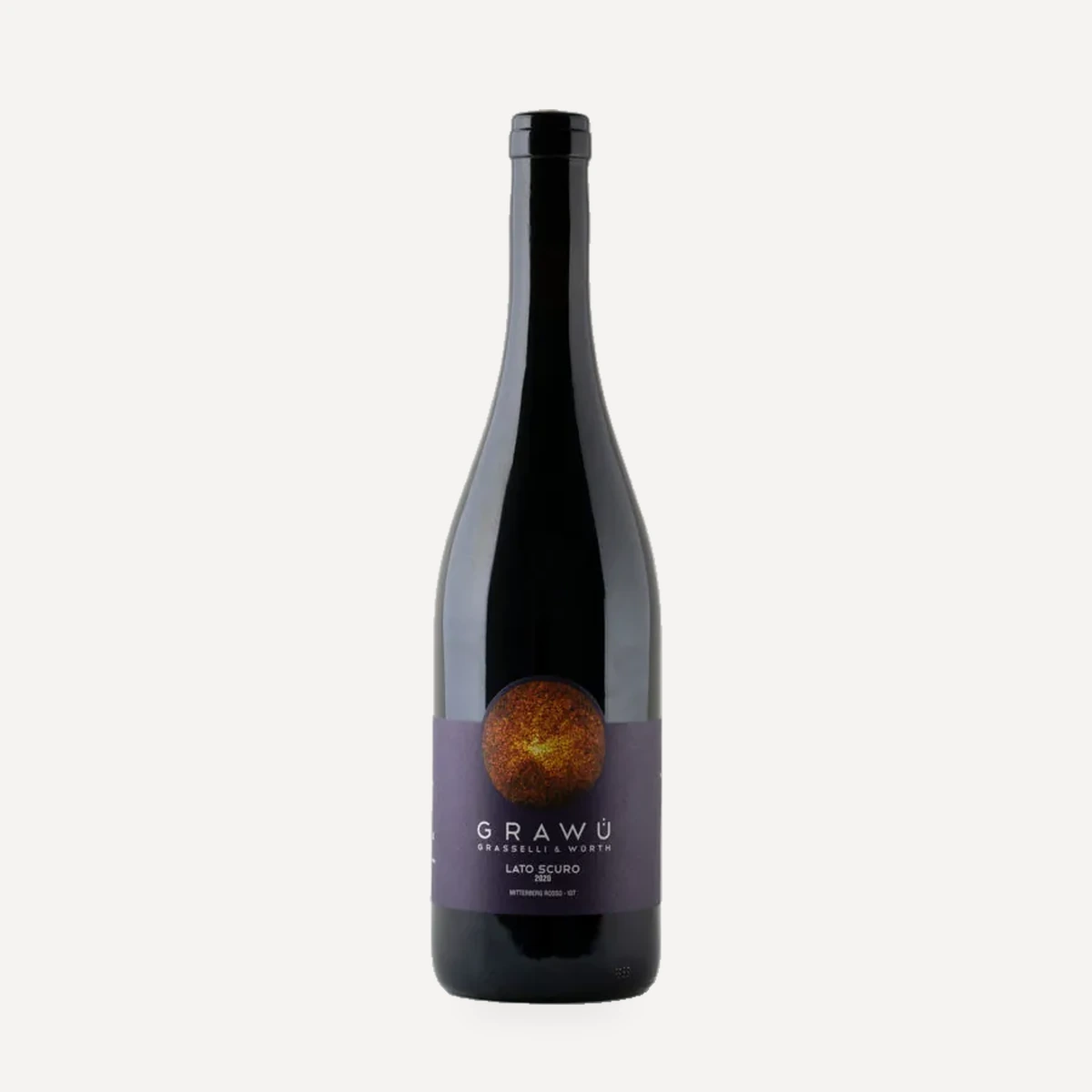
Lato Scuro