Storia
From the family business to wine, 1990
Guido Marsella founded the winery in Summonte in 1990. He left his role in the family company, which had produced asphalt for more than half a century, and recovered an old family summer residence with the intention of turning it into a wine estate.
The project began in a place then regarded as unsuitable for vines. Summonte’s high elevation brought cold temperatures, while its soils had a heavy clay structure with abundant rock. Guido nevertheless planted vineyards there; the estate’s Fiano parcel, Vigneto MARSELLA, was planted in 1990.
The first Fiano vintages, 1997 and 1999
The early Fiano vintages identified are 1997 and 1999. Guido adopted slow, unforced vinification and delayed release, seeking to accommodate the limestone component of the soil and the influence of the Partenio mountains rather than accelerate the wine’s development.
The approach initially created commercial difficulties. At the time, white wines were widely expected to be consumed within a few months of harvest, whereas Guido held his Fiano for approximately two years before release. Extended aging subsequently demonstrated that Fiano grown at Summonte could develop additional aromatic complexity. The winery now retains mature vintages and sells bottles more than 15 years old.
Expansion beyond Fiano, 2005–2007
Greco entered the portfolio with fruit from vineyards at Montefusco. The detailed historical account dates its first harvest to 2005, when the winery had already gained international recognition for Fiano. The established reputation and growing acceptance of delayed-release white wine meant that Greco did not encounter the same commercial resistance as the early Fiano vintages.
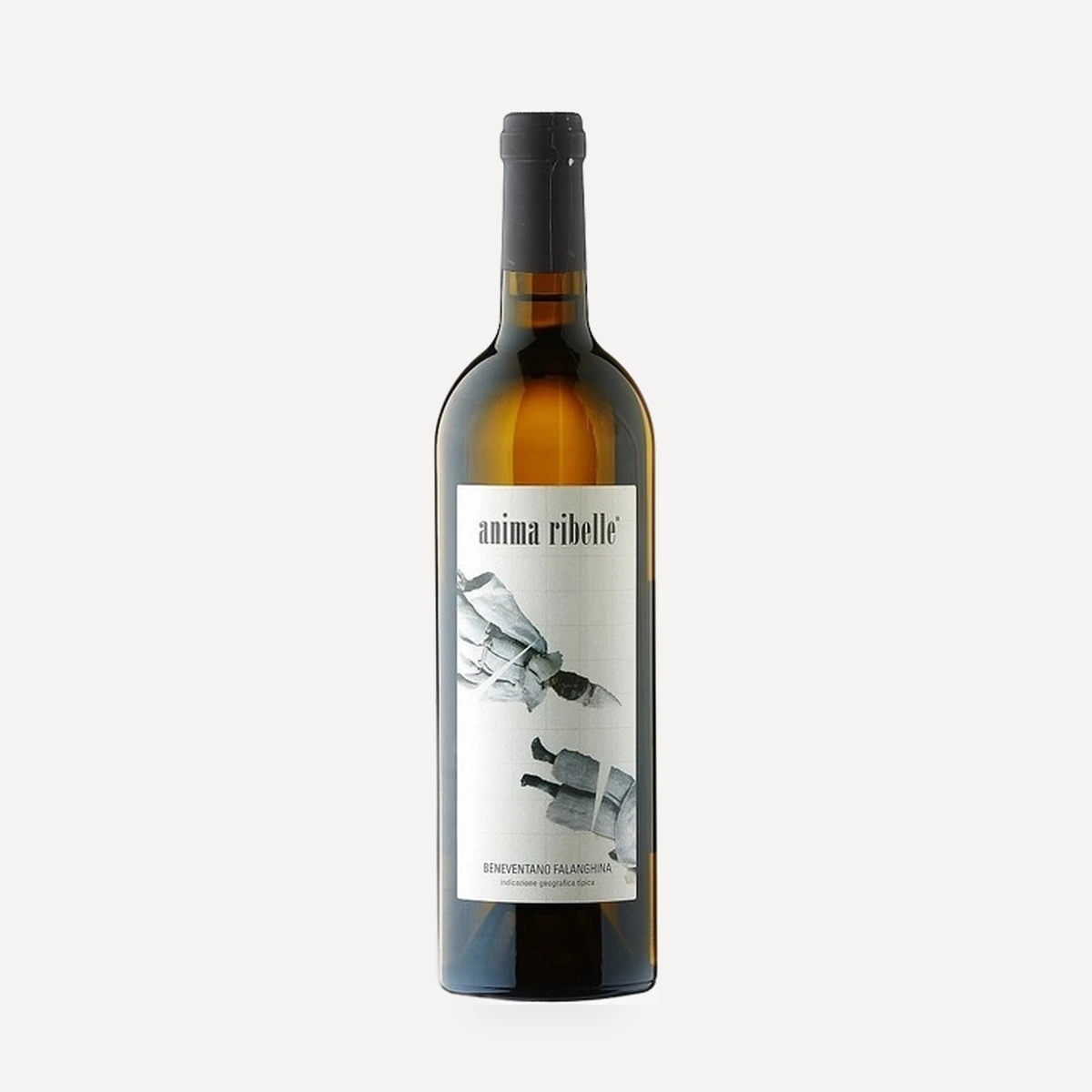
Falanghina followed in 2007. Guido took vineyards under management in the Benevento area, specifically in Guardia Sanframondi, and applied the same principles of hand harvesting, stainless-steel vinification, single-variety production and delayed release.
Estate growth and recognition of extended aging
By approximately its thirtieth anniversary, the Summonte property had grown to more than 25 hectares, including 12 hectares under vine.
In 2020, the Fiano di Avellino DOCG production rules introduced the Riserva designation, requiring at least 12 months of aging from 1 November of the harvest year. The same year’s revisions also introduced a Riserva provision for Greco di Tufo. These changes formally recognized extended-aging concepts that had shaped Guido’s work for almost three decades.
Terroir
Summonte and the Partenio mountains
The estate is based at Summonte, at the foot of the Partenio mountains. The area lies above 700 metres and supports chestnut, olive and hazelnut trees as well as flax and, especially, mulberry cultivation.
High elevation brings cold temperatures and pronounced differences between daytime and nighttime conditions. Considerable ventilation keeps the environment dry, limiting conditions favourable to pathogenic fungi. The estate’s Fiano land has an east–west exposure and is crossed by a dry wind.
Soils and water retention
Summonte’s soils are strongly clayey and rocky, with stones sometimes emerging at the surface. The clay gives the ground substantial water-storage capacity and high water retention, helping vines withstand periods of limited rainfall. The Fiano parcel combines rocky clay with a calcareous component.
These conditions produce grapes with concentrated aromatic substances and strong acidity, supporting aromatic development and longevity.
Other vineyard areas
The Greco vineyards lie in a well-exposed valley at Montefusco, approximately 500 metres above sea level. Their soils are clay-tuffaceous and contain sulfur.
The Falanghina vineyards occupy a hillside at Guardia Sanframondi in the Benevento area, at approximately 350 metres. Their soils are clay-calcareous.
Vinificazione
Harvest timing is determined by grape condition rather than a fixed calendar date. All grapes are picked by hand when their characteristics are considered optimal and transported to the cellar as quickly as possible.
The Fiano and Greco harvests generally occur in late October; Falanghina is picked in late September. All three vineyard groups are Guyot trained. Planting densities are 2,500 vines/ha for Fiano, 3,400 vines/ha for Greco and 3,500 vines/ha for Falanghina.
At Summonte, regular ventilation creates a dry environment that restricts the development of pathogenic fungi. The clay-rich soil’s water-holding capacity also helps the vines through periods of low rainfall.
Harvest reception and pressing
Hand-picked grapes are moved to the winery as rapidly as possible. They are cleaned and lightly pressed to extract the juice. A modern processing facility is used for vinification.
Fermentation and maturation
Alcoholic fermentation takes place at controlled temperature with selected yeasts. Pressing, storage in wine vessels and bottling are conducted with AISI 316 stainless steel as the wine-contact material. The wines remain in stainless-steel tanks for approximately 12 months; maturation includes time on the lees at controlled temperature.
No grape varieties are blended, even where appellation rules permit it: Fiano, Greco and Falanghina are each vinified as single-variety wines. The wines are released no sooner than 18 months after harvest, allowing the must and wine to mature without acceleration. Fiano di Avellino and Greco di Tufo are generally released approximately two years after harvest.
Bottling and cellar storage
Before filling, the bottling system saturates each bottle with nitrogen to protect the wine’s organoleptic properties. Bottles are closed with natural cork and stored horizontally in galvanized racks in a dark room maintained at 13°C. Labels are withheld during this storage period to reduce the risk of extraneous material, odours or mould under the cool conditions.
Approximately 1,500 bottles of Fiano are reserved each year for future sale. These are kept horizontally, continuously at 13°C and without exposure to light. Mature bottles more than 15 years old are offered for sale.
Filosofia
The central principle is to respect the natural pace of the vineyard and wine. Guido Marsella’s style is based on patience: the character of the grape variety, soil and environment is allowed to evolve without forcing or accelerating maturation.
Wine is understood as an expression of place, with quality and character determined by the growing environment. Slow vinification and delayed release are used to accommodate the mineral structure, acidity and aging capacity associated with the vineyards.
Summonte is treated not merely as a workplace but as the home of the families who live there and raise their children. Respect for nature is therefore framed as both a production principle and a responsibility to the local community and future generations.
Vini
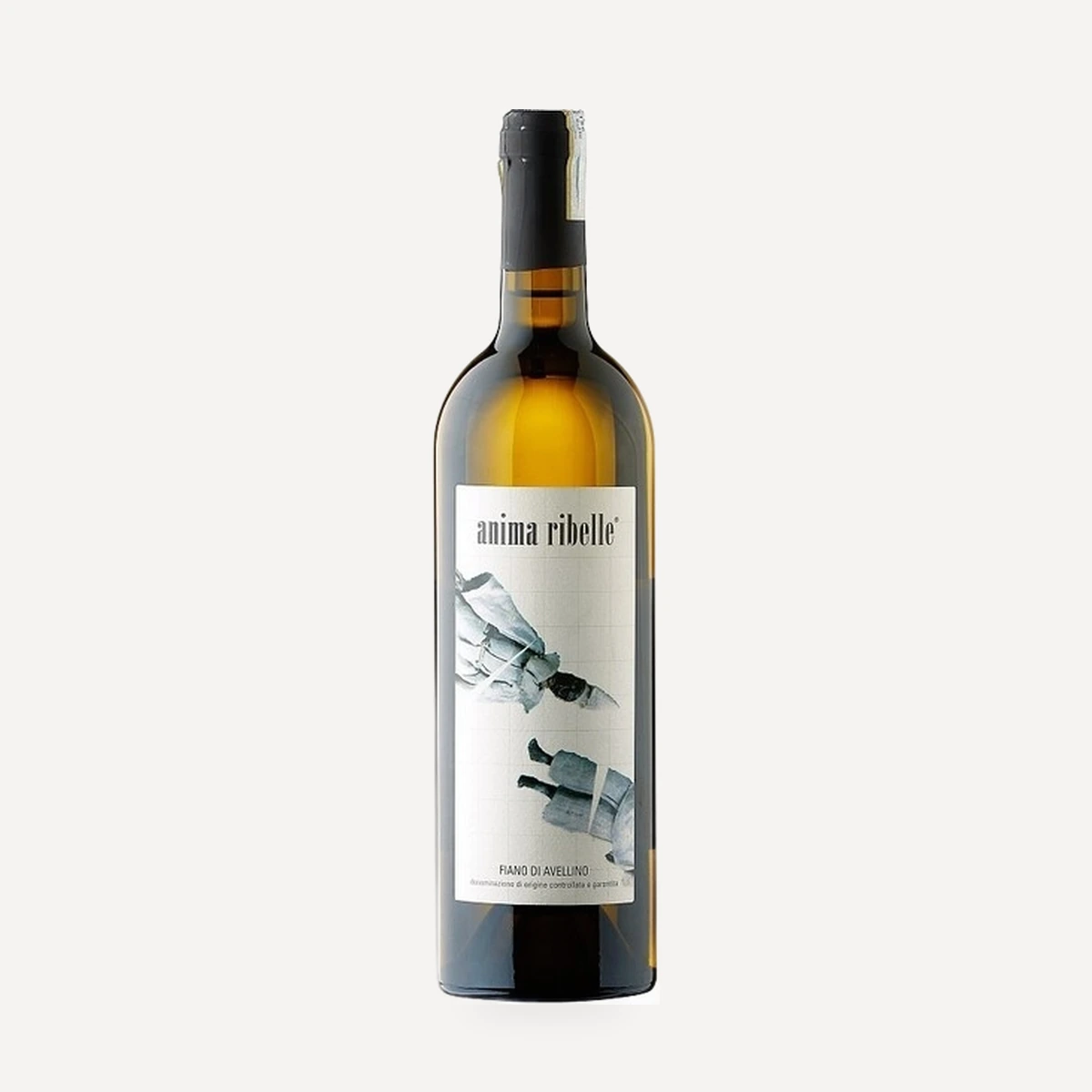
Fiano di Avellino DOCG
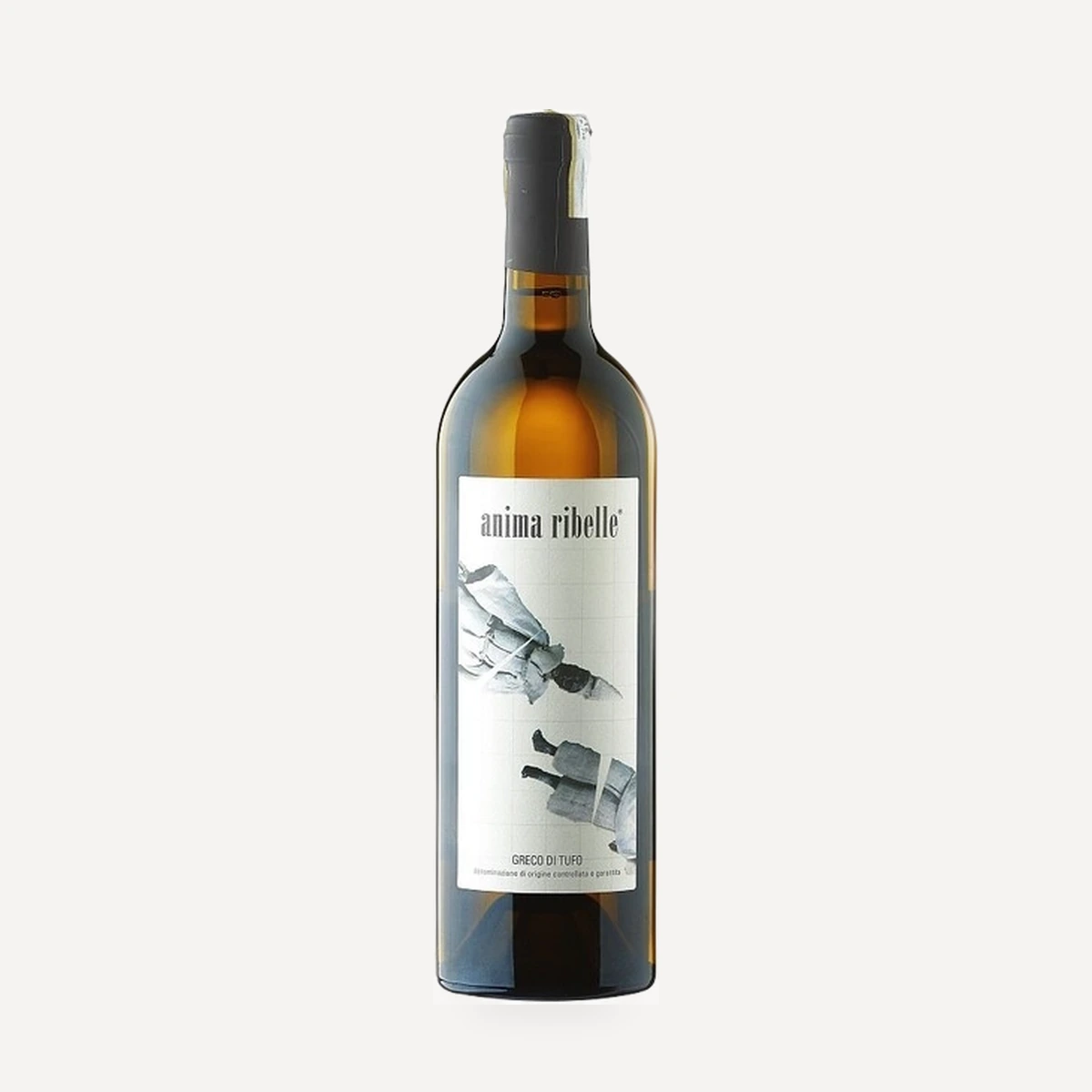
Greco di Tufo DOCG