Storia
Family origins and scientific formation
Luigi Moio grew up immersed in wine at the Campanian winery of his father, Michele Moio. The family home and cellar formed a single environment, and Michele involved his son in winery life from childhood. Michele was a historic Campanian producer who revived Falerno during the 1950s.
Luigi pursued oenology and agricultural science before completing doctoral research at a centre in Burgundy. From 1990 to 1994 he investigated scientific aspects of wine aroma. The period in France introduced him to a wine culture closely aligned with his own developing ideas and strengthened his determination to unite scientific knowledge, creativity and a sense of place.
1994: return to Italy
Luigi returned to Italy in July 1994. He increasingly wanted an independent place where he could express his ideas, creativity and love of wine without external constraints.
2001: foundation of Quintodecimo
In 2001, Luigi and his wife Laura transformed that ambition into a shared life project and founded Quintodecimo in Mirabella Eclano. They planted the vineyard in which they would live and sought to produce wines as direct expressions of their vineyards of origin. Aglianico was planted across the estate's small hills at elevations between 400 and 480 metres, forming an amphitheatre around a circular vineyard of sixteen spiral rows based on the golden spirals of the Fibonacci sequence.
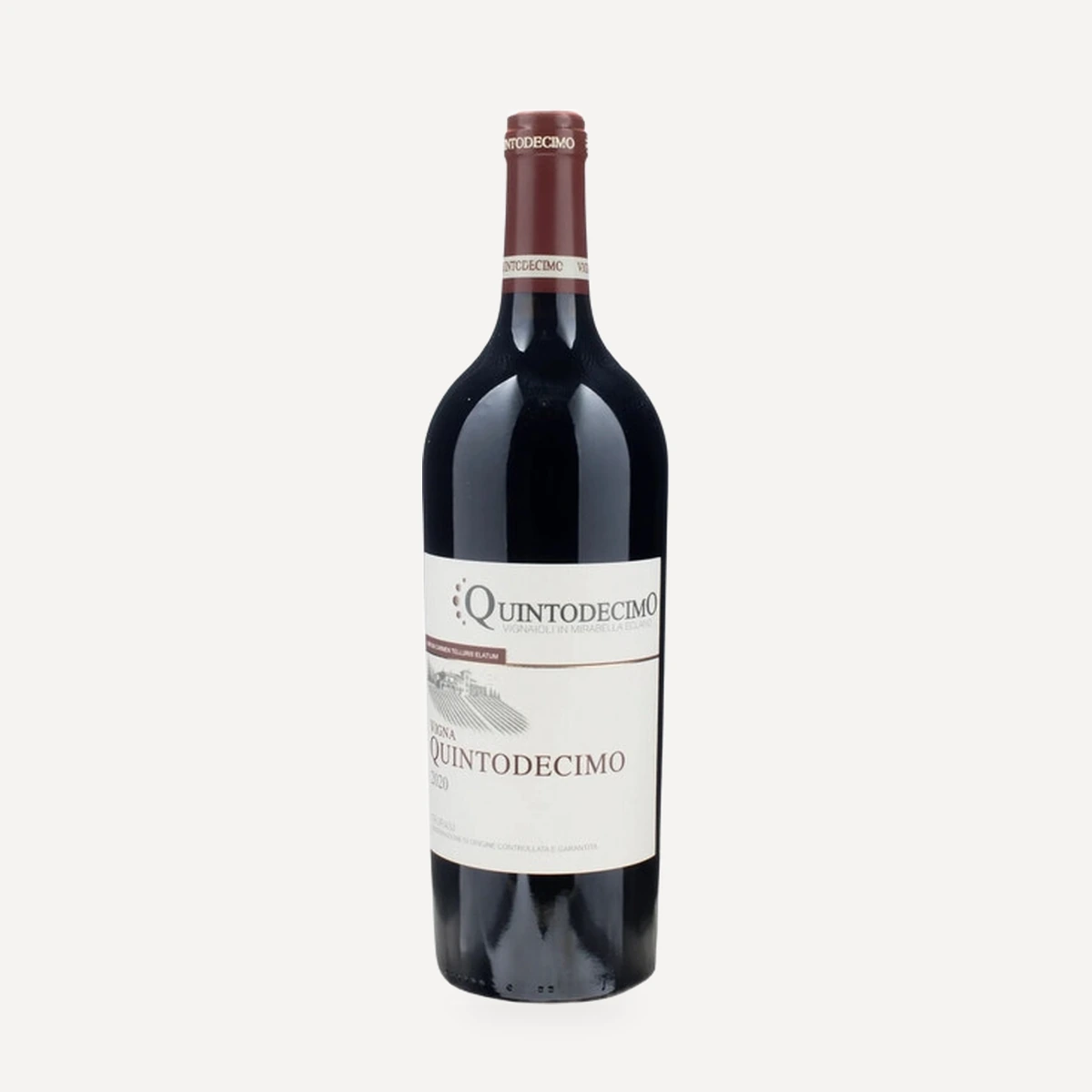
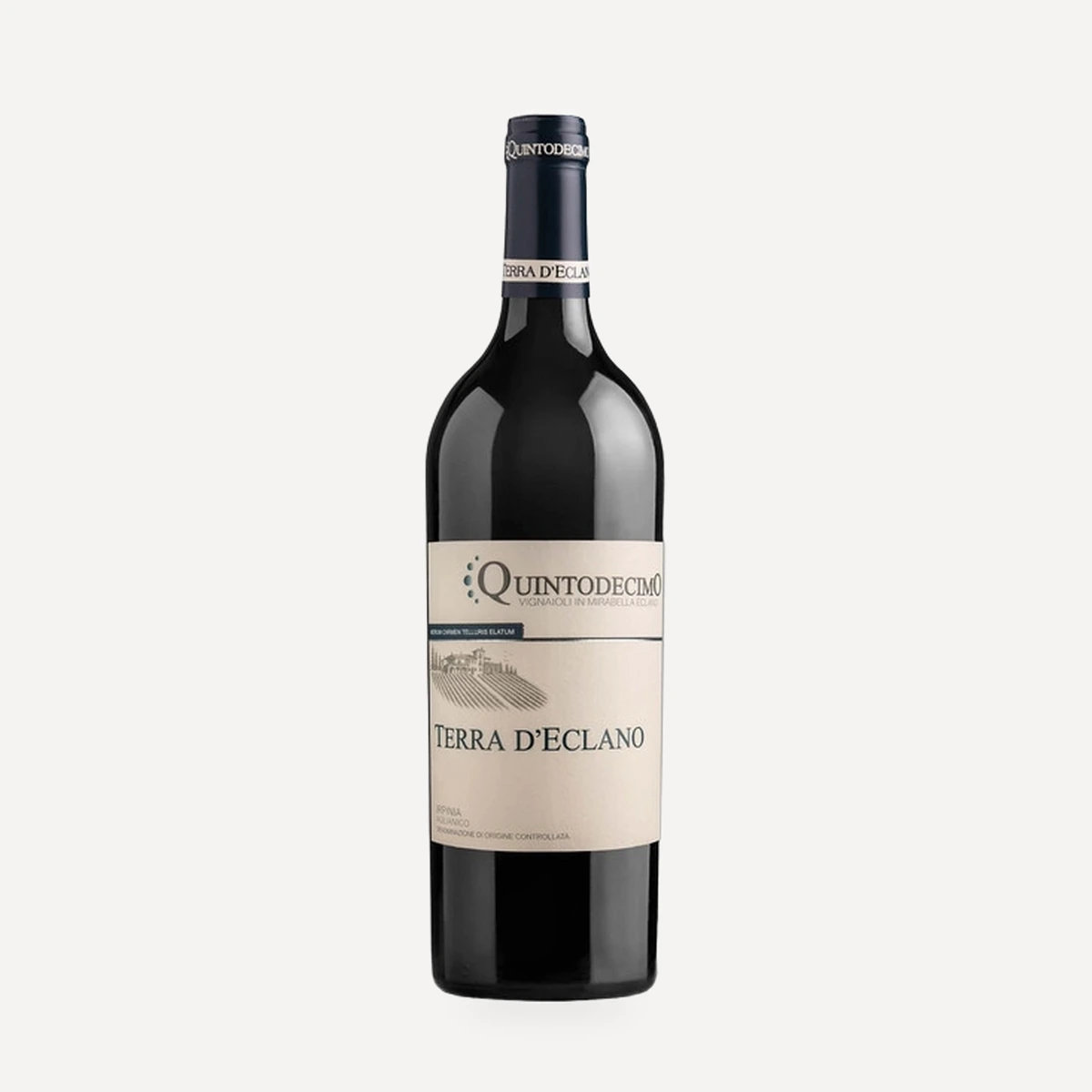
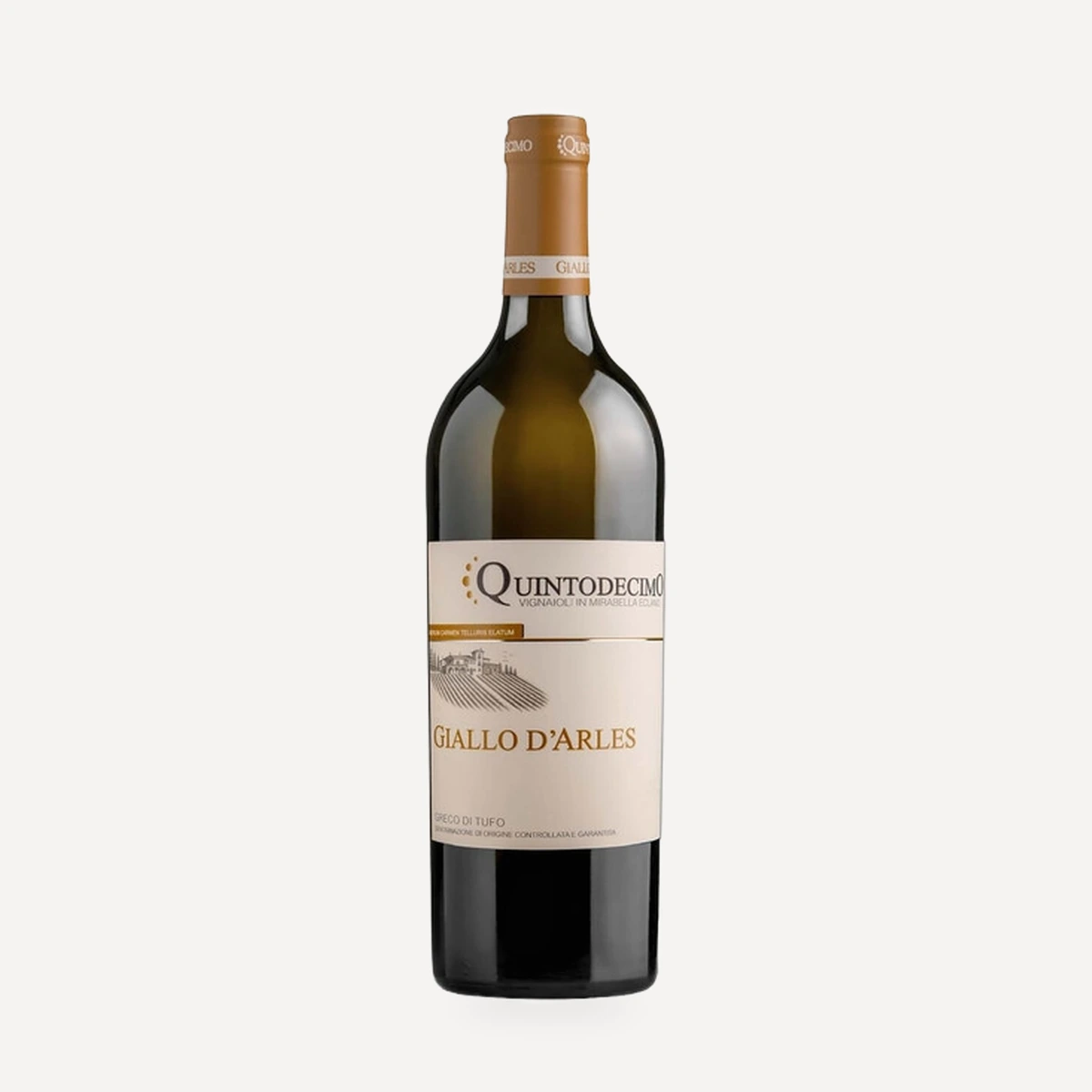
The Vigna Quintodecimo Aglianico parcel was planted that year on the estate's north-western slope. The Giallo d’Arles Greco vineyard at Santa Lucia in Tufo was also planted in 2001. Five estate Aglianico vineyards planted from this period became the source of Terra d’Eclano.
2004: further vineyard development
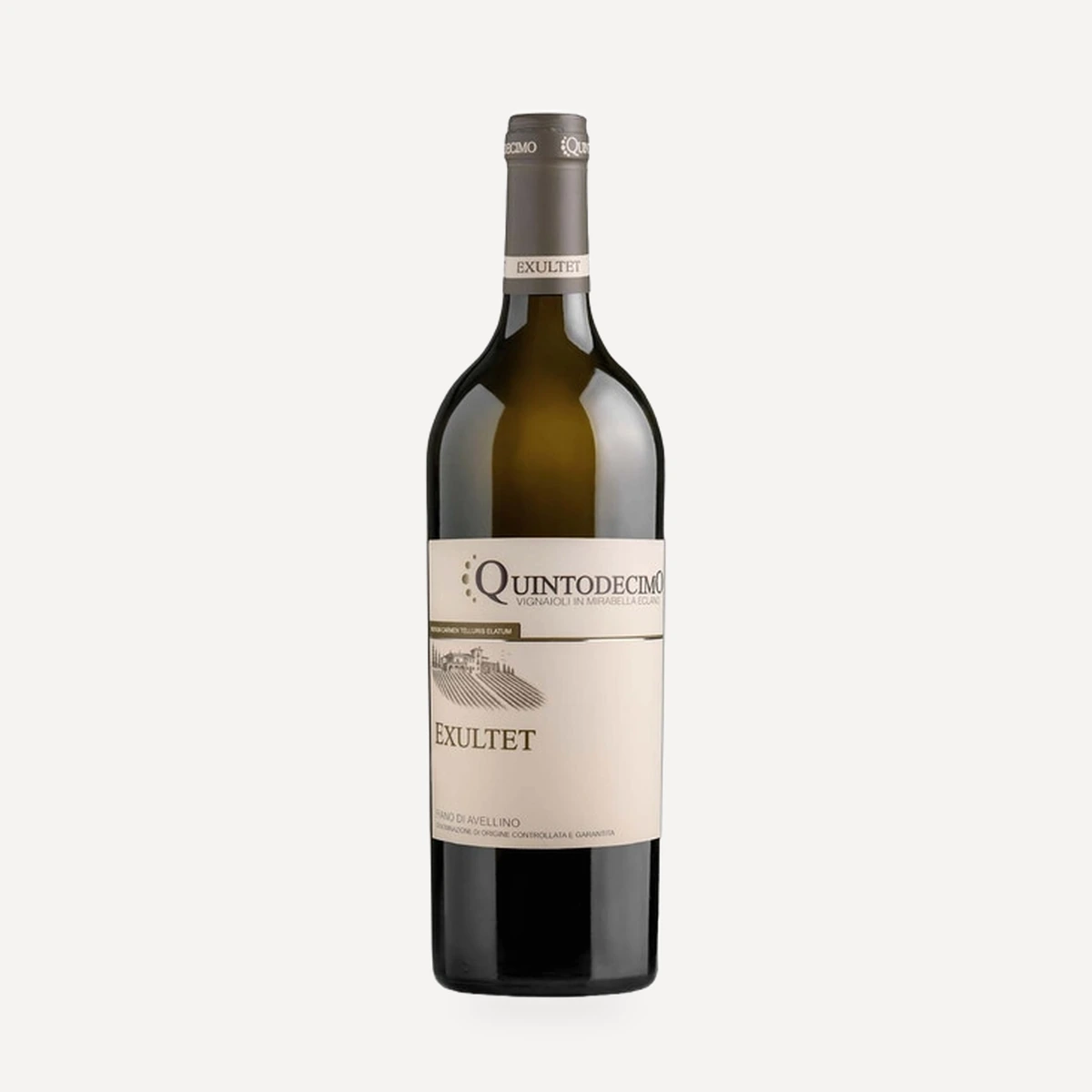
The one-hectare Vigna Grande Cerzito Aglianico cru was planted on the southern side of the Mirabella Eclano estate in 2004. In the same year, the Exultet Fiano vineyard was planted at Lapio and the Via del Campo Falanghina vineyard at Piano dei Greci in Mirabella Eclano.
Development of an estate-grown portfolio
Quintodecimo progressively assembled three red wines based on Aglianico and three single-variety white crus representing Fiano, Greco and Falanghina. The project expanded beyond Mirabella Eclano into Tufo and Lapio so that each white variety could be grown in its respective production area. Over time, the estate reached 30 hectares divided among these three centres, completing the transition to wines made entirely from estate-grown grapes under direct control from vineyard to bottle.
2021 and the twentieth anniversary
Quintodecimo marked its twentieth anniversary in 2021. By then, accumulated work on the relationships between Irpinian soils and local grape varieties had supported two further projects. Grande Cuvée Luigi Moio united Greco, Falanghina and Fiano after prolonged experimentation with the three varieties; it became the first wine bearing its creator's name. Grand Cru Luigi Moio completed Luigi’s original Aglianico concept twenty years after the foundation, bringing together wines from three contrasting micro-terroirs within the estate. The founding project of Luigi and Laura is now also shared with their children.
Terroir
Irpinia and the main estate
Quintodecimo lies in the mountainous interior of Campania known as Irpinia, about 80 km north-east of Naples. The main estate is in Mirabella Eclano, within the Taurasi DOCG production area, on the crest of a small hill. Its stated position is 41°02’80” north and 14°59’41” east.
The hill faces north-west, reaches 460 metres above sea level and has a gradient of 25%. Across the broader Mirabella Eclano property, Aglianico occupies small hills between approximately 400 and 480 metres. Estate vineyard soils form a varied mosaic that includes expandable clay, clay rich in limestone, sand-bearing layers and darker volcanic formations derived from ash and pumice.
Climate
The Apennine ridge shapes an inland climate with annual rainfall of approximately 600–800 mm, snowy winters, marked temperature extremes and mild summers whose average temperatures are not excessive. Forests of chestnut, beech and oak, together with lakes and mountains, define a markedly green landscape. Fresh, windy hills and strong differences between daytime and nighttime temperatures slow the vegetative cycle. Predominantly clay soils at roughly 350–500 metres retain deep water reserves and help the grapes progress steadily toward full maturity.
Three geographic centres
The 30-hectare estate is divided among Mirabella Eclano, Tufo and Lapio, providing distinct soils, elevations and exposures for Aglianico, Falanghina, Greco and Fiano.
At Mirabella Eclano, the main Aglianico vineyards occupy contrasting slopes. Vigna Quintodecimo lies on expandable, limestone-rich clay, while Vigna Grande Cerzito occupies a deep, coarse volcanic soil formed from ash and pumice. Other Aglianico parcels range across south-east, south-west and north-west exposures. Via del Campo occupies a west-facing clay-calcareous site at Piano dei Greci.
At Tufo, the Giallo d’Arles vineyard is in the Santa Lucia district. Its clay-calcareous soil supports Greco. A selected parcel used in the estate’s three-variety white blend has marly sandstone with substantial clay and limestone, a south-west exposure, an elevation of approximately 400 metres and a 15% slope.
At Lapio, Exultet occupies a south-west-facing Fiano site. The clay-dominant soil is crossed by a porous band of volcanic lapilli that provides a steady water supply to the vines. The vineyard reaches approximately 570 metres, with selected fruit coming from around 600 metres and a slope of about 20%.
Vinificazione
Organic cultivation and soil management
All 30 hectares are cultivated organically. The vineyards are managed as gardens, with individual plants tended closely to obtain mature, healthy and intact fruit. The programme excludes herbicides, synthetic fertilisers and products considered harmful to vines, people or the environment. Soil is managed mechanically, supplemented by revegetation, mulching and green manure. The ground is repeatedly harrowed, while the area immediately around each vine is worked manually.
Winter pruning and vineyard maintenance
In January, severe cane and spur pruning limits productive potential in favour of quality. Spurs are left with two mixed buds that will produce fruiting shoots. In February, pruned canes are collected at the ends of the rows and burned to reduce the spread of vineyard disease; their potassium-rich ash is returned to the rows, and no other fertilisation is used.
In December, damaged support posts are replaced and wires repaired. The soil is then dug to reduce leaching during winter rains and help water penetrate more deeply.
Spring growth
Buds begin swelling in March. During April, leaf growth, shoot elongation and inflorescence differentiation proceed together; leaf development lasts about forty days, and the flowers are fully formed toward the end of the month. Intense spring cold can destroy fruit-bearing shoots and force later secondary growth.
During May, the team continually monitors the vines, selects the most promising shoots and arranges them along the rows. Harrowing and hand cultivation continue without herbicides. Flowering follows in June, when fertilised flowers begin developing into berries.
Summer canopy and crop control
Summer work is manual and includes trimming and retrimming, suckering, bud nipping, bud removal, leaf removal, cluster thinning and individual berry thinning. The estate regards the experience and judgement of each worker as essential to these operations. In August, bunches are inspected again and further thinning is performed to maintain vegetative and productive balance.
Harvest and post-harvest period
Harvest begins earlier than in other parts of Irpinia and is entirely manual. Individual plots are picked in separate passes as they reach full maturity. Approximately 20 quintals, or 2,000 kg, are gathered per day, and the overall harvest lasts about fifteen days. Technical protocols call for small, stackable 15 kg boxes. Red grapes are selected at full phenolic maturity, while white grapes are gathered at full aromatic maturity.
After harvest, small secondary clusters with low sugar and high acidity are deliberately left on the vines. Leaves lose chlorophyll and colour progressively before falling from the base of the shoot upward, with the highest leaves sometimes remaining until December.
Cellar design and grape reception
The cellar is embedded within the vineyard, underground and directly beneath the family home. Its position makes the interval between picking and pressing almost zero, allowing fruit to be processed at maximum freshness with minimal opportunity for alteration. The compact, rational facility was conceived as a quiet place for concentration rather than as a technological display. Wine remains approximately thirty steps below the house throughout vinification and packaging.
Red-wine protocol
Aglianico is picked manually into 15 kg boxes at full phenolic maturity. Grapes undergo careful selection both before and after destemming. The crushed berries ferment for approximately 20–25 days at 28–30°C.
The two principal single-vineyard Taurasi Riserva protocols use new oak barriques for approximately 18–24 months; the older general sheets specify 24 months. The multi-parcel Irpinia Aglianico matures for 12 months in oak, with one-third new barrels.
For the estate’s three-micro-terroir Aglianico project, each parcel is harvested at a different time and vinified separately. After six months in new barriques, the three components are assessed through systematic tasting and assembled for balance. The blend then spends another twelve months in barriques before bottling, followed by approximately three years of bottle ageing before release.
White-wine protocol
Fiano, Greco and Falanghina are harvested manually in 15 kg boxes at full aromatic maturity. Whole grapes undergo a long, gentle pressing. Free-run must is kept rigorously protected from oxygen, separated from press must and clarified through natural settling.
For the three single-variety white crus, fermentation takes place 70% in stainless-steel tanks and 30% in new oak barrels. The wines mature for four months on fine lees, which are periodically resuspended. Giallo d’Arles receives no clarification treatment.
For the three-variety white blend, softly pressed must ferments 60% in new French-oak barriques and 40% in stainless steel at 18–20°C. The components remain on their yeasts for eight months, including six months after the separate Greco, Falanghina and Fiano wines have been blended. After bottling, the bottles rest horizontally in the caveau for a further two years.
Filosofia
Art and science
Quintodecimo’s philosophy treats fine wine as a synthesis of poetry and science: an artistic transformation of raw material guided by a precisely imagined result. Luigi Moio considers a strong scientific foundation indispensable, encompassing soil, vine physiology, the biochemical processes that transform grapes into wine and the mechanisms of sensory perception.
Human responsibility
Wine is understood as a human creation. People plant and tend vineyards, interpret the fruit and guide its transformation; doing so demands knowledge, experience and responsibility. Human intervention should help the wine approach nature by respecting soil, microclimate, vines and the surrounding plant biodiversity.
Vineyard identity
A great wine must fully express its place of origin, with its vineyard acting as its soul. Each vineyard must therefore be designed for the wine it is intended to produce and maintained in harmony with its environment. The estate seeks to preserve biodiversity and align the vine’s nutritional needs and biological cycle with each site’s pedoclimatic conditions.
Time, independence and experimentation
Quintodecimo places patience ahead of market fashion. Planning, research, experimentation, comparison, difficult decisions and rejection are considered necessary parts of creating wine. Creative direction should arise from an inner need rather than current styles or immediate commercial demands.
Precise transformation
The objective in the vineyard is ripe, perfectly healthy and intact fruit. In the cellar, the grapes should undergo a correct and straightforward transformation that avoids deviations capable of degrading or masking the vineyard’s aromatic identity. Science is used to protect expressive purity rather than to impose an unrelated style.
Longevity
A great wine should mature while retaining youth. Premature ageing accelerates aromatic decline and shortens the period in which the grape variety—and, for a cru, the individual vineyard—remains sensorially recognisable.
Vini
Terra D’Eclano
Exultet
Giallo D’Arles
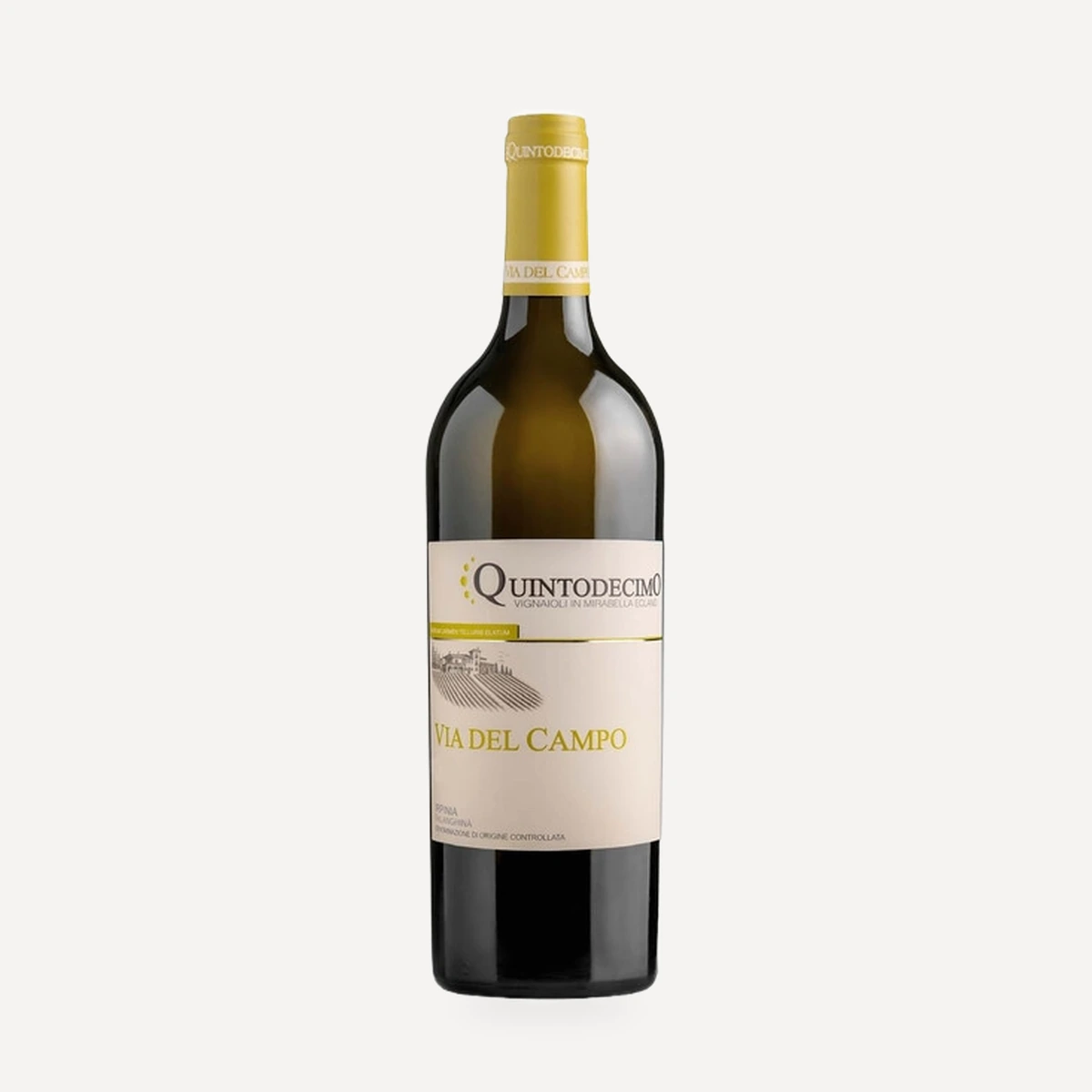
Via del Campo