Storia
Caccese family roots
A branch of the Caccese family lived in the castle of Gesualdo from 1856 until 1980. Gesualdo is one of the municipalities surrounding the hill on which the present estate stands.
2005 — foundation at Scorzagalline
Lorenzo Fonzone Caccese and his family founded the winery in 2005 at contrada Scorzagalline in Paternopoli, within the Taurasi DOCG area. The project grew from the family’s attachment to this part of Irpinia and a desire to create value through its established wine-growing vocation. The estate headquarters has occupied the Scorzagalline hill since the foundation year.
The approximately 30-hectare hill was initially almost entirely uncultivated. With the work of the family and its collaborators, it was progressively transformed into an estate where vineyards coexist with fruit trees, olive trees and woodland. An avenue through the property links the main house and the cellar.
Expansion across Irpinia
The productive vineyard base came to extend beyond Paternopoli. Fiano is cultivated at San Potito Ultra, Montefredane and Parolise within the Fiano di Avellino DOCG area. Greco vineyards are located at Altavilla Irpina and Tufo within the Greco di Tufo DOCG zone, while Coda di Volpe is grown at Villamaina.
The family presents the continuing development of Fonzone as a long-term commitment founded on responsibility, foresight and tenacity. This outlook is paired with sustainable vineyard management and a cellar designed to integrate physically and functionally with the estate hill.
Terroir
The estate hill
Fonzone’s principal estate lies just outside Paternopoli, one of the 17 municipalities in the Taurasi DOCG zone, in the Campi Taurasini sub-area. The hill is surrounded by Villamaina, Castelfranci and Gesualdo and bounded by the Fredane and Ifalco streams. The watercourses have a perceptible moderating influence on the local microclimate.
Vines occupy both sides of the hill between approximately 360 and 430 m above sea level, creating a range of exposures. The soils alternate between clay–limestone, clay-loam, sandy-clay and looser sedimentary textures. Volcanic dust deposited by historical eruptions of Vesuvius occurs in the first two soil layers.
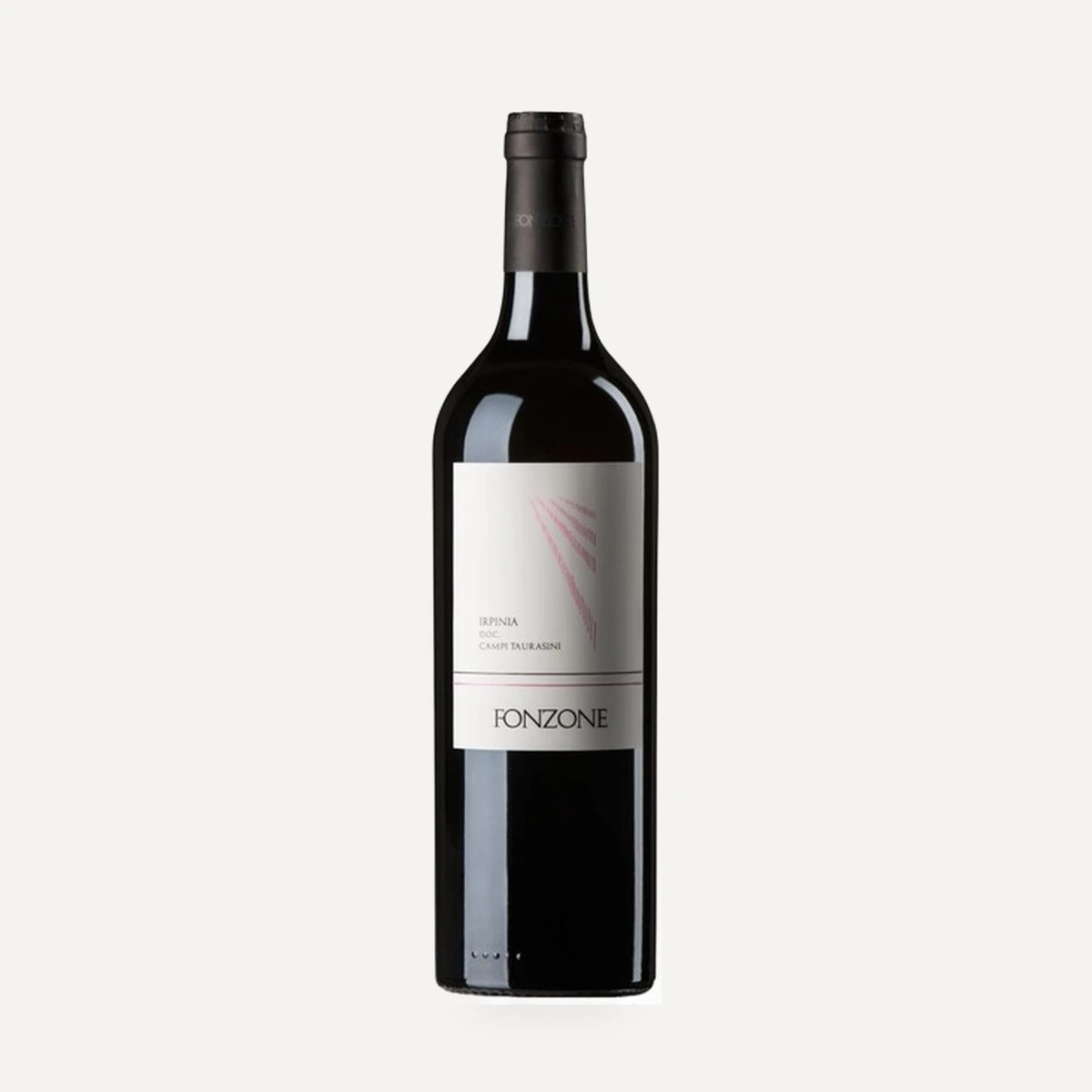
More than 12 hectares are planted to Aglianico. The cooler parts of the Paternopoli hills supply fruit harvested earlier for rosé, while the highest sector at approximately 430 m is associated with Scorzagalline. Falanghina grows close to the Ifalco stream, whose influence moderates conditions around the vineyard.
Fiano sites
Fiano is cultivated at San Potito Ultra and Montefredane at approximately 500 and 580 m respectively. These south- and south-west-facing sites have clay-loam soils. The San Potito Ultra vines are vertically trellised, while Montefredane retains the traditional Raggiera Avellinese training system known as Starseta.
A small south-facing vineyard at Parolise lies at approximately 500 m. Its clay-sandy soil contains calcareous and stony inclusions, conditions associated with slow, balanced ripening.
Greco sites
The Greco vineyards at Altavilla Irpina and Tufo lie between approximately 400 and 450 m, with south-east, south-west and north-east exposures. Altavilla combines clay-loam soil with calcareous stratifications; Tufo has clay soils with tuffaceous and sulfur-rich layers.
A distinct 1.5-hectare Altavilla Irpina parcel is planted to an old Greco clone with small, loosely packed berries. It occupies a south-east-facing site between approximately 450 and 650 m on clay with tuffaceous sediment and underlying sulfurous veins.
Villamaina
Coda di Volpe is cultivated at Villamaina at approximately 500 m. The north-east-facing site has clay and sandy soils with dark sand and sulfur-rich subterranean water.
Vinificazione
Fonzone defines its approach as sustainable viticulture and seeks to reduce the environmental and health effects of both agricultural and oenological work.
Soil is managed through ripping, subsoiling and shredding. Chemical fertilizers and herbicides are excluded; fertility is supported with organic amendments and green manure. Pruning is intended to respect the plant while maintaining a very low crop load in pursuit of grape quality.
Spontaneous vegetation is retained between the rows to encourage biodiversity and improve soil structure. Mowing regulates the balance among legumes, grasses and other species, and the floristic composition of the cover is monitored from year to year. Plant protection follows integrated pest-management criteria, with close attention to the correct distribution of the active ingredients employed.
Existing rural hedges have been retained wherever possible. New hedges have been established along the edges of vineyard and olive parcels, across changes in elevation and beside the Ifalco stream. Nectar-rich species provide food for beneficial insects involved in natural pest control. Herbaceous species have also been planned for boundary areas to create habitat for pollinating insects and improve the ecosystem’s resilience to environmental change.
Harvesting is manual, generally into small or ventilated crates. The fruit is moved promptly to the nearby cellar and selected again to remove soil residue and abnormal berries. This attention to clean, sound fruit makes it possible to reduce sulfur levels substantially in musts and wines.
Cellar architecture and organisation
The cellar stands beside the vineyards and covers approximately 2,000 m². It is almost entirely underground, limiting its visual impact and allowing the building to follow the morphology of the estate hill. The subterranean design also moderates temperature changes and provides stable conditions for vinification and maturation.
Most of the ground floor is devoted to winemaking, ageing and wine storage. A large production room contains modern stainless-steel tanks, amphorae and concrete vessels. An adjacent laboratory permits continuous monitoring of musts and wines. The innermost ground-floor room houses wines ageing in wood, while the central floor contains the bottle room and connects to offices and hospitality areas.
Grape reception and fermentation
Grapes are harvested by hand, brought promptly to the cellar and carefully selected. Cellar operations take place in meticulously clean rooms and vessels. Removing residual soil and anomalous berries contributes to lower sulfur requirements.
Exogenous yeasts selected for their suitability to the intended oenological purpose are used for white wines. They have a secondary role in red vinification, although smaller precautionary additions are still made.
The estate works with stainless steel, concrete, terracotta, cocciopesto and wood. Terracotta and cocciopesto provide controlled oxygen exchange and thermal regulation while imparting less aromatic character than wood, helping preserve varietal identity. Concrete acts as a thermal insulator, maintains constant temperatures and allows a minimal passage of air and oxygen through its moderate porosity. It supports slow, controlled maturation without transferring aromatic compounds.
Wooden vessels differ in origin, species, size, grain and degree of toast. They include Austrian oak casks and tonneaux, French oak tonneaux, barriques and 500-litre barrels. The barrels rest on a steel structure containing small stones that help maintain constant humidity.
Parcel and batch management
Individual vineyard parcels can be vinified separately so that differences in exposure, altitude and soil composition remain identifiable during pre-blending tastings. Some white-wine lots are divided among different harvest dates, maceration regimes and vessels before blending. Techniques represented across production include short and extended skin contact, cold maceration, gentle whole-cluster or destemmed pressing, low-temperature fermentation, maturation on fine lees, periodic bâtonnage, malolactic fermentation for reds and bottle ageing after vessel maturation.
Filosofia
Sustainability is intended to connect every stage from vineyard to cellar. The practical aim is to minimise the effects of agricultural and oenological work while safeguarding the environment and consumer health. Respect, excellence, sustainability, territory, passion and care form the stated framework of the project.
Biodiversity is treated as a working component of viticulture rather than an ornamental addition. Soil is understood as a living relationship among mineral, organic and gaseous components and the organisms inhabiting it. Spontaneous cover, hedges and habitats for beneficial and pollinating insects are therefore integrated into estate management.
In the cellar, the approach favours clean fruit, lower sulfur use, controlled oxygen exchange and vessels capable of preserving varietal identity. Separate parcel vinification is used to observe differences associated with altitude, exposure and soil and to identify particularly expressive small lots.
Luca D’Attoma’s oenological philosophy centres on exploring, observing, enhancing and experimenting with varieties and territories. The Fonzone family links its pursuit of enduring quality with responsibility, foresight and tenacity and regards wine as an expression of attachment to both family and place.
Vini
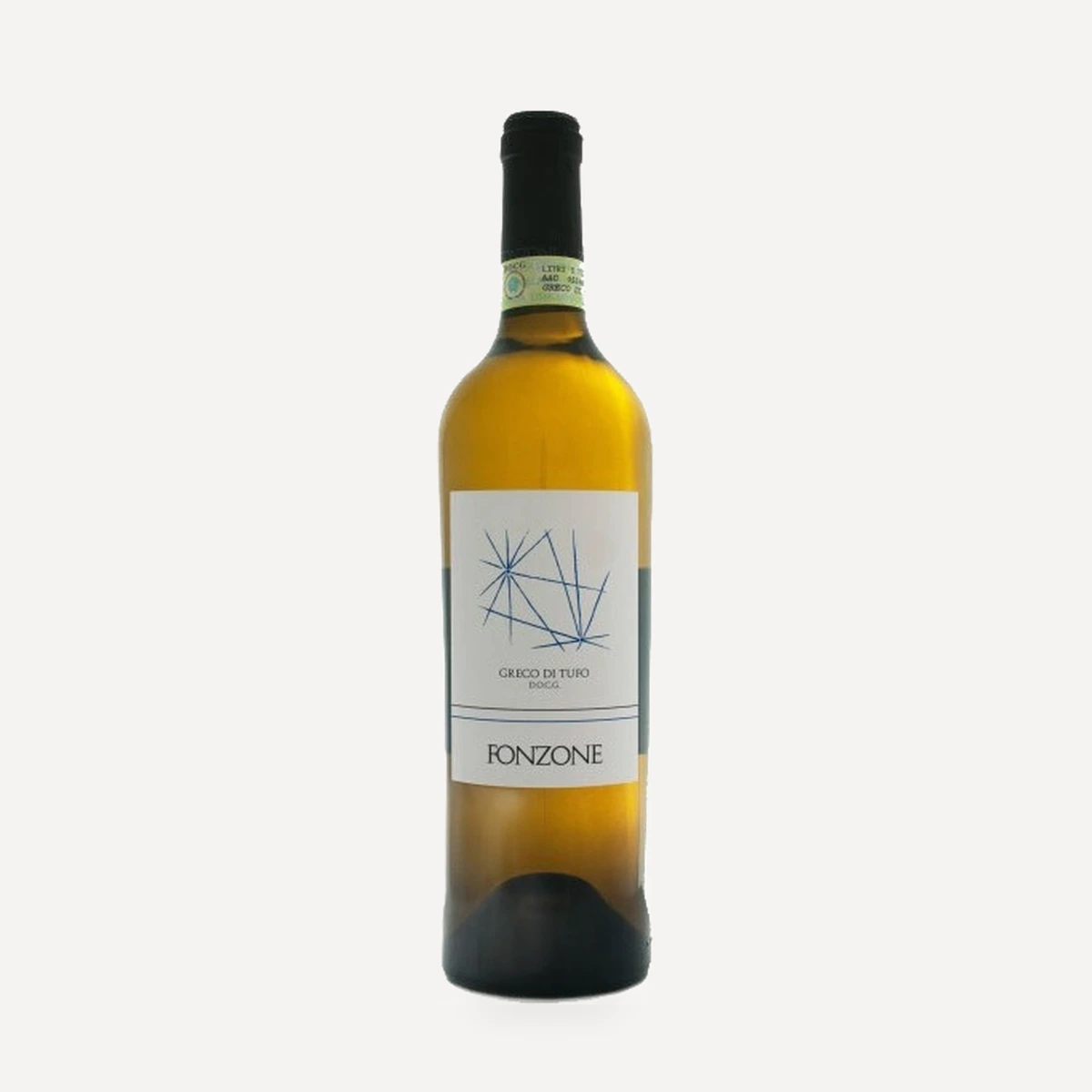
Greco di Tufo DOCG
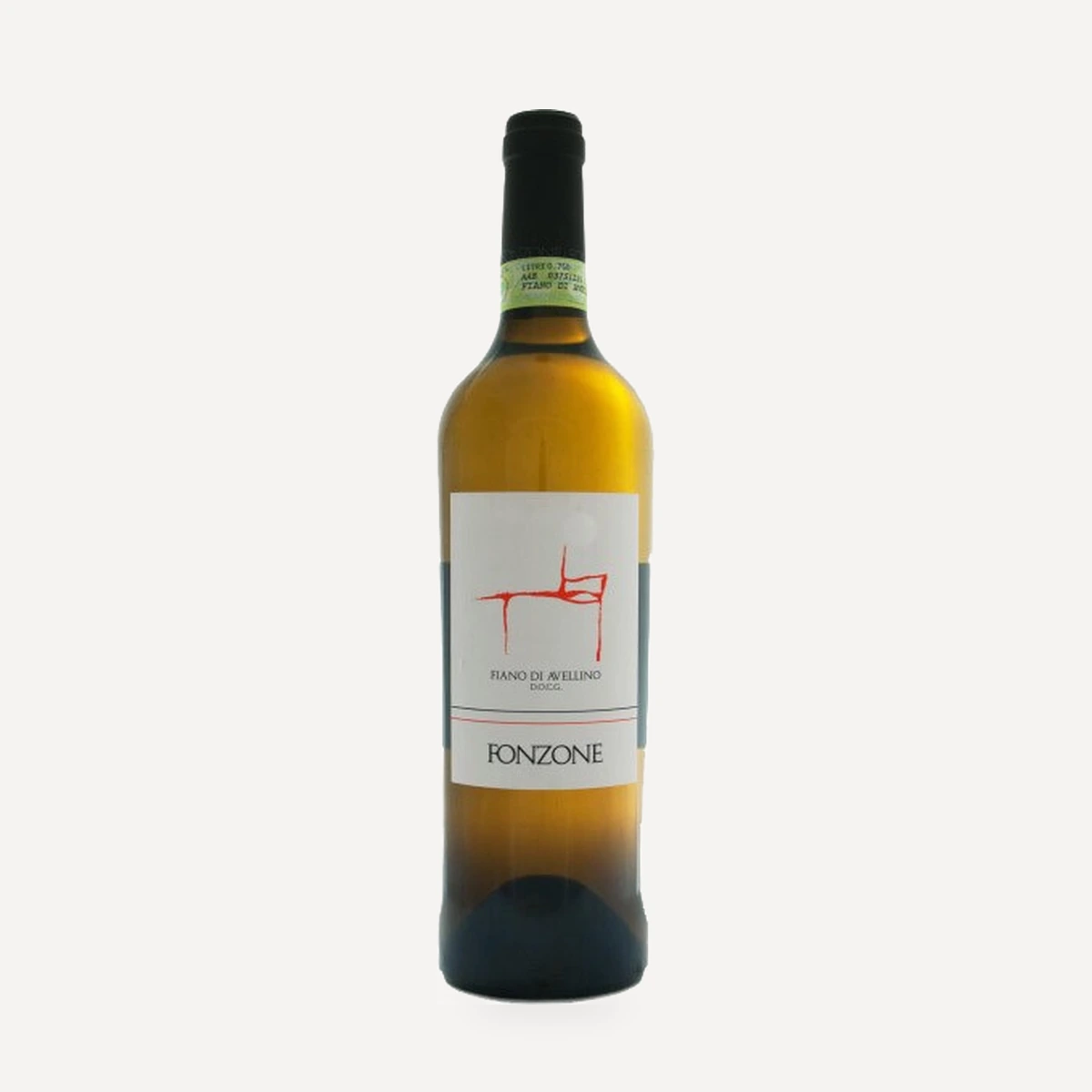
Fiano di Avellino DOCG
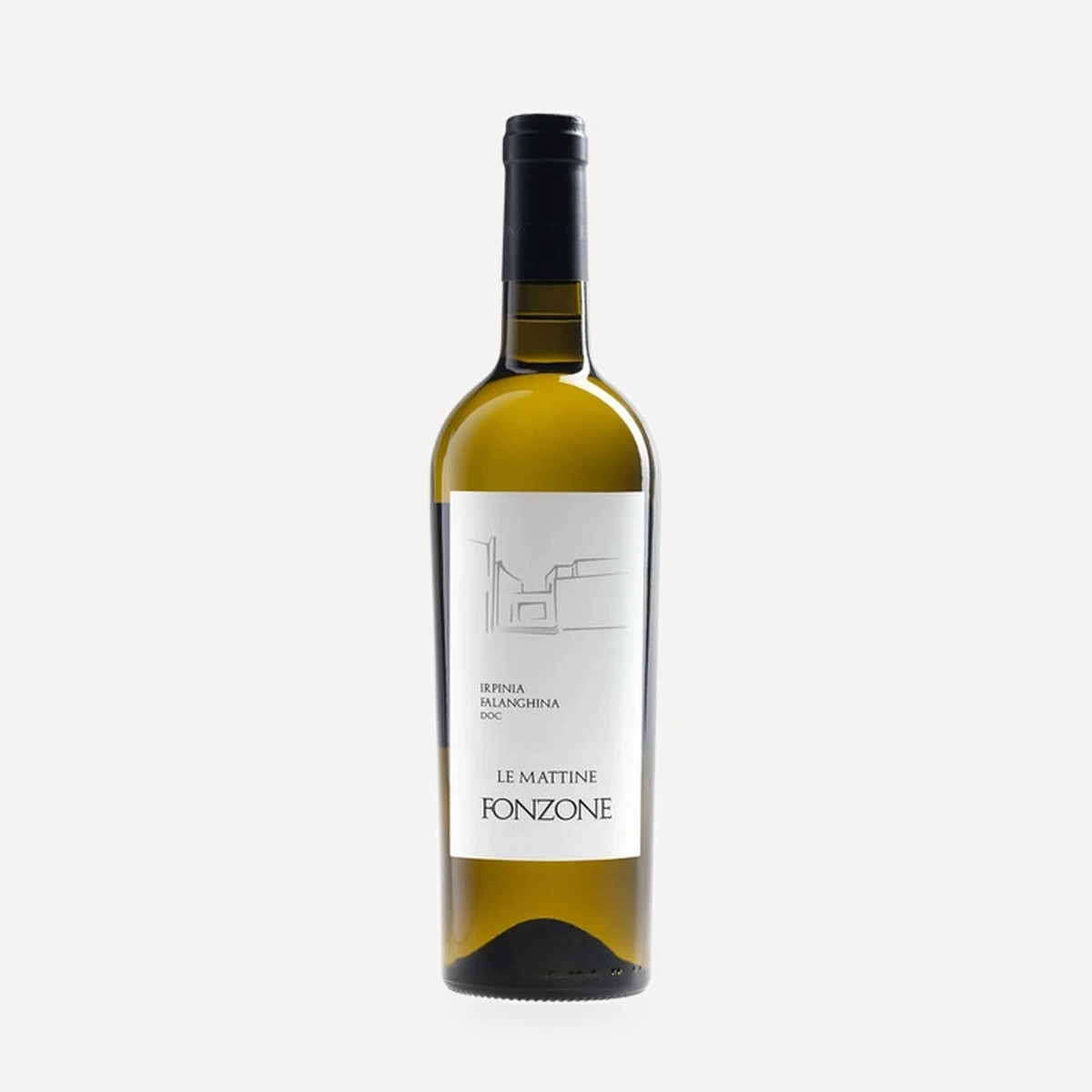
Le Mattine — Irpinia Falanghina DOC
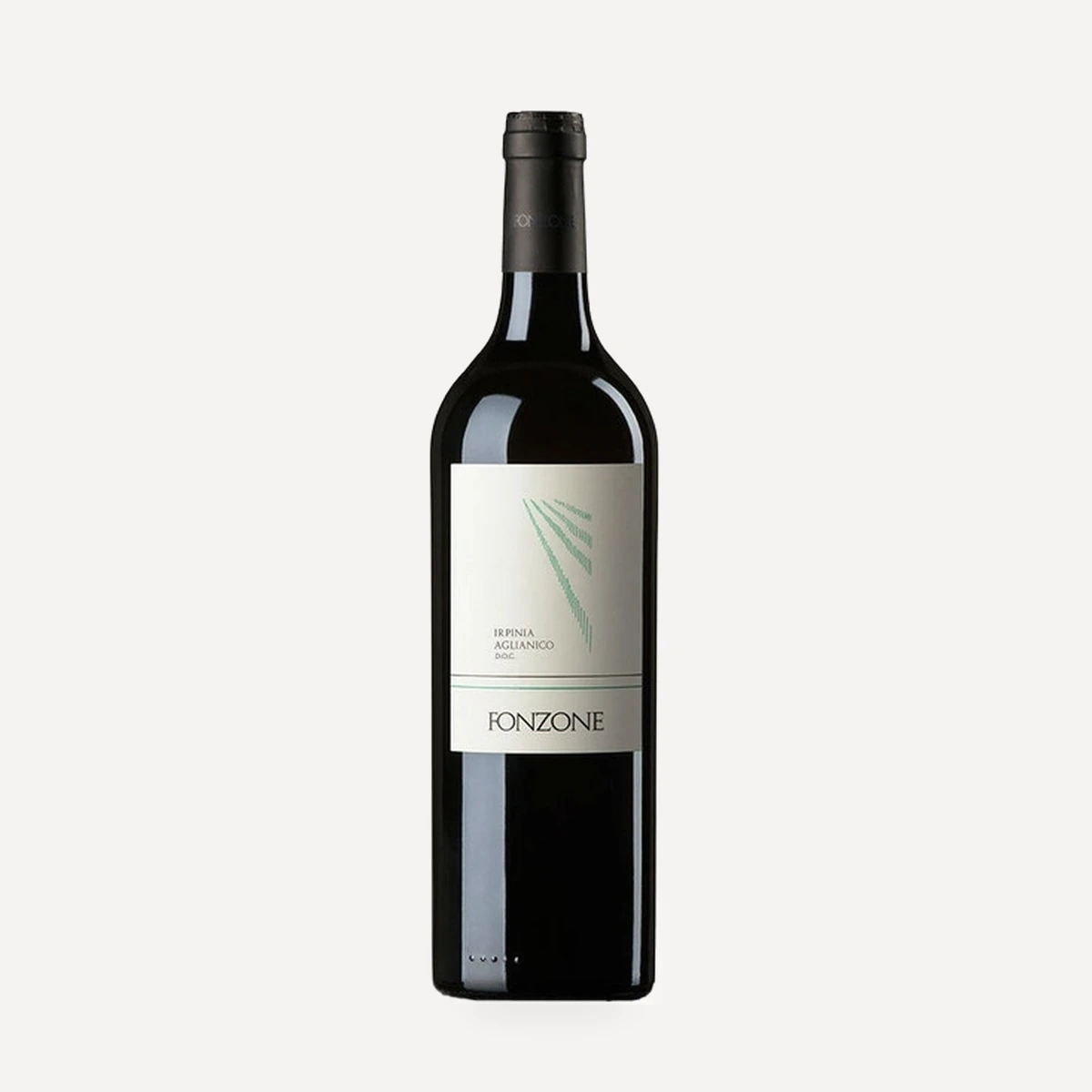
Aglianico — Irpinia Aglianico DOC
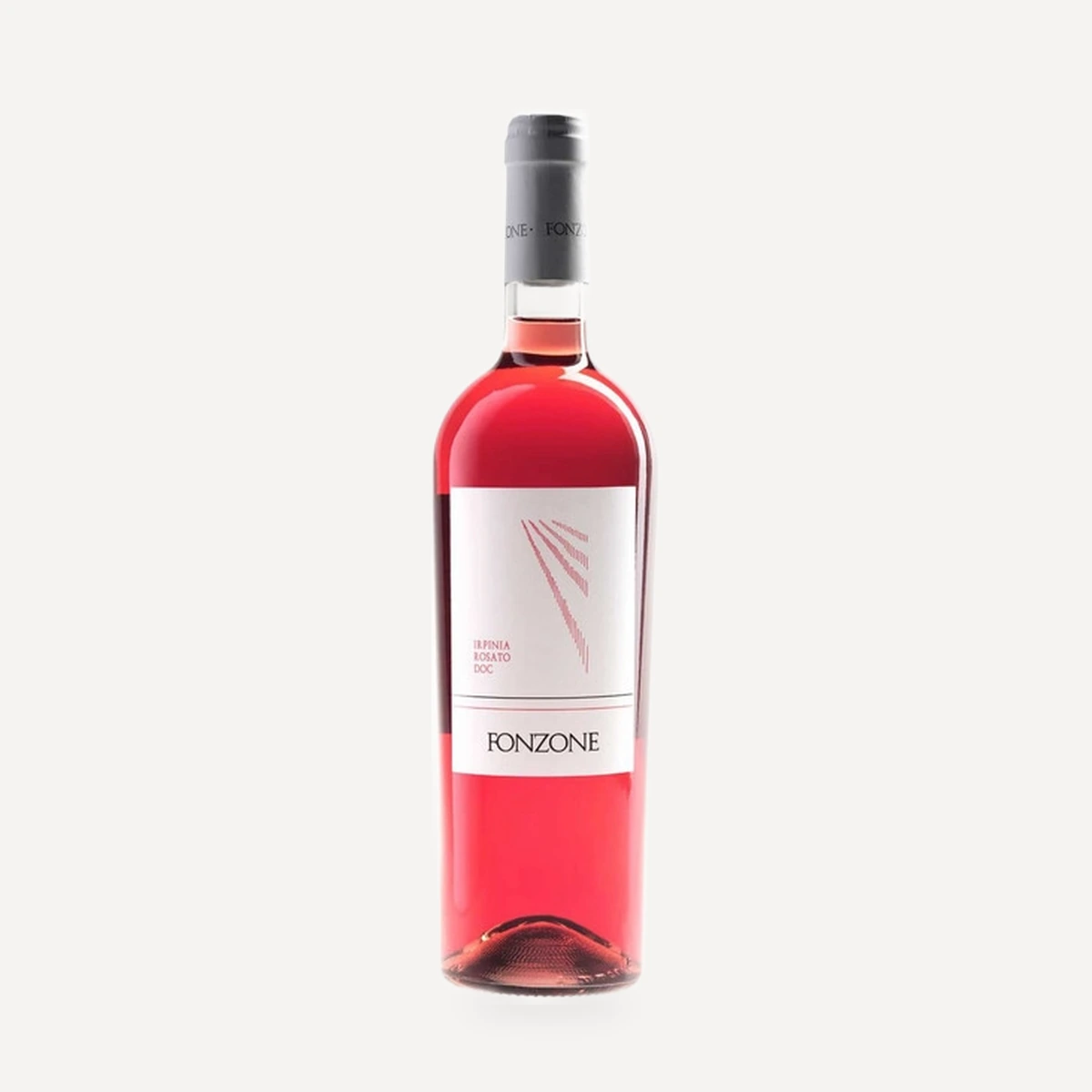
Fonsé — Irpinia Rosato DOC