Storia
Mid-20th century origins
Guidobono began in the heart of Roero in the mid-20th century as a wine project rooted in an interest in the area and its wines. Its early development combined historical research with a study of the terroirs of Langhe and Roero. That work informed the selection of vineyards considered capable of expressing the character of the area’s native grape varieties.
Development across Langhe and Roero
The project developed a portfolio centred on three regional expressions—Barolo, Barbaresco and Roero—while also working with vineyards in Canale, Vezza d’Alba, Castellinaldo, Castagnito, Magliano Alfieri, Barbaresco and Monforte d’Alba. The range now spans traditional-method sparkling wine, white wines based on Favorita and Arneis, Barbera and Nebbiolo reds, and Birbet.
Guidobono’s current direction combines respect for local traditions and historic cultivars with vineyard selection, responsible agronomy, biodiversity protection and oversight of the entire production chain.
Terroir
Guidobono works across Langhe and Roero in Piedmont, with vineyards identified in Canale, Vezza d’Alba, Castellinaldo, Castagnito, Magliano Alfieri, Barbaresco and Le Coste di Monforte in Monforte d’Alba.
The soils vary by site. The Roero source for Segretevigne is clay-calcareous. The Favorita vineyard at Vezza d’Alba has loose, sandy soil and a south-west exposure. Canale supplies Arneis from clay-calcareous ground, while the Loreto Nebbiolo site combines clay and limestone with sand. Castellinaldo’s Barbera vineyards are clay-calcareous; the vineyard used for Barbera d’Alba has several exposures—south, south-east, east and north. The Langhe Nebbiolo sources in Castagnito, Castellinaldo d’Alba and Magliano Alfieri have clay soils with sand.
At Castagnito, the Costa hill is historically associated with Nebbiolo and is considered suitable for finely structured, elegant wine; its soil is clay-calcareous. The Barbaresco vineyard has a south-east exposure and bluish, clay-calcareous marls. Le Coste di Monforte is an established Barolo-growing site with clay-calcareous soil and a south to south-east exposure.
The individual sites therefore range from loose sand to clay-calcareous formations and bluish marl. Vineyard selection is intended to match these conditions with the character of the local cultivars.
Vinificazione
Guidobono links wine quality directly to work in the vineyard and applies two rounds of bunch thinning in its red-wine vineyards. At the more tightly controlled Nebbiolo sites, these passes take place at the beginning and end of August. Loreto and Le Coste di Monforte are restricted to no more than 2 kg of fruit per vine, while San Giors is kept below 2.5 kg per vine. At San Giors, thinning also removes the tip of the bunch, which is considered slower to ripen and poorer in colouring matter. Birbet receives a similar removal of bunch tips during August.
Harvest timing is determined through measurements of sugar and acidity, with phenolic ripeness also considered for Due Gelsi. Several red sites are picked in multiple passes: Due Gelsi is harvested in two passes and selectively by portions within the same vineyard; Langhe Nebbiolo is picked twice about one week apart; Loreto, San Giors and Le Coste di Monforte are selected in two passes separated by approximately 6–10 days. Loreto and Le Coste di Monforte are harvested manually, with specialised workers sorting the bunches.
Favorita and Arneis are picked into small perforated crates of about 20 kg to protect the fruit. Due Gelsi is picked into 18 kg crates. Guidobono identifies biodiversity protection, environmentally respectful production and innovative, responsible agronomic practices as priorities, but does not identify an organic, biodynamic or other farming certification.
Guidobono employs several cellar approaches according to site and wine style. White grapes for Favorita and Arneis remain overnight in their harvest crates in a cold room at 0–2 °C before pressing the following morning. Skin-and-must contact is used even for these whites. Operations from harvest through maceration remain cold—a process described as cryomaceration—to control colour extraction while building aroma, structure and ageing capacity. The wines subsequently remain in stainless steel and are bottled in March.
Red-wine production commonly uses stainless-steel fermenters or macerators. Barbera fermentation takes place at about 25–26 °C to extract colour while preserving aromatic character. Due Gelsi is slowly crushed and fully destemmed; its temperature-controlled fermentation lasts about one week in rotary fermenters, with the seeds separated from the fermenting mass to avoid less desirable tannins. Barbaresco Rivadoro is destemmed, ferments on the skins for about 15 days in temperature-controlled stainless steel and continues macerating for a total of 40 days under a submerged cap. Le Coste di Monforte ferments for 15 days in stainless-steel macerators. Langhe Nebbiolo macerates in stainless steel for 4–5 days.
Malolactic fermentation and maturation take place in several formats. Barbera d’Alba uses 450–600 litre oak vessels and previously used small casks that have already completed at least two passages; it remains in wood until summer. Due Gelsi spends about one year in small casks, partly new and partly used, where malolactic fermentation occurs. Langhe Nebbiolo spends 8–9 months in 600 litre oak vessels before returning to stainless steel. Loreto matures for 12–15 months in tonneaux during malolactic fermentation, then returns to stainless steel for final assembly. San Giors undergoes malolactic fermentation and 12–15 months of maturation in a combination of 600 litre tonneaux, 2,000 litre oak vessels and small casks used at least twice before returning to stainless steel. Rivadoro matures for 18 months in wood and six months in bottle. Le Coste di Monforte spends 24 months in 500 litre tonneaux during malolactic fermentation, followed by 12 months in stainless steel and eight months in bottle; release comes about four years after harvest.
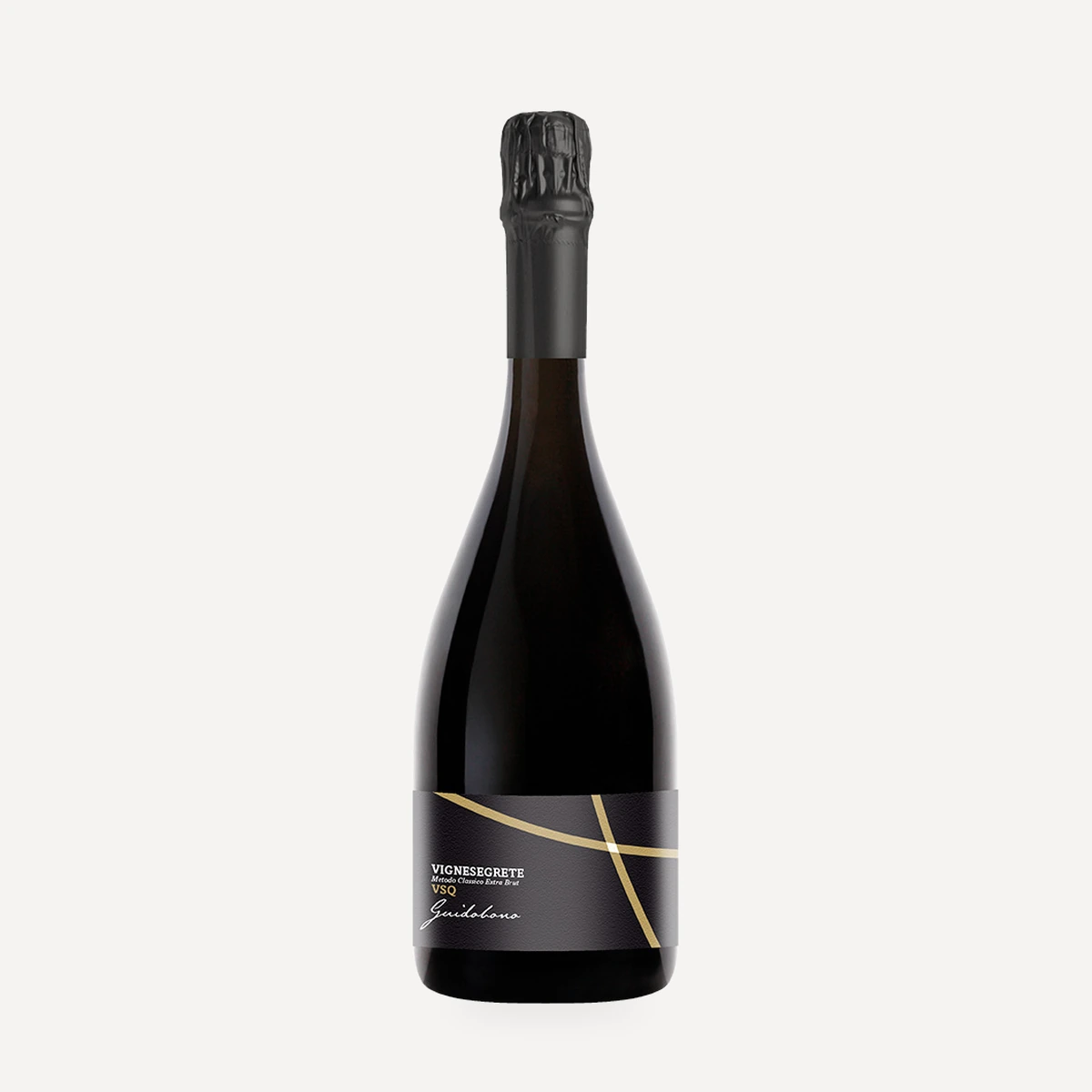
Traditional-method Segretevigne is softly pressed cold immediately after harvest and undergoes a first fermentation, followed by 6–8 months in stainless steel. Secondary fermentation and prise de mousse take place in bottle at 14 °C, followed by 30–36 months on the lees at 12–13 °C. Birbet receives a short skin maceration, must clarification and fermentation in a stainless-steel pressure tank to create a light sparkle.
Filosofia
Guidobono presents vineyard selection as the foundation of its work. Historical inquiry and study of Langhe and Roero terroirs are used to identify sites capable of expressing native grape varieties with a clear sense of place.
Its stated goal is to enhance the local wine heritage and protect the identity of historic cultivars. Tradition is paired with agronomic innovation rather than treated as its opposite: the project seeks a balance between regional roots and continued technical development.
Environmental responsibility is framed as stewardship of the land. Biodiversity protection, environmentally respectful wines and consistent management of the full production chain are central commitments. Dedication, continuity and care are also recurring values, with Barolo, Barbaresco and Roero positioned as the principal expressions of the project’s relationship with Langhe and Roero.
Vini
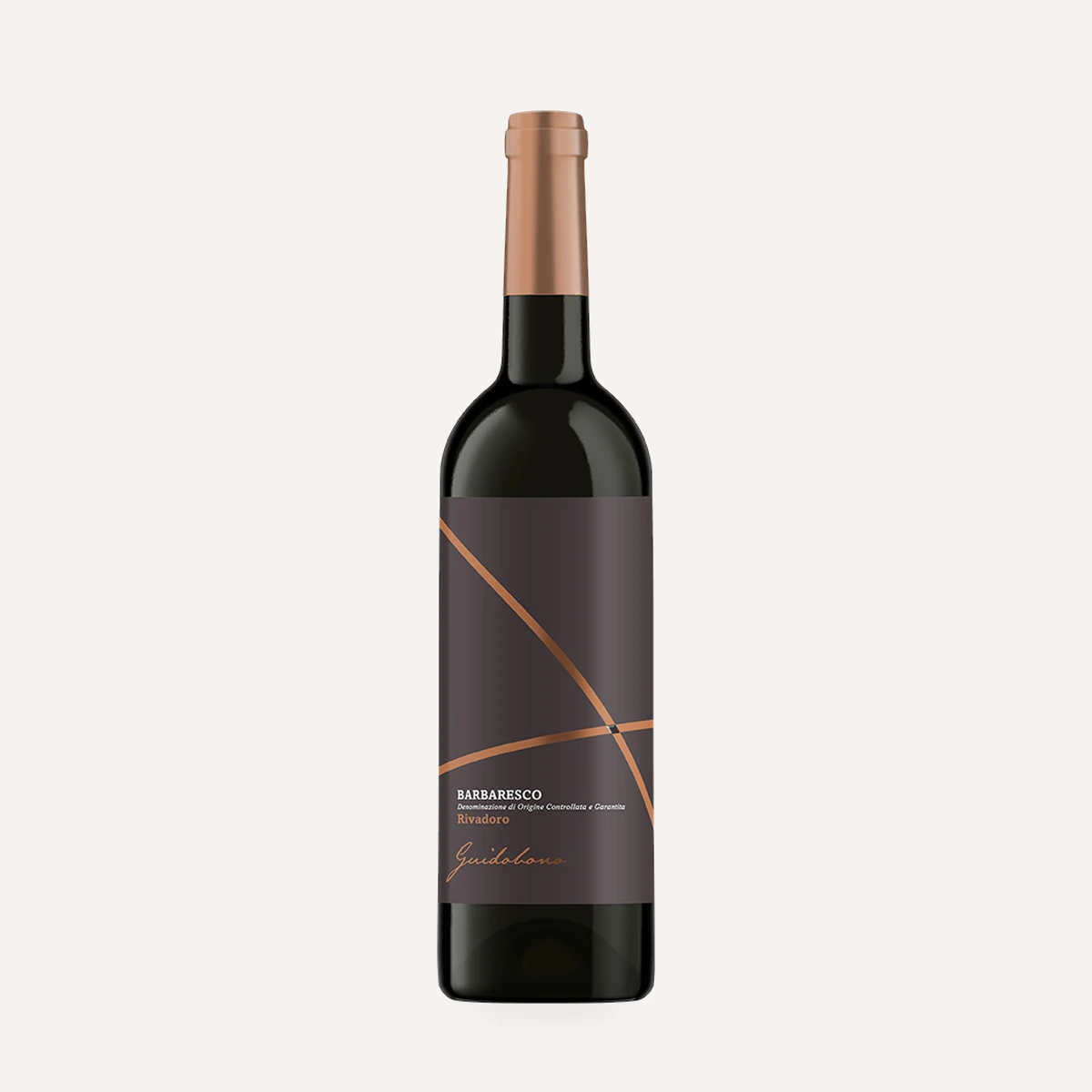
BARBARESCO D.O.C.G. Rivadoro
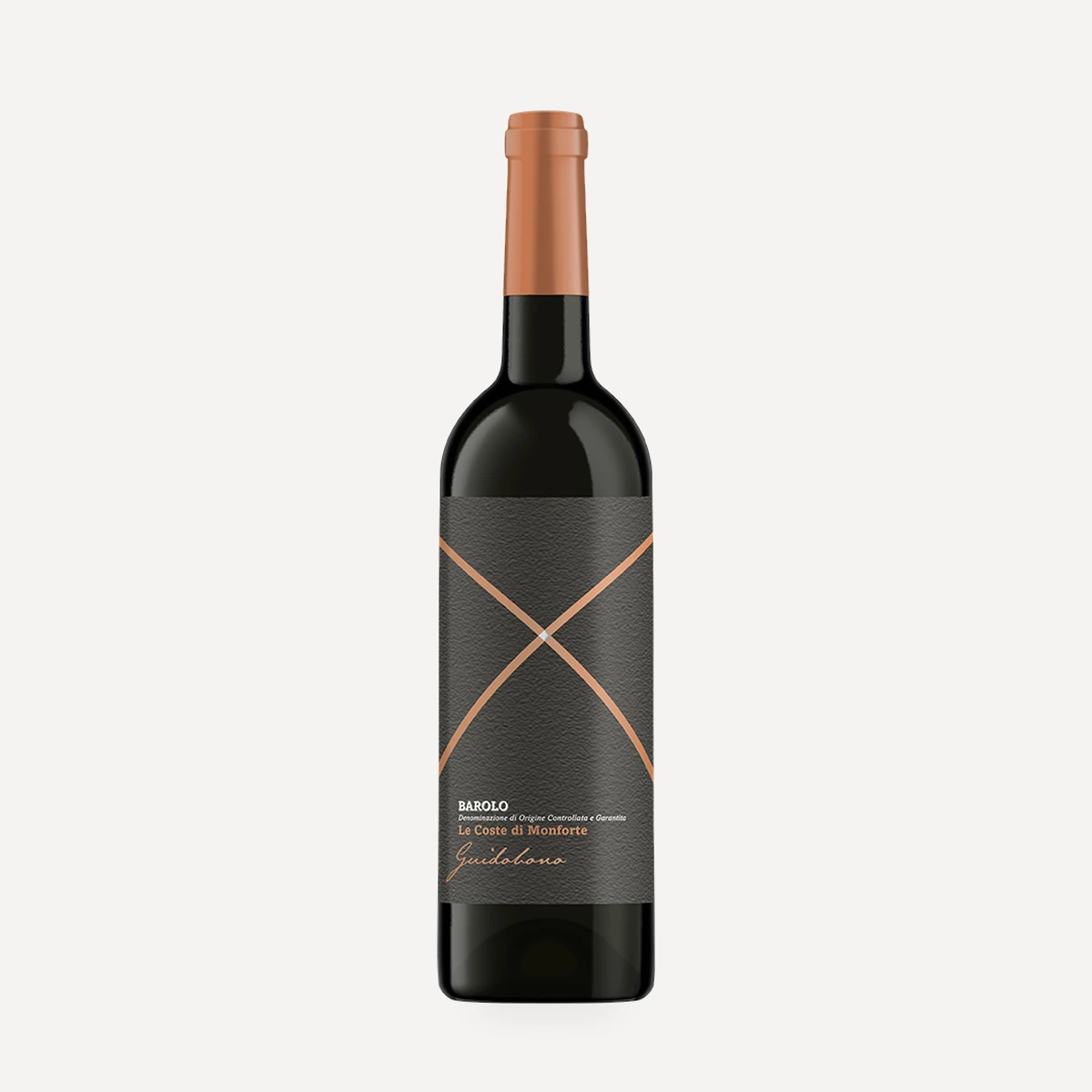
BAROLO D.O.C.G. Le Coste di Monforte
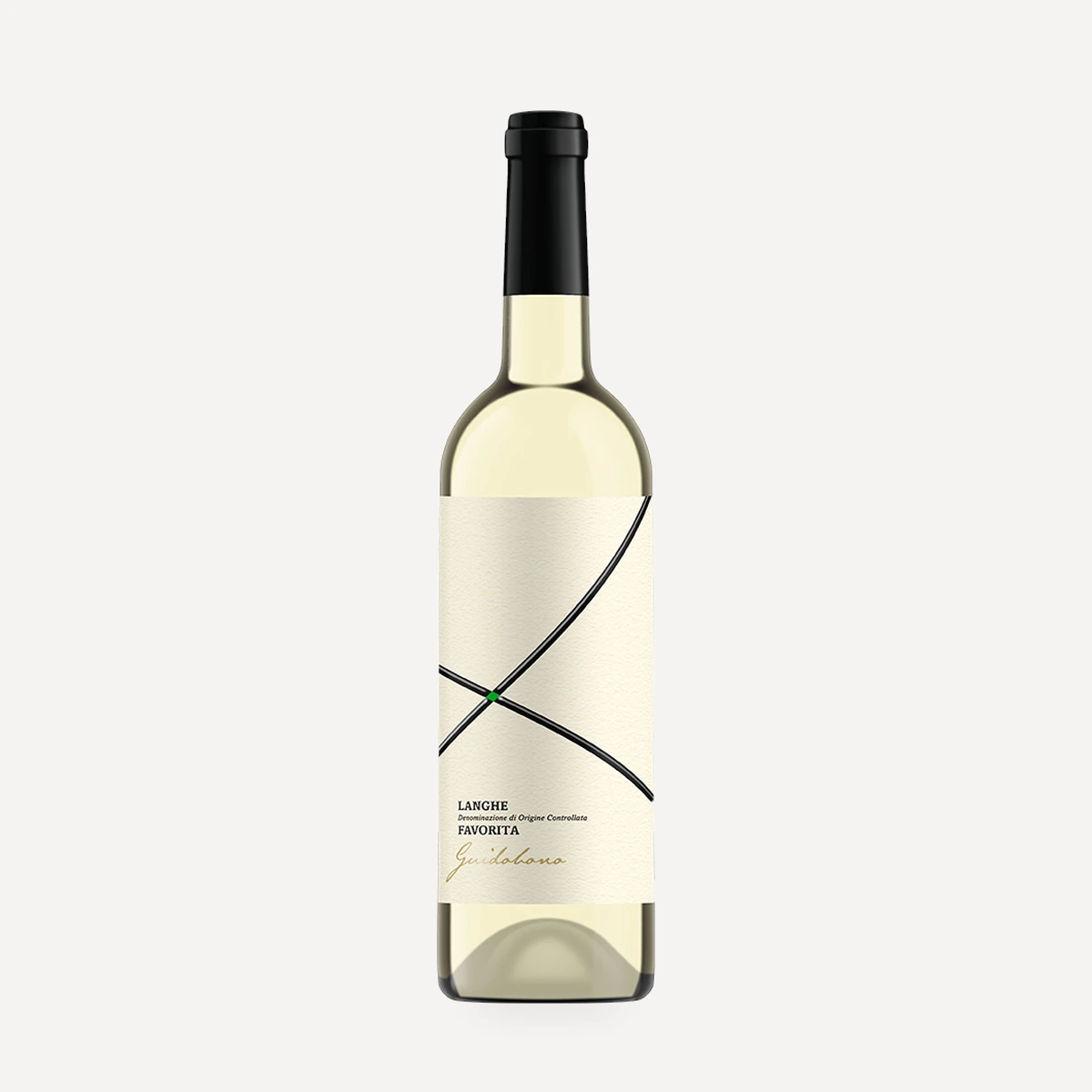
Langhe Favorita D.O.C.
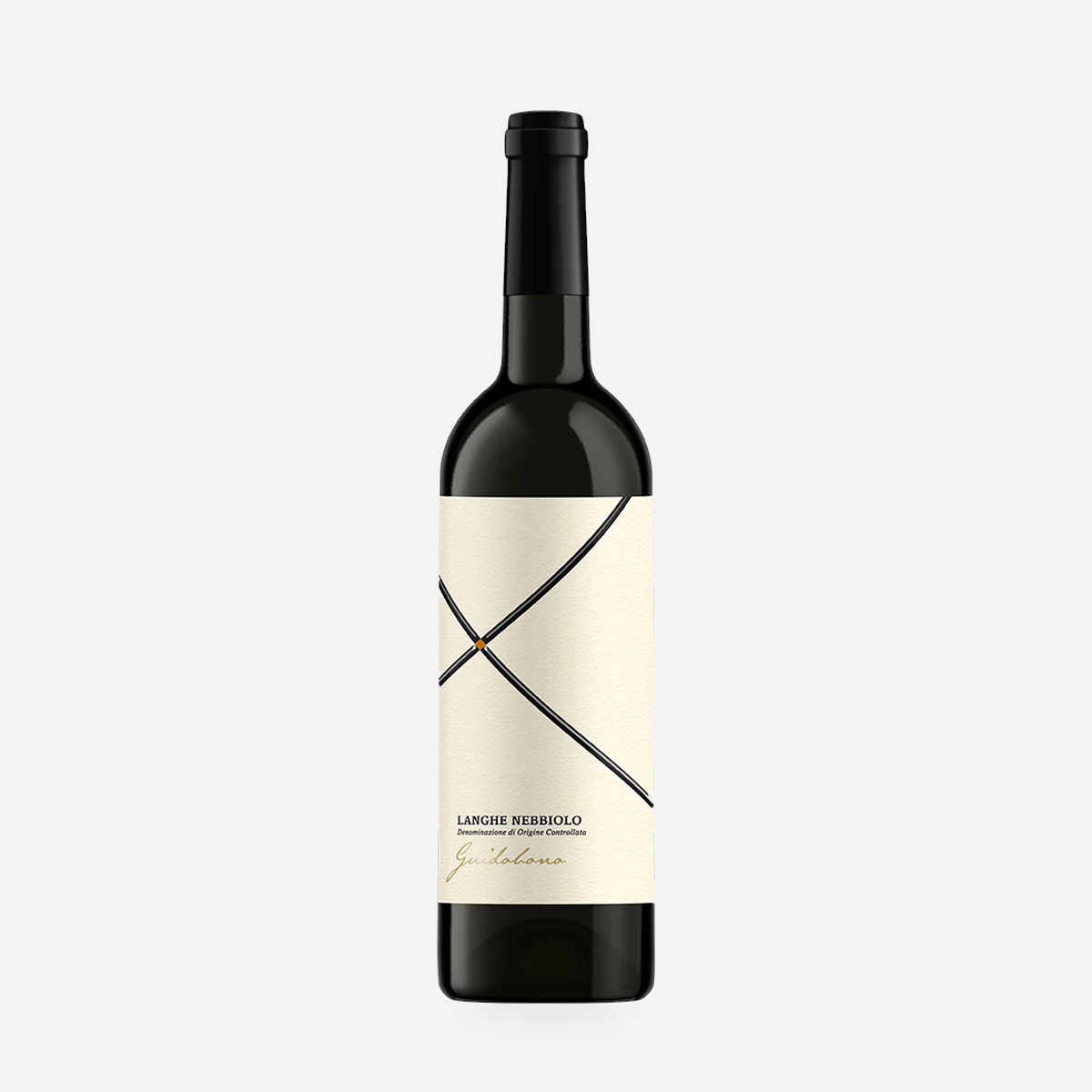
Langhe Nebbiolo D.O.C.
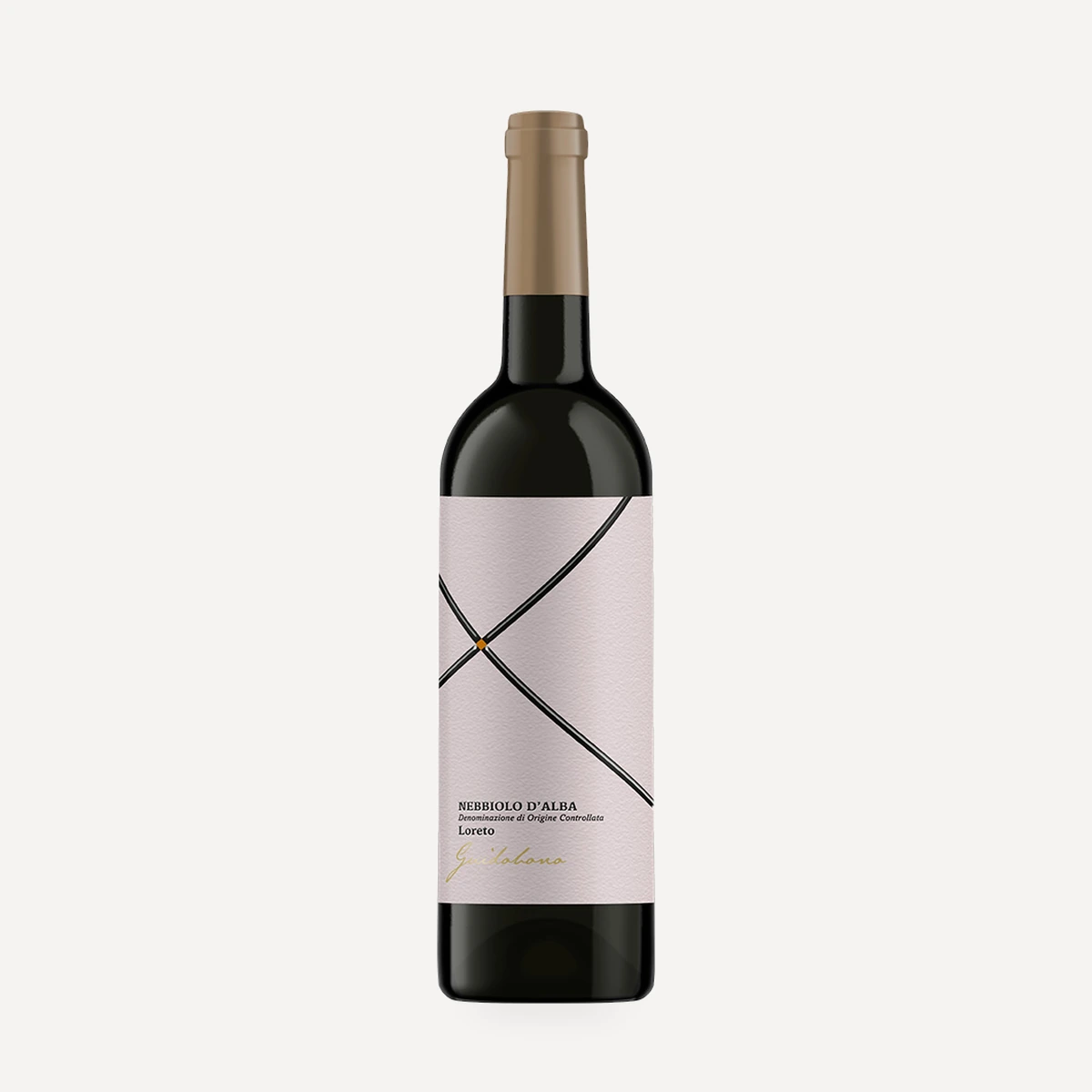
Nebbiolo d’Alba D.O.C. Loreto
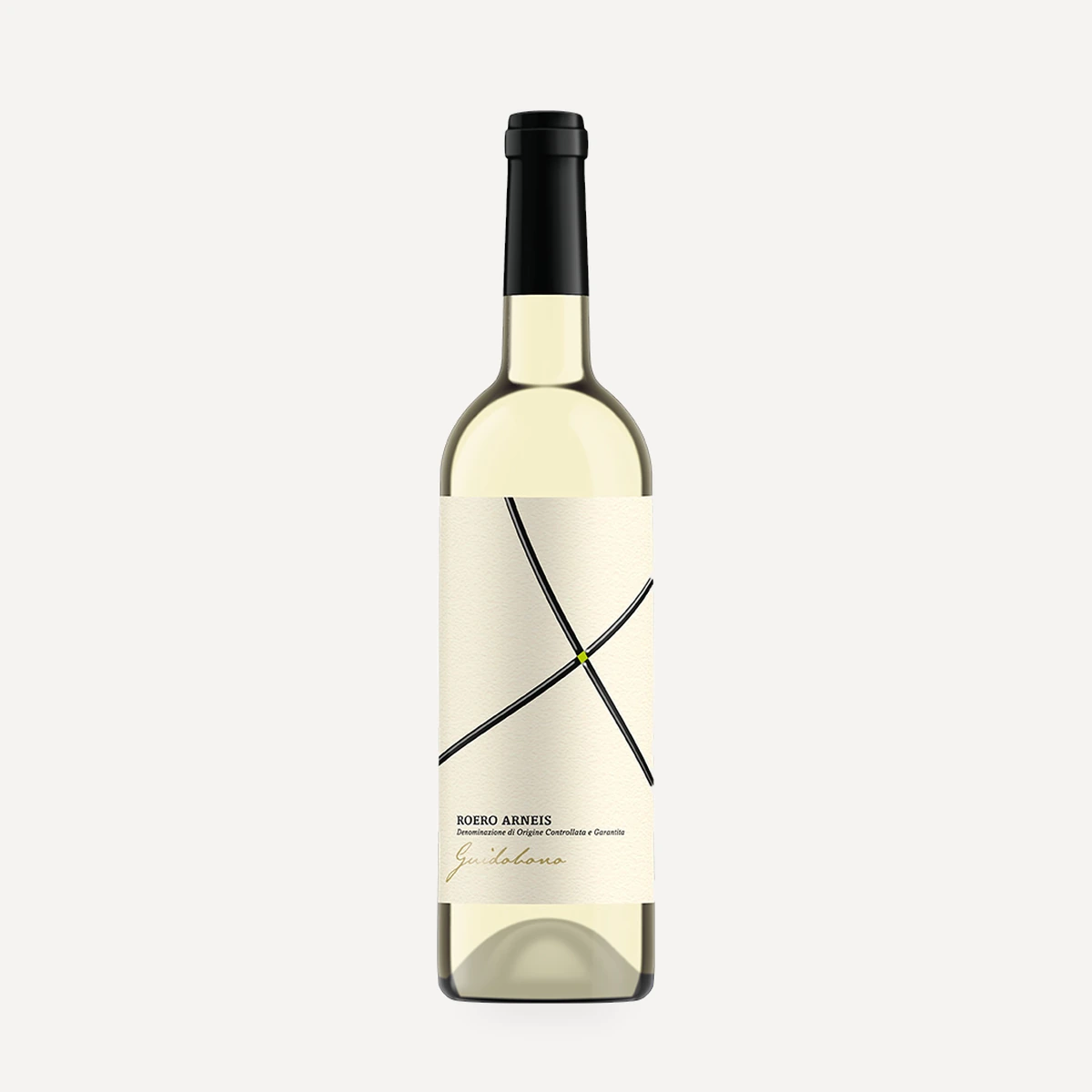
Roero Arneis D.O.C.G.
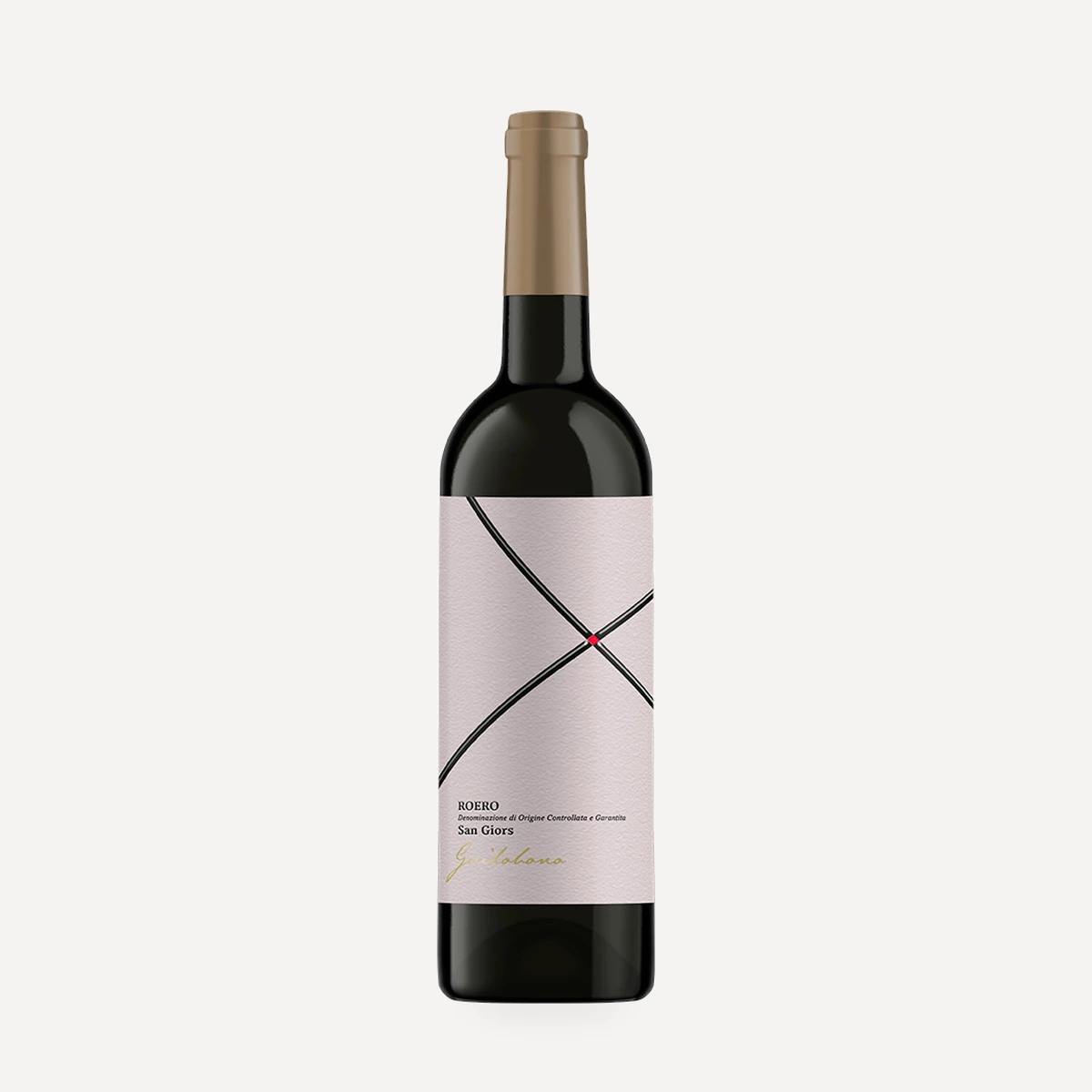
ROERO D.O.C.G. San Giors
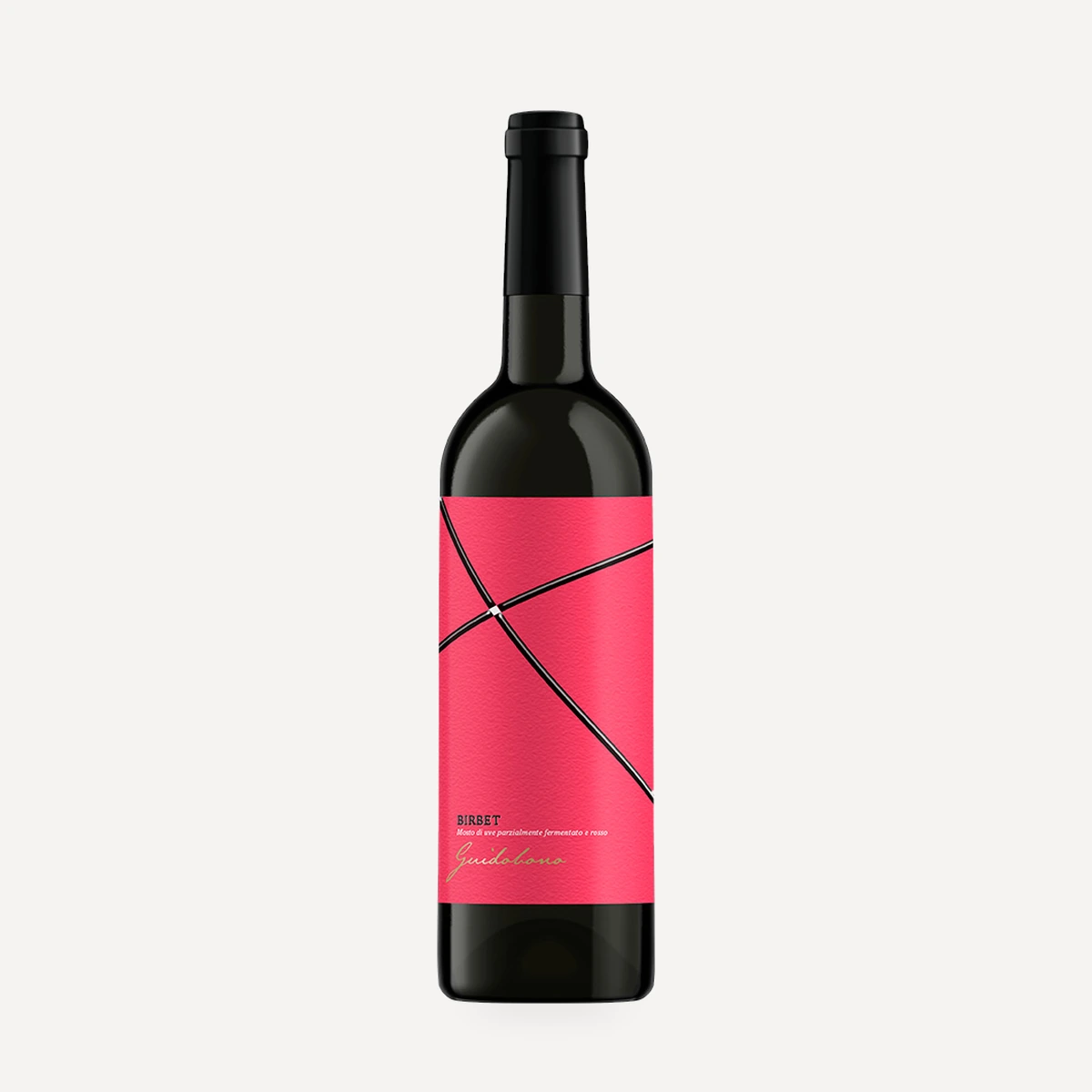
BIRBET Mosto di uve parzialmente fermentato