Storia
From farming to winemaking
Until the mid-1970s, the Ochsenreiter family operated a farm that grew and sold grapes and apples. During that decade, the family decided to process its own grapes and transformed the agricultural holding into a wine-producing estate.
Foundation and the first sparkling wines
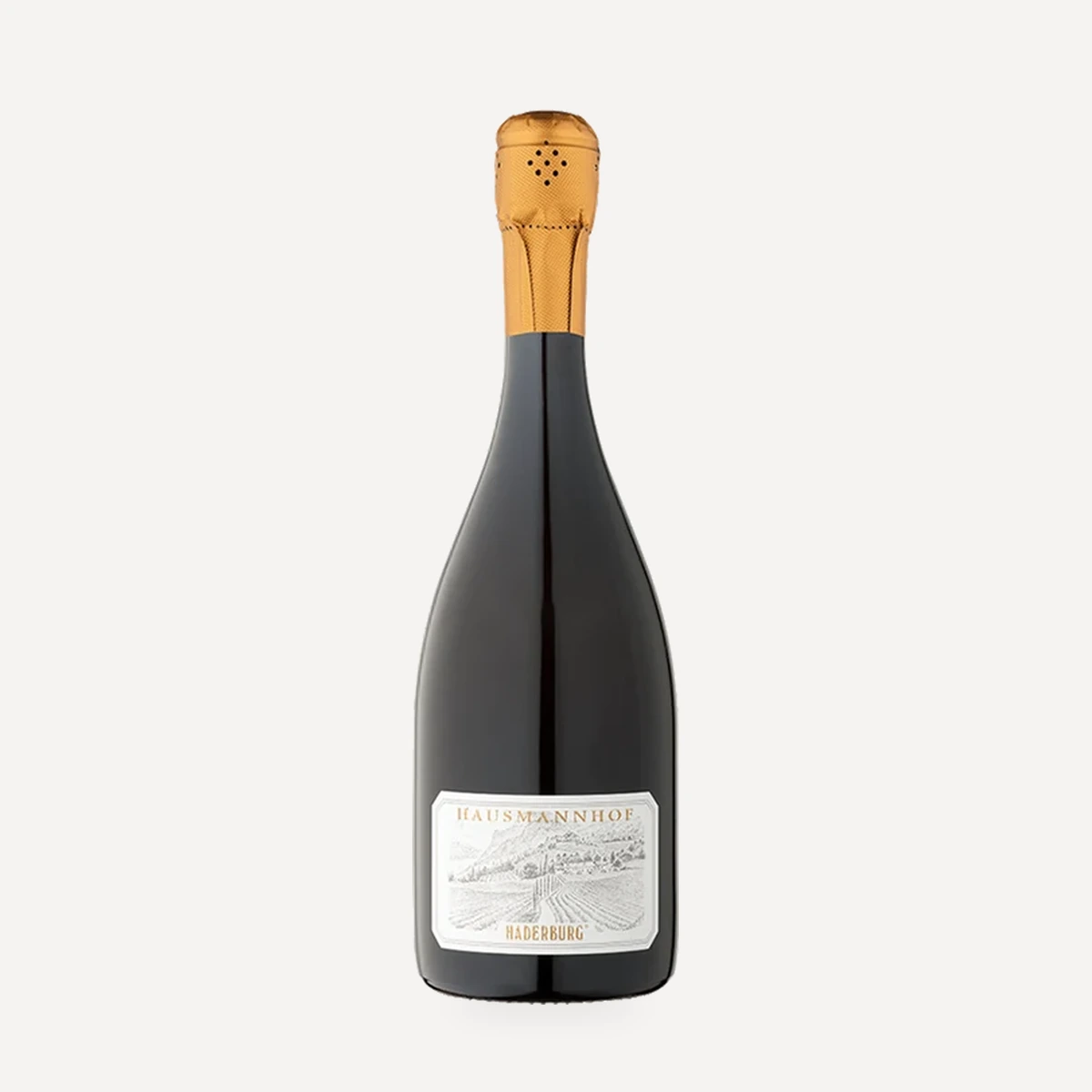
Haderburg was founded in 1977 by Alois Ochsenreiter. That year he began producing traditional-method sparkling wine from estate-grown Chardonnay and Pinot Nero, known locally as Blauburgunder. He installed his first sparkling-wine cellar inside the ruins of Castel Haderburg, the castle perched on a rocky spur above Salorno from which the winery took its name.
The production and sparkling-wine cellars were subsequently transferred to Hausmannhof, the Ochsenreiter family home and the operational heart of the estate in Pochi / Buchholz above Salorno. All Haderburg wines are matured there, and the sparkling wines are produced on the property.
Development of the range
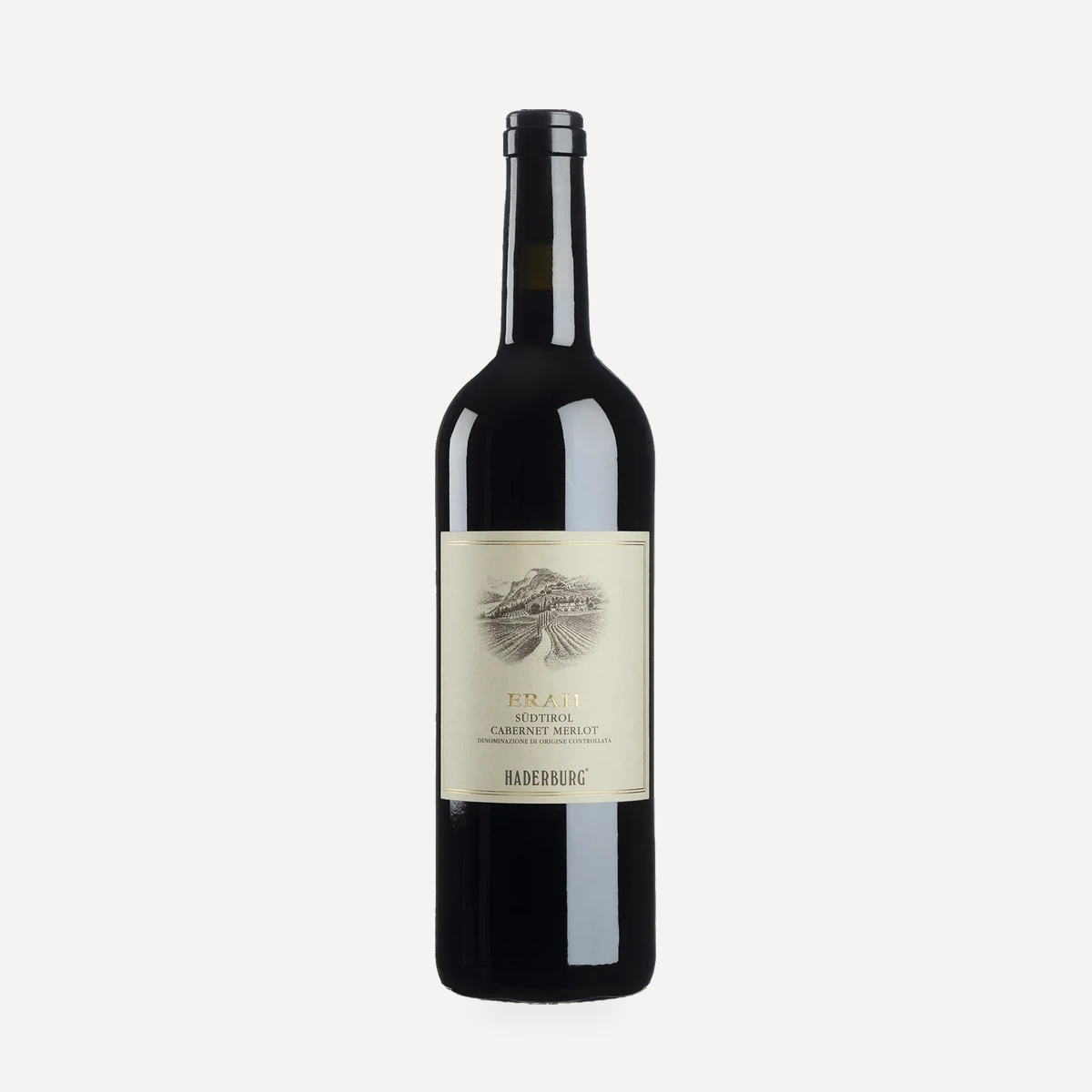
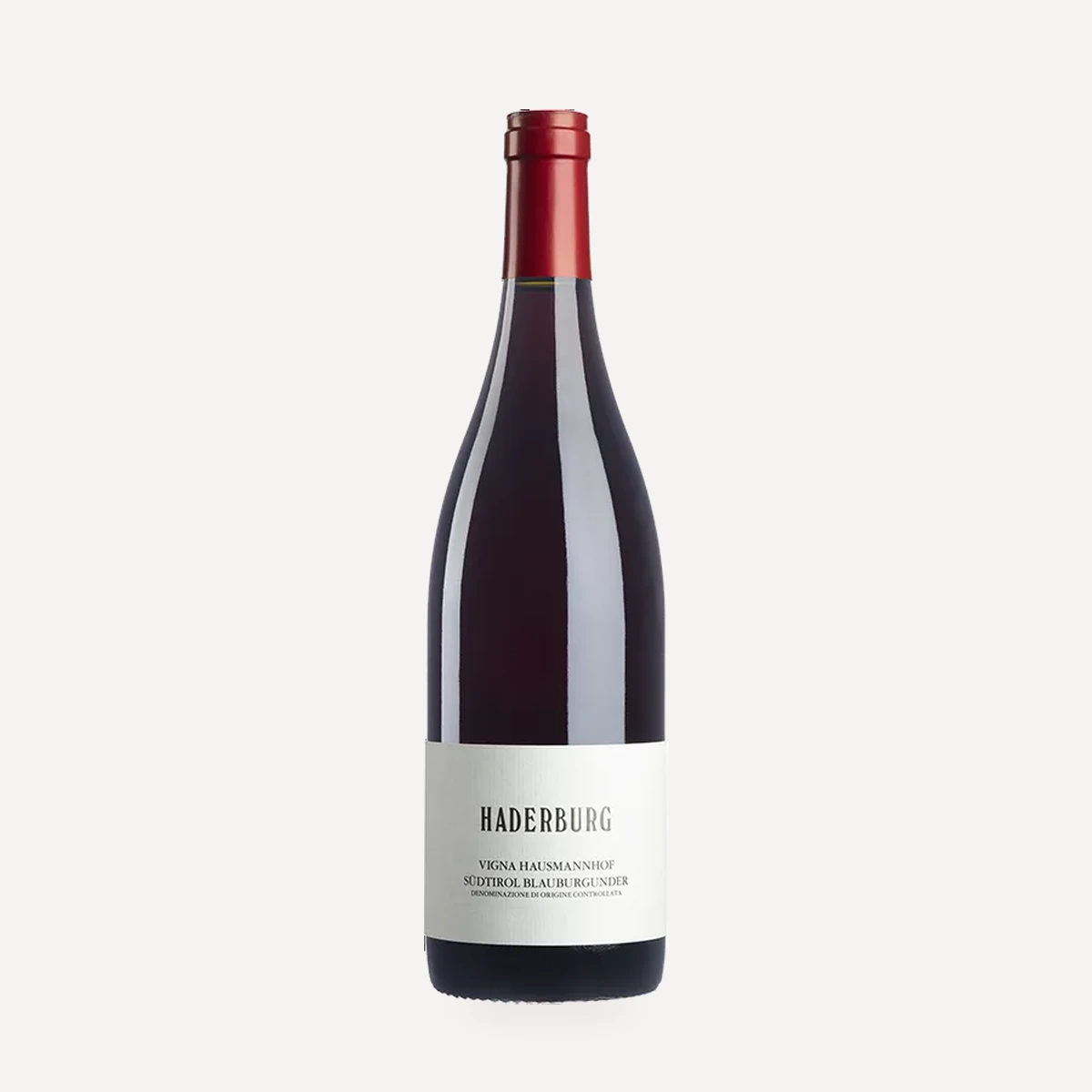
Pinot Nero Vigna Hausmannhof was first produced in 1986. The first production vintage of Erah, a red cuvée based on Merlot and Cabernet varieties, followed in 1997.
Further vineyard acquisitions in well-situated areas broadened the estate's geographical base and range. Fruit for Erah came from Termeno / Tramin, Niclara / Entiklar and Cortaccia / Kurtatsch, while Gewürztraminer came from Ronchi / Rungg in Termeno. The estate also worked vineyards around Chiusa / Klausen, including Eisack Valley sites associated with Obermairlhof, for Sylvaner, Riesling and Gewürztraminer.
The family developed four traditional-method sparkling wines alongside varietal wines and longer-aged selections. Hausmannhof remained the centre of family life, maturation and sparkling-wine production.
Terroir
Hausmannhof above Salorno
Hausmannhof stands in the small settlement of Pochi / Buchholz above Salorno, at an elevation of approximately 400 m. The property overlooks the descending vineyards and the Adige valley toward Salorno. Its view extends across the Adige to Cortaccia / Kurtatsch and Termeno / Tramin, then south into Trentino and toward the peaks of the Brenta massif.
The Hausmannhof vines face southwest and receive abundant sunlight. They grow on weathered soils containing clay and loam. Chardonnay, Sauvignon Blanc and Pinot Nero occupy 5.5 ha immediately around the family home.
The land above Salorno has long been devoted to viticulture. Its climatic conditions are suited to the production of sparkling, white and red wines with a pronounced character.
Wider vineyard geography
Haderburg's vineyard base extends beyond Hausmannhof. Merlot and Cabernet fruit for Erah is grown in Termeno / Tramin, Niclara / Entiklar and Cortaccia / Kurtatsch. Gewürztraminer comes from Ronchi / Rungg in Termeno. The estate has also cultivated grapes in the Chiusa / Klausen area, including Sylvaner, Riesling and Gewürztraminer at Eisack Valley sites associated with Obermairlhof.
Vinificazione
Haderburg is a biodynamic family estate and has also been identified as Bio. Its vineyard work is governed by strict quality criteria and an emphasis on ecological sustainability.
Pruning is used to control the vines, and the grapes undergo rigorous selection. Harvesting is carried out exclusively by hand. This attention in the vineyard is intended to establish the quality of the fruit before cellar work begins.
The family divides responsibilities across the estate: Erika Ochsenreiter works in the vineyards, while Alois and Hannes Ochsenreiter oversee the wines and sparkling-wine production.
Hausmannhof cellar
All of the wines are matured at Hausmannhof, where the family also carries out the complete sparkling-wine process. Production combines traditional practices with newer techniques and places particular emphasis on patient maturation and manual work.
Traditional-method sparkling wine
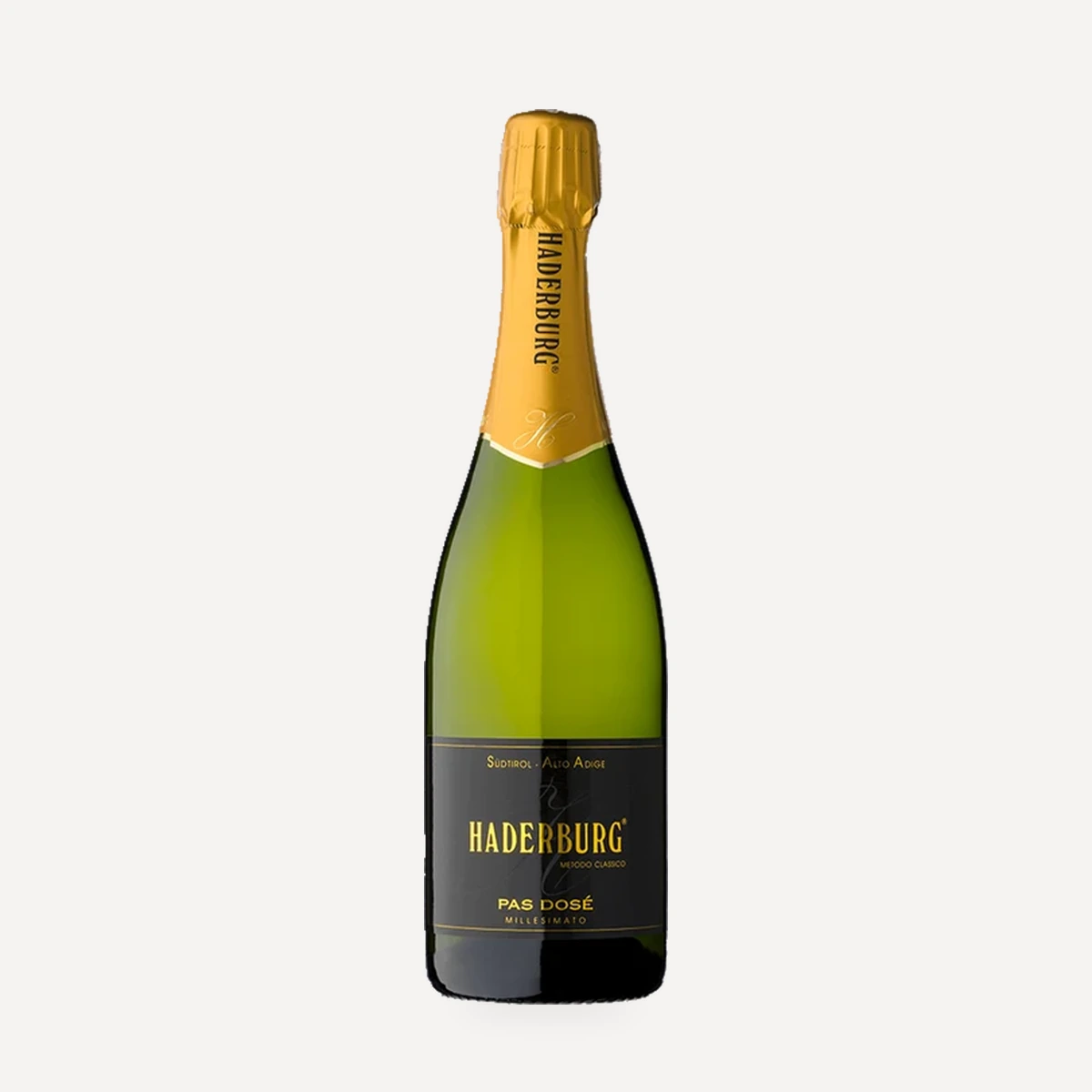
Haderburg specialises in sparkling wines made from its own production. Chardonnay and Pinot Nero have formed the basis of this work since 1977. The base wines are handled gently before undergoing a second fermentation in bottle. Depending on the cuvée, the wine remains in contact with the lees for 24–96 months. The bottles are riddled to collect the residual yeast and then disgorged. From initial bottling through final packing, each bottle is handled more than 40 times.
White wines
White wines ferment slowly and are not bottled until the summer following the harvest. The extended cellar period is intended to retain their delicate fruit while allowing them to develop through maturation. The Sauvignon selection is aged longer and is released no earlier than two to three years after harvest.
Red wines
Red wines undergo open fermentation with their skins and are then matured partly in new and partly in used barriques. Standard reds are bottled after approximately 18 months. The Pinot Nero Riserva receives longer maturation and is released no earlier than two to three years after harvest.
The estate's selection wines are made from its best grapes and receive prolonged maturation in wooden barrels, with long keeping potential as an explicit objective.
Filosofia
Haderburg's approach centres on close manual work, patience and stringent quality control from vine to bottle. The family treats pruning, grape selection and hand harvesting as the foundation of quality, followed by slow maturation rather than rapid release.
Ecological sustainability is presented as a core standard alongside quality. The estate combines traditional and innovative techniques, with biodynamic farming in the vineyards and traditional bottle fermentation at the centre of sparkling-wine production.
The family identifies time, experience, work and dedication as the basis of its four sparkling wines. Long maturation is also central to the still wines: whites are bottled only in the following summer, reds remain in barrel for about 18 months, and the principal selections are not released until at least two to three years after harvest.
Vini
Erah
Haderburg Pas Dosé
Pinot Nero Vigna Hausmannhof
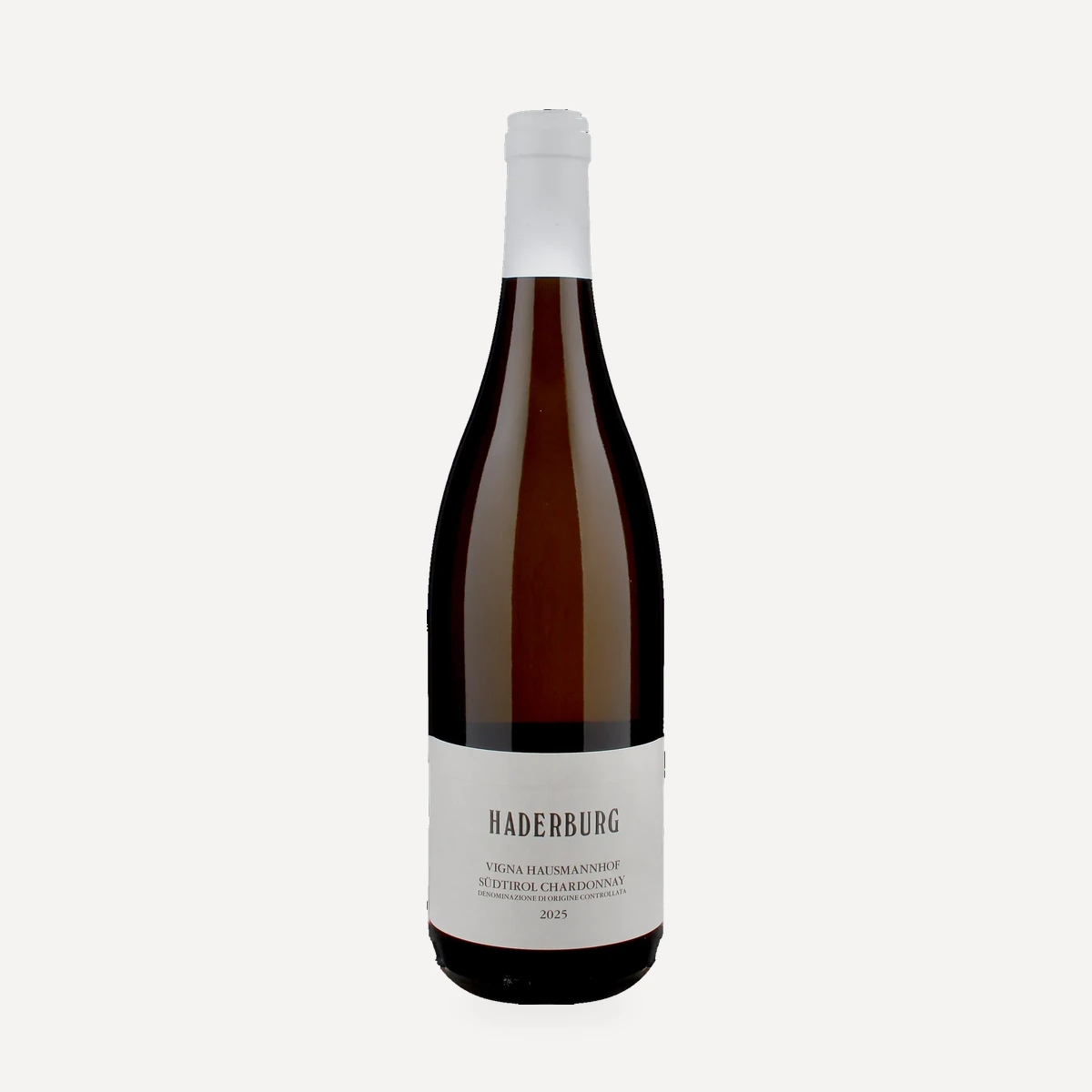
Chardonnay
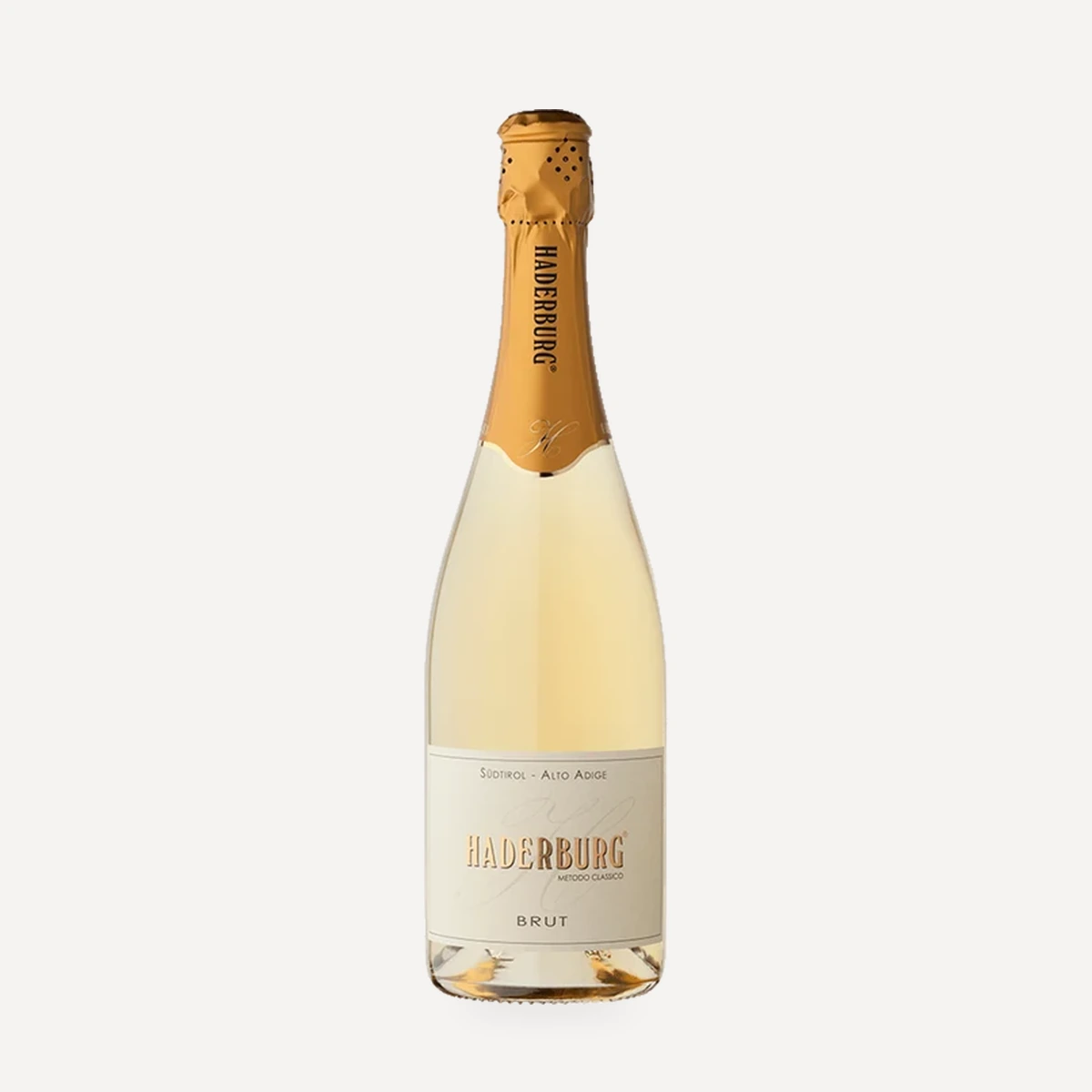
Haderburg Brut
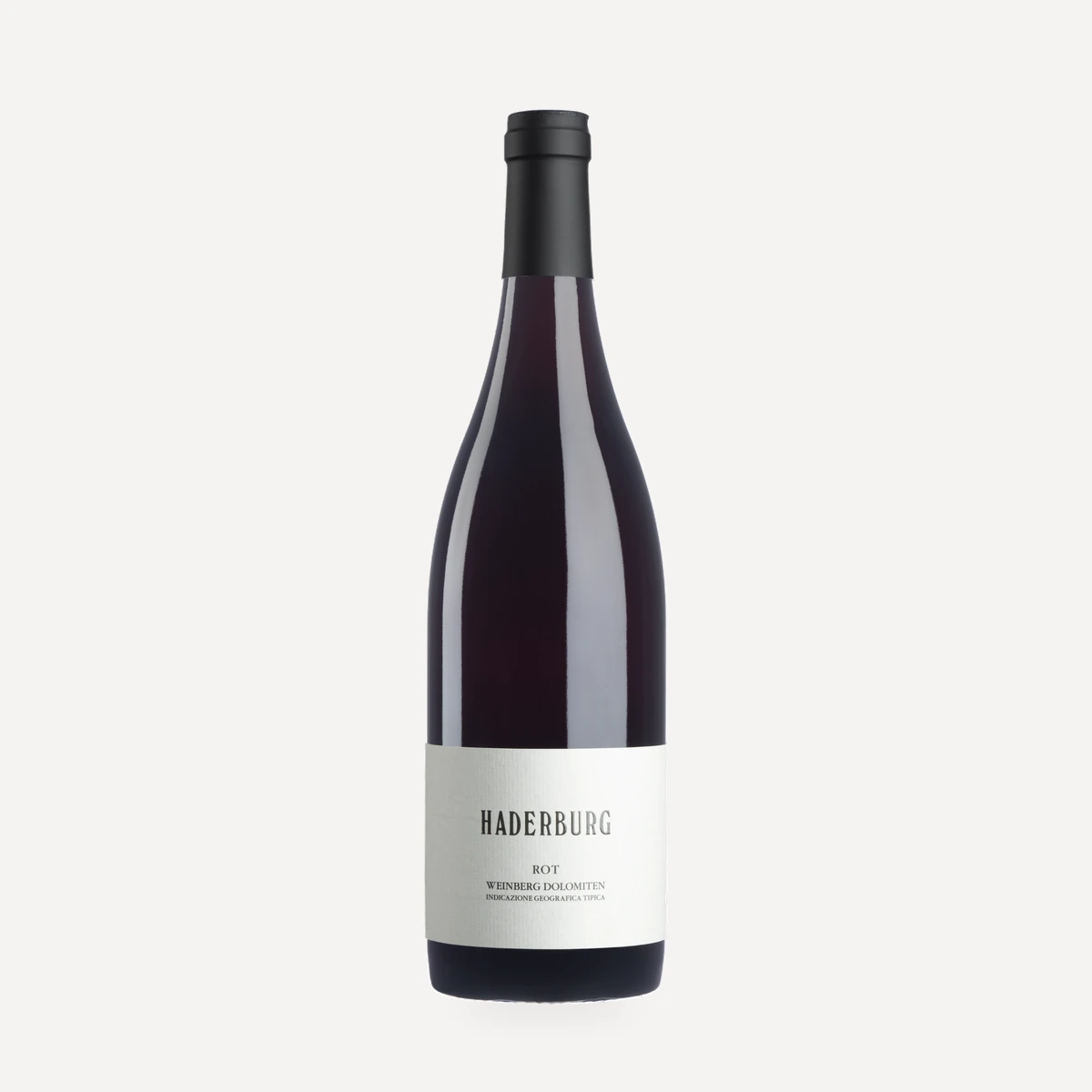
Rot