Storia
Family background and the first Pinot Noir vines
Hartmann Donà grew up among vineyards, grapes, cellars, livestock and meadows. His earliest memories encompass mature vines beneath shady pergolas, sweet grapes and the celebrations that followed harvest. Later came the smell of fermenting wine and his first tastings under experienced guidance. His father, Wilhelm, taught him an intuitive approach to both viticulture and winemaking during the many hours they worked together in the vineyard, cellar, stable and meadows.
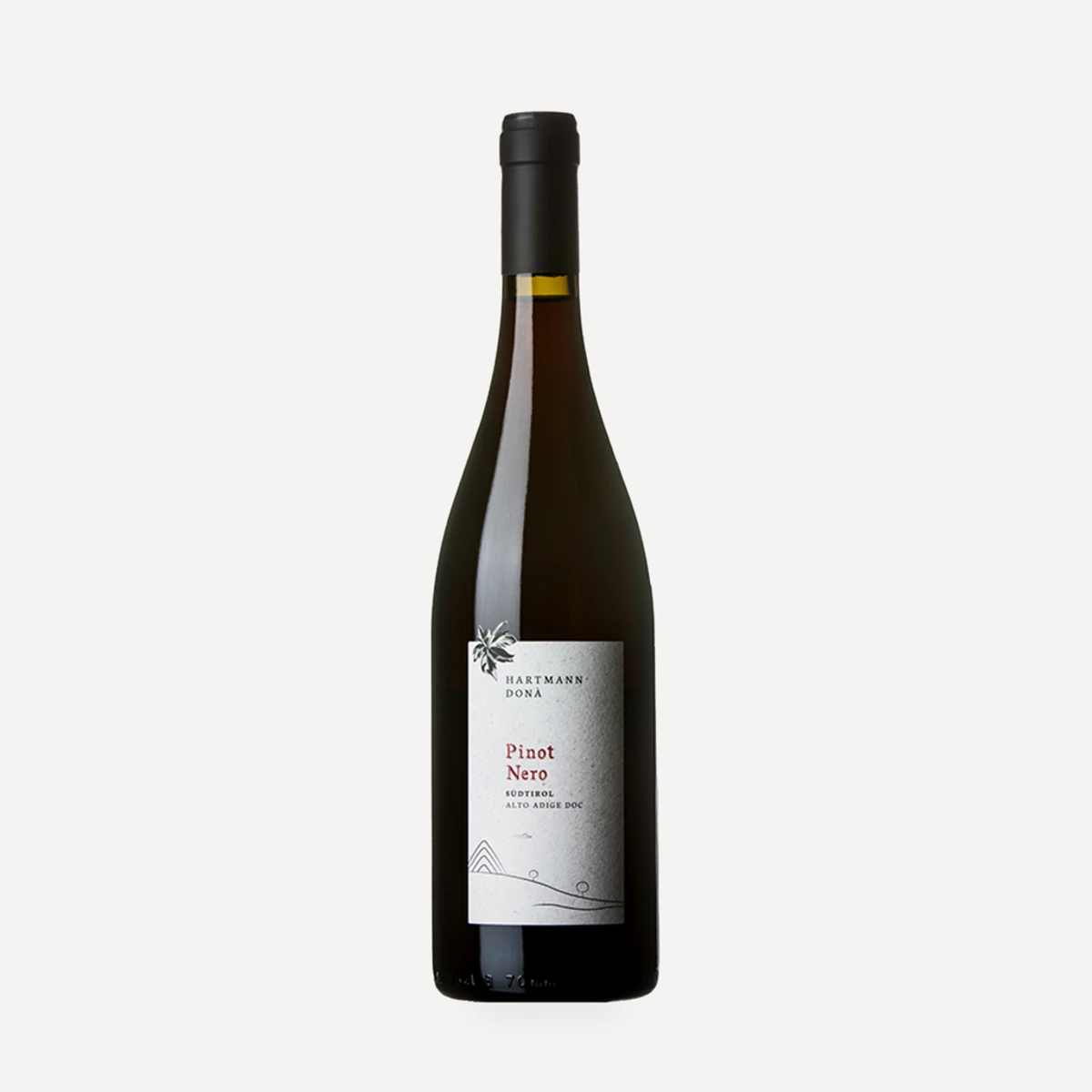
In 1986, the family planted its first Pinot Noir vines in Rungg, also identified as Maso Ronco, in Girlan/Cornaiano. The planting occupies a sunny, airy, east-facing slope at 500 metres above sea level, on glacial-moraine soil. These vines became the foundation of Donà Noir.
2000: establishment of the winery
Hartmann Donà founded the winery in 2000 to create individual wines capable of conveying their origins, vintage and his own interpretation of soil, grape variety and climate. From the beginning, one of his ambitions was to make a Chardonnay that clearly expressed the differing origins and soils of its grapes.
Donà Noir was the first completed wine to embody the character of its soil, its particular microclimate and Hartmann Donà’s personal style. Donà Rouge and Donà Blanc followed. These wines were conceived for extended development and reach full maturity only after approximately four years.
2001: Donà Rouge
Donà Rouge was created in 2001 from a desire to reinterpret the partly forgotten and undervalued potential of the native Schiava variety. The project centred on deeply rooted vines then aged between 40 and 50 years, cultivated for small yields of small, intensely flavoured grapes. The wine was developed through approximately two years in wooden barrels followed by approximately two years of bottle maturation.
Expansion of the range
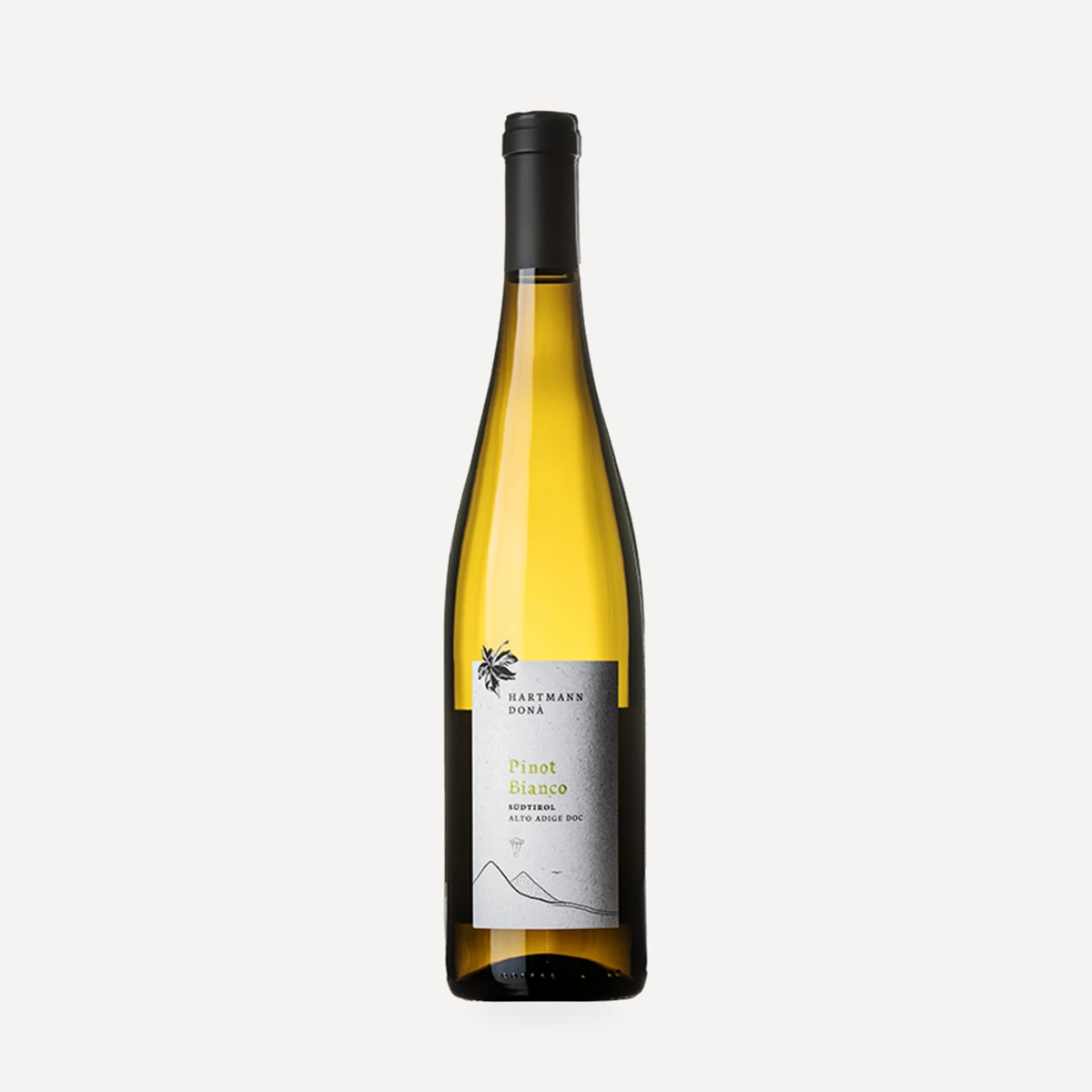
The assortment subsequently expanded beyond Donà Noir, Donà Rouge and Donà Blanc. Four fresh, elegant, single-variety white wines—Pinot Blanc, Chardonnay, Sauvignon Blanc and Gewürztraminer—were joined by Lagrein and further releases including Mittervernatsch, Pinot Noir and a traditional-method Blanc de Rouge sparkling wine.
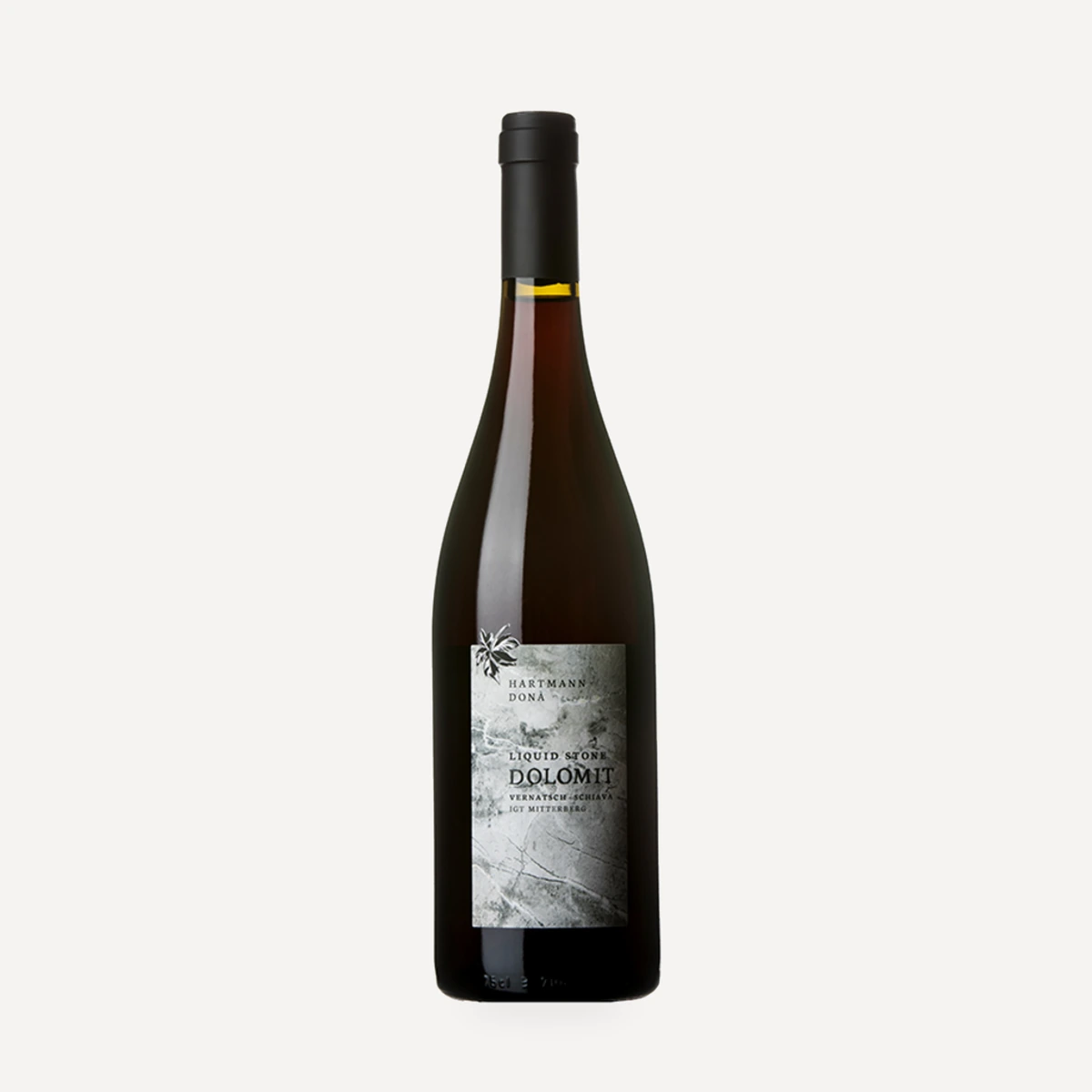
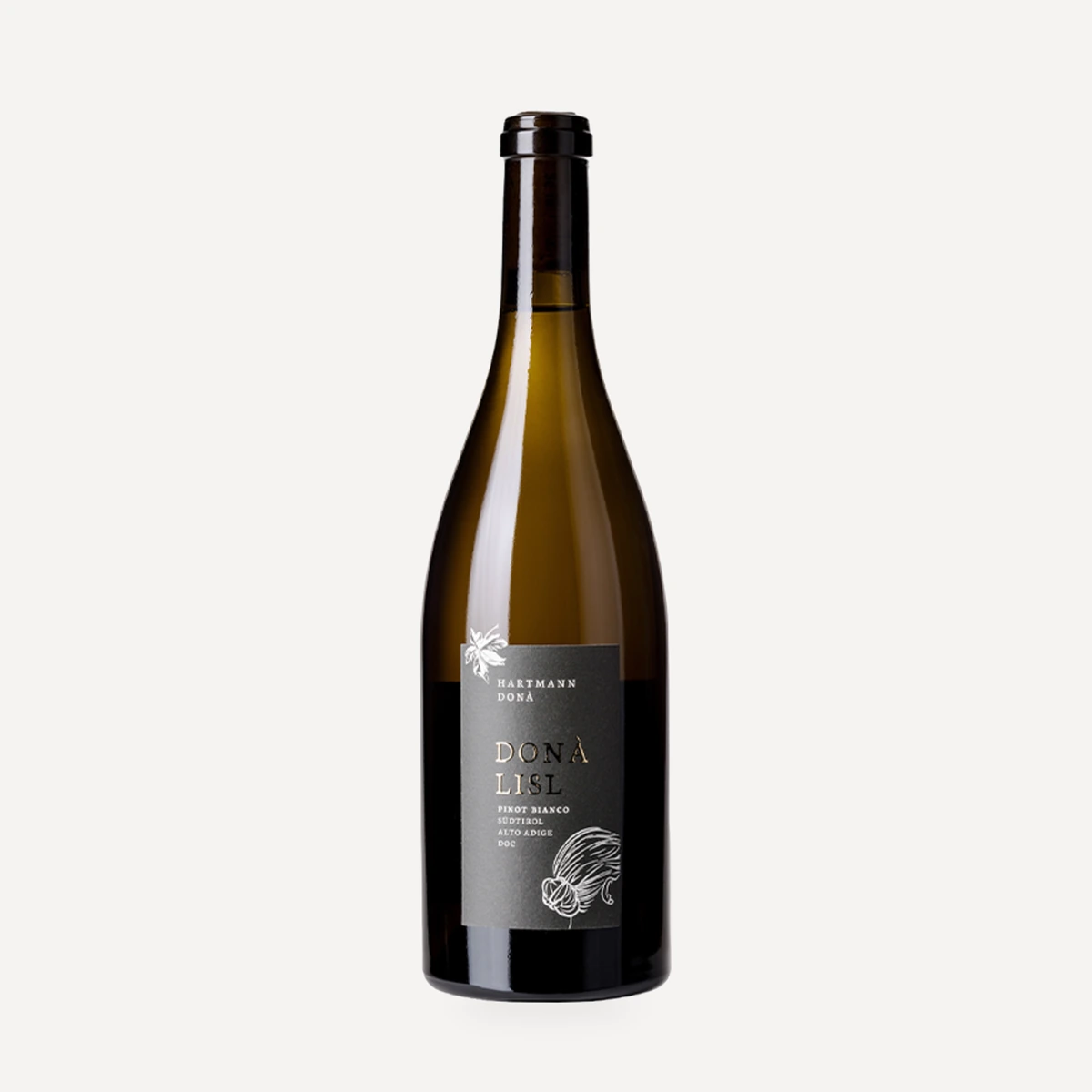
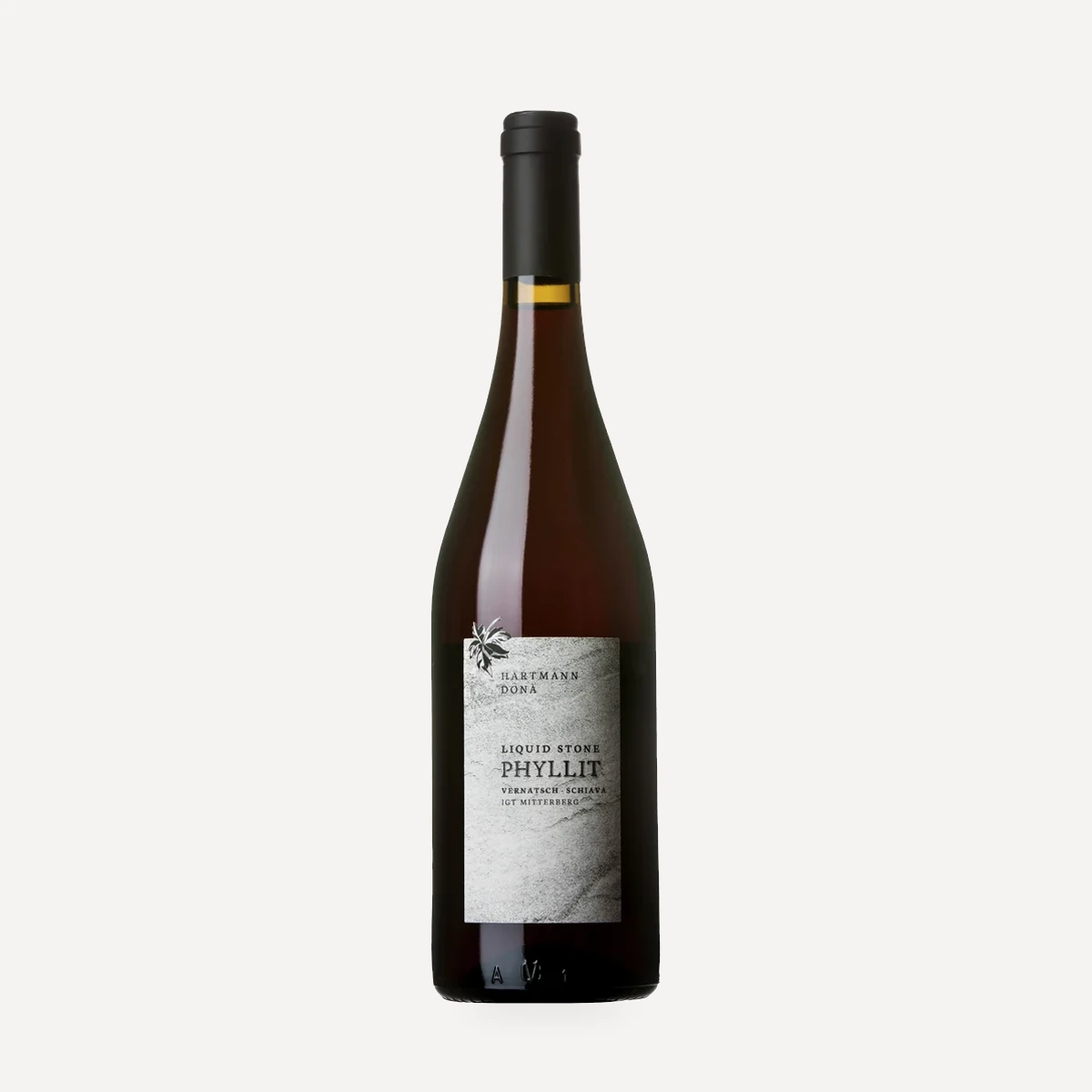
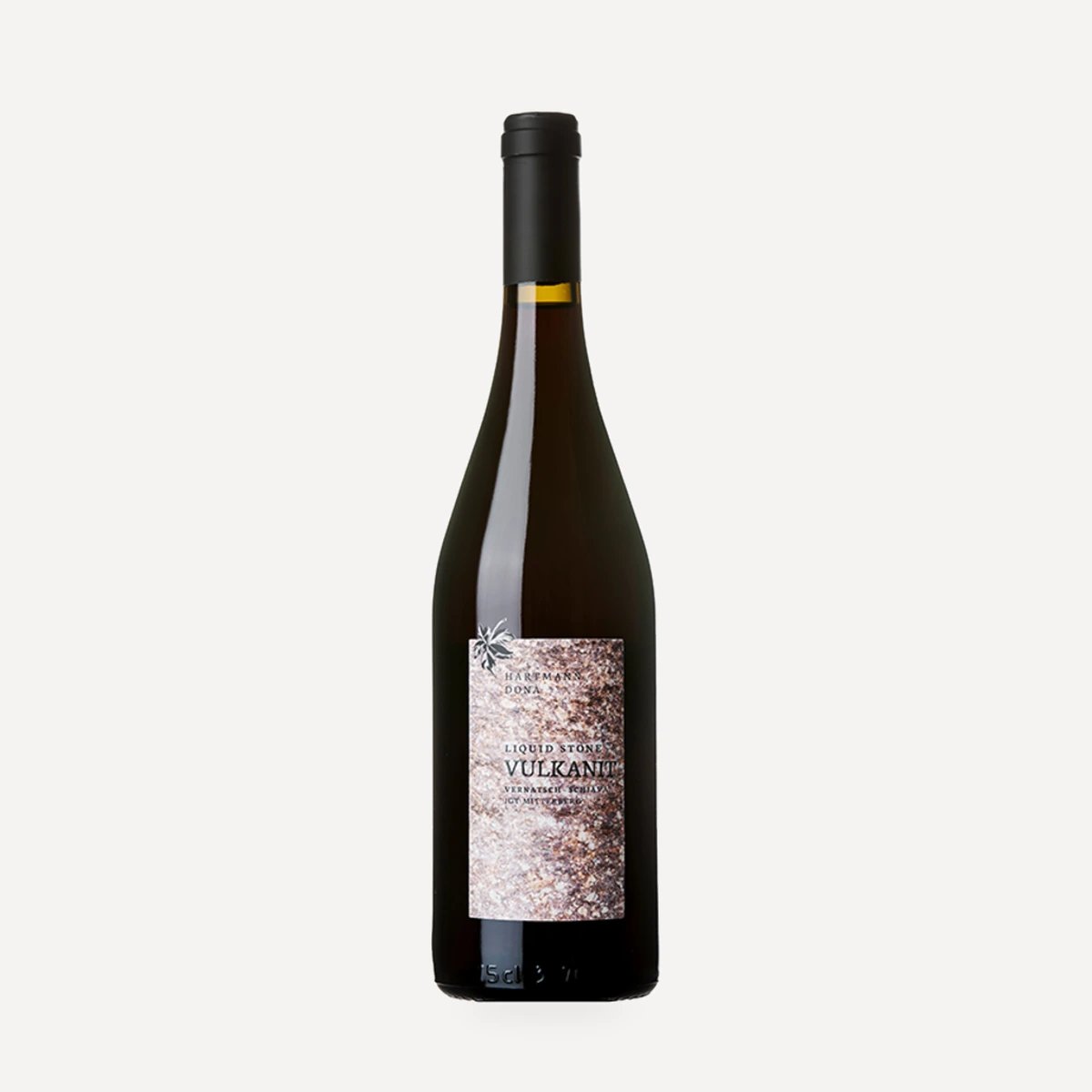
The Riserva range became the home of complex, long-lived wines from the oldest vines, matured in wooden casks. Liquid Stone was created to present the native Schiava variety through four contrasting geological settings: Dolomit, Granit, Phyllit and Vulkanit. The Lisl and Willy wines honour Hartmann Donà’s parents, Elisabeth and Wilhelm. A separate treasure-chest selection preserves mature rarities for release.
Annual production now totals approximately 35,000–40,000 bottles.
Terroir
Regional setting
The vineyards represented in the range extend across South Tyrol, from Cortaccia in the south to Plars di Sopra/Oberplars near Lagundo in the northwest. Other identified locations include Rungg/Maso Ronco at Girlan/Cornaiano, the small locality of Gegend above Lana, Lagundo and Freiberg in Merano. Elevations explicitly identified for these sites range from 350 to 700 metres above sea level.
The broader growing environment combines loose, airy, mineral-rich soils with pronounced climatic contrasts. A light southern breeze travels from Lake Garda through the Adige Valley in spring and summer. Frost characterizes winter, while autumn is dry and sunny. Late-summer contrasts between warm and cold temperatures help carry the grapes to full maturity. Hartmann Donà treats weather, rather than a fixed calendar, as the deciding factor for harvest.
Geological diversity
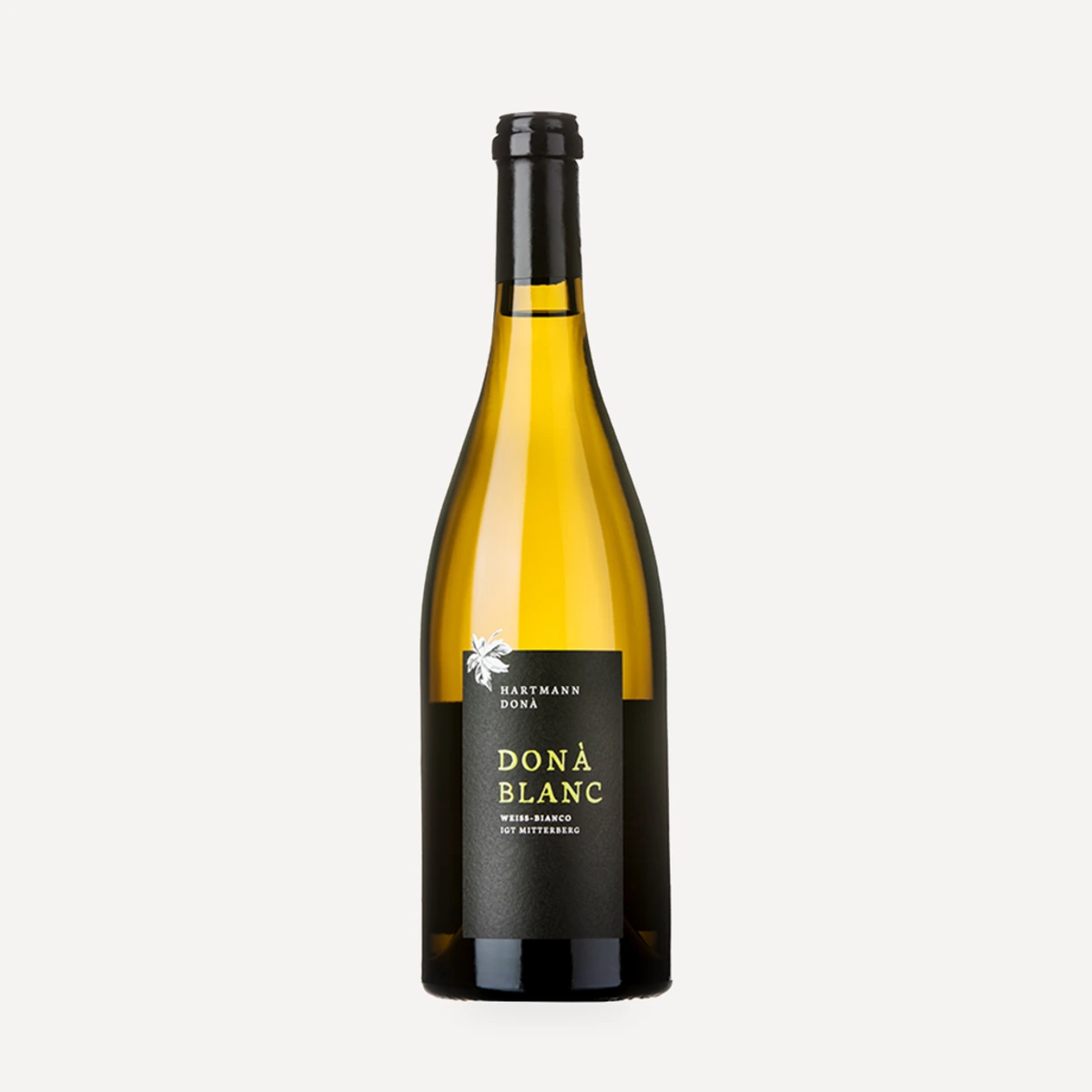
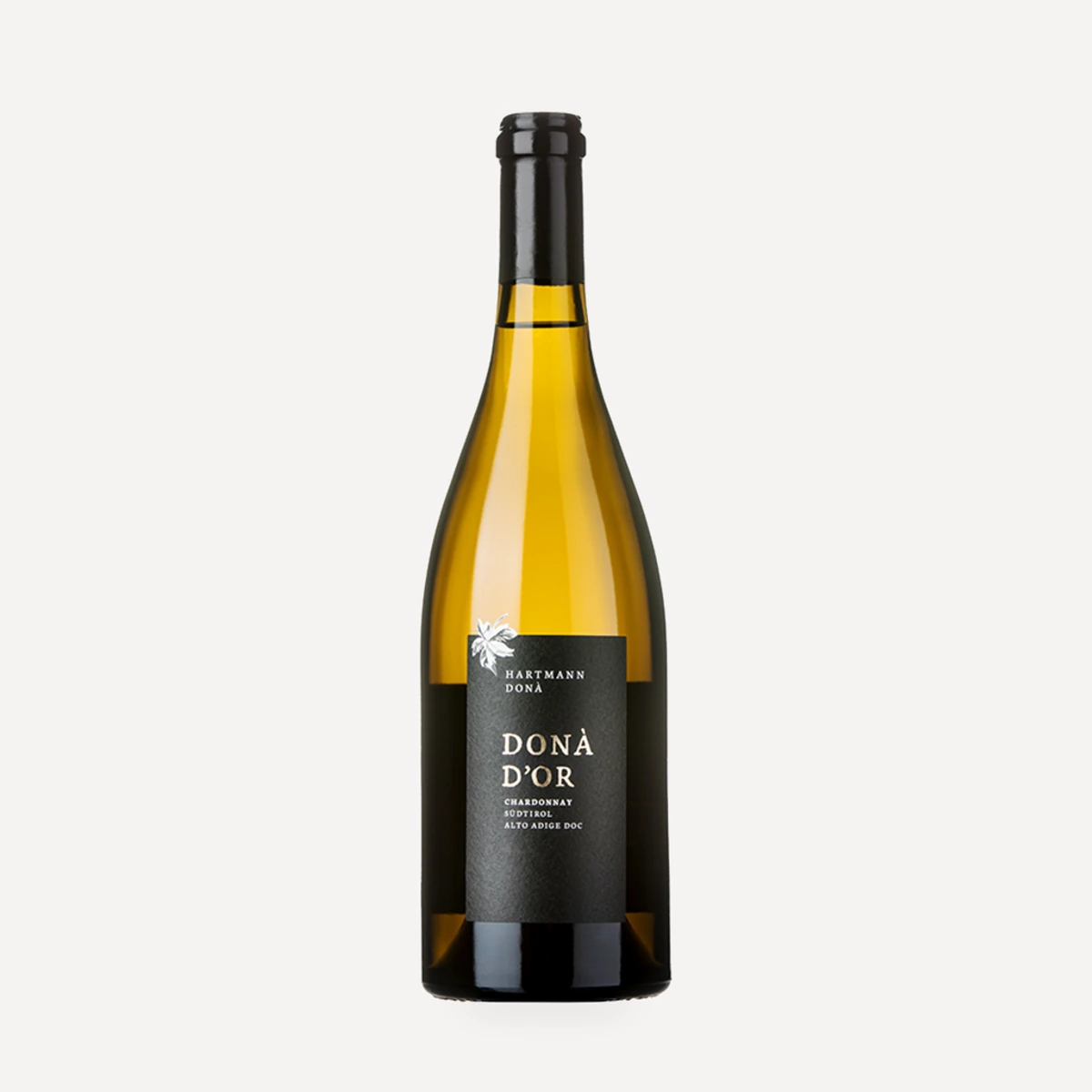
The vineyard sources encompass chalky, loamy and stony dolomitic ground; granite; reddish volcanic porphyry; light slate-gneiss; mineral-rich light porphyry; heavy clay-rich limestone; medium-heavy glacial moraine; and the glacial-moraine soils of Rungg/Maso Ronco. Chardonnay for Donà D’Or comes from three distinct vineyard sources on granite, porphyry and clay-limestone soils. Pinot Blanc and Chardonnay for Donà Blanc come from old vines divided between a light, mineral-rich porphyry soil and a heavy, clay-rich limestone soil.
Exposures, airflow and altitude
The Cortaccia source is southeast-facing at 350 metres and is among the warmest sites used for the Liquid Stone range. The steep Granit site near the entrance to the Ultimo Valley faces south; sunshine assists ripening despite an airy, cool environment influenced by winds from the Adige and Ultimo valleys. The old terraced Phyllit vineyard stands at 650 metres near the entrance to the Venosta Valley and represents the coolest, highest source in that range. The Rungg/Maso Ronco Pinot Noir slope faces east at 500 metres and is both sunny and well ventilated. The Schiava source for Donà Rouge is sunny and breezy at 450 metres. Pinot Blanc for Lisl grows at 700 metres.
Vinificazione
Hartmann Donà’s approach begins with close observation of soil, vines and weather. He regards pruning and vineyard care performed with his own hands as a meditative exchange with the plant. The work is described as manual, natural and respectful of the surrounding environment.
A holistic model is applied to the Pinot Noir vineyard at Rungg/Maso Ronco: soil, plant, animal, human and the wider natural environment are treated as interconnected. Healthy, living soils are intended to support resilient vines and expressive, individual grapes shaped by their setting.
Old vines are central to the range. Identified plantings include 35-year-old Schiava in Gegend, 40-year-old vines in Cortaccia, 40–50-year-old Schiava in the Donà Rouge source and 60–70-year-old vines in the terraced Phyllit vineyard. Deep rooting and naturally slow growth are associated with small grapes, limited yields and concentrated flavour. The Phyllit vines grow without irrigation or fertilization.
Weather determines harvest timing rather than a fixed picking calendar. Ripening is followed through the development of fruit, varietal and mineral character, with late-summer temperature contrasts carrying the grapes toward peak maturity. Fully ripe fruit is explicitly selected for several of the cellar’s wines.
Hartmann Donà directs the complete wine-growing and winemaking process according to his own interpretation of how characterful wines should be made. The cellar approach combines accumulated knowledge with intuitive observation. Vinification is described as gentle, natural and designed to retain the personality created in each vineyard.
Fermentation and maturation vary according to the raw material. Red grapes may ferment slowly on their skins for several weeks in wooden or oak vessels, using natural yeasts. Schiava from the Liquid Stone vineyards is fermented in wooden vats and then generally matured for nine months in wooden barrels. Pinot Noir is handled gently, fermented exclusively with natural yeasts in oak vessels over several weeks, matured for approximately two years in wooden barrels and then given an equally long period in bottle.
White grapes may be gently pressed before several weeks of fermentation in wooden barrels. Natural malolactic fermentation is used for Donà Blanc, followed by 18 months of contact with the lees in wood. Chardonnay for Donà D’Or undergoes spontaneous fermentation, malolactic fermentation in wooden barrels and extended maturation on the lees.
The fresh Pinot Noir receives gentle, natural vinification and approximately nine months in wooden barrels. Lagrein spends one year in oak. The traditional-method Blanc de Rouge is produced by gently pressing Schiava for white-wine vinification, followed by bottle fermentation and approximately 30 months on the lees.
Time is treated as an active part of production rather than a fixed commercial schedule. The principal reserve wines may require about four years to reach full maturity, and individual wines are observed and refined according to their own developmental rhythm.
Filosofia
Hartmann Donà defines wine as a living natural product shaped by mountain landscapes and by the interaction of soil, grape variety and weather. His objective is not uniformity but wines that preserve the small differences between vintages characteristic of an unaltered agricultural product.
He presents himself as a nonconformist and a free spirit of oenology. The entire process follows his personal understanding of how a wine of character should be created. In the cellar, knowledge is joined with intuitive perception: each wine is observed, understood and refined according to its own rhythm rather than forced into a predetermined timetable.
Time is a central principle. It is regarded as energy, a space for reflection and a patient master that releases the work only once it is complete. Great wines are expected to develop slowly, finding harmony among fruit, freshness, minerality and aroma. The reserve wines are consequently allowed several years to mature.
The vineyard is the foundation of this philosophy. Careful hand pruning, respect for old vines and sensitivity to natural rhythms form the practical expression of Hartmann Donà’s values. His holistic viticultural ideal seeks harmony among healthy soil, plants, animals, people and the wider natural environment.
The intended wines are individual, authentic and capable of expressing both their origin and their vintage. Elegance, harmony, alpine freshness, minerality, depth, persistence and longevity are recurring objectives. Hartmann Donà is particularly interested in varieties and old vineyards whose potential has been overlooked, exemplified by his reinterpretation of old-vine Schiava.
Vini
Dolomit
Donà Blanc
Donà Lisl
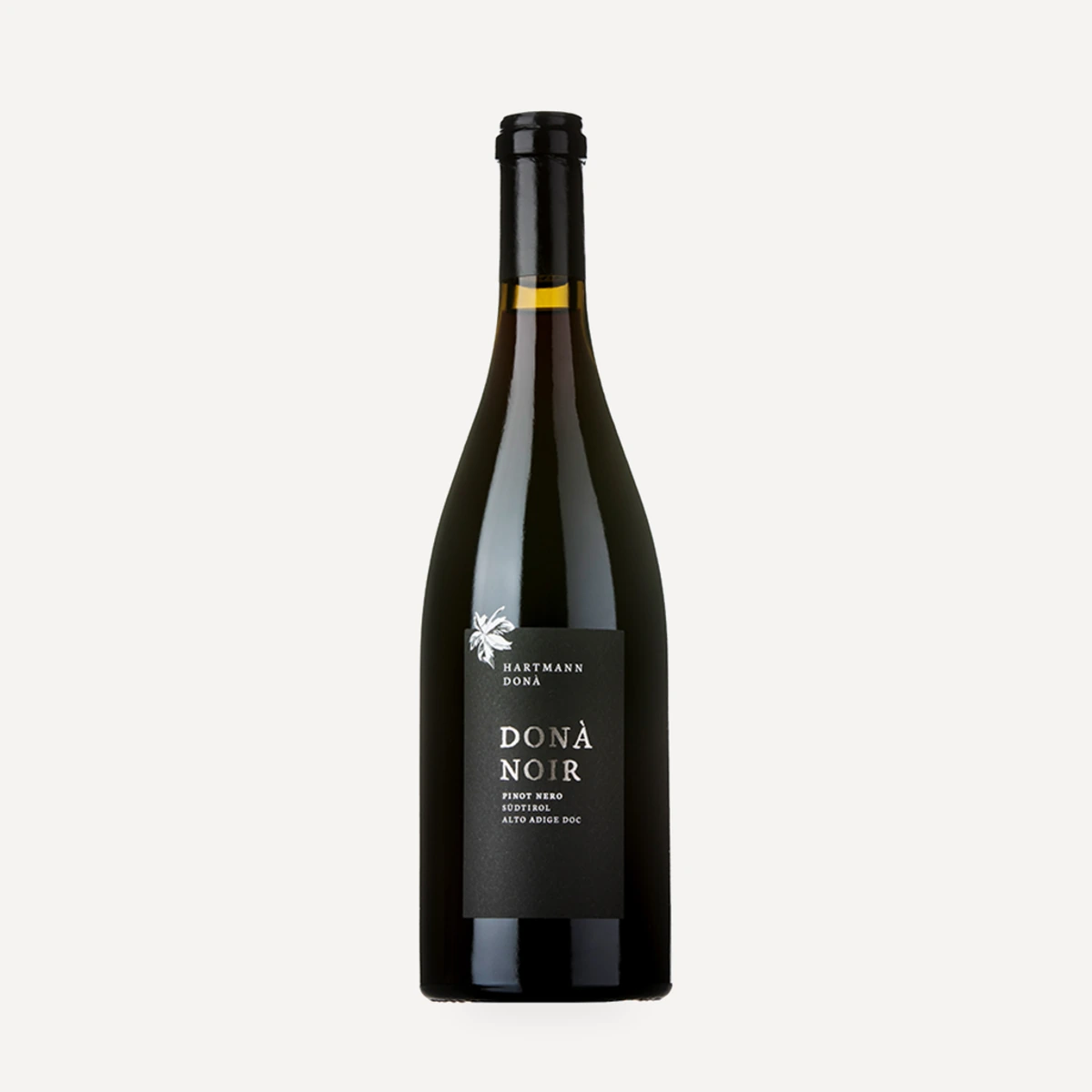
Donà Noir
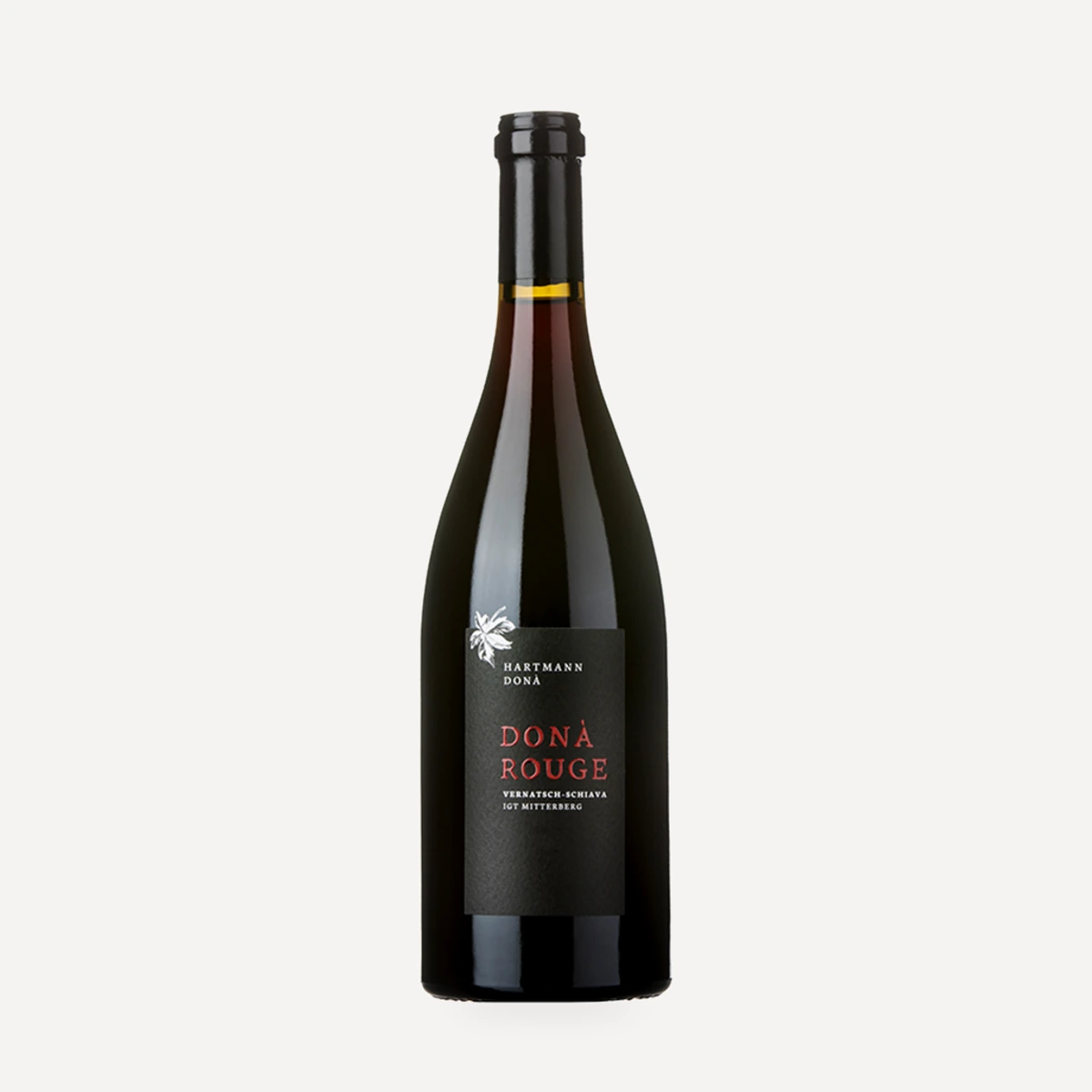
Donà Rouge
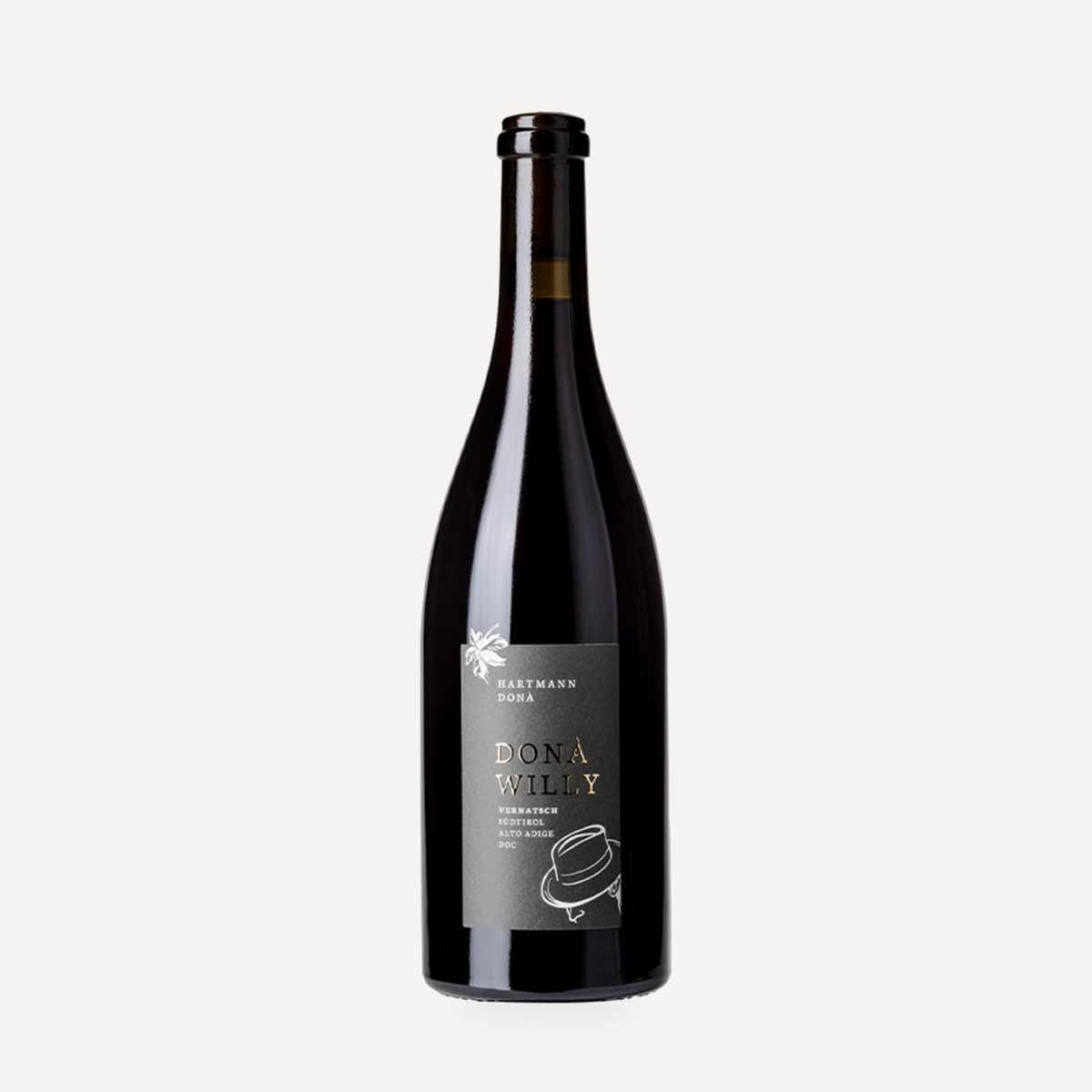
Donà Willy
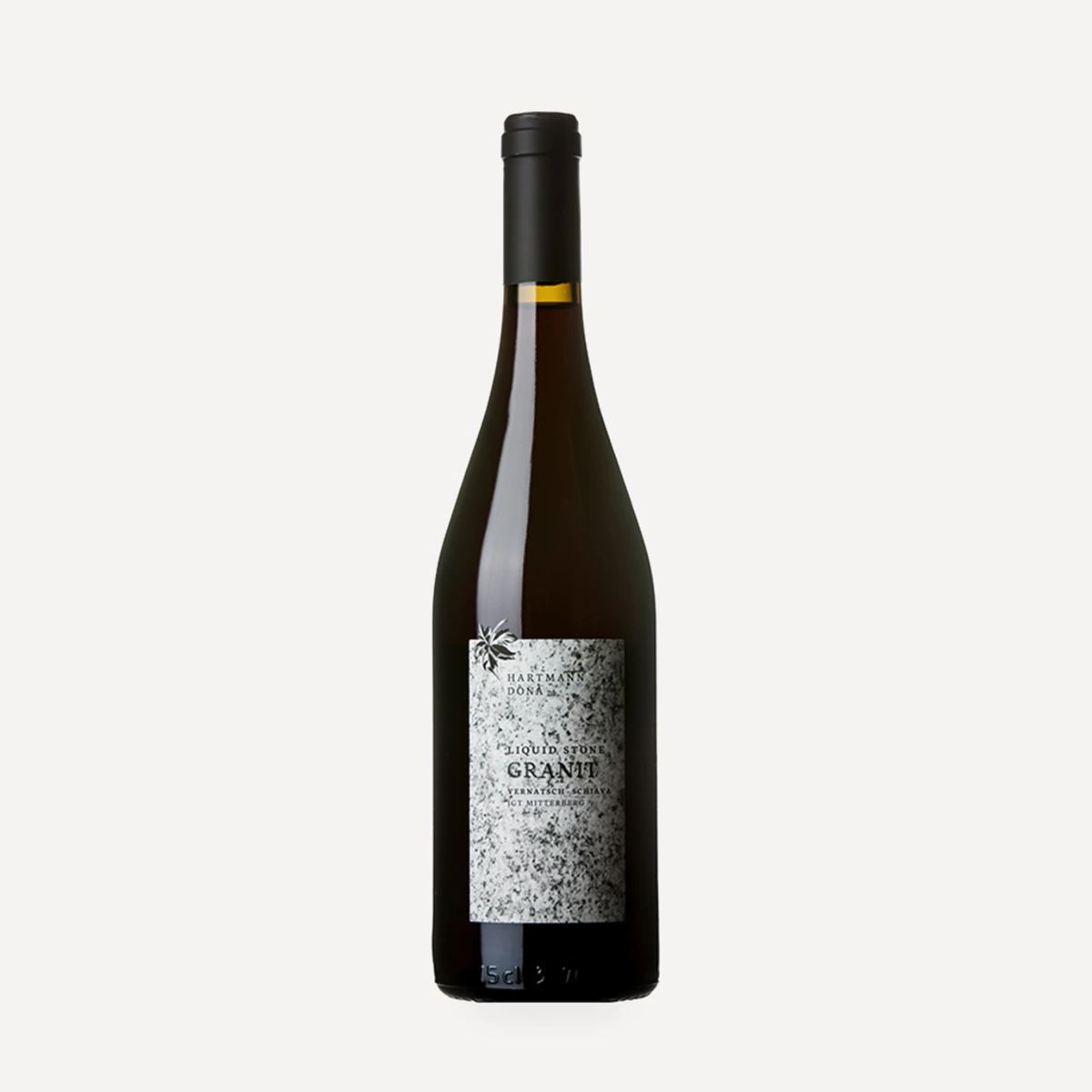
Granit
Phyllit
Vulkanit
Blauburgunder
Donà D'Or
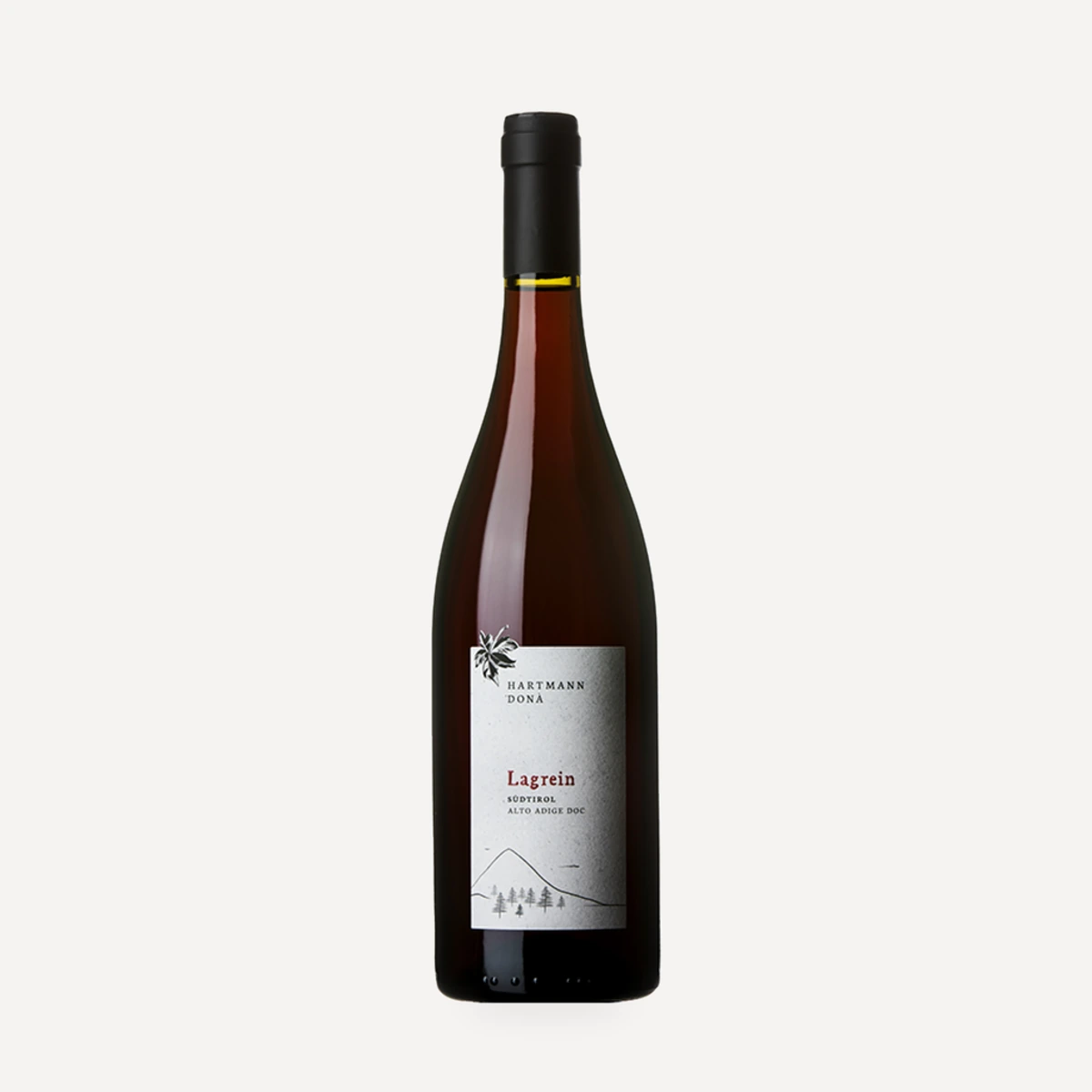
Lagrein
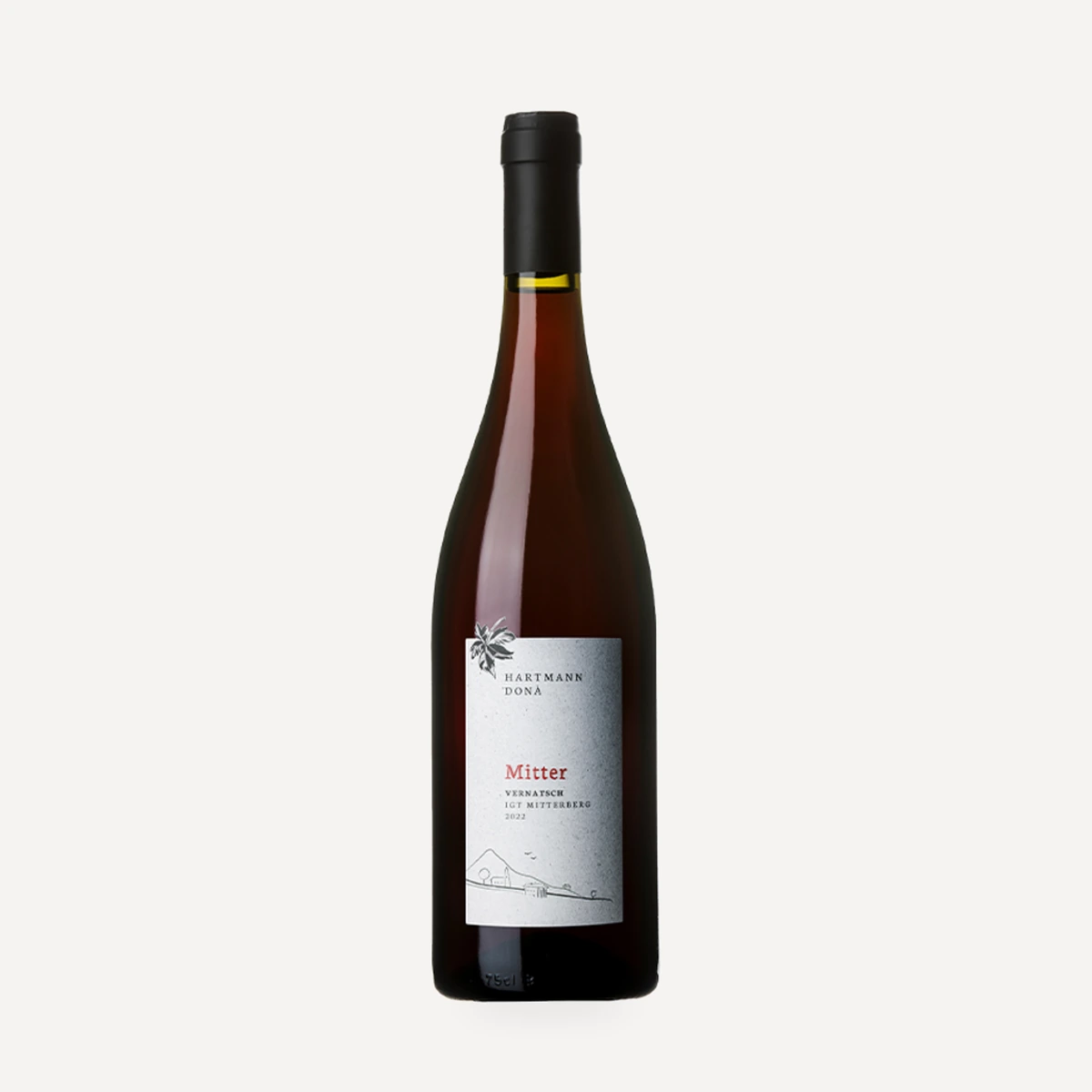
Mitter
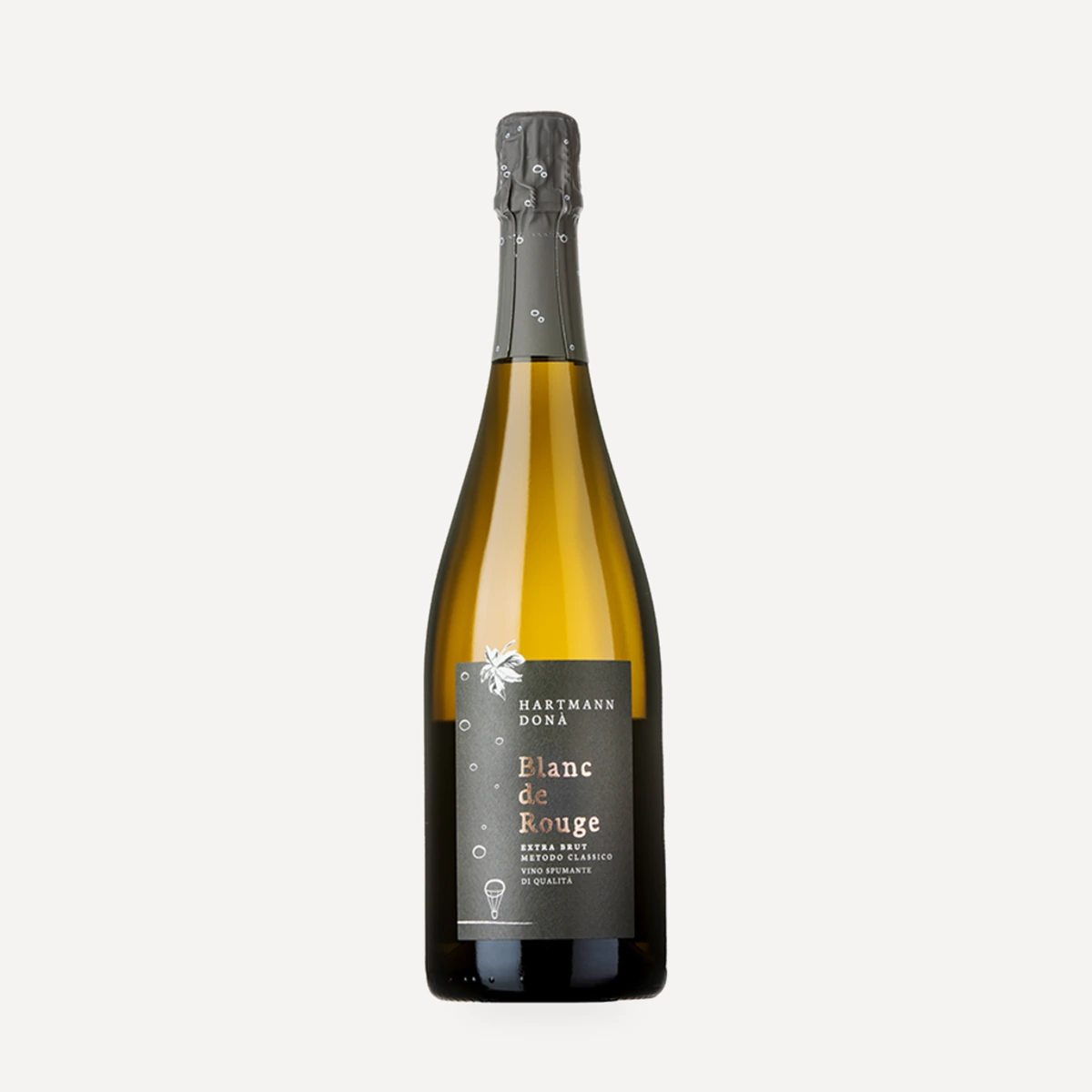
Sekt Blanc de Rouge
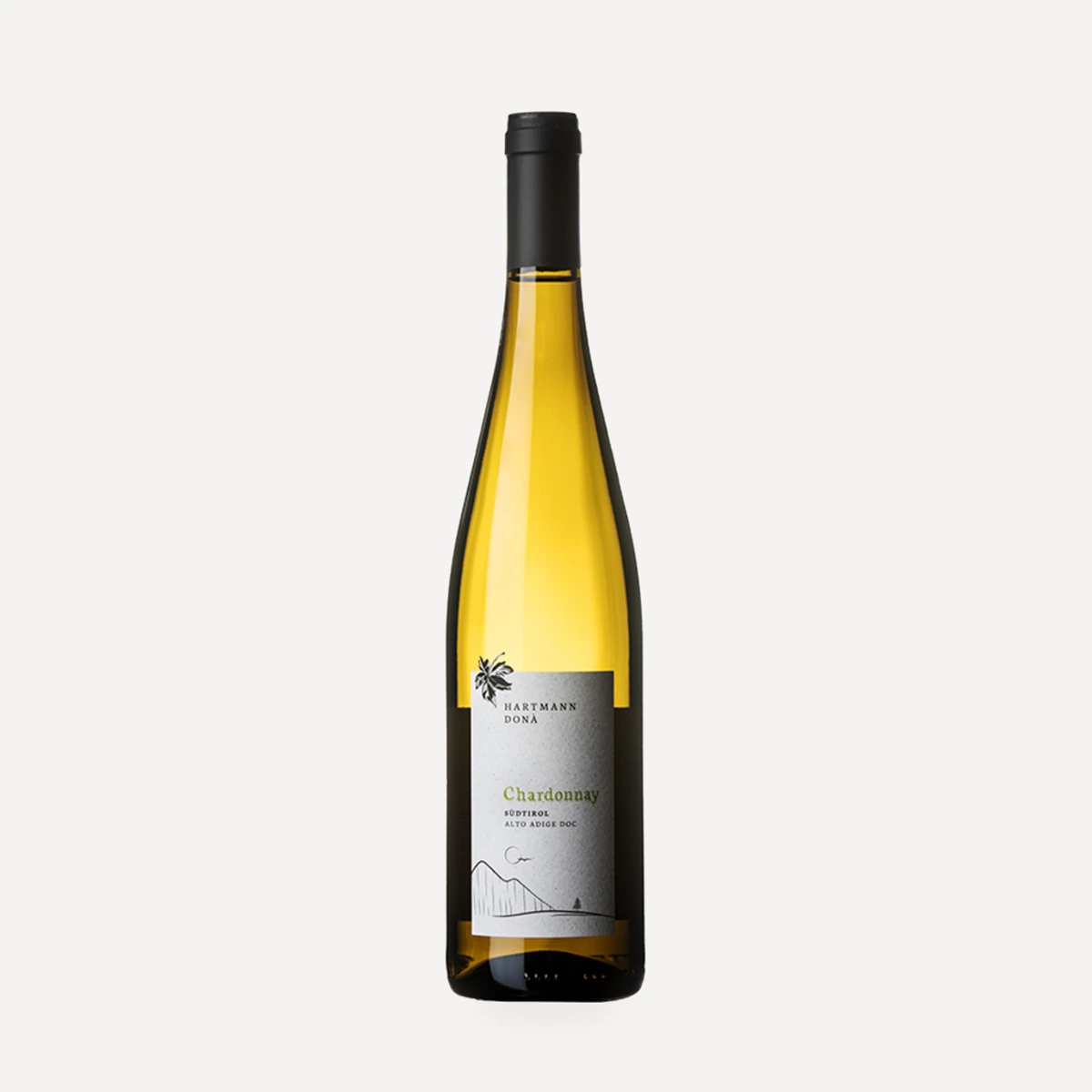
Chardonnay
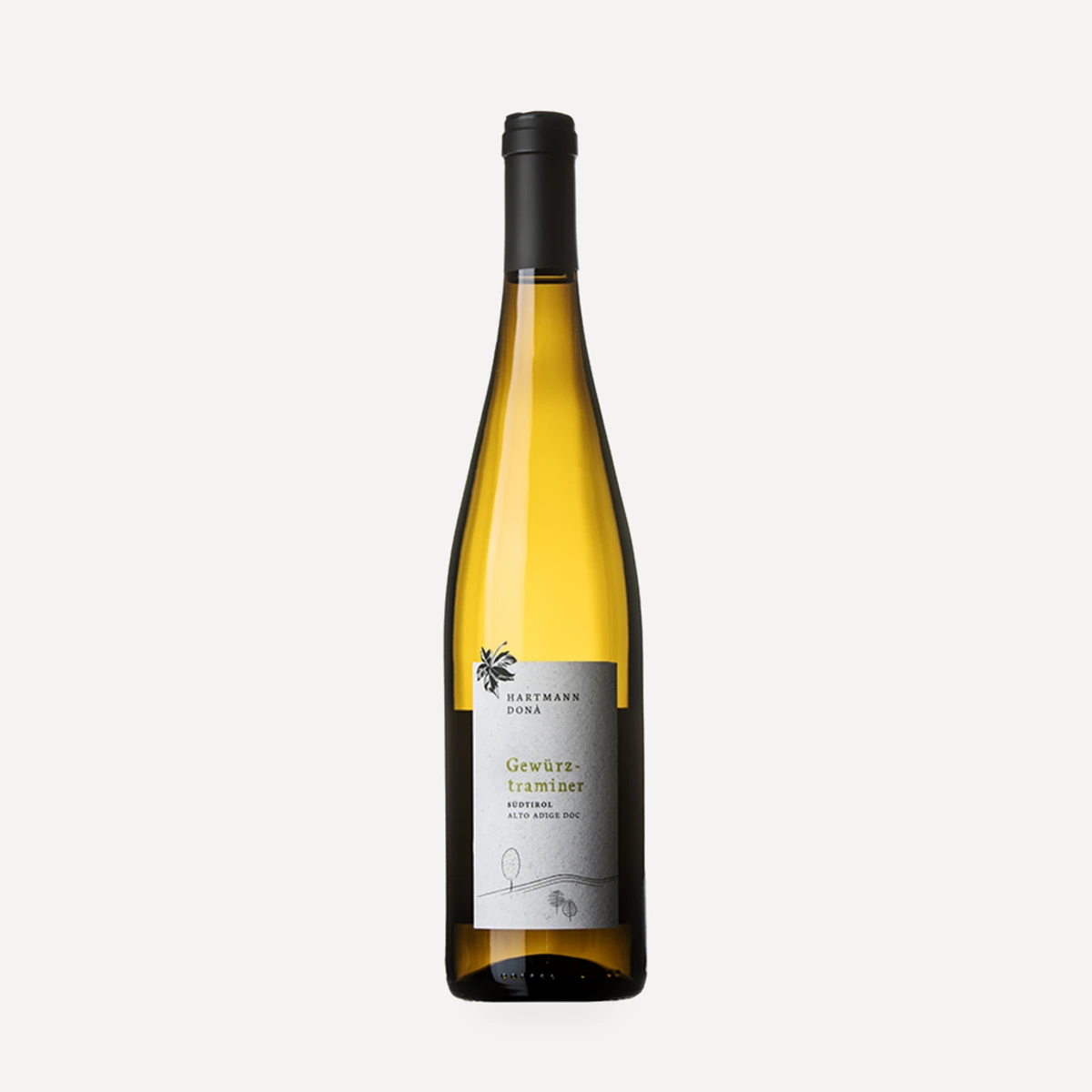
Gewürztraminer
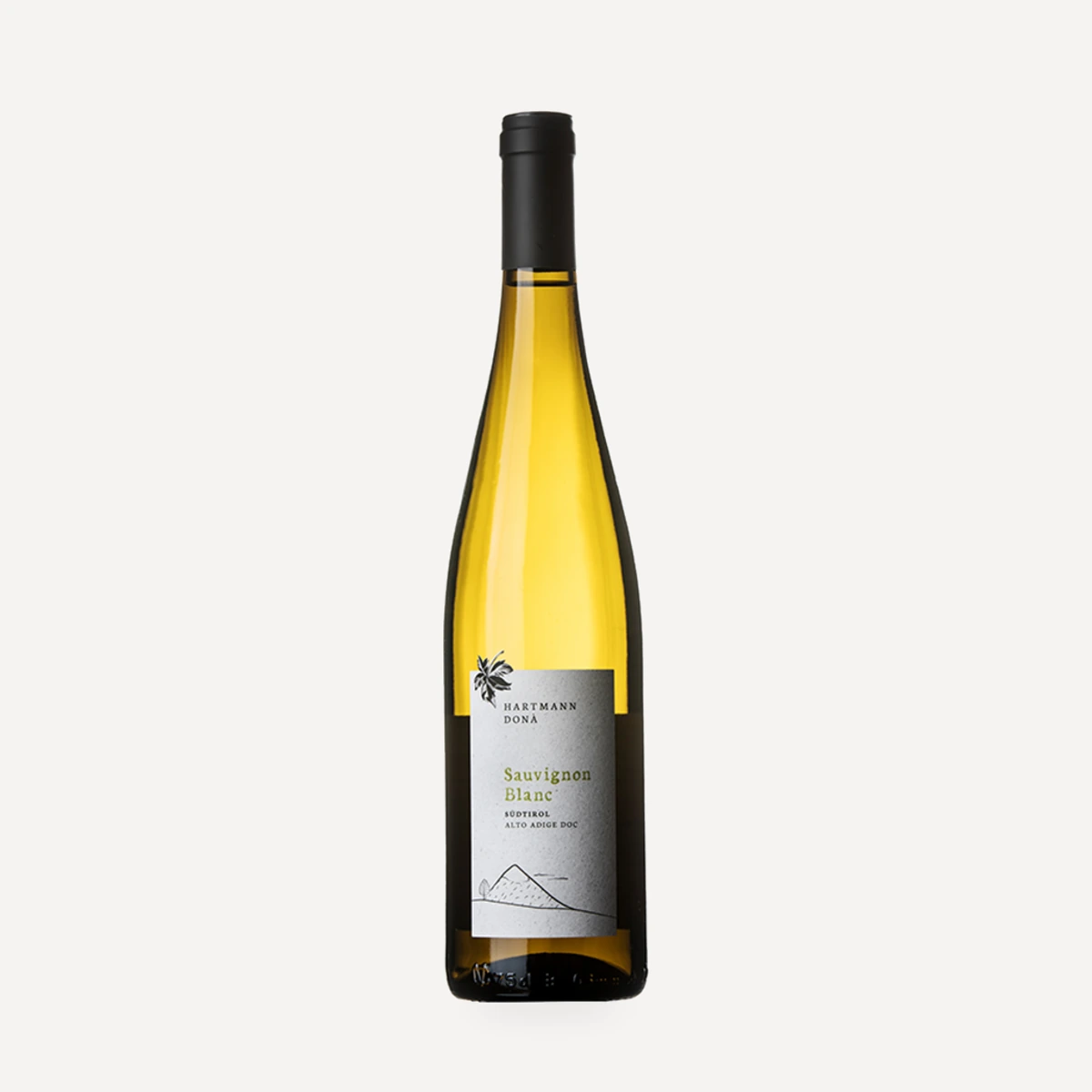
Sauvignon Blanc