Storia
The family vineyards
Klaus Schroffenegger’s parents established the foundations of the vineyards and cultivated them for many years. Their work left him old, healthy vines to continue tending, while the family remained closely involved in the labour of maintaining the property.
Experience abroad and return to South Tyrol
Before developing his own wines, Klaus explored winemaking in Australia, the United States and France. He eventually returned to South Tyrol, having concluded that he felt most at home in nature. Those international experiences contributed to an approach deliberately presented as unlike conventional South Tyrolean wine, although rooted in the family vineyards above Bolzano.
HochKlaus
Back in Karneid, Klaus assumed responsibility for nurturing the vineyards established by his parents and began expressing his own ideas through wine. He organised the estate around the interaction of people, animals, plants and the atmosphere, treating it as a natural cycle rather than a conventional showcase winery.
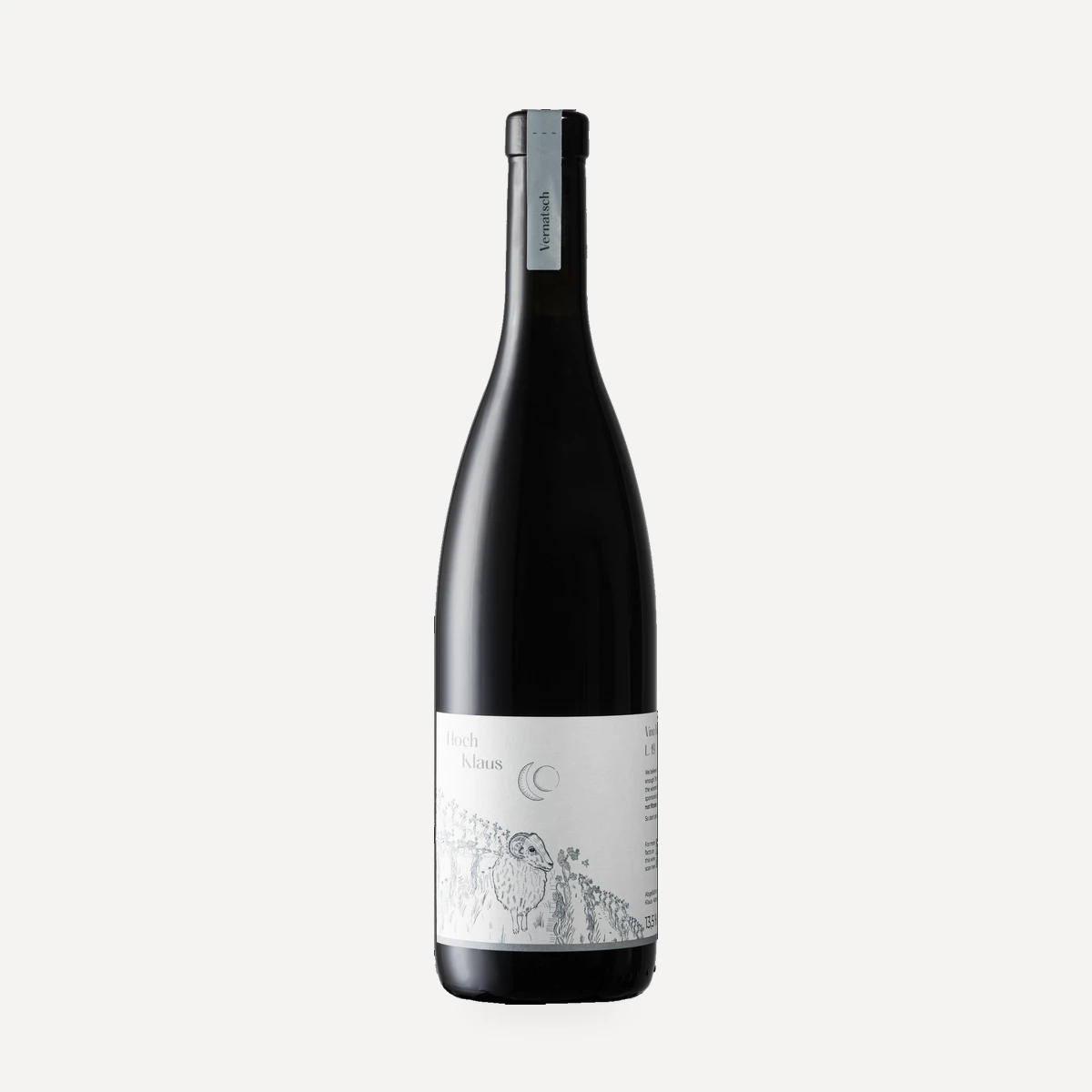
In 2021, Klaus bottled his first vintage. The resulting range developed into three lines—HochKlaus, Amphora and Orange—united by spontaneous fermentation, the absence of additives and unfiltered bottling. The cellar and vineyard work also became aligned with lunar phases: vines are planted during the waning moon, while racking and bottling take place at full moon.
Terroir
HochKlaus lies high above Bolzano in Karneid, with vineyards between 350 and 650 metres above sea level. The slopes represented in the current range run from approximately 35% to 85%, including particularly steep Riesling ground at 75–85%.
The vineyards face south and south-west and receive sunlight from morning until late evening. Pergola training and late leaf removal help protect the grapes from heat. A cool breeze arriving from the Eggental, or Ega Valley, contributes freshness and perceptible acidity.
The vines grow in poor, loamy-sandy soils over porphyry. These relatively sparse soils moderate vine growth and support balanced ripening.
Vinificazione
HochKlaus approaches the farm as a cycle joining people, animals, plants and the surrounding atmosphere. Sheep are the first step toward a more closed agricultural system, and Klaus intends eventually to introduce additional livestock. The flock performs part of the mowing, including grazing between harvest and budbreak in most vineyard blocks and year-round in one Pinot Blanc block.
Insecticides and herbicides are excluded, increasing the need for manual labour. Vineyard work includes pruning, plant treatments, soil cultivation and mowing. Homemade nettle and dandelion teas are applied throughout the year as preventative, nature-based protection against vine diseases.
Permanent or seasonal greening, fruit trees and other plants are used to interrupt the vineyard monoculture and increase plant diversity. Pergola training and late defoliation protect fruit from heat on the sun-exposed slopes.
Vineyard operations follow the lunar cycle. New vines are planted only during a waning moon. The same lunar framework extends into the cellar, where racking and bottling are performed at full moon.
HochKlaus follows a low-intervention approach throughout the range. Every wine is fermented spontaneously, made without additives and bottled without filtration. Cellar operations are coordinated with the lunar cycle, with racking and bottling carried out at full moon.
White-wine production can begin with whole-bunch pressing, followed by spontaneous fermentation. Wines may mature on gross lees in tonneaux, wooden barrels or buried clay amphorae. The estate uses amphorae of at least 450, 700 and 80 litres. Depending on the lot, élevage extends from approximately 11 months to as long as five years. Components of a cuvée may be matured separately in clay amphorae or wooden barrels before blending.
For red and orange production, spontaneous skin fermentation may include 25–50% whole bunches. Remaining fruit can be crushed by foot. Skin contact for the orange wines lasts two to three weeks, followed by as much as three years of ageing on fine lees in oak barrels.
Amphora wines ferment and mature in vessels buried in the ground. Examples include 15 months on gross lees for Riesling and 22 months for Pinot Blanc. Petit Manseng destined for sweet wine is dried for three months after harvest, crushed, fermented spontaneously on the skins for one week and aged on gross lees for as long as five years in an 80-litre amphora.
Across these methods, the common elements are spontaneous fermentation, prolonged lees contact, restrained handling, no additives and unfiltered bottling.
Filosofia
Less is enough
HochKlaus defines its work through restraint. Klaus seeks to create wines that remain as unaltered as possible, treating himself as an intermediary who represents nature and conveys its story. His stated aim is to encourage natural processes instead of obstructing them.
The estate is conceived as a continuous cycle involving humans, animals, plants and the atmosphere. This framework connects biodiversity, livestock, vine health, cellar work and lunar timing rather than treating them as separate concerns.
Authenticity over display
Klaus favours practical self-sufficiency and an unpolished, honest working farm over glamour. The intended result is wine characterised by authenticity, honesty and vitality. Family support and the health of the old vines are treated as essential to the demanding, continuous work of caring for the vineyards.
Unbiased tasting
HochKlaus deliberately omits conventional tasting descriptions from its wine presentations. The intention is for drinkers to form their own impressions without being guided by a prescribed flavour profile.
Vini
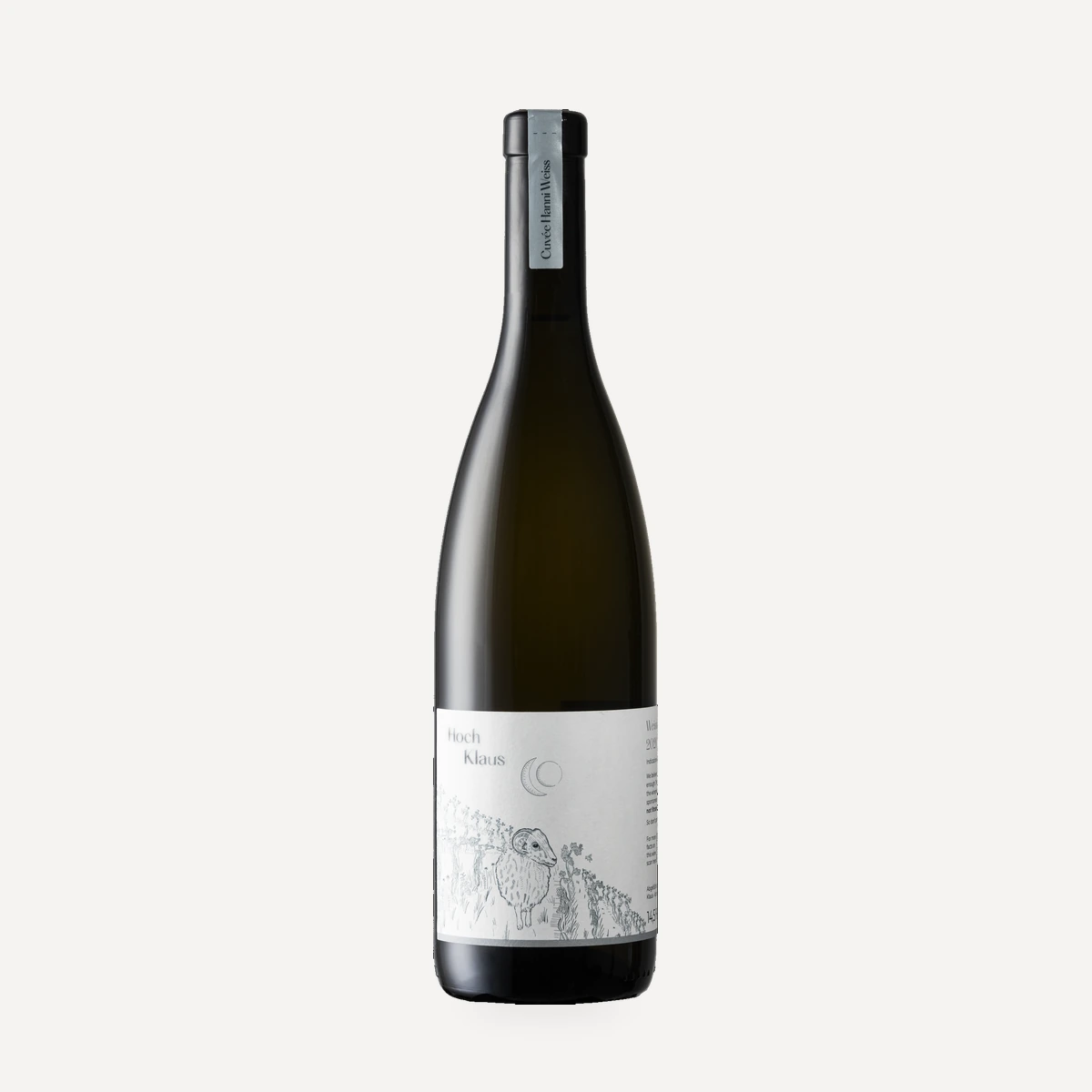
Cuvée Hanni
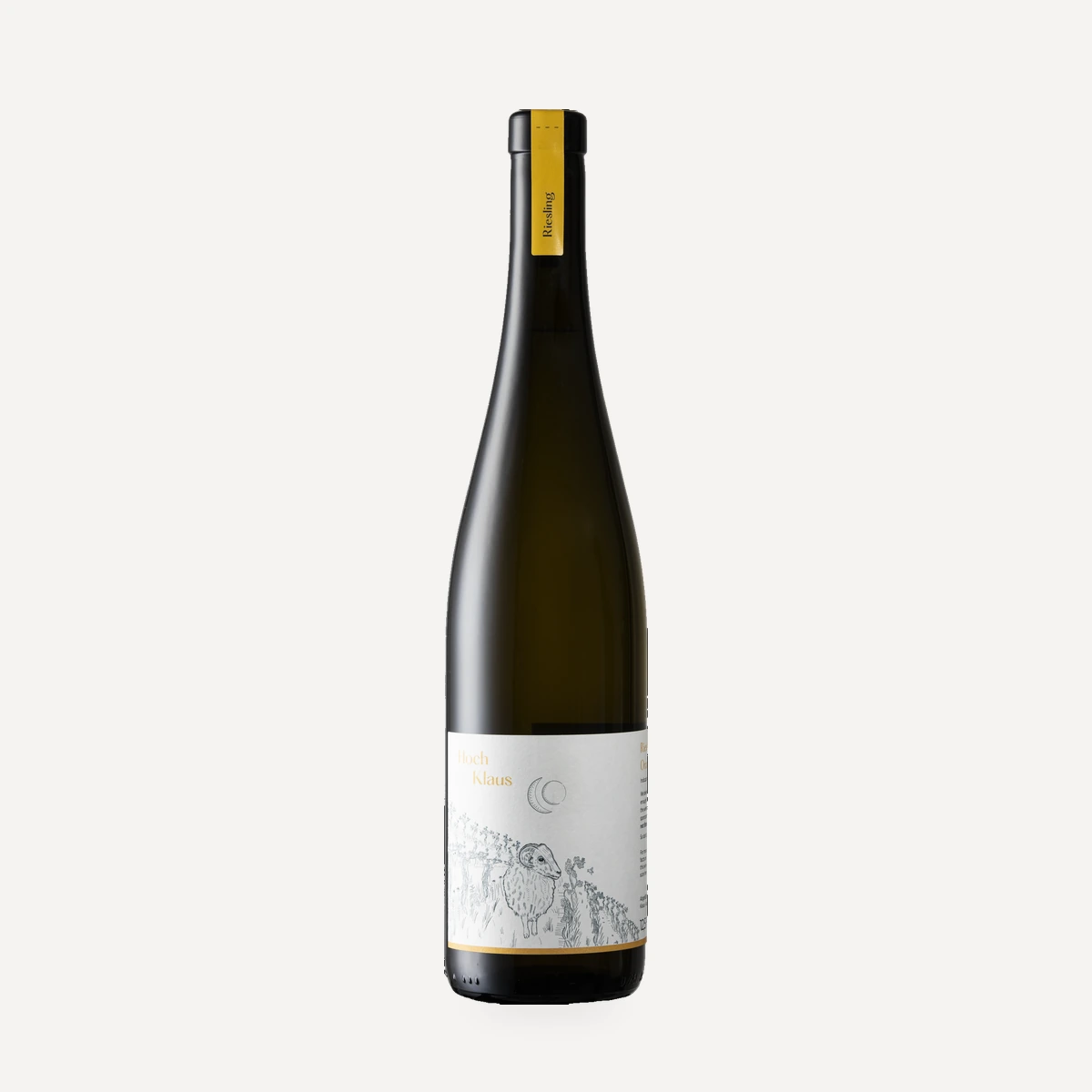
Riesling Orange
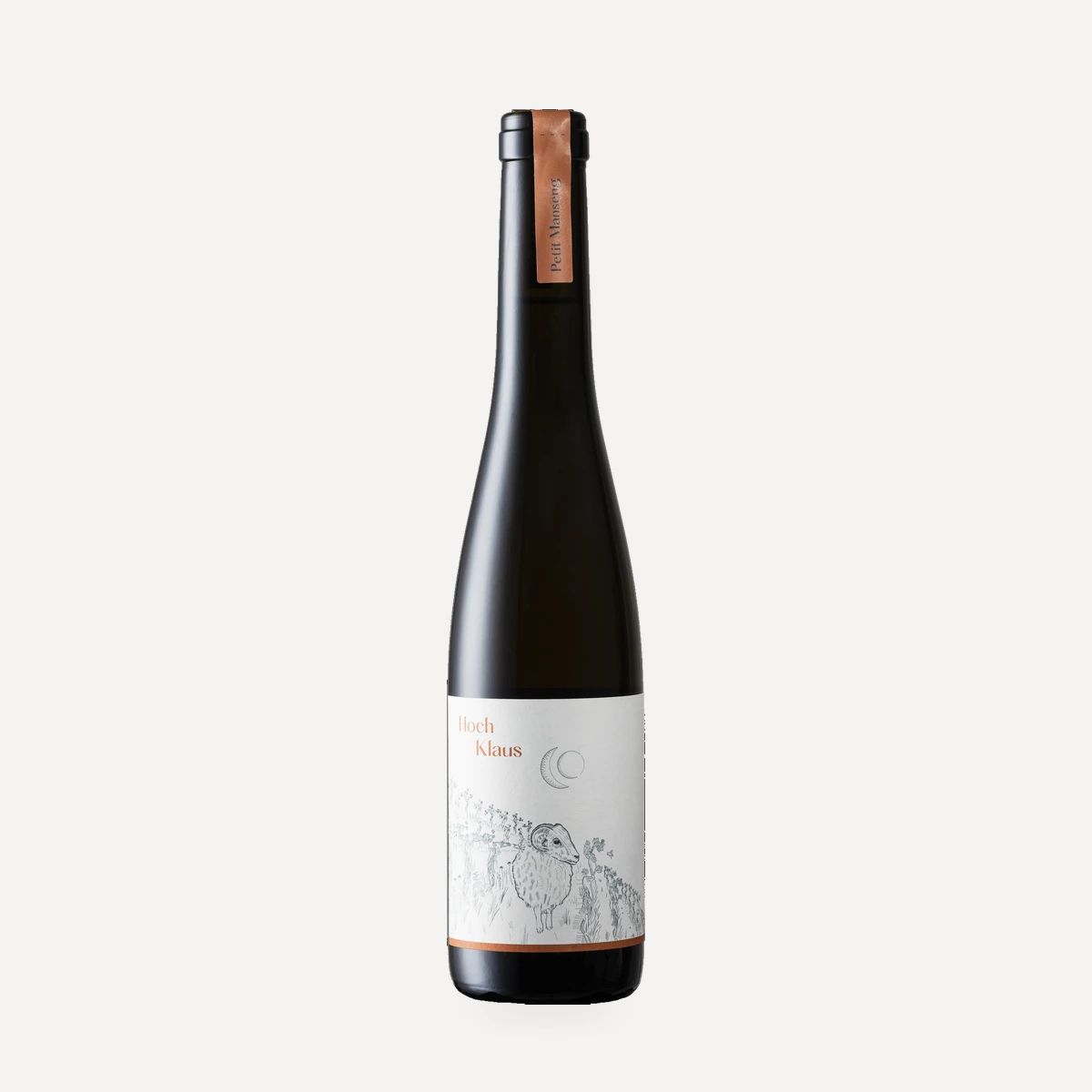
Petit Manseng Amphora
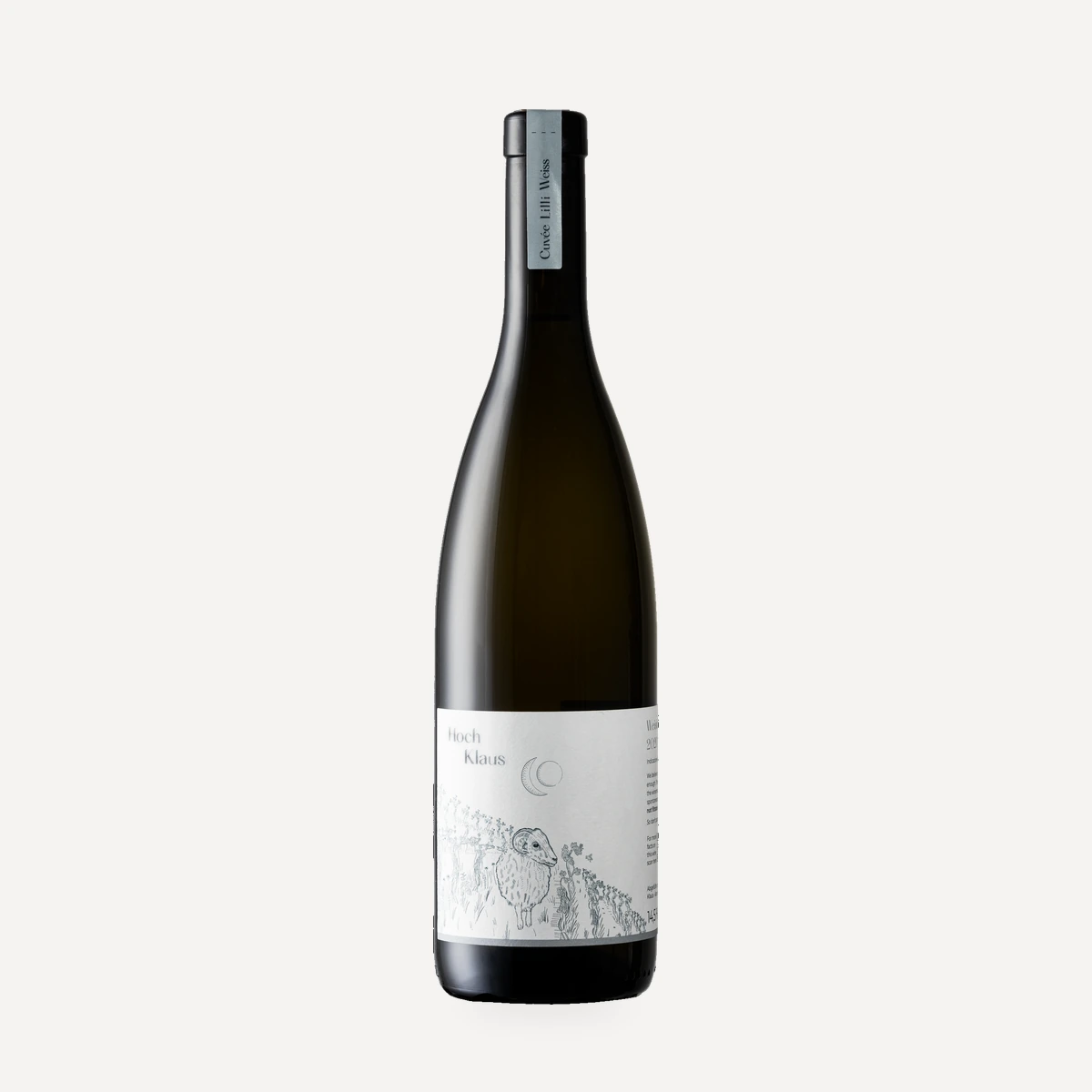
Cuvée Lilli
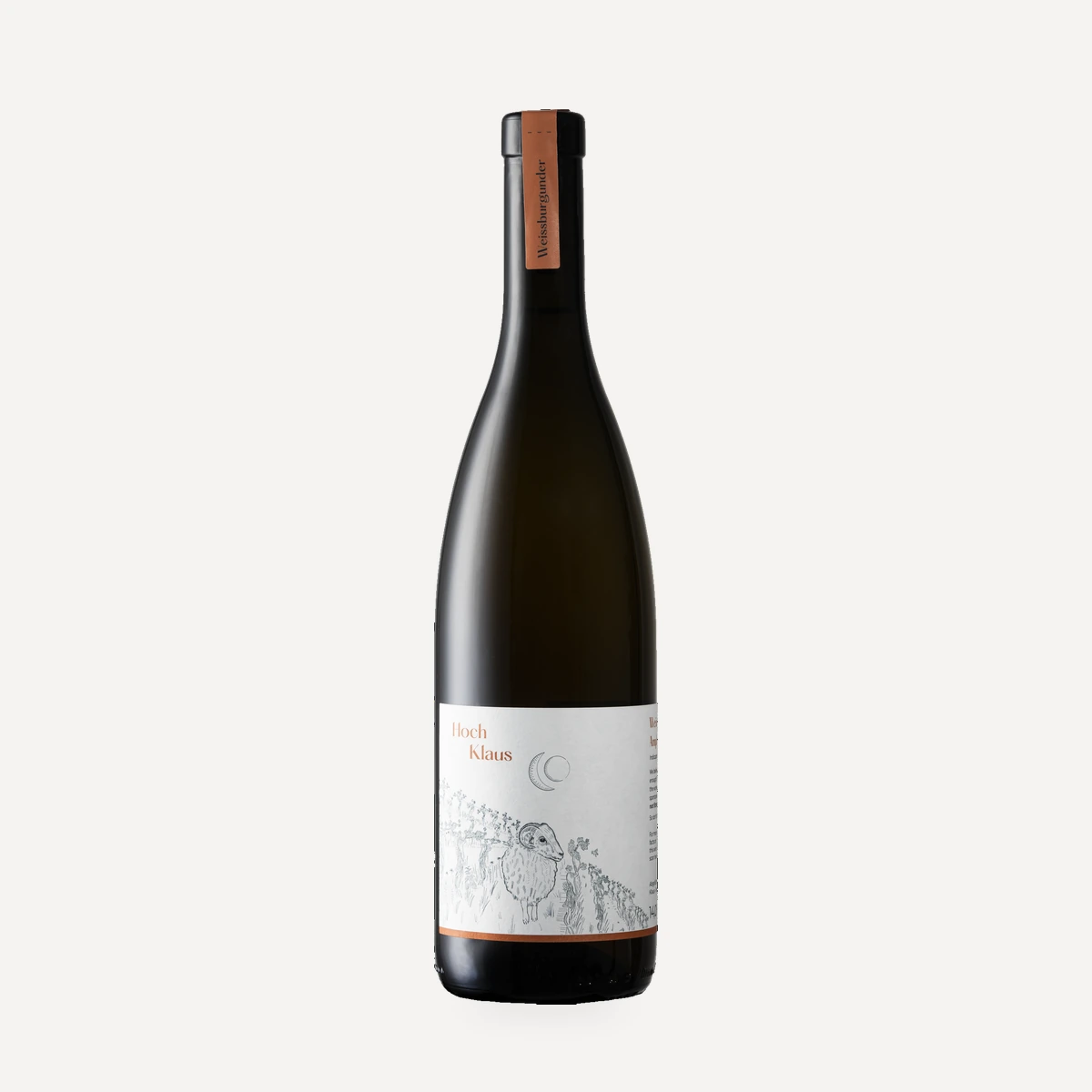
Pinot Blanc Amphora
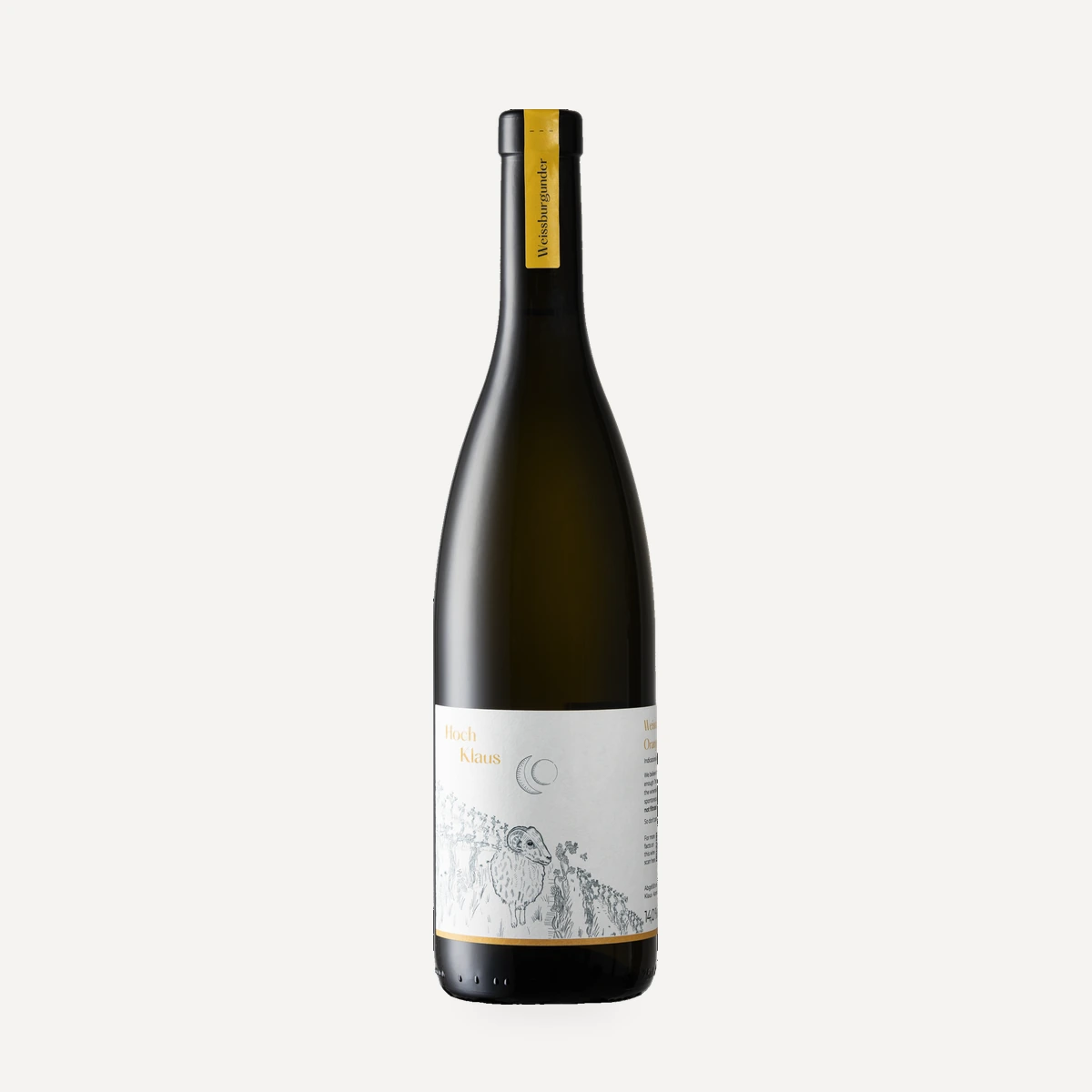
Pinot Blanc Orange
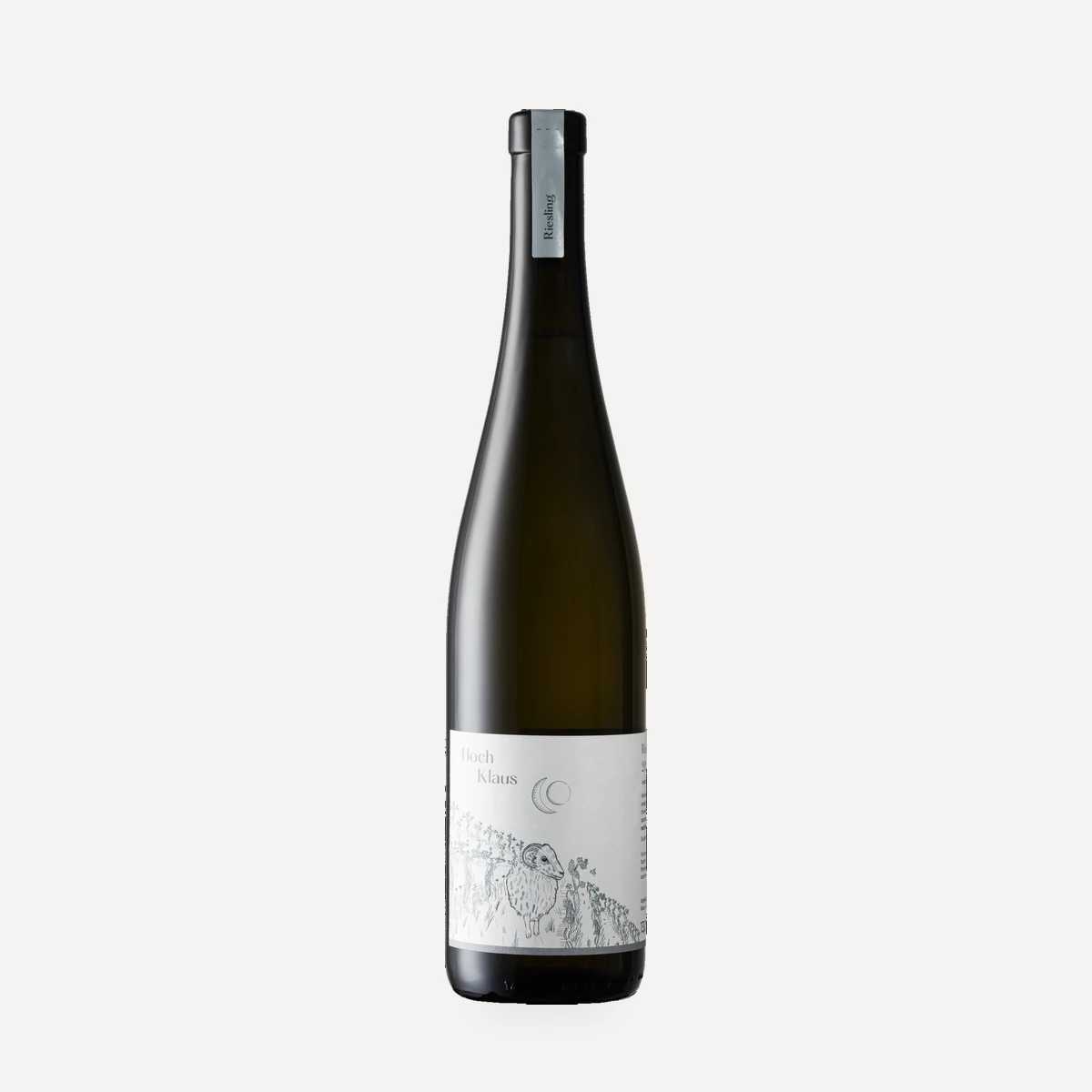
Riesling
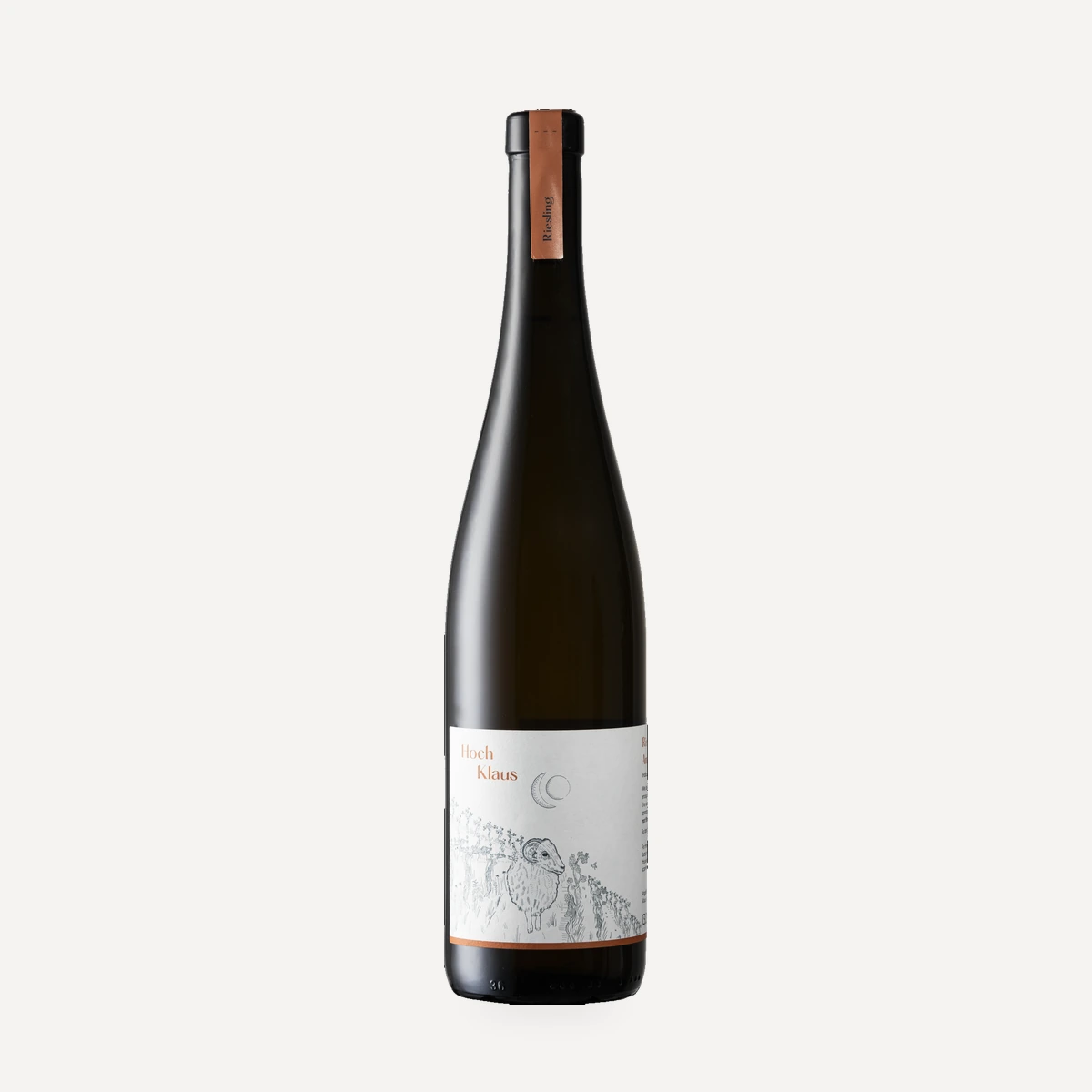
Riesling Amphora
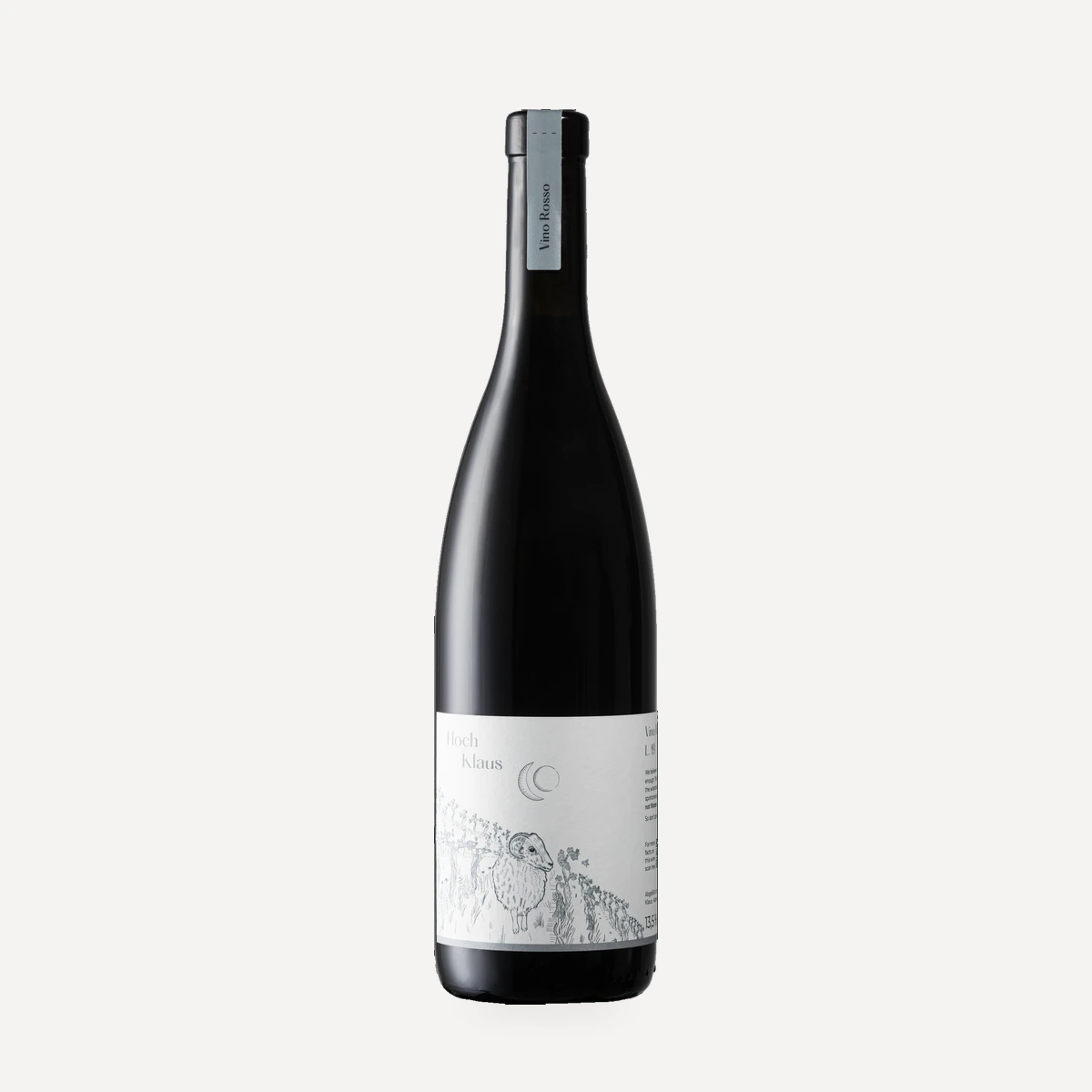
Vino Rosso
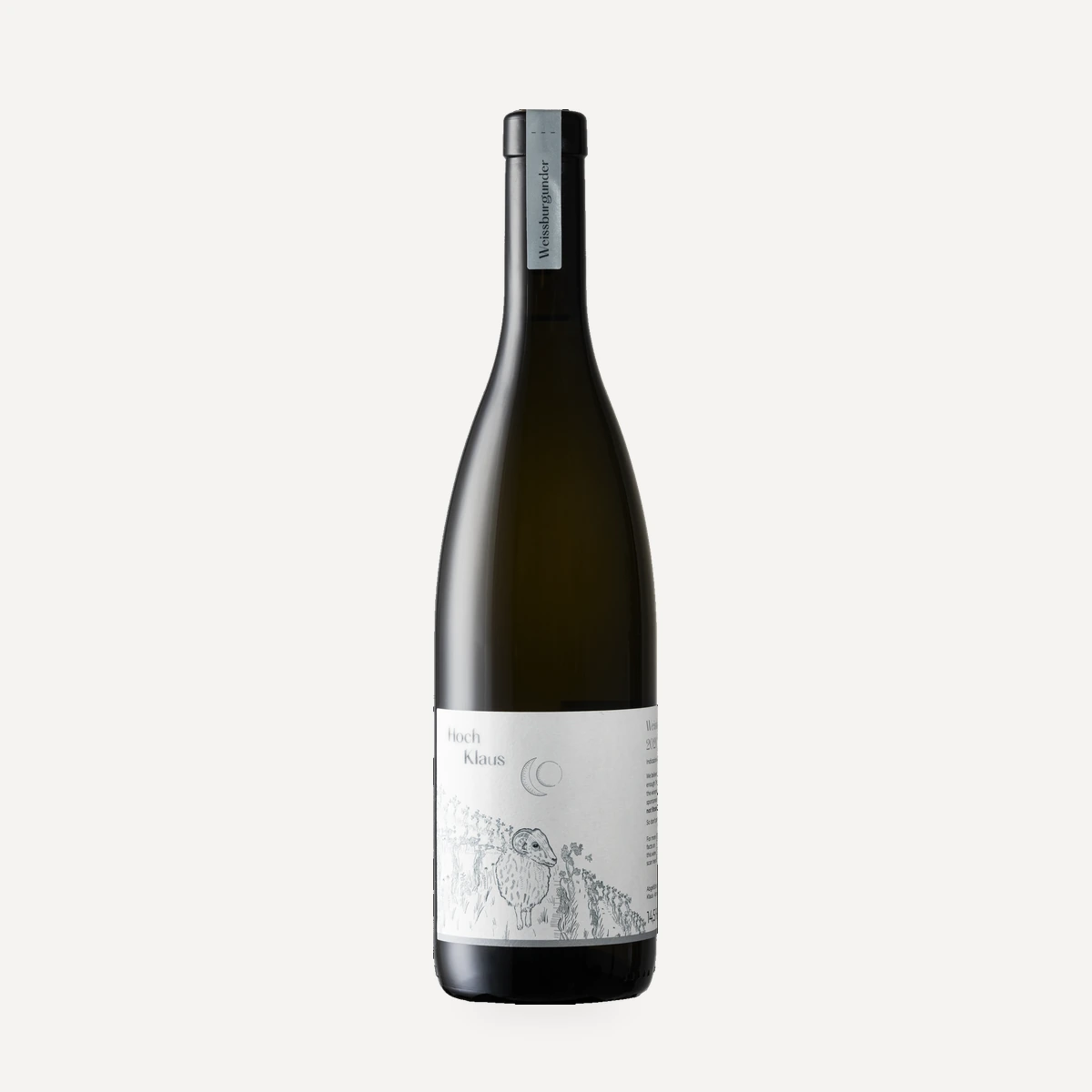
Pinot Blanc