Storia
The family vineyard
Il Roccolo di Monticelli grew from the family's decision to recover an old vineyard in the eastern part of the Province of Verona and make wine while respecting its surrounding environment. The family had already produced small quantities of wine for its own consumption for several years before the enterprise became a full-time occupation.
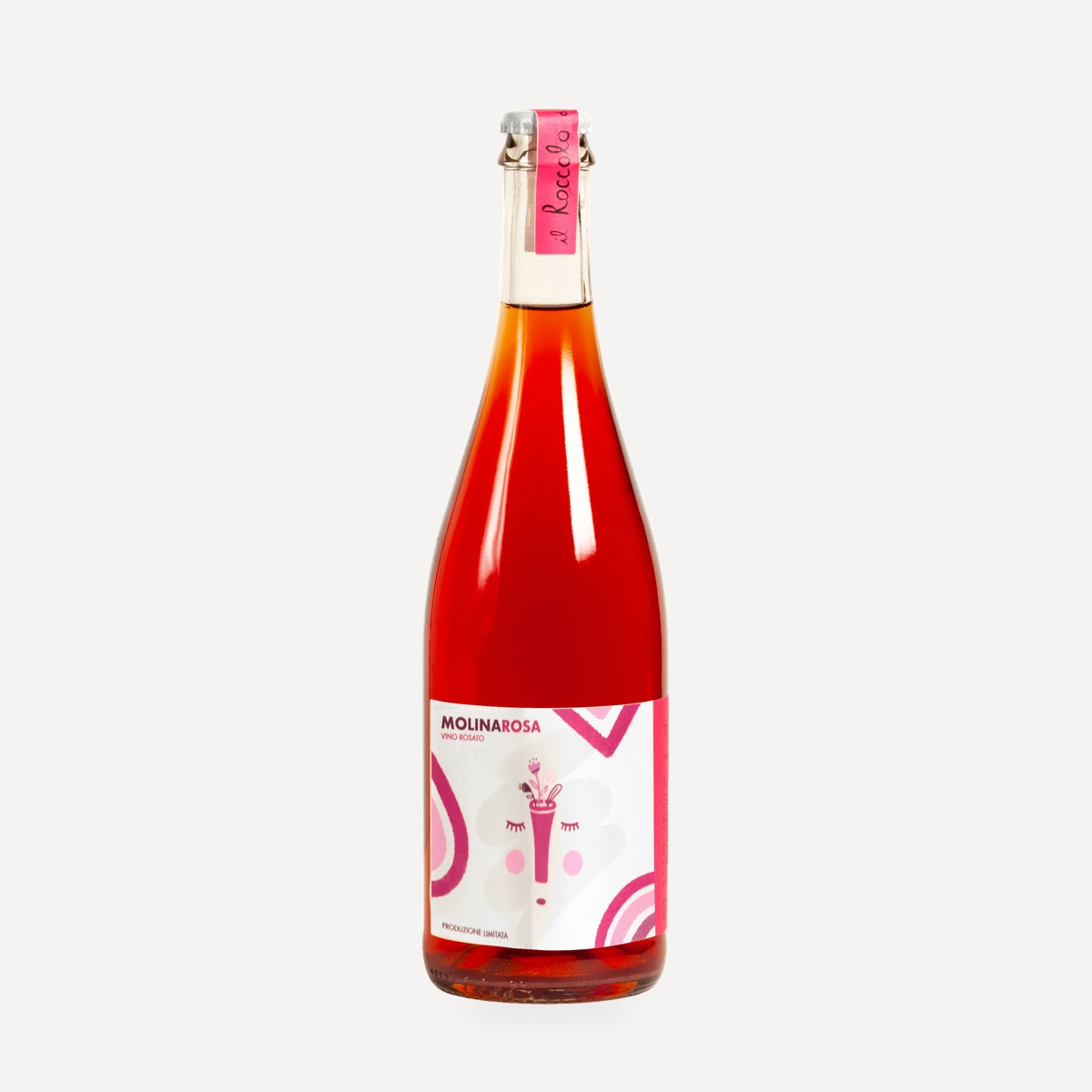
The property occupies a small walled clos in the limestone hills of the Vallata di Mezzane. The high stone enclosure survives from the period when the land belonged to the count who lived in the villa at the bottom of the valley. Much of the vineyard is described as old, with vines dating broadly from the 1960s. Vineyard descriptions identify white-grape plantings from 1970, a red-grape planting from 1980, Molinara planted in 2001 and 2015, and younger mixed red plantings established in 2015. The vineyards stand beside a small grove of centuries-old olive trees.
The entire property is terraced with dry-stone walls locally called marogne. These terraces are treated both as a working part of the vineyard and as a cultural inheritance expressing the historical relationship between people and the landscape.
2015: full-time activity begins
In 2015, after completing university studies in agriculture, Silvia assumed direct responsibility for the family vineyard. She worked the land personally with the assistance and support of her uncle Maurizio. From that year, the family moved from making small quantities for itself to devoting itself full-time to viticulture and wine production.
Silvia subsequently took charge of agronomy, vinification and commercial work. Maurizio supported the vineyard and cellar activities, accompanied her to fairs, helped determine how incoming grapes would be handled and organized food for tastings and harvest meals. Paola assumed the administrative and accounting work. Other members of the large family are called upon to assist in both vineyard and cellar when required. The family emphasizes that it does not come from a farming background.
Vineyard renewal and diversification
Alongside the inherited old vines, the family planted a small area of younger vines during the first years of activity. The estate remained focused exclusively on locally established grapes: Garganega and Trebbiano di Soave for white wine, and Corvina, Corvinone, Rondinella, Molinara and Oseleta for red and rosé wines.
The agricultural project expanded beyond vines. Old fruit varieties, edible berries and aromatic plants were introduced to form ecological corridors. Beehives were added to support pollination, with honey production kept secondary and reserved for family consumption. Sheep, goats and chickens became part of the farm and help manage vegetation beneath the vines and along the terrace risers.
2018 and the development of longer-aged wines
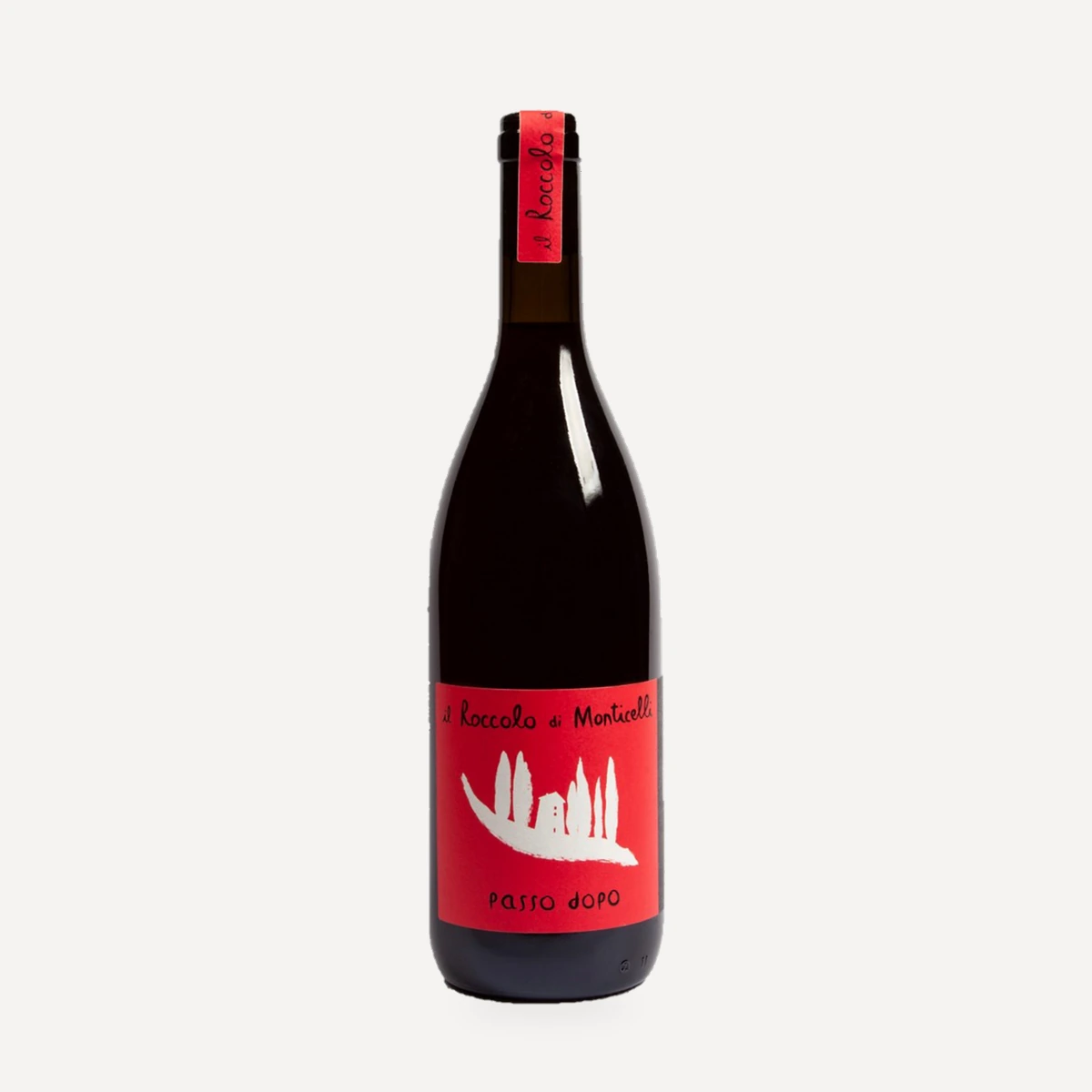
The first vinification of Passo Dopo took place in 2018. Its name emerged during repeated tastings from a large cask: for more than ten months, the wine was considered still in evolution and better revisited later. The episode became an expression of the estate's willingness to wait for a wine to develop at its own pace.
Across the range, production developed around spontaneous fermentation, indigenous yeasts, skin contact of varying duration, avoidance of filtration and minimal intervention. Depending on the intended expression, maturation takes place in stainless steel, unglazed Impruneta terracotta or a large, seasoned French-oak cask.
Terroir
Vallata di Mezzane
The vineyard lies in the locality of Monticelli, at the beginning of the Vallata di Mezzane east of Verona. The valley extends between the castle of Soave to the west and the foothills of the Lessinia natural park to the north. The site occupies the southeastern side of the valley's first hill and opens over the valley below and the broader Po Valley.
The vineyard's southeastern exposure brings abundant sunlight and leaves it open to winds. These conditions help limit vine diseases and reduce the danger of frost. Some vineyard sectors have southern or southwestern exposures.
The climate is mild and temperate. The Lessinia plateau and the Dolomites form a natural barrier against cold winds from the north. Numerous streams and small watercourses contribute to the valley's water resources; vines, olive trees, cherry trees and chestnut trees all form part of its agricultural landscape.
Marine limestone and red clay
The valley was once covered by the sea, and its geology is predominantly carbonate-rich marine limestone, especially Biancone and Scaglia Rossa Veneta. The broader valley contains numerous layers of differing colors and materials, as well as volcanic hills such as Colle San Briccio.
Across most of the estate, Cretaceous marine rock reaches the surface. The principal material is the white marly limestone known as Biancone. The soils are naturally poor and hard but also friable, with effective drainage of excess water. On parts of the eastern slope planted to red grapes, the limestone is joined by red clay rich in organic and colloidal matter.
The highest part of the vineyard combines limestone bedrock with a comparatively deep and fertile surface layer. Other sections are markedly rocky, with limestone emerging at the surface. The estate associates these soils with freshness and minerality in its wines.
Vinificazione
The vineyards are managed through a biodynamic and soil-regenerative approach intended to protect soil vitality and biodiversity. Chemical fertilizers, herbicides and synthetic plant-protection products have been eliminated. Most vineyard descriptions specify no fertilization or irrigation; biodynamic preparations are used to stimulate and nourish soil organic matter. The older 1980 red block receives occasional organic fertilization and emergency irrigation only.
Disease protection is based on minimal doses of copper and sulfur, supplemented in most blocks by herbal macerations and biodynamic preparations. The open, windy exposures also help reduce disease pressure and frost risk.
Soil cultivation and mowing are kept to a minimum. Spontaneous ground cover is retained throughout the vineyard, with infrequent seasonal mowing. This protects the terraces from erosion and runoff, conserves soil moisture, promotes organic-matter formation and supports life both below and above ground.
Pergoletta Veronese is the principal training system on broad terraces, while Pergola Trentina and Guyot are used on narrower marogne. Harvesting is manual. Grapes are picked into crates and selected by bunch; vineyard descriptions also record selection at full maturity. For certain late-picked material, the best-exposed, loosest bunches are selected from the oldest vines, and crop thinning concentrates ripening in the retained fruit.
Biodiversity is pursued through deliberate diversification. A centuries-old olive grove stands among the vines, while old fruit varieties, edible berries and aromatic plants form ecological corridors for insects, birds and mammals. Several bee colonies support pollination; honey is a secondary product for family consumption. Sheep, goats and chickens help manage grass beneath the vines and vegetation on the terrace risers.
Cellar work is based on healthy fruit, meticulous cleaning of the premises and equipment, and as few invasive interventions as possible. The estate rejects additives and manipulations under the principle of adding nothing and removing nothing.
Grapes are harvested by hand into crates and carefully selected. Depending on the lot, they may be destemmed, lightly crushed, partly retained as whole bunches or manually destemmed over a grate. Fermentations begin spontaneously with indigenous yeasts. Stainless-steel tanks are widely used for fermentation, while some material begins in a tub before being transferred to terracotta.
Skin contact is central to the cellar's work and ranges from two or three days to the full fermentation or an extended period of several months. The purpose is to use the native yeast population carried by the skins and extract polyphenols that contribute to stability and preservation. Semi-carbonic handling is also used for part-destemmed and part-whole-bunch fruit. In one red-wine approach, the wine is drained without pressing the skins to avoid excessive bitter and tannic extraction.
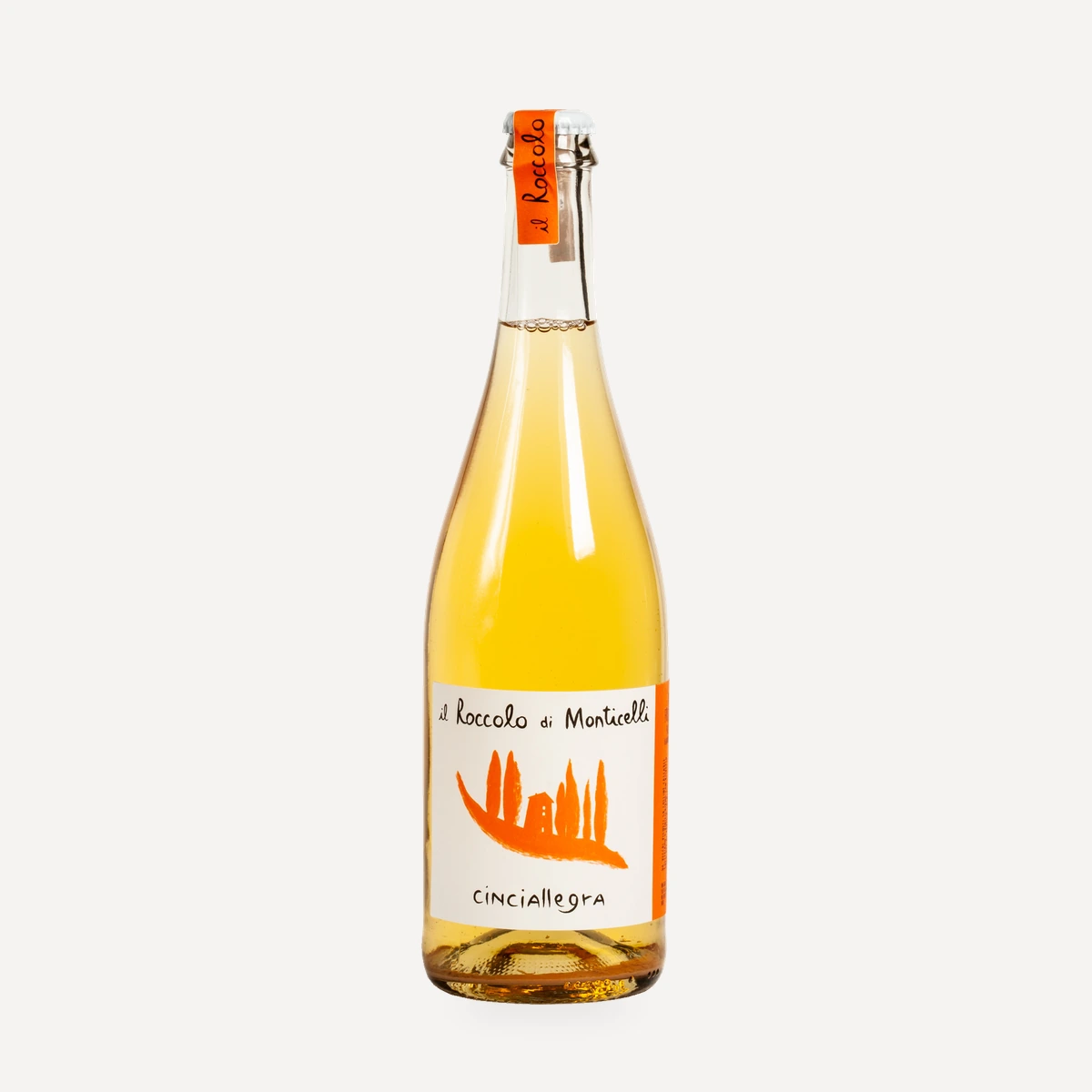
Maturation vessels include stainless-steel tanks, unglazed Impruneta terracotta amphorae and a seasoned 25-hectolitre French-oak cask. Some wines remain on fine lees during maturation. Bottle-refermented production uses frozen must from the same grapes and vintage as the source of natural sugars and yeasts; the bottles are neither disgorged nor stripped of their natural yeast deposit.
Filtration is avoided throughout the range, and sediment in bottle is accepted as a natural consequence. Bottling takes place without invasive treatment. Added sulfur dioxide is absent or used only in limited amounts, allowing the wines to continue evolving. Bottle maturation can extend from several months to at least two years before release, depending on the intended expression.
Filosofia
Il Roccolo di Monticelli presents agriculture as the respectful custody of a living territory. Its central values are respectful farming, the relationship between people, land and wine, healthy wine, biodiversity and family.
The agricultural philosophy seeks harmony between people and nature through observation and understanding of natural rhythms and balances. The land is compared to an English garden: natural forms are allowed to flourish without the property becoming neglected or unmanaged. Soil fertility, microorganisms and organic matter are treated as the foundations of balanced, resilient vines and an agricultural environment less favorable to disease.
Healthy wine begins with healthy grapes. Constant attention to the vineyard and its fruit is therefore considered inseparable from low-intervention cellar work. The goal is to preserve the identity of the place, the growing season and the hand of the growers rather than alter musts through invasive techniques.
In the cellar, the preferred course is spontaneous fermentation, indigenous yeasts, variable skin contact, no filtration, no additives or removals, and either no added sulfur dioxide or only limited additions. These choices are intended to permit natural evolution and produce wines closely connected to their grapes and territory.
Family participation is another defining principle. Although the family has no farming ancestry, its members share vineyard, cellar, administrative, hospitality and sales responsibilities, joining together when additional help is needed.
Vini
Cinciallegra
Di Rado
Molinarosa
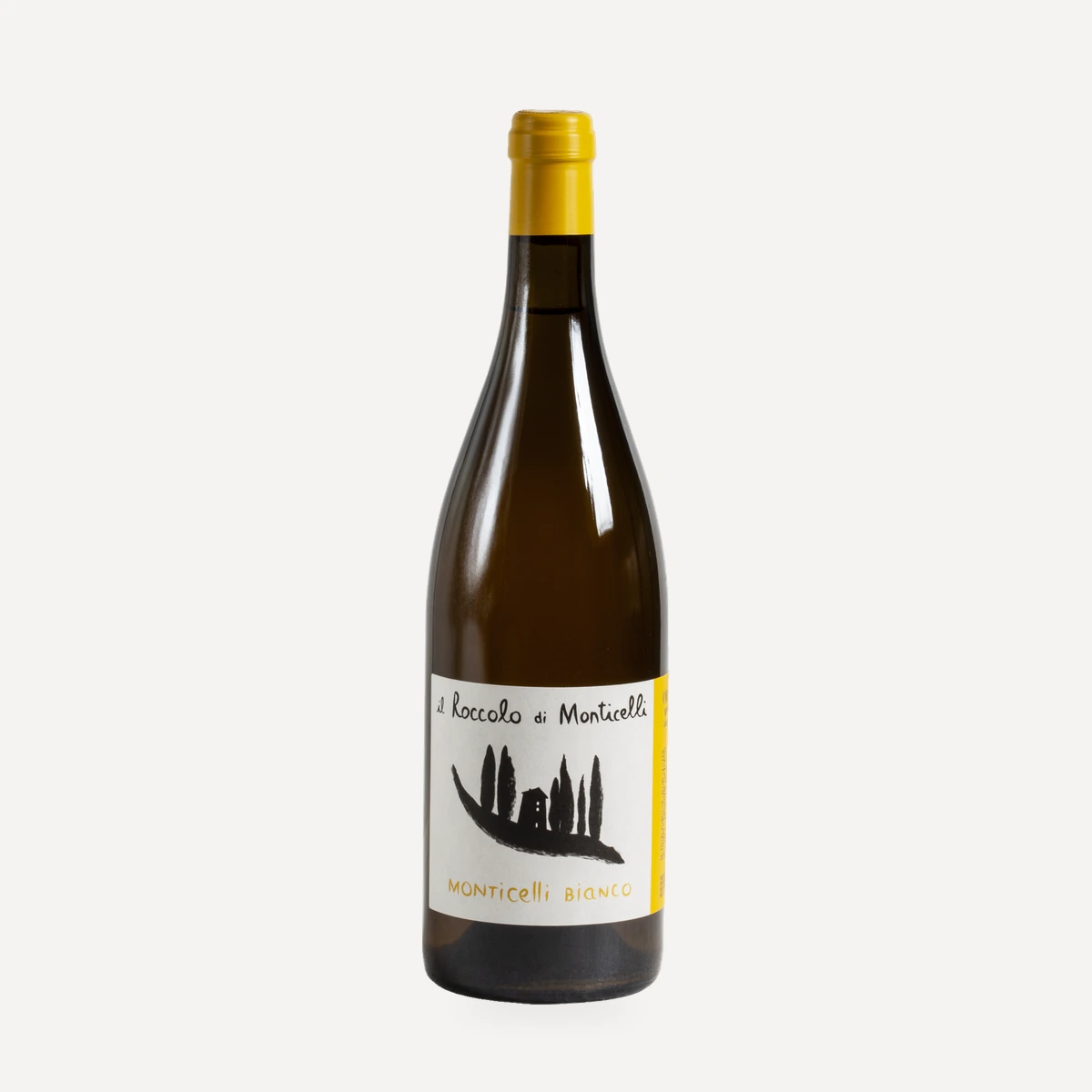
Monticelli Bianco
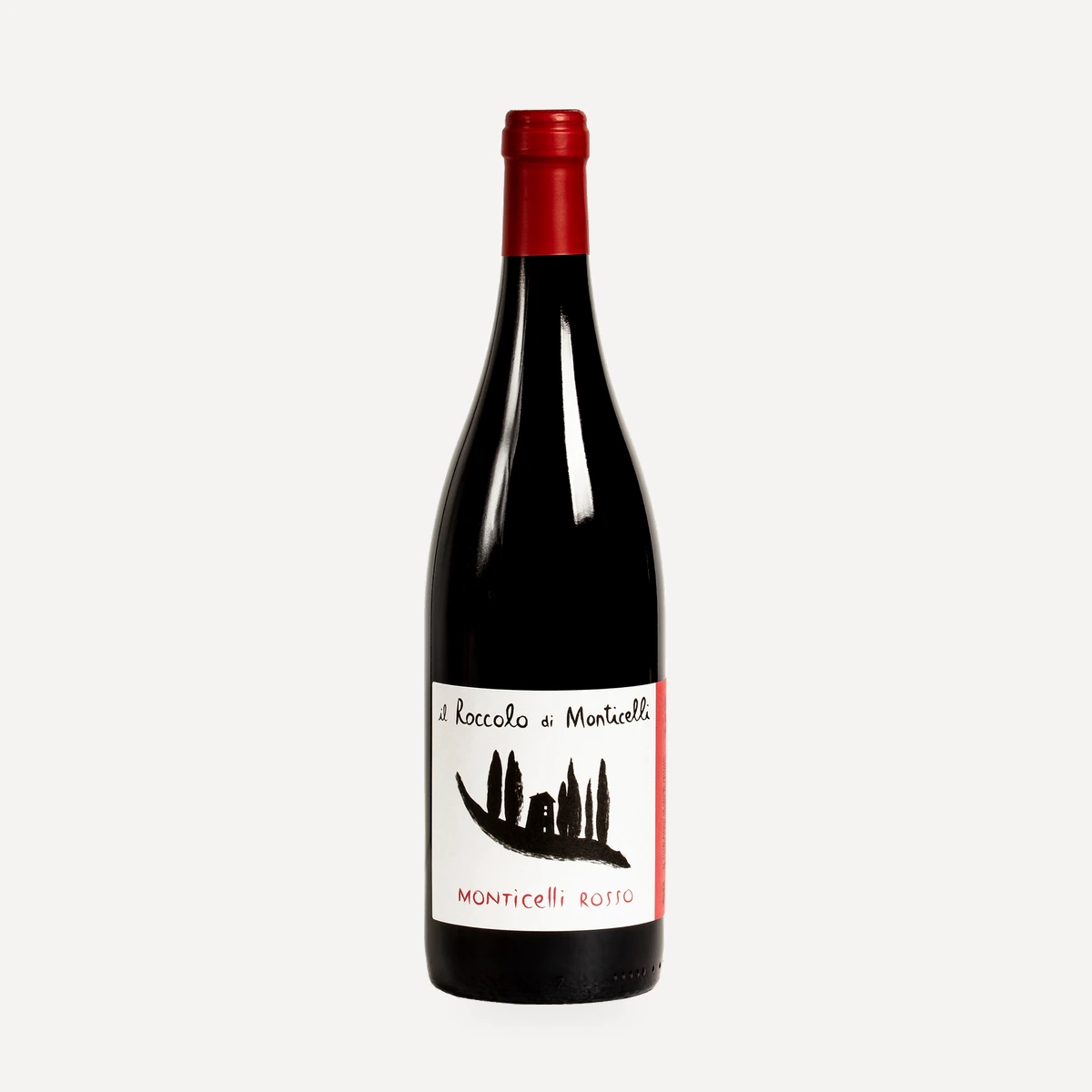
Monticelli Rosso
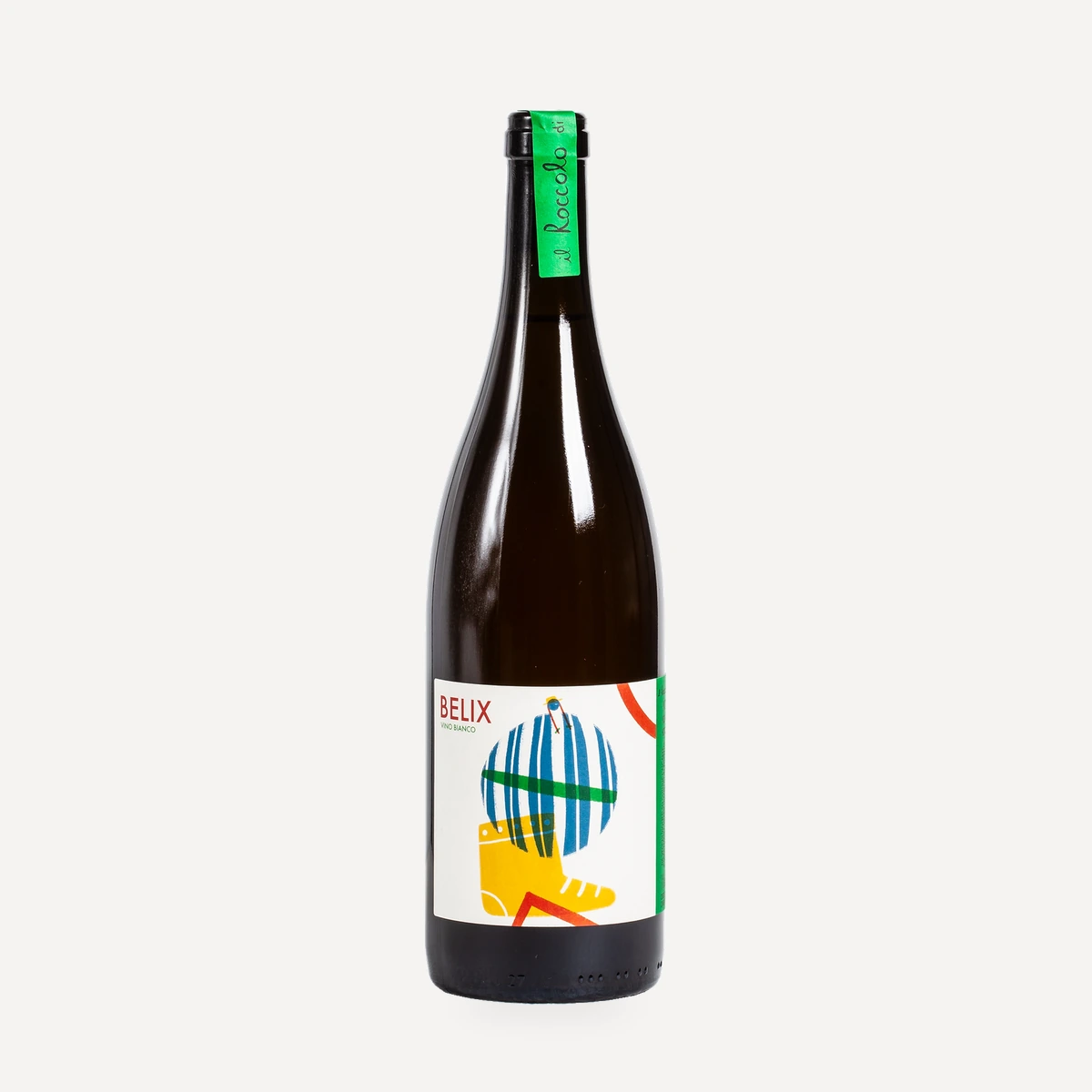
O’Belix