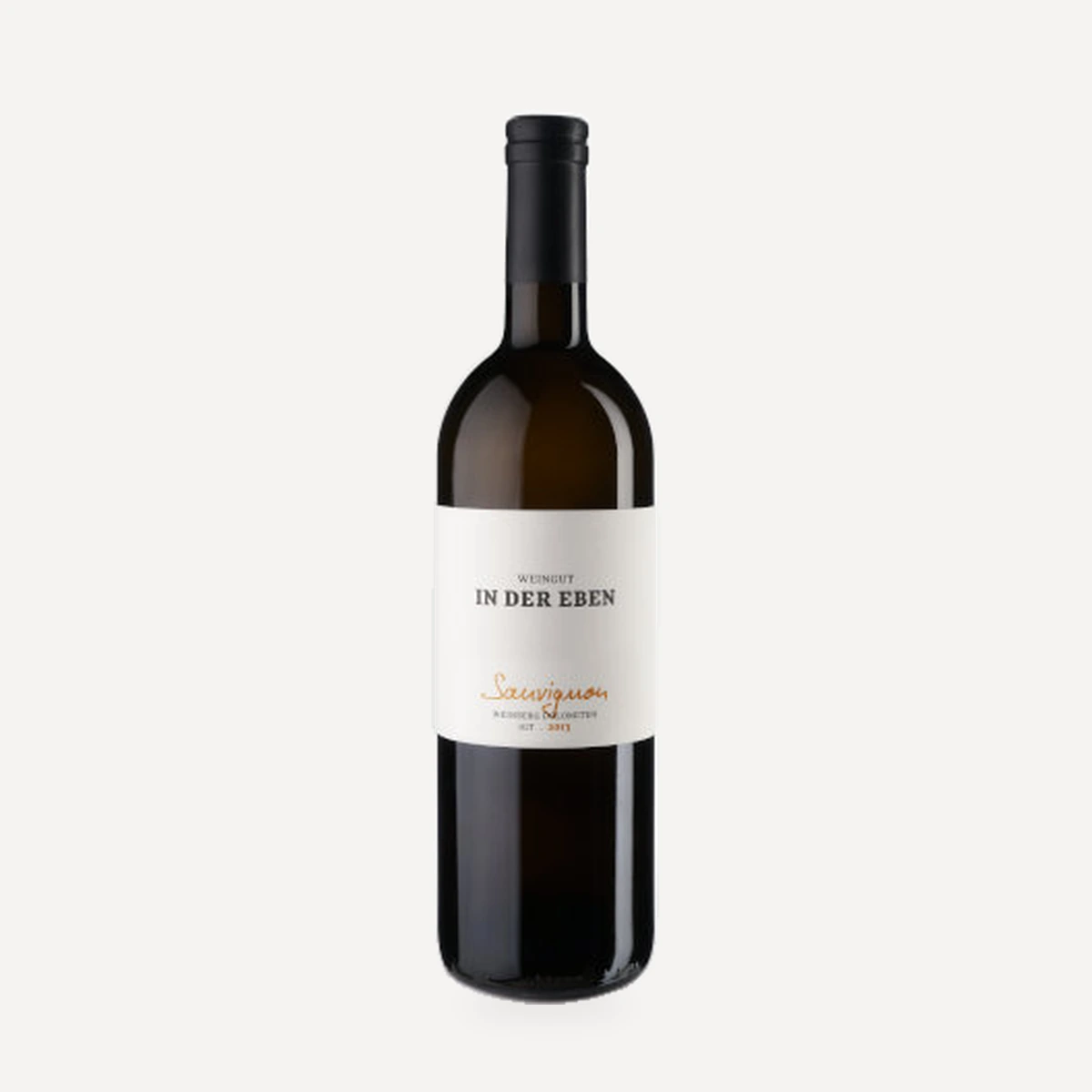
Storia
Medieval origins
The farmstead now known as In Der Eben was first recorded in 1348. It was historically a typical mixed South Tyrolean farm rather than a specialized wine estate. Its old name was later restored: the property was also known as Ebnerhof, while In der Eben was the historic name of the farmstead.
Johannes Plattner and the organic transition
Johannes Plattner took ownership in 1982. He subsequently became one of the early practitioners of organic viticulture in South Tyrol and was among the founders of the regional Bioland organization. The vineyards were converted to organic cultivation in 1990 and have been farmed under Bioland guidelines since 1993.
At first, Johannes sold the grapes to the cooperative. During the 1990s he began making wine alongside Heinrich Mayr of Nusserhof, initially sharing cellar space there while improving the conditions in his own historic cellar. In 1996, he began vinifying, maturing and bottling the estate's grapes himself. His cellar work remained comparatively conventional, using cultured yeasts, filtration and a greater proportion of stainless-steel tanks.
Urban Plattner joins the estate
Urban Plattner trained at the Fachschule für Wein- und Obstbau Laimburg and at the Lehr- und Versuchsanstalt Weinsberg near Heilbronn. After his formal studies, he worked with the northern Italian pruning specialists Preparatori d'Uva and later travelled through Germany and Austria as an instructor in gentle vine pruning. This work exposed him to different vineyard practices and to growers including Josko Gravner, Gernot Heinrich, Fred Loimer and Claus Preisinger, experiences that helped shape his approach to viticulture and cellar work.
Urban joined the family operation in 2010. In 2012, his collaboration with Martin Gojer, Christian Kerschbaumer and Thomas Niedermayr deepened while the four worked part-time with a pruning team in Austria and Germany. Their cooperation eventually developed into Freistil, a group based on organic or biodynamic farming, natural winemaking and individual interpretations of South Tyrol's diverse terroirs.
The 2014 handover and biodynamic era
In 2014, Johannes transferred the vineyards and cellar completely to Urban and concentrated on the farm's fruit-growing activity. The former mixed operation was consequently divided into two businesses. Urban began managing both vineyards and cellar biodynamically that year.
He also transformed the winemaking. Cultured yeasts and filtration were abandoned, more wooden casks were acquired, maturation became substantially longer and additions were reduced to small quantities of sulfur. Rather than accelerating release, Urban began giving the wines at least 18 months—and usually 30 months or more—to develop in the cellar. Vernatsch may remain in wood for two to five years.
This period also brought a renewed emphasis on the estate's historic varieties. Particular attention was given to just over one hectare of old-vine Vernatsch and a 0.15 ha parcel of the nearly extinct local Roter Malvasier. Both thin-skinned varieties have faced serious pressure from fruit flies, demanding rigorous selection and prompting continuing reflection on how best to preserve them under changing conditions.
Terroir
In Der Eben lies on the slopes of the Ritten above Kardaun and Bozen, at the entrance to the Eisacktal. The approximately 3.5 ha of vineyards occupy numerous small, dispersed, south-facing parcels at elevations of roughly 400–550 metres. About half of the vineyard area surrounds the farmstead; the remainder is distributed nearby among mixed deciduous woodland. The forested setting and the airy position of at least one Sauvignon parcel contribute to distinct local growing conditions.
The landscape was shaped by glacial activity. Much of the estate remains on the Bozen porphyry plateau, with sparse, rocky, warm and dry soils over volcanic porphyry and volcanic stone. These austere soils are associated with concentrated grapes, a relatively high proportion of skin to juice and pronounced tannin. Other sites contain glacial moraine material, including granite and slate carried through the Eisacktal. One Gewürztraminer component has also come from a deep, fertile site formed from fluvial sediments, contrasting with the estate's lean porphyry soils.
Vinificazione
The vineyards have been cultivated organically since 1990 and under Bioland guidelines since 1993. Urban Plattner adopted biodynamic management in 2014. Organic certification is recorded under control number BZ-01272-AB, with IT-BIO-013 (AbCert) as the control body.
Work is based on close manual attention to vines, soil and the surrounding diversity of plant life. Healthy, biologically active soil is treated as the foundation of the estate. Urban's pruning practice follows the gentle approach learned through Preparatori d'Uva, preserving the plant's sap flow and seeking to strengthen each vine internally.
Biodynamic preparations include horn silica and horn manure. Horn silica, made from rock crystal, is dynamized for one hour in lukewarm water and sprayed as a fine mist above the vines, especially when light is lacking, two or three times before flowering and also during flowering. Horn manure, prepared from cow manure and cow horn, is applied in larger drops with a backpack sprayer. Urban has observed looser, more active soil at depth and improved water retention following the transition, while presenting these effects as practical observations rather than fixed conclusions.
A Sauvignon trial parcel of slightly more than 0.5 ha was managed without copper for at least five to six years during the 2017–2018 period. Purified clay enriched with herbs, described in 2018 as sulfuric clay, was initially used as the alternative fungicide. The parcel endured the wet 2014 and 2016 seasons with some downy mildew but without major losses. After seeing a Tuscan grower use skimmed raw milk, Urban began experimenting with milk as well; possible effects were associated with its microorganisms, nutrients and influence on pH, although the mechanism remained uncertain. The experiment was facilitated by the site's airy position and by Sauvignon Blanc's relatively robust disease resistance. Rigorous fruit selection is particularly important for thin-skinned Vernatsch and Roter Malvasier because of fruit-fly damage.
The cellar is run with minimal intervention and extended maturation. Fermentations begin spontaneously with indigenous yeasts. Cultured yeasts, routine filtration and acid correction have been abandoned, and only small quantities of sulfur are used.
Fermentation vessels vary with the material. White varieties have fermented in 500-litre casks or larger oak casks, sometimes with approximately 15–30% of the fruit fermenting in contact with skins and stems. Red varieties ferment in stainless-steel tanks, oak vessels or a combination of the two, with skins and stems. Malolactic fermentation is completed, followed by maturation in used or large wooden casks.
The wines are bottled without fining or filtration. Time replaces many corrective cellar treatments: release follows a minimum of about 18 months in the cellar and more commonly 30 months or longer. Vernatsch may mature in wood for two to five years, while the longest-aged selection has received five years of élevage. The objective is not a predetermined flavor profile but the fullest expression possible from a particular site and growing season.
Filosofia
Urban Plattner's approach begins with the belief that wine should be allowed to develop without being directed toward a fixed flavor category. He seeks to give the vine the best possible conditions and then leave the resulting wine largely undisturbed, accepting the character that a particular site and vintage can attain.
His move beyond conventional organic practice was motivated by wines made without routine additives, with very little sulfur and with long maturation. He found them deeper and more digestible and adopted those methods to pursue wines he regards as pure and unembellished. Care in the vineyard is intended to give the fruit sufficient potential to develop without corrective processing.
Time is central to this philosophy. Longer residence in wood and bottle is preferred to technical treatments designed to bring wine to market rapidly. Urban continues to use some sulfur, but relies principally on patience, healthy fruit, spontaneous fermentation and careful sensory judgment.
The preservation of Vernatsch and Roter Malvasier reflects a commitment to varieties cultivated on these sites for centuries, balanced by continued questioning rather than rigid traditionalism. Urban considers warm porphyry sites capable of producing Vernatsch with freshness, elegance, moderate alcohol, tension and aging capacity even in hot years.
Within Freistil, wine is understood as individual, artisanal and living nourishment with both material and spiritual dimensions. The four growers work from different terroirs and aim to express those differences authentically through organic or biodynamic farming, minimal cellar intervention and mutual exchange.
Vini
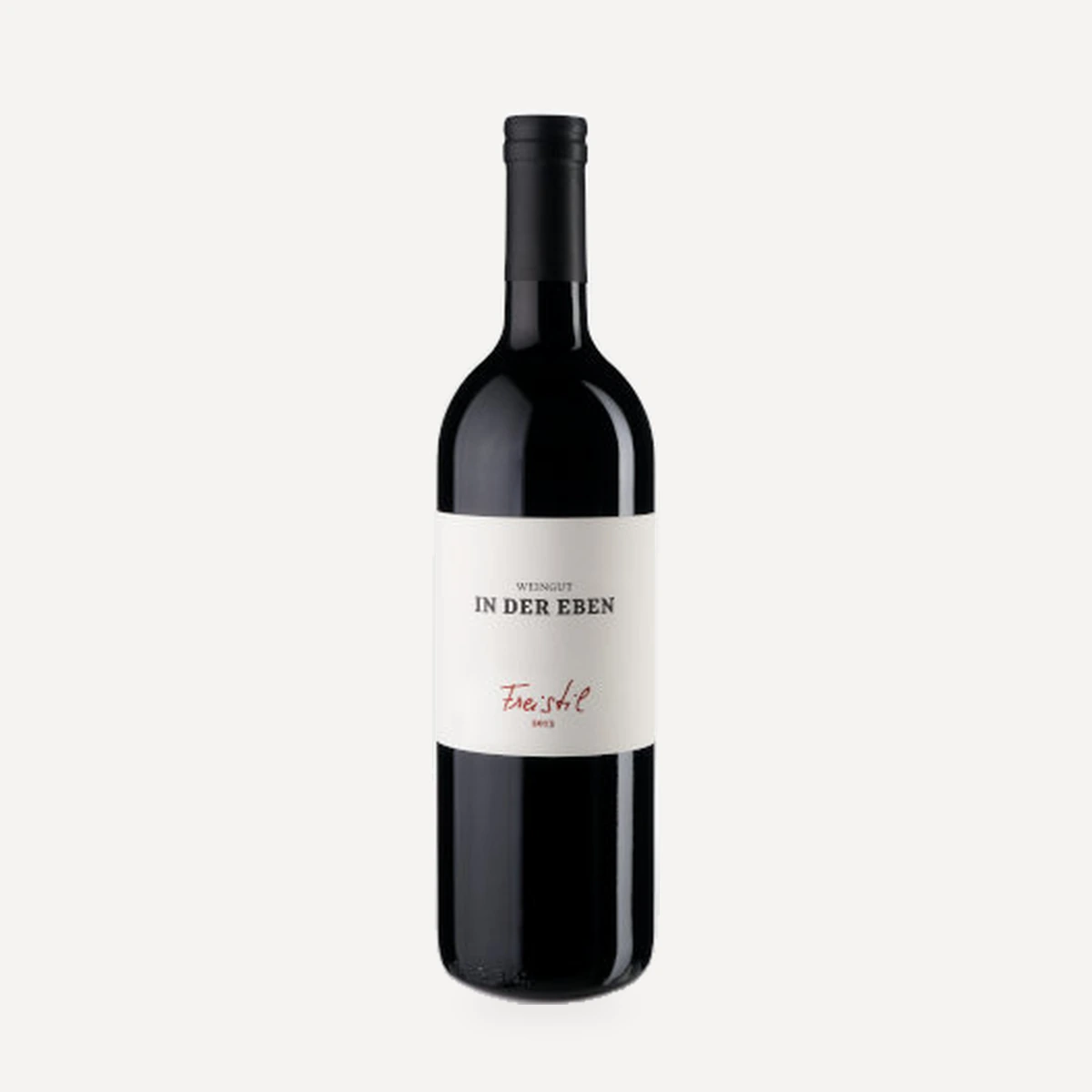
Freistil
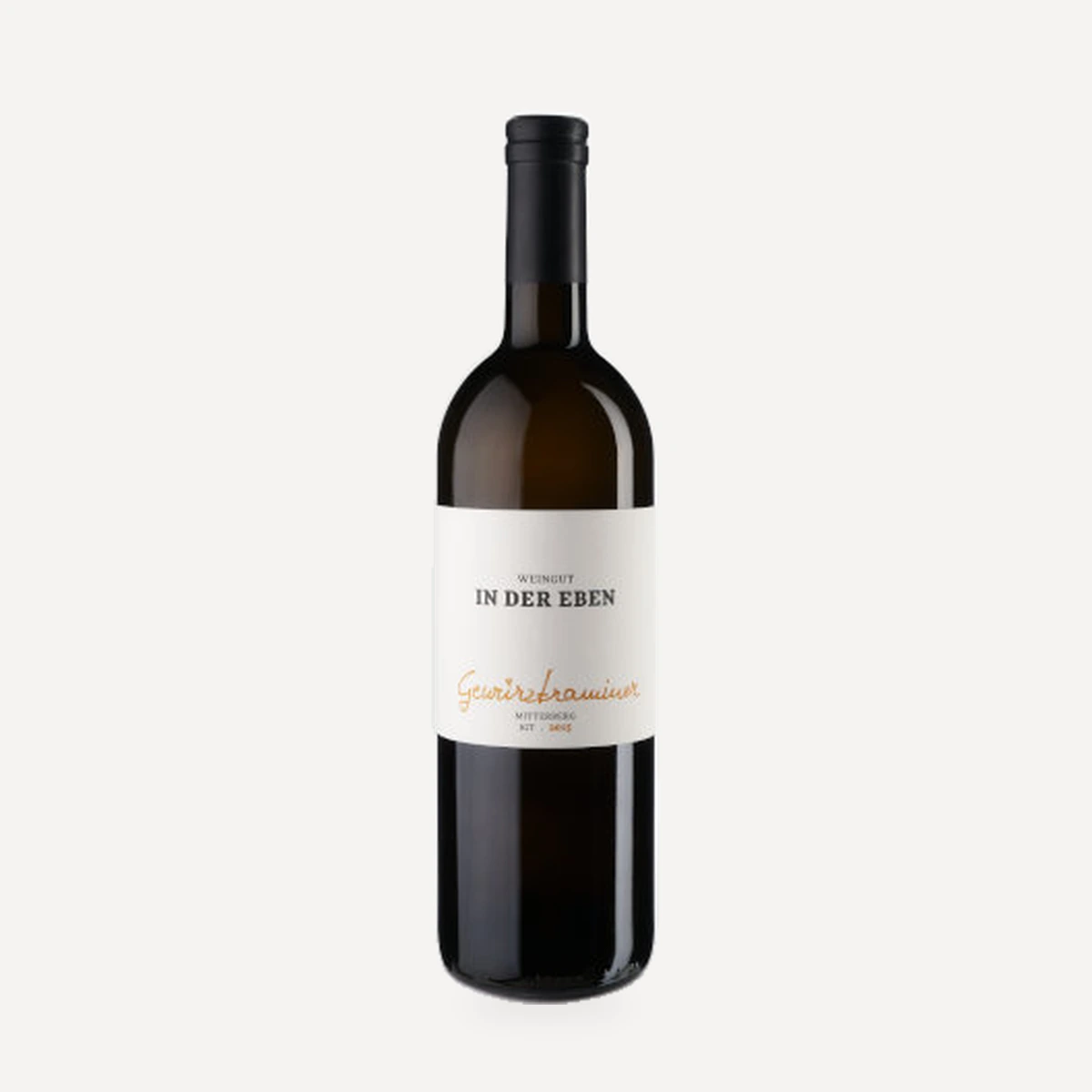
Gewürztraminer
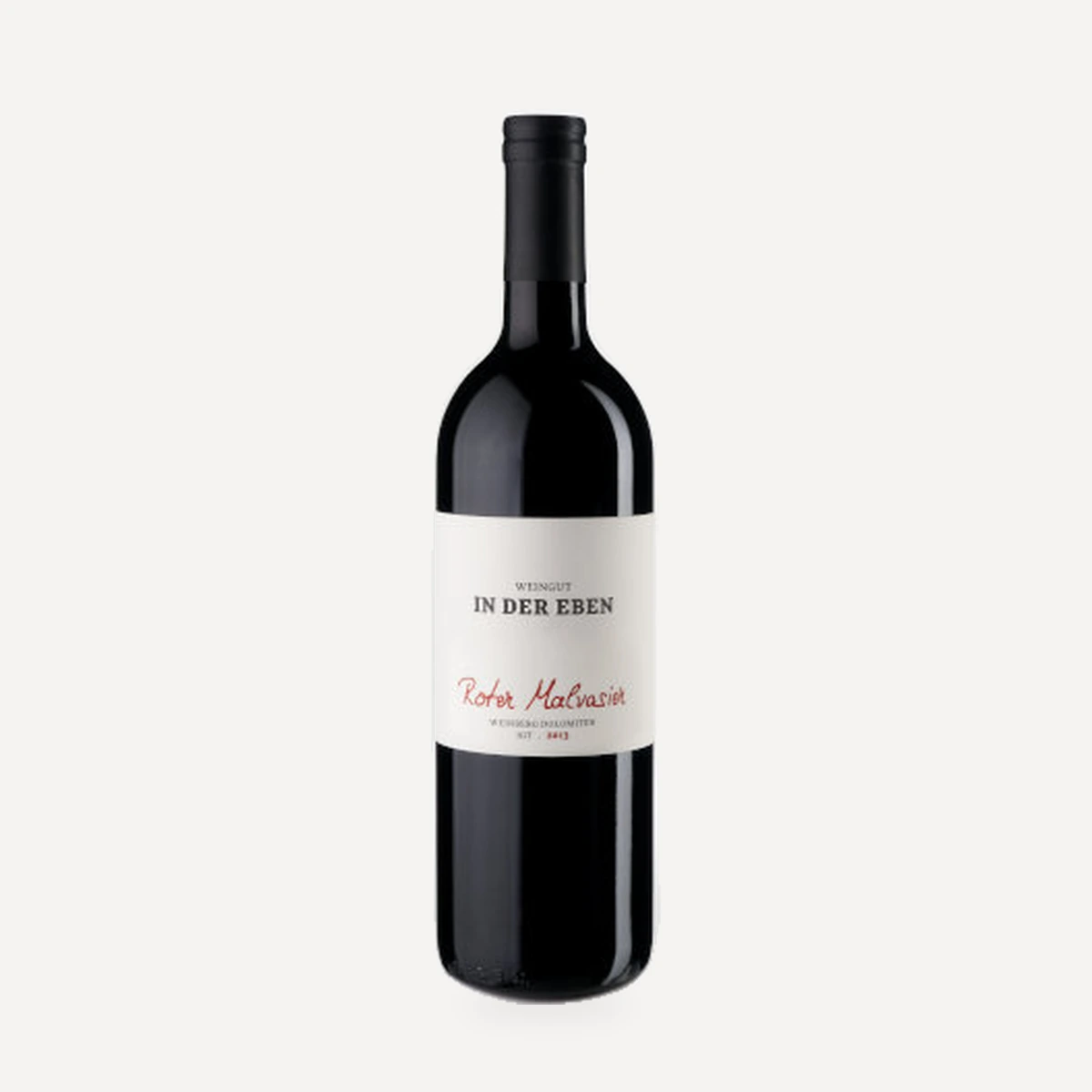
Roter Malvasier
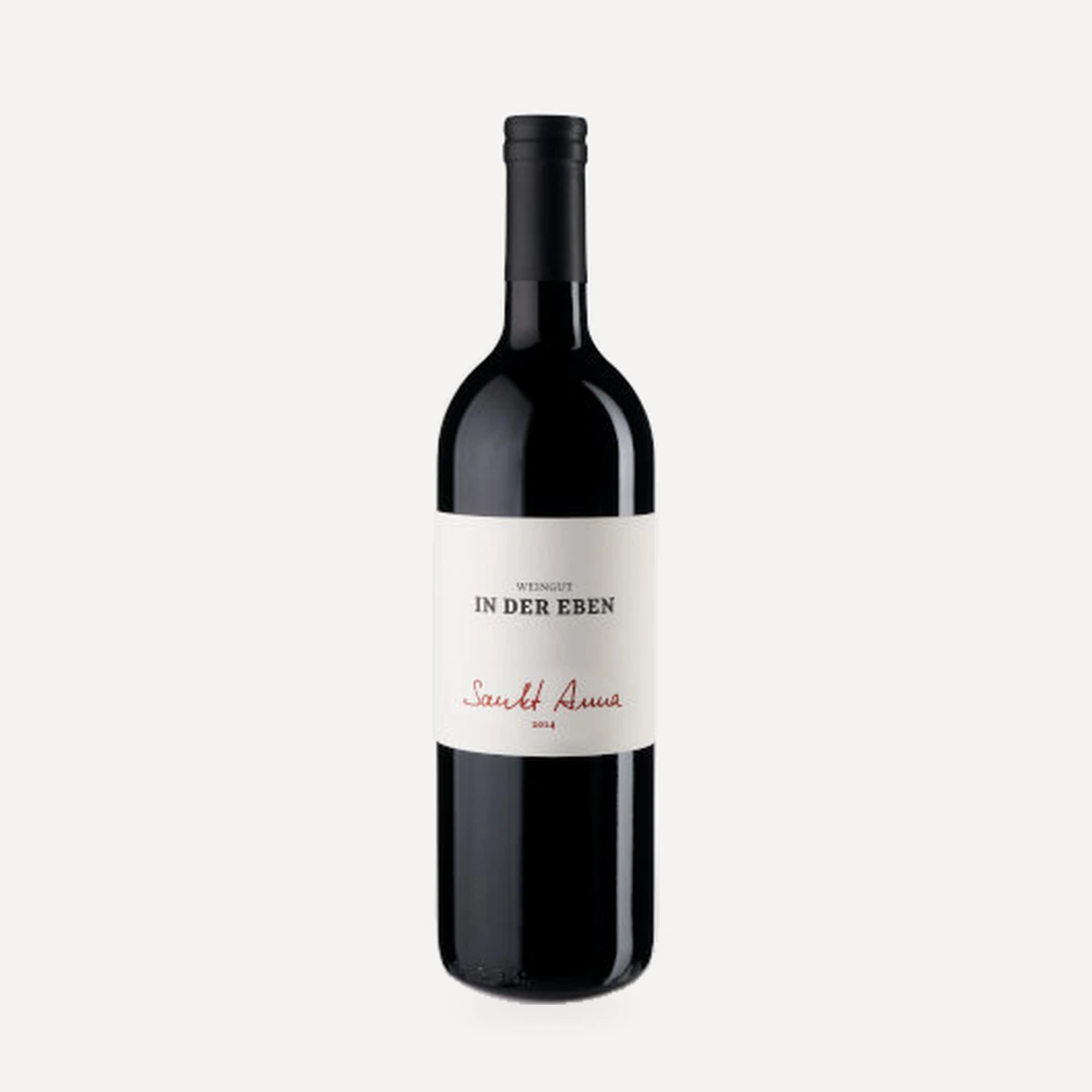
Sankt Anna
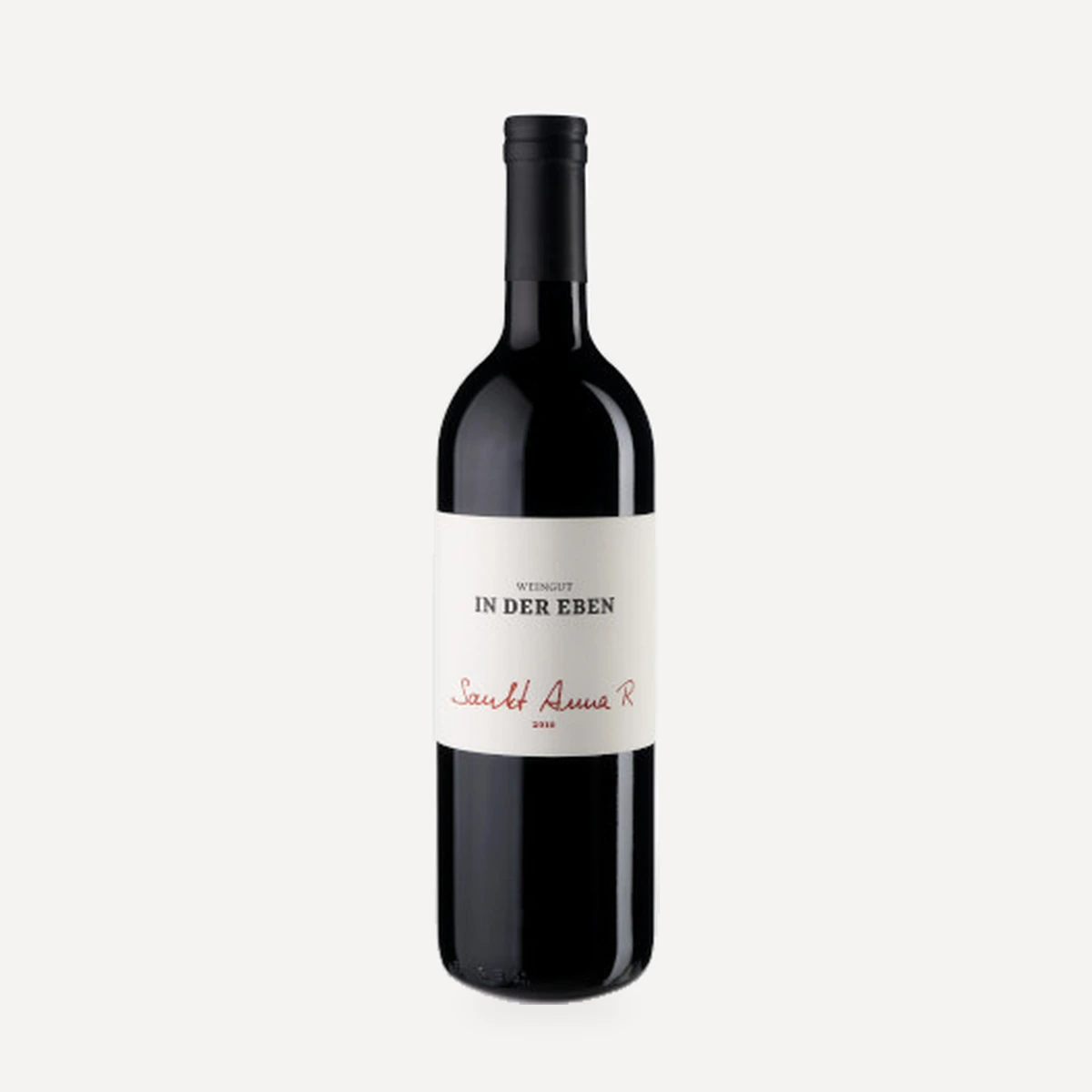
Sankt Anna R